
contact@haitiwonderland.com+509 36184317

Discover

Shopping Cart

Haïti : Citadelle la FerrièreHaïti : Citadelle la Ferrière

News / Culture / View Recent Posts

Culture December 24, 2024

Le Makaya, histoire et pratiques vaudouesques en haïti

Le Makaya est bien plus qu’une simple fête ; il est un pilier spirituel du vaudou haïtien, une tradition vivante qui lie les croyances ancestrales aux rituels de purification, de guérison et de renouveau. Célébré principalement à la fin du mois de décembre, le Makaya tire ses racines de l’Afrique, en particulier des civilisations bantoues, et se déroule dans un contexte profondément spirituel où les liens avec les ancêtres et les forces naturelles sont essentiels. Le terme "Makaya", qui signifie "feuilles" en Kikongo, est intrinsèquement lié à la nature et aux plantes, éléments essentiels du vaudou. Ce lien direct avec la nature fait du Makaya un moment de purification, où les croyants se connectent à la terre et aux esprits par l’intermédiaire des végétaux. La tradition du Makaya vient des peuples Bantous, principalement du Congo, et de leurs pratiques spirituelles qui ont été transposées, adaptées et enrichies par la diaspora haïtienne pendant la période de l’esclavage. La période du Makaya commence le 21 décembre, lors du solstice d’hiver, une date symbolique marquant la victoire de la lumière sur les ténèbres, le commencement du renouveau solaire. Dans le vaudou, cette époque est perçue comme un moment d’introspection où la nuit la plus longue de l’année se transforme lentement en jour, apportant avec elle des forces purificatrices et régénératrices.

Par Faïly Anderson Trazil |
Learn more
Culture November 22, 2023

Haitian rhythms: Exploring musical and dance traditions

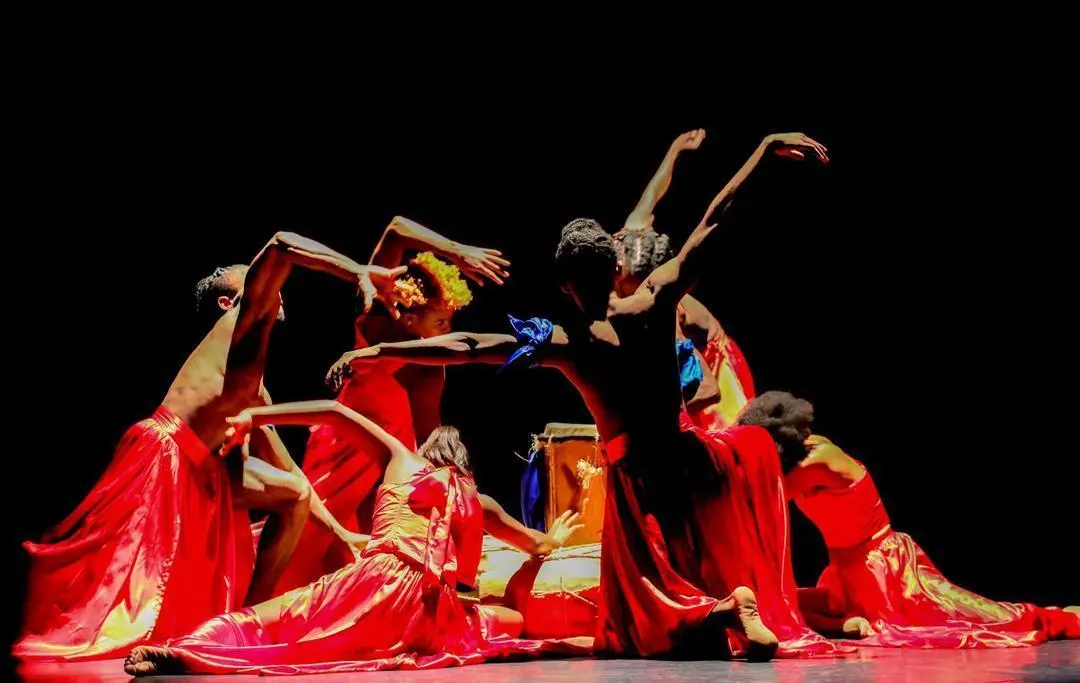
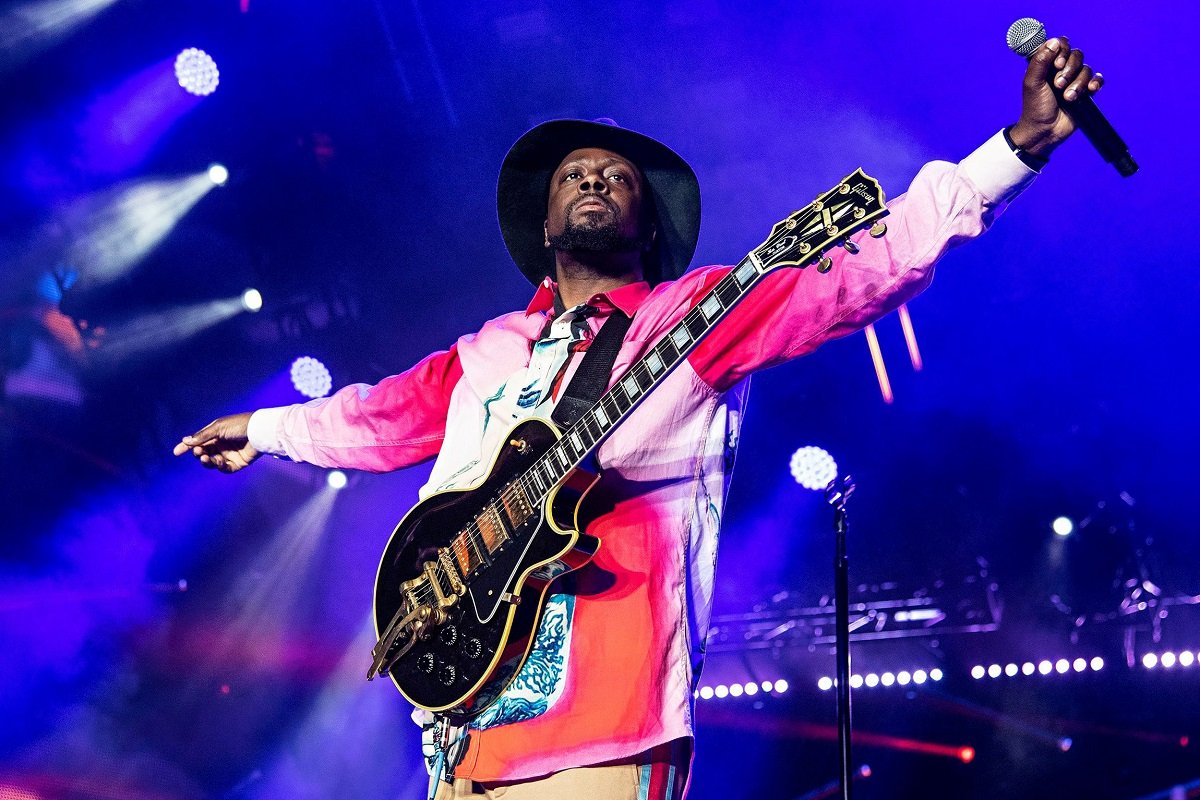
Haiti, a land rich in history and cultural diversity, offers a unique musical treasure through its captivating rhythms. Haitian music, deeply rooted in the fusion of different African, European and Caribbean influences, constitutes a vibrant expression of national identity. One of the distinctive elements of Haitian music is its rhythmic diversity, reflecting the many facets of daily life, from religious celebrations to moments of joy and sorrow. Haitian rhythms, carrying contagious energy, are a reflection of the soul of the Haitian people. One of Haiti’s most iconic musical genres is direct compas, which emerged in the 1950s. This catchy rhythm, coupled with captivating melodies, has captured hearts globally. The direct compass embodies the fusion of different musical styles, including jazz, merengue, and elements of traditional Haitian music. Haitian musical traditions are not limited to contemporary sounds. Vodou, an ancestral spiritual practice, also has a major influence on Haitian music. Vodou rhythms, often associated with religious ceremonies, create a deep connection between spirituality and artistic expression. Furthermore, dance is inseparable from Haitian music. The graceful and energetic movements of traditional dances like rasin, combined with captivating rhythms, transport dancers and spectators to a world where bodily expression becomes a living art form. Exploring the musical and dance traditions of Haïti is like diving into a universe where history, culture and spirituality are harmoniously woven together. These rhythms, passed down from generation to generation, are much more than simple notes; they embody the soul of a people and the richness of its diversity. Celebrating these traditions pays homage to Haiti’s exceptional cultural heritage and its invaluable contribution to the global music scene.

Par Appolon Guy Alain |
Learn more
Culture November 01, 2024

Guédés: When Haïti celebrates its ancestors with color and fervor

Every November 1st and 2nd, Haïti comes alive with the colors black and purple to celebrate the Guédés, spirits venerated in the voodoo religion, symbols of a powerful bond between the living and the dead. Fascinating, indomitable and provocative, the Guédés form a true family in the pantheon of Haitian voodoo, where they are respected for their role as spiritual guides of the deceased to the afterlife. Led by iconic figures such as the legendary Baron Samedi and his companion Grann Brigitte, the Guédés embody the paradoxes of life and death. Each Baron has a unique personality: Baron Cimetière, Baron Kriminel, and Baron La Croix are the guardians of the souls that wander on the borders of the world of the dead. Together, they form a powerful and somewhat frightening presence, but one that is deeply rooted in Haitian culture. The Guédés are not like other voodoo spirits; they demonstrate their fearlessness in a spectacular way. Accustomed to death, they are fearless and are provocative: they eat glass, raw peppers, and coat their sensitive parts with rum and pepper. These gestures mark their indifference to danger and remind us that they have already known earthly life. They are thus psychopomps – these beings who lead the souls of the dead – and act as bridges between the world of the living and that of the dead. Some Guédés, like Guédé Nibo, wear black, purple, and white clothing, each with unique characteristics. They are many and varied: Guédé Fouillé, Guédé Loraj, Papa Guédé, and many others. These are the spirits who, each year, remind Haitians of the importance of remembering and honoring the deceased. The cult of the Guédés is not only religious; it is also cultural and historical. According to tradition, their spiritual territory, or “Fètomè” – nicknamed the “Country without Hats” – is a place where the souls of ancestors reside. According to stories, the origins of this cult go back to the Abomey plateau, the ancient capital of the kingdom of Dahomey, in Africa, where death and life coexist in a form of symbiosis. This celebration in Haïti even finds echoes in ancient history. The Romans also honored their dead with the “Fête des Lémuria”, which took place in February, to ward off spirits and restore peace between the world of the living and that of the deceased. For Haitians, honoring the Guédés is about accepting death as a part of life and celebrating the invisible bonds that unite us with those who have left us. It is also a way of resisting, because life, despite its challenges, must be celebrated in all its complexity and depth.

Par Faïly Anderson Trazil | 1
Learn more

Recently Posted

Plan your trip to Haïti

Haïti, the pearl of the Caribbean nestled west of the island of Hispaniola, offers a captivating combination of natural beauty and rich history. For an unforgettable trip, follow these wise tips to plan your stay. b~Prior Research~b Before you begin your trip, immerse yourself in Haïti’s rich culture, fascinating history, delicious cuisine and top attractions. This prior immersion will allow you to make the most of your stay and connect more easily with locals. b~Ideal time to travel~b Haïti’s mild climate throughout the year makes it an attractive tourist destination at any time. Your choice of period will depend on your preferences. If you’re passionate about cultural festivities, don’t miss the Haïtian Carnival in February, a vibrant celebration leading up to Lent. For lovers of paradise beaches like Labadee, La Côte des Arcadins, and others, summer offers a perfect mix of sun and fun times in crystal clear waters. If spirituality appeals to you, August 15 marks the Feast of the Assumption, a religious celebration marking the Virgin Mary’s ascension into heaven. And also November 1st and 2nd are dedicated to the Day of the Dead. Families go to the cemetery to honor and decorate the graves of their deceased loved ones, creating an atmosphere steeped in memory and tradition. History buffs may choose to visit on national holidays such as National Independence Day on January 1, Flag Day on May 18, and other significant events. b~Choice of Accommodation~b Haïti offers a range of accommodation options, from luxury hotels to family-friendly B&Bs. Adapt your choice according to your budget and preferences, favoring local accommodation for a more authentic experience. b~Unmissable Tourist Sites~b Among the gems to explore, discover the majestic Citadelle Laferrière, listed as a UNESCO world heritage site, the Sans Souci Palace, the La Visite National Park, the Milot Cathedral, Fort Jacques, the Heroes of Vertières, the Bassin Bleu , the Saut-Mathurine Waterfall, the Marie-Jeanne Cave, Kenscoff and Furcy, as well as the Saut d’Eau Waterfall. Also explore the artistic wealth of Haïti through its artisan markets. b~Taste Local Cuisine~b Haïtian cuisine is a symphony of exotic flavors. Be sure to sample local dishes such as griot and pea-sticky rice at local markets for an authentic culinary experience. b~Local Culture~b Haïtian culture, influenced by a rich history, is diverse and vibrant. Respect local customs, be open-minded and willing to learn. The warmth and hospitality of the Haïtians add a unique dimension to your experience. b~Means of Transport~b Opt for modern means of land transport such as Capital Coach Line, Transport Chic, Sans-Souci Tours, Le Transporteur, Grand Nord. For aerial explorers, easily book your flight with Sunrise Airways. Car rental is also an option for those looking for a more private experience. b~Language and Communication~b Although Haïtian Creole is the main language, French is also widely used. Learn a few basic phrases in Creole to facilitate exchanges and enrich your experience. By meticulously planning your trip to Haïti, you open yourself up to discovering the natural beauty, cultural richness, and warm hospitality of this Caribbean gem. Get ready to experience a unique and memorable adventure in Haïti.

Haiti: In the Kingdom of Legends: Le Colombier, Keeper of the Secrets of Belle-Anse

In the heart of the azure waters of the Caribbean Sea, stands majestically the Colombier, an imposing rock mass that defies time and the elements. Located off the picturesque coast of Belle-Anse in southeastern Haiti, the Colombier is more than just a geological formation; it is a symbol of the natural beauty and cultural heritage of the region. Dominating the marine horizon with its imposing silhouette, the Colombier is shrouded in mystery and legends passed down from generation to generation. According to local stories, this rock was formed by the sea gods themselves, testifying to their passage through these crystal clear waters. A legend which adds an aura of fascination to this already enchanting place. But beyond its mythical appearance, the Colombier also offers a breathtaking visual experience. Visitors who venture to this natural wonder are rewarded with breathtaking panoramas: steep cliffs plunging into turquoise waters, isolated coves hemmed with golden sand, and abundant marine flora that enlivens the seabed. Le Colombier is also a refuge for remarkable biodiversity. Its waters are home to a multitude of marine species, from colorful fish to spectacular corals and majestic sea turtles. Scuba diving and snorkeling enthusiasts will find a preserved paradise there, where nature reigns supreme and each immersion is a fascinating exploration. As a tourist spot, Le Colombier offers an unforgettable getaway for travelers looking for adventure and authentic discoveries. Boat excursions from Belle-Anse allow visitors to get up close and personal with this natural wonder, contemplate its spectacular shapes and let themselves be captivated by its captivating beauty. In short, the Colombier embodies the quintessence of Haiti’s natural beauty, a hidden treasure in the heart of the Caribbean Sea. Between its breathtaking landscapes, its cultural heritage rich in legends and its exceptional biodiversity, this maritime jewel fully deserves its reputation as an essential tourist destination. Come discover the Colombier and let yourself be carried away by the magic of this exceptional place.

Recently Posted

History

History

First black nation to free itself from slavery and gain independence from France in 1804 and influenced other liberation movements around the world, inspiring struggles for freedom and equality.

Natural beauty

Natural beauty

Haïti is blessed with spectacular natural landscapes, including white sand beaches, mountains and rich biodiversity.

Heritage

Heritage

Haïti has a rich historical heritage, including sites like the Citadelle Laferrière and the Sans-Souci Palace, listed as UNESCO World Heritage Sites.

Culture

Culture

Haïti has a rich and diverse culture, influenced by African, European and indigenous elements. Haitian music, dance, art and cuisine are celebrated around the world.

  • +
    • Post