contact@haitiwonderland.com+509 36184317

Discover

Shopping Cart

Explore the Festivals, Gastronomy and Art of Haiti: An Immersive Dive

Explore the Festivals, Gastronomy and Art of Haiti: An Immersive Dive

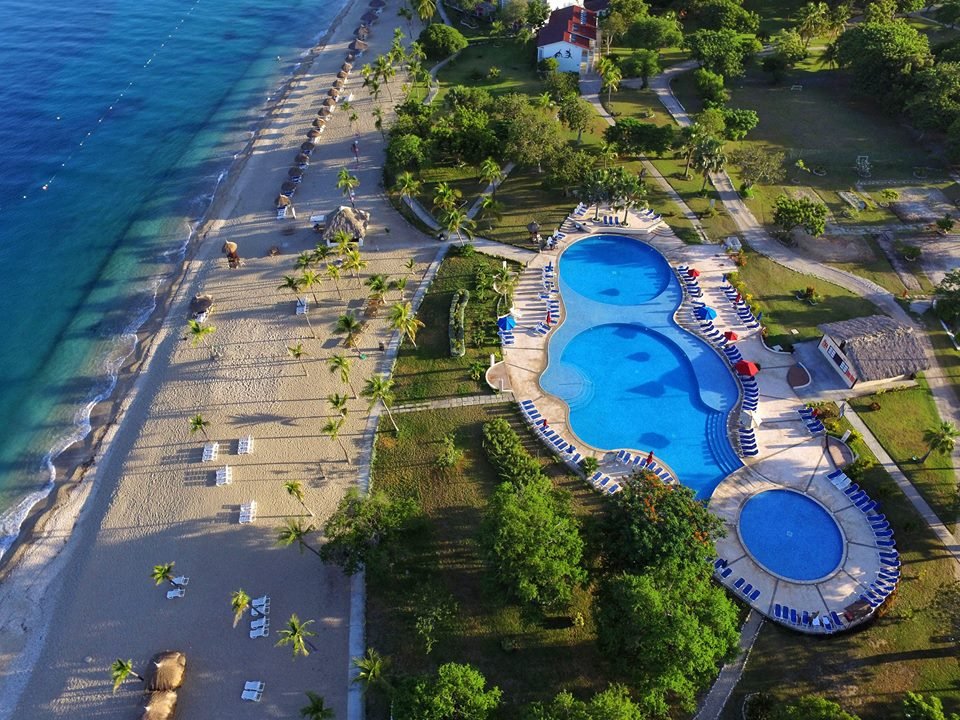
Haiti, the pearl of the Caribbean, is much more than its white sand beaches and turquoise waters. It is a country rich in culture, traditions and history. Among the many facets of Haitian culture, its festivals, its gastronomy and its art stand out for their diversity and authenticity.

Haïti
Haïti
Haïti

Festivals: Celebrations of Life and Culture

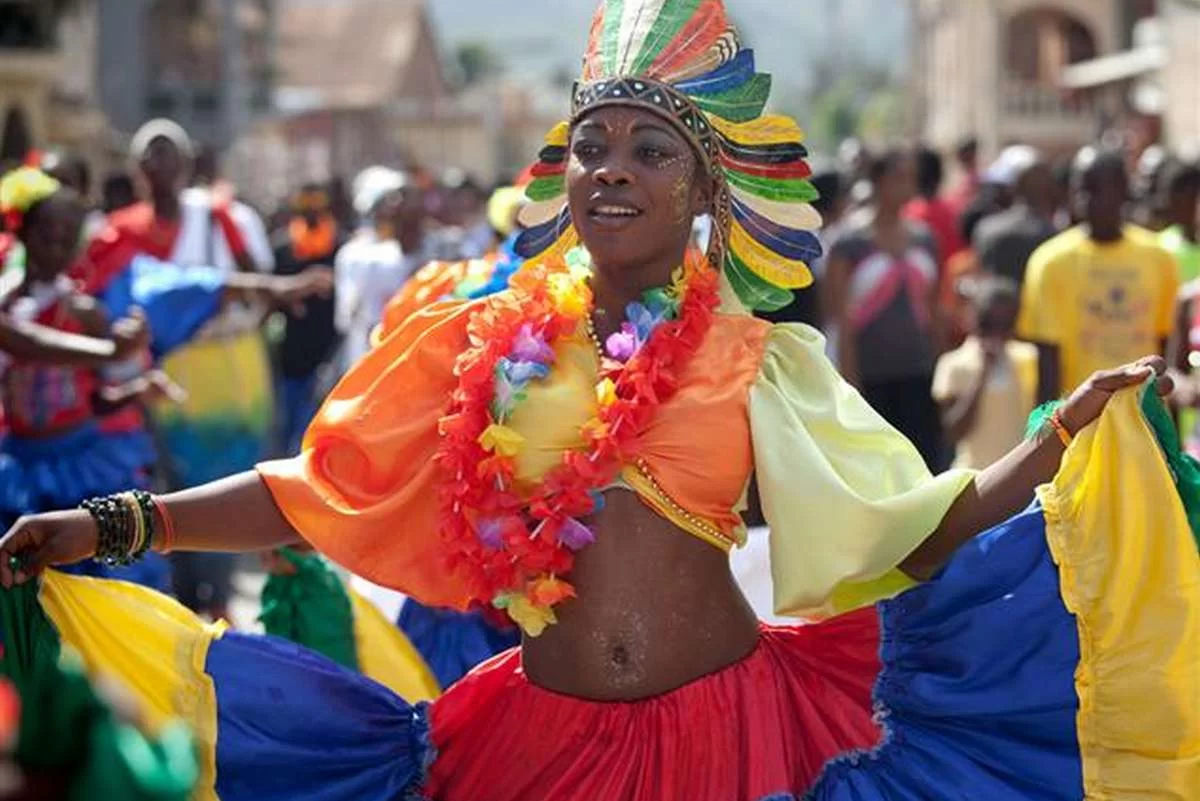
Haitian festivals are vibrant celebrations of life, music, dance and spirituality. One of the most iconic festivals is Carnival, which takes place every year in February. This colorful and exuberant festival is a celebration of Haitian culture, with float parades, folk dances, haunting music and extravagant costumes. The Haitian carnival is an explosion of joy and creativity that attracts visitors from all over the world.

Besides Carnival, Haïti is home to a multitude of other festivals throughout the year. Each festival offers visitors a unique opportunity to immerse themselves in Haitian culture and enjoy unforgettable experiences.

Haïti
Haïti
Haïti

Gastronomy: A Feast for the Senses

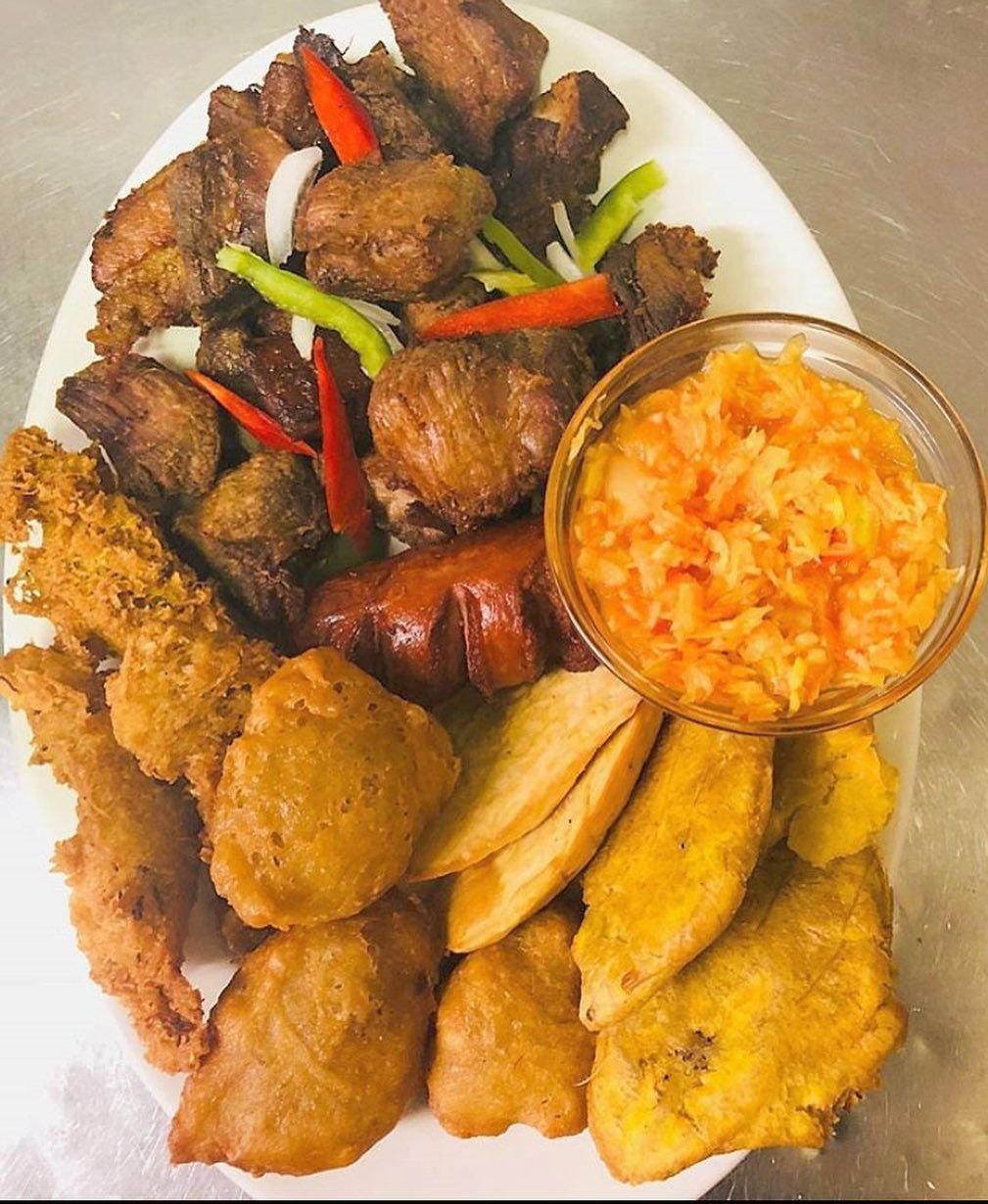
Haitian gastronomy is a delicious blend of African, French, Creole and indigenous flavors. Haitian dishes are often prepared with local ingredients such as rice, beans, plantains, cassava and chili peppers. An iconic dish is "diri djon djon", a fragrant rice cooked with local black mushrooms, which gives the dish a distinctive color and unique taste.

Meat dishes, such as griot (marinated and fried pork) and chicken boucané (grilled chicken), are also very popular. Fresh seafood abounds on Haiti’s shores, offering a variety of culinary delights such as grilled fish and spicy shrimp.

To accompany meals, Haitians often enjoy fresh "sugar cane juice" or "rum", an alcoholic beverage infused with local fruits and spices. Haitian gastronomy is a celebration of bold flavors and culinary traditions passed down from generation to generation.

Haïti
Haïti
Haïti

Art: Expression of the Haitian Soul

Haitian art is a form of expression deeply rooted in the history and culture of the country. From painting to sculpture to crafts, Haitian art is diverse and vibrant. Haitian paintings, in particular, are famous for their bright colors, naïve motifs, and depictions of daily life, religion, and mythology.

Haitian sculptures, often made from recycled wood or metal, also reflect the creative spirit and ingenuity of the Haitian people. Traditional crafts, such as basketry and pottery, are another popular art form in Haiti, continuing craft techniques passed down from generation to generation.

Art galleries and craft markets across the country offer visitors the opportunity to discover and acquire unique works created by talented Haitian artists. Haitian art is much more than just decoration; it is a window into the soul and creative spirit of a people.

Haïti is a country rich in festivals, gastronomy and art. These elements constitute the fabric of Haitian culture, offering visitors an authentic immersion in the life and traditions of the country. Whether dancing to the rhythm of the carnival, tasting the local culinary delights or admiring the unique works of art, a visit to Haïti promises an unforgettable and enriching experience.

Share
About the Author
Haïti Wonderland
Haïti Wonderland
Leave a comment

Recently Posted

Newsletter

Subscribe to our newsletter to stay informed of all our activities and news on Haiti.

Timoun se Moun: A poetry competition to promote children’s rights in Haiti

A wounded country. Bent under the weight of a multidimensional crisis. Widespread violence. Hope slammed shut. A sacrificed generation. Children are increasingly threatened. They are increasingly confronted with all forms of vulnerability that hinder their overall development. ACTIF is launching the second edition of the "Timoun se Moun" poetry competition. A citizen initiative in which the organization uses writing as a springboard to build what life deprives Haitian children of. Pain can be turned into gold. For ACTIF (Community Action for Transformation and Formal Integration), poetry is a philosopher’s stone. Not only for this organization, but also for all those who believe that writing can help rekindle the stars. Faced with this urgent need for action, this is "an initiative to raise awareness, denounce, and affirm loud and clear that every child matters, every child deserves protection, hope, and a future," reads the competition’s descriptive document. So what do you intend to do with your human light? Through this competition, participants have the opportunity to engage in an act of resistance, like a cry of conscience to raise the voice of broken childhoods. Open from May 18 to June 18, "Timoun se Moun" is open to all Haitians living in the country and aged 18 and over. Texts must be submitted in Creole. Behind this initiative, ACTIF intends, on the one hand, to affirm our cultural and linguistic identity, and on the other, to enrich our Creole literature, promote it, and encourage creativity in our vernacular. The text must not exceed 500 words. The format chosen is PDF, Times New Roman font, size 12, and 1.5 line spacing. This competition aims to offer a touch of affection to these children who are the first victims of the country’s descent into hell. To evaluate the literary quality and essence of the submitted texts, a jury is composed of Ruthza Paul, Douglas Zamor, and Darly Renois. The former is a physician and winner of the first edition of this competition. The other two work in the fields of sociology, psychology, and literature. In addition to the "Jury Prize: 15,000 HTG + books + certificate" and "Audience Prize: 5,000 HTG + certificate + books" prizes, the best texts will be included in an anthology to be published by Éditions Répérages. It should be noted that there will be one winner for each prize. This initiative reflects ACTIF’s commitment to honoring authors who embrace the cause of underprivileged children while enriching Haiti’s literary heritage. This competition extends a helping hand to all those who believe that through poetry, one can transform one’s life into a masterpiece. At the same time, it offers the opportunity to contribute to ACTIF’s child protection program. Each participant may submit a single text. It must be sent by email to the following address: actifkonkoupwezi@gmail.com. The partial results will be published on June 30, 2025, and the final results on July 18, 2025. For more information, visit ACTIF at the following address: 18 Rue Desdunes, Imp. Thoby, Mahotière 79, Carrefour, Haiti, or contact the organization at the following number: (+509) 38 44 57 57. More than just a contest, ACTIF invites you to say No. No to forgetting. No to passivity. No to violence against children and the violation of their rights.

Vertières, Fort Mazi: Beyond historical truth;

If you look up the word vertière in a French dictionary, you will not find it for fear that the world does not know this place represents the Achilles heels of the most powerful European army. What’s more, this one had just successfully won the eastern campaign. French historians of the time erased this geographical location from the radar of history because they did not want to tell the story as it is in the sense of explaining the first great humiliation of the expeditionary army French by bands of slaves who were totally ignorant in the art of waging war, much less in the handling of weapons. However, these illiterate wars routed the Napoleonic army, the most powerful at that time, using the means at hand. This expeditionary army, after having brought Europe to its knees, would experience its first rout by slaves in this geographical location, located in the Northern department of Haiti. Funny story, this city is not on the list of French words even though given its historical importance, it should be at the heart of universal history, far from putting an end to the invincibility of the undefeated army army. So as not to offend the white masters, no political leader has ever asked why vertière does not appear in any French dictionary? However, they celebrate this battle with great fanfare every November 18. What historic hypocrisy among our leaders! After Vertière many other historical places are strangled by historians in order to hide the extremes of atrocities of the French colonists on the slaves. It is in this context of historical strangulation that “Fort Mazi” is not mentioned in school history textbooks. This is located in Petit-Goave, 2nd municipal section, Arnoux locality. We came across this mega fort, during a mobile clinic entirely financed by the Ernest Junior foundation, a charitable foundation which works in the social sector, particularly in the field of art and music. According to residents , the oldest in this locality, this fort was built on at least 20 squares of earth by the settlers. It was a huge military complex divided into compartments, outposts, turtle rooms, rooms for treating colonists, a large Catholic church, and a cemetery. However, we never talk about this fort so much so that it is ignored by history teachers in the town of Petit-Goave. Certainly, the desired disappearance of this fort under the radar of history buries the atrocities, the barbarities, the most inhumane punishments of the colonists on the slaves. Looking closely at reality, everything seems true that it is the largest fort ever built during the period of colonization. Moreover, it probably seems the most fortified in relation to its importance. Remember that Vertière only exists in Haitian school history textbooks while Fort Mazi does not appear, much less in French dictionaries or history books. This explains why this fort was a secret place in which the settlers practiced crimes and atrocities that went beyond human understanding. Is it not a clear desire of historians to hide what this immense fort built on at least 20 tiles of earth really was? Discover the history of Haiti: A fascinating story to explore! : https://haitiwonderland.com/haiti/histoire/decouvrez-l-histoire-d-haiti--un-recit-fascinant-a-explorer/81

Recently Posted

History

History

First black nation to free itself from slavery and gain independence from France in 1804 and influenced other liberation movements around the world, inspiring struggles for freedom and equality.

Natural beauty

Natural beauty

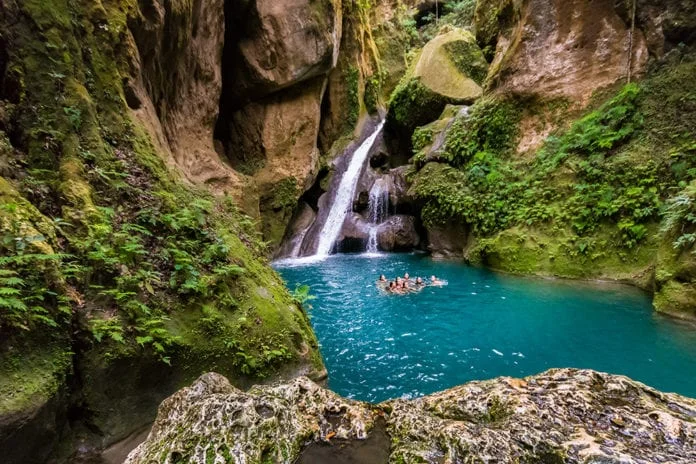
Haïti is blessed with spectacular natural landscapes, including white sand beaches, mountains and rich biodiversity.

Heritage

Heritage

Haïti has a rich historical heritage, including sites like the Citadelle Laferrière and the Sans-Souci Palace, listed as UNESCO World Heritage Sites.

Culture

Culture

Haïti has a rich and diverse culture, influenced by African, European and indigenous elements. Haitian music, dance, art and cuisine are celebrated around the world.

  • +
    • Post