contact@haitiwonderland.com+509 36184317

Discover

Shopping Cart

Did you know? Haïti has the largest cave system in the Caribbean.

Did you know? Haïti has the largest cave system in the Caribbean.

Few people know that Haiti, often celebrated for its beaches and rich history, is also home to the largest cave system in the Caribbean. These underground formations, scattered across the country, are natural and cultural treasures that bear witness to millions of years of geological evolution and human interactions. Let’s dive into this fascinating universe together.

A spectacular underground network

Haiti’s caves are a veritable natural labyrinth. Among the best known are the Marie-Jeanne cave in Port-à-Piment, the Saint-François cave in the North, and the Dondon caves. These cavities, sculpted by centuries of erosion, reveal stalactites, stalagmites and impressive limestone formations.

The Marie-Jeanne Cave, for example, is considered the longest explored cave in the Caribbean, with nearly 4 kilometers of mapped galleries. It offers a unique immersion in an underground world rich in biodiversity and mysteries.

A natural and cultural wealth

Haitian caves are not limited to their natural beauty; they also have an inestimable cultural value. The Taínos, the first inhabitants of the island, used these caves as refuges and sacred places. To this day, petroglyphs and other artifacts testify to their spiritual practices and their connection with nature.

These caves also served as refuges during the colonial period and revolutions, offering protection and discretion to resistance fighters.

A paradise for explorers

With its countless caves, Haïti is a destination of choice for speleology enthusiasts. The diversity of its caves, ranging from simple accessible cavities to complex and unexplored systems, attracts adventurers and researchers from all over the world.

The unique biodiversity of these caves is also remarkable: some are home to endemic species, such as bats and insects adapted to permanent darkness.

A sustainable tourism opportunity

Haiti’s cave system represents immense potential for the development of sustainable ecotourism. In 2021, local initiatives began to highlight these sites while raising awareness among visitors about their preservation. The Marie-Jeanne cave, for example, hosts guided tours that combine exploration and environmental education.

This type of tourism not only helps protect these natural treasures, but also generates income for local communities.

A heritage to protect

However, this natural heritage faces increasing threats, including deforestation, which disrupts the ecological balance of the caves, and unregulated human activities. Preserving these sites is crucial to ensure their survival and allow future generations to discover them.

As a nation proud of its riches, Haïti is increasing its efforts to protect these underground wonders through partnerships between scientists, local communities and international organizations.

An invitation to explore

Whether you are passionate about nature, history or adventure, Haiti’s cave system is an unforgettable experience. These cavities hidden beneath the surface offer a unique insight into the country’s geological and cultural diversity.

Have you ever explored Haiti’s caves? If so, share your thoughts in the comments. And if you haven’t yet, get ready to live an extraordinary adventure in the bowels of this fascinating country. Haïti and its underground wonders await you!

Share
About the Author
Appolon Guy Alain
Appolon Guy Alain
Appolon Guy Alain

Full Stack Developer, Créatif, expérimenté, passionné des nouvelles technologies et de l’art.

See other articles from Appolon Guy Alain
Leave a comment

Recently Posted

Jean-Jacques Dessalines, leader of the Haitian Revolution

In the annals of the history of Haiti, an island located in the Caribbean at the entrance to the Gulf of Mexico and shared with the Dominican Republic, Jean-Jacques Dessalines emerges like a phoenix from the ashes of oppression. Born a slave on September 20, 1758 in the home of Henri Duclos, in Cormier (Grande-Rivière-du-Nord), in the French colony of Saint-Domingue, Dessalines was a Creole of African (Afro-Caribbean) origin. Freed during the 1794 abolition achieved through slave revolts, actually served as an officer in the French army during the French Revolution. At that time, the ideas of freedom and equality were at the heart of the concerns of the inhabitants of the colonies. Dessalines actively participated in the fighting against the Spanish and British forces, alongside the French, in Santo Domingo. Having risen to the rank of Lieutenant General, Jean-Jacques Dessalines turned against the French during the Leclerc expedition, sent to Saint-Domingue by Bonaparte to reestablish colonial authority and slavery during the Haitian Revolution. After the capture and deportation of Toussaint Louverture to France on June 7, 1802, Dessalines assumed a leading role in continuing the struggle for independence. He led numerous battles, including the battle of Crête-à-Pierrot in March 1802, where he galvanized his soldiers with his famous declaration: “Let those who want to remain slaves of the French leave the fort, let those, on the contrary, who want to die as free men, line up around me.” On January 1, 1804, Jean-Jacques Dessalines achieved the long-awaited goal of independence by proclaiming Haïti as a sovereign nation, becoming the second country in the Americas to gain independence from a colonial power. He became the first leader of the newly formed nation and was named Emperor under the name James I. However, his imperial reign was marked by authoritarian and brutal policies, including the massacre of many white settlers and the redistribution of land to peasants that was in the hands of the generals of the independence army. In addition, he organized the hunt for delinquents in the city while implementing rigorous agrarian policies, considering that they represented a threat to the stability of the nation, these controversial actions caused divisions within Haitian society. Dessalines was assassinated on October 17, 1806 following a plot organized by some of his generals in the Haitian army. His death marked the end of his brief but influential period in power. Despite the controversies surrounding his methods, he is recognized as the main architect of Haiti’s independence and his name was honored in 1903 by being attributed to the Haitian national anthem, La Dessalinienne, composed by Justin Lhérisson.Finally, the great visionary man Jean Jacques Dessalines remains an emblematic figure in the history of Haiti, recognized for his role in the fight for independence and the end of slavery in the region.

Haiti: In the Kingdom of Legends: Le Colombier, Keeper of the Secrets of Belle-Anse

In the heart of the azure waters of the Caribbean Sea, stands majestically the Colombier, an imposing rock mass that defies time and the elements. Located off the picturesque coast of Belle-Anse in southeastern Haiti, the Colombier is more than just a geological formation; it is a symbol of the natural beauty and cultural heritage of the region. Dominating the marine horizon with its imposing silhouette, the Colombier is shrouded in mystery and legends passed down from generation to generation. According to local stories, this rock was formed by the sea gods themselves, testifying to their passage through these crystal clear waters. A legend which adds an aura of fascination to this already enchanting place. But beyond its mythical appearance, the Colombier also offers a breathtaking visual experience. Visitors who venture to this natural wonder are rewarded with breathtaking panoramas: steep cliffs plunging into turquoise waters, isolated coves hemmed with golden sand, and abundant marine flora that enlivens the seabed. Le Colombier is also a refuge for remarkable biodiversity. Its waters are home to a multitude of marine species, from colorful fish to spectacular corals and majestic sea turtles. Scuba diving and snorkeling enthusiasts will find a preserved paradise there, where nature reigns supreme and each immersion is a fascinating exploration. As a tourist spot, Le Colombier offers an unforgettable getaway for travelers looking for adventure and authentic discoveries. Boat excursions from Belle-Anse allow visitors to get up close and personal with this natural wonder, contemplate its spectacular shapes and let themselves be captivated by its captivating beauty. In short, the Colombier embodies the quintessence of Haiti’s natural beauty, a hidden treasure in the heart of the Caribbean Sea. Between its breathtaking landscapes, its cultural heritage rich in legends and its exceptional biodiversity, this maritime jewel fully deserves its reputation as an essential tourist destination. Come discover the Colombier and let yourself be carried away by the magic of this exceptional place.

Newsletter

Subscribe to our newsletter to stay informed of all our activities and news on Haiti.

Timoun se Moun: A poetry competition to promote children’s rights in Haiti

A wounded country. Bent under the weight of a multidimensional crisis. Widespread violence. Hope slammed shut. A sacrificed generation. Children are increasingly threatened. They are increasingly confronted with all forms of vulnerability that hinder their overall development. ACTIF is launching the second edition of the "Timoun se Moun" poetry competition. A citizen initiative in which the organization uses writing as a springboard to build what life deprives Haitian children of. Pain can be turned into gold. For ACTIF (Community Action for Transformation and Formal Integration), poetry is a philosopher’s stone. Not only for this organization, but also for all those who believe that writing can help rekindle the stars. Faced with this urgent need for action, this is "an initiative to raise awareness, denounce, and affirm loud and clear that every child matters, every child deserves protection, hope, and a future," reads the competition’s descriptive document. So what do you intend to do with your human light? Through this competition, participants have the opportunity to engage in an act of resistance, like a cry of conscience to raise the voice of broken childhoods. Open from May 18 to June 18, "Timoun se Moun" is open to all Haitians living in the country and aged 18 and over. Texts must be submitted in Creole. Behind this initiative, ACTIF intends, on the one hand, to affirm our cultural and linguistic identity, and on the other, to enrich our Creole literature, promote it, and encourage creativity in our vernacular. The text must not exceed 500 words. The format chosen is PDF, Times New Roman font, size 12, and 1.5 line spacing. This competition aims to offer a touch of affection to these children who are the first victims of the country’s descent into hell. To evaluate the literary quality and essence of the submitted texts, a jury is composed of Ruthza Paul, Douglas Zamor, and Darly Renois. The former is a physician and winner of the first edition of this competition. The other two work in the fields of sociology, psychology, and literature. In addition to the "Jury Prize: 15,000 HTG + books + certificate" and "Audience Prize: 5,000 HTG + certificate + books" prizes, the best texts will be included in an anthology to be published by Éditions Répérages. It should be noted that there will be one winner for each prize. This initiative reflects ACTIF’s commitment to honoring authors who embrace the cause of underprivileged children while enriching Haiti’s literary heritage. This competition extends a helping hand to all those who believe that through poetry, one can transform one’s life into a masterpiece. At the same time, it offers the opportunity to contribute to ACTIF’s child protection program. Each participant may submit a single text. It must be sent by email to the following address: actifkonkoupwezi@gmail.com. The partial results will be published on June 30, 2025, and the final results on July 18, 2025. For more information, visit ACTIF at the following address: 18 Rue Desdunes, Imp. Thoby, Mahotière 79, Carrefour, Haiti, or contact the organization at the following number: (+509) 38 44 57 57. More than just a contest, ACTIF invites you to say No. No to forgetting. No to passivity. No to violence against children and the violation of their rights.

Recently Posted

History

History

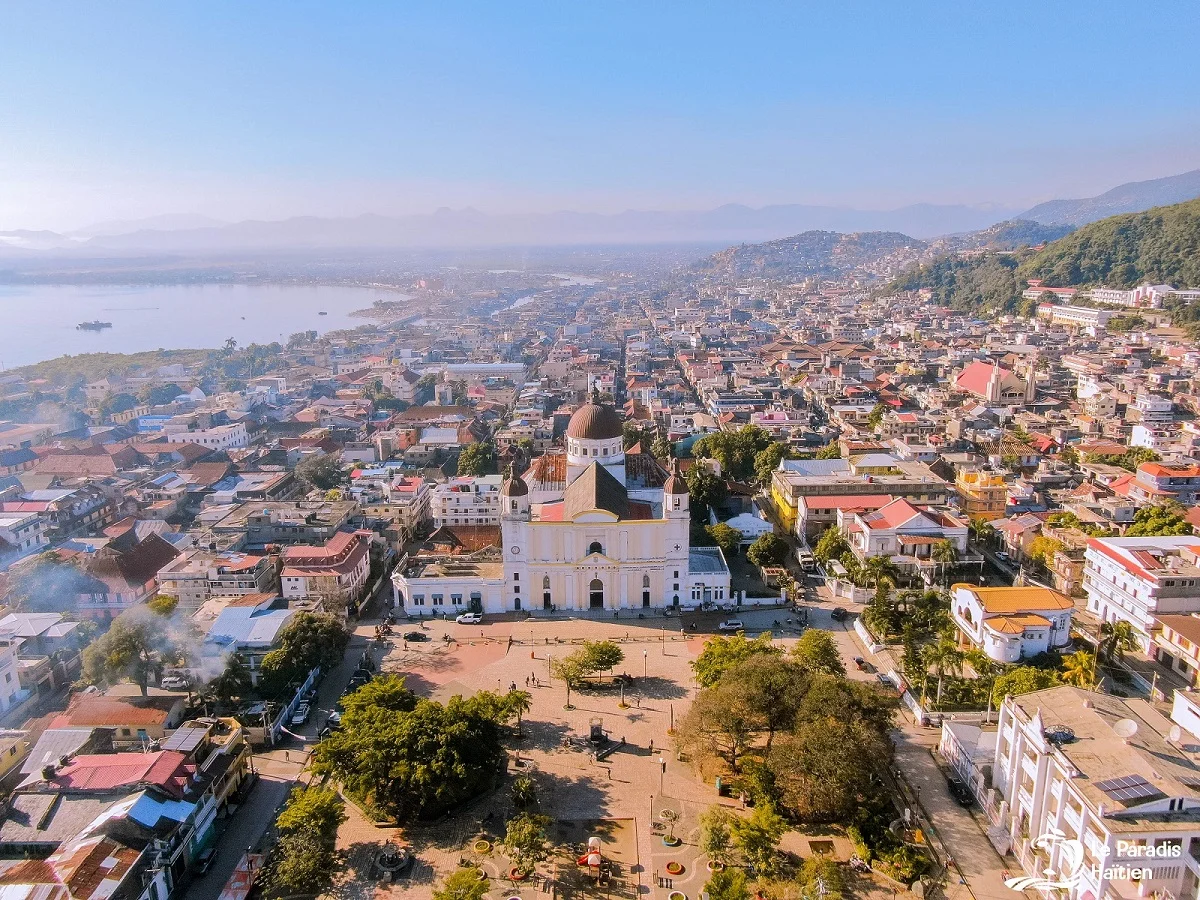
First black nation to free itself from slavery and gain independence from France in 1804 and influenced other liberation movements around the world, inspiring struggles for freedom and equality.

Natural beauty

Natural beauty

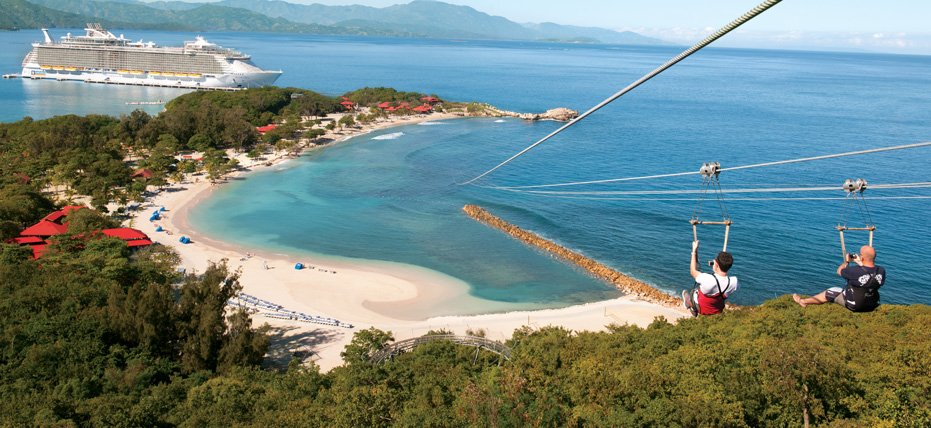
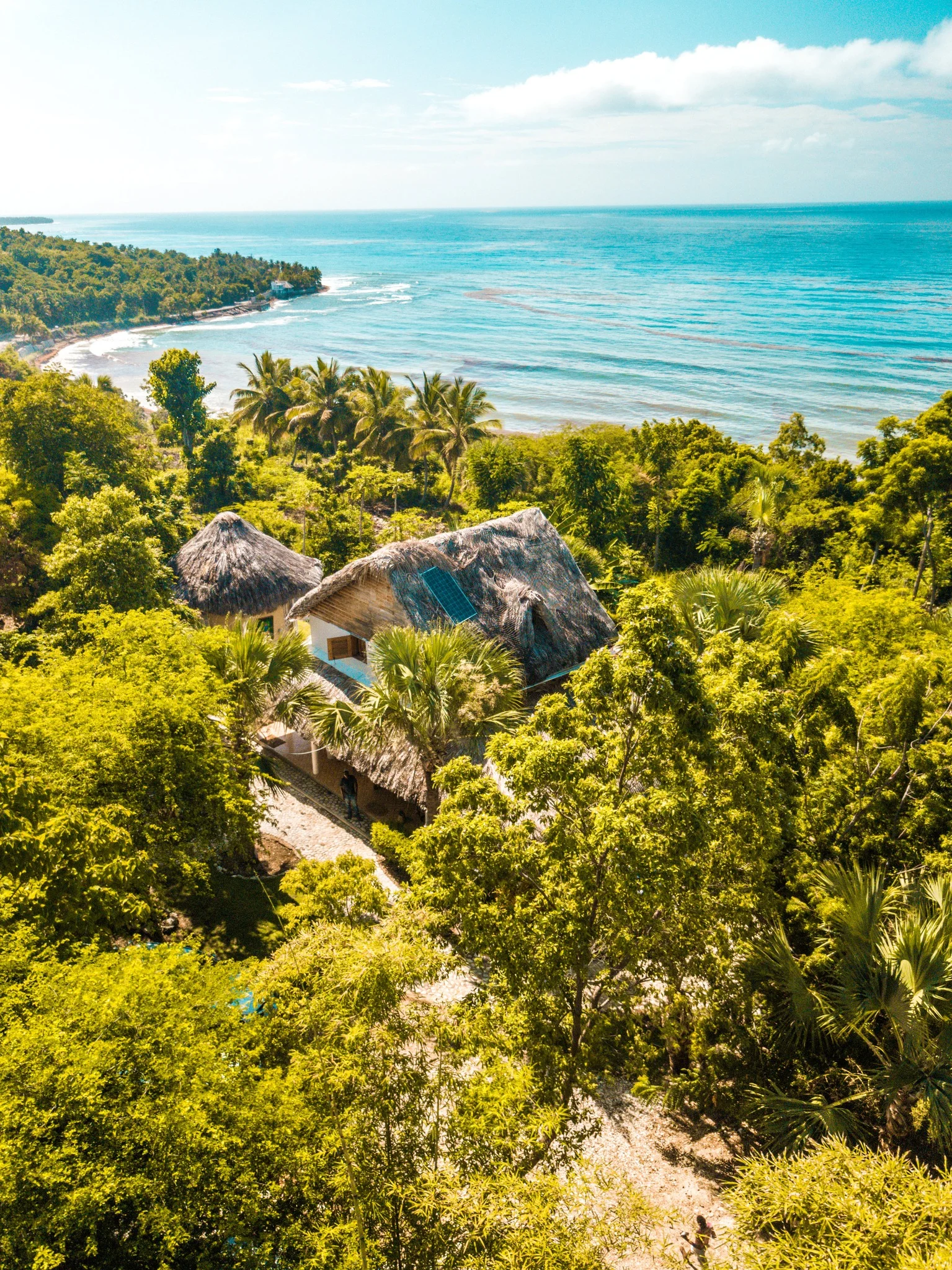
Haïti is blessed with spectacular natural landscapes, including white sand beaches, mountains and rich biodiversity.

Heritage

Heritage

Haïti has a rich historical heritage, including sites like the Citadelle Laferrière and the Sans-Souci Palace, listed as UNESCO World Heritage Sites.

Culture

Culture

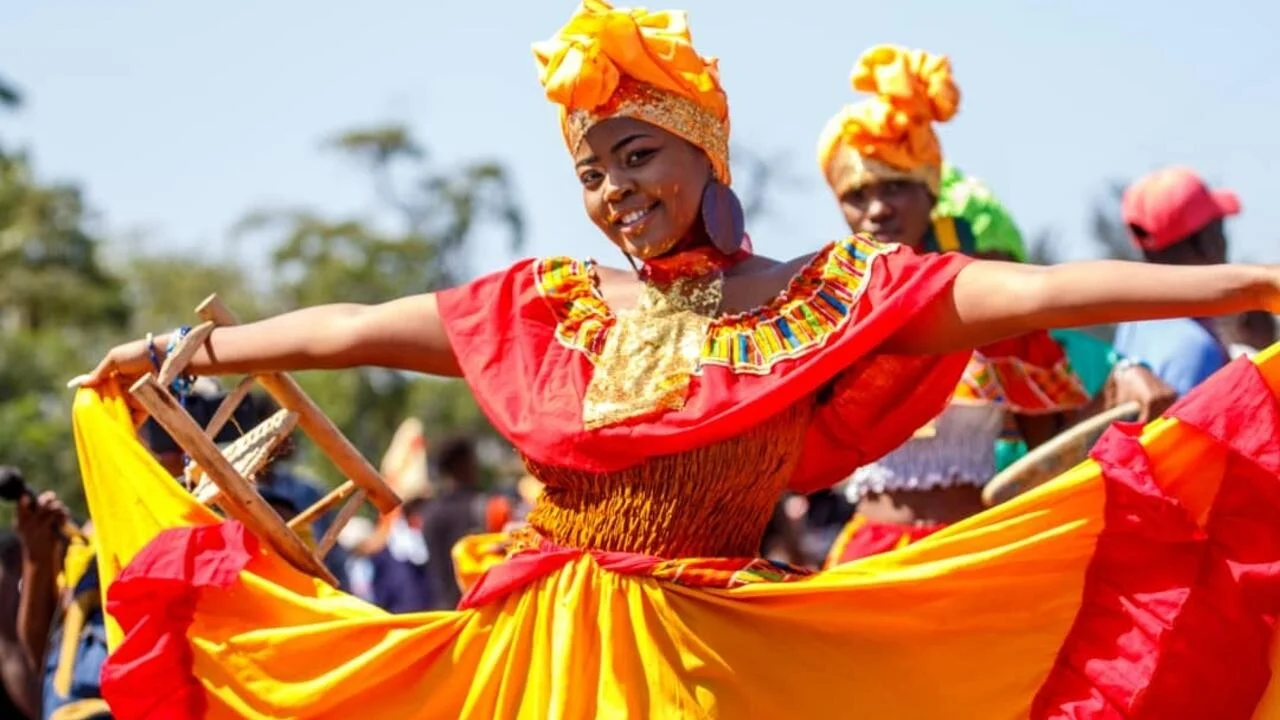
Haïti has a rich and diverse culture, influenced by African, European and indigenous elements. Haitian music, dance, art and cuisine are celebrated around the world.

  • +
    • Post