Haiti: Why do people confuse "Unity is Strength" and "Liberty - Equality - Fraternity"?
What is Haiti's real motto? Understanding the confusion between "Unity is Strength" and "Liberty-Equality-Fraternity."
If you’ve ever debated Haiti’s motto with friends or family, you’re not alone. This confusion between "Unity is Strength" and "Liberty - Equality - Fraternity" is more common than you might think, and it hides a fascinating story worth telling.
Two phrases, two distinct functions
The official answer is clear, according to the 1987 Constitution: Haiti’s national motto is "Liberty - Equality - Fraternity." Yet, "Unity is Strength" holds an equally important place in the hearts of Haitians. Why this ambiguity?
"Unity is Strength": The Legend of the Arms of the Republic
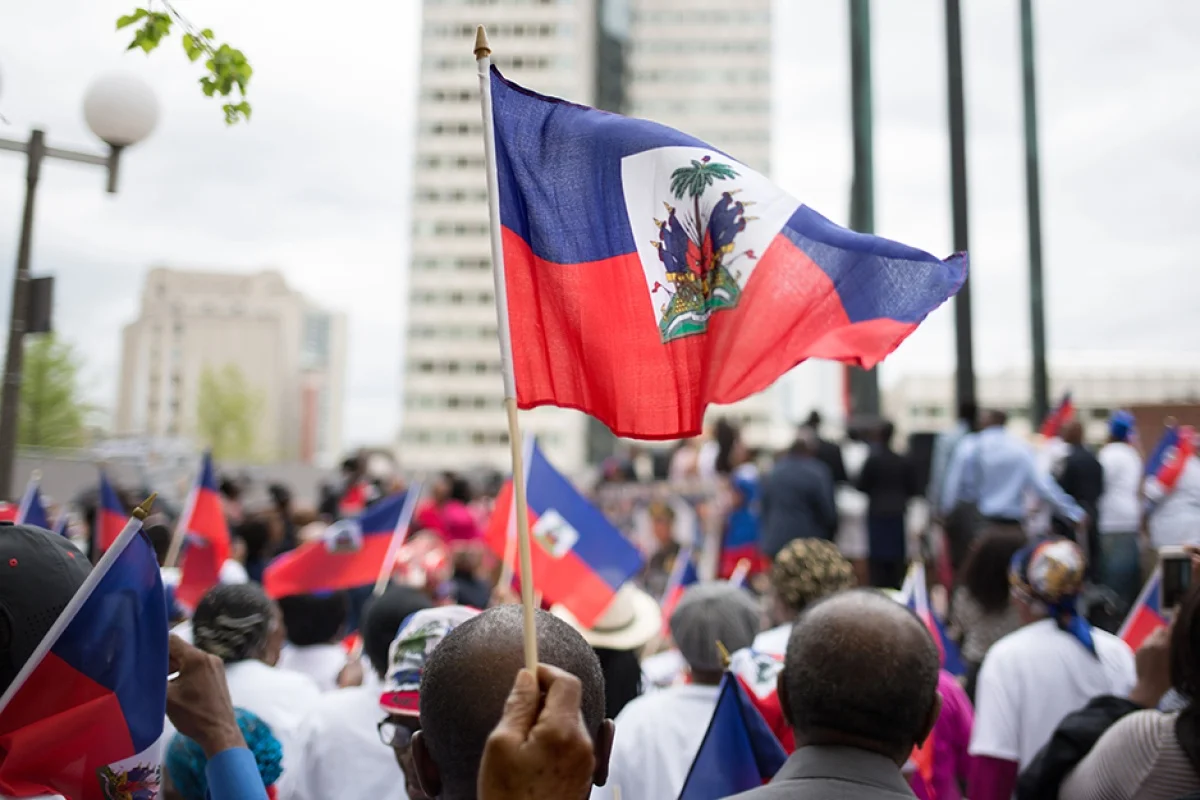
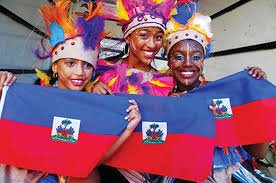
This powerful phrase is not the national motto, but rather the legend inscribed on the Arms of the Republic, which appears at the center of the Haitian flag. It accompanies the palm tree topped with the cap of liberty and the trophy of arms, symbols of the struggle for independence.
This legend resonates deeply in the Haitian soul because it evokes:
- The unity necessary to overcome slavery and colonialism
- The solidarity that enabled the victory of 1804
- A practical and mobilizing message for the nation
"Liberty - Equality - Fraternity": The Constitutional Motto
Enshrined in Article 4 of the 1987 Constitution, this motto places Haïti in the lineage of great democratic revolutions. It reflects:
- The legacy of the Enlightenment and the French Revolution
- The universal values that inspired the Haitian Revolution
- Haiti’s aspiration to embody these principles for the Black world
The roots of a legitimate confusion
1. An overwhelming visual presence
"Unity is Strength" appears on the national flag, an official document ubiquitous in daily life. Every Haitian sees this phrase far more often than the constitutional motto, which is rarely highlighted.
2. A message more rooted in national history
This legend directly recalls the ancestors’ struggle for independence. It speaks to a specifically Haitian collective experience, while "Liberty - Equality - Fraternity" is a universal motto shared with other nations.
3. Variable civic education
Not all Haitians receive the same level of civic education. The subtle distinction between "national motto" and "arms legend" is not always clearly taught in schools.
4. A Dual National Identity
This confusion perhaps reveals a deeper reality: Haïti possesses two complementary souls. One, oriented toward the universal with "Liberty - Equality - Fraternity," the other, rooted in its unique history with "Unity is Strength."
What the law says: a necessary clarification
The 1987 Constitution is clear:
- Article 3: Describes the flag with its two horizontal bands (blue at the top, red at the bottom) and the Arms of the Republic in the center.
- Article 4: Unequivocally establishes that "The national motto is: Liberty - Equality - Fraternity."
The Arms of the Republic, for their part, feature "the Palm Kernel topped with the Cap of Liberty" shading "a Trophy of Arms with the Legend: Unity is Strength."
A Wealth Rather Than a Weakness
This confusion, far from being problematic, testifies to Haiti’s symbolic richness. The two phrases are not opposed; they complement each other:
"Liberty - Equality - Fraternity" expresses Haiti’s universal aspiration and its historical role as the first free Black republic.
"Unity is Strength" recalls the concrete method that made this freedom possible: the unity of the Haitian people in the face of oppression.
What’s the takeaway?
The next time you hear someone say that Haiti’s motto is "Unity is Strength," you can politely correct them while acknowledging the importance of this legend. Because, at heart, the two phrases tell the same story: that of a people who, through their unity and their thirst for freedom, changed the course of world history.
Knowing this distinction means better understanding the symbols that make Haïti a unique nation, proud of its past and looking to the future.