contact@haitiwonderland.com+509 36184317

Discover

Shopping Cart

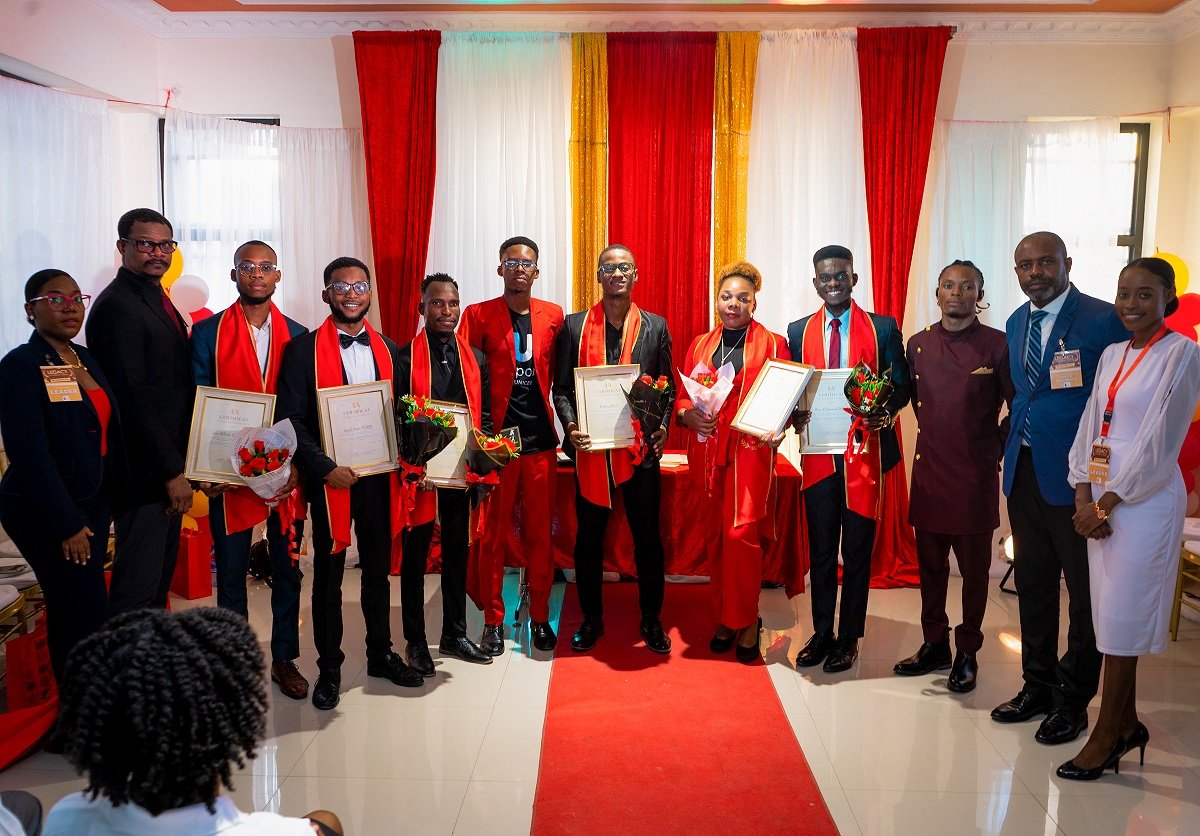
Haiti: EDEM Launches the "Chanje Lakay" National Competition to Train a New Generation of Leaders
Haiti: EDEM Launches the  Chanje Lakay  National Competition to Train a New Generation of Leaders
Haiti: EDEM Launches the Chanje Lakay National Competition to Train a New Generation of Leaders

Haiti: EDEM Launches the "Chanje Lakay" National Competition to Train a New Generation of Leaders

Discover EDEM's "Chanje Lakay" National Competition to Train Future Leaders in Haiti. Participate Now!

Port-au-Prince, Thursday, May 14, 2026 The political party Élan Démocratique pour la Majorité (EDEM) officially launched the "Chanje Lakay" national competition, an initiative designed to promote leadership, civic engagement, and youth participation in public debate in Haiti.

Haïti
Haïti
Haïti

A Competition for Young People from All Ten Departments

The competition is open to young people aged 18 to 25 living in the various departments of the country. The organizers announce that 10 candidates per department will be selected to participate in this national competition focused on ideas and projects for transforming the country. To participate, candidates must complete an online registration form and pay a participation fee of 5,000 gourdes. Payment details will be communicated to the selected individuals, according to project officials. Three months of training and exchange of ideas. Planned over a three-month period, the program will include several phases, notably training sessions, project development, and a final stage of presenting proposals. Participants will be asked to reflect on the country’s major problems, propose concrete solutions, and present implementation strategies. The training will cover topics such as public administration, local government, international relations, communication and public speaking, as well as general knowledge and protocol.

See as well

Haïti
Haïti
Haïti

A brand new car and the title of “Young President of the Nation”

The grand prize winner of the contest will receive a brand new car and the symbolic title of “Young President of the Nation.” The organizers also indicate that other incentive bonuses will be awarded to participants to support their progress and involvement in this initiative. Those interested can obtain more information via the following email address: edemhaitioo@gmail.com.

Share
About the Author
Moise Francois
Moise Francois
Moise Francois

Journalist editor, poet and apprentice lawyer.

See other articles from Moise Francois
Leave a comment

Recently Posted

Newsletter

Subscribe to our newsletter to stay informed of all our activities and news on Haiti.

Jacmel: the Haitian city whose history is linked to the liberation of Latin America

Jacmel is a city located on the southern coast of Haiti, specifically in the southeastern department. To this day, the city is known for its well-preserved colonial architecture and rich historical heritage, as well as its carnival, one of the most famous in the Caribbean. Jacmel is one of the oldest cities in Haiti. Its origins, according to some historians, trace back to the time of the Taíno people, the island’s first inhabitants, who lived here long before the arrival of Christopher Columbus and his settlers in 1492. Long before it became Jacmel, this city in southeastern Haïti was called Yakimel. The renaming of Jacmel was carried out by the French during their colonization of the western part of the island of Hispaniola. Over the years, Jacmel has transformed into a city where living well blends with the beauty of the sea, in the hearts of its visitors. Nature is fully embraced here, and the sea remains a source of joy throughout the day. Jacmel offers all of this, in addition to its glorious past, which anchors it as a major location in Haiti’s grand history. With its unique charm, Jacmel is among the Haitian cities that can leave a lasting impression. In the 1950s and 60s, until the early 1980s, Jacmel was one of the most popular tourist destinations in the Caribbean due to its reputation as a city with unmatched natural beauty and grace. During this time, the Jacmel coastline warmly welcomed cruise ships filled with tourists from all corners of the world. It was also during this period that Jacmel was one of the most commercially active cities in Haiti, among the country’s most economically flourishing, thanks to the significant influx of tourists.

Haiti: The History of the World’s First Free Black Nation

Haiti, the pearl of the Antilles, is a Caribbean island with a rich and complex history. However, its special status as the world’s first free black nation gives it a unique place in the annals of history. This small island was the scene of an extraordinary revolution which resulted in independence, thus marking the beginning of a new era for the black community and the abolition of slavery. Let’s delve into the captivating story of the birth of the first black republic, Haiti. b~The colonial era and slavery~b Haiti’s history dates back to the arrival of Europeans in the 15th century, when Christopher Columbus discovered the island. European settlers, mainly Spanish and French, introduced slavery to exploit the island’s resources, including sugar, coffee and cotton. The indigenous Native American population was decimated, paving the way for the massive importation of African slaves. b~The Haitian Revolution~b On August 14, 1791, Haitian slaves rose up against their oppressors, sparking the Haitian Revolution. Under the leadership of iconic figures such as Toussaint Louverture, Jean-Jacques Dessalines and Henri Christophe, the insurgent slaves inflicted defeats on European armies, demonstrating fierce resistance and a desperate quest for freedom. b~The Declaration of Independence and the creation of the Republic of Haiti~b On January 1, 1804, Haïti proclaimed its independence, becoming the world’s first free black nation. This historic declaration symbolized the end of slavery and the triumph of the will of a people determined to live free. The Republic of Haïti was born in struggle and blood, asserting its autonomy in the face of the colonial powers. b~Post-independence challenges~b However, independence did not mean the end of challenges for Haiti. The country had to face external pressure, reparations imposed by France in exchange for recognition of its independence, as well as internal unrest. Despite these obstacles, Haïti strove to build a free and sovereign nation. The story of Haïti is that of a nation that overcame countless challenges to emerge as a pioneer of freedom for the black population. The Haitian Revolution remains a unique example of resistance, courage and determination, and Haïti continues to carry the torch of independence in the contemporary world. The legacy of this small Caribbean island still resonates today, reminding the world that freedom is a universal right that can be won even in the most difficult circumstances.

Recently Posted

History

History

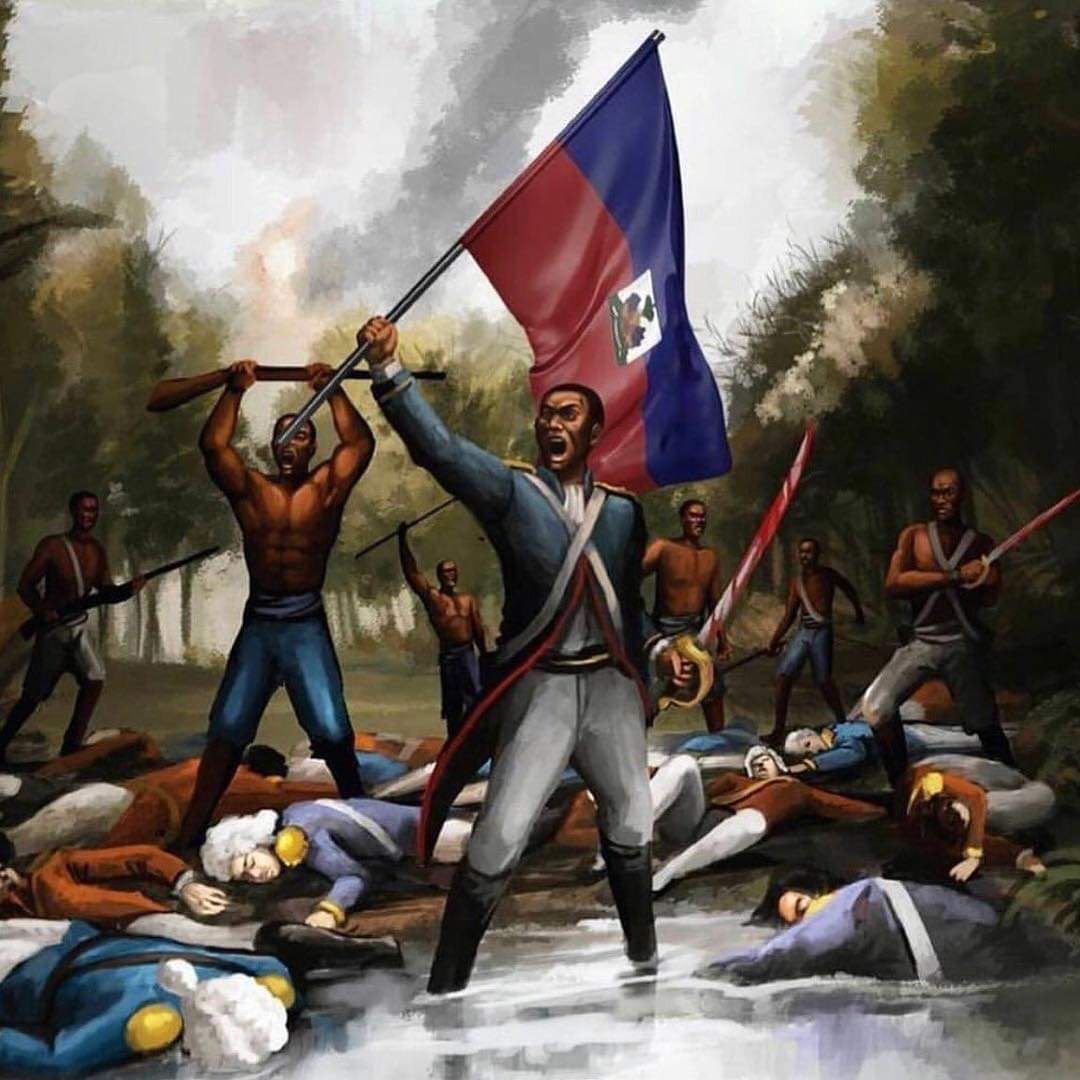
First black nation to free itself from slavery and gain independence from France in 1804 and influenced other liberation movements around the world, inspiring struggles for freedom and equality.

Natural beauty

Natural beauty

Haïti is blessed with spectacular natural landscapes, including white sand beaches, mountains and rich biodiversity.

Heritage

Heritage

Haïti has a rich historical heritage, including sites like the Citadelle Laferrière and the Sans-Souci Palace, listed as UNESCO World Heritage Sites.

Culture

Culture

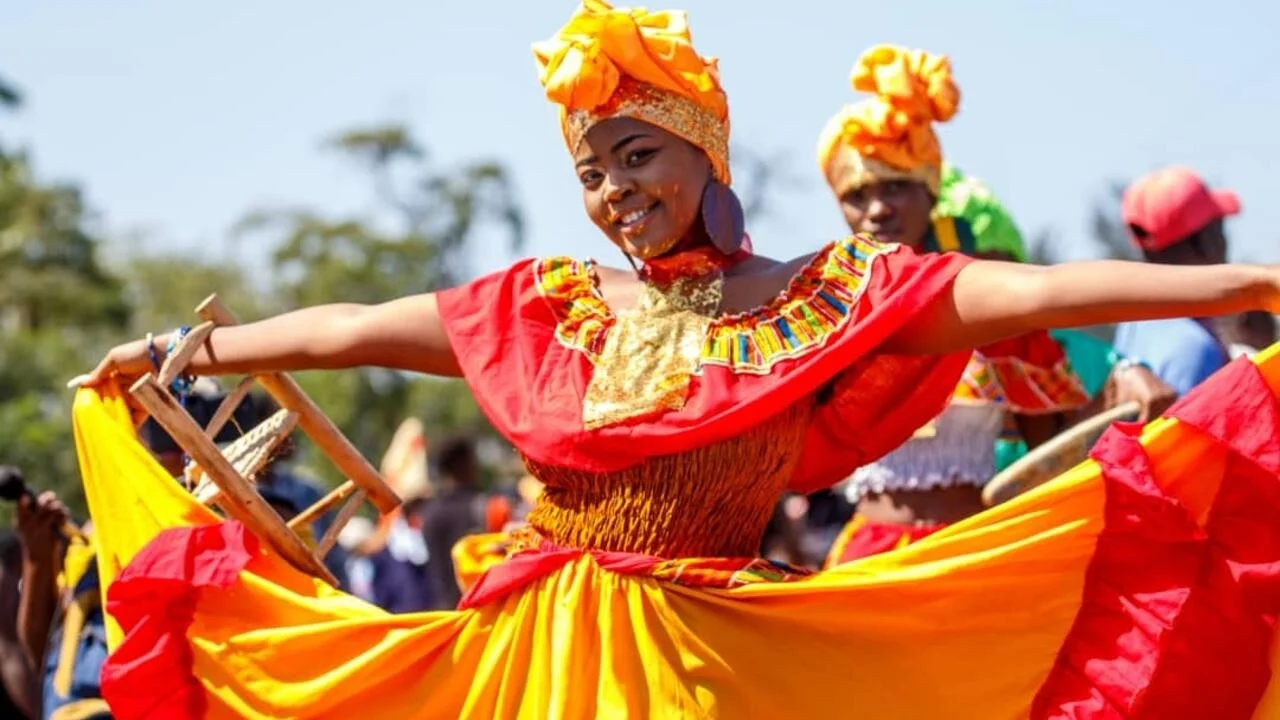
Haïti has a rich and diverse culture, influenced by African, European and indigenous elements. Haitian music, dance, art and cuisine are celebrated around the world.

  • +
    • Post