






NexoCash Haiti: The Virtual Card Revolution for Everyone
In a world where digital transactions are becoming essential, NexoCash Haïti is establishing itself as an essential solution for anyone looking to send or receive money with ease.
"Ayiti Liv" is an online platform dedicated strictly to promoting Haitian literature. It will be operational starting May 1, 2025, and will feature about 300 major works of Haitian literature, written by over 70 authors. Full public access will be granted for its launch phase. Jean Venel Casseus, one of the platform’s initiators, explains that this initiative was created to fill a significant gap, and this vast project is being carried out by him and a passionate team of Haitian literature lovers.
Originally from Bainet and raised in Petit-Goâve, Haiti, Emmanuel Joseph embodies one of the rising figures of the Haitian intelligentsia. A jurist, ethicist, and Ph.D. candidate in philosophy at the University of Sherbrooke (Canada), his journey reflects a rigorous commitment to justice, human rights, and critical thinking. Local Roots, Global Outlook Educated in Haiti’s public and religious schools, Emmanuel Joseph began his intellectual path at the Apostolic School of Petit-Goâve, then excelled at the Lycée Faustin Soulouque. His grades, consistently between 8 and 9 out of 10, demonstrated remarkable discipline and rigor from an early age. His university education began at the Faculty of Ethnology (FE) and the Faculty of Law and Economics (FDSE) of the State University of Haiti, where he earned his bachelor’s degree in November 2013. His academic profile sharpened in Canada, especially at the University of Quebec in Rimouski (UQAR), where he completed a master’s degree in philosophy/ethics in 2020, before pursuing a Ph.D. at the University of Sherbrooke, focusing on a broad yet fundamental theme: humanitarian action as experience.
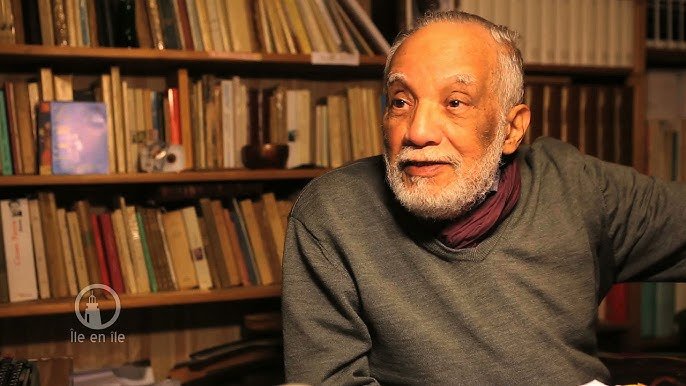
René Depestre had his very first encounter with the Haitian sun on August 29, 1926 in Jacmel, a large coastal city in the southeast of Haïti that welcomed his birth. He completed his primary studies with the Brothers of Christian Instruction in Jacmel. After his father’s death in 1936, he left his mother and brothers and sisters to live with his maternal grandmother. He completed his secondary studies at the Alexandre Pétion high school in Port-au-Prince in 1944. Today, he resides in France, his country of naturalization for several decades, and remains an immense creative, intellectual spirit and great witness to a very important era in the history of men.
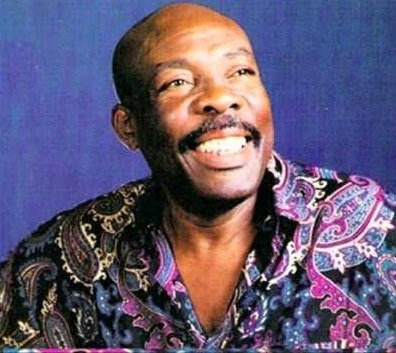
Coupé Cloué, whose real name is Jean Gesner Henry, is a genius of Haitian music, both singer and musician, his mark in the musical pantheon of Haïti is alongside the most prestigious names, such as Nemours Jean-Baptiste, Robert Sico et al.
The Francophone Youth Parliament (PFJ) is an entity of the Parliamentary Assembly of the Francophonie (APF), which itself is part of the International Organization of La Francophonie (OIF). Established in 1999 during the Moncton Summit in Canada, this parliament for Francophone youth provides a genuine opportunity to forge connections among young people from the Francophone world. This real platform for debate and advocacy allows young people to have their voices heard and actively participate in shaping the future of La Francophonie. The body meets sequentially, with young people from almost all Francophone backgrounds gathering at each edition to discuss contemporary issues affecting global youth, such as precariousness, a lack of faith in democracy, characterized by a high number of young people abstaining from elections, a lack of civic engagement, the fight against inequalities, climate change, and even the impact of social media on youth. It is important to note that although the decisions made during these meetings are not legally binding, they remain powerful tools to describe the real will and needs of youth in the Francophone space, with the aim of facilitating actions by leaders.
Vertières is the place where history’s light shines brightly. The war that led to the independence of the first black republic in the world, Haiti, spanned several decades. Jean-Jacques Dessalines, who proclaimed the victory on January 1, 1804, was a man who cleverly capitalized on the honorable legacy left by Toussaint Louverture at the head of this struggle for the first liberation of a black people in the Americas. The Battle of Vertières took place in the northern outskirts of Saint-Domingue, the name of Haïti under the yoke of slavery, near the current commune of Limbé. Under a pouring rain, mixing the mud with the blood of the freedom fighters represented by Dessalines’ indigenous army, on November 18, 1803.
King Graph, Prévil Jean IVens by his real name, is a talented young GRAPHIC DESIGNER and COMMUNITY MANAGER from Haiti. He was born in Delmas, a suburb of Port-au-Prince, on January 20, 1999. He is the youngest of seven children.
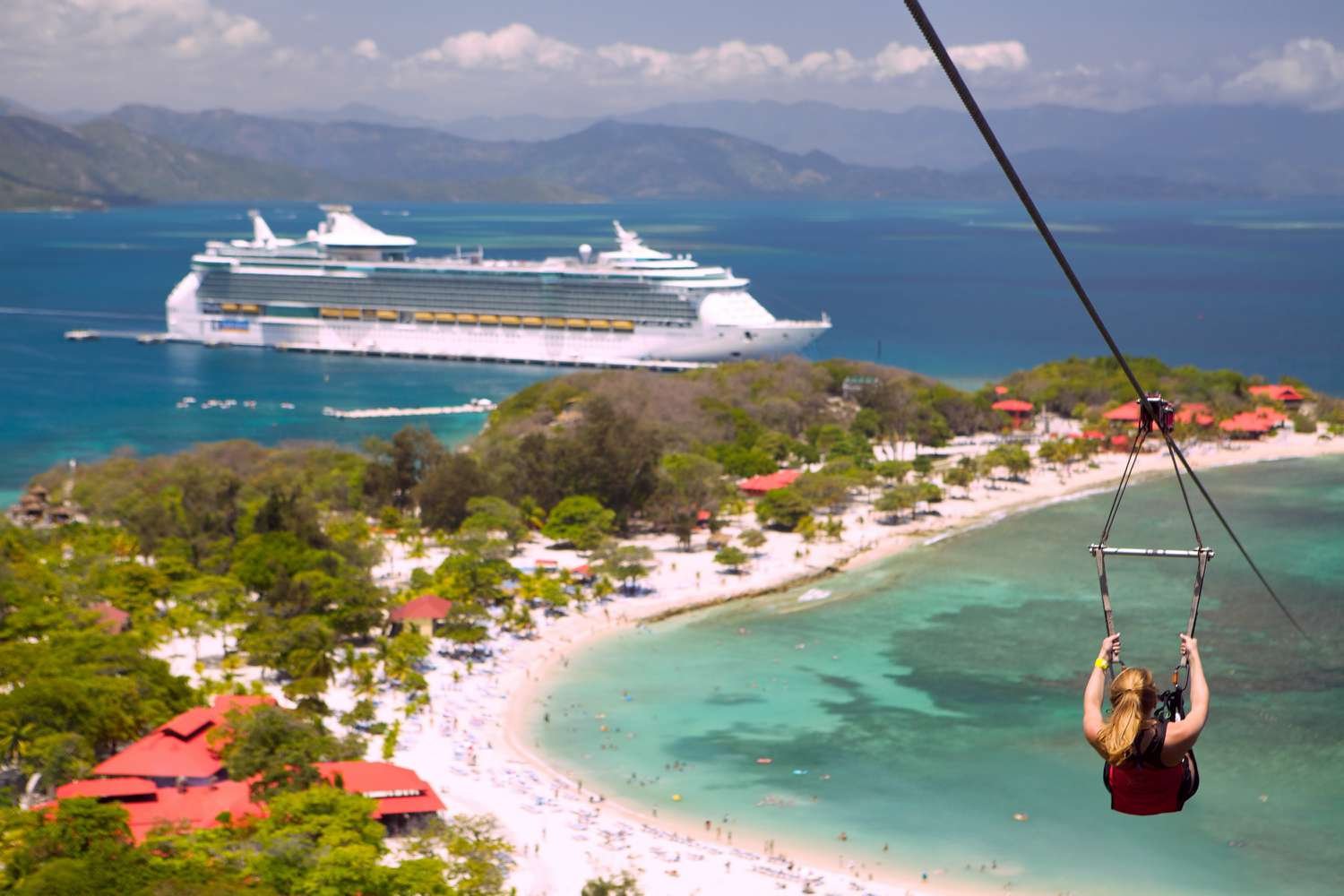
Haiti, a jewel of the Caribbean where history, culture and nature meet to create an unforgettable experience. Whether you are passionate about adventure, relaxation or cultural discovery, Haïti offers a variety of activities that will captivate your heart. Here are 10 essential things to do in this paradise country.
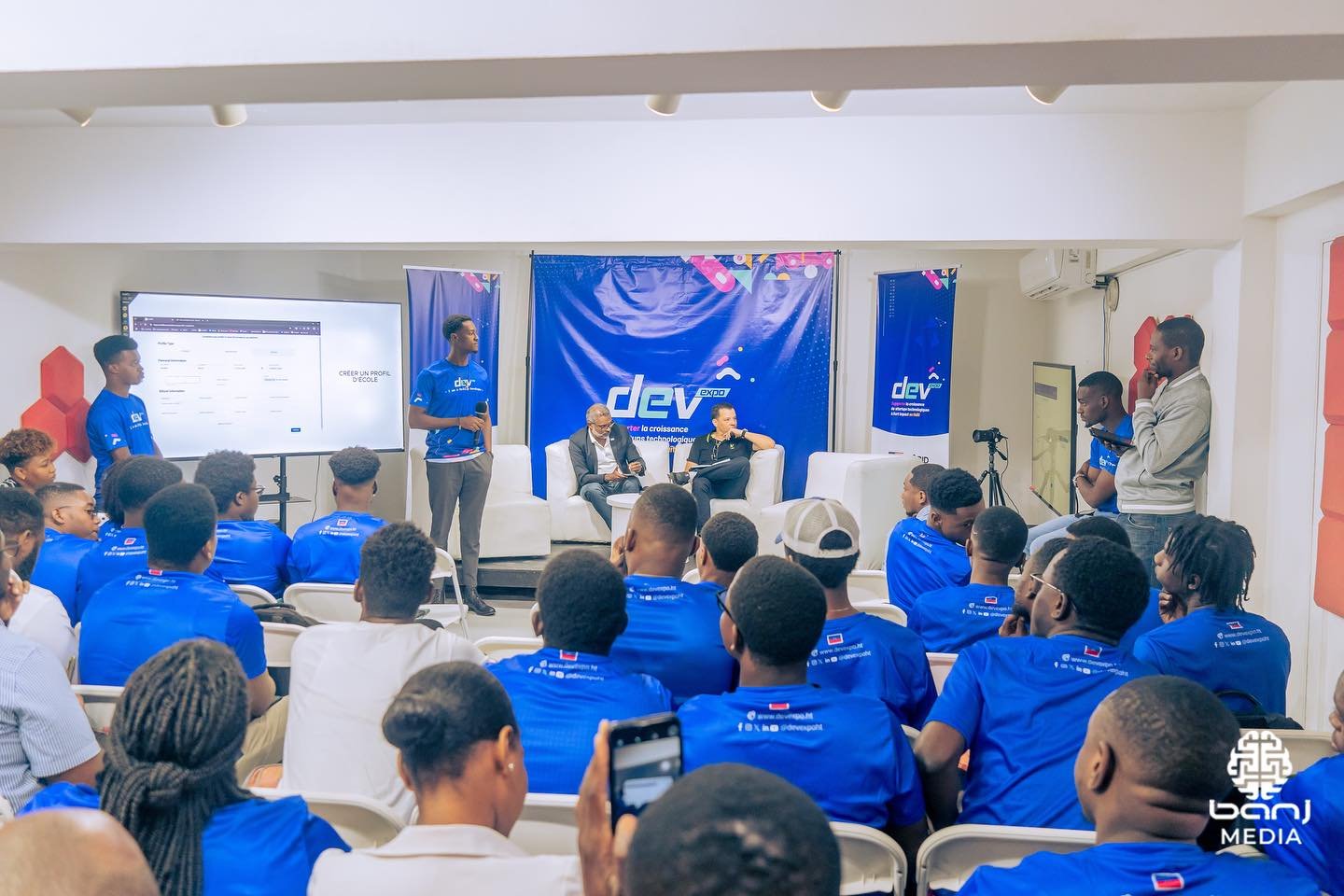
After two years of absence, Dev Expo made its big comeback in 2024, bringing a breath of enthusiasm and optimism to the Haitian tech community. This long-awaited event was officially announced on August 20, 2024 by Marc Alain Boucicault, CEO of Banj, triggering excitement in the tech community. Since the last edition, held in 2021, the following years had been marked by the cancellation of this flagship event due to the instability that reigned in the country. However, despite the many challenges still present, the organizers chose to take up the challenge of organizing this edition, demonstrating the resilience and commitment of the Haitian tech community.
The publishing house Csimon Publishing, led by Dr. Cherlin Simon, is excited to announce the creation of a subsidiary of Csimon Publishing in Haiti. Indeed, a management team, aimed at strengthening its approach to young Haitian authors, has been set up by the parent company, located in Virginia, United States. The goal of this initiative is to better support its authors, particularly the younger ones, offering them reliable assistance to foster their creativity and help them thrive. The committee is also in place to better coordinate the publishing house’s actions in their favor. This aligns perfectly with Csimon Publishing’s vision to actively contribute to the elevation of Haitian literary culture on a global scale, while highlighting Haitian talents and creating a bridge between Haïti and the rest of the world, which constitutes global culture. It is worth noting that among the more than 150 works already published by Csimon, most are works by Haitian authors living in Haiti.
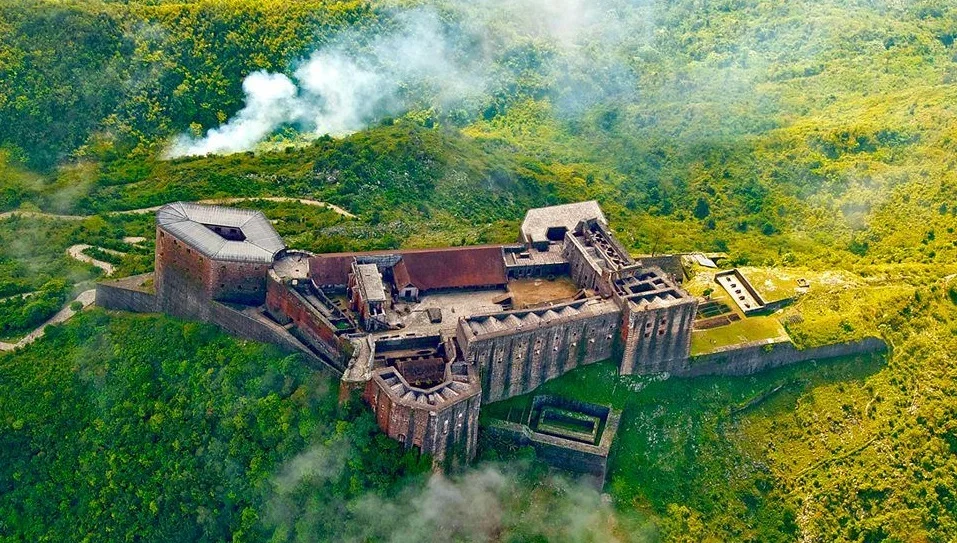
Among the world’s architectural and historical treasures, the Citadelle Laferrière, perched high in the north of Haiti, occupies a unique place. Dubbed by some the “Eighth Wonder of the World,” this colossal fortress is much more than a feat of engineering: it is a powerful symbol of freedom, resilience, and national pride. Discover why this impressive site continues to captivate visitors from around the world and deserves this honorary distinction.
Haiti, a land rich in history and culture, has had several names over the centuries, each reflecting a significant period in its evolution. These names reveal the changing identity of the island, from pre-Columbian times to today. Let’s discover together the different names that this emblematic territory has had and their meaning.

First black nation to free itself from slavery and gain independence from France in 1804 and influenced other liberation movements around the world, inspiring struggles for freedom and equality.

Haïti is blessed with spectacular natural landscapes, including white sand beaches, mountains and rich biodiversity.

Haïti has a rich historical heritage, including sites like the Citadelle Laferrière and the Sans-Souci Palace, listed as UNESCO World Heritage Sites.

Haïti has a rich and diverse culture, influenced by African, European and indigenous elements. Haitian music, dance, art and cuisine are celebrated around the world.