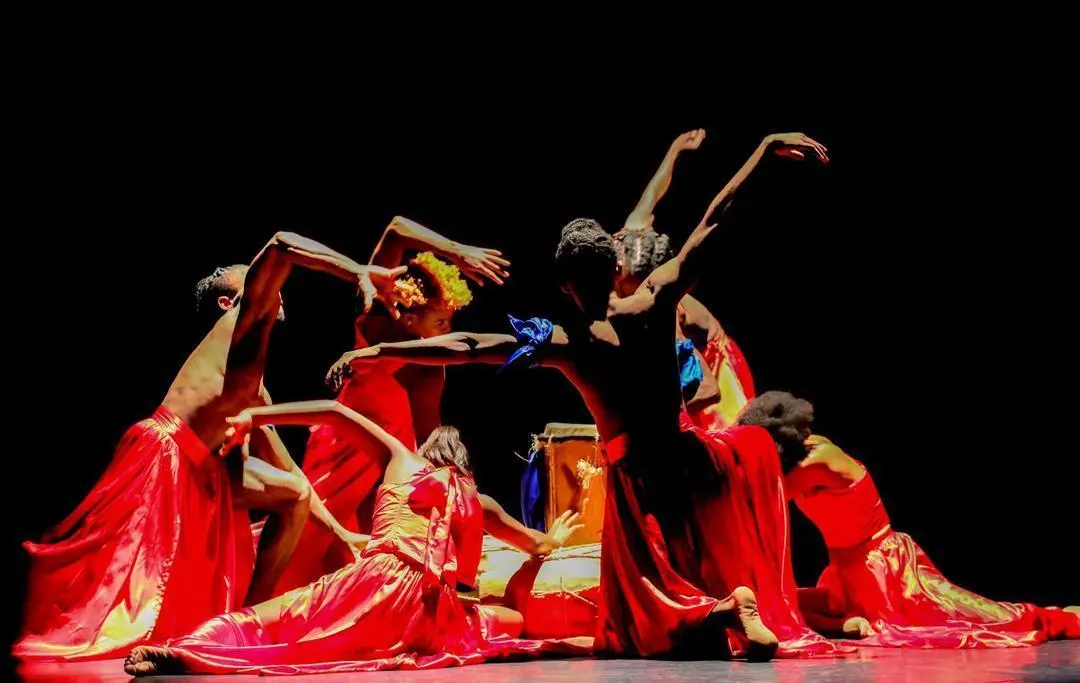

Children’s Carnival in Cap-Haïtien: A festive atmosphere in the heart of the city
Discover the Children's Carnival in Cap-Haïtien, a joyful celebration full of color and Haitian traditions!

Haiti, a jewel of the Caribbean where history, culture and nature meet to create an unforgettable experience. Whether you are passionate about adventure, relaxation or cultural discovery, Haïti offers a variety of activities that will captivate your heart. Here are 10 essential things to do in this paradise country.
Haiti, a multifaceted island, is renowned for its picturesque landscapes, rich culture and vibrant festivals. Haitian festivals are much more than just celebrations; they represent the very soul of the nation, embodying its history, its traditions and its community spirit. Let’s dive into this journey, through some of Haiti’s most iconic festivals.
August 29, 2025, will mark two exceptional events: the eighth anniversary of Pierre Marc BAPTISTE’s commitment as a young leader and social and political activist, and the official launch of the Engagement Award. This unique initiative aims to honor and encourage young leaders, professionals, and academics for their dedication and active involvement in community life. The Engagement Award’s mission is to recognize youth leadership, promote civic engagement, and highlight inspiring role models capable of positively influencing an entire generation. Through this award, Pierre Marc BAPTISTE hopes to encourage young people to get involved in concrete actions aimed at solving community problems, reducing social inequalities, and strengthening civic participation. The first edition will be particularly symbolic. Eight young leaders from the Cité Soleil plain will be honored for the social and community impact of their initiatives. In a concrete gesture of solidarity and knowledge sharing, 200 books will also be donated to the Duvivier High School library in Cité Soleil, contributing to the education and training of future generations. With this award, Pierre Marc BAPTISTE reaffirms his belief that youth engagement is an essential lever for social and political change in Haiti. This is a unique opportunity to celebrate those who are taking action to transform their community, while inspiring other young people to follow the path of action and leadership. On August 29, 2025, Haitian youth will be honored, and a new tradition of recognition and inspiration will be established to promote civic engagement and responsibility throughout the country.
Haiti has two mottos: "Unity is Strength" on its coat of arms and "Liberty-Equality-Fraternity" in its 1987 Constitution. Find out which one is official.
For centuries, the institution of slavery has darkened human history, leaving behind a legacy of pain, oppression and the struggle for freedom. However, in this dark tale, one nation stands out for its courage and determination to break the chains of oppression: Haiti. Located in the Caribbean, Haïti played a pioneering role in the abolition of slavery, laying the foundation for the fight for freedom and equality around the world. The history of slavery in Haïti dates back to the arrival of Europeans on the island, which was then called Santo Domingo, in the 15th century. French colonists quickly established an economy based on sugar and coffee production, cruelly exploiting millions of African slaves deported to work on plantations. However, this brutal system engendered fierce resistance from slaves, whose fight for freedom ultimately led to one of the most significant revolutions in history. In 1791, under the leadership of iconic figures such as Toussaint Louverture, Jean-Jacques Dessalines and Henri Christophe, Haitian slaves rose up against their oppressors in an unprecedented rebellion. This revolt resulted in a war of independence that lasted more than a decade, but ultimately resulted in the proclamation of Haiti’s independence in 1804, making that country the first post-colonial nation ruled by people from slavery. The impact of the Haitian Revolution on the abolition of slavery worldwide cannot be overstated. By breaking the chains of oppression and proclaiming their independence, Haitians have sent a powerful message to all oppressed peoples around the world: freedom is possible, and it is worth the struggle. The example of Haïti inspired other movements for the abolition of slavery in the Americas and beyond, thus helping to shake the very foundations of the institution of slavery. Haiti’s participation in the fight against slavery was not limited to its territory; it also extended to external actions where Haitian men were sent or actively participated in movements for the abolition of slavery in other regions of the world. For example, Haitian President Alexandre Pétion supported Simón Bolívar, the leader of the South American revolution, by providing him with weapons, money and even men, which contributed to the liberation of several countries in America Latin of colonial domination. Haïti also provided support for independence movements in Central America. Haitian fighters, led by General Jean-Pierre Boyer, helped Venezuelan patriots fight against Spanish rule, contributing to the liberation of that region. The Haitian government financially and diplomatically supported movements for the abolition of slavery in countries such as Venezuela, Colombia and Mexico, contributing to the gradual eradication of this institution throughout the region. Although Haïti did not directly participate in the American Civil War, many Haitians and descendants of Haitians played crucial roles in the abolitionist movement in the United States. Figures who were of Haitian origin or of Haitian ancestry, were important voices in the fight against slavery and for equal rights in the United States. The legacy of the Haitian Revolution remains a symbol of resistance and courage for future generations. Today, as the world continues to struggle against injustice and oppression in various forms, Haiti’s history reminds us that the fight for freedom is a universal fight, one that transcends borders and times. Haiti’s participation in the abolition of slavery throughout the world remains a crucial chapter in the history of humanity. Through their courage and determination, Haitians have paved the way for a future where freedom and equality are inalienable rights for all.
The Haitian Creole language, spoken by nearly 12 million people, is much more than just a means of communication. It embodies the history, culture, and identity of Haiti. But where does this unique language come from? This article explores its origins, evolution, and central role in Haitian society.
In Haiti, Christmas meals occupy an essential place in the end-of-year celebrations. They are not only an opportunity to enjoy delicious dishes, but also to bring families and friends together around a table, in a warm and festive atmosphere. This article explores the culinary traditions, the importance of sharing and the spirit of conviviality that make Christmas meals in Haïti a memorable event.
Haitian culture is a true treasure, woven from the creativity of its artists, its rich heritage and the diversity of its cultural expressions. Among these cultural gems, the rara stands as a true national emblem, uniting Haitians through its captivating rhythms and centuries-old traditions. During the first Rara weekend, this very essence of Haitian culture shone brightly, revealing palpable social cohesion. Despite the absence of law enforcement, tranquility reigned in Petit-Goâve, testifying to the ability of citizens to come together in peace and conviviality. However, media attention was mainly focused on the first plain, leaving a certain imbalance in the coverage of the festivities. Ratyèfè, three-time reigning champion, once again captivated minds with his talent and artistic mastery, offering an unparalleled spectacle. But his rival, Lambi gran dlo, was not to be outdone, displaying a determination to compete for first place. The event was also marked by unfortunate incidents, reminding us that despite the beauty of tradition, tensions can arise. Clashes between fans of different groups tarnished the festive atmosphere, highlighting the need for careful management of celebrations to avoid such excesses. At the heart of this musical competition, where each group aspires to recognition and victory, a complex picture of rivalries and alliances emerges. Chenn tamarin, although appearing asleep in the first moments, shows signs of waking up, ready to shake up the established order. On Sunday evening, Lambi gran dlo honored the memory of one of its loyal supporters, while Grap Kenèp was the scene of violence between fans, recalling the fragility of social cohesion when passion runs wild. In this whirlwind of emotion and competition, it is crucial to keep in mind that it is the journalist who must look to the events, and not the other way around. This is how we draw up the first ranking for this first weekend: 1. Ratyèfè 2. Lambi grand dlo 3. Chenn tamarind Beyond the results, it is the preservation of unity and mutual respect that must remain at the heart of these celebrations, making the rara not only a musical festival, but above all a symbol of the wealth and resilience of the people Haitian.
Located in the southern metropolis of Haiti, within the commune of Camp Perrin, near the city of Les Cayes, Saut Mathurine is one of the largest and impressive waterfalls in Haiti. this natural site is a true treasure for nature lovers, adventurers and tourists in search of authentic beauty. If the southern region of Haïti is known for its many lush beaches under the weight of the Antilles sun, its numerous caves, forts of all kinds and other important historical sites. Among all this great natural wealth, there are cities which stand out for their exceptional side. And which does not leave those who are willing to visit them indifferent. The Mathurine jump is precisely one of them. The Saut Mathurine stands out for its impressive height and powerful flow, creating a breathtaking natural spectacle. The waterfall, which flows forcefully into a pool, is made up of clear, turquoise waters, while providing an idyllic and peaceful setting for those who bathe there. In other words, visitors can take advantage of this enchanting setting to relax, picnic or swim in the fresh and invigorating waters of Mathurine Falls.
Nestled in the heart of the Caribbean Sea, Haïti is known not only for its rich cultural and historical heritage, but also for its pleasant tropical climate which makes it a popular destination for tourists and nature lovers. Located in the Greater Antilles, Haïti shares the island of Hispaniola with the Dominican Republic and benefits from a climate that profoundly influences daily life, the economy and the biodiversity of the country.
Port-au-Prince, June 26, 2025 - During a ceremony held at the El Rancho Hotel, the Haïti Wonderland website haitiwonderland.ht was named the best Creole website using the .ht national domain for 2025. This prestigious award was presented at the national competition "Pi bon sit an kreyòl ki sèvi ak domèn .ht," organized by ISOC Haïti (Internet Society) and the Fondation Rezo pou Devlopman Dirab Ayiti (FRDDH).
On August 24, 2024, in the heart of the sumptuous Manoir Adriana in Jacmel, Cathiana Désiré, a lawyer and feminist, and Darlin Johancy Michel, a producer and cultural operator, reinvented the Haitian wedding in a dazzling celebration of their roots. While traditional weddings often consist of white dresses and suits, this union was distinguished by its deep respect for Haitian traditions and its emphasis on a captivating spirituality.
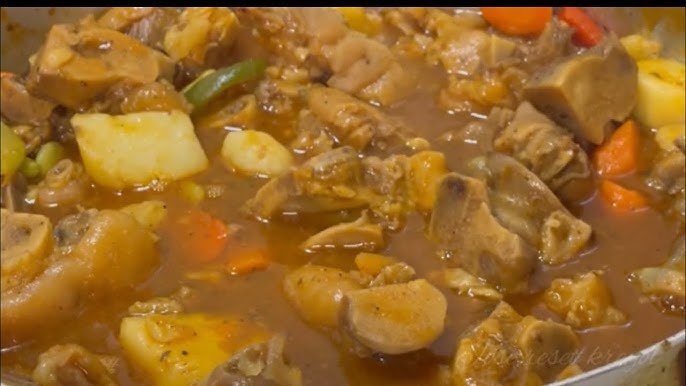
Cheffe Leen! A name that’s been making the rounds on social media in recent weeks! And for good reason: the Haitian chef represented Haïti in the Guinness World Records in an extraordinary culinary competition. This challenge consisted of cooking for eight days non-stop, a bold way to showcase the richness of Haitian cuisine. It was in France, more precisely at the Anba Le Pont restaurant, located in Saint-Denis, that Leen Excellent embarked on this exceptional adventure. Starting on Monday, April 7, 2025, she cooked non-stop for nine consecutive days, totaling 187 hours of actual cooking time (after deducting statutory breaks). A historic achievement, combining endurance, passion, and cultural pride. So, if you were Chef Leen, what would be the first dish you would cook to represent Haitian cuisine to the world? The Haïti Wonderland editorial team asked a few readers this question: some readily answered white rice with pea and vegetable sauce, which they call GOAT. Others opted for a good lalo, a tasty pye kochon stew, a good tchaka, or even the famous morning rice. Given this diversity, I’ve chosen to present each dish mentioned in the survey over the weeks.
The Francophone Youth Parliament (PFJ) is an entity of the Parliamentary Assembly of the Francophonie (APF), which itself is part of the International Organization of La Francophonie (OIF). Established in 1999 during the Moncton Summit in Canada, this parliament for Francophone youth provides a genuine opportunity to forge connections among young people from the Francophone world. This real platform for debate and advocacy allows young people to have their voices heard and actively participate in shaping the future of La Francophonie. The body meets sequentially, with young people from almost all Francophone backgrounds gathering at each edition to discuss contemporary issues affecting global youth, such as precariousness, a lack of faith in democracy, characterized by a high number of young people abstaining from elections, a lack of civic engagement, the fight against inequalities, climate change, and even the impact of social media on youth. It is important to note that although the decisions made during these meetings are not legally binding, they remain powerful tools to describe the real will and needs of youth in the Francophone space, with the aim of facilitating actions by leaders.

First black nation to free itself from slavery and gain independence from France in 1804 and influenced other liberation movements around the world, inspiring struggles for freedom and equality.

Haïti is blessed with spectacular natural landscapes, including white sand beaches, mountains and rich biodiversity.

Haïti has a rich historical heritage, including sites like the Citadelle Laferrière and the Sans-Souci Palace, listed as UNESCO World Heritage Sites.

Haïti has a rich and diverse culture, influenced by African, European and indigenous elements. Haitian music, dance, art and cuisine are celebrated around the world.