
The Legend of Haiti: The Island That Broke the Chains of Slavery
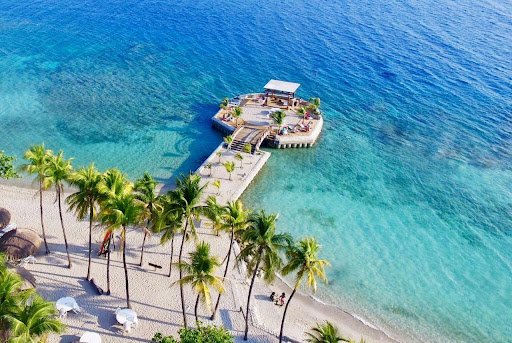
Once upon a time, in the turquoise waters of a dazzling sea, in the heart of the Caribbean, lay a magical island called Ayiti, "the Land of High Mountains."

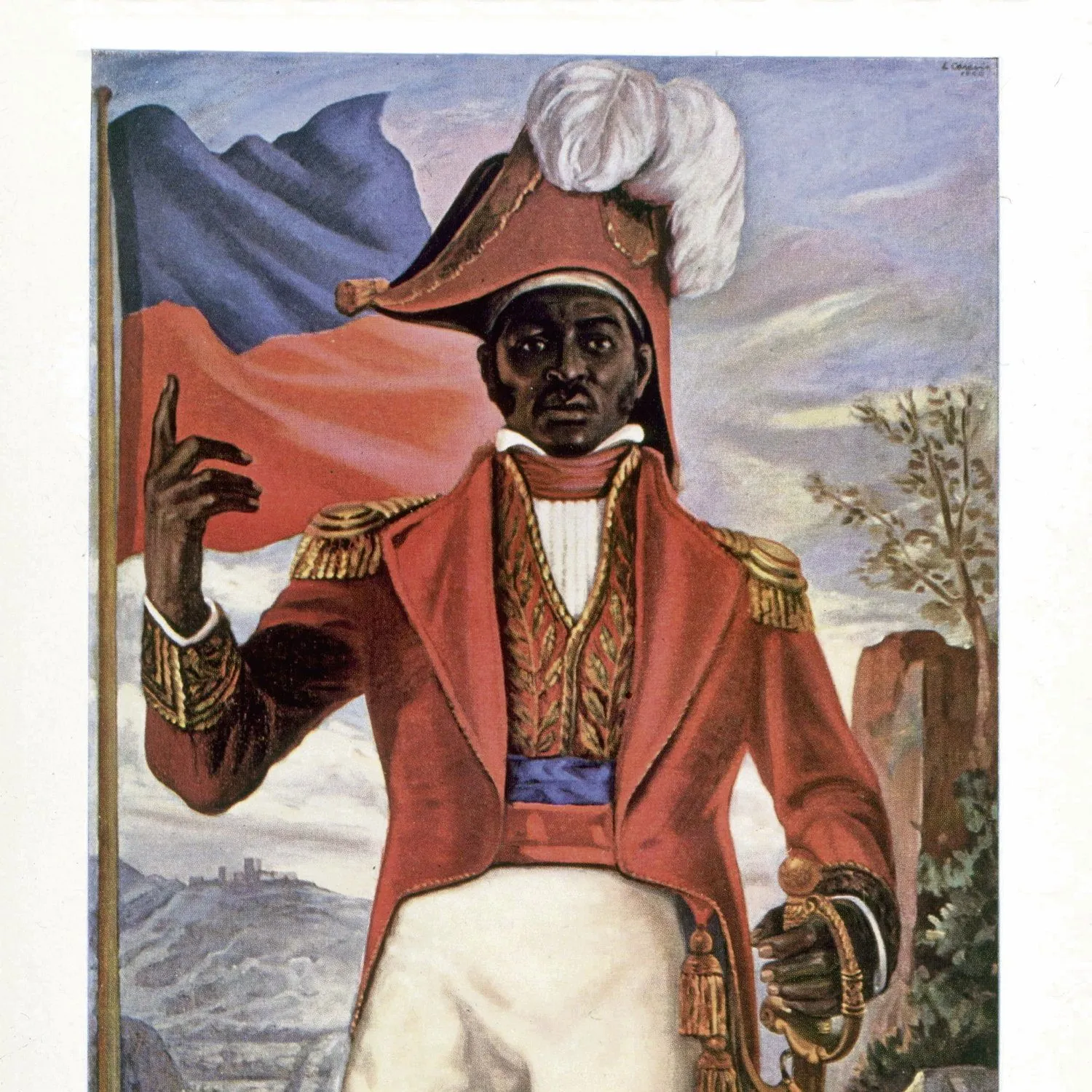
Haiti, the world’s first independent black republic, played an exceptional role in the quest for independence for other nations. Although often overshadowed by other historical events, Haiti’s contribution to the liberation of other countries was significant and deserves to be highlighted. b~The Haitian Revolution~b At the turn of the 19th century, Haïti threw off the chains of slavery and achieved the impossible by freeing itself from French colonial rule. In 1804, the country proclaimed its independence, ushering in a new era for oppressed peoples around the world. b~Inspiration for Latin America~b The Haitian Revolution was a major source of inspiration for independence movements in Latin America. Iconic figures such as Simón Bolívar and Francisco de Miranda recognized the courage and determination of Haitians as a driving force for their own struggles. By materially and ideologically supporting these movements, Haïti contributed to the emergence of several independent nations in South America. b~Influence in Africa~b Beyond the Americas, Haïti also played a crucial role in the quest for independence in Africa. African leaders have left a legacy that has inspired entire generations of freedom fighters on the African continent. The idea that oppressed people could rise up against their oppressors found a powerful echo in the struggles for independence in Africa. b~Support for Liberation Movements~b Throughout its history, Haïti has provided substantial support to liberation movements around the world. Whether through troop dispatches, financial resources or active diplomacy, the country has demonstrated its solidarity with those fighting for their autonomy. Haiti’s contributions have often been discreet but crucial. Haiti, as a pioneer of independence and freedom, has left a lasting impact on the world stage. His legacy resonates across continents, reminding the world that the quest for freedom is universal. By recognizing and celebrating Haiti’s role in the independence of other nations, we not only honor its history, but we also commit to promoting a future where all people have the opportunity to shape their destiny.
Haiti, officially the Republic of Haïti (Ayiti in Creole), is a country in the Greater Antilles. With an area of approximately 27,750 square kilometers, it is the third largest country in the Caribbean after Cuba and the Dominican Republic. Haïti shares a 360-kilometer land border with the Dominican Republic, strengthening ties and cultural distinctions between the two nations that cohabit on the island of Hispaniola. Haiti’s coastline stretches approximately 1,770 kilometers, bordering the Atlantic Ocean to the north and the Caribbean Sea to the south. This island is full of historical treasures, stunning natural landscapes and a vibrant culture worth exploring. Discover this Caribbean gem with us.
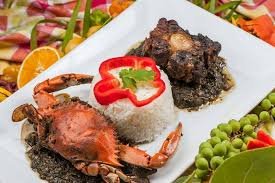
In Haiti, manje midi (lunchtime) is much more than just lunch. It’s a key moment of the day, a sacred break where we enjoy hearty, tasty, and nutritious dishes. Whether at home, at the office, or in the small, popular restaurants "kantin" or "manje anba dra," lunch is a true feast. Lunchtime in Haïti often consists of several essential elements:
Summer in Haiti, which generally runs from June to September, is a time marked by sunny days, high temperatures, and a lively atmosphere. If you’re wondering what this season is like in one of the jewels of the Caribbean, here’s what you need to know about summer in Haiti.
Haiti, the pearl of the Caribbean, offers a unique experience for travelers in search of authenticity, natural beauty and cultural discoveries. Contrary to popular belief, this country is full of unsuspected treasures that promise lasting memories. Here’s why a trip to Haïti is much more than a simple getaway: it’s an immersion in an incomparable cultural and natural wealth.
The publishing house Csimon Publishing, led by Dr. Cherlin Simon, is excited to announce the creation of a subsidiary of Csimon Publishing in Haiti. Indeed, a management team, aimed at strengthening its approach to young Haitian authors, has been set up by the parent company, located in Virginia, United States. The goal of this initiative is to better support its authors, particularly the younger ones, offering them reliable assistance to foster their creativity and help them thrive. The committee is also in place to better coordinate the publishing house’s actions in their favor. This aligns perfectly with Csimon Publishing’s vision to actively contribute to the elevation of Haitian literary culture on a global scale, while highlighting Haitian talents and creating a bridge between Haïti and the rest of the world, which constitutes global culture. It is worth noting that among the more than 150 works already published by Csimon, most are works by Haitian authors living in Haiti.
In the dynamic landscape of Canadian digital innovation, one company stands out for its unique fusion of talent, creativity and dedication. Founded by a team of Haitian and Canadian talents, Infinity Pixel has quickly established itself as a leader in high-quality digital services.
In our tradition, carnival represents an essential cultural activity. Indeed, for the holding of it this year, the State had drawn from the public treasury not only a huge sum but also a strong concentration of law enforcement to ensure the protection and security of carnival-goers in the area. metropolitan. Despite numerous criticisms and concerns expressed by certain media on the one hand, then on the other hand by the democratic opposition. While it is true that in Port au Prince these concerns had had a no less valuable consequence on the progress of this festivity. It is no less true that this was the case in other provincial towns, as proof in the southeast department the authorities did not record anything as an element of accident or incident during the progress of the carnival unlike Port au Prince. Certainly, socio/economic problems are increasingly worrying, nevertheless what makes us what we are today, a free and independent people is none other than our exceptionality. This deeply expresses our intrinsic characteristic in relation to people. In fact, historically we are a people who laugh and cry, smile and irritate, dance and hit the system, sing and fight so well that "grenadya alaso sa ki mouri zafè ya yo" is the most emblematic song of the slaves for the conquest of our freedom. We do not intend to claim that those who expressed their disagreement with the carnival are showing a historical deficit. However, we leave in the shadows a fundamental question: why is carnival taken care of by the State while the rara is like an abandoned child? The rara is not only a simple cultural tradition but, above all, it is the heritage of our valiant warriors who bravely fought the French expeditionary army, the most powerful of the time. While, this mass cultural, she is still marginalized by state authorities. It is emphasized that social cohesion is the dead point of carnival. On the other hand, this is the strong point of rara. As proof, the Thursday of the Dead in our Voudouesque tradition which represents the opening ceremony for the rara bands is the blatant testimony of this social cohesion. And, in fact, there were circles of people who took divergent directions to attend the opening ceremony of their rara bands. For this opening ceremony the atmosphere was a taste of carnival in terms of color. On the side of Croix Hilaire, for the title champion Ratyèfè full force band, the color of his club was very diverse, a long dress of apricot yellow, mauve white, then white scarf. In terms of performance, this band had completely proven its champion skills thanks to its arsenal of musicians who were not in their testing phase. To tell the truth, they performed their note with surgical precision as a doctor-surgeon in his surgical procedure. The synchronization between the musicians, the instruments and then the fans form a whole and harmonize perfectly well. This band not only has the magic of words and verbs, it seems that they also have the magic to thrill even the most reluctant fans. Moreover, his performance for this dead Thursday was a challenge for his rivals this weekend to the extent that their performances were less good. On the symbol side of light, Grap Kenèp was the wonder of the Thursday evening of the dead. His club dressed in the appropriate color for this evening, purple scarf, purple jersey, then white “kolan”. In a symbolic way, this marriage of color represents Baron in Haitian Vodou. Without a doubt, it was the most beautiful symbolic representation of the evening. In terms of performance, returning from the cemetery we felt a very strong warmth of jubilation, elation, and playfulness for a completely balanced performance. As far as Chenn Tamarin is concerned, it was already 2 a.m. when our team met him, it was a less good performance than what we were accustomed to. On the symbolic side it leaves something to be desired. His news was that he had his own media. Petit-Goave/Culture and Society
The beaches of Petit-Goâve are true coastal escapes in Haiti. Nestled along the southwest coast of the island, in the West department of the Republic of Haiti, the town of Petit-Goâve is home to natural treasures that are often overlooked: its magnificent beaches. These coastal gems offer locals and visitors spaces for relaxation and leisure where fine sand meets the crystal clear waters of the sea.
Nestled in the enchanting embrace of Haiti’s North East department lies a true marvel – Caracol. This picturesque area is more than just a destination; it’s a sanctuary where tranquility dances in harmony with the gentle whispers of nature. From the chirping of content birds to the warm smiles of its inhabitants, Caracol is a true wonderland waiting to be explored. One of the most captivating aspects of Caracol is its serene ambiance. Here, peace isn’t just a concept; it’s a way of life. Even the birds seem to sing with an extra ounce of joy, as if they’ve found their own slice of paradise amidst the lush greenery. Stepping into Caracol feels like entering a world where time slows down, allowing you to embrace the simple pleasures of life. But what truly sets Caracol apart is its people – kind-hearted souls who find solace in the simplicity of their daily lives. Engaged in activities like fishing and gardening, they embody a deep connection to the land that sustains them. And amidst it all, the industrious spirit of Caracol shines through, with the industrial parc serving as a beacon of progress and opportunity for the community. Yet, amidst the tranquil rhythm of everyday life, Caracol pulsates with the vibrant energy of Haitian culture. Voodoo, an integral part of local life, weaves its mystical threads into the fabric of daily rituals and traditions. And come July, the entire community comes alive with patronal celebrations that draw Haitian diaspora from every corner of the globe. It’s a time of joyous reunions, where cultural immersion meets spirited competitions, from exhilarating running races to thrilling boat races on the sparkling waters. As the sun sets on another day in Caracol, the excitement doesn’t end – it transforms. Carnival season, known as "mardi gras," casts its spell over the land, igniting the imaginations of children who eagerly don disguises and wield whips to make merry mischief. Laughter fills the air as they chase each other, their gleeful shrieks echoing through the streets, creating memories that will last a lifetime. In Caracol, every moment is a celebration, every day a testament to the resilience and warmth of its people. So, whether you’re seeking a tranquil retreat or a cultural adventure, Caracol invites you to discover its hidden wonders and experience the magic for yourself. After all, in this captivating corner of Haiti, every day is a journey into the heart of paradise.
Haiti, often nicknamed "the pearl of the Antilles", is a fascinating destination for travelers in search of authenticity. This Caribbean island country offers a unique combination of natural beauty, an exceptional historical heritage, and a vibrant culture.
In a video that recently went viral, content creator Pigtoriasecret from Taiwan attempted to make Haitian vegetables. She showed off her culinary skills in a video captioned “Haitian Vegetable.” Her lighthearted approach to mixing culture, cuisine, and humor was creative and offered a unique twist that engaged food lovers and those curious about different cultures. However, comments from Haitians were pouring in from all sides, with criticism of the quality, sarcasm about the method, and irony about the creator’s courage in choosing to cook this dish. It didn’t stop! Haïti Wonderland, far from setting itself up as a chef with Michelin stars, brings you the recipe for Haitian vegetables, “legim” or “toufe.”

First black nation to free itself from slavery and gain independence from France in 1804 and influenced other liberation movements around the world, inspiring struggles for freedom and equality.

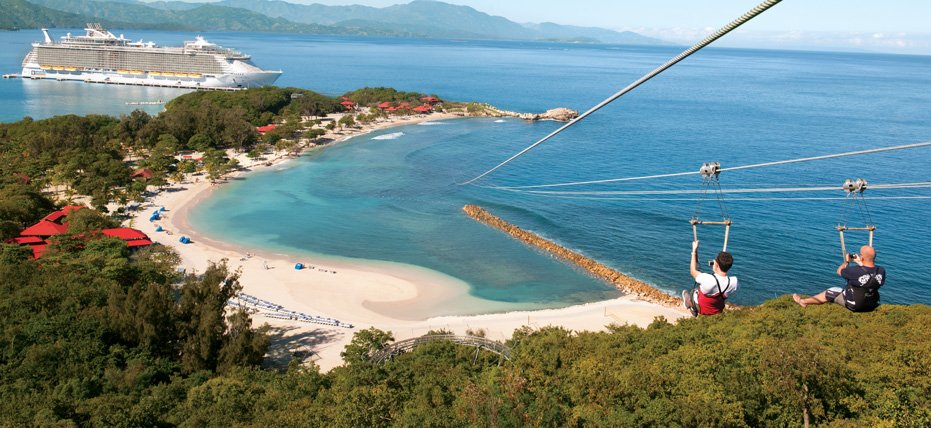
Haïti is blessed with spectacular natural landscapes, including white sand beaches, mountains and rich biodiversity.

Haïti has a rich historical heritage, including sites like the Citadelle Laferrière and the Sans-Souci Palace, listed as UNESCO World Heritage Sites.

Haïti has a rich and diverse culture, influenced by African, European and indigenous elements. Haitian music, dance, art and cuisine are celebrated around the world.