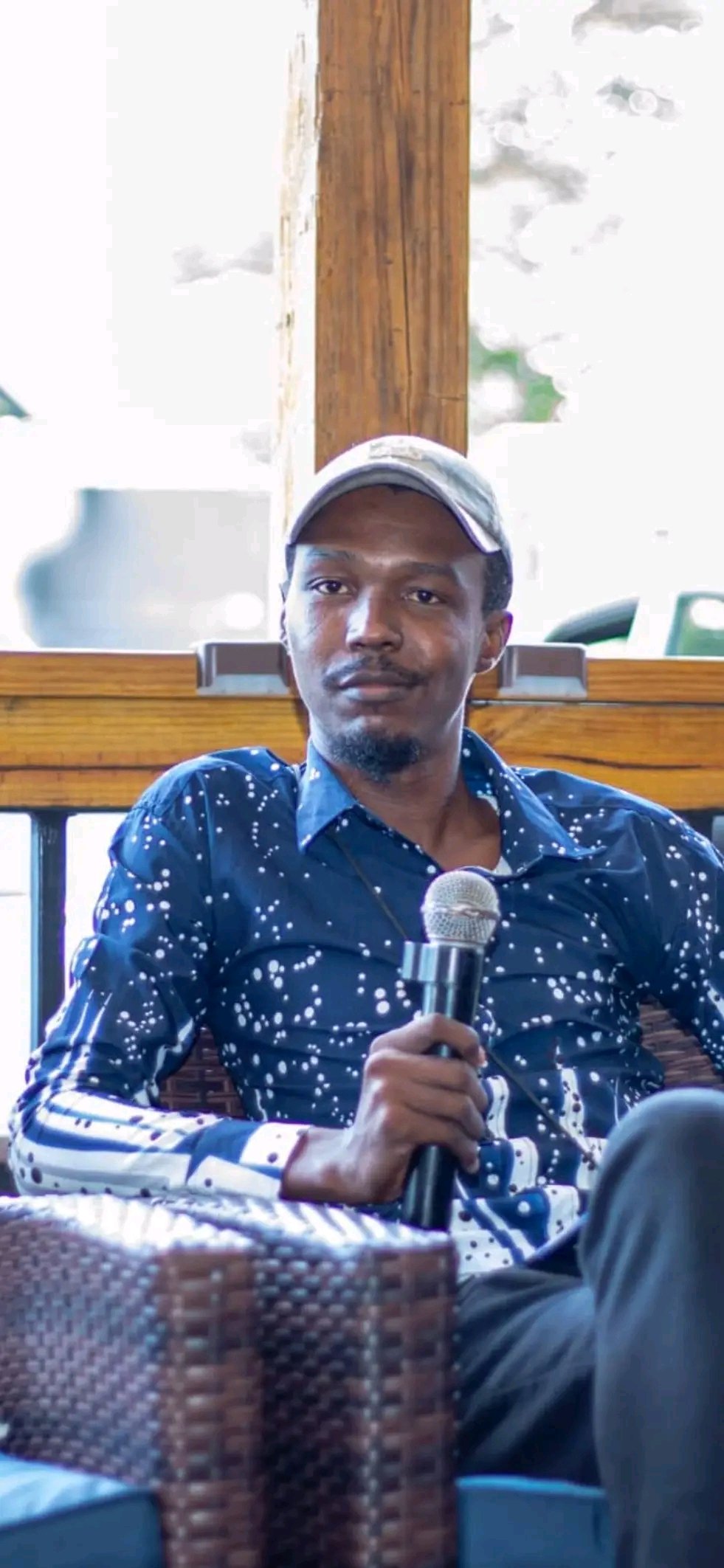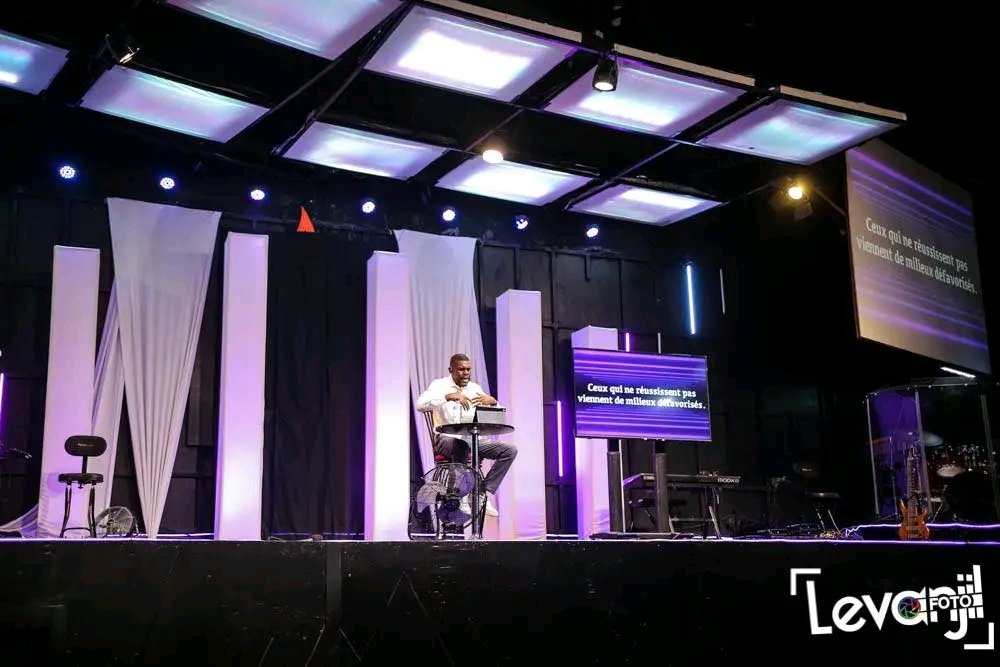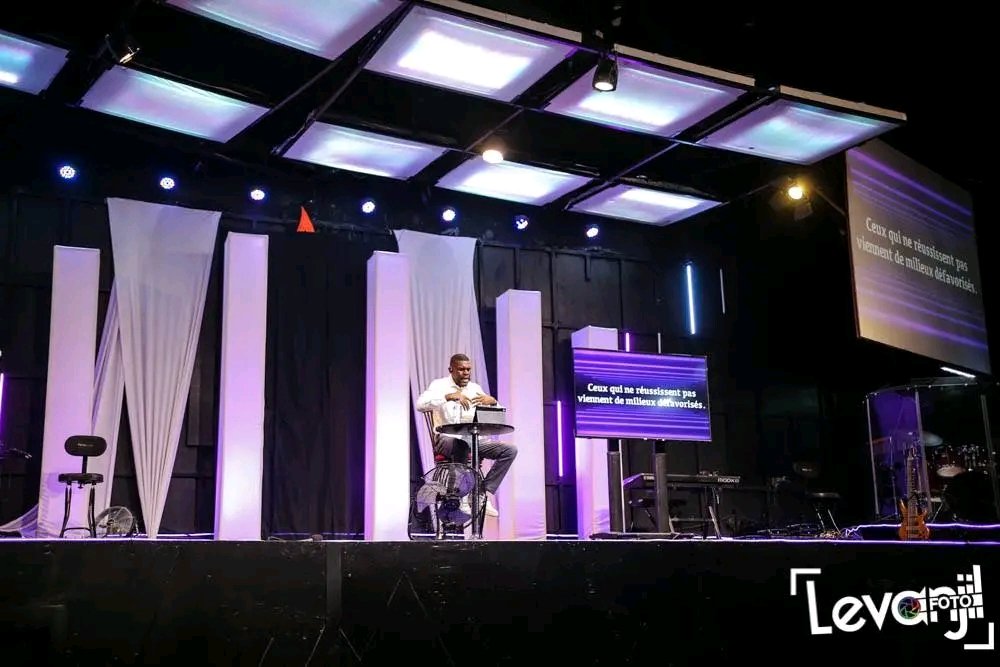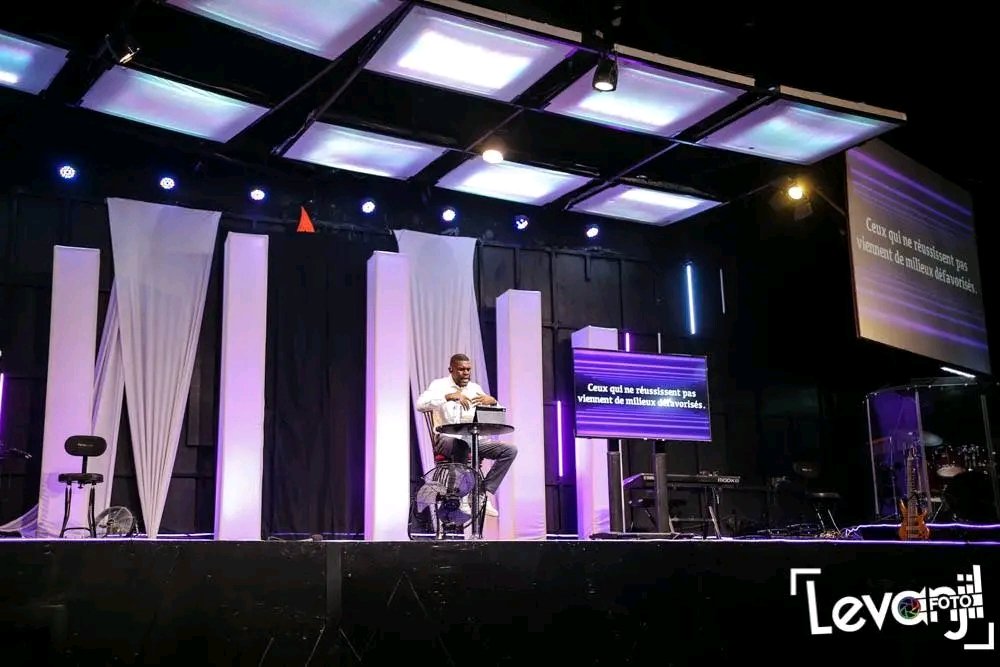



John Wesley Désir Represents Haitian Youth at the 24th University for Youth and Development 2025
Haiti in the spotlight in Spain! John Wesley Désir represents Haitian youth at UYD 2025 to defend democracy and digital security.
For more than 200 years, Haïti has stood at the intersection of possibility and exclusion. The first black republic in the world was born in revolution, forged by boldness, and blessed with strategic geography. And yet, through a combination of political instability, external interference, and poor infrastructure, Haïti has long remained isolated from the global economic systems that build prosperity. But today, on the quiet northern coast between Fort-Liberté and Phaeton, a new possibility is rising up from the ground. It’s not another aid project. It’s not a symbolic ribbon-cutting. It is Port Chinourette Terminal, a bold and meticulously planned cargo port that could finally put Haïti back on the map, not as a beneficiary of generosity, but as a competitive player in global trade. Port Chinourette is more than a logistics terminal. It’s a strategic inflection point. The kind of once-in-a-century infrastructure investment that can create jobs, stimulate industries, decentralize growth, and transform the economy of an entire nation. With capacity to handle up to three-million TEUs annually by 2040, it is the most ambitious port project in Haiti’s recent history. But its true power lies not only in its size, but in what it unlocks.
Subscribe to our newsletter to stay informed of all our activities and news on Haiti.
Easter in Haïti is both spiritual and convivial. It is a time of contemplation for many, but also a sacred occasion to gather with family around a special meal, respectful of the religious traditions of Lent. During this period, meat disappears from the plates, replaced by fish, especially cod, in an explosion of typically Haitian flavors.
Haiti, often reduced to alarming headlines about gang activity, is much more than that. It is a country whose history, natural riches and culture are deeply woven into the fabric of humanity. Although it faces challenges, there is so much to admire and celebrate in this Caribbean nation.
On Sunday, April 6, 2025, the Karibe Convention Center in Juvenat transformed into a true cultural temple to close the 18th edition of the Port-au-Prince International Jazz Festival (PAPJAZZ). This year, the festival took place under the evocative theme "PAP JAZZ it UP", and it was held in three sites primarily located in the Pétion-Ville commune. The festival took place entirely at these wonderful musical venues: a reference was made to the Latin Quarter, the Haiti-Brazil Cultural Center, and the Karibe Hotel. Due to the deteriorating situation in downtown Port-au-Prince in recent times, the French Institute site had to be abandoned by the festival organizers. Nevertheless, we can absolutely call this 18th edition of Pap Jazz a success. Indeed, this festival, now a major event of the Haitian year, was especially marked this year by the great resilience and determination of the organizers who were able to adapt to the country’s rhythm in order to satisfy their loyal festival-goers. Despite the difficult context, these festival-goers did not miss the opportunity to escape their harsh daily lives through music. It’s also important to note that this 18th edition of Pap Jazz took place after two postponements, at the very beginning of this year, with the last one occurring in March due to insecurity. In this regard, it is appropriate to call the monumental achievement of the Haïti Jazz Foundation and their partners an exceptional feat, as they were not discouraged and showed remarkable tenacity, while adapting to offer Port-au-Prince and its surroundings this moment of growth, beyond the city’s great sorrow, through music.
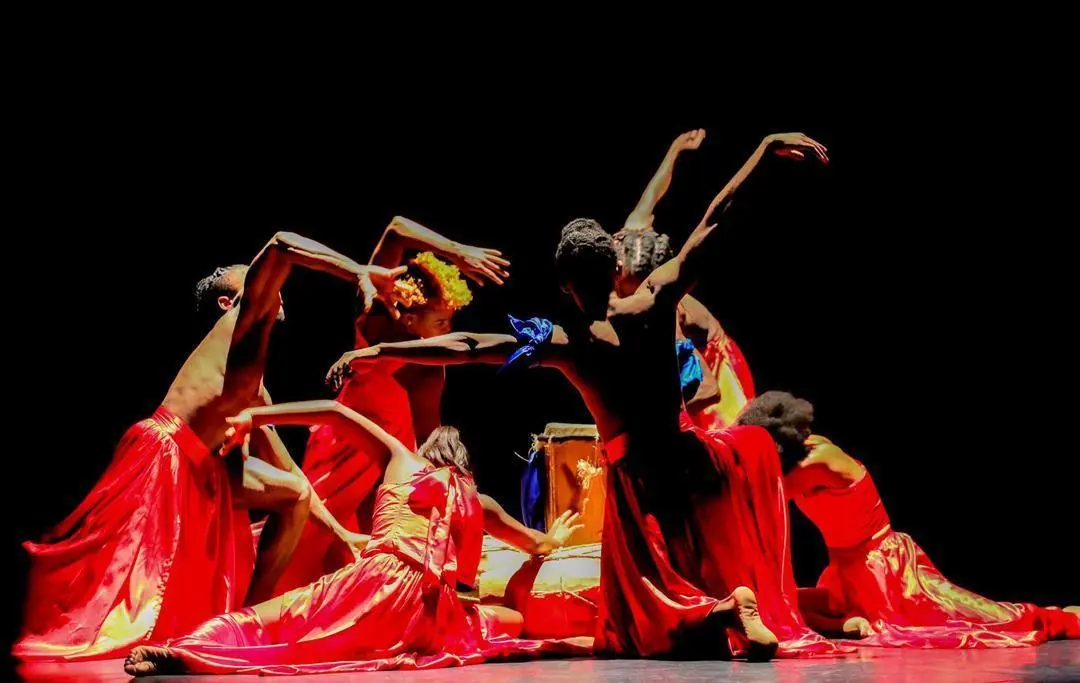
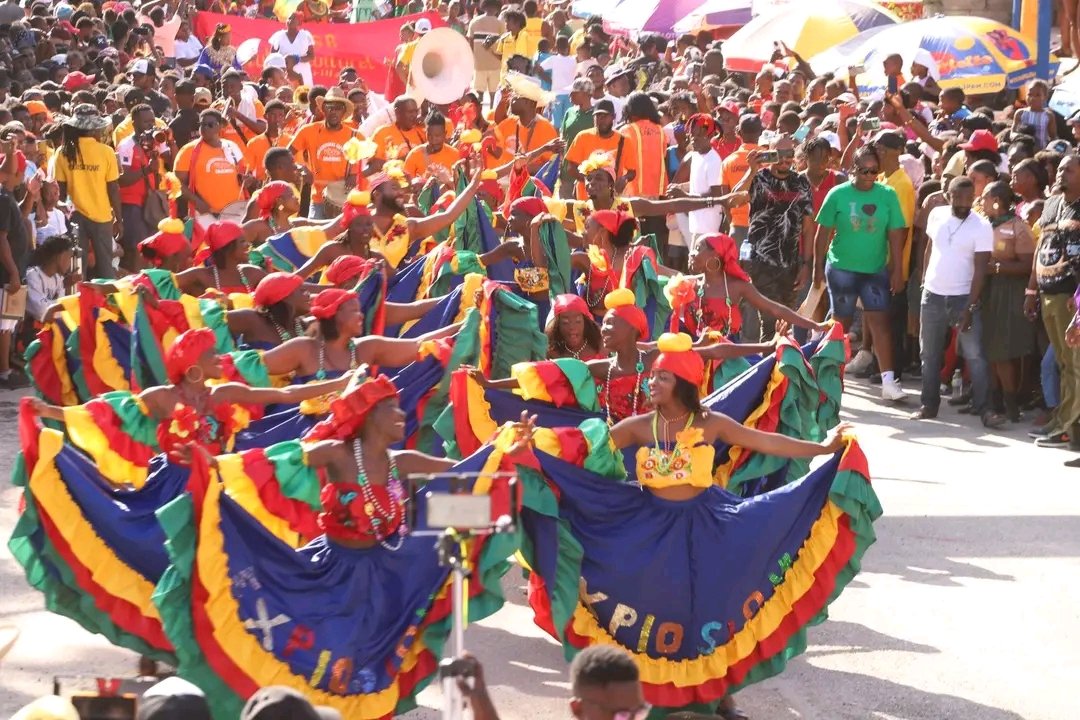
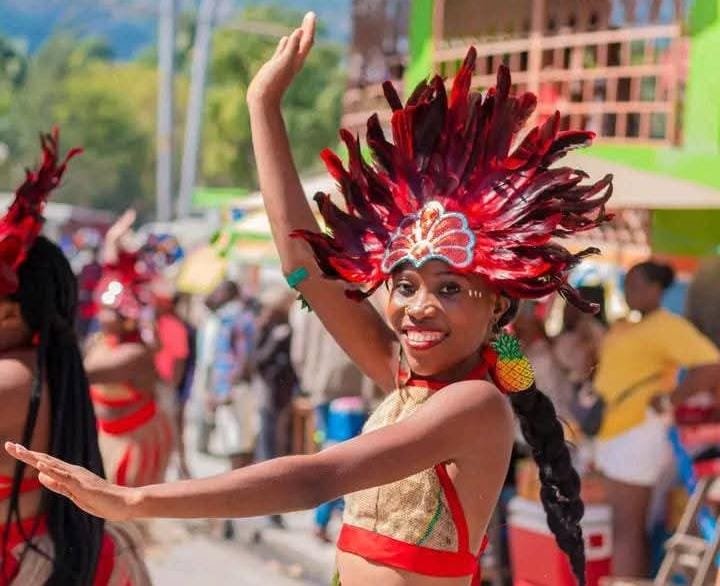
Haiti, a land rich in history and cultural diversity, offers a unique musical treasure through its captivating rhythms. Haitian music, deeply rooted in the fusion of different African, European and Caribbean influences, constitutes a vibrant expression of national identity. One of the distinctive elements of Haitian music is its rhythmic diversity, reflecting the many facets of daily life, from religious celebrations to moments of joy and sorrow. Haitian rhythms, carrying contagious energy, are a reflection of the soul of the Haitian people. One of Haiti’s most iconic musical genres is direct compas, which emerged in the 1950s. This catchy rhythm, coupled with captivating melodies, has captured hearts globally. The direct compass embodies the fusion of different musical styles, including jazz, merengue, and elements of traditional Haitian music. Haitian musical traditions are not limited to contemporary sounds. Vodou, an ancestral spiritual practice, also has a major influence on Haitian music. Vodou rhythms, often associated with religious ceremonies, create a deep connection between spirituality and artistic expression. Furthermore, dance is inseparable from Haitian music. The graceful and energetic movements of traditional dances like rasin, combined with captivating rhythms, transport dancers and spectators to a world where bodily expression becomes a living art form. Exploring the musical and dance traditions of Haïti is like diving into a universe where history, culture and spirituality are harmoniously woven together. These rhythms, passed down from generation to generation, are much more than simple notes; they embody the soul of a people and the richness of its diversity. Celebrating these traditions pays homage to Haiti’s exceptional cultural heritage and its invaluable contribution to the global music scene.
Haïti is a small country located in the Caribbean, but what continent is it actually on? Although Haïti is often associated with tropical islands and paradise vacation destinations, its geographical location makes it a key part of the American continent. Let’s explore Haiti’s geographical location and its relationships with other nations in the Americas.

First black nation to free itself from slavery and gain independence from France in 1804 and influenced other liberation movements around the world, inspiring struggles for freedom and equality.

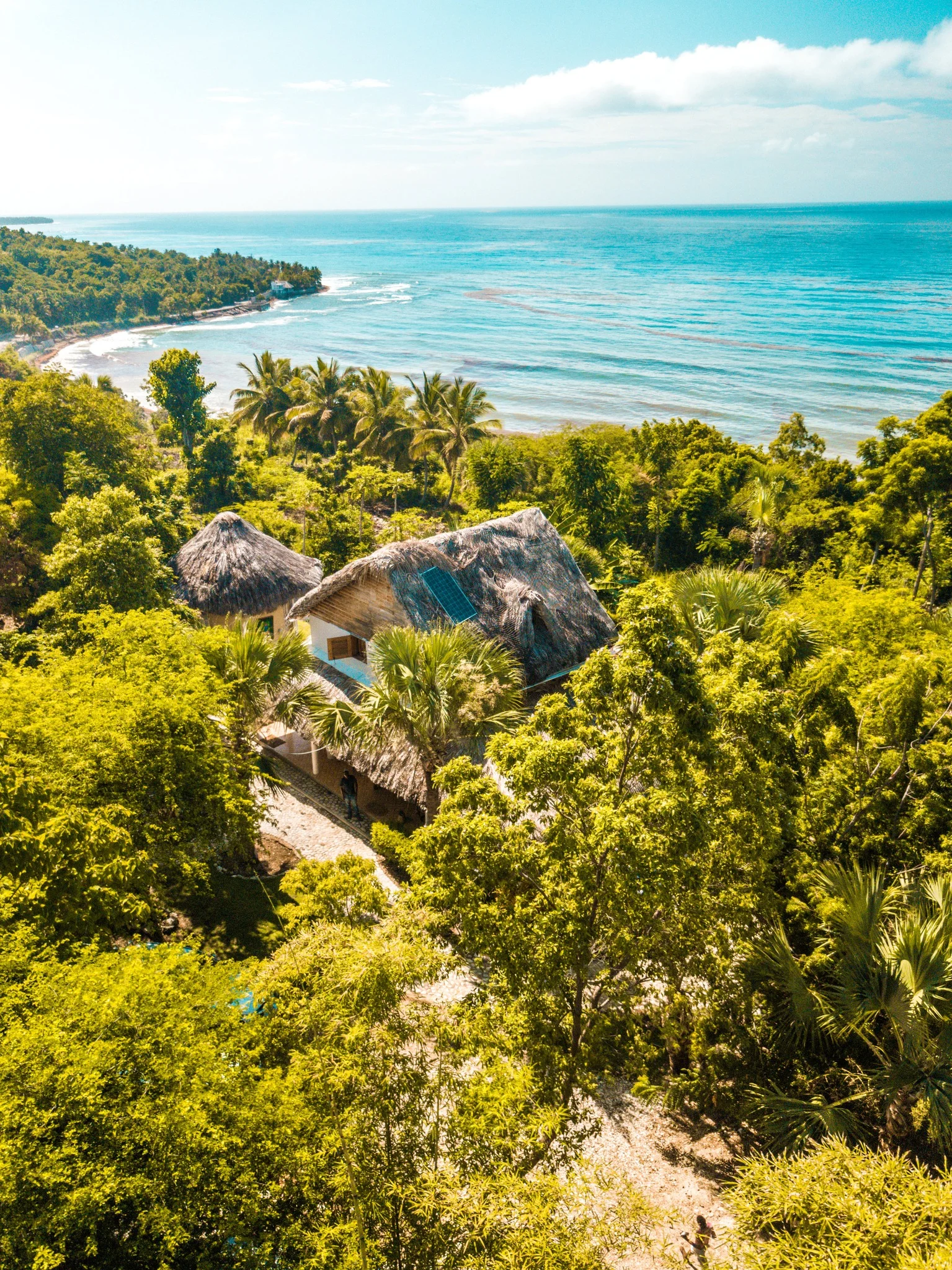
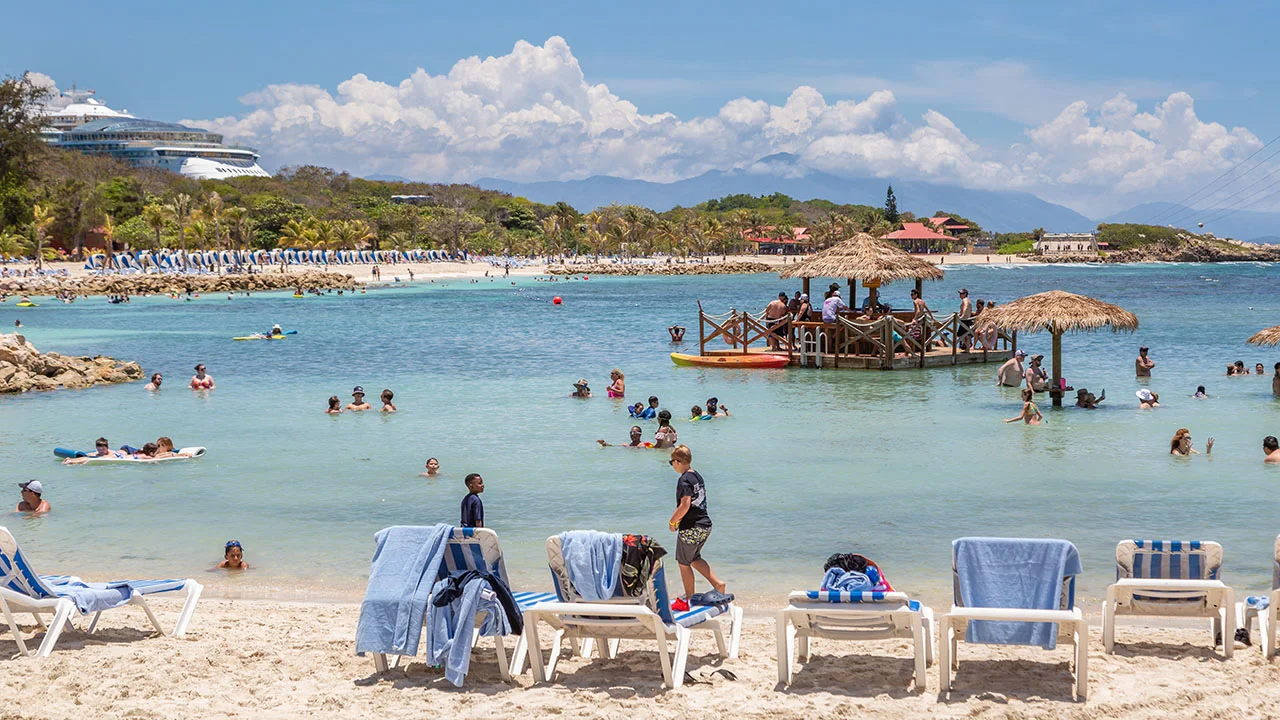
Haïti is blessed with spectacular natural landscapes, including white sand beaches, mountains and rich biodiversity.

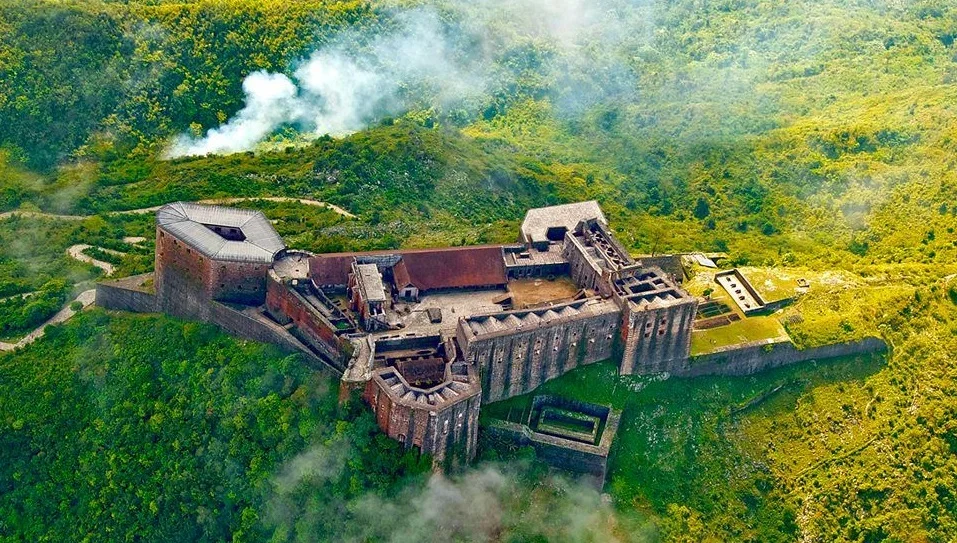
Haïti has a rich historical heritage, including sites like the Citadelle Laferrière and the Sans-Souci Palace, listed as UNESCO World Heritage Sites.

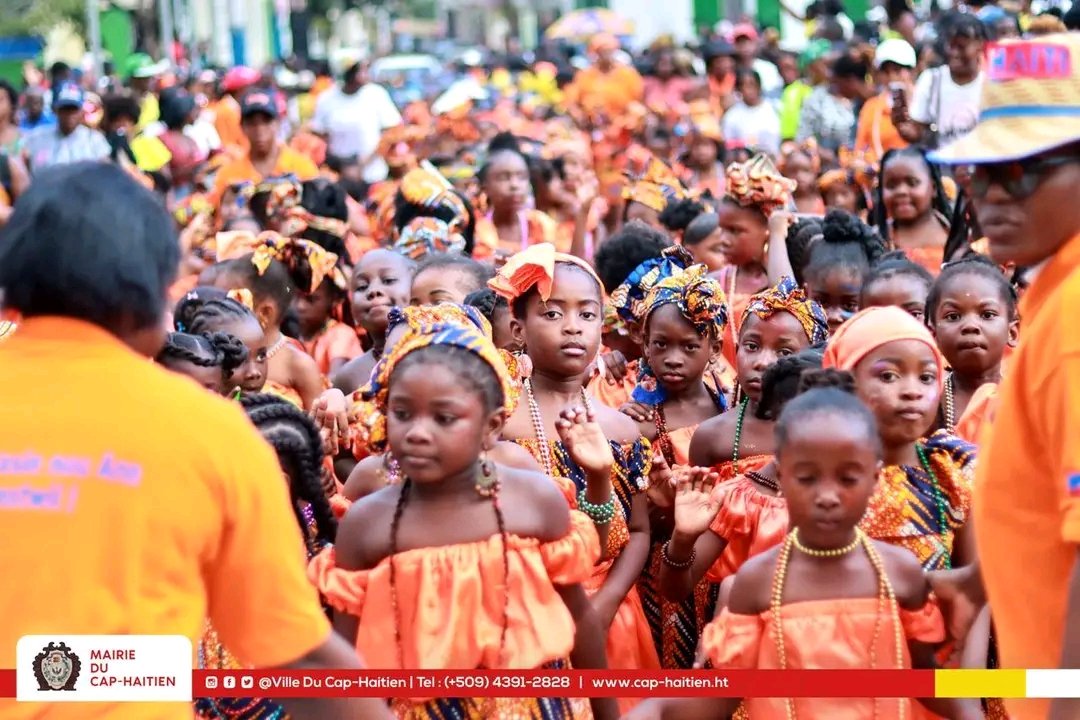
Haïti has a rich and diverse culture, influenced by African, European and indigenous elements. Haitian music, dance, art and cuisine are celebrated around the world.