John Wesley Désir Represents Haitian Youth at the 24th University for Youth and Development 2025
Haiti in the spotlight in Spain! John Wesley Désir represents Haitian youth at UYD 2025 to defend democracy and digital security.

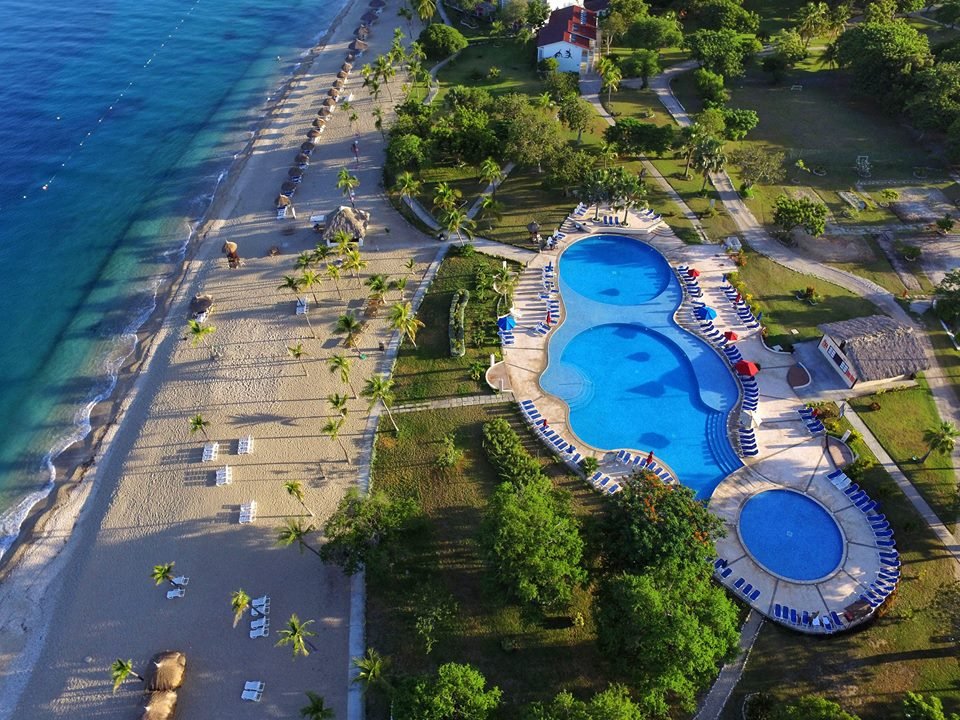
If you dream of heavenly beaches where white sand, turquoise waters and landscapes blend, Haïti is the ideal destination for your vacation. This jewel of the Caribbean offers a multitude of beaches that captivate with their breathtaking beauty and unique atmosphere. Discover ten must-visit beach destinations in Haïti that promise to make your vacation unforgettable.

Ah, summer in Haiti! A season where the sun shines high in the azure sky and the crystal clear waters of the Caribbean Sea invite relaxation and adventure. When you think of Haiti, its heavenly beaches may not be the first thing that comes to mind, but this Caribbean gem is actually full of breathtaking coastal treasures. From the north coast to the south coast, each beach offers a unique experience, blending history, culture and nature with stunning natural beauty. Here is a selection of the essential beaches to visit during your summer getaway to Haiti:
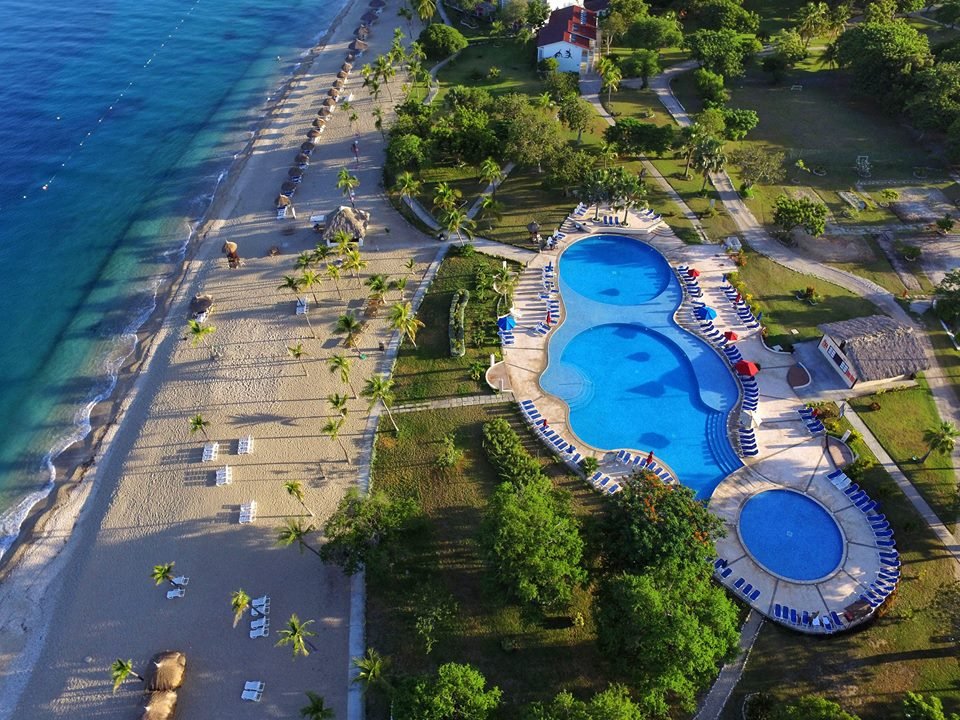
Nestled on the northern coast of Haiti, Labadie (often called Labadee) is a must-see destination for lovers of heavenly beaches and seaside adventures. Known for its idyllic landscapes, crystal clear waters and varied activities, Labadie has established itself as a star among Haitian beaches. Let’s discover together this tropical jewel that attracts visitors from all over the world.
Haiti, nicknamed the "Pearl of the Antilles," is full of exceptional beaches that testify to the richness of its coastline. This Caribbean country enchants visitors with its spectacular landscapes, turquoise waters and unique hospitality. These beaches, true natural gems, offer unforgettable experiences, combining relaxation, adventure and wonder. Discover 7 must-see Haitian beaches that highlight the country’s tourist and ecological potential.
Discover the paradise beaches of Haiti, a gem to visit year-round. Immerse yourself in the beauty of this unique country! #Haiti #Beaches #Tourism
Haiti, pearl of the Caribbean, is full of natural and cultural treasures that deserve to be explored. Among these treasures, the breathtakingly beautiful beaches occupy pride of place. Here is our selection of the 10 must-see beaches to visit in Haiti, offering unique and memorable seaside experiences.
Haiti, often referred to as the "Pearl of the Antilles", is home to natural treasures just waiting to be explored. Among its jewels, Haiti’s beaches stand out for their breathtaking beauty, crystal clear waters and serene atmosphere. These beaches, far from the hustle and bustle of crowded tourist destinations, offer an ideal refuge for travelers seeking tranquility, adventure and authenticity. Here are 10 of the beaches not to be missed during your next trip to Haiti, each promising a unique and unforgettable experience.
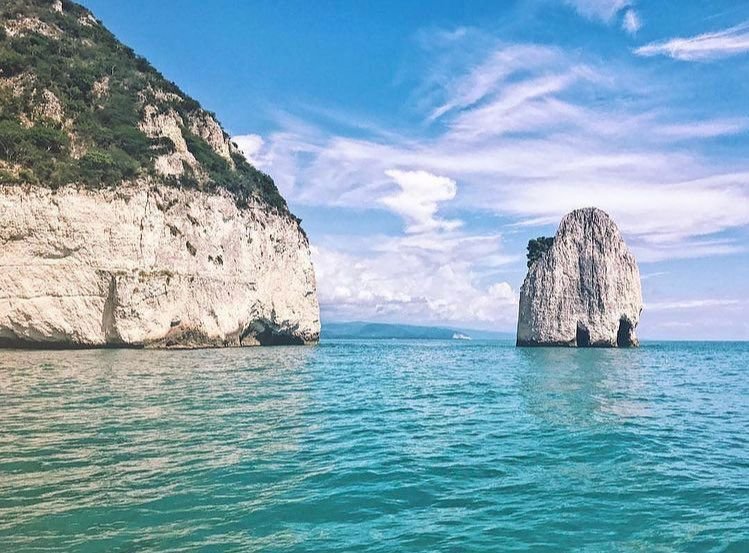
Imagine a place where summer never ends, where each dawn brings the promise of a day bathed in light. A place where the waves tirelessly murmur their melody on shores of gold and ivory, where time seems suspended in an eternal promise of warmth and beauty. The sun, faithful lover, caresses with its golden rays 1,700 kilometers of coastline, drawing a living picture where the cerulean blue of the ocean blends into the infinite azure of the sky. This paradise is not a mirage, it is Haiti, jewel of the Antilles, which opens its arms to you all year round. While in many regions of the world, access to beaches is often limited to the summer period, Haïti stands out for its beaches accessible all year round. Located in the Caribbean, this tropical destination offers pristine shores and turquoise waters that invite relaxation and adventure, whatever the season. Are you ready to experience an endless summer? Haïti extends its arms to you, and believe us, it’s an embrace you won’t want to let go of. Let’s find out together why this jewel of the West Indies deserves its place at the top of your list of dream destinations.
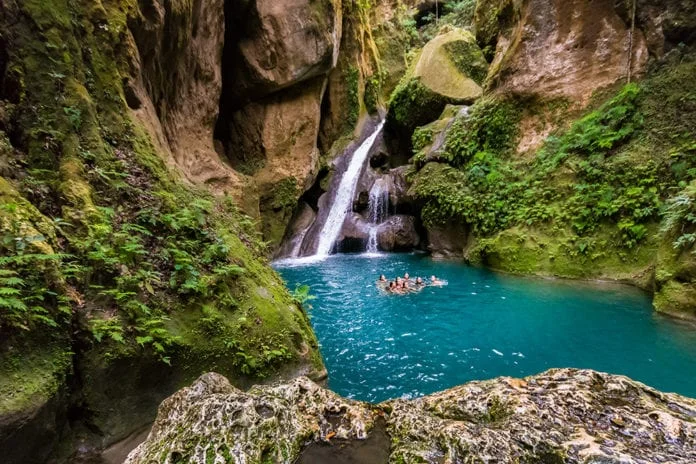
Haiti, a land of hidden treasures, is full of breathtaking beaches, but among them, some stand out for an unexpected beauty that will not fail to surprise you. If you are looking for a place off the beaten track, offering an authentic and unforgettable experience, then Bassin Bleu beach deserves your full attention. This beach, nestled in a breathtaking natural setting, offers you moments of pure magic.

Haïti is much more than a Caribbean island. It is a country rich in history, culture, gastronomy, and nature. Behind the challenges it has faced, Haïti shines with its unique heritage and major historical role. Here are seven fascinating facts that show why Haïti is a land of pride.
Port-au-Prince is the vibrant and historic capital of Haiti. Located on the bay of the same name, this city is much more than just an administrative center. It embodies the soul of the country through its history, vibrant culture, and resilience in the face of challenges. Let’s discover why Port-au-Prince is the beating heart of Haiti.
In the annals of the history of Haiti, an island located in the Caribbean at the entrance to the Gulf of Mexico and shared with the Dominican Republic, Jean-Jacques Dessalines emerges like a phoenix from the ashes of oppression. Born a slave on September 20, 1758 in the home of Henri Duclos, in Cormier (Grande-Rivière-du-Nord), in the French colony of Saint-Domingue, Dessalines was a Creole of African (Afro-Caribbean) origin. Freed during the 1794 abolition achieved through slave revolts, actually served as an officer in the French army during the French Revolution. At that time, the ideas of freedom and equality were at the heart of the concerns of the inhabitants of the colonies. Dessalines actively participated in the fighting against the Spanish and British forces, alongside the French, in Santo Domingo. Having risen to the rank of Lieutenant General, Jean-Jacques Dessalines turned against the French during the Leclerc expedition, sent to Saint-Domingue by Bonaparte to reestablish colonial authority and slavery during the Haitian Revolution. After the capture and deportation of Toussaint Louverture to France on June 7, 1802, Dessalines assumed a leading role in continuing the struggle for independence. He led numerous battles, including the battle of Crête-à-Pierrot in March 1802, where he galvanized his soldiers with his famous declaration: “Let those who want to remain slaves of the French leave the fort, let those, on the contrary, who want to die as free men, line up around me.” On January 1, 1804, Jean-Jacques Dessalines achieved the long-awaited goal of independence by proclaiming Haïti as a sovereign nation, becoming the second country in the Americas to gain independence from a colonial power. He became the first leader of the newly formed nation and was named Emperor under the name James I. However, his imperial reign was marked by authoritarian and brutal policies, including the massacre of many white settlers and the redistribution of land to peasants that was in the hands of the generals of the independence army. In addition, he organized the hunt for delinquents in the city while implementing rigorous agrarian policies, considering that they represented a threat to the stability of the nation, these controversial actions caused divisions within Haitian society. Dessalines was assassinated on October 17, 1806 following a plot organized by some of his generals in the Haitian army. His death marked the end of his brief but influential period in power. Despite the controversies surrounding his methods, he is recognized as the main architect of Haiti’s independence and his name was honored in 1903 by being attributed to the Haitian national anthem, La Dessalinienne, composed by Justin Lhérisson.Finally, the great visionary man Jean Jacques Dessalines remains an emblematic figure in the history of Haiti, recognized for his role in the fight for independence and the end of slavery in the region.



Once nicknamed "the pearl of the Antilles", Haïti is an island of remarkable fertility, a fascinating destination that combines spectacular natural beauty with a rich and complex history. It is part of the Greater Antilles alongside Cuba, Puerto Rico and Jamaica. Nestled between the two Americas, on the Panama Canal route, this island nation is a well-kept treasure, offering visitors a unique blend of magnificent landscapes, vibrant culture and historical heritage.

First black nation to free itself from slavery and gain independence from France in 1804 and influenced other liberation movements around the world, inspiring struggles for freedom and equality.

Haïti is blessed with spectacular natural landscapes, including white sand beaches, mountains and rich biodiversity.

Haïti has a rich historical heritage, including sites like the Citadelle Laferrière and the Sans-Souci Palace, listed as UNESCO World Heritage Sites.

Haïti has a rich and diverse culture, influenced by African, European and indigenous elements. Haitian music, dance, art and cuisine are celebrated around the world.