Coding Club Haïti shines in 2025: a year of awards, innovation, and national pride
Discover how Coding Club Haiti shines in 2025 with awards, innovation, and national pride. A success story not to be missed!

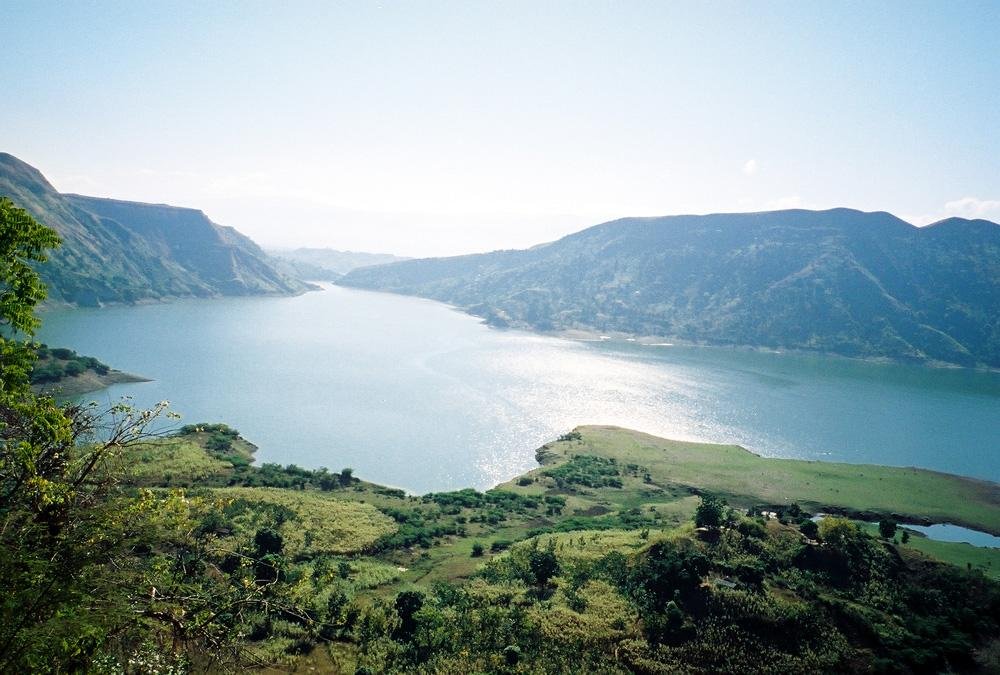
At the heart of the majestic Haitian topography, lies a natural gem of breathtaking beauty: Lake Péligre. Nestled in the mountains of Haiti’s central region, this artificial lake is a wonder for local residents and amazed visitors alike. From its historical creation to its contemporary ecological importance, let’s explore together the riches of Lake Péligre. Origin and History: Lac de Péligre is the result of an ambitious engineering project undertaken in the 1950s. At that time, the Haitian government, in collaboration with international partners, undertook the construction of the Péligre Dam on the Artibonite River. The main goal was to provide large-scale electricity to Haïti while regulating river flooding to protect agricultural land downstream. Ecology and Biodiversity: Beyond its usefulness as a source of hydraulic energy, Lake Péligre is home to rich ecological diversity. The calm waters of the lake provide vital habitat for a variety of native fish species, supporting local fishing communities. In addition, the surrounding forests and hills that border the lake are home to diverse flora and fauna, contributing to the preservation of the regional ecosystem. Tourism and Leisure: For outdoor enthusiasts and nature enthusiasts, Lake Péligre offers a multitude of leisure opportunities. Visitors can enjoy peaceful boat rides on the tranquil waters of the lake, offering panoramic views of the surrounding mountains. Additionally, hiking trails winding through lush forests allow hikers to explore the area’s natural beauty. Lake Péligre represents much more than a simple artificial body of water. It is a living testament to human ingenuity and the natural beauty of Haiti. As an emerging tourism destination, it offers visitors an immersive experience in nature, while highlighting the crucial importance of environmental conservation. By preserving this natural treasure, we also preserve the sustainable future of our planet.
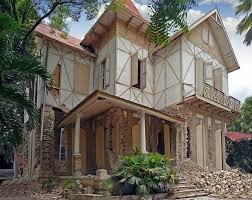
This style of Gingerbread house made its triumphant entry into the project of a new model of building in the middle of the 20th century in Haïti with the arrival of new Haitian engineers studied in Europe, more precisely in France, who were going to provide Haïti with a new form of construction. At that time, the Haitian landscape was flourishing, the city of Port-Au-Prince is full of trees where the weather is beautiful in the heights of the city of Princes, it was a heavenly place where businessmen, mixed with politicians depending on the time began to live in this green space. Today, the Gingerbread house style, a built heritage in danger.
"Ayiti Liv" is an online platform dedicated strictly to promoting Haitian literature. It will be operational starting May 1, 2025, and will feature about 300 major works of Haitian literature, written by over 70 authors. Full public access will be granted for its launch phase. Jean Venel Casseus, one of the platform’s initiators, explains that this initiative was created to fill a significant gap, and this vast project is being carried out by him and a passionate team of Haitian literature lovers.
Article 1 of the Haitian Constitution of 1987, amended in 2011, establishes the foundations of national identity. In one concise but powerful sentence, it states that Haïti is an indivisible, sovereign, independent, free, democratic and social Republic. These six terms reflect the fundamental values and collective aspirations of the Haitian nation, forged through a rich and tumultuous history. q~ARTICLE 1: Haïti is a Republic, indivisible, sovereign, independent, cooperative, free, democratic and social.~q Let’s discover the meaning and importance of each of these principles in the context of the Republic of Haiti.
On October 19, 2023, the Haitian community came together to celebrate Andy Vibert’s birthday in an extraordinary way, by organizing a special event titled "JOUNEN RETWOUVAY AK MANJE AYISYEN." This exceptional day was an opportunity to highlight the richness of Haitian cuisine by offering a delicious variety of traditional dishes, such as joumou soup, chiktay, weighed bananas, tonmtonm, tchaka, lalo, white rice, pea and vegetable puree, bòy ak sòs pwa, and of course, the famous griots. Beyond the simple celebration of an anniversary, this evening had a deeper objective, namely to encourage fellow Haitians to favor local consumption. Andy Vibert, by highlighting these traditional dishes, wanted to make guests aware of the importance of supporting national production.
Haiti, a land of hidden treasures, is full of breathtaking beaches, but among them, some stand out for an unexpected beauty that will not fail to surprise you. If you are looking for a place off the beaten track, offering an authentic and unforgettable experience, then Bassin Bleu beach deserves your full attention. This beach, nestled in a breathtaking natural setting, offers you moments of pure magic.

First black nation to free itself from slavery and gain independence from France in 1804 and influenced other liberation movements around the world, inspiring struggles for freedom and equality.

Haïti is blessed with spectacular natural landscapes, including white sand beaches, mountains and rich biodiversity.

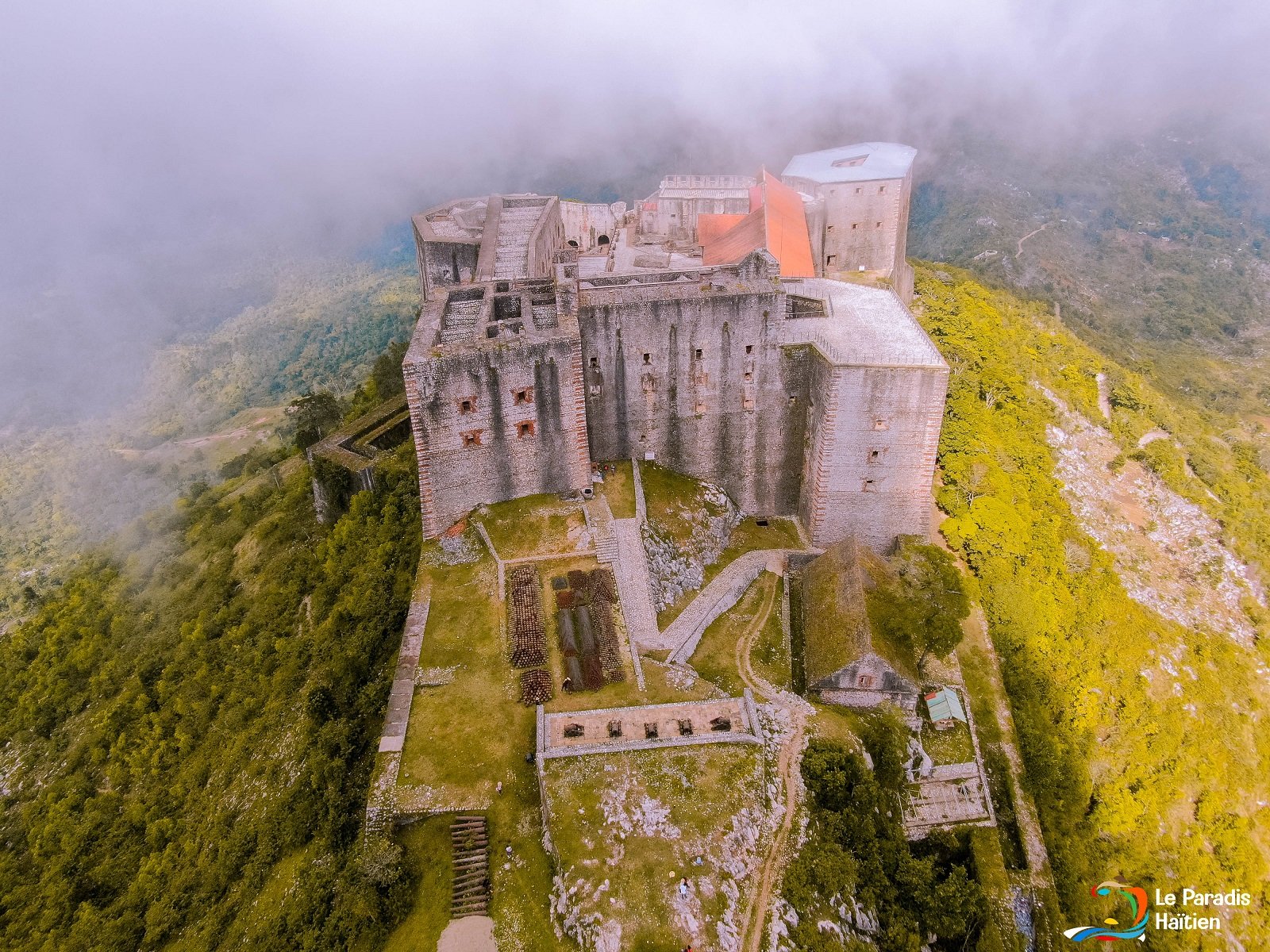
Haïti has a rich historical heritage, including sites like the Citadelle Laferrière and the Sans-Souci Palace, listed as UNESCO World Heritage Sites.

Haïti has a rich and diverse culture, influenced by African, European and indigenous elements. Haitian music, dance, art and cuisine are celebrated around the world.