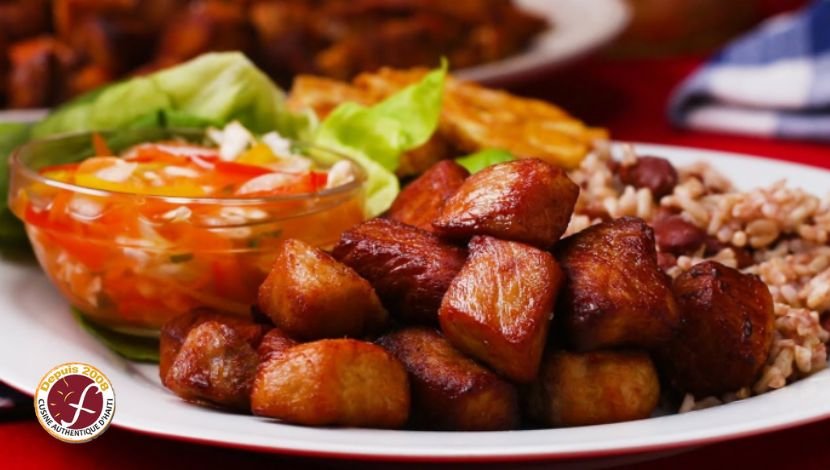
Haitian Cuisine - Delicious Corn à la "Bonne Femme": To your pots!
Readers and little chefs of Haïti Wonderland, I present to you on a golden platter the recipe for corn à la bonne femme. Take your time and share your creation in the comments!

Haitian cuisine is rich and flavorful and is a true reflection of the country’s culture, history and traditions. It combines African, European and indigenous influences to offer diverse and delicious dishes. From everyday meals to traditional feasts, food in Haïti is more than just a way to eat, it’s a cultural experience. Discover with us what they eat in Haiti, and let yourself be seduced by the unique flavors of this Caribbean country.
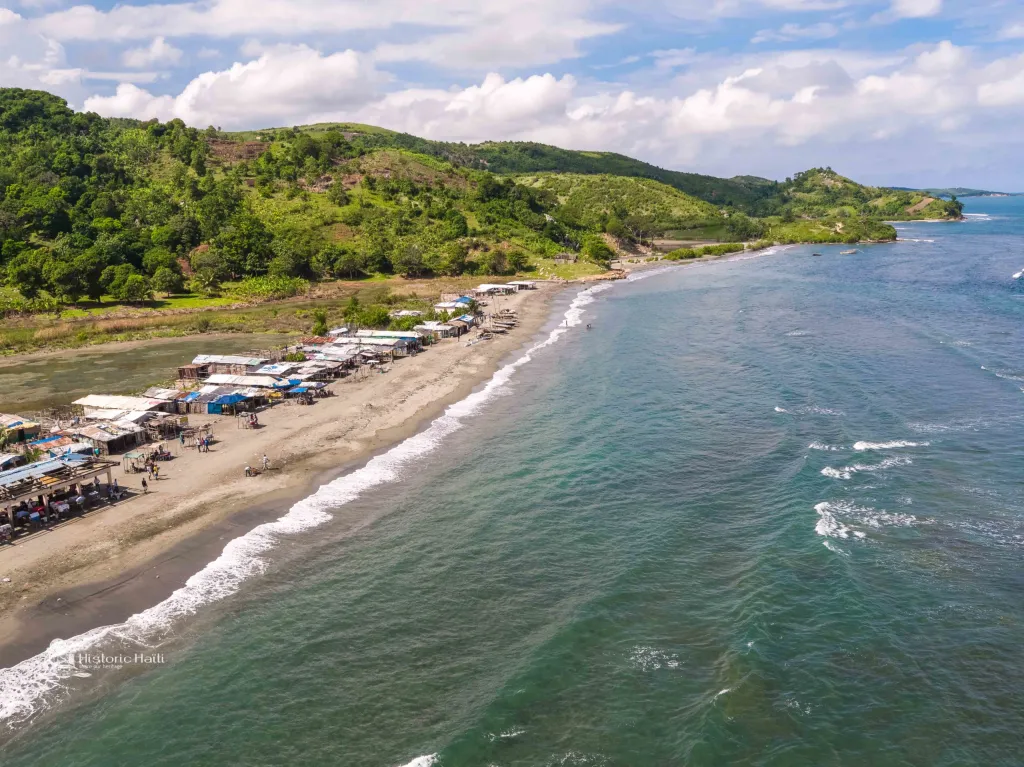
Haiti, nicknamed the "Pearl of the Antilles," is full of exceptional beaches that testify to the richness of its coastline. This Caribbean country enchants visitors with its spectacular landscapes, turquoise waters and unique hospitality. These beaches, true natural gems, offer unforgettable experiences, combining relaxation, adventure and wonder. Discover 7 must-see Haitian beaches that highlight the country’s tourist and ecological potential.
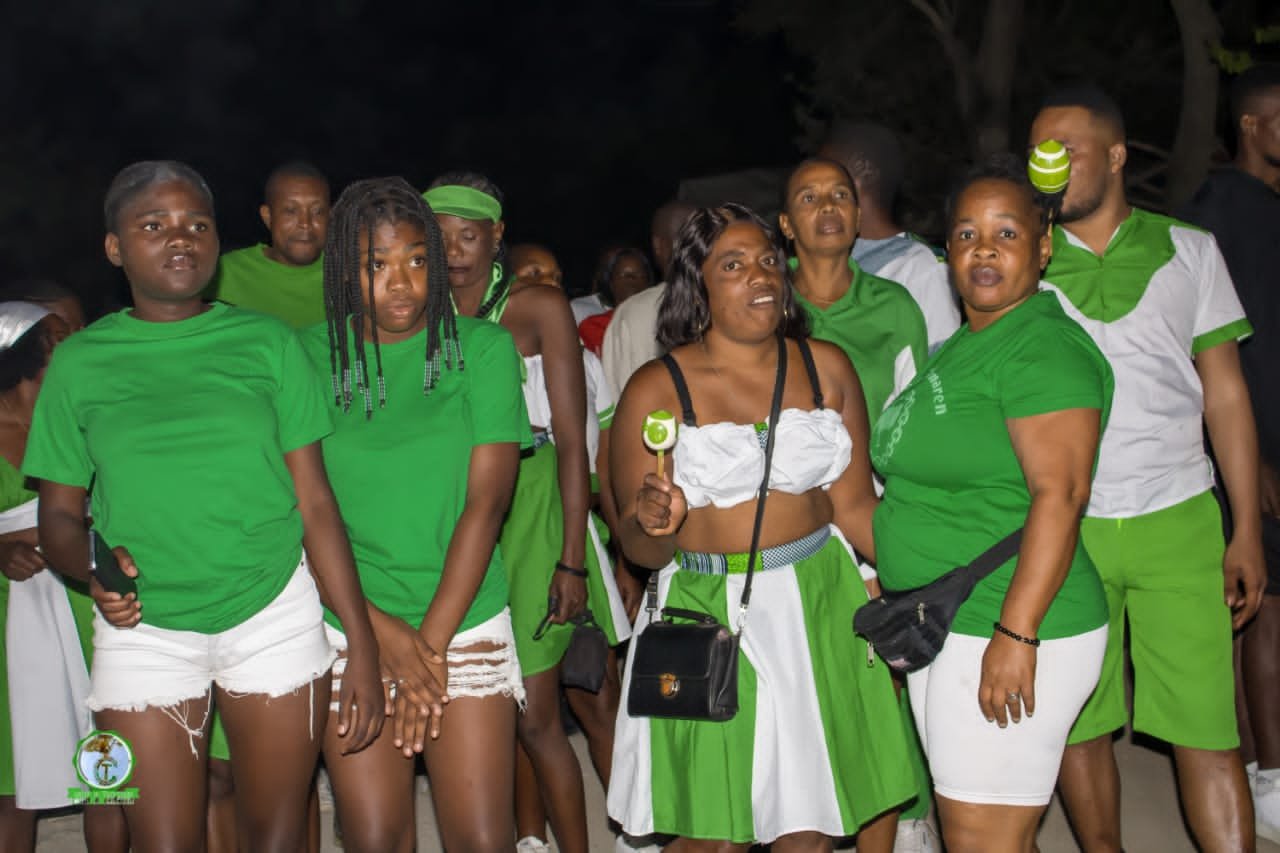
Haiti, an island of culture and history, is much more than a beach destination. It vibrates to the rhythm of its traditions, its music, its dances, and especially its traditional festivals. If you’re looking for an authentic experience, these events are the perfect opportunity to immerse yourself in the soul of a proud, warm, and creative people. Here is a selection of the must-see traditional Haitian festivals that every traveler should experience at least once.
Haiti, a captivating Caribbean island, is a tropical paradise often overlooked by travelers. Between white sand beaches, mountainous landscapes, vibrant culture and fascinating history, this island gem offers a unique and unforgettable experience. If you are looking for an authentic destination, off the beaten track, Haïti is the perfect place for an adventure rich in discoveries. Here is why Haïti deserves its place among the most beautiful places to explore.
The joyful ringing of bells echoes through the streets of Haïti as the holiday season approaches. Christmas is a magical time when the streets light up, families gather and a warm atmosphere invades the island. Between traditions, cultural discoveries and gourmet feasts, Christmas in Haïti promises a unique experience. b~The Magic of Lights and Decorations~b From the beginning of December, Haïti is adorned with sparkling lights and festive decorations. The markets come alive with shimmering garlands, twinkling stars and ornate fir trees. The streets of Port-au-Prince in Jacmel shine with a special magic, inviting locals and visitors to immerse themselves in the festive spirit. b~Haitian Traditions at Christmas~b Christmas in Haïti is celebrated with a unique combination of religious traditions and local customs. Midnight Mass is a deeply rooted tradition, drawing worshipers to churches to celebrate the birth of Jesus in a vibrant atmosphere of song and prayer. A popular tradition is the "Dawn Mass" which takes place at dawn on December 25. The faithful gather to welcome Christmas Day with special fervor, testifying to the deep spirituality that permeates the festivities. The festivities are not limited to churches. Street parades, folk dances and concerts are commonplace, creating a joyful atmosphere throughout the country. Traditional Haitian music, such as direct compass and voodoo, adds a special dimension to these celebrations. b~Cultural Discoveries: Haitian Crafts~b Christmas is also an ideal opportunity to discover unique Haitian crafts. Christmas markets offer a variety of handicrafts, such as wooden sculptures, vivid paintings, wrought iron items and traditional jewelry. These works of art reflect the artistic talent of the Haitian people and provide unique and meaningful gifts. Local markets, such as the Ferrier market in Cap-Haitien and the Jacmel market, are essential places to discover the authenticity of Haitian crafts. These purchases also help support local artists and the community economy. b~Gourmet Feasts: Christmas Cuisine~b Christmas in Haïti is also a gastronomic celebration. Families gather around festive tables laden with traditional culinary delights. “Joumou soup”, a pumpkin soup, is an essential specialty of the holiday season. Pork, lamb and chicken dishes are also common, accompanied by rice and local vegetables. Traditional desserts, such as “Pen patat” and “Tablèt Pistach,” add a sweet touch to the celebration. Tropical fruits, such as mangoes and bananas, are also often present on Christmas tables, recalling the richness of Haitian biodiversity. Christmas in Haïti is a vibrant celebration that blends the magic of lights, religious traditions, local crafts and delicious cuisine. It is a time when joy and generosity are in the spotlight, and when Haitians open their hearts to share the magic of the season with the world.
Since the beginning of the week, an unfounded rumor has been circulating in the United States, particularly in the state of Ohio, accusing Haitians in the diaspora of killing and consuming pets, as well as ducks in public ponds. These allegations, widely relayed by certain public and political figures, have been formally denied by local authorities and the police in Springfield, the city where these alleged events allegedly took place. Despite these denials, the rumor continues to thrive, fueling stigmatization against Haitian migrants.
Haitian cuisine is full of unique flavors that reflect the authenticity and cultural richness of the country. Whether to celebrate a special occasion or simply for pleasure, Haitian drinks and desserts are a must. Discover 10 typical dishes that embody the culinary soul of Haiti.
It is more and more obvious that in Petit-Goave the media space is absorbed by the rivalry between Ratyèfè, triple champions and lambi gran lambi dlo, a former champion. The past weekend was once again irrefutable proof of the media tension over these two rival bands. With a carnival-like appearance, the fan club of the first dressed in a white shirt, short orange-yellow skirt, purple tie, black boot; the other dressed in a traditional hat, yellow jersey, red pants, red or yellow tennis shoes. This marriage of colors with the taste of carnival is the expression of cultural diversity as La Fontaine said in his book tales and short stories "diversity is my motto." This formula can adapt well to the rara. If it is true in Léogane this marriage of color has existed for ages. It is no less true that this was the case in Petit-Goave because we had to wait for the strong return of Ratyèfè in 2018 to see the rara fan clubs dress differently each new weekend. Last Saturday more than one expected a new face to face between Lambi gran dlo and Ratyèfè because the latter weighed anchor in the direction of the 2nd plain and the latter, in the direction of the city center. Less than in any other circumstance, this duel at the top was obvious. If for some comments it was a favorable opportunity for Lambi to take his revenge on his rival compared to the previous weekend because he had done the profile although he had the advantage because he was two against one. (Lambi,chenn tamarin vs Ratyèfè). This enormous advantage did not work in their favor because the hours that had passed worked against them, as proof they had gone to sleep while ratyèfè remained to play for at least 30 more rounds. Surprisingly but not surprisingly during the meeting long awaited by less than one, at the Acul not far from the Saint Jean-Baptiste church, lambi had decided not to play anymore. However, according to the customs and costumes of the rara when there are two bands, the one who stops playing first, shows weakness and surrender. Consequently, the other who is opposite out of decency and good morals has no other choice to do the same. It follows that for the umpteenth time the great power formation (lambi grand dlo) was unable to take revenge on its rival. For many cultural journalists who were present to witness this event did not have their tongue in their pocket to give their impression of Ratyèfè’s monster performance. This is the case for Brignol, a cultural commentary which wondered if Ratyèfè had the devil in his body so that the most incredulous were in their feeling of joy. On Sunday evening this monster of animation once again made its mark in the art of its know-how. This is what explains the almost unanimity among the cultural journalists of Petit-Goâve in granting first place to this band for its performance and its musical discipline. So, for this weekend according to the circle of cultural journalists of Petit-Goave and with the approval of many other cultural comments. We have the following classification: 1st Ratyèfè 2nd Grap Kenèp 3rd Orgueil de la jeunesse
AN N AL KANPE, an immersive camping, retreat and discovery experience in the picturesque landscapes of Kenscoff and Furcy, Haïti brought together more than thirty young people from 17 youth organizations and associations, offering these leaders a unique chance to reconnect with nature, strengthen their bonds and immerse themselves in the rich Haitian culture.
Nestled in the enchanting embrace of Haiti’s North East department lies a true marvel – Caracol. This picturesque area is more than just a destination; it’s a sanctuary where tranquility dances in harmony with the gentle whispers of nature. From the chirping of content birds to the warm smiles of its inhabitants, Caracol is a true wonderland waiting to be explored. One of the most captivating aspects of Caracol is its serene ambiance. Here, peace isn’t just a concept; it’s a way of life. Even the birds seem to sing with an extra ounce of joy, as if they’ve found their own slice of paradise amidst the lush greenery. Stepping into Caracol feels like entering a world where time slows down, allowing you to embrace the simple pleasures of life. But what truly sets Caracol apart is its people – kind-hearted souls who find solace in the simplicity of their daily lives. Engaged in activities like fishing and gardening, they embody a deep connection to the land that sustains them. And amidst it all, the industrious spirit of Caracol shines through, with the industrial parc serving as a beacon of progress and opportunity for the community. Yet, amidst the tranquil rhythm of everyday life, Caracol pulsates with the vibrant energy of Haitian culture. Voodoo, an integral part of local life, weaves its mystical threads into the fabric of daily rituals and traditions. And come July, the entire community comes alive with patronal celebrations that draw Haitian diaspora from every corner of the globe. It’s a time of joyous reunions, where cultural immersion meets spirited competitions, from exhilarating running races to thrilling boat races on the sparkling waters. As the sun sets on another day in Caracol, the excitement doesn’t end – it transforms. Carnival season, known as "mardi gras," casts its spell over the land, igniting the imaginations of children who eagerly don disguises and wield whips to make merry mischief. Laughter fills the air as they chase each other, their gleeful shrieks echoing through the streets, creating memories that will last a lifetime. In Caracol, every moment is a celebration, every day a testament to the resilience and warmth of its people. So, whether you’re seeking a tranquil retreat or a cultural adventure, Caracol invites you to discover its hidden wonders and experience the magic for yourself. After all, in this captivating corner of Haiti, every day is a journey into the heart of paradise.
Haiti, a country rich in history, culture and natural beauty, often raises questions about its geographical location. Where is this vibrant country that makes the heart of the Caribbean beat? Let’s discover together the continent to which Haïti belongs and the specificities of its geographical position.
Haiti, a jewel nestled in the heart of the Caribbean, stands out for its cultural, natural and historical wealth. This vibrant nation is divided into 10 departments, each offering unique treasures to discover. Originally formed from the three provinces of the colony of Santo Domingo (North, South and West), these departments have evolved over the years, subdividing into a mosaic of dynamic and distinct regions. Today, Haïti is organized into 42 districts, 146 communes and 575 communal sections. These subdivisions reflect a geographic and cultural diversity that is worth exploring. Ready for a captivating journey through the 10 departments of Haiti? We take you on an exciting exploration of their districts, towns and cities that make them up. Hang in there, the adventure starts here!
On October 19, 2023, the Haitian community came together to celebrate Andy Vibert’s birthday in an extraordinary way, by organizing a special event titled "JOUNEN RETWOUVAY AK MANJE AYISYEN." This exceptional day was an opportunity to highlight the richness of Haitian cuisine by offering a delicious variety of traditional dishes, such as joumou soup, chiktay, weighed bananas, tonmtonm, tchaka, lalo, white rice, pea and vegetable puree, bòy ak sòs pwa, and of course, the famous griots. Beyond the simple celebration of an anniversary, this evening had a deeper objective, namely to encourage fellow Haitians to favor local consumption. Andy Vibert, by highlighting these traditional dishes, wanted to make guests aware of the importance of supporting national production.
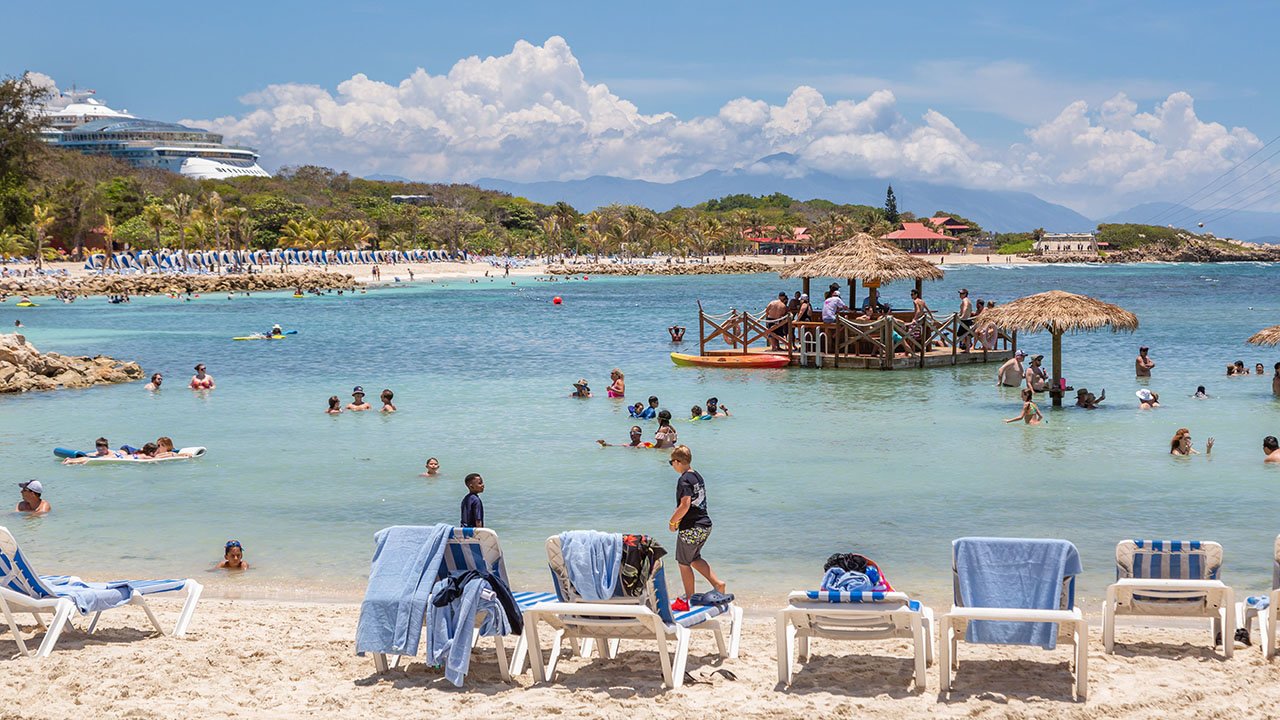
Nestled on the northern coast of Haiti, Labadie (often called Labadee) is a must-see destination for lovers of heavenly beaches and seaside adventures. Known for its idyllic landscapes, crystal clear waters and varied activities, Labadie has established itself as a star among Haitian beaches. Let’s discover together this tropical jewel that attracts visitors from all over the world.

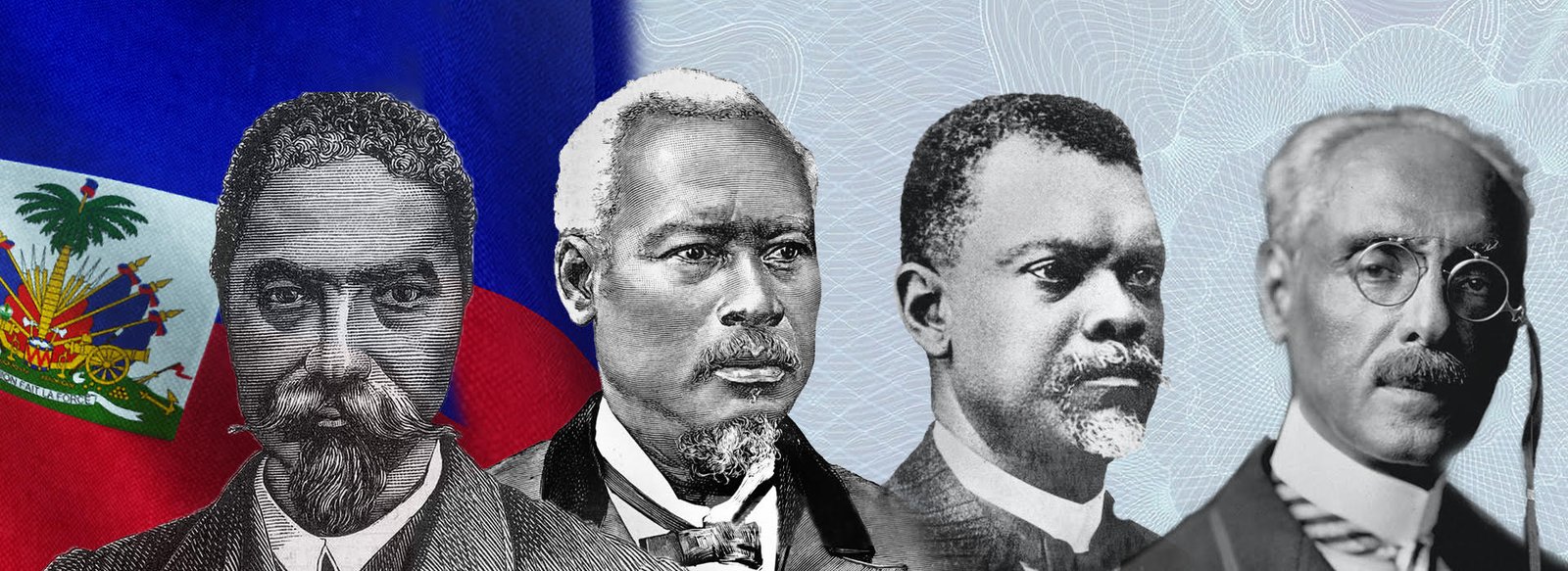
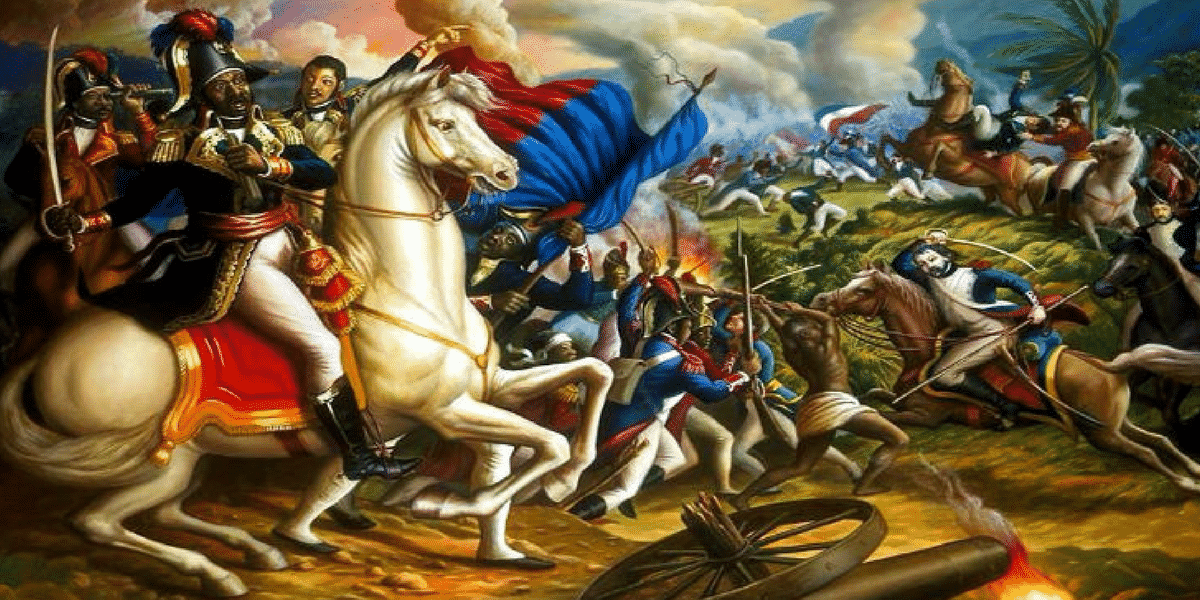
First black nation to free itself from slavery and gain independence from France in 1804 and influenced other liberation movements around the world, inspiring struggles for freedom and equality.

Haïti is blessed with spectacular natural landscapes, including white sand beaches, mountains and rich biodiversity.

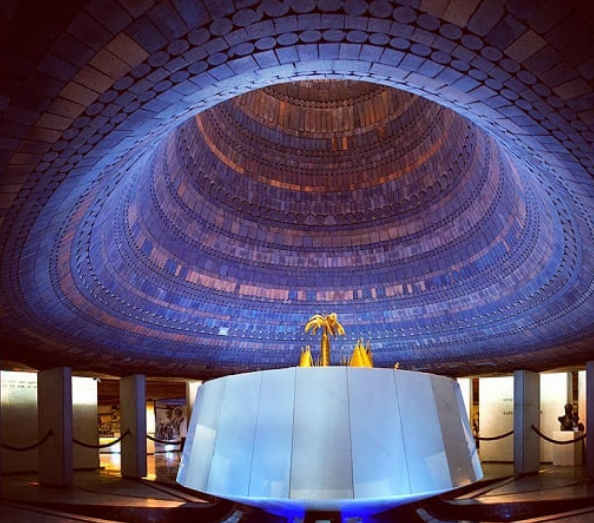
Haïti has a rich historical heritage, including sites like the Citadelle Laferrière and the Sans-Souci Palace, listed as UNESCO World Heritage Sites.

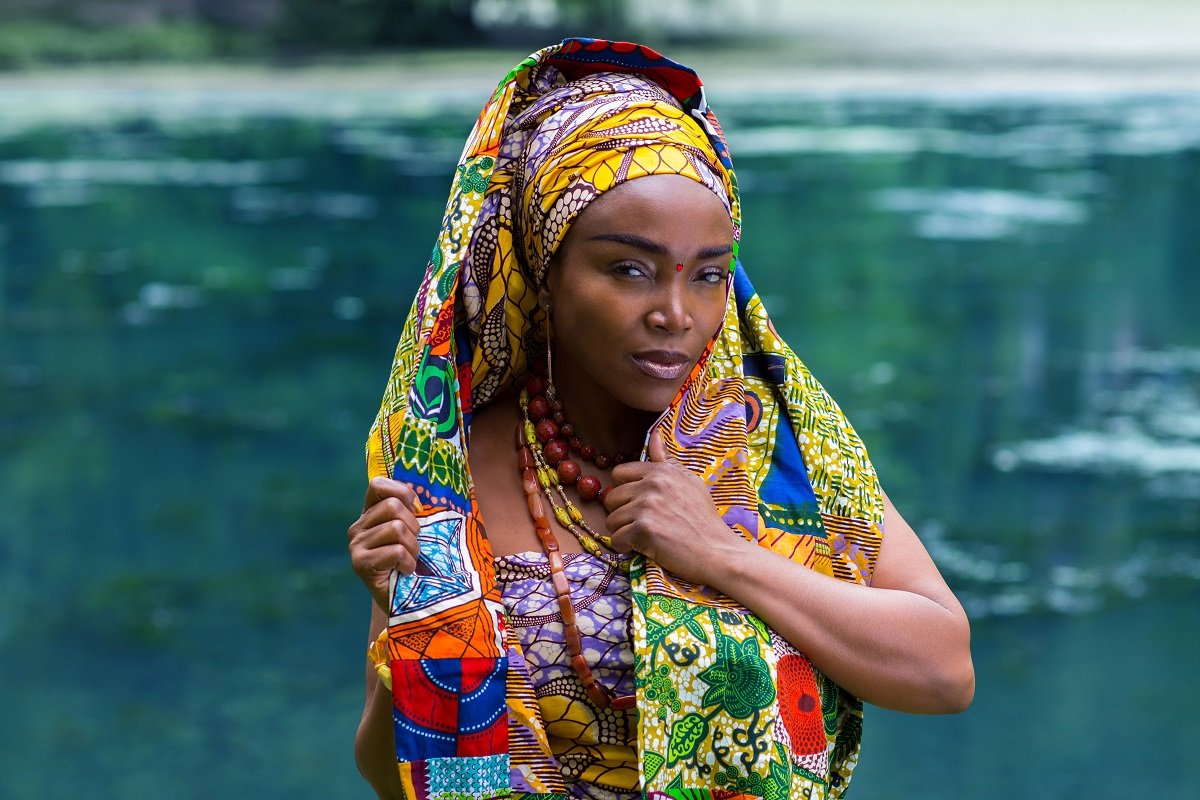
Haïti has a rich and diverse culture, influenced by African, European and indigenous elements. Haitian music, dance, art and cuisine are celebrated around the world.