Haiti, a country to discover: History, Culture and Natural Beauty to ExploreHaiti, a country to discover: History, Culture and Natural Beauty to Explore
Haiti, a country to discover: History, Culture and Natural Beauty to Explore
Haiti, a small Caribbean country, is a destination that is still too often unknown to the general public. However, this country is full of natural, historical and cultural treasures that deserve to be discovered. From its heavenly beaches to its impressive historical heritage, including its exquisite cuisine, Haïti offers a unique experience that will not fail to surprise and enrich those who choose to visit it.
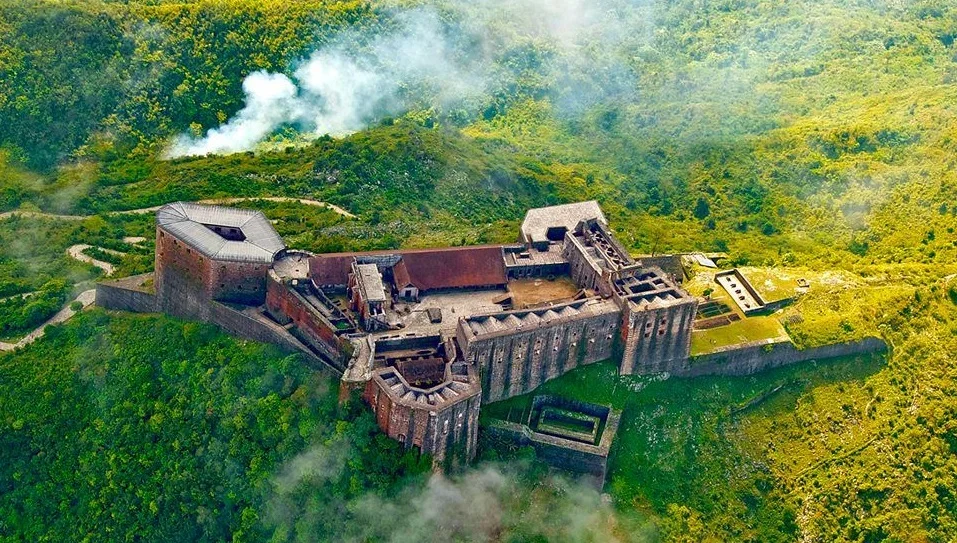
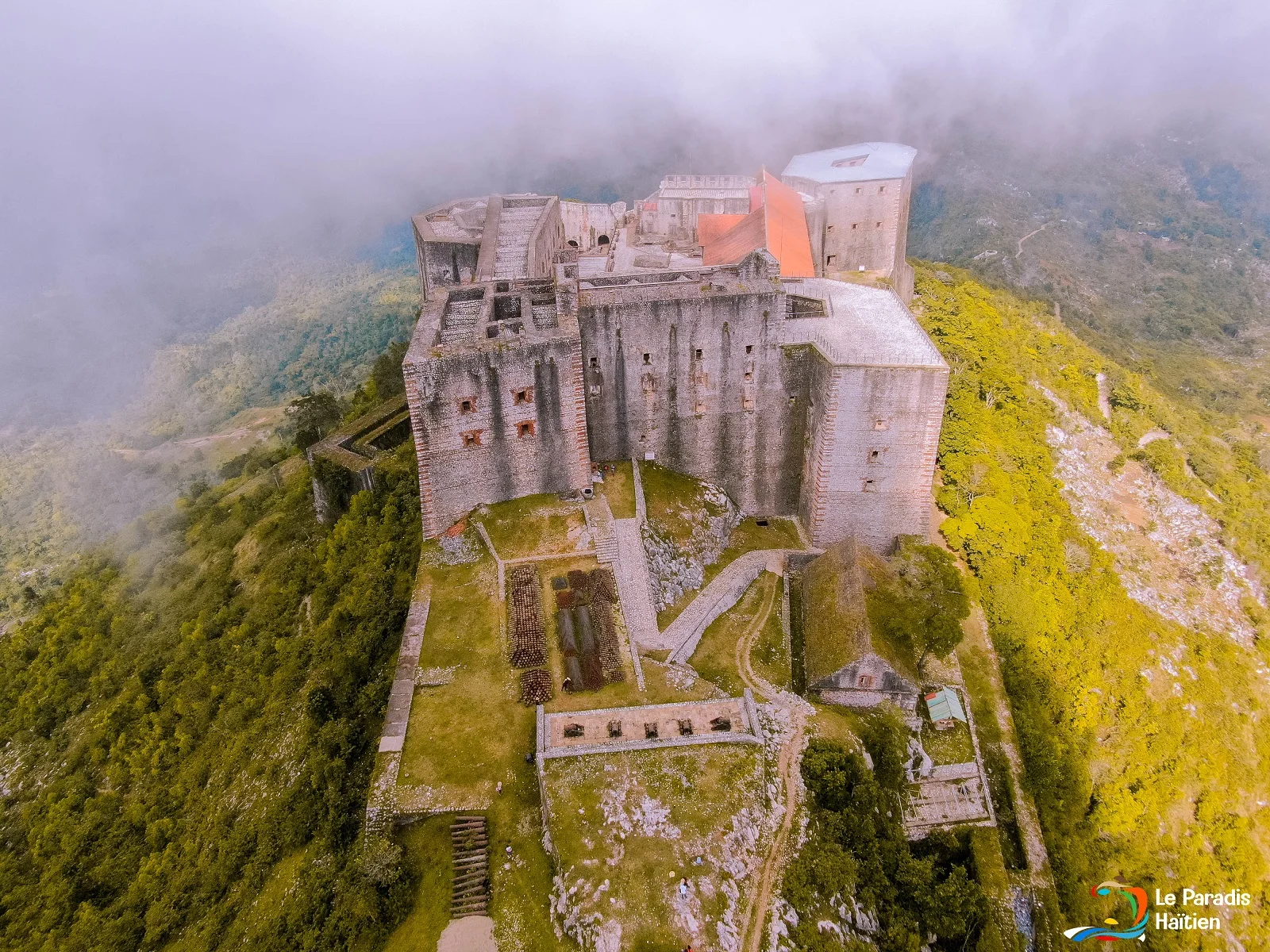
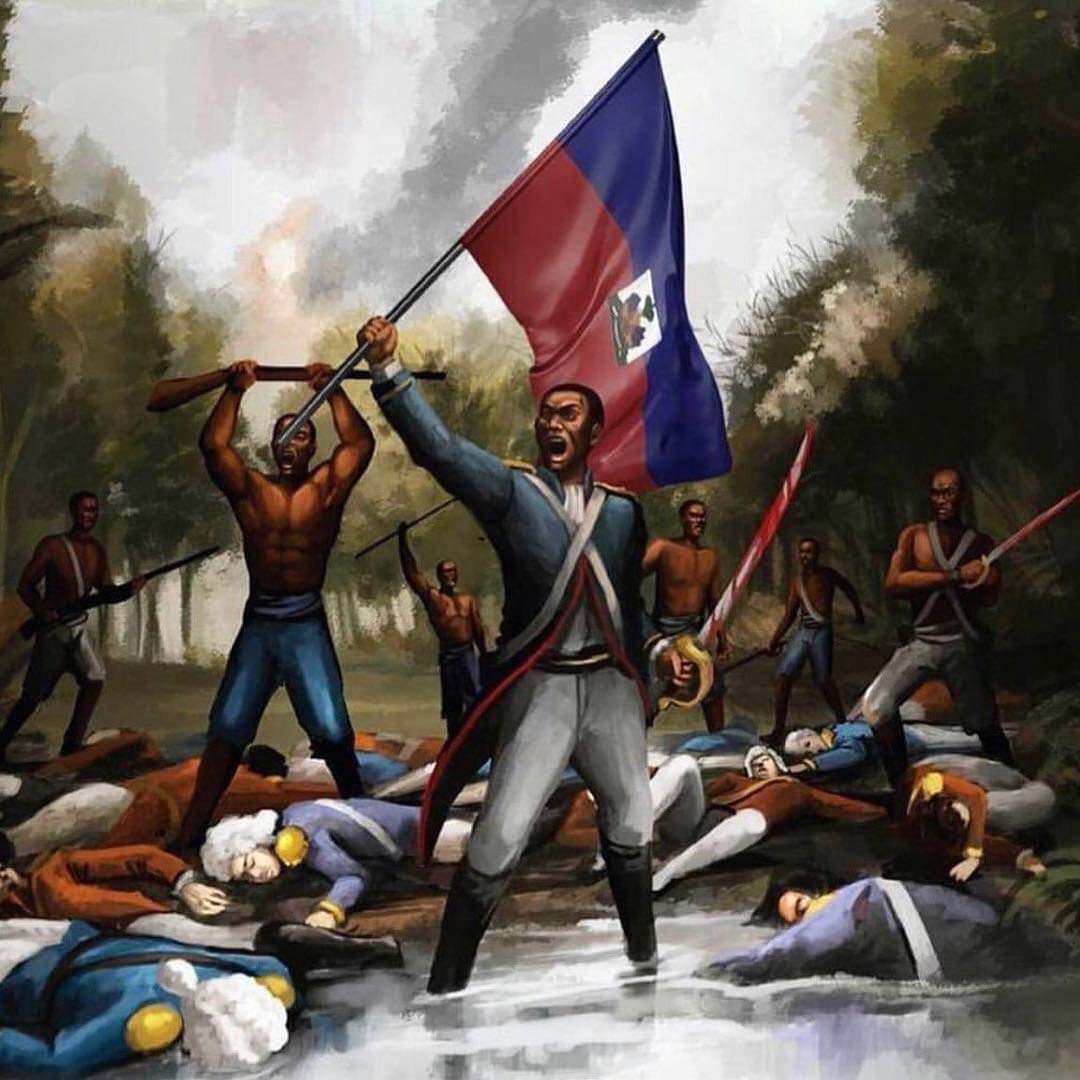
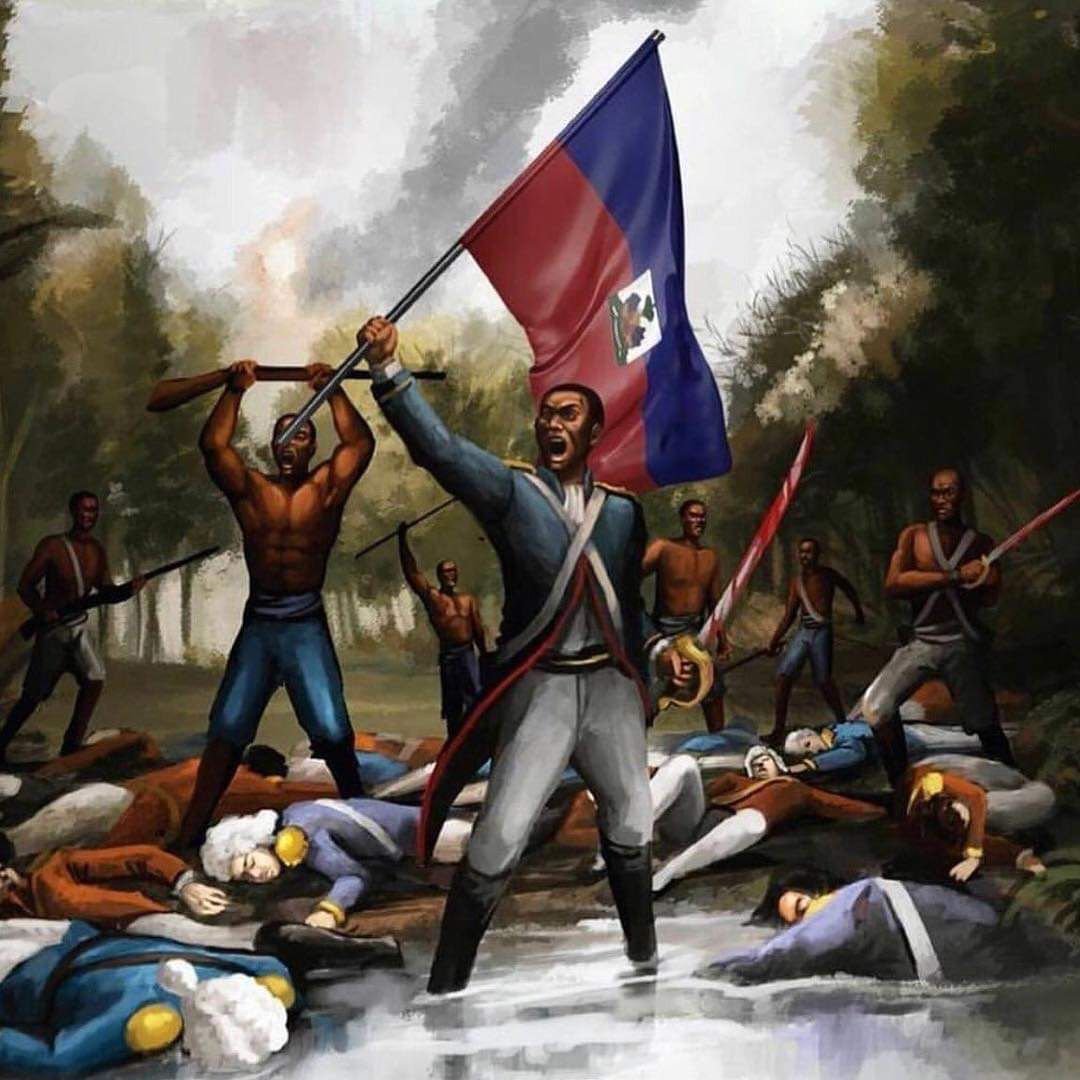
Haïti is the first free black country in the world, having gained its independence on January 1, 1804 after a heroic revolution against the French colonial powers. This historical fact is a pillar of national pride, as Haïti played a major role in the emancipation of colonized peoples. The country inspired independence movements throughout Latin America and Africa, with the Haitian Revolution as a model for the struggle for freedom. This rich past is visible through its historical monuments such as the Citadelle Laferrière, a UNESCO World Heritage Site, and the Sans Souci Palace, which bear witness to the grandeur of the post-independence era.
Haitian culture is a rich and complex blend of African, French and indigenous traditions. This is reflected in music, dance, art, and gastronomy. Kompa, zouk and rasin are essential musical genres, often accompanied by wild dances, which warm the hearts and souls of Haitians. Haitian art, particularly folk art, is recognized worldwide for its vivacity and colors, with famous artists such as Maurice Phelps and Sandro T. who have left their mark on the world with their unique talent.
Haitian cuisine, too, is a true journey of the senses. Dishes like griot, diri ak pwa, and smoked chicken are among the must-try options, and desserts like dous makòs or pain patate will seduce you with their sweet and spicy flavors. Local markets, such as the one in Port-au-Prince, are ideal places to taste local cuisine and discover fresh products.
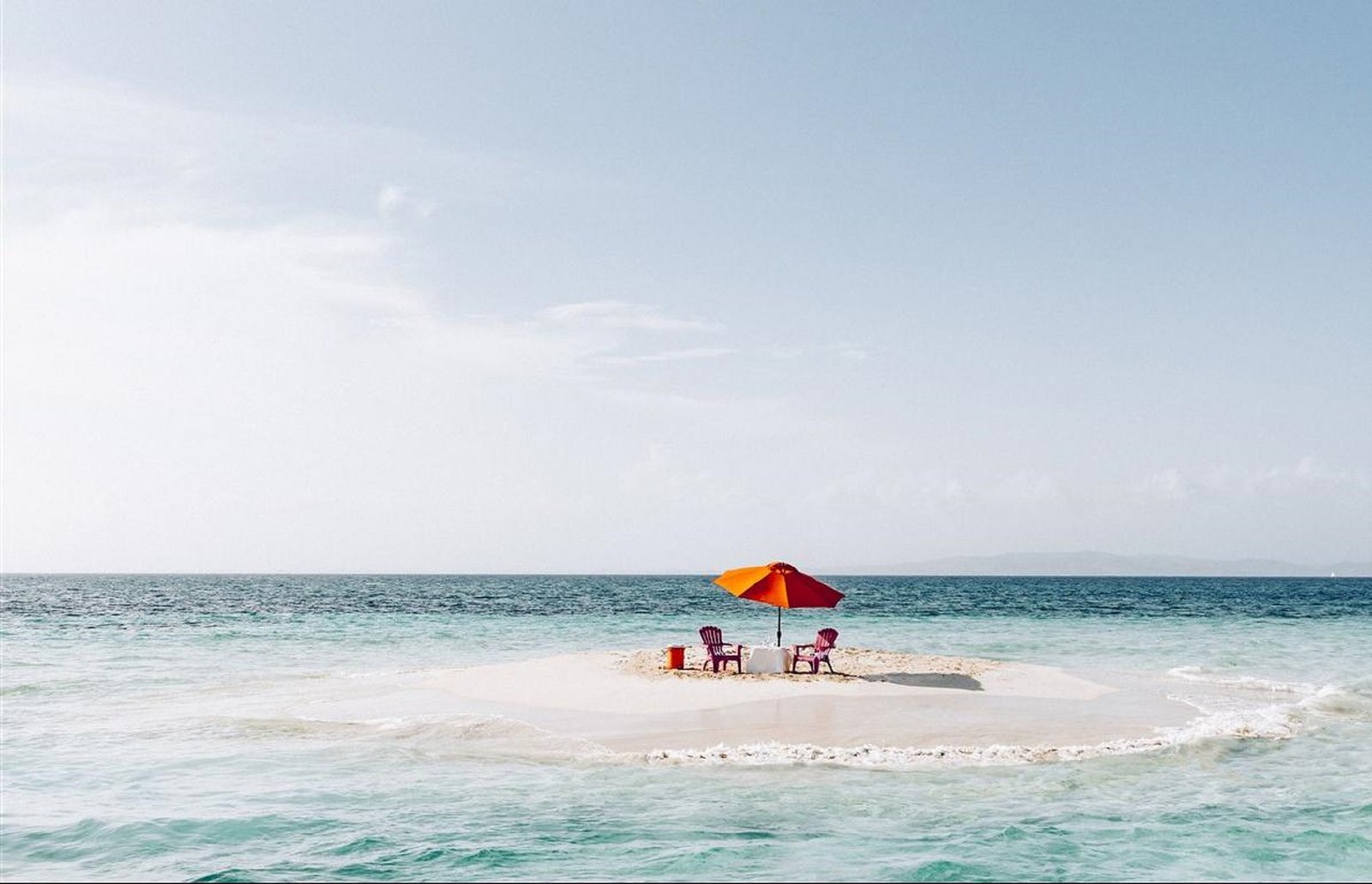
Haïti has breathtaking landscapes. The island is blessed with generous nature, ranging from imposing mountains to heavenly beaches. The Bassin Bleu, a waterfall hidden in the mountains, is one of the most visited places for its breathtaking natural beauty. The islands of Gonâve and Île-à-Rat are also must-see destinations for lovers of the sea and nature.
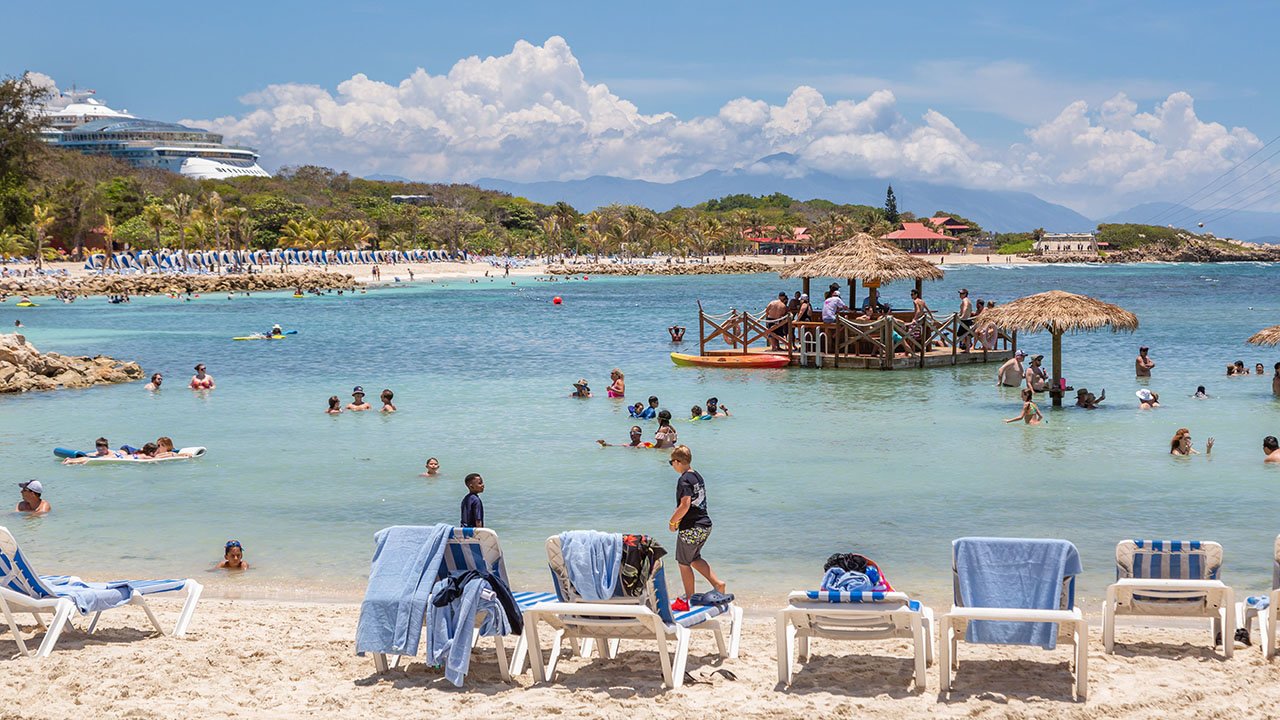
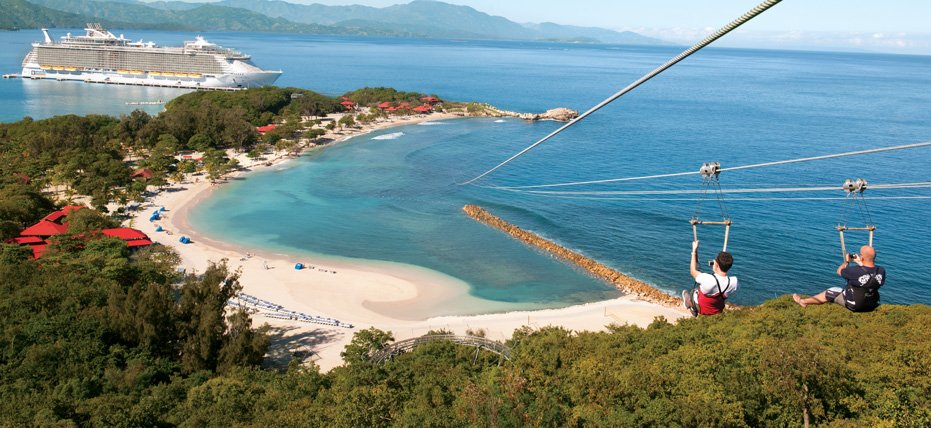
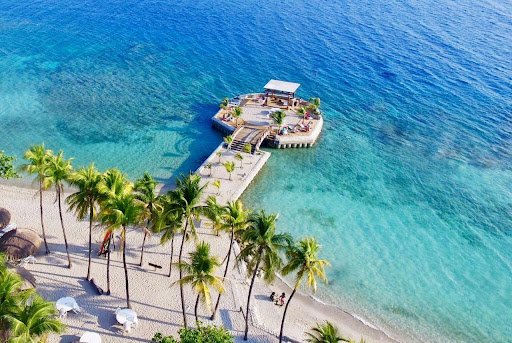
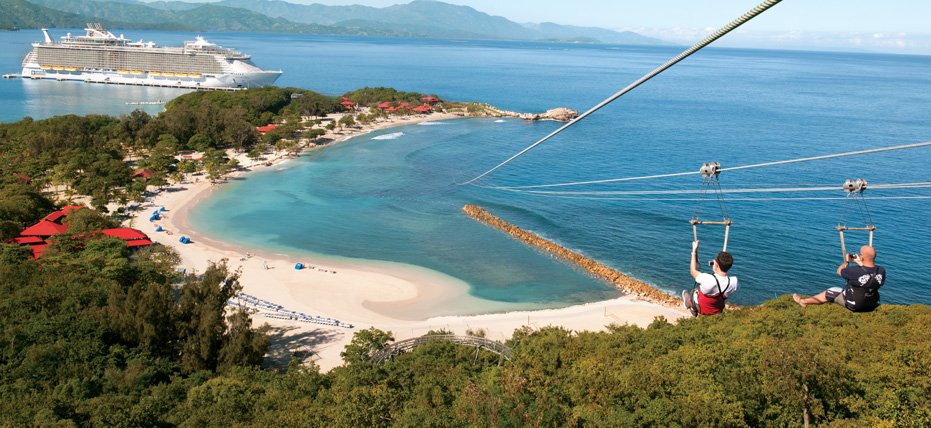
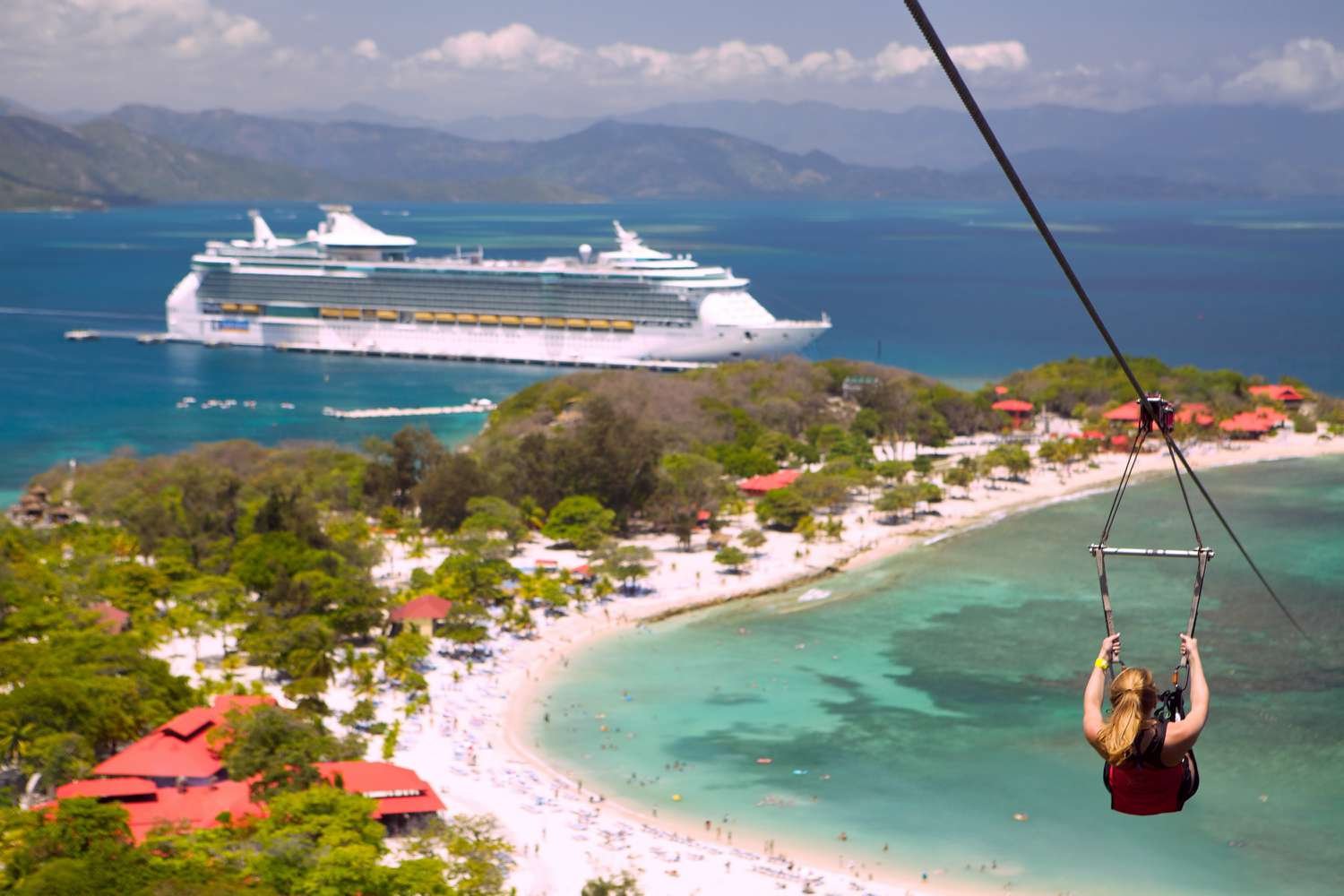
Haitian beaches, such as Labadie and Cormier Plage Resort, offer turquoise waters and white sands, perfect for swimming, scuba diving, or just relaxing in the sun. The country is also home to a wealth of flora and fauna, with national parks such as Parc La Visite and Parc National de la Citadelle Laferrière home to rare animal and plant species.
Haitians are known for their warm welcome and hospitality. Community spirit and solidarity are values deeply rooted in Haitian culture. Whether you are in the big cities or in remote villages, you will always be welcomed with open arms. Haitians are proud of their heritage and do not hesitate to share their history, culture, and traditions with visitors. This sense of hospitality contributes greatly to the country’s appeal and its warm and friendly atmosphere.
A resilient country full of potential
Despite the socio-economic and political challenges it faces, Haïti is a country of exceptional resilience. The Haitian people have always shown courage and ingenuity in the face of natural disasters, such as the terrible earthquake of 2010 and the various hurricanes that have struck it. Today, Haïti continues to rebuild, and its economic potential, particularly in the sectors of tourism, agriculture and natural resources, remains immense.
The country has abundant natural resources, such as precious minerals, fertile agricultural land and coasts ideal for ecotourism. Haitian crafts, particularly handmade products such as artisanal fabrics, paintings and recycled metal objects, are also a growing sector and an important source of income for Haitians.
Haïti is a country that you absolutely must discover for its unique history, vibrant culture, breathtaking nature and the warmth of its people. Whether you are passionate about history, nature, or simply looking for an authentic destination, Haïti offers a perfect blend of all of these. Its natural beauty, historical sites and exquisite gastronomy make it a must-see destination for any traveler eager to discover a country full of riches and surprises.
If you have already visited Haïti or if you have other fascinating aspects of this country to share, do not hesitate to leave a comment below and share this treasure with the world. Haïti awaits you for a unique journey!
Share
About the Author
Appolon Guy Alain
Appolon Guy Alain
Full Stack Developer, Créatif, expérimenté, passionné des nouvelles technologies et de l’art.
First black nation to free itself from slavery and gain independence from France in 1804 and influenced other liberation movements around the world, inspiring struggles for freedom and equality.
Natural beauty
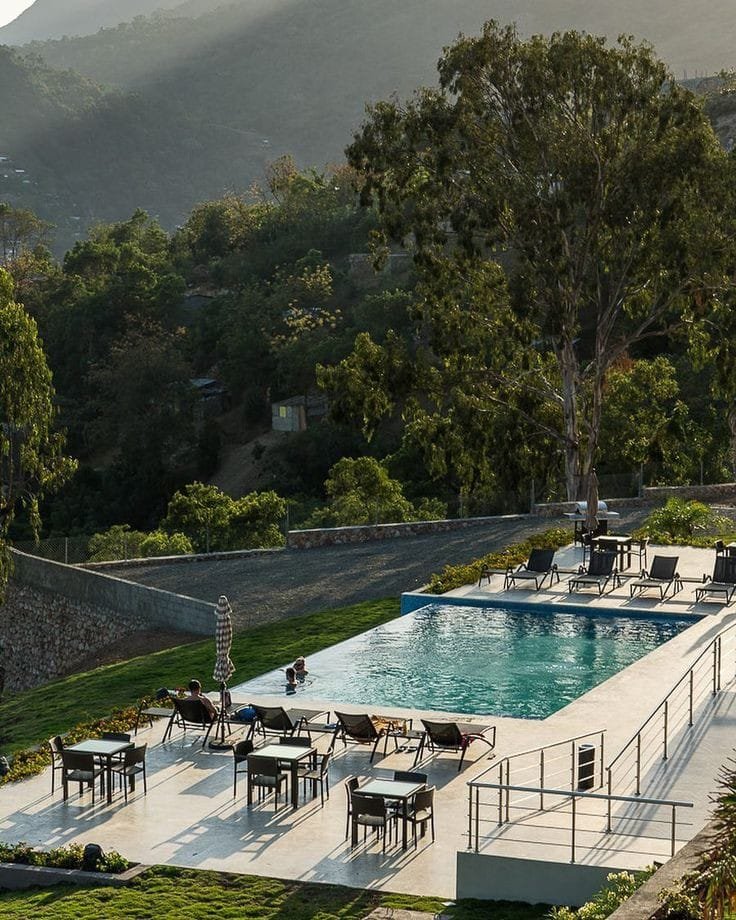
Haïti is blessed with spectacular natural landscapes, including white sand beaches, mountains and rich biodiversity.
Heritage
Haïti has a rich historical heritage, including sites like the Citadelle Laferrière and the Sans-Souci Palace, listed as UNESCO World Heritage Sites.
Culture
Haïti has a rich and diverse culture, influenced by African, European and indigenous elements. Haitian music, dance, art and cuisine are celebrated around the world.