Haitian cuisine is rich and flavorful and is a true reflection of the country’s culture, history and traditions. It combines African, European and indigenous influences to offer diverse and delicious dishes. From everyday meals to traditional feasts, food in Haïti is more than just a way to eat, it’s a cultural experience. Discover with us what they eat in Haiti, and let yourself be seduced by the unique flavors of this Caribbean country.
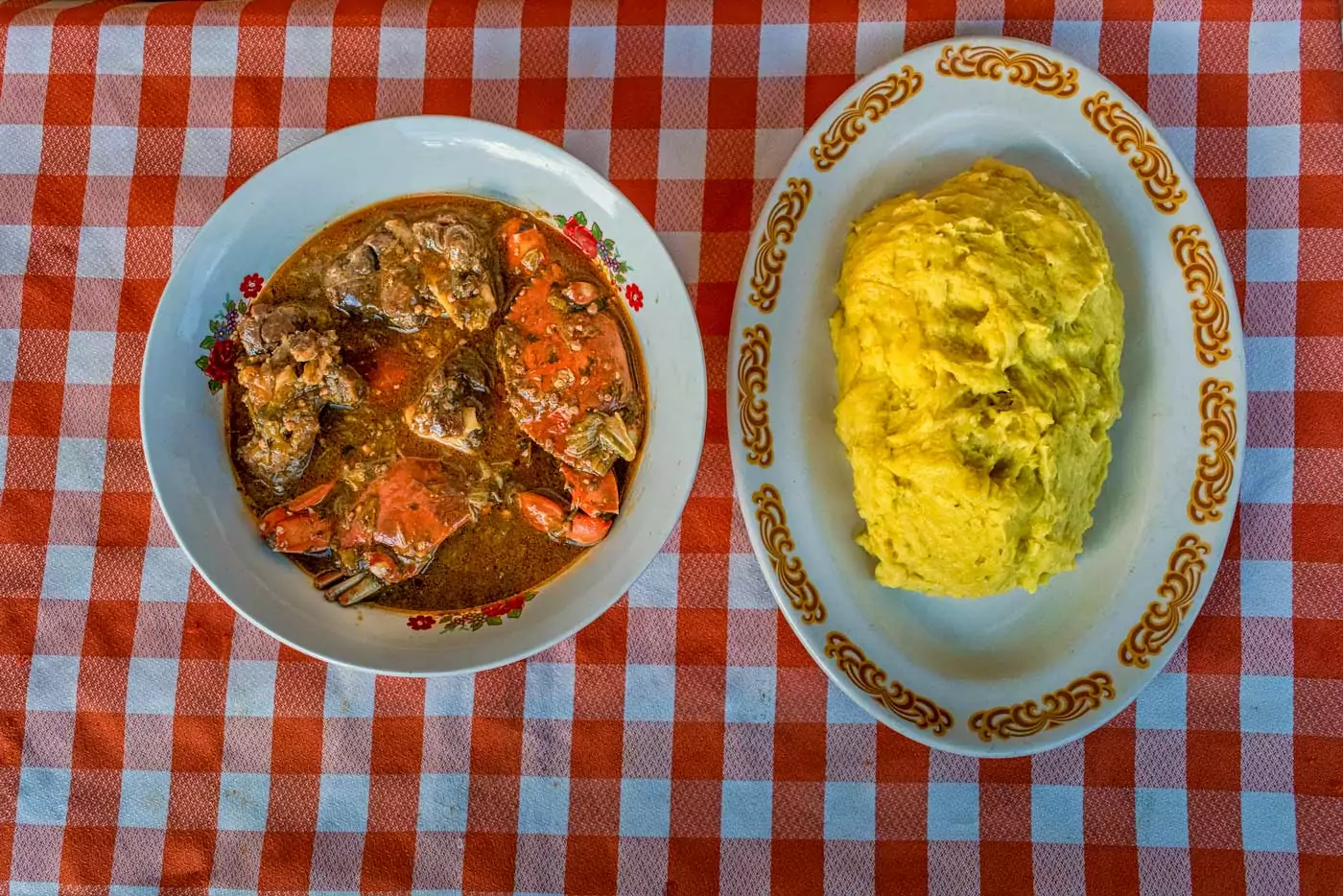
In Haiti, meals are often composed of rice, beans, fresh vegetables, meat or fish, all accompanied by tasty sauces. Here are some of the must-have dishes:
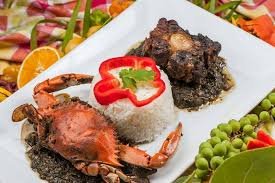
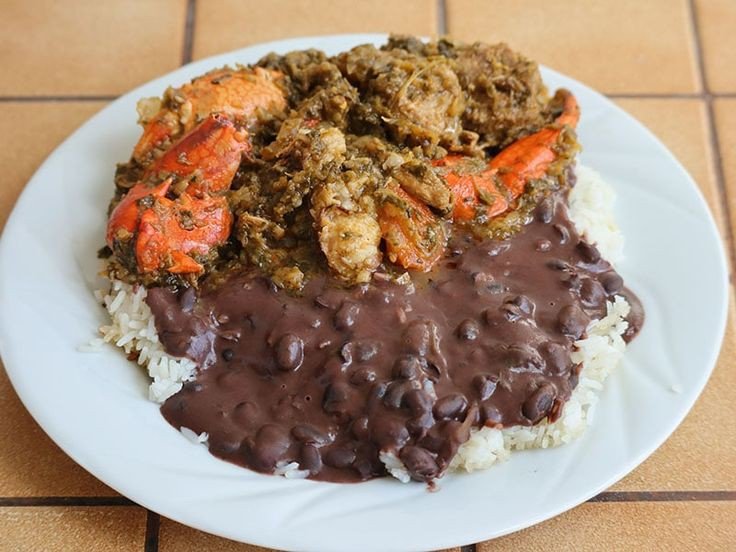
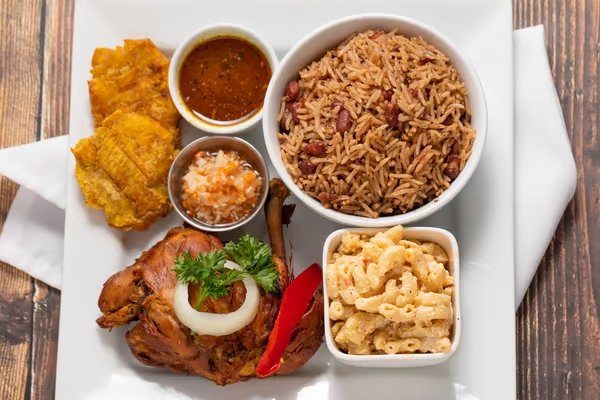
- Diri ak pwa (Rice and beans): The national dish par excellence. Rice is cooked with red or black beans, sometimes with vegetables, spices and a little meat to make it even more flavorful. This dish is often served with chicken, pork, or fish.
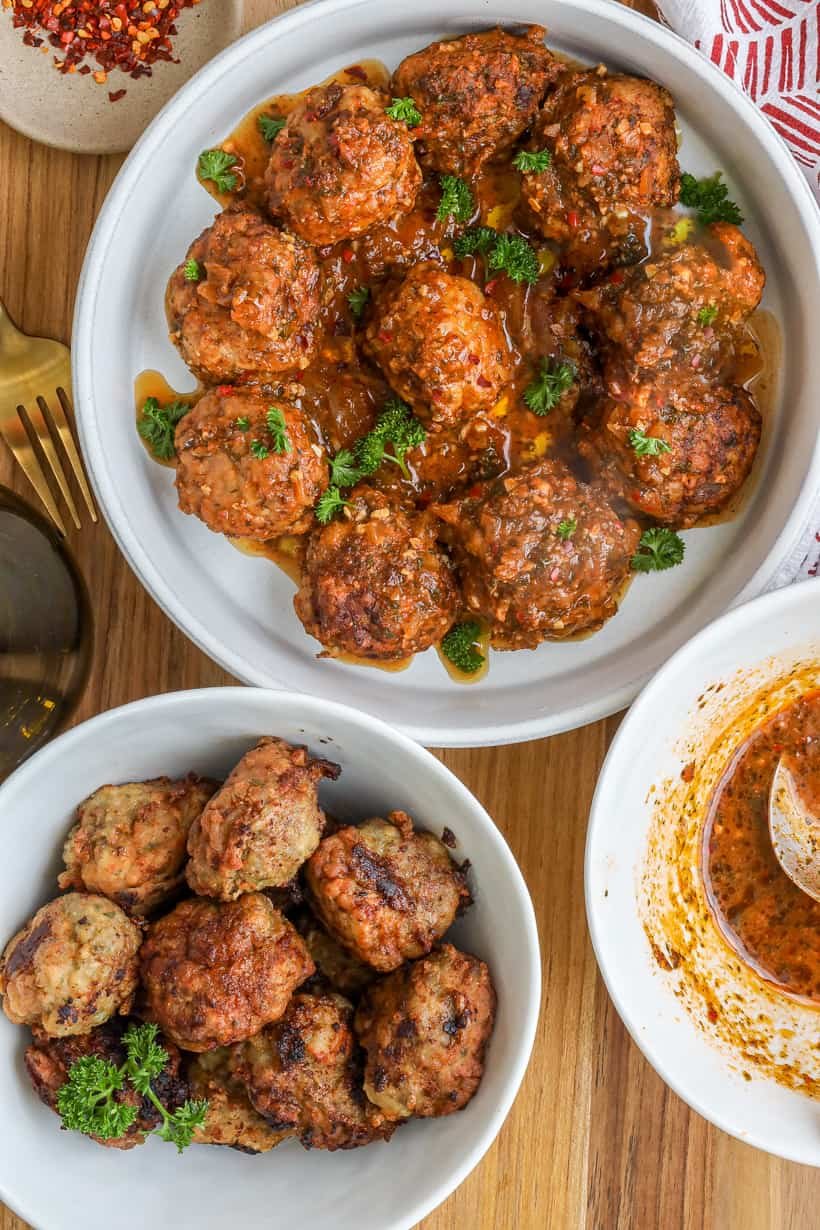
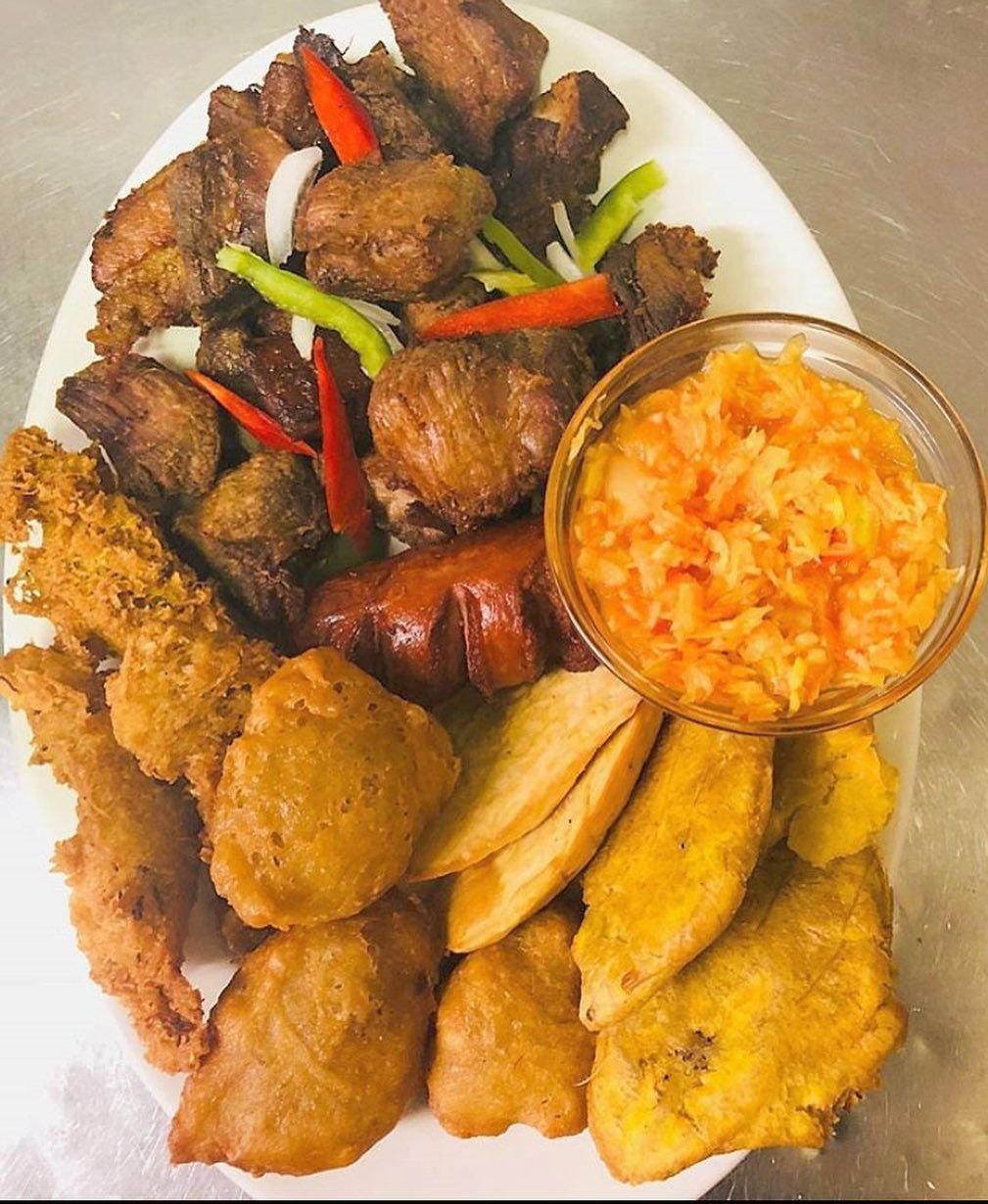
- Griot: This popular dish is made with pork marinated in a mixture of spices and lemon, then fried until golden brown and crispy. It is often accompanied by pikliz, a spicy condiment made with vegetables and vinegar.
- Tasso: Dried meat, usually beef or pork, marinated in spices, then fried. This dish is often accompanied by rice or vegetables.
- Joumou: A traditional soup eaten on January 1, Haiti’s Independence Day. This pumpkin-based soup is prepared with vegetables, pasta, beef broth and pieces of meat.
The richness of Haitian nature is reflected in its varied agricultural production. In Haiti, there is a wide variety of fresh fruits and vegetables that are often used in daily meals.
- Mango: The country is full of sweet and juicy mangoes, which are often enjoyed fresh or made into juice or jams.
- Plantain: It is frequently cooked as banana pesée (fried plantain) or served as an accompaniment to main dishes.
- Sweet potato: This tuber is a staple in Haitian cuisine and is found in many dishes, including soups and broths.
- Avocado: Highly appreciated for its creamy texture, avocado is often used in salads or simply served in slices with a little salt.
Drinks in Haïti are as varied and delicious as the food. Some are directly inspired by local traditions, while others have been influenced by history and exchanges with other cultures. Here are some typical drinks:
- Haitian Rum: Haïti is famous for its quality rum, especially Barbancourt Rum, produced from sugar cane. Rum is a common drink at festivities and social gatherings.
- Fresh Fruit Juice: In Haiti, juices are prepared with local fruits such as mango, lime, passion fruit, or sugar cane. Lime juice is particularly refreshing.
- Akasan: A traditional drink prepared with corn, milk, sugar, and vanilla. It is often consumed for breakfast or dessert.
- Crémas: A creamy, sweet drink made with rum, condensed milk, coconut milk, and spices, often served during holiday celebrations.
Desserts in Haïti are just as tasty as the main dishes and are often very sweet and flavorful. Haitian desserts are a real treat for the taste buds:
- Dous makòs: A dessert made with cornmeal, milk, and sugar, flavored with vanilla and cinnamon.
- Pain patate: A sweet cake prepared with sweet potatoes, spices, raisins, and coconut milk.
- Konparèt: Small candies made with sugarcane syrup, grated coconut, and sugar, cooked until they take on a firm, melting texture.
- Bonbon sirop: Sweet candies, made with sugar and cane syrup, very popular during the end-of-year celebrations.
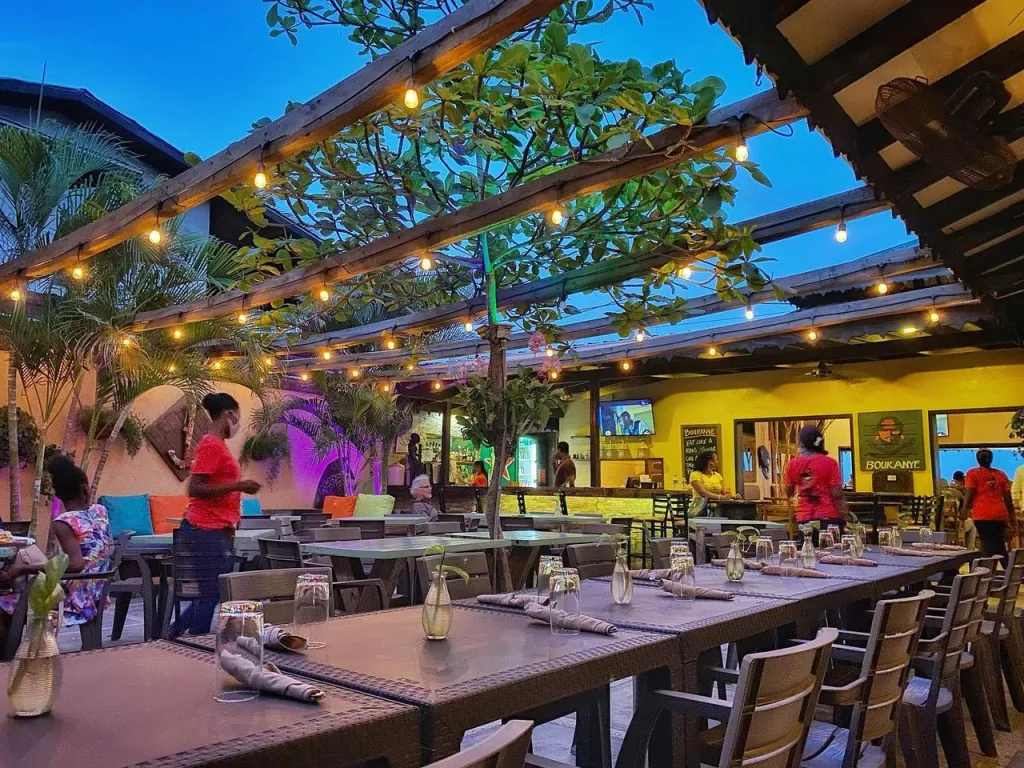
Haitian cuisine is more than just a moment of taste pleasure; it is a way to get together with family and friends. Meals in Haïti are often shared and celebrated, especially during holidays and special occasions such as Christmas, New Year and weddings.
Each dish tells a story, each recipe is passed down from generation to generation. Whether for an everyday meal or a grand feast, Haitian cuisine is a true mirror of hospitality and human warmth.
If you have ever had the chance to taste a Haitian dish, or if you have a favorite recipe, don’t hesitate to share it in the comments!
First black nation to free itself from slavery and gain independence from France in 1804 and influenced other liberation movements around the world, inspiring struggles for freedom and equality.
Natural beauty
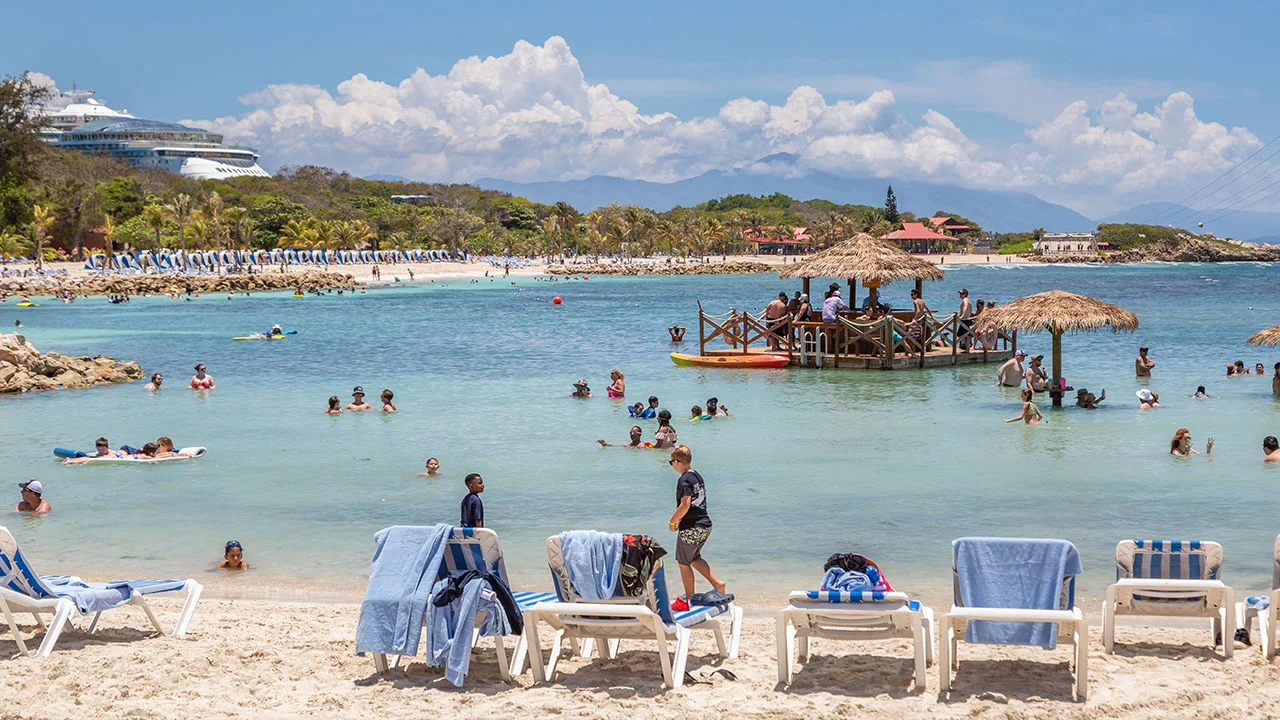
Haïti is blessed with spectacular natural landscapes, including white sand beaches, mountains and rich biodiversity.
Heritage
Haïti has a rich historical heritage, including sites like the Citadelle Laferrière and the Sans-Souci Palace, listed as UNESCO World Heritage Sites.
Culture
Haïti has a rich and diverse culture, influenced by African, European and indigenous elements. Haitian music, dance, art and cuisine are celebrated around the world.