contact@haitiwonderland.com+509 36184317

Discover

Shopping Cart

Why is French spoken in Haiti?

Why is French spoken in Haiti?

Haïti is a unique country in the Caribbean, not only for its revolutionary history, but also for its official languages: French and Haitian Creole. French, although spoken fluently by only a minority, plays a central role in the country’s administration, education, and culture. But why is this language so present in a country with African and Caribbean roots? This article explores the historical, cultural, and sociolinguistic origins of French in Haiti.

Haïti
Haïti
Haïti

A Colonial Legacy: The Roots of French in Haiti

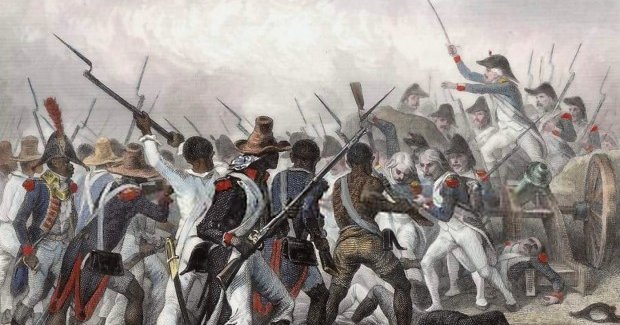
The presence of French in Haïti dates back to colonization. In the 17th century, the island of Hispaniola, where Haïti is today, was colonized by the Spanish and then partially occupied by the French. In 1697, with the Treaty of Ryswick, the western part of the island, called Saint-Domingue, became a French colony.

During this period, the French language established itself as an administrative, commercial and cultural language, adopted by the European colonists who exploited the island for its agricultural resources, especially sugar cane and coffee. African slaves, who made up the majority of the population, were exposed to French, although they developed their own language: Haitian Creole, a mixture of French, African languages ​​and local influences.

The Role of French After Independence

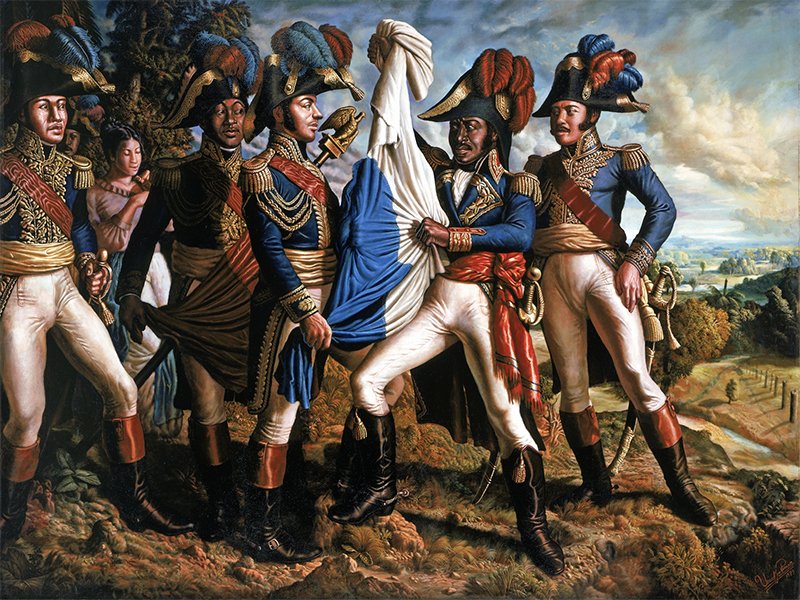
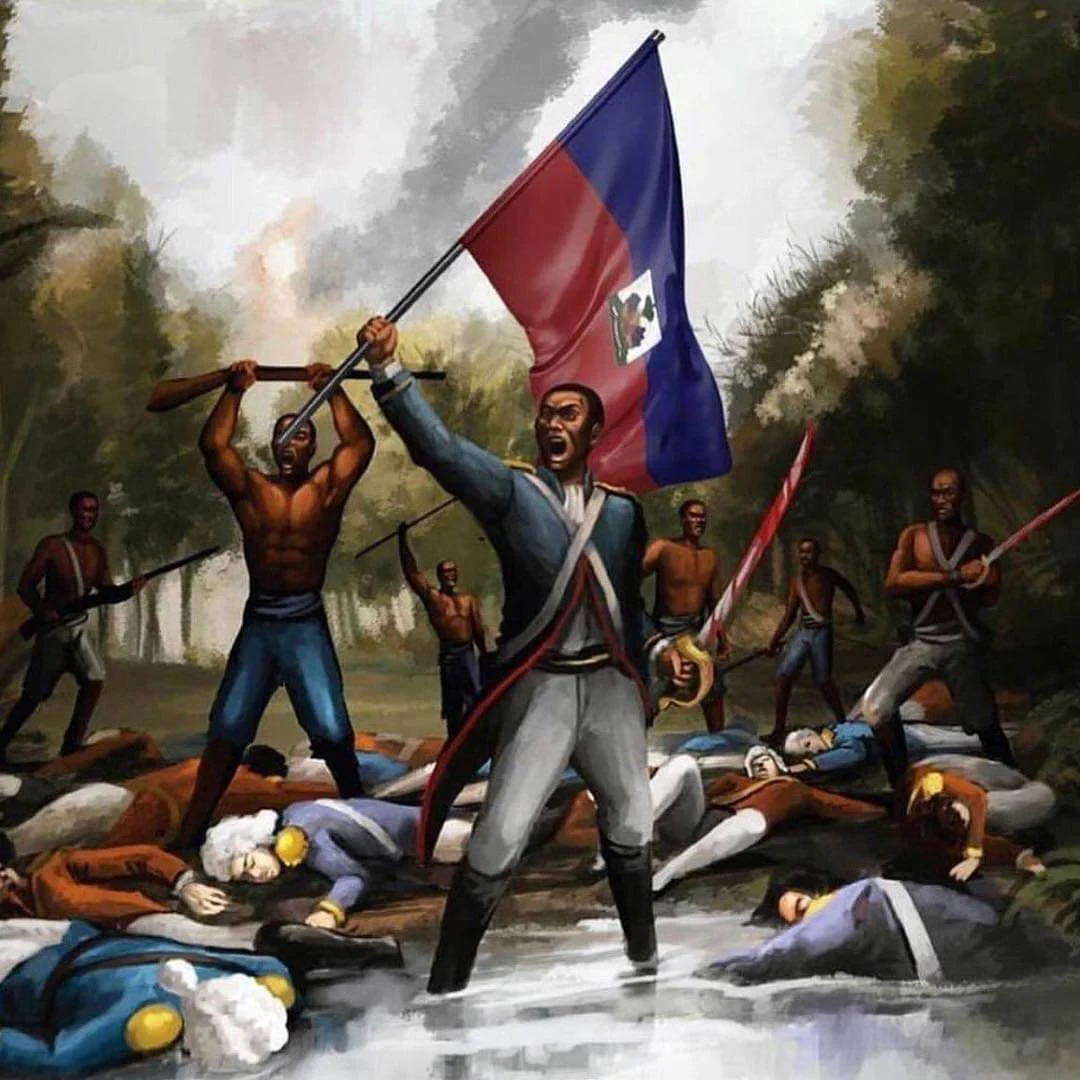
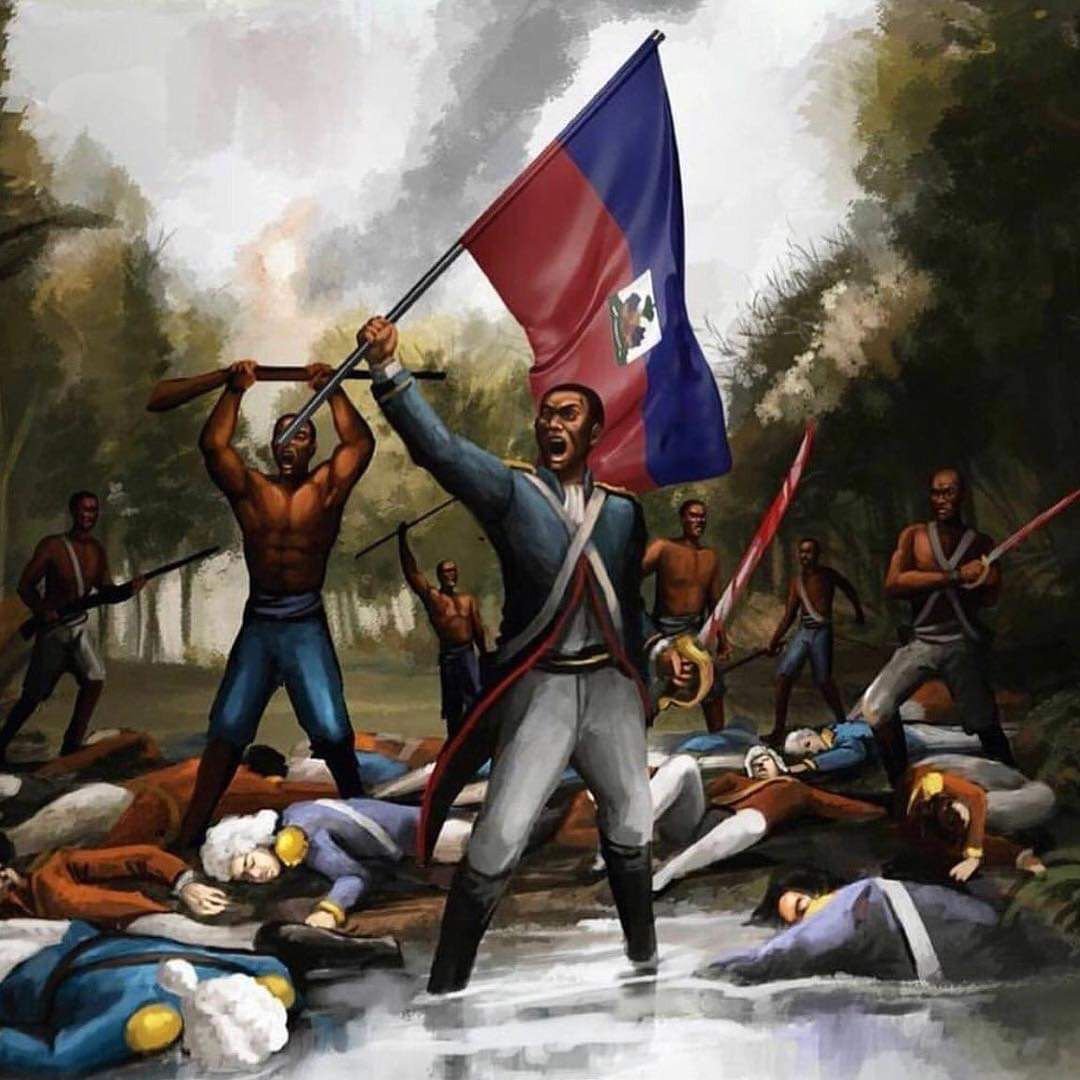
In 1804, Haïti became the first independent black country after a revolution led by former slaves. However, despite this break with France, French remained the official language of the new state.

There are several reasons for this choice:
- A symbol of the elite: French was seen as the language of business, education, and diplomacy. The leaders of the revolution, many of whom had been educated in the language, maintained it to assert the authority and legitimacy of the young republic on the international stage.
- A tool of unification: In a country where the population spoke mainly African languages ​​and Creole, French served as a tool to establish a centralized administration.
- A cultural heritage: Although Haïti freed itself from French domination, French culture, particularly through literature, laws, and education, continued to exert a strong influence.

A Language of Minority But of Power

Today, approximately 10% of the Haitian population is fluent in French, while Creole is spoken by almost all Haitians. However, French remains dominant in the following areas:
- Administration: Official documents, laws, and decrees are written in French.
- Education: Although reforms have been introduced to include Creole, French is still widely used in schools, especially in secondary and higher education.
- Media and culture: Newspapers, some books, and artistic productions often adopt French to reach an international audience or to fit into an intellectual tradition.

However, this restricted use of French has also contributed to a social divide between urban elites, who master the language, and the majority of the rural population, who speak primarily Creole.

Haïti
Haïti
Haïti

A Complex Bilingualism: Challenges and Opportunities

The status of French in Haïti raises questions about national identity and social inclusion. While the French language is an asset on the international stage and a link to a rich literary and legal tradition, it is often perceived as inaccessible to many Haitians.

Recent efforts to promote Creole in schools and institutions aim to valorize this majority language, while preserving the role of French. Bilingualism can be a strength for Haiti, offering its citizens the ability to navigate local and international contexts.

Why French Remains Relevant in Haiti

French in Haïti is much more than just a language inherited from colonization: it is a tool of international communication, a cultural marker, and a symbol of belonging to a global Francophone community.

However, for French and Creole to coexist harmoniously, it is essential to continue efforts to educate and promote both languages. In this way, Haïti can continue to honor its history while building an inclusive and multilingual future.

Haiti: A Little-Known Pillar of World Independence

Haiti: A Little-Known Pillar of World Independence

Haiti, the world’s first independent black republic, played an exceptional role in the quest for independence for other nations. Although often overshadowed by other historical events, Haiti’s contribution to the liberation of other countries was significant and deserves to be highlighted. b~The Haitian Revolution~b At the turn of the 19th century, Haïti threw off the chains of slavery and achieved the impossible by freeing itself from French colonial rule. In 1804, the country proclaimed its independence, ushering in a new era for oppressed peoples around the world. b~Inspiration for Latin America~b The Haitian Revolution was a major source of inspiration for independence movements in Latin America. Iconic figures such as Simón Bolívar and Francisco de Miranda recognized the courage and determination of Haitians as a driving force for their own struggles. By materially and ideologically supporting these movements, Haïti contributed to the emergence of several independent nations in South America. b~Influence in Africa~b Beyond the Americas, Haïti also played a crucial role in the quest for independence in Africa. African leaders have left a legacy that has inspired entire generations of freedom fighters on the African continent. The idea that oppressed people could rise up against their oppressors found a powerful echo in the struggles for independence in Africa. b~Support for Liberation Movements~b Throughout its history, Haïti has provided substantial support to liberation movements around the world. Whether through troop dispatches, financial resources or active diplomacy, the country has demonstrated its solidarity with those fighting for their autonomy. Haiti’s contributions have often been discreet but crucial. Haiti, as a pioneer of independence and freedom, has left a lasting impact on the world stage. His legacy resonates across continents, reminding the world that the quest for freedom is universal. By recognizing and celebrating Haiti’s role in the independence of other nations, we not only honor its history, but we also commit to promoting a future where all people have the opportunity to shape their destiny.

Share
About the Author
Appolon Guy Alain
Appolon Guy Alain
Appolon Guy Alain

Full Stack Developer, Créatif, expérimenté, passionné des nouvelles technologies et de l’art.

See other articles from Appolon Guy Alain
cheese guy

CHEESE!!!

November 11, 2025 - 11:01:46 AM
cheese guy

NO del cheese

November 11, 2025 - 11:02:15 AM
Leave a comment

Recently Posted

Newsletter

Subscribe to our newsletter to stay informed of all our activities and news on Haiti.

Haiti: Appolon Guy Alain, among the best Haitian developers

In the vast world of IT development in Haiti, there are figures who stand out for their talent, dedication and vision. Among them, Appolon Guy Alain emerges as one of the best developers in the country, recognized for his ingenuity and creativity. With a strong background in the field of software development, Apolon has managed to rise to the top of its field. Its reputation extends well beyond Haitian borders, attracting the attention and respect of many companies abroad. It is not only his technical expertise that sets him apart, but also his ability to combine art and technology in a unique way. Discover some of Guy Alain Appolon’s achievements by clicking on the following link: https://haitiwonderland.com/haiti/personnalite/le-webmaster-haitien--guy-alain-appolon-une-reference-incontestee/79 What makes Apolon unique is its versatility. As a full-stack developer, he excels in all phases of a project, from design to implementation to user interface development. His ability to merge his talents as a painter, professional musician and computer graphic designer allows him to create attractive interfaces that captivate users at first glance. The Haïti Wonderland website (www.haitiwonderland.com) is a shining example, captivating visitors with its attractive and intuitive design. Read also: https://haitiwonderland.com/haiti/personnalite/expert-en-seo-et-uiux-design--decouvrez-le-developpeur-haitien-appolon-guy-alain/65


Guédés: When Haïti celebrates its ancestors with color and fervor

Every November 1st and 2nd, Haïti comes alive with the colors black and purple to celebrate the Guédés, spirits venerated in the voodoo religion, symbols of a powerful bond between the living and the dead. Fascinating, indomitable and provocative, the Guédés form a true family in the pantheon of Haitian voodoo, where they are respected for their role as spiritual guides of the deceased to the afterlife. Led by iconic figures such as the legendary Baron Samedi and his companion Grann Brigitte, the Guédés embody the paradoxes of life and death. Each Baron has a unique personality: Baron Cimetière, Baron Kriminel, and Baron La Croix are the guardians of the souls that wander on the borders of the world of the dead. Together, they form a powerful and somewhat frightening presence, but one that is deeply rooted in Haitian culture. The Guédés are not like other voodoo spirits; they demonstrate their fearlessness in a spectacular way. Accustomed to death, they are fearless and are provocative: they eat glass, raw peppers, and coat their sensitive parts with rum and pepper. These gestures mark their indifference to danger and remind us that they have already known earthly life. They are thus psychopomps – these beings who lead the souls of the dead – and act as bridges between the world of the living and that of the dead. Some Guédés, like Guédé Nibo, wear black, purple, and white clothing, each with unique characteristics. They are many and varied: Guédé Fouillé, Guédé Loraj, Papa Guédé, and many others. These are the spirits who, each year, remind Haitians of the importance of remembering and honoring the deceased. The cult of the Guédés is not only religious; it is also cultural and historical. According to tradition, their spiritual territory, or “Fètomè” – nicknamed the “Country without Hats” – is a place where the souls of ancestors reside. According to stories, the origins of this cult go back to the Abomey plateau, the ancient capital of the kingdom of Dahomey, in Africa, where death and life coexist in a form of symbiosis. This celebration in Haïti even finds echoes in ancient history. The Romans also honored their dead with the “Fête des Lémuria”, which took place in February, to ward off spirits and restore peace between the world of the living and that of the deceased. For Haitians, honoring the Guédés is about accepting death as a part of life and celebrating the invisible bonds that unite us with those who have left us. It is also a way of resisting, because life, despite its challenges, must be celebrated in all its complexity and depth.

Recently Posted

History

History

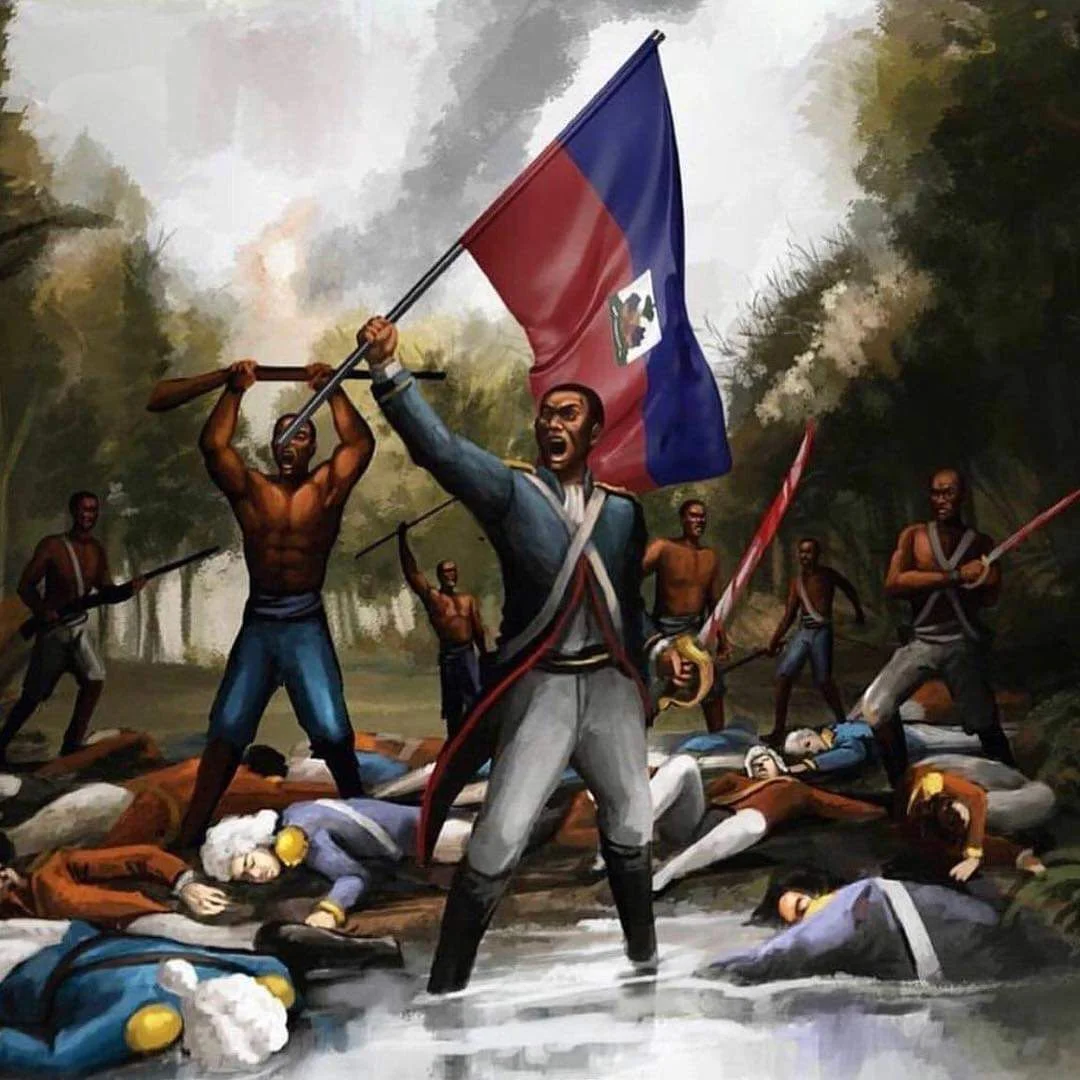
First black nation to free itself from slavery and gain independence from France in 1804 and influenced other liberation movements around the world, inspiring struggles for freedom and equality.

Natural beauty

Natural beauty

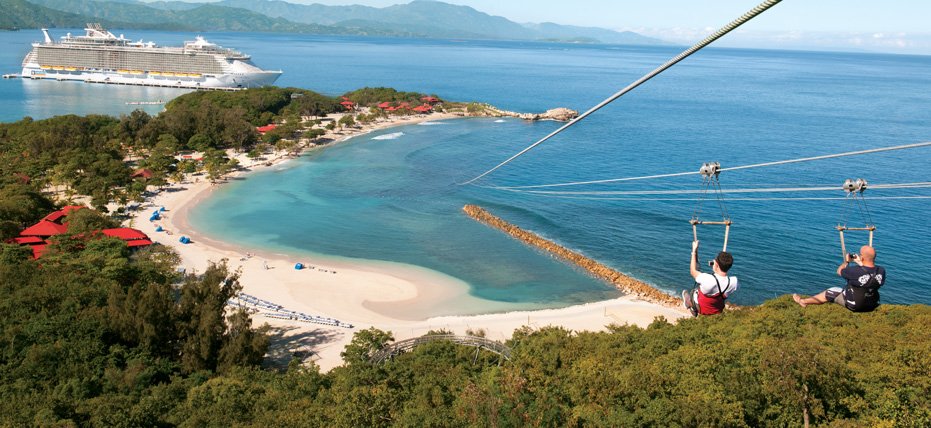
Haïti is blessed with spectacular natural landscapes, including white sand beaches, mountains and rich biodiversity.

Heritage

Heritage

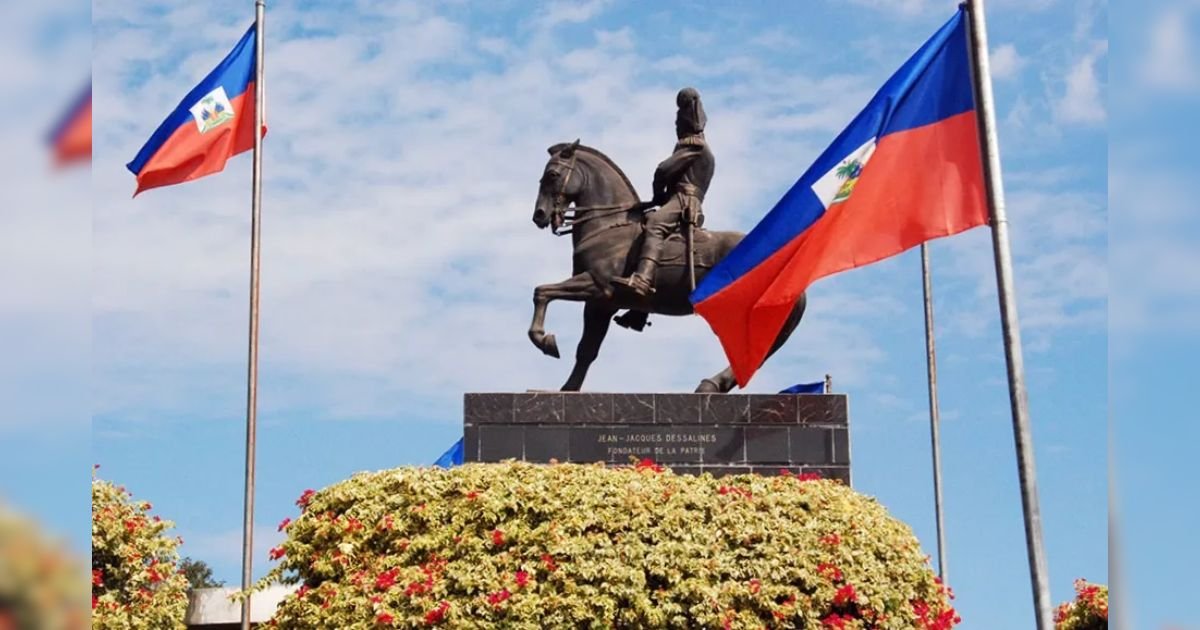
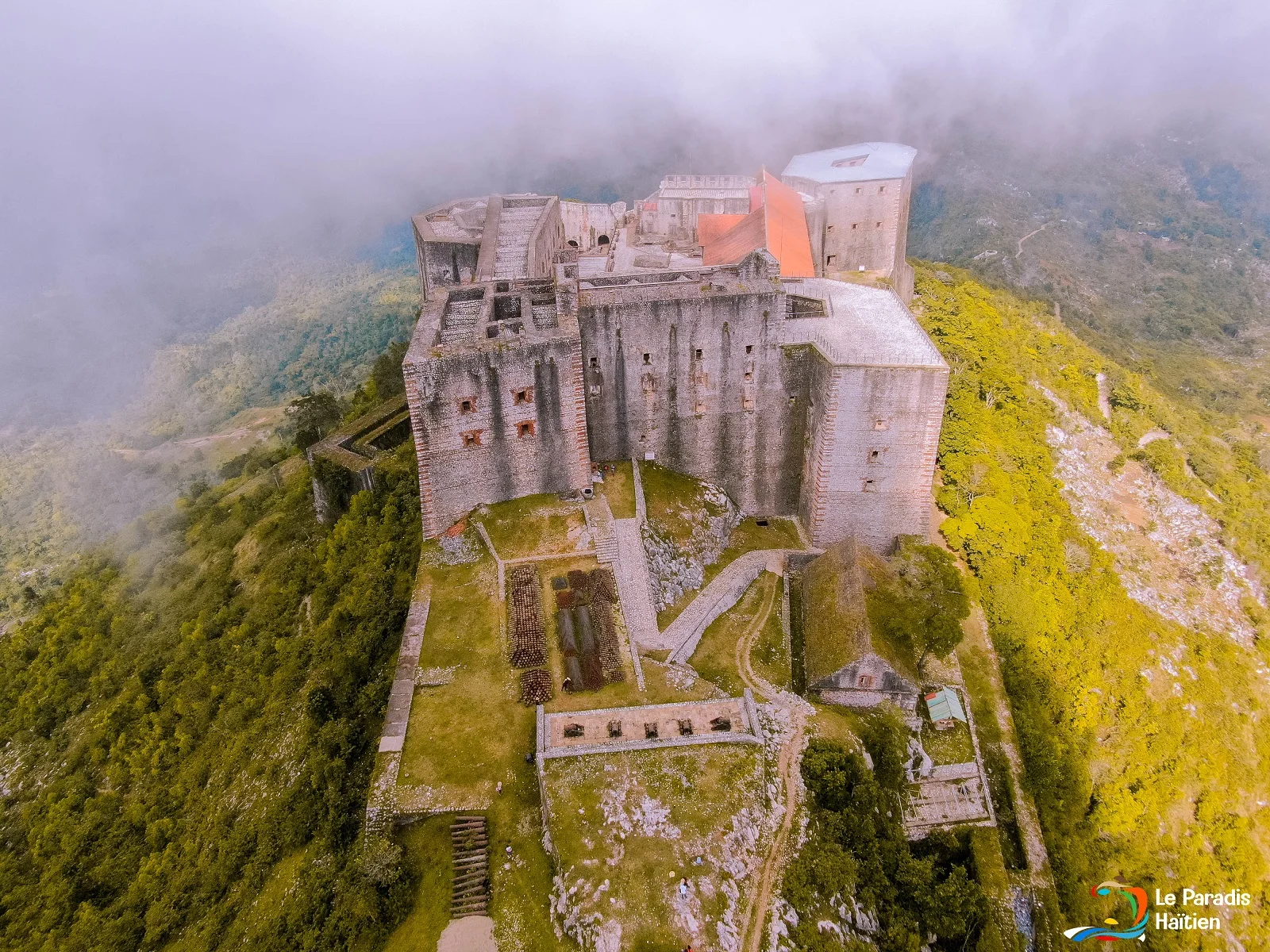
Haïti has a rich historical heritage, including sites like the Citadelle Laferrière and the Sans-Souci Palace, listed as UNESCO World Heritage Sites.

Culture

Culture

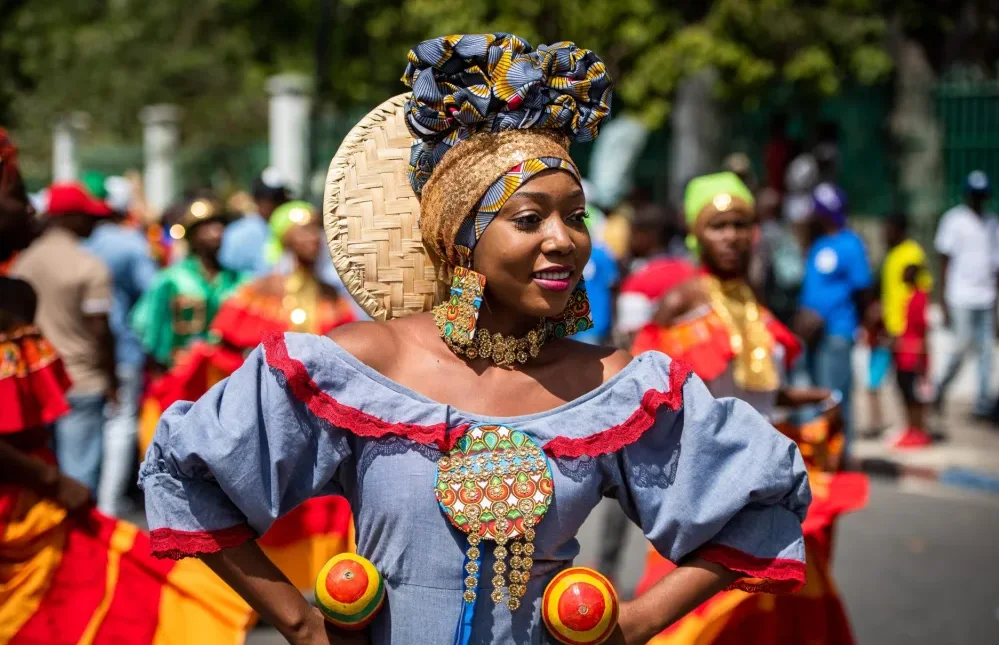
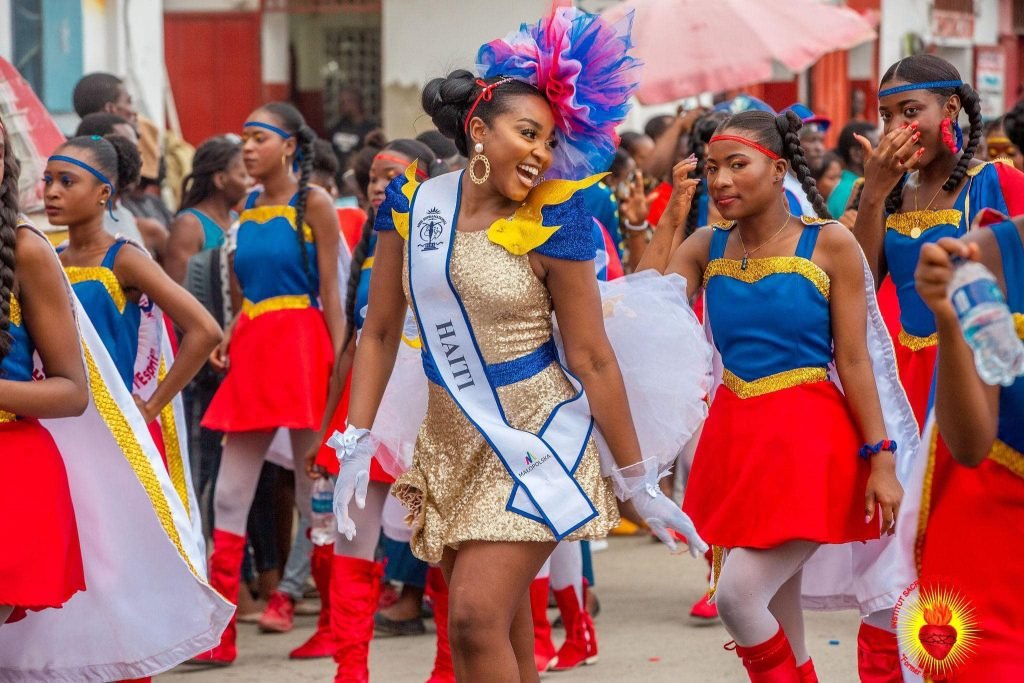
Haïti has a rich and diverse culture, influenced by African, European and indigenous elements. Haitian music, dance, art and cuisine are celebrated around the world.

  • +
    • Post