Flag Day: Celebration of Freedom and National Identity in Haiti
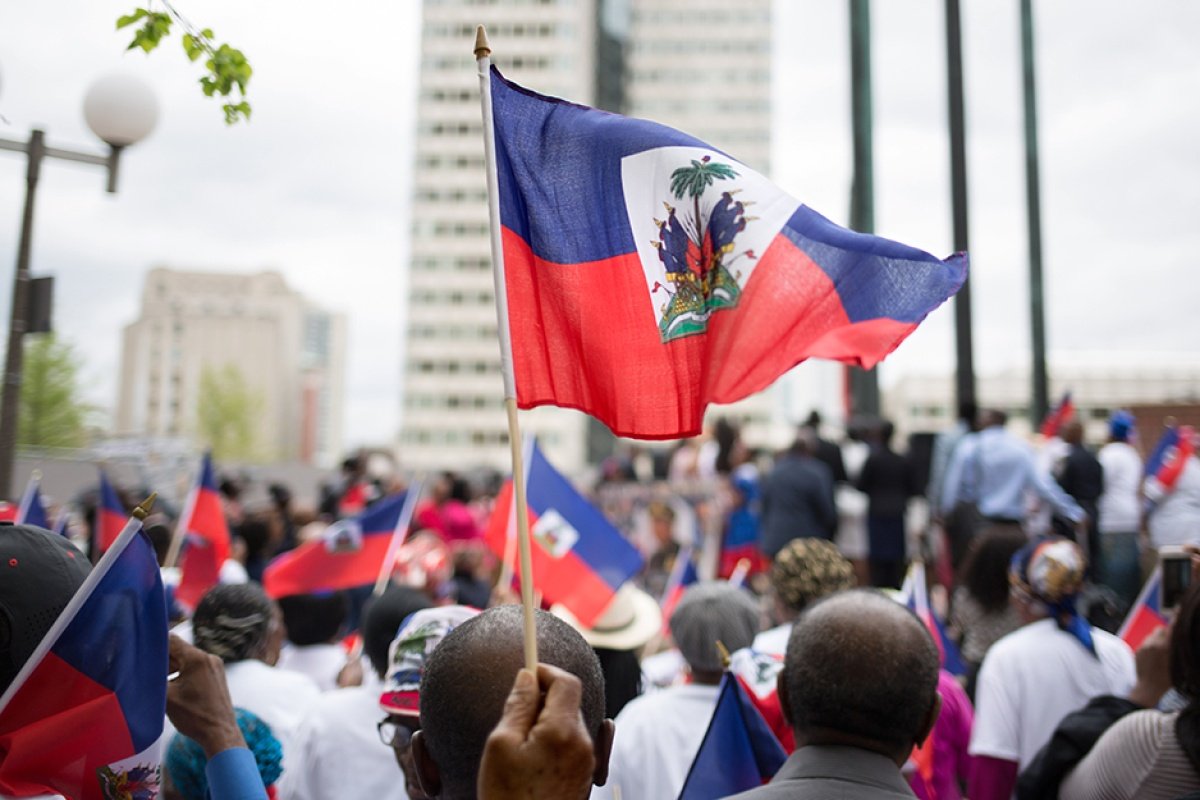
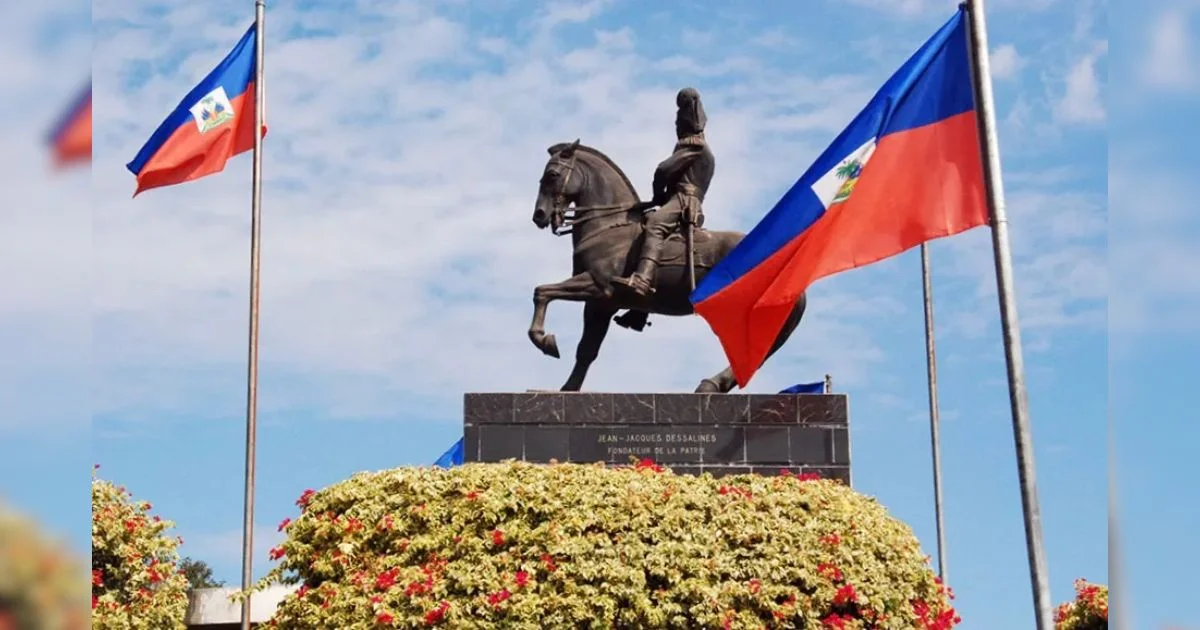
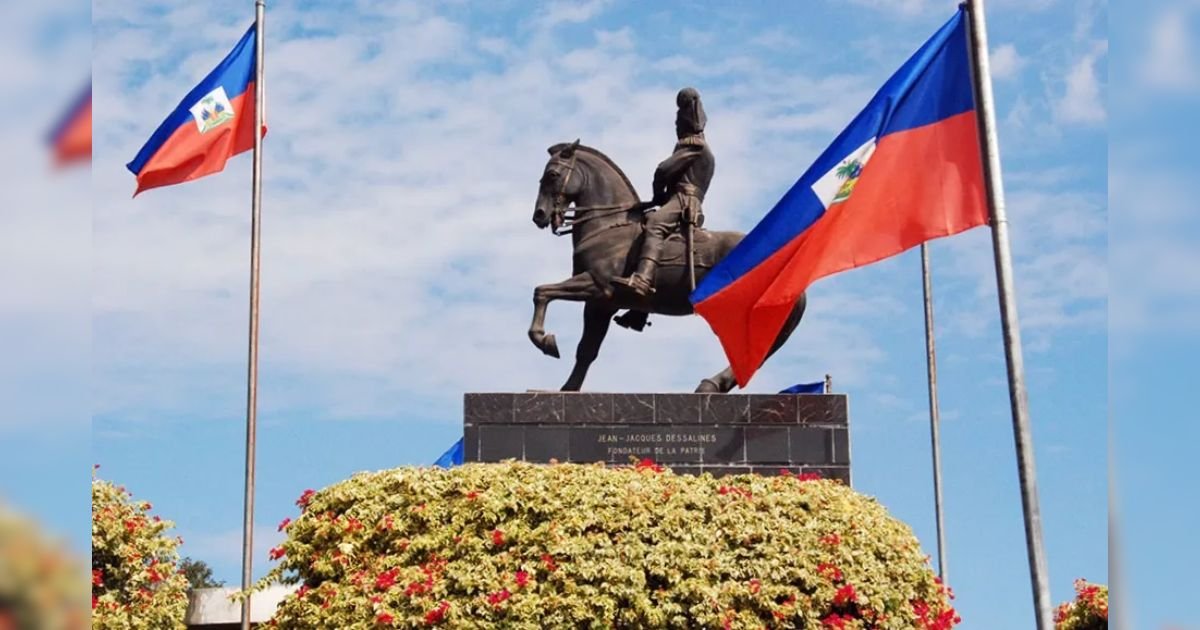
On May 18, Haïti celebrates "Flag Day", a public holiday marking the creation of the Haitian flag in 1803. Displayed for the first time in Arcahaie by Jean-Jacques Dessalines, this national symbol results from the fight for independence against slavery and French domination. Established in 1926 by Timothée Paret, then Minister of Justice under the presidency of Louis Borno, this celebration took on a particular dimension in the midst of American occupation and remains as a tradition. Haitians honor this day with school parades, musical groups in the streets and patriotic songs, recalling the union and solidarity of ancestors. The “Flag Festival” is an opportunity to reflect on the values of freedom and determination which continue to forge the Haitian national identity.
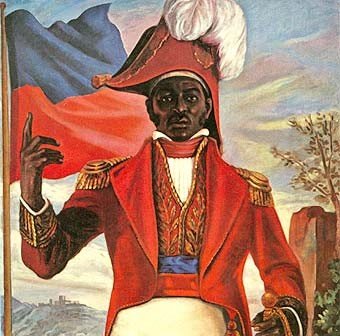
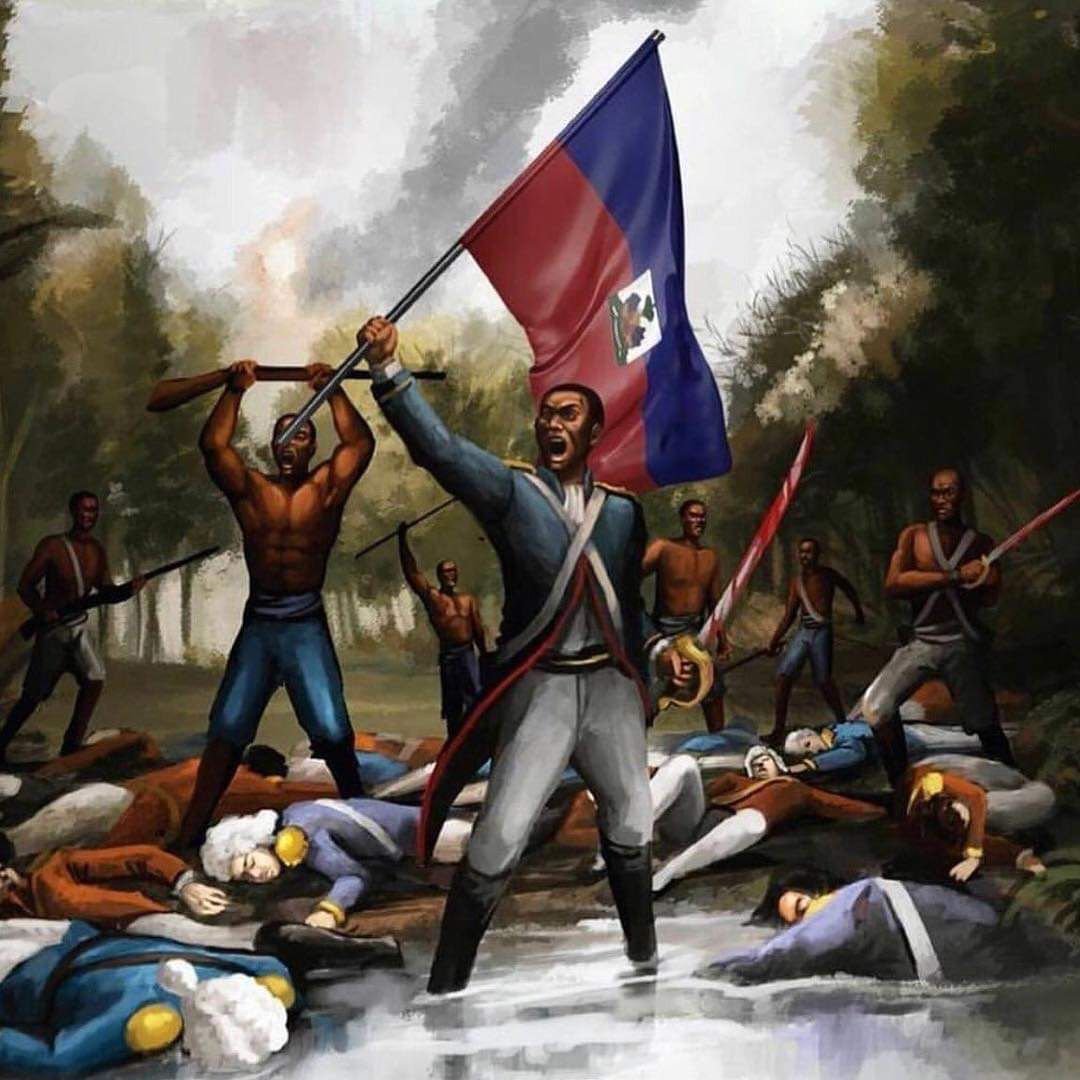
The design of the Haitian flag is attributed to Jean-Jacques Dessalines, one of the leaders of the Haitian revolution. According to historians, Dessalines tore up the French tricolor flag, removing the white band symbolizing loyalty for the French, the white for the Saint-Domingues and reuniting the remaining blue and red bands. This bold gesture gave birth to the two-tone flag, representing the union of blacks and mulattoes in the fight for independence.
The blue and red of the Haitian flag carry great meaning. Blue represents Haiti’s black population, while red symbolizes Mulattoes. Together, they illustrate the unity and solidarity of the country’s different ethnic groups in the quest for freedom.
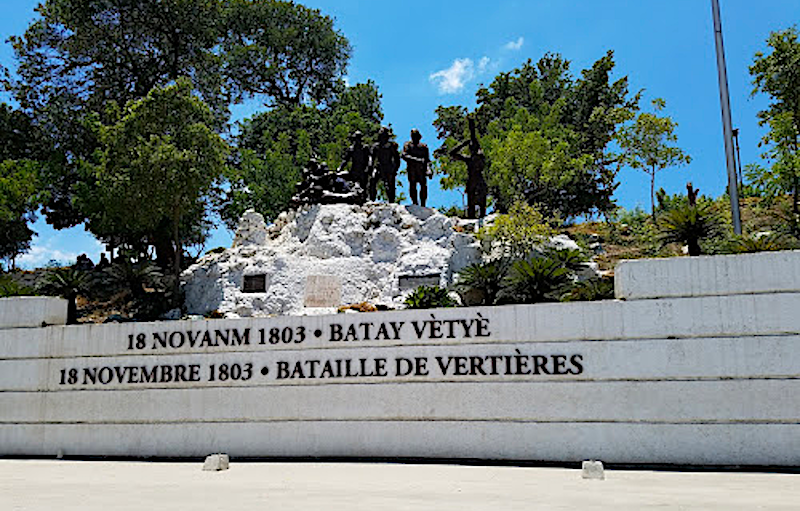
The flag has undergone several modifications over the years. Around the 1790s The French flag flew over Saint-Domingue until February 1803, when Jean-Jacques Dessalines and Alexandre Pétion, leaders of the black and mulatto insurgents, decided to break with France. In May 1803, Dessalines created the first Haitian flag by removing the white stripe from the French flag to symbolize the union of blacks and mulattoes in the fight for freedom. After the victory over the French in November 1803, Haïti declared its independence on January 1, 1804 and adopted a horizontal two-color flag, confirmed by the Constitution of 1843 later in article 192. Dessalines proclaimed himself emperor in October 1804 and established a flag black and red in 1805. After his assassination in 1806, Alexandre Pétion redesigned the flag in blue and red with the arms of the Republic. Henri Christophe, who became king in 1811, modified the flag for his kingdom. In 1822, Jean-Pierre Boyer annexed the Spanish part of the island, known today as the Dominican Republic, which, a few months earlier, on November 30, 1821, proclaimed its independence from Spain under the name "Republica del Haïti espanol" "Republic of Spanish Haiti" and at the same time, its union with Gran Colombia. The flag of the Spanish Republic of Haïti was raised in the first weeks of 1822 but it was the flag of Gran Colombia at the time. In 1847, Faustin Soulouque was elected president and in 1849, proclaimed himself emperor under the name of Faustin I (1849-1859). In his Constitution of 1849, he adopted the blue and red flag but replaced the coat of arms with a crest. The Empire of Faustin I ended on January 15, 1859 and the arms of the Republic returned to their initial place, in the center of the flag. In 1964, François Duvalier established a black and red flag, but after his departure in 1986, Haïti readopted the blue and red flag which was ratified a year later, on March 29, 1987, during the plebiscite on the 1987 Constitution.
May 18: celebration of freedom and identity of Haitians
Today, in Haiti, May 18 is celebrated as “Flag Day,” a public holiday that embodies national pride and recognition of the heritage left by ancestors. Established in 1926 by Timothée Paret, then Minister of Justice under the presidency of Louis Borno, this celebration is of particular importance. It was established in full occupation of the country by the American army, thus marking a powerful symbolic act of resistance and patriotism.
The “Flag Festival” commemorates the creation of the Haitian bicolor on May 18, 1803, during the Congress of Arcahaie. On this occasion, Jean-Jacques Dessalines, one of the leaders of the struggle for independence, made the historic decision to remove the white stripe from the French flag, a gesture symbolizing the union of blacks and mulattoes in their fight for freedom. Afterwards, he ordered Catherine Flon to sew the two remaining strips, blue and red, to form the new Haitian flag, carrying the motto “Liberty or Death”.
Every year, on this date, Haitians gather to honor this symbol of their independence and their struggle for freedom. Parades of schools and various musical groups fill the streets, singing anthems such as the Hymn to Youth and other songs that reflect Haitian pride and nationalist spirit. Parades, speeches and ceremonies are organized across the country to recall the importance of national unity and the sacrifices made by ancestors to achieve independence. Public and private institutions as well as local, national and even Haitian communities abroad actively participate in these celebrations, demonstrating their attachment to this symbol.
This day is much more than just a historical commemoration. It represents a moment of reflection on the values of freedom, solidarity and determination which have forged the Haitian nation. It is also an opportunity for each Haitian to renew their commitment to their country and to show their gratitude for this heritage transmitted by the ancestors. By celebrating May 18, Haitians honor their past while affirming their hope and determination for a better future.
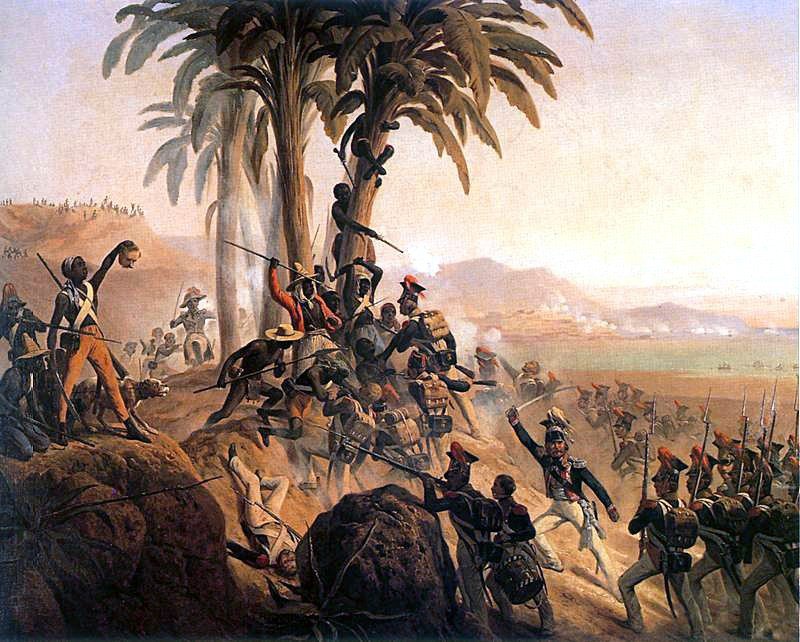
First black nation to free itself from slavery and gain independence from France in 1804 and influenced other liberation movements around the world, inspiring struggles for freedom and equality.
Natural beauty
Haïti is blessed with spectacular natural landscapes, including white sand beaches, mountains and rich biodiversity.
Heritage
Haïti has a rich historical heritage, including sites like the Citadelle Laferrière and the Sans-Souci Palace, listed as UNESCO World Heritage Sites.
Culture
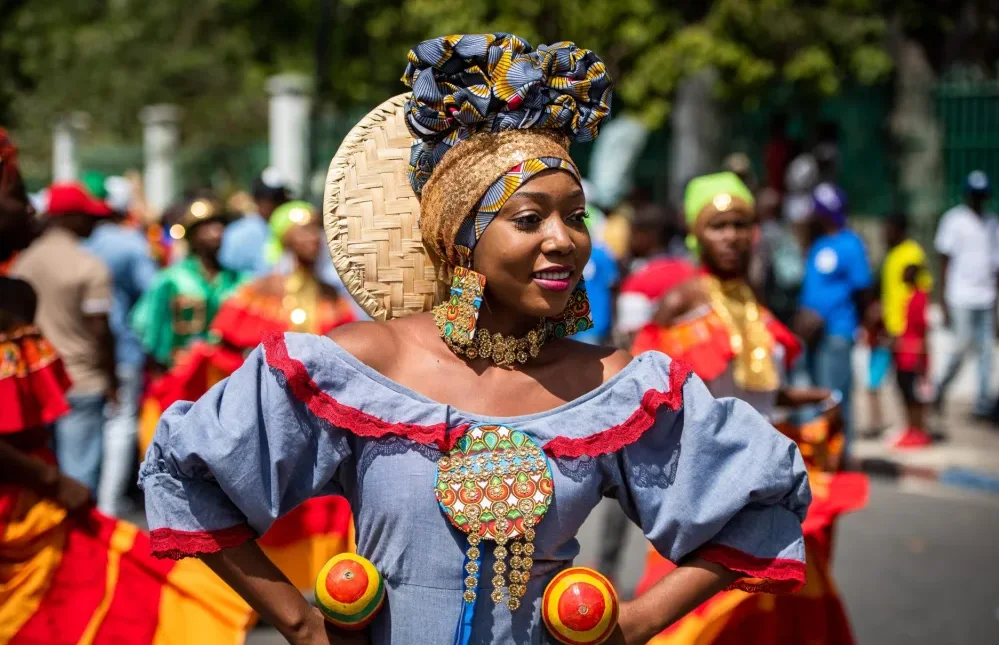
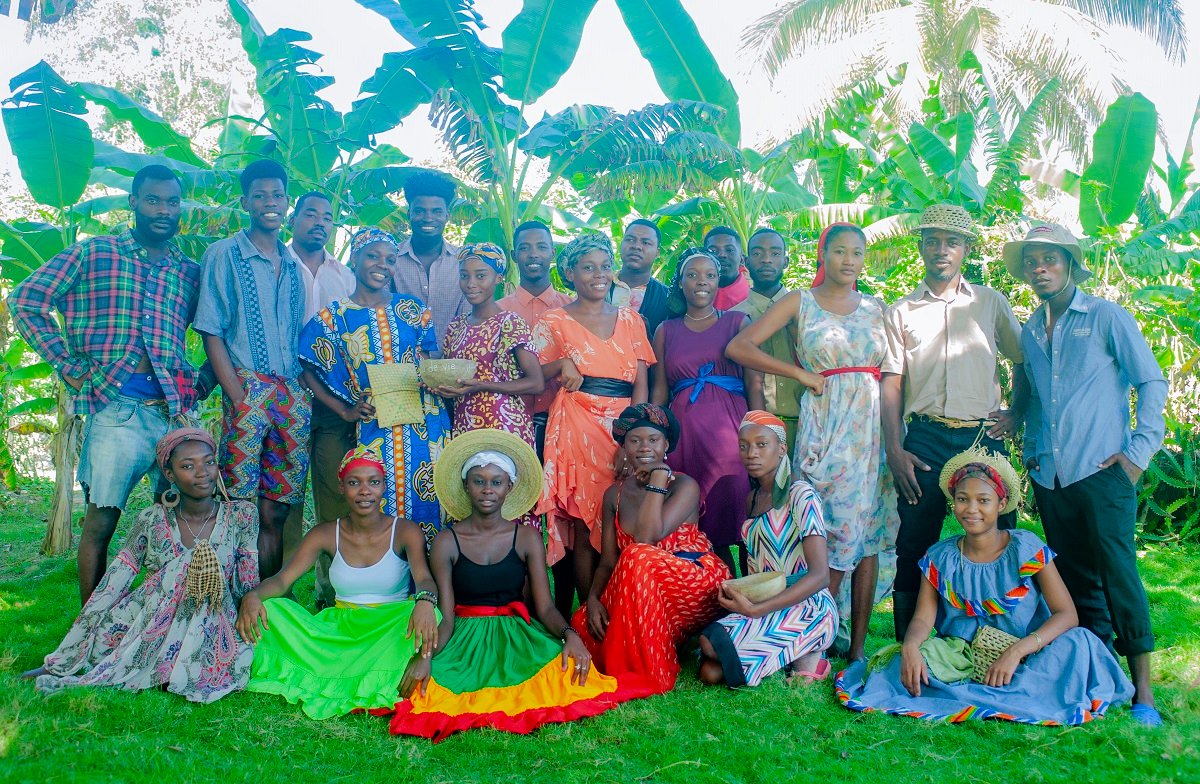
Haïti has a rich and diverse culture, influenced by African, European and indigenous elements. Haitian music, dance, art and cuisine are celebrated around the world.



































Bon travail
October 31, 2024 - 07:46:52 AM