contact@haitiwonderland.com+509 36184317

Discover

Shopping Cart

These traditional Haitian festivals you must experience at least once

These traditional Haitian festivals you must experience at least once

Haiti, an island of culture and history, is much more than a beach destination. It vibrates to the rhythm of its traditions, its music, its dances, and especially its traditional festivals. If you’re looking for an authentic experience, these events are the perfect opportunity to immerse yourself in the soul of a proud, warm, and creative people. Here is a selection of the must-see traditional Haitian festivals that every traveler should experience at least once.

1. The National Carnival An explosion of colors and rhythms

February or March (before Lent)

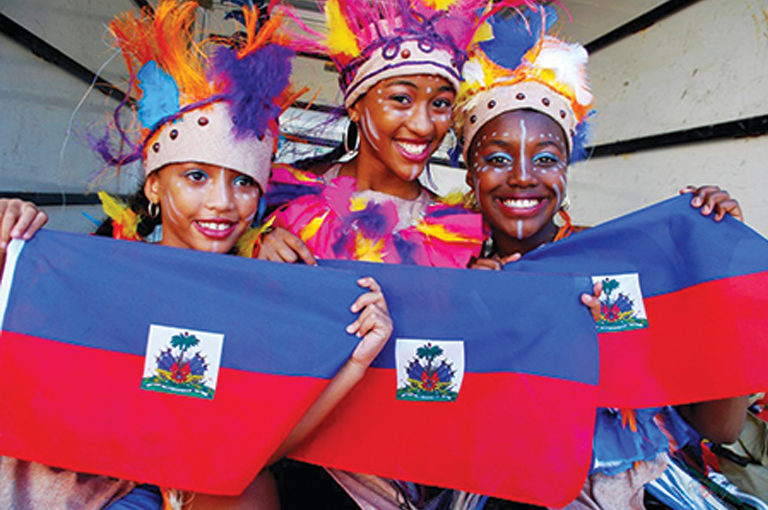
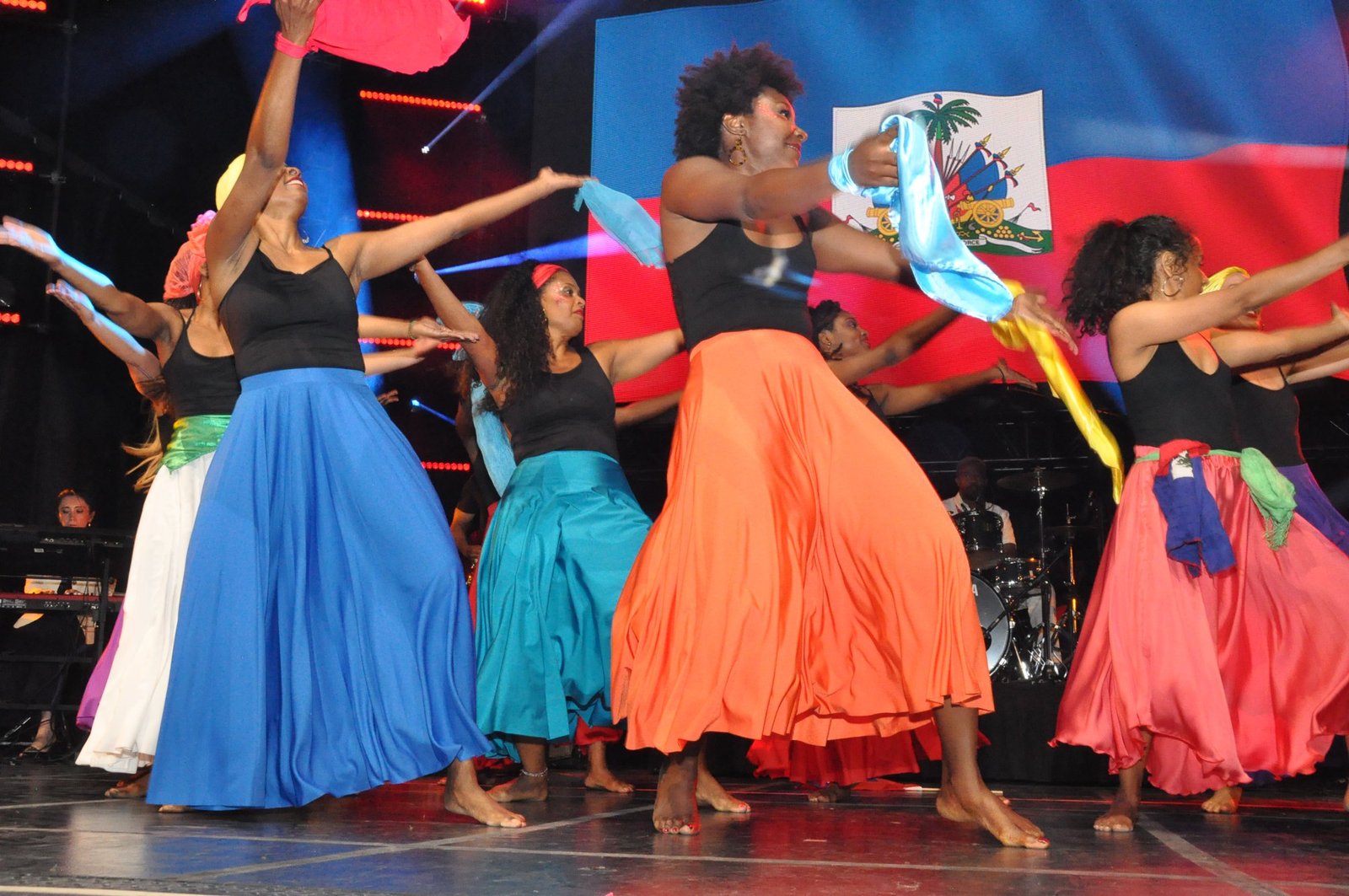
Carnival is undoubtedly the most popular festival in Haiti. It attracts thousands of people, both local and foreign, every year. This is a time when the streets of major citiesespecially Port-au-Prince, Jacmel, and Cap-Haïtienare transformed into lively stages: floats, musical groups (the famous "bann a pye"), costumed dancers, and an electrifying atmosphere.

Why you should attend:

- A total immersion in Haitian culture.
- Unique artistic performances.
- A festive atmosphere unparalleled in the Caribbean.

See as well

2. Jacmel Carnival Art in the Service of Tradition

Two weeks before Mardi Gras

Less commercial than the capital’s, the Jacmel Carnival is a cultural gem. Known for its papier-mâché masks, the city offers an artistic and symbolic carnival. Fantastical creatures, satirical scenes, and traditional costumes recount the history and myths of Haiti.

Why you should attend:

- A more intimate and cultural experience.
- Living works of art in the streets.
- An excellent excuse to visit Jacmel, a city of artists.

3. The Feast of Saint James and Saint Philip in Plaine-du-Nord

July 24-25

This is one of Haiti’s most important festivals. Every year, thousands of pilgrims travel to Plaine-du-Nord, in the north of the country, to celebrate Saint James, syncretized with the Lwa Ogou (the Voodoo deity of war and fire). Between Catholic mass, Voodoo rituals, and colorful processions, this festival perfectly illustrates Haiti’s spiritual richness.

Why you should attend:

- An impressive fusion of Catholicism and Voodoo.
- A mystical and solemn atmosphere.
- A tradition unique in the world.

Le Makaya, histoire et pratiques vaudouesques en haïti

Le Makaya, histoire et pratiques vaudouesques en haïti

Le Makaya est bien plus qu’une simple fête ; il est un pilier spirituel du vaudou haïtien, une tradition vivante qui lie les croyances ancestrales aux rituels de purification, de guérison et de renouveau. Célébré principalement à la fin du mois de décembre, le Makaya tire ses racines de l’Afrique, en particulier des civilisations bantoues, et se déroule dans un contexte profondément spirituel où les liens avec les ancêtres et les forces naturelles sont essentiels. Le terme "Makaya", qui signifie "feuilles" en Kikongo, est intrinsèquement lié à la nature et aux plantes, éléments essentiels du vaudou. Ce lien direct avec la nature fait du Makaya un moment de purification, où les croyants se connectent à la terre et aux esprits par l’intermédiaire des végétaux. La tradition du Makaya vient des peuples Bantous, principalement du Congo, et de leurs pratiques spirituelles qui ont été transposées, adaptées et enrichies par la diaspora haïtienne pendant la période de l’esclavage. La période du Makaya commence le 21 décembre, lors du solstice d’hiver, une date symbolique marquant la victoire de la lumière sur les ténèbres, le commencement du renouveau solaire. Dans le vaudou, cette époque est perçue comme un moment d’introspection où la nuit la plus longue de l’année se transforme lentement en jour, apportant avec elle des forces purificatrices et régénératrices.

4. The Gédé Festival Ancestor Worship

November 1st and 2nd (All Saints’ Day and All Souls’ Day)

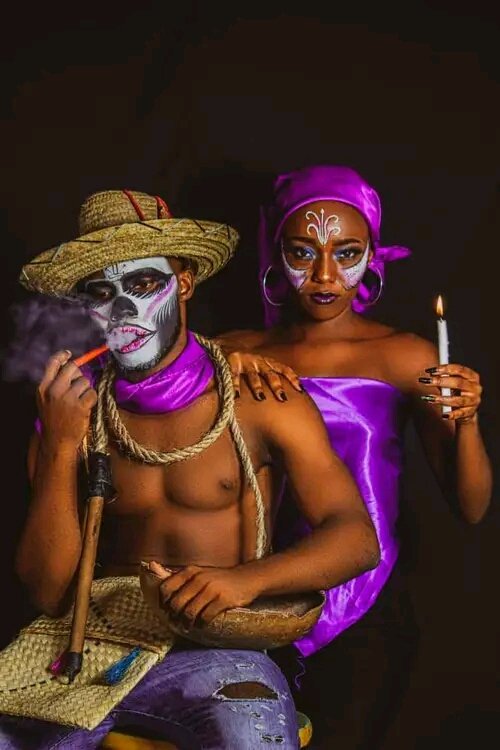
During the Gédé Festival, Haïti pays tribute to its dead. But here, the commemoration is festive, noisy, and colorful. In cemeteries, Haitians dance, sing, and pray for the spirits of the deceased. Voodoo is very present, with rituals and offerings to the Gédé spirits, symbols of death and resurrection.

Why you should attend:

- A different way to experience the relationship with death.
- A deeply spiritual and cultural event.
- An atmosphere where life celebrates the dead.

5. The Feast of Our Lady of Perpetual Help in Coteaux

June 27th

In Coteaux, in southern Haiti, this Marian festival attracts many pilgrims. It blends Catholic faith and popular spirituality, with masses, processions, and religious songs. The location, perched between the sea and the mountains, offers a spectacular view, reinforcing the sacred dimension of the event.

Why attend:

- A pilgrimage filled with fervor.
- A magnificent region to discover.
- A religious tradition respected for generations.

Why do some people ignore the Guede party?

Why do some people ignore the Guede party?

The Guédés Festival is a significant event in the Haitian Vodou religion. It takes place every November 1st and 2nd in Haiti, and it is dedicated to paying homage to the dead. Here are some elements to better understand this celebration: Meaning of Guedes: Guédés are spirits of death in the voodoo pantheon. They symbolize the transition between life and the afterlife. Different names are attributed to these spirits: Papa Guédé, Guédé Nibo, Guédé Masaka, Guédé fouillé, Guédé plumage. In the Voodoo concept, the Guédés maintain a harmonious relationship with the dead. Ritual of the Feast of the Gedes: Vodouists clean the graves and bring flowers to honor the memory of the deceased. They dance and sing to the rhythm of vodou and rara music. Vèvè (sacred symbols) are drawn to invoke the spirits. The color black, symbol of mourning, marks the beginning of life in the voodoo world. Purple mauve evokes transformation, and white symbolizes purity. Relationship with Protestants and Christians: Some Protestants reject the Feast of Geeds and organize days of prayer to chase away “evil spirits”. Christians do not pray for their dead, because their faith teaches them that the deceased are welcomed by the Lord. In short, the Guédés festival is a crucial moment for Vodouists, marking the temporary return of spirits to the world of Vodou. It shows respect for the dead and is an integral part of Haitian culture.

Why experience these festivals in Haiti?

Participating in these celebrations is much more than just attending a party. It’s experiencing Haïti from the inside, understanding its identity, its resilience, its faith, its joie de vivre. Traditional Haitian festivals are unique moments where art, spirituality, and community come together as one.

Share
About the Author
Appolon Guy Alain
Appolon Guy Alain
Appolon Guy Alain

Full Stack Developer, Créatif, expérimenté, passionné des nouvelles technologies et de l’art.

See other articles from Appolon Guy Alain
Leave a comment

Recently Posted

Newsletter

Subscribe to our newsletter to stay informed of all our activities and news on Haiti.

Appolon Guy Alain: Reference Web Designer in Haiti

In the ever-changing world of web development, some names stand out for their expertise, creativity and commitment to knowledge sharing. Among them, Appolon Guy Alain shines like a beacon in the web design industry in Haiti. With more than 70 websites to his credit, intranet systems and many other projects, he is recognized as an indisputable reference in his field. What sets Apolon’s work apart are the attractive interfaces it creates. Sites such as https://haitiwonderland.com/, https://leadersdedemain.org/, https://shippex.net/, https://telehaiti.ht/, https://www.kelphotographystudio.com/, https ://leparadishaitien.ht/, https://beltike.com/ and many others, demonstrate his exceptional talent for combining aesthetics and functionality in a harmonious way. The key to Apolon’s success lies in its ability to merge art and technology. Before becoming an accomplished computer scientist, he was already a painter, a professional musician and a computer graphic designer. This diversity of talents gives him extraordinary creativity, allowing him to imagine unique and memorable interfaces. But Apolon not only creates remarkable websites, he also generously shares his knowledge and experience. In December 2022, he launched Coding Club Haiti, an initiative aimed at providing younger generations with the opportunities offered by the digital world. This initiative has gone beyond the borders of Haïti thanks to a collaboration with the Scientific Club of Students of the Virtual University of Burkina Faso, thus allowing Appolon to share its knowledge with young people from Burkina Faso, and soon, other countries from Africa. Read also: https://haitiwonderland.com/haiti/personnalite/expert-en-seo-et-uiux-design--decouvrez-le-developpeur-haitien-appolon-guy-alain/65 For Appolon, digital represents an essential pillar for the economic development of his country, Appolon is fully committed to this change. However, Apollo does not rest on his laurels. Always eager to learn, he is currently venturing into fields such as robotics and artificial intelligence, looking forward to the challenges the future holds. If you are looking for someone to create your website, Apolon is undoubtedly the best choice. Do not hesitate to contact him on his Facebook or Instagram page, or visit his personal website at https://www.appographic.com. With Appolon Guy Alain, your web project is in expert and creative hands, ready to bring your most daring ideas to life. Follow Appolon on Facebook : https://www.facebook.com/appolon.guyalain Linkedin : https://www.linkedin.com/in/appolon-guy-alain-298424113 Instagram : https://www.instagram.com/appolonguyalain65 Twitter : https://twitter.com/GuyAppolon Github : https://github.com/Appogithub

Recently Posted

History

History

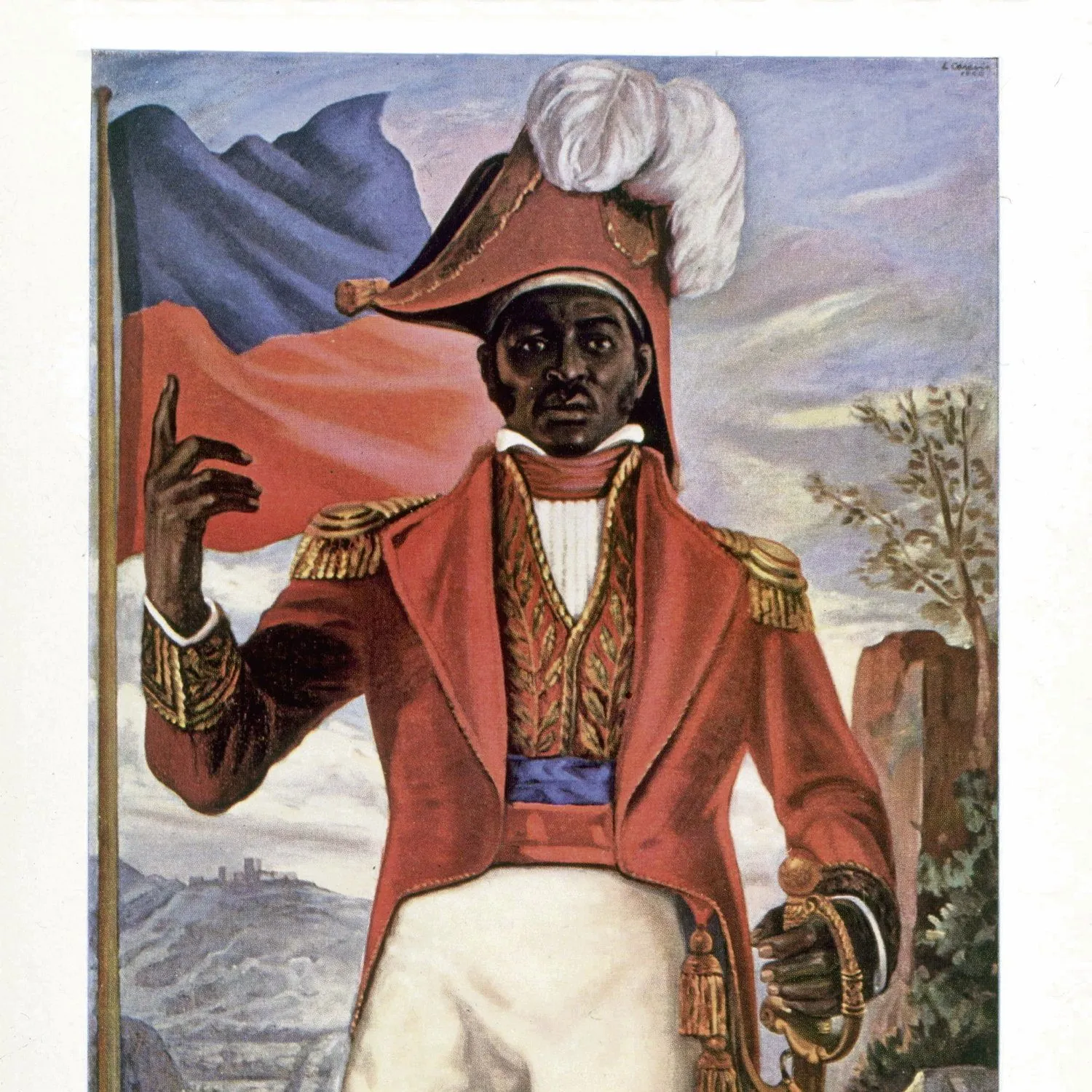
First black nation to free itself from slavery and gain independence from France in 1804 and influenced other liberation movements around the world, inspiring struggles for freedom and equality.

Natural beauty

Natural beauty

Haïti is blessed with spectacular natural landscapes, including white sand beaches, mountains and rich biodiversity.

Heritage

Heritage

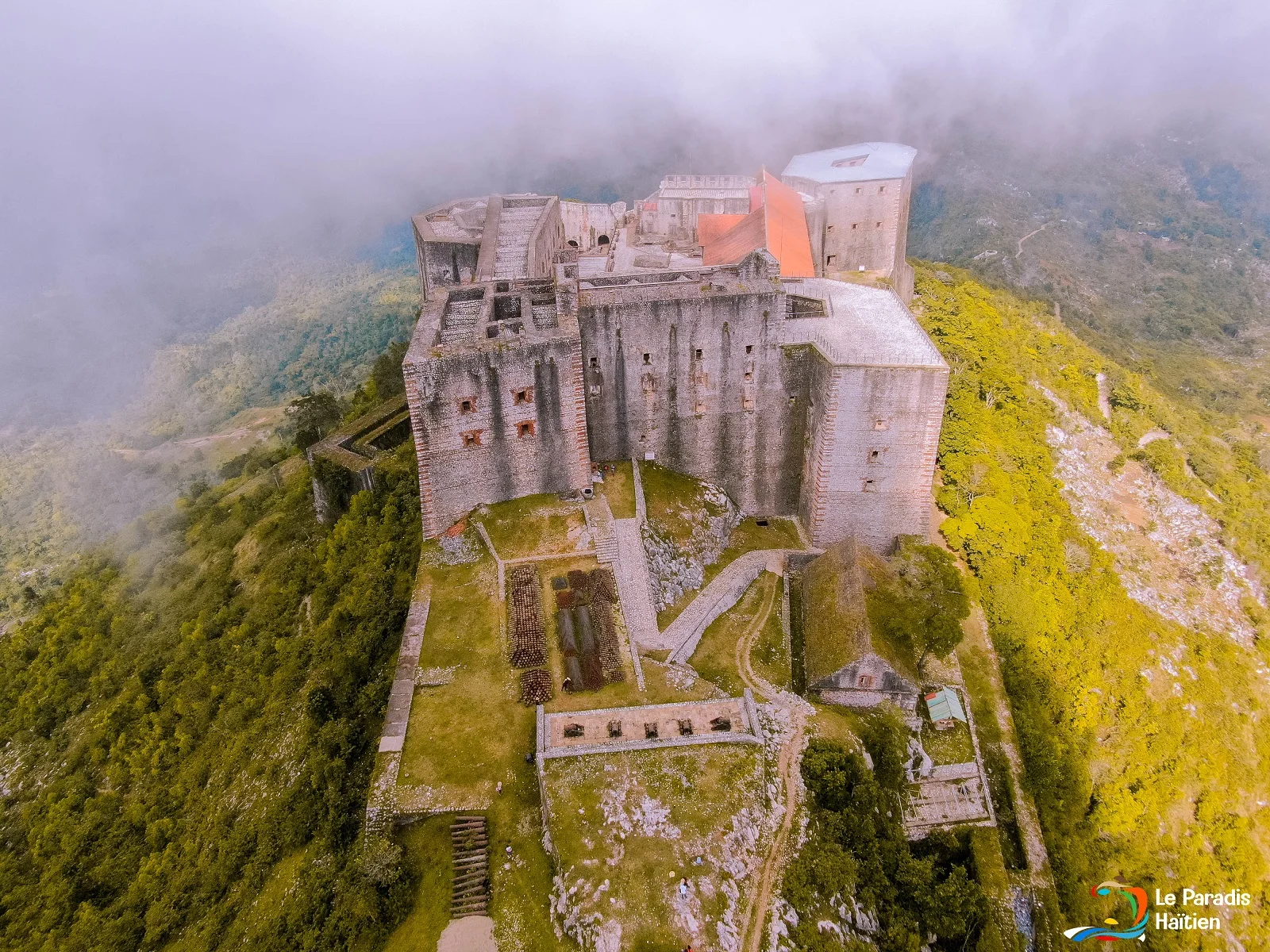
Haïti has a rich historical heritage, including sites like the Citadelle Laferrière and the Sans-Souci Palace, listed as UNESCO World Heritage Sites.

Culture

Culture

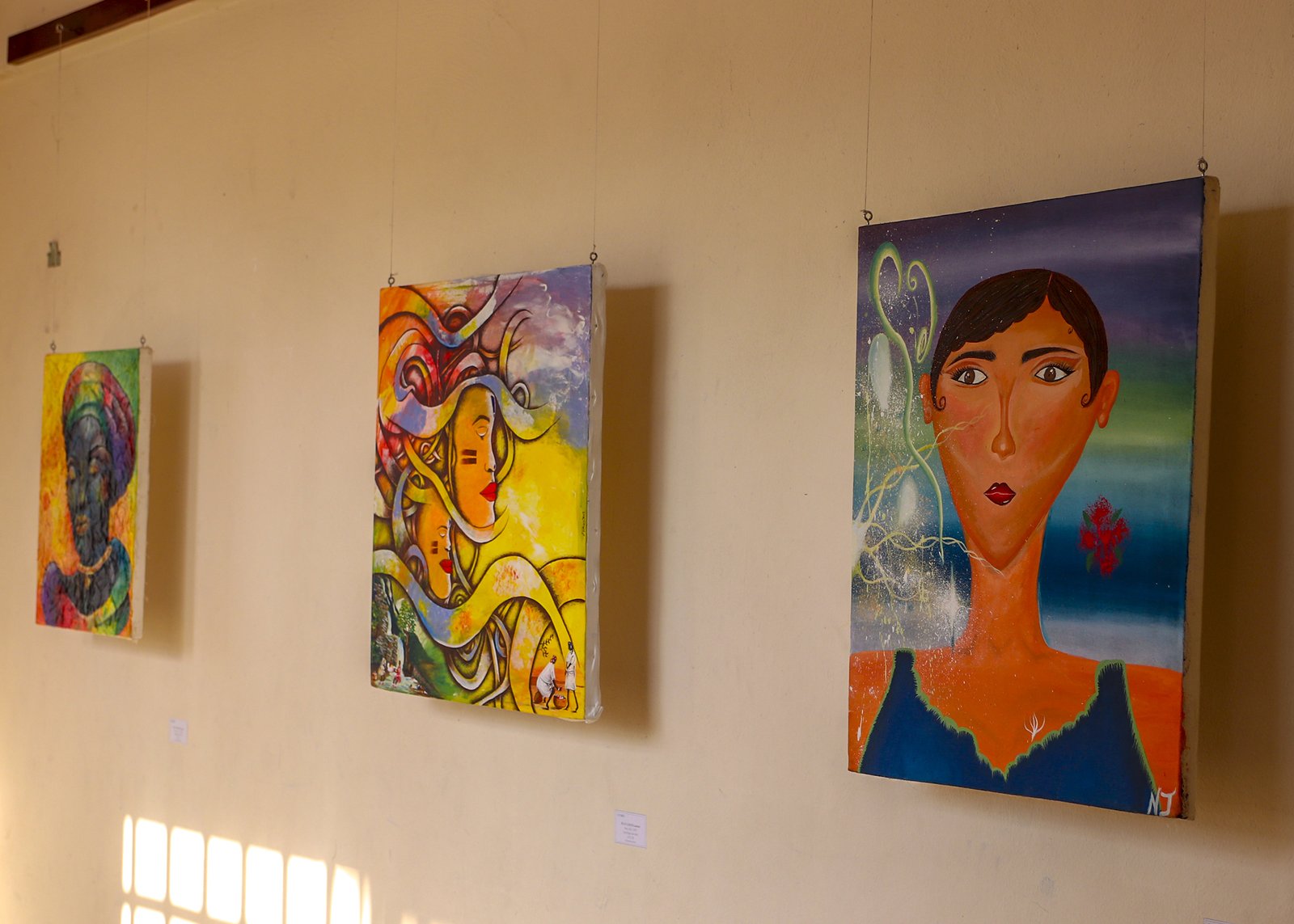
Haïti has a rich and diverse culture, influenced by African, European and indigenous elements. Haitian music, dance, art and cuisine are celebrated around the world.

  • +
    • Post