
contact@haitiwonderland.com+509 36184317

Discover

Shopping Cart

Le Soup Joumou Haïtien, un plat symbolique et une invitation au voyage culinaire

Le Soup Joumou Haïtien, un plat symbolique et une invitation au voyage culinaire

Le soup joumou haïtien est bien plus qu’un simple plat traditionnel. Il incarne une histoire de résistance, de liberté et de culture, et représente un élément clé de l’identité haïtienne. Au-delà de sa signification symbolique, il offre aussi aux voyageurs un moyen unique de découvrir les richesses de la gastronomie haïtienne. Dans cet article, nous explorerons l’importance historique du soup joumou, ses caractéristiques culinaires, ainsi que son rôle en tant que moteur du tourisme gastronomique en Haïti.

Un Plat Chargé d’Histoire

Le soup joumou, ou soupe de citrouille, est étroitement lié à l’histoire de l’indépendance d’Haïti. Ce plat était traditionnellement réservé aux colons français pendant la période coloniale. Les esclaves africains, privés de ce mets, n’en avaient qu’une version réduite et souvent moins nourrissante. Le 1er janvier 1804, après la victoire des esclaves sur les troupes françaises et la proclamation de l’indépendance d’Haïti, le soup joumou devint un symbole de la liberté retrouvée. Depuis ce jour, chaque année, le 1er janvier, les Haïtiens célèbrent leur indépendance en dégustant ce plat, une tradition qui perdure et qui est au cœur des festivités nationales.

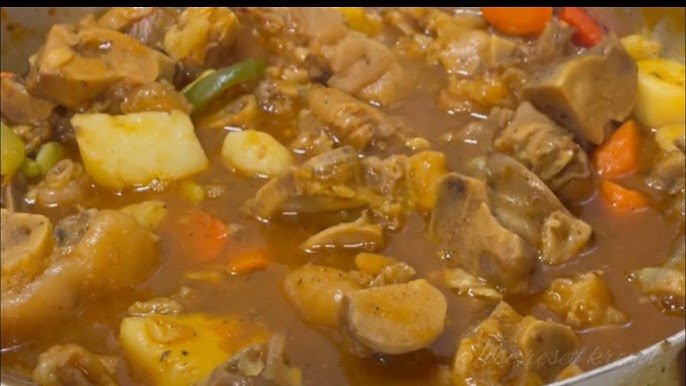
Le soup joumou est une soupe riche et savoureuse, composée d’ingrédients variés qui reflètent la diversité des influences culturelles qui ont façonné Haïti. L’ingrédient principal est la citrouille, ou joumou, qui donne à la soupe sa couleur orangée et sa texture veloutée. À cela s’ajoutent des légumes comme les carottes, les pommes de terre, le céleri, l’oignon et l’ail, ainsi que des épices qui renforcent la richesse du goût, telles que le thym, le clou de girofle et le piment. La viande, généralement du boeuf, du poulet ou parfois du porc, ajoute de la profondeur au plat. L’ajout de pâtes, souvent des petites pâtes en forme de lettres ou de petites boules, complète la soupe et en fait un plat consistant.

Cette recette est un exemple parfait de la fusion des saveurs africaines, françaises et indigènes qui caractérisent la cuisine haïtienne. Chaque bouchée raconte l’histoire de la résistance et de l’adaptation à travers les siècles, une histoire qui résonne profondément dans chaque Haïtien et dans tous ceux qui découvrent ce plat.


Visiter Haïti et goûter au soup joumou ne se limite pas à une simple expérience gustative. C’est un voyage dans le temps et dans la culture d’un peuple. Dans les villes et villages, les restaurants et les foyers offrent cette soupe comme un hommage à la mémoire historique et un moyen de préserver les traditions. En Haïti, le soup joumou est souvent servi lors de grands rassemblements familiaux ou communautaires, notamment lors de célébrations nationales ou de fêtes de fin d’année. Il est aussi un plat qui se partage, symbolisant la solidarité et la convivialité.

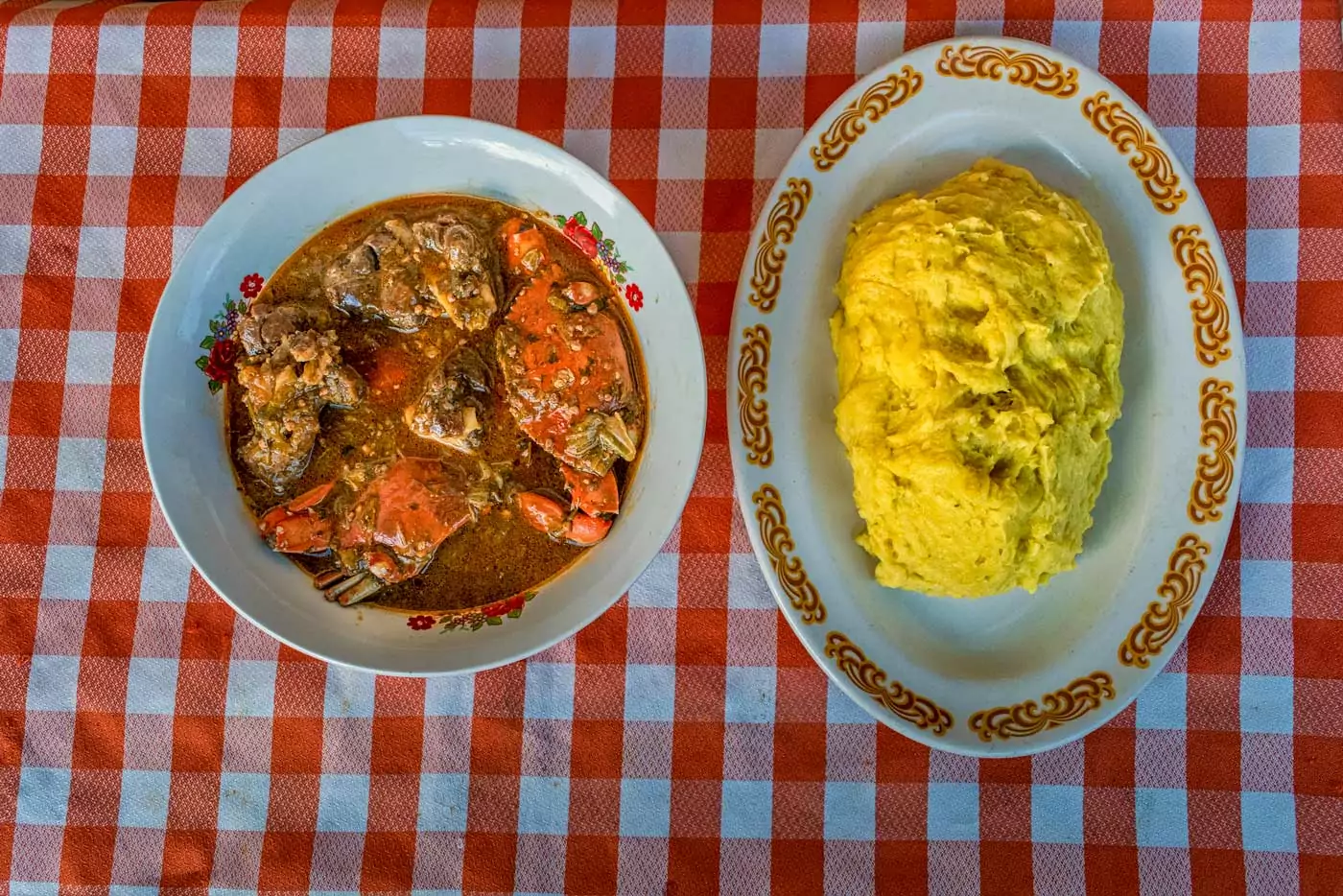
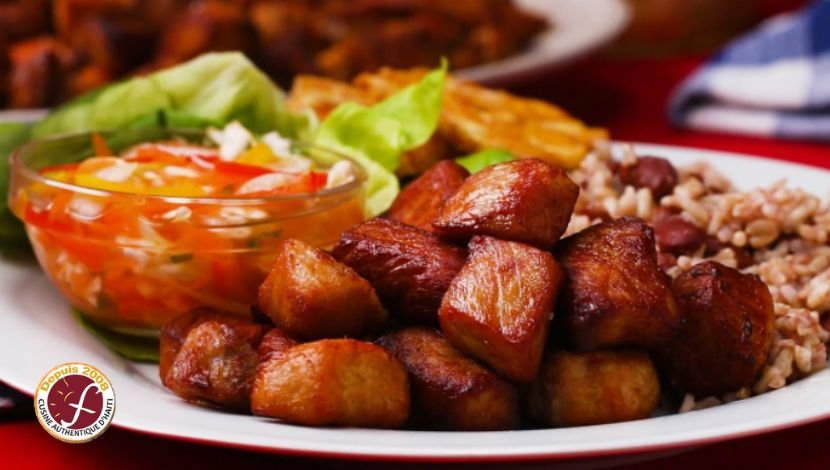
Pour les voyageurs, déguster un soup joumou sur place permet de se connecter à l’âme d’Haïti, de comprendre ses luttes et ses victoires, mais aussi de découvrir la générosité de sa cuisine. Plusieurs restaurants à Port-au-Prince, Jacmel, Cap-Haïtien et dans d’autres villes proposent ce plat, souvent accompagné de pâté en croute ou de grilled chicken haïtien, pour un festin authentique.

Le Soup Joumou et le Tourisme Culinaire

Le tourisme culinaire est en plein essor à travers le monde, et Haïti commence à se positionner comme une destination intéressante pour les amateurs de gastronomie. Les voyageurs viennent en Haïti non seulement pour son histoire, ses plages paradisiaques et ses montagnes spectaculaires, mais aussi pour découvrir la richesse de sa cuisine, avec en tête d’affiche le *soup joumou*.

Les voyageurs qui cherchent à comprendre la culture d’un pays à travers sa cuisine peuvent se rendre dans des restaurants locaux où des chefs spécialisés dans la cuisine haïtienne transmettent les secrets de ce plat emblématique. De plus, les visiteurs peuvent participer à des ateliers culinaires qui leur permettent d’apprendre à préparer leur propre *soup joumou*, une expérience immersive qui les rapproche davantage de la culture haïtienne.
Certains circuits touristiques incluent également des visites de fermes locales où les ingrédients du soup joumou sont cultivés. Cela permet aux voyageurs de voir de près l’origine des produits utilisés dans ce plat, et d’en apprendre davantage sur l’agriculture durable en Haïti.

Le soup joumou symbolise la résilience du peuple haïtien face à l’oppression et sa capacité à transformer une situation de privation en un symbole de liberté et de fierté nationale. Pour les Haïtiens, ce plat est un lien vivant avec le passé, mais il est aussi un levier pour l’avenir, en particulier dans le secteur touristique.

En tant que produit culturel emblématique, le soup joumou joue un rôle important dans la stratégie de développement du tourisme en Haïti. En mettant en avant la cuisine haïtienne, et en particulier ce plat, le pays a l’opportunité de se faire connaître davantage sur la scène internationale tout en célébrant son identité et son histoire. De plus, cette dimension gastronomique du tourisme peut générer des retombées économiques pour les producteurs locaux et les petites entreprises qui sont en lien direct avec la chaîne de production de la cuisine traditionnelle haïtienne.

Le soup joumou est bien plus qu’un simple plat: il est un symbole de l’indépendance, de la culture et de la résilience du peuple haïtien. Pour les touristes en quête d’une expérience authentique, ce plat est une porte d’entrée vers la découverte d’une culture riche et profonde. En dégustant un *
soup joumou, les visiteurs ne savourent pas seulement un mets délicieux, ils participent à un acte de mémoire collective, d’héritage et de célébration de la liberté. Ainsi, le soup joumou n’est pas seulement une expérience culinaire, c’est un voyage dans le cœur de l’âme haïtienne.

Share
About the Author
Faïly Anderson Trazil

    Medical student, software developer, UX/UI designer, and web writer.
    Driven by a deep passion for writing and digital innovation.

    Email: failyandersontrazil@gmail.com

    See other articles from Faïly Anderson Trazil
    Leave a comment

    Recently Posted

    Haiti: A Little-Known Pillar of World Independence

    Haiti, the world’s first independent black republic, played an exceptional role in the quest for independence for other nations. Although often overshadowed by other historical events, Haiti’s contribution to the liberation of other countries was significant and deserves to be highlighted. b~The Haitian Revolution~b At the turn of the 19th century, Haïti threw off the chains of slavery and achieved the impossible by freeing itself from French colonial rule. In 1804, the country proclaimed its independence, ushering in a new era for oppressed peoples around the world. b~Inspiration for Latin America~b The Haitian Revolution was a major source of inspiration for independence movements in Latin America. Iconic figures such as Simón Bolívar and Francisco de Miranda recognized the courage and determination of Haitians as a driving force for their own struggles. By materially and ideologically supporting these movements, Haïti contributed to the emergence of several independent nations in South America. b~Influence in Africa~b Beyond the Americas, Haïti also played a crucial role in the quest for independence in Africa. African leaders have left a legacy that has inspired entire generations of freedom fighters on the African continent. The idea that oppressed people could rise up against their oppressors found a powerful echo in the struggles for independence in Africa. b~Support for Liberation Movements~b Throughout its history, Haïti has provided substantial support to liberation movements around the world. Whether through troop dispatches, financial resources or active diplomacy, the country has demonstrated its solidarity with those fighting for their autonomy. Haiti’s contributions have often been discreet but crucial. Haiti, as a pioneer of independence and freedom, has left a lasting impact on the world stage. His legacy resonates across continents, reminding the world that the quest for freedom is universal. By recognizing and celebrating Haiti’s role in the independence of other nations, we not only honor its history, but we also commit to promoting a future where all people have the opportunity to shape their destiny.

    Newsletter

    Subscribe to our newsletter to stay informed of all our activities and news on Haiti.

    Haiti: Is buying votes to be elected a form of corruption or political strategy?

    The democratic political system requires the active participation of citizens in the management of the city. Everyone freely expresses their opinion for harmonious management of society. Generally the choices are made from the organization of free and honest elections. However, sometimes candidates use diverted means to achieve their ends. Can we consider this act as a form of corruption or a political strategy? In a democratic society, the organization of elections at regular intervals is an imperative. Managers are generally elected by the majority of voters, which ensures them a certain legitimacy within the framework of government management. Today, more and more, around the world, the elections are controlled by economic power. This sector gives a lot of silver to candidates who often buy the media services in order to have certain visibility through mass communication means (radio, VAT, Internet, etc.) and do without constraints Many very expensive trips, which require enormous capital. By the way, the possibility that a candidate with low financial means of being elected is increasingly reduced in Western societies. Despite everything, it is illegal to buy the votes of the voters. It is an act of corruption that should lead to criminal sanctions. No society can tolerate this practice which could hamper the degeneration of the democratic system and, consequently, of the electorate system. Civil society and human rights organizations must be vigilant in order to avoid these harmful drifts in the democratic system. In fact, the temptation to bribe the voters in order to access elective positions must be denounced as an act of corruption. In doing so, will lead to political dissenting between duty, and law, because citizens are called upon to freely choose the leaders of the city. Ultimately, the organization of the elections must be the fruit of consensus between the various groups of the social system. Managers must be chosen according to their ability to provide adequate answers to the problems of the company. They can still benefit from powerful financial means from other partners. But, giving voters directly money is a condemnable detective act which reduces the autonomy of action and thinking of voters. In this sense, the latter’s vote must reflect the desire to choose or build a fair, fair and favorable company.

    The Port-au-Prince Book Fair announces the opening of author registration for its second edition

    The Port-au-Prince Book Fair is a literary initiative of the cultural organization Port-au-Prince Book Fair (OCSLP), based on the desire to promote Haitian culture in general, with a particular focus on literature. The organizers of the event have just announced the registration of authors, who will number 20, and those of publishing houses, who will number 5 for the second edition, which will take place on Friday, December 13, 2024, in the premises of the French Institute in Haiti. The registration deadline is Thursday, October 10 of this year. Please note that the first to arrive who have met the required criteria will be eligible to take part in this second edition of the event, according to the organizers’ admission. This rigorous and restricted selection of only 20 authors aims to guarantee an enriching experience for authors and the public, thus promoting authentic exchanges around the works presented. Independent authors and publishing houses interested in registering their authors to participate in this second edition of the fair are invited to submit their application via this link: https://form.jotform.com/louirardjohn8/salon-du-livre-de-port-au-prince. For publishing and distribution houses planning to exhibit on the day of the event, you can register by clicking on this link: https://form.jotform.com/242596699603068. You are requested to contact them at the following address: salondulivre2023@gmail.com in case of difficulties. The Port-au-Prince Book Fair remains faithful to its philosophy, which is to offer a platform to young authors and to promote the richness of Haitian literary production, by supporting new authors who contribute to its growth. This event is a continuation of the first edition, aimed at allowing the emergence of an environment conducive to exchanges, where young authors can meet, share their experiences and engage in dialogue with readers and book professionals. According to the organizers of the event, your participation as a young author will be essential to enrich the fair and offer a diverse experience to visitors. The invitation to join this noble initiative is extended to young authors who have not yet published 5 books. You who are concerned, the ball is now in your court. Do not hesitate to go and make this day, December 13, 2024, an unforgettable day for all book lovers.

    Recently Posted

    History

    History

    First black nation to free itself from slavery and gain independence from France in 1804 and influenced other liberation movements around the world, inspiring struggles for freedom and equality.

    Natural beauty

    Natural beauty

    Haïti is blessed with spectacular natural landscapes, including white sand beaches, mountains and rich biodiversity.

    Heritage

    Heritage

    Haïti has a rich historical heritage, including sites like the Citadelle Laferrière and the Sans-Souci Palace, listed as UNESCO World Heritage Sites.

    Culture

    Culture

    Haïti has a rich and diverse culture, influenced by African, European and indigenous elements. Haitian music, dance, art and cuisine are celebrated around the world.

    • +
      • Post