contact@haitiwonderland.com+509 36184317

Discover

Shopping Cart

Haïti : Citadelle la FerrièreHaïti : Citadelle la Ferrière

News / Other / View Recent Posts

Nature April 09, 2024

Haiti: Immerse yourself in the Serenity of Étang Bossier in Cayes-Jacmel

Located about an hour’s drive northeast of the bustling town of Jacmel, Étang Bossier emerges like a verdant gem from the heart of the hills, captivating the senses and offering an idyllic getaway for nature and adventure lovers. This natural sanctuary, anchored in the picturesque community of Bossier, is a premier destination for travelers seeking authentic discoveries and enchanting landscapes. With a generous surface area extending over 4 to 5 hectares, Étang Bossier stands majestically at an altitude of 600 meters in the 2nd section of the commune of Cayes-Jacmel, in Gaillard, surrounded by the magnificent sections of Ravine Normande , Cap Rouge and Michinot. This geographical diversity gives the place an incomparable ecological and landscape richness, inviting visitors to immerse themselves in the heart of lush nature. Beyond its natural charm, Étang Bossier is the cradle of community life rich in agricultural and pastoral traditions. The green fields resonate with local agricultural activities, with varied crops such as pistachio, congo pea, millet, and corn which bear witness to the ancestral know-how of the region’s inhabitants. Every Thursday, the local market comes alive with colors and flavors, offering a tempting range of fresh produce, robust livestock and of course, “pèpè” fish, a delight for fishing enthusiasts. However, behind this bucolic facade there are also challenges and needs. Despite the abundance of natural resources, many residents live in precarious conditions, highlighting the importance of sustainable support and development for the Bossier community and surrounding areas. For travelers looking for authentic and enriching experiences, Étang Bossier is an invitation to escape. By exploring its winding paths, being lulled by the song of birds and discovering the daily life of its welcoming inhabitants, visitors will have the unique opportunity to delve into the heart of Haitian culture and create unforgettable memories. During your next getaway to Cayes-Jacmel, let yourself be seduced by the magic of Étang Bossier. Whether for a day of adventure, a cultural immersion or simply a moment of relaxation in the middle of unspoiled nature, this hidden oasis promises you an extraordinary experience, imbued with authenticity and natural beauty. Come explore Étang Bossier and let yourself be enchanted by the simplicity and splendor of Haitian rural life.

Par Faïly Anderson Trazil | 1
Learn more
Culture May 30, 2024

Why do some people ignore the Guede party?

The Guédés Festival is a significant event in the Haitian Vodou religion. It takes place every November 1st and 2nd in Haiti, and it is dedicated to paying homage to the dead. Here are some elements to better understand this celebration: Meaning of Guedes: Guédés are spirits of death in the voodoo pantheon. They symbolize the transition between life and the afterlife. Different names are attributed to these spirits: Papa Guédé, Guédé Nibo, Guédé Masaka, Guédé fouillé, Guédé plumage. In the Voodoo concept, the Guédés maintain a harmonious relationship with the dead. Ritual of the Feast of the Gedes: Vodouists clean the graves and bring flowers to honor the memory of the deceased. They dance and sing to the rhythm of vodou and rara music. Vèvè (sacred symbols) are drawn to invoke the spirits. The color black, symbol of mourning, marks the beginning of life in the voodoo world. Purple mauve evokes transformation, and white symbolizes purity. Relationship with Protestants and Christians: Some Protestants reject the Feast of Geeds and organize days of prayer to chase away “evil spirits”. Christians do not pray for their dead, because their faith teaches them that the deceased are welcomed by the Lord. In short, the Guédés festival is a crucial moment for Vodouists, marking the temporary return of spirits to the world of Vodou. It shows respect for the dead and is an integral part of Haitian culture.

Par | 1
Learn more
Culture December 24, 2024

Le Makaya, histoire et pratiques vaudouesques en haïti

Le Makaya est bien plus qu’une simple fête ; il est un pilier spirituel du vaudou haïtien, une tradition vivante qui lie les croyances ancestrales aux rituels de purification, de guérison et de renouveau. Célébré principalement à la fin du mois de décembre, le Makaya tire ses racines de l’Afrique, en particulier des civilisations bantoues, et se déroule dans un contexte profondément spirituel où les liens avec les ancêtres et les forces naturelles sont essentiels. Le terme "Makaya", qui signifie "feuilles" en Kikongo, est intrinsèquement lié à la nature et aux plantes, éléments essentiels du vaudou. Ce lien direct avec la nature fait du Makaya un moment de purification, où les croyants se connectent à la terre et aux esprits par l’intermédiaire des végétaux. La tradition du Makaya vient des peuples Bantous, principalement du Congo, et de leurs pratiques spirituelles qui ont été transposées, adaptées et enrichies par la diaspora haïtienne pendant la période de l’esclavage. La période du Makaya commence le 21 décembre, lors du solstice d’hiver, une date symbolique marquant la victoire de la lumière sur les ténèbres, le commencement du renouveau solaire. Dans le vaudou, cette époque est perçue comme un moment d’introspection où la nuit la plus longue de l’année se transforme lentement en jour, apportant avec elle des forces purificatrices et régénératrices.

Par Faïly Anderson Trazil |
Learn more
Heritage March 18, 2024

Haiti: Discovering Lake Péligre

At the heart of the majestic Haitian topography, lies a natural gem of breathtaking beauty: Lake Péligre. Nestled in the mountains of Haiti’s central region, this artificial lake is a wonder for local residents and amazed visitors alike. From its historical creation to its contemporary ecological importance, let’s explore together the riches of Lake Péligre. Origin and History: Lac de Péligre is the result of an ambitious engineering project undertaken in the 1950s. At that time, the Haitian government, in collaboration with international partners, undertook the construction of the Péligre Dam on the Artibonite River. The main goal was to provide large-scale electricity to Haïti while regulating river flooding to protect agricultural land downstream. Ecology and Biodiversity: Beyond its usefulness as a source of hydraulic energy, Lake Péligre is home to rich ecological diversity. The calm waters of the lake provide vital habitat for a variety of native fish species, supporting local fishing communities. In addition, the surrounding forests and hills that border the lake are home to diverse flora and fauna, contributing to the preservation of the regional ecosystem. Tourism and Leisure: For outdoor enthusiasts and nature enthusiasts, Lake Péligre offers a multitude of leisure opportunities. Visitors can enjoy peaceful boat rides on the tranquil waters of the lake, offering panoramic views of the surrounding mountains. Additionally, hiking trails winding through lush forests allow hikers to explore the area’s natural beauty. Lake Péligre represents much more than a simple artificial body of water. It is a living testament to human ingenuity and the natural beauty of Haiti. As an emerging tourism destination, it offers visitors an immersive experience in nature, while highlighting the crucial importance of environmental conservation. By preserving this natural treasure, we also preserve the sustainable future of our planet.

Par Haïti Wonderland |
Learn more

Recently Posted

Haiti: Discovering Lake Péligre

At the heart of the majestic Haitian topography, lies a natural gem of breathtaking beauty: Lake Péligre. Nestled in the mountains of Haiti’s central region, this artificial lake is a wonder for local residents and amazed visitors alike. From its historical creation to its contemporary ecological importance, let’s explore together the riches of Lake Péligre. Origin and History: Lac de Péligre is the result of an ambitious engineering project undertaken in the 1950s. At that time, the Haitian government, in collaboration with international partners, undertook the construction of the Péligre Dam on the Artibonite River. The main goal was to provide large-scale electricity to Haïti while regulating river flooding to protect agricultural land downstream. Ecology and Biodiversity: Beyond its usefulness as a source of hydraulic energy, Lake Péligre is home to rich ecological diversity. The calm waters of the lake provide vital habitat for a variety of native fish species, supporting local fishing communities. In addition, the surrounding forests and hills that border the lake are home to diverse flora and fauna, contributing to the preservation of the regional ecosystem. Tourism and Leisure: For outdoor enthusiasts and nature enthusiasts, Lake Péligre offers a multitude of leisure opportunities. Visitors can enjoy peaceful boat rides on the tranquil waters of the lake, offering panoramic views of the surrounding mountains. Additionally, hiking trails winding through lush forests allow hikers to explore the area’s natural beauty. Lake Péligre represents much more than a simple artificial body of water. It is a living testament to human ingenuity and the natural beauty of Haiti. As an emerging tourism destination, it offers visitors an immersive experience in nature, while highlighting the crucial importance of environmental conservation. By preserving this natural treasure, we also preserve the sustainable future of our planet.

There are several reasons why a foreign national might be interested in visiting Haiti

There are several reasons why a foreign national might be interested in visiting Haiti: Rich and diverse culture: Haïti has a unique culture resulting from a mixture of African, European (particularly French) and Caribbean influences. This is reflected in its music, cuisine, art and traditions. Fascinating history: Haïti was the first country in Latin America and the Caribbean to gain independence in 1804 after a successful slave revolt. Its history is rich in significant events and important historical figures. Magnificent natural landscapes: The island of Haïti offers a variety of breathtaking landscapes, from white sandy beaches to lush green mountains, picturesque waterfalls and isolated islands. Hospitality of the locals: Haitians are known for their warmth and hospitality towards foreign visitors, making the travel experience very pleasant and enriching on a human level. Opportunities for Sustainable Tourism: Haïti offers opportunities for sustainable tourism, including encouraging visits that directly benefit local communities and environmental conservation. Exploring historic sites: Historic sites such as the UNESCO-listed Citadelle Laferrière offer visitors a chance to discover colonial architecture and remains from pre-Columbian times. Vibrant cultural celebrations: Haïti is famous for its colorful festivals and cultural celebrations throughout the year, such as Carnival, where music, dance and traditional costumes are in the spotlight. In summary, visiting Haïti can offer a deep and authentic cultural experience, as well as an exploration of the unique natural and historical beauties of this Caribbean nation.

Recently Posted

History

History

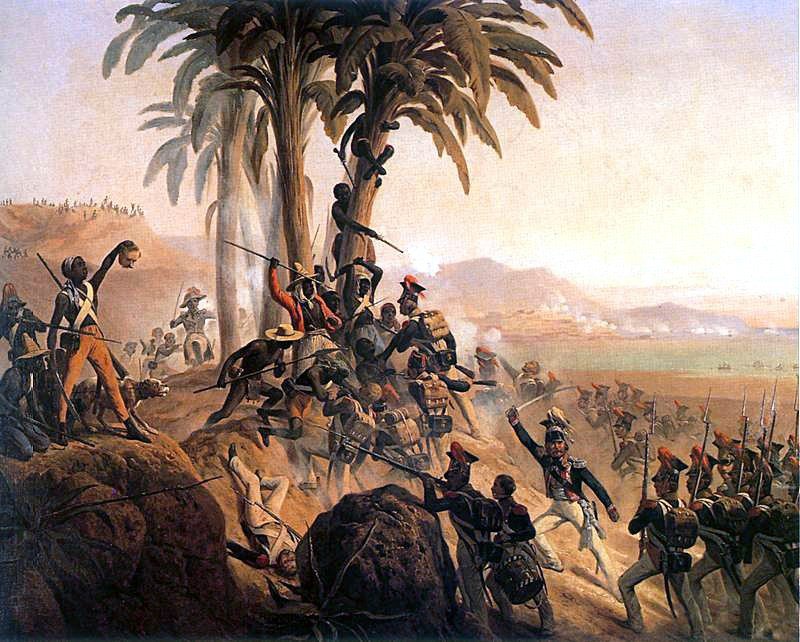
First black nation to free itself from slavery and gain independence from France in 1804 and influenced other liberation movements around the world, inspiring struggles for freedom and equality.

Natural beauty

Natural beauty

Haïti is blessed with spectacular natural landscapes, including white sand beaches, mountains and rich biodiversity.

Heritage

Heritage

Haïti has a rich historical heritage, including sites like the Citadelle Laferrière and the Sans-Souci Palace, listed as UNESCO World Heritage Sites.

Culture

Culture

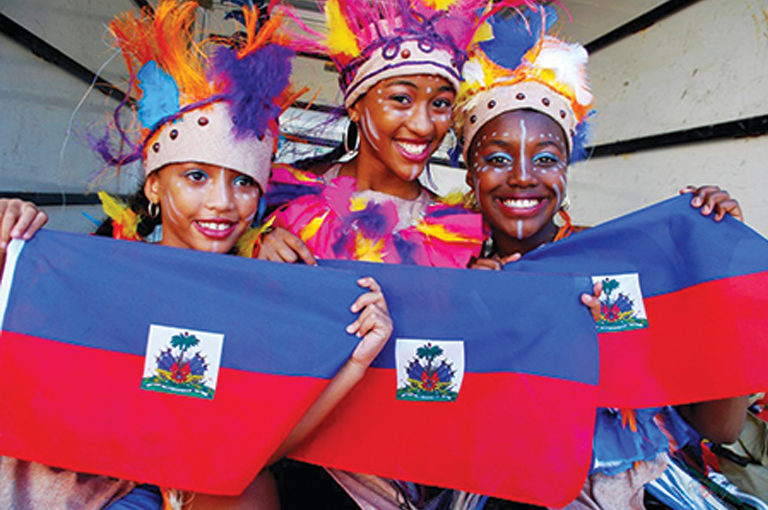
Haïti has a rich and diverse culture, influenced by African, European and indigenous elements. Haitian music, dance, art and cuisine are celebrated around the world.

  • +
    • Post