contact@haitiwonderland.com+509 36184317

Discover

Shopping Cart

What is Summer Like in Haiti? A Hot and Lively Season to Discover

What is Summer Like in Haiti? A Hot and Lively Season to Discover

Summer in Haiti, which generally runs from June to September, is a time marked by sunny days, high temperatures, and a lively atmosphere. If you’re wondering what this season is like in one of the jewels of the Caribbean, here’s what you need to know about summer in Haiti.

Haïti
Haïti
Haïti

A Tropical and Warm Climate

Haïti enjoys a tropical climate, which means temperatures remain quite high throughout the year. In summer, temperatures can reach 32°C to 35°C during the day, with nights that remain warm, often around 25°C. Here’s what to expect during the summer season:

- Average temperature: Summer in Haïti is synonymous with intense heat, especially in coastal areas. On average, temperatures range between 30°C and 35°C. In mountainous regions, temperatures can be slightly cooler, but they are still pleasant compared to the extreme temperatures of other parts of the world.
- Humidity: Humidity can be high in summer, especially in areas near the sea. However, this heat is often mitigated by sea breezes, especially on beaches.
- Rainfall and Thunderstorms: Although summer is the rainy season in Haiti, showers are generally short and intense, often occurring late in the day or in the evening. Thunderstorms are common, but they provide temporary relief from the heat.

Haïti
Haïti
Haïti

The Benefits of Summer in Haiti

Although summer in Haïti can be very hot, it is also a season that offers many benefits for both visitors and locals. Here are a few reasons why summer is a great time to explore Haiti:

Haïti
Haïti
Haïti

1. Beautiful Beaches and Water Activities

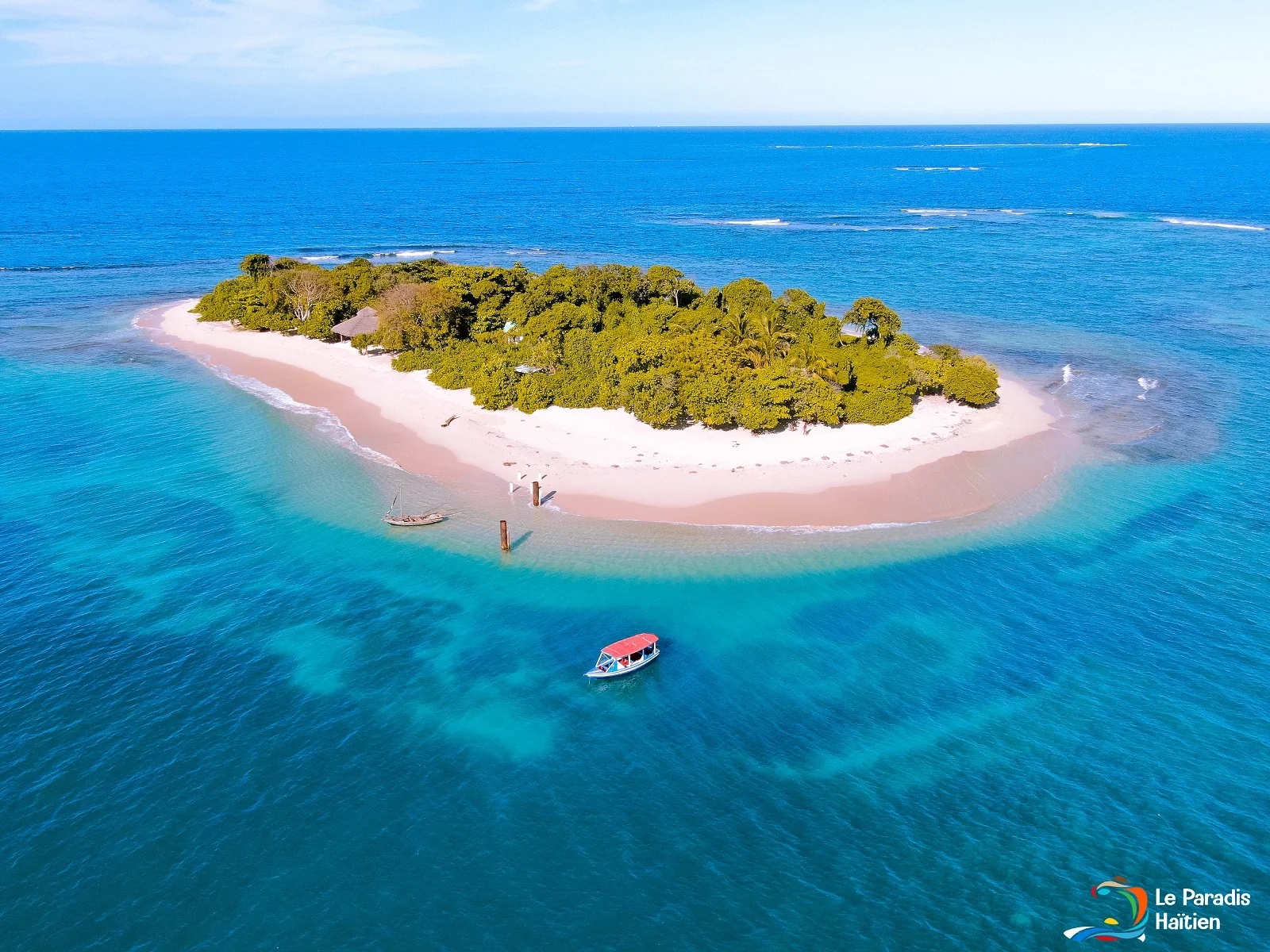
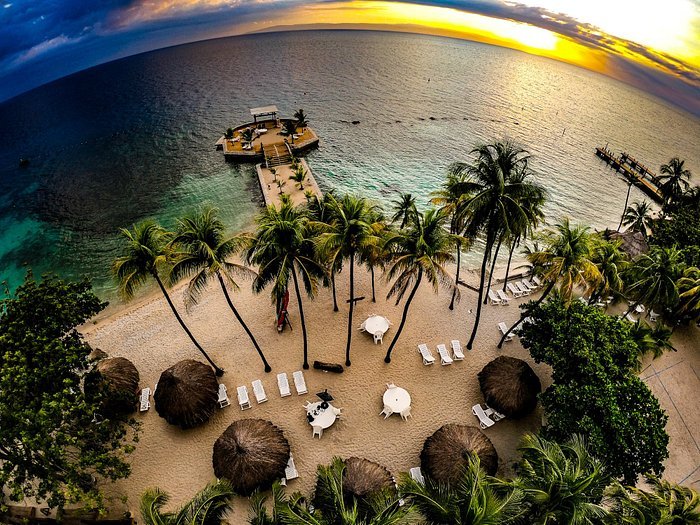
Summer is the perfect time to enjoy Haiti’s beaches. The high temperatures and warm water make this time of year perfect for relaxing on the sand, swimming in the turquoise waters, or practicing water sports. Some of the must-see beaches to visit in summer include:

- Labadee: A seaside resort renowned for its heavenly beaches and crystal-clear waters.
- Jacmel: A perfect destination for those looking for less crowded and quieter beaches.
- Côte des Arcadins: Ideal for swimming, water sports, and relaxing with the family.

Summer is also perfect for activities like kitesurfing, scuba diving, kayaking, and other water sports.

Haïti
Haïti
Haïti

2. An Exceptional Summer Carnival

In Haiti, although the main Carnival takes place in February, there are festivities throughout the year, particularly during the summer in some regions. Local festivals, compas concerts, traditional dances, and community celebrations enliven the atmosphere, offering visitors an immersion in the country’s vibrant and festive culture.

Haïti
Haïti
Haïti

3. Explore Nature and the Mountains

Summer is also ideal for adventures in Haiti’s mountains. Areas like Massif de la Selle and Pic la Selle offer breathtaking views, and the summer heat is often offset by cooler temperatures at higher altitudes. Here, you can hike, explore waterfalls like Saut d’Eau, and enjoy the rich local flora and fauna.

Haïti
Haïti
Haïti

Summer Precautions

Despite the undeniable attractions of summer in Haiti, it is important to take certain precautions to fully enjoy this season:

- Protect yourself from the sun: With the heat and intense UV rays, it is essential to wear light but covering clothing, use high-SPF sunscreen, and wear a hat to protect yourself from sunburn.
- Hydrate yourself: Summer in Haïti can be quite hot, so it is crucial to drink plenty of water to avoid dehydration.
- Prepare for showers: Although summer showers are generally short, it is recommended to always have an umbrella or raincoat handy, especially if you plan to do outdoor activities later in the day.

Haïti
Haïti
Haïti

What to Do in Haïti in Summer?

Here are some activities not to be missed if you visit Haïti in the summer:

- Relax on the beaches: Enjoy the warm waters of the Caribbean Sea for swimming, diving, or water sports.
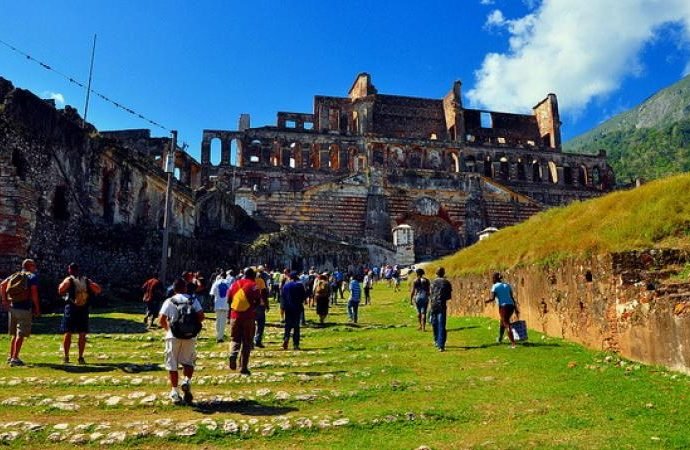
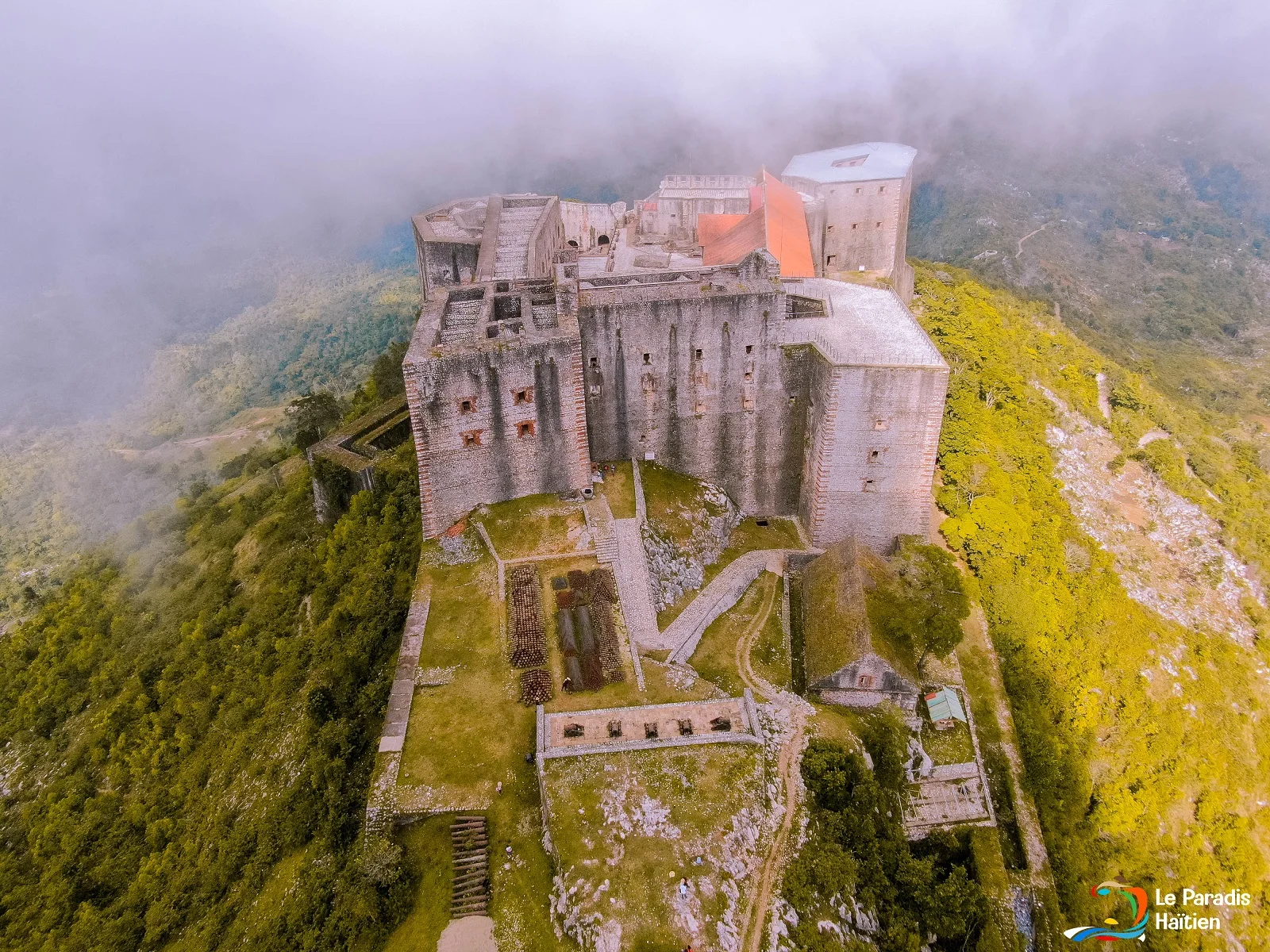
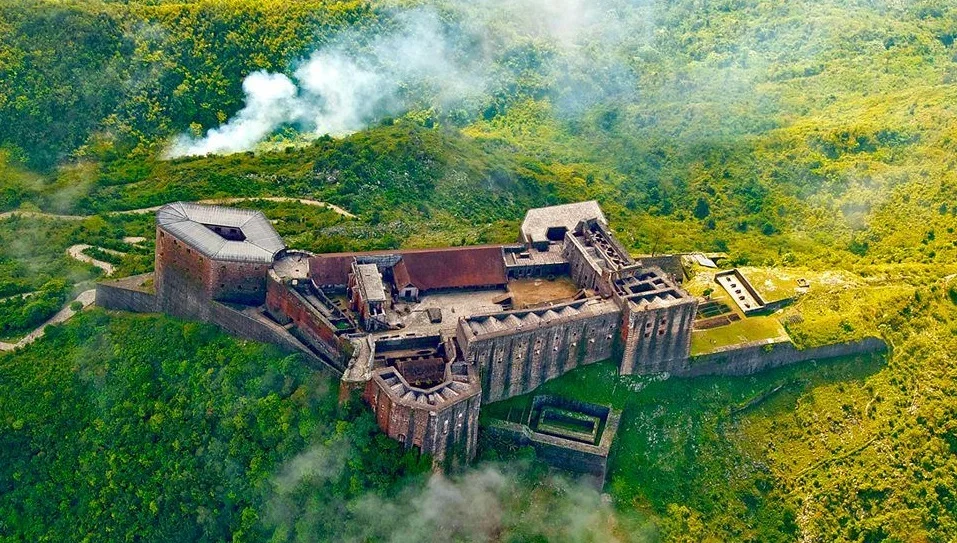
- Cultural tourism: Explore historical sites such as the Citadelle Laferrière, a UNESCO World Heritage Site, or the Independence Memorial in Cap-Haïtien.
- Participate in local festivals: In the summer, there are often regional festivals, traditional music concerts, and cultural celebrations that allow you to experience Haitian culture in all its forms.
- Hiking and nature exploration: Take advantage of the summer to discover the island’s magnificent natural landscapes, including hiking in the mountains or visiting the botanical gardens.

Haïti
Haïti
Haïti

Summer in Haiti, A Blend of Heat and Culture

Summer in Haïti is a season where heat, sea, and culture collide. With warm temperatures, beautiful beaches, outdoor activities, and vibrant festivities, it’s an ideal time to explore this country rich in history and natural beauty. If you’re ready to brave a warm climate and live unforgettable experiences, summer in Haïti will offer you memorable moments and a warm welcome.

Share
About the Author
Appolon Guy Alain
Appolon Guy Alain
Appolon Guy Alain

Full Stack Developer, Créatif, expérimenté, passionné des nouvelles technologies et de l’art.

See other articles from Appolon Guy Alain
Leave a comment

Recently Posted

Newsletter

Subscribe to our newsletter to stay informed of all our activities and news on Haiti.

Haïti / Fort Saint-Joseph: Historical Vestige of the Resistance

Located in the Bay of Cap-Haitien, Fort Saint-Joseph stands like a silent guardian of Haiti’s tumultuous history. Built in two stages, in 1748 and 1774, this defensive work was once a crucial element of the city’s protection system against French colonial assaults. Alongside other forts such as Picolet and Magny, its mission was to control maritime passages and defend Haitian sovereignty. However, its history is not limited to its defensive function. In 1802, then under the control of General Henry Christophe, the fort became the scene of a heroic act of resistance. Faced with the French expeditionary army, Christophe ordered the destruction of the powder magazine and the entrance gate to the fort, thus rendering it temporarily unusable. This courageous gesture, although tactical, left indelible scars on the very structure of the fort, testifying to the fierce clashes between French colonial forces and Haitian resistance fighters. These historic marks, still visible today, offer a window into the country’s tumultuous past. They allow visitors and historians to interpret the fierce struggles that forged Haitian identity. Fort Saint-Joseph, as a witness to the resistance and the struggle for freedom, embodies the indomitable spirit of the Haitian people. Recognizing its historical significance, the Haitian government officially classified Fort Saint-Joseph as national heritage in 1995. This recognition paved the way for restoration efforts aimed at preserving this precious vestige of Haitian military heritage. Thanks to collaboration between the public sector and local private funding, the fort has recently been restored and enhanced. Thus, Fort Saint-Joseph remains much more than a simple stone structure. It is a living symbol of the resilience and determination of the Haitian people, reminding all visitors that Haiti’s history is deeply rooted in the struggle for freedom and human dignity. To virtually discover this jewel of Haitian history, you can visit the following link: https://haitiwonderland.com/haiti-virtual-reality-ht/monuments-histoire/haiti--fort-saint-joseph--visite- virtual/11

Haiti: The History of the World’s First Free Black Nation

Haiti, the pearl of the Antilles, is a Caribbean island with a rich and complex history. However, its special status as the world’s first free black nation gives it a unique place in the annals of history. This small island was the scene of an extraordinary revolution which resulted in independence, thus marking the beginning of a new era for the black community and the abolition of slavery. Let’s delve into the captivating story of the birth of the first black republic, Haiti. b~The colonial era and slavery~b Haiti’s history dates back to the arrival of Europeans in the 15th century, when Christopher Columbus discovered the island. European settlers, mainly Spanish and French, introduced slavery to exploit the island’s resources, including sugar, coffee and cotton. The indigenous Native American population was decimated, paving the way for the massive importation of African slaves. b~The Haitian Revolution~b On August 14, 1791, Haitian slaves rose up against their oppressors, sparking the Haitian Revolution. Under the leadership of iconic figures such as Toussaint Louverture, Jean-Jacques Dessalines and Henri Christophe, the insurgent slaves inflicted defeats on European armies, demonstrating fierce resistance and a desperate quest for freedom. b~The Declaration of Independence and the creation of the Republic of Haiti~b On January 1, 1804, Haïti proclaimed its independence, becoming the world’s first free black nation. This historic declaration symbolized the end of slavery and the triumph of the will of a people determined to live free. The Republic of Haïti was born in struggle and blood, asserting its autonomy in the face of the colonial powers. b~Post-independence challenges~b However, independence did not mean the end of challenges for Haiti. The country had to face external pressure, reparations imposed by France in exchange for recognition of its independence, as well as internal unrest. Despite these obstacles, Haïti strove to build a free and sovereign nation. The story of Haïti is that of a nation that overcame countless challenges to emerge as a pioneer of freedom for the black population. The Haitian Revolution remains a unique example of resistance, courage and determination, and Haïti continues to carry the torch of independence in the contemporary world. The legacy of this small Caribbean island still resonates today, reminding the world that freedom is a universal right that can be won even in the most difficult circumstances.

Recently Posted

History

History

First black nation to free itself from slavery and gain independence from France in 1804 and influenced other liberation movements around the world, inspiring struggles for freedom and equality.

Natural beauty

Natural beauty

Haïti is blessed with spectacular natural landscapes, including white sand beaches, mountains and rich biodiversity.

Heritage

Heritage

Haïti has a rich historical heritage, including sites like the Citadelle Laferrière and the Sans-Souci Palace, listed as UNESCO World Heritage Sites.

Culture

Culture

Haïti has a rich and diverse culture, influenced by African, European and indigenous elements. Haitian music, dance, art and cuisine are celebrated around the world.

  • +
    • Post