contact@haitiwonderland.com+509 36184317

Discover

Shopping Cart

Why Haïti is a great place to live

Why Haïti is a great place to live

Haiti, located in the heart of the Caribbean, is a dream destination that deserves your full attention. With its tropical climate, sunny beaches and breathtaking landscapes, the country offers an idyllic living environment for those seeking warmth, authenticity and tranquility. Here are some reasons why Haïti is a great place to live, and why this hidden gem should definitely be on your travel bucket list.

Haïti
Haïti
Haïti

A pleasant tropical climate all year round

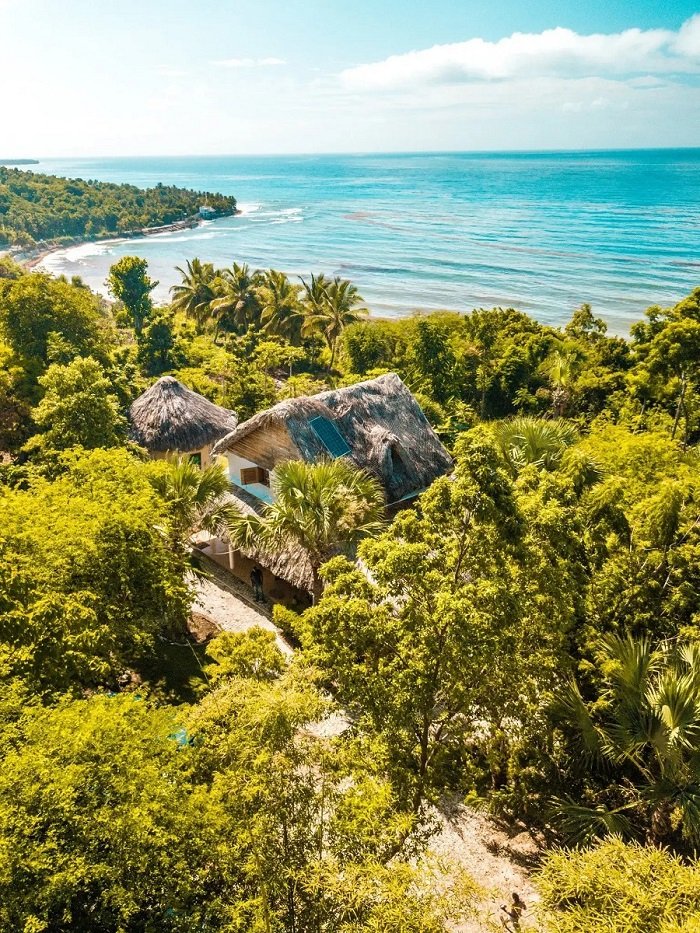
Haïti enjoys a tropical climate that offers pleasant weather all year round. With an average annual temperature of around 27°C, it is neither too hot nor too cold. The sea breeze that regularly blows on the coasts contributes to making the atmosphere even more pleasant, especially in coastal cities such as Jacmel, Port-Salut or Cap-Haïtien.

In Haiti, the seasons are mild and the climate is marked by two main periods: a dry season and a wet season. However, even in wet periods, the rains are generally short and often follow sunny days, allowing you to fully enjoy outdoor activities. This stable and warm climate makes it a dream destination for sun lovers.

Haïti
Haïti
Haïti

Paradise beaches accessible all year round

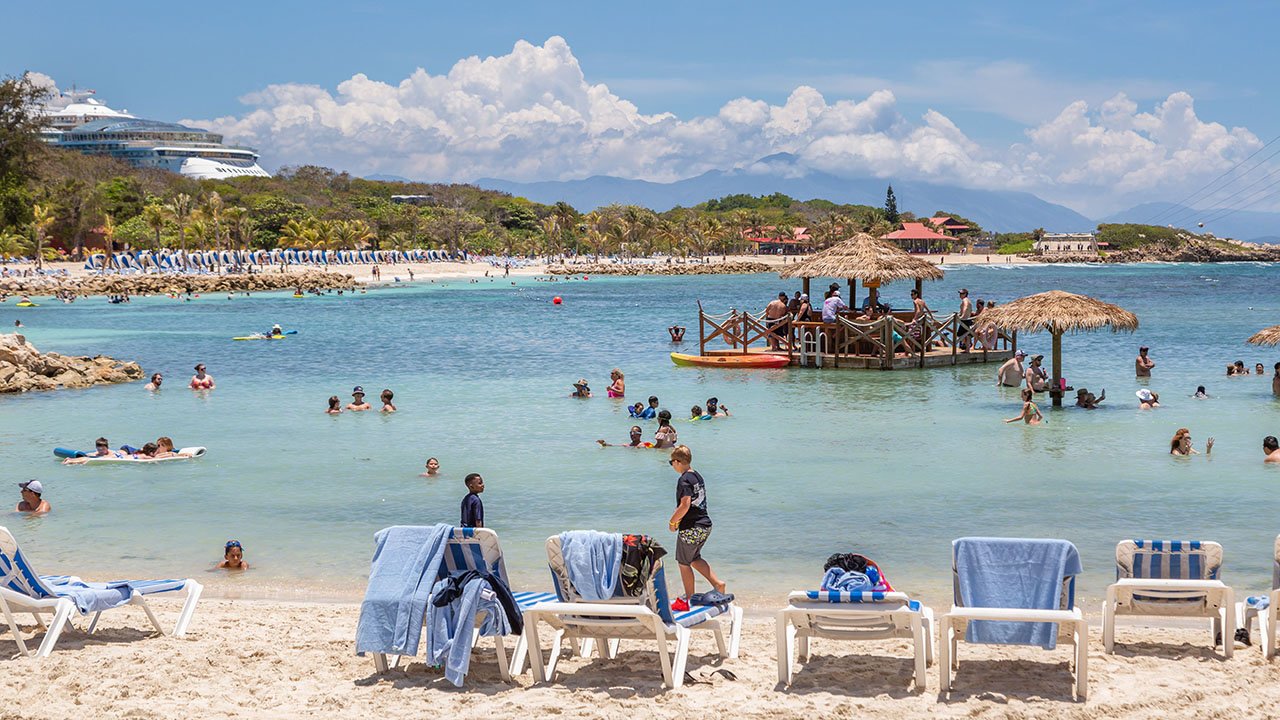
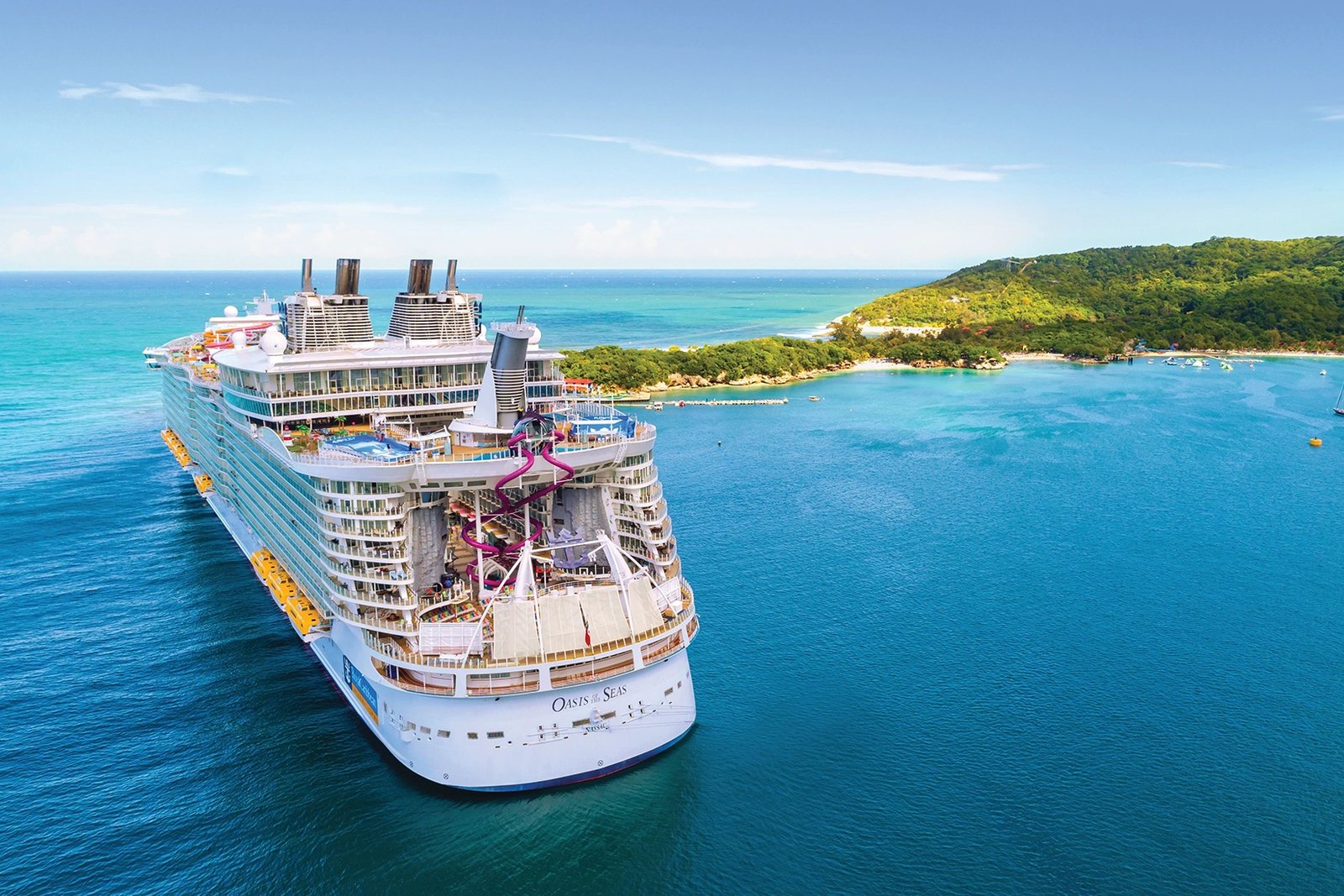
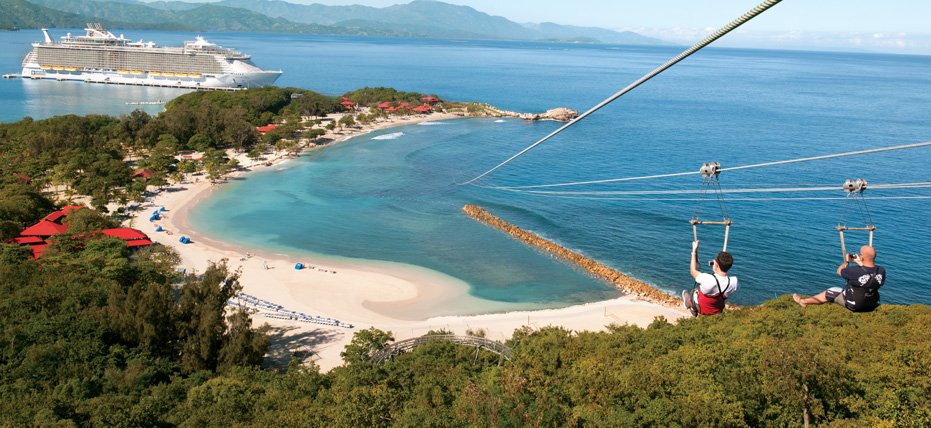
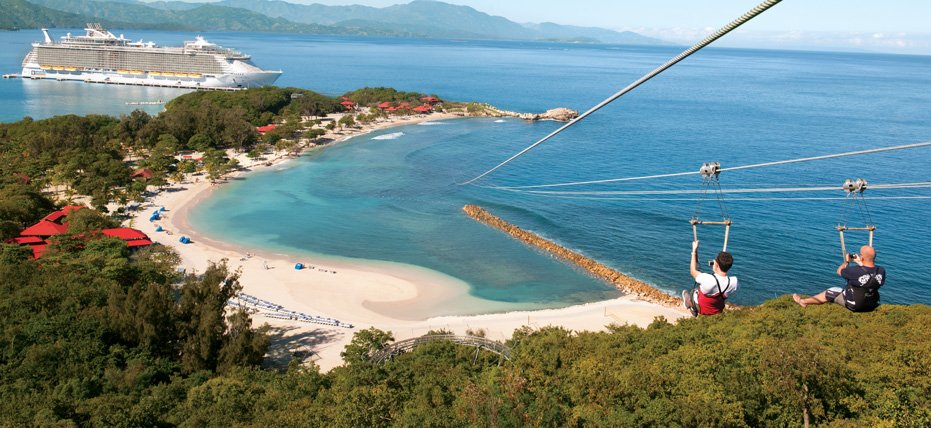
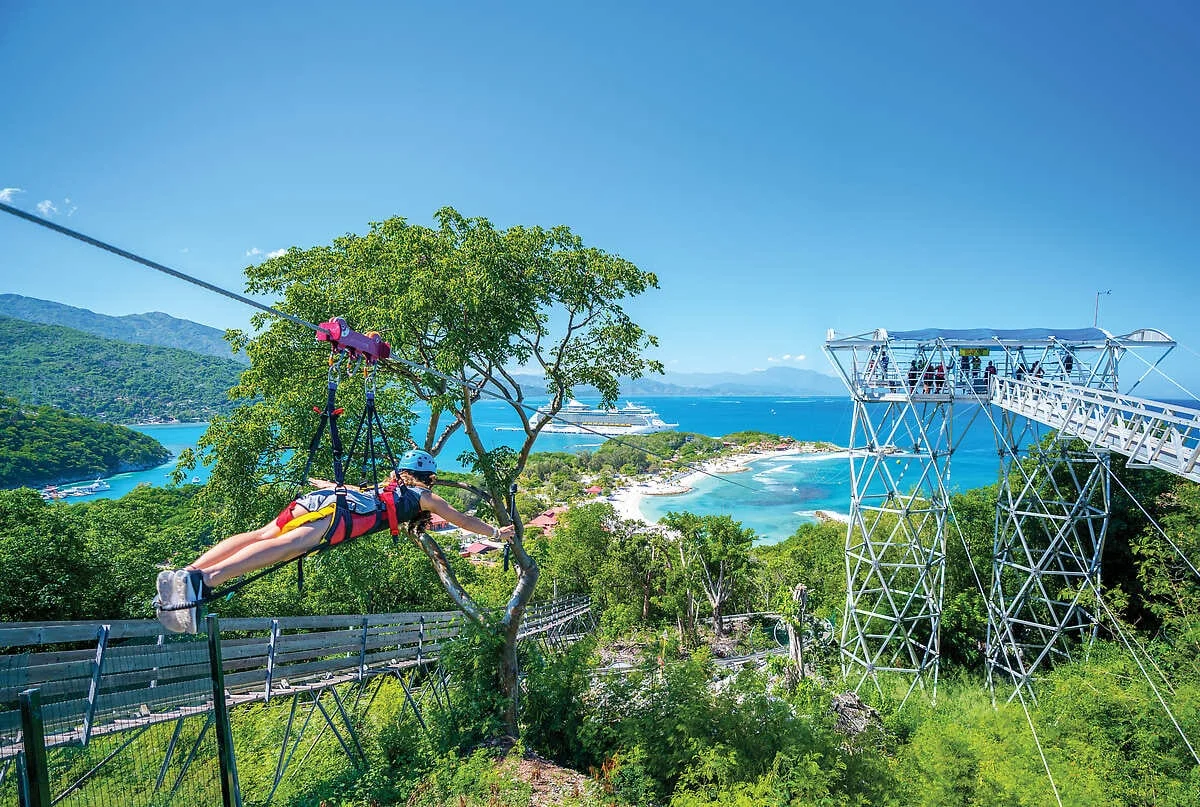
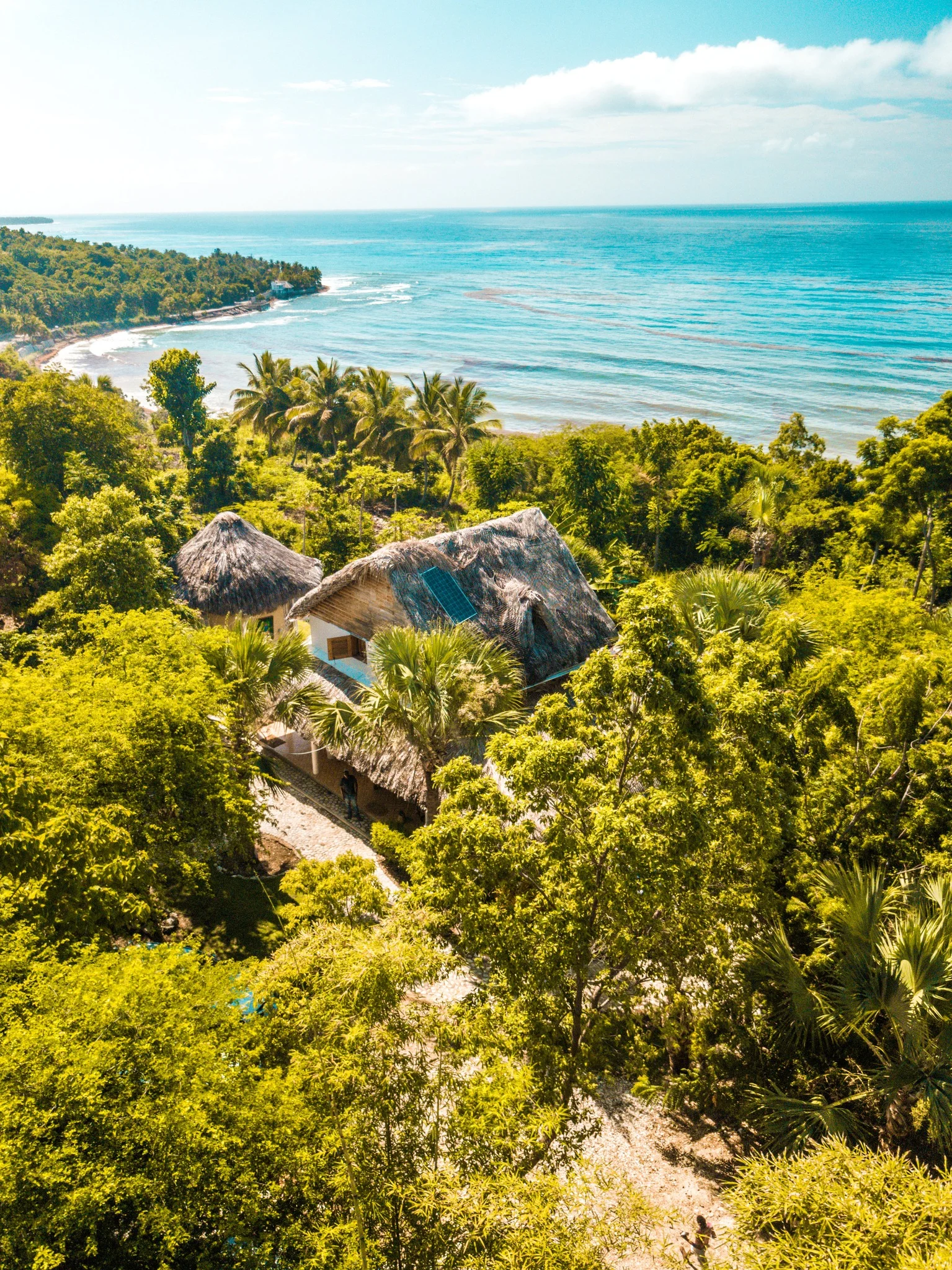
If you are a fan of fine sand beaches and turquoise waters, Haïti is the ideal place for you. Unlike other tourist destinations where beaches are only accessible at certain times, Haitian beaches are welcoming all year round. Gems like Labadee, a beautifully preserved private beach, or Île-à-Rat, renowned for its laid-back atmosphere, offer you moments of relaxation by the sea, far from the crowds.

For lovers of scuba diving, snorkeling or water sports, Haïti is also home to magnificent coral reefs and secret coves where nature is still wild and preserved. Enjoy a swim in warm, crystal-clear water, whatever the season!

Haïti
Haïti
Haïti

Untouched nature and exceptional biodiversity

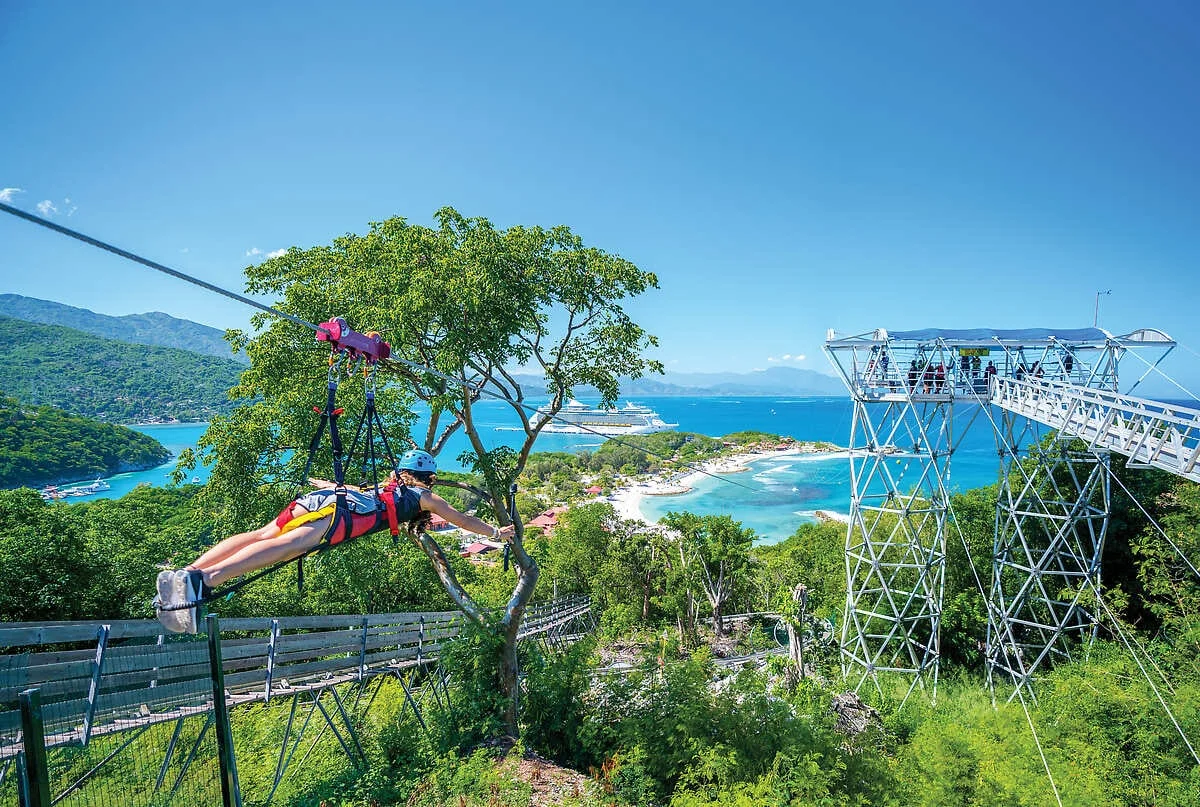
Beyond its beaches, Haïti is full of natural treasures that will delight nature lovers. With its green mountains, refreshing waterfalls and national parks, the island is a true paradise for hikers and adventurers.

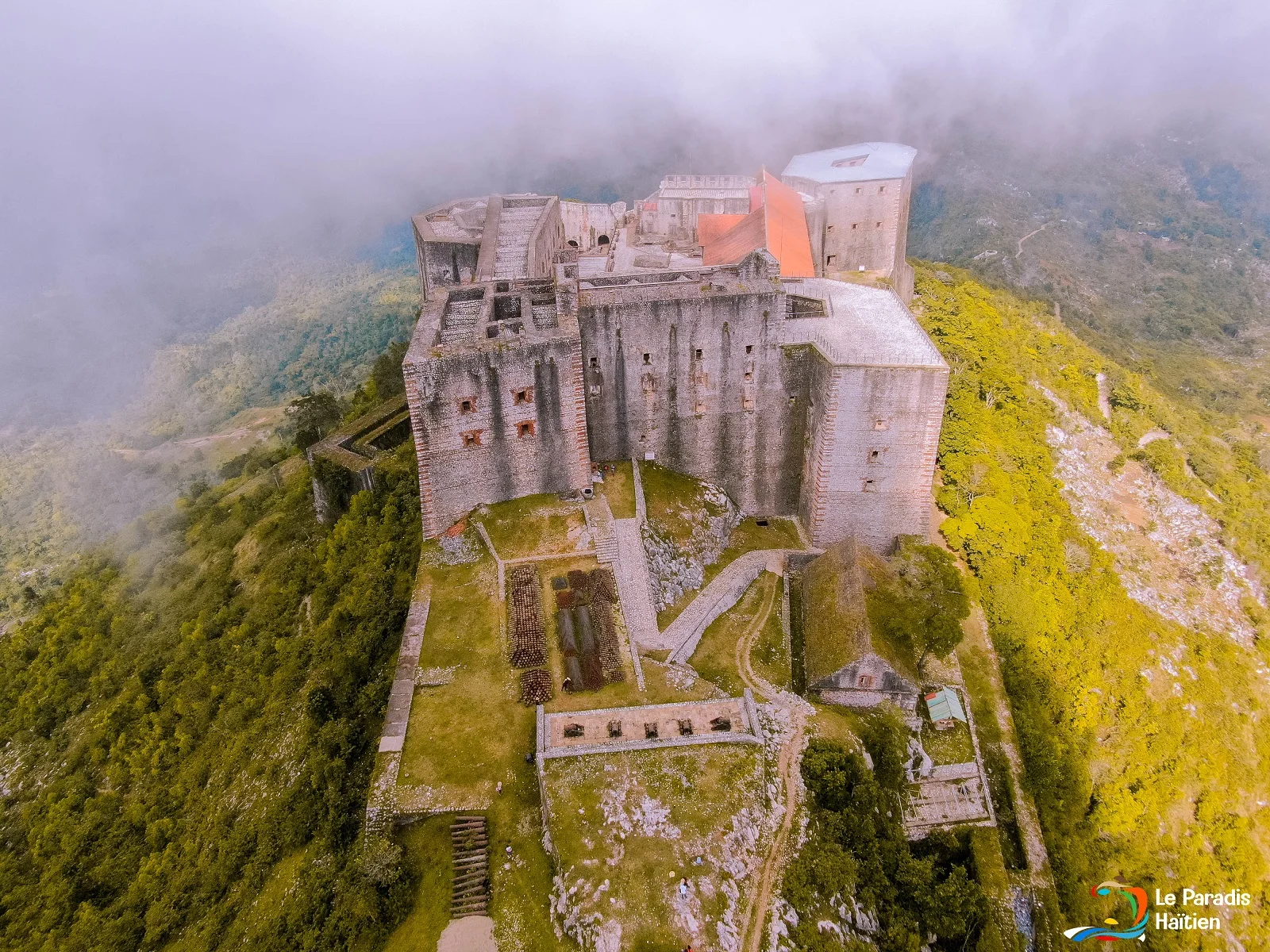
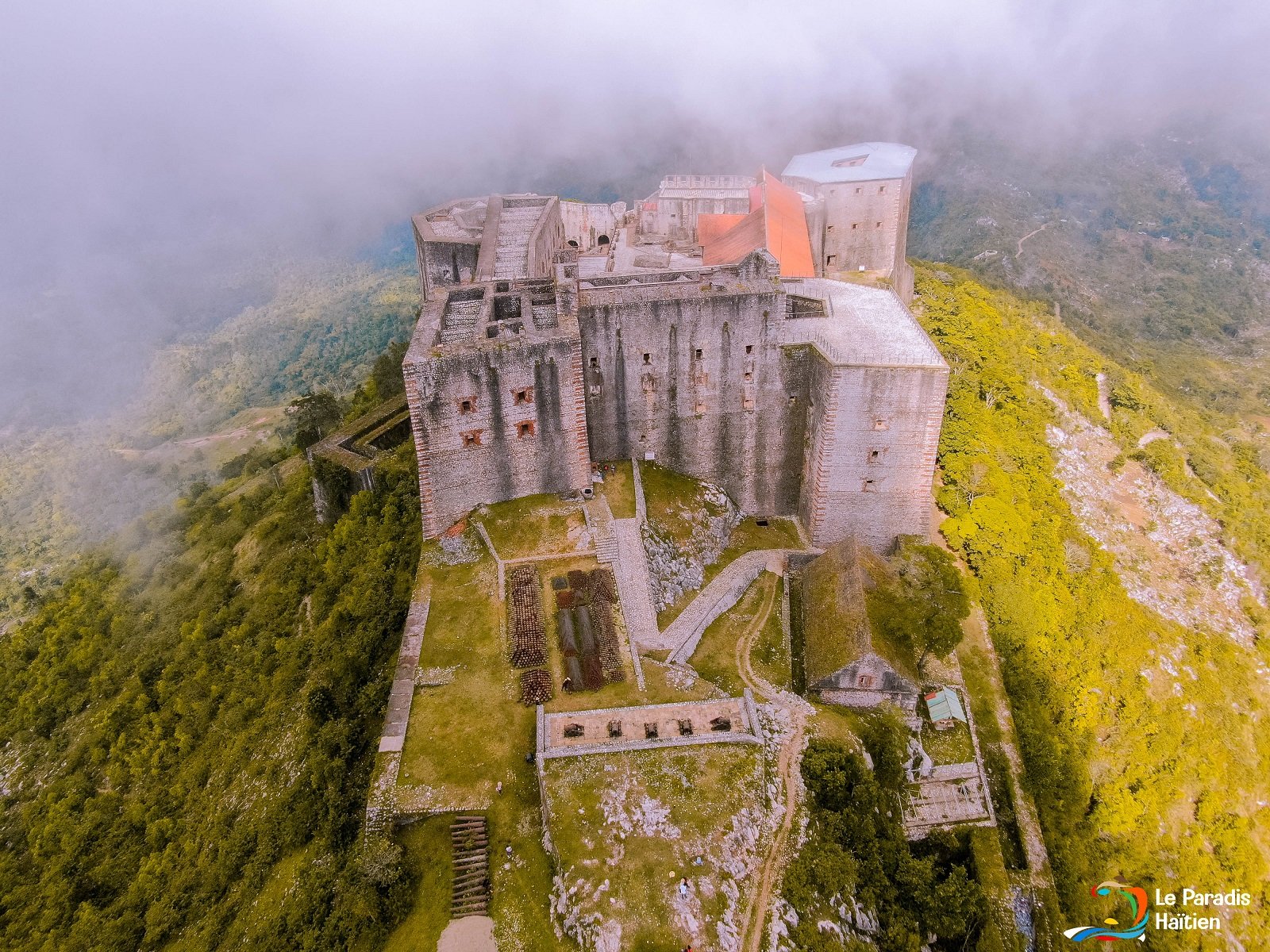
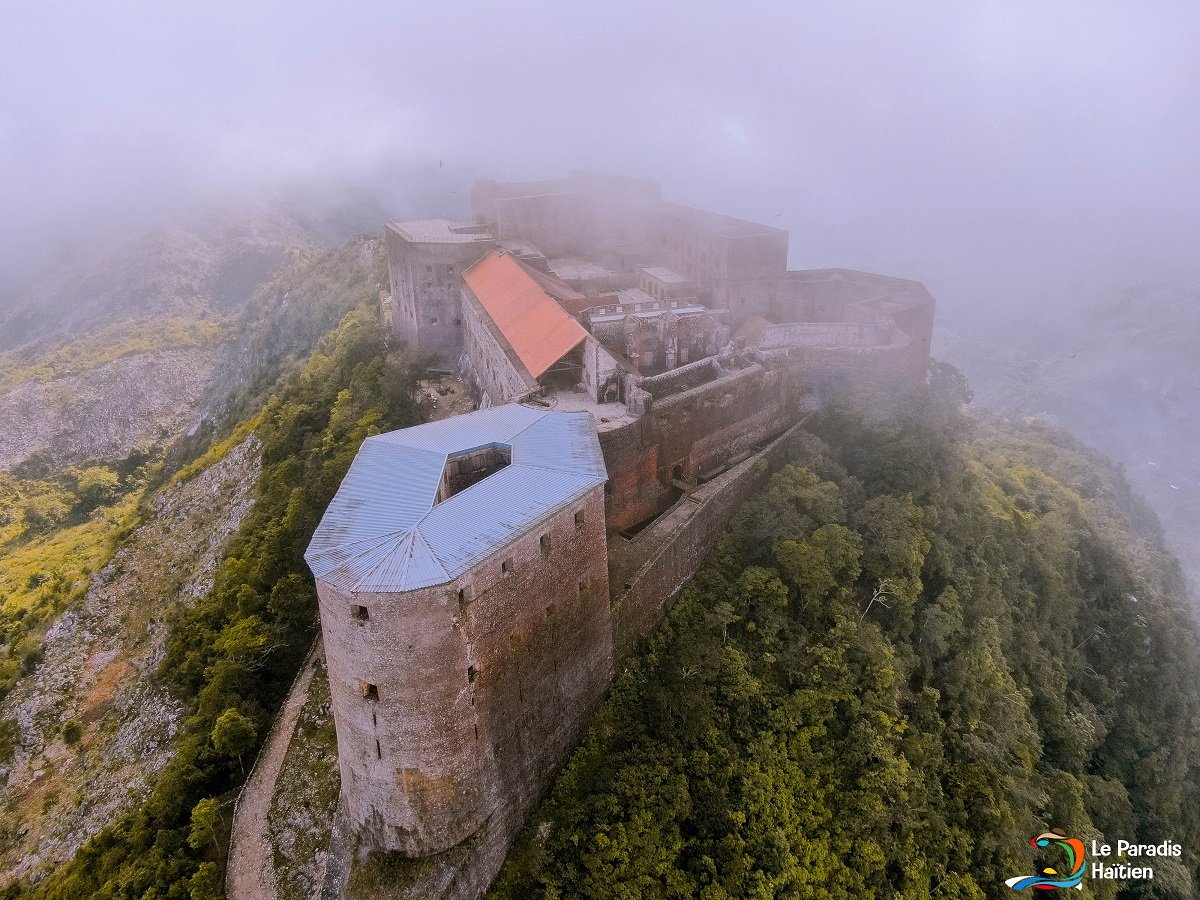
The Citadel National Park, a UNESCO World Heritage Site, is one of Haiti’s most iconic sites. It is home to the Citadelle Laferrière, a majestic fortress offering breathtaking panoramic views of the region. For those seeking a more immersive experience, the Kenscoff region, just an hour’s drive from Port-au-Prince, offers hikes through lush forested mountains that are a great escape from the heat of the plains.

Haïti
Haïti
Haïti

Relative climate safety: less affected by storms

Unlike many Caribbean countries, Haïti is relatively unaffected by the devastating cyclones and tropical storms that regularly hit the region. Thanks to its geographical position, the island is often outside the main hurricane paths, allowing the population and visitors to enjoy a more reassuring climate stability.

Although some areas may be affected by storms from time to time, the frequency and severity of extreme weather events remain less significant than in other neighboring islands. This makes Haïti a safer destination for travelers looking to avoid climate risks during their vacation.

Haïti
Haïti
Haïti

Vibrant Culture and Warm Hospitality

Haïti is not only a sunny destination, it is also a land rich in culture and history. The country is distinguished by its exceptional historical heritage, influenced by the colonial period, the Haitian Revolution, and its role as the first independent black republic in the world. From Port-au-Prince to Cap-Haïtien, passing through Jacmel, each city has a unique identity and offers varied cultural experiences, from museums to local festivals.

Haitians, known for their hospitality, welcome visitors with genuine warmth. The Haitian "savoir-vivre", rich in traditions, is reflected in the colorful markets, the spicy and delicious local cuisine, as well as in the lively music of the compas and the rara. Traveling in Haïti is immersing yourself in an authentic universe where smiles are everywhere and where history invites itself on every street corner.

Haïti
Haïti
Haïti

A Privileged and Authentic Living Environment at the Gateway to the Caribbean

Living in Haïti or staying there is choosing a privileged living environment, where sun, beaches, nature and culture coexist harmoniously. This country, rich in history and natural beauty, offers everything a lover of the tropics could desire. Far from the tumult and mass tourism, Haïti invites you to discover a more serene and preserved side of the Caribbean.

If you are looking for a destination where the climate is mild all year round, where nature dazzles you at every moment, and where the locals welcome you with generosity, then Haïti is for you.

Share
About the Author
Appolon Guy Alain
Appolon Guy Alain
Appolon Guy Alain

Full Stack Developer, Créatif, expérimenté, passionné des nouvelles technologies et de l’art.

See other articles from Appolon Guy Alain
john h mcenroe

No tourists on the beach. A real cultural immersion

November 22, 2024 - 08:49:24 AM
Leave a comment

Recently Posted

Conference / Festival Quatre Chemins / 21st edition

The impact of collective and individual trauma on the personal development of young people in Port-au-Prince While writers, actors, dancers, poets, among others, have gratified us with their performances, the master’s degree student in psychology at the Faculty of Human Sciences (FASCH), Lourdya Blaise, spoke with the audience about trauma. Structured around the theme "Youth and Trauma, analysis of the impact of collective and individual trauma on the personal development of young people living in Port-au-Prince between 2010-2024", this conference gave rise to enriching discussions. During this meeting, moderated by Michaël Formilus, Ms. Blaise showed how the events that have taken place in the country have caused cases of trauma among Haitians. According to the student, citing the American Psychological Association, we speak of trauma as a consequence of trauma. The latter is explained by the fact that we feel threatened, whether it is the person in question or their loved ones. However, she specifies that a collective trauma remains depending on the impact that the event has on the individual. To illustrate her remarks, she mentioned the earthquake of January 12, 2010, considered a collective trauma, insofar as it still occupies our minds. This tragedy reminds us of the disappearance of our loved ones and enormous losses. This is the case of a trauma that becomes a collective trauma. For the student, it should be emphasized that when an event occurs, some people are traumatized and others are not. According to him, the violence of armed gangs is not perceived in the same way, says Ms. Blaise. There are people who have fled their homes but are not traumatized. In fact, some people see traumatic situations as a passing event, she says. The speaker also spoke about collective trauma, which, according to him, preoccupies the mind, even if we no longer experience it. It manifests itself in several forms: lack of sleep, fear psychosis, intrusive thoughts, intense heartbeat, etc. Generally, symptoms related to trauma are hard to die. When it persists, it becomes acute stress. To deal with it, we must talk to other people. If the situation persists, acute stress turns into a phase of post-traumatic stress; in this case, we must confide in a trusted person or go see a mental health specialist, she advises. In her presentation, Lourdya Bazile also drew attention to the psychological state of children in these times. According to the presenter, children are also facing this crisis situation, even if they do not talk about it to their parents. As much as adults, children also plan their future. Faced with flouted school years, they become pensive and worried, she stressed. They withdraw. The child who used to be brilliant can become violent and perform less well at school. Parents are called upon to listen to them and understand them. A good moment of exchange, rich in practical advice. The audience participated fully. In turn, the presenter invites them to breathe better and meditate. "We live in a country where worries mix, we must take time for ourselves, do sports, eat well, make sure that the sleeping space is clean and take time for ourselves. There is more than one way to find calm," recalls the psychologist. Gertrude Jean-Louis

Newsletter

Subscribe to our newsletter to stay informed of all our activities and news on Haiti.

Haiti: Ministry of Tourism

In its quest to revitalize its tourism industry and highlight its natural and cultural riches, Haïti relies on a key player: the Ministry of Tourism. As a government entity dedicated to the promotion and development of tourism, this ministry plays a crucial role in transforming Haïti into a leading tourist destination. One of the main objectives of the Ministry of Tourism is to strengthen the attractiveness of Haïti to international travelers. To do this, it develops innovative marketing campaigns, highlighting the country’s pristine beaches, fascinating historical sites, rich culture and exquisite cuisine. These efforts aim to change the perception of Haïti and generate interest among potential tourists around the world. In collaboration with private sector players, the ministry is committed to supporting and promoting local tourism businesses. By encouraging entrepreneurship and innovation in the tourism sector, the ministry helps create jobs and stimulate the local economy. The Ministry of Tourism also attaches great importance to the preservation of the environment and cultural heritage of Haiti. It implements policies and initiatives aimed at protecting the country’s natural sites, national parks and historic monuments. By encouraging sustainable and responsible tourism, the ministry ensures that future generations will also be able to enjoy the beauty and cultural richness of Haiti. Finally, the Ministry of Tourism works closely with other national and international organizations to promote Haiti’s tourism development. Through strategic partnerships and exchanges of best practices, Haïti benefits from the expertise and support necessary to strengthen its tourism sector and increase its competitiveness in the global market. Haiti’s Ministry of Tourism is a key player in transforming the country into an attractive and sustainable tourist destination. Through its continued efforts to promote tourism, support local businesses, and preserve Haiti’s natural and cultural heritage, the ministry is paving the way for a bright future for the country’s tourism industry.

Petit-Goave, Haiti: Decryption of the 3rd rara weekend!

It is more and more obvious that in Petit-Goave the media space is absorbed by the rivalry between Ratyèfè, triple champions and lambi gran lambi dlo, a former champion. The past weekend was once again irrefutable proof of the media tension over these two rival bands. With a carnival-like appearance, the fan club of the first dressed in a white shirt, short orange-yellow skirt, purple tie, black boot; the other dressed in a traditional hat, yellow jersey, red pants, red or yellow tennis shoes. This marriage of colors with the taste of carnival is the expression of cultural diversity as La Fontaine said in his book tales and short stories "diversity is my motto." This formula can adapt well to the rara. If it is true in Léogane this marriage of color has existed for ages. It is no less true that this was the case in Petit-Goave because we had to wait for the strong return of Ratyèfè in 2018 to see the rara fan clubs dress differently each new weekend. Last Saturday more than one expected a new face to face between Lambi gran dlo and Ratyèfè because the latter weighed anchor in the direction of the 2nd plain and the latter, in the direction of the city center. Less than in any other circumstance, this duel at the top was obvious. If for some comments it was a favorable opportunity for Lambi to take his revenge on his rival compared to the previous weekend because he had done the profile although he had the advantage because he was two against one. (Lambi,chenn tamarin vs Ratyèfè). This enormous advantage did not work in their favor because the hours that had passed worked against them, as proof they had gone to sleep while ratyèfè remained to play for at least 30 more rounds. Surprisingly but not surprisingly during the meeting long awaited by less than one, at the Acul not far from the Saint Jean-Baptiste church, lambi had decided not to play anymore. However, according to the customs and costumes of the rara when there are two bands, the one who stops playing first, shows weakness and surrender. Consequently, the other who is opposite out of decency and good morals has no other choice to do the same. It follows that for the umpteenth time the great power formation (lambi grand dlo) was unable to take revenge on its rival. For many cultural journalists who were present to witness this event did not have their tongue in their pocket to give their impression of Ratyèfè’s monster performance. This is the case for Brignol, a cultural commentary which wondered if Ratyèfè had the devil in his body so that the most incredulous were in their feeling of joy. On Sunday evening this monster of animation once again made its mark in the art of its know-how. This is what explains the almost unanimity among the cultural journalists of Petit-Goâve in granting first place to this band for its performance and its musical discipline. So, for this weekend according to the circle of cultural journalists of Petit-Goave and with the approval of many other cultural comments. We have the following classification: 1st Ratyèfè 2nd Grap Kenèp 3rd Orgueil de la jeunesse

Recently Posted

History

History

First black nation to free itself from slavery and gain independence from France in 1804 and influenced other liberation movements around the world, inspiring struggles for freedom and equality.

Natural beauty

Natural beauty

Haïti is blessed with spectacular natural landscapes, including white sand beaches, mountains and rich biodiversity.

Heritage

Heritage

Haïti has a rich historical heritage, including sites like the Citadelle Laferrière and the Sans-Souci Palace, listed as UNESCO World Heritage Sites.

Culture

Culture

Haïti has a rich and diverse culture, influenced by African, European and indigenous elements. Haitian music, dance, art and cuisine are celebrated around the world.

  • +
    • Post