contact@haitiwonderland.com+509 36184317

Discover

Shopping Cart

Emmanuel Joseph, a Haitian Thinker at the Crossroads of Ethics and Law

Emmanuel Joseph, a Haitian Thinker at the Crossroads of Ethics and Law

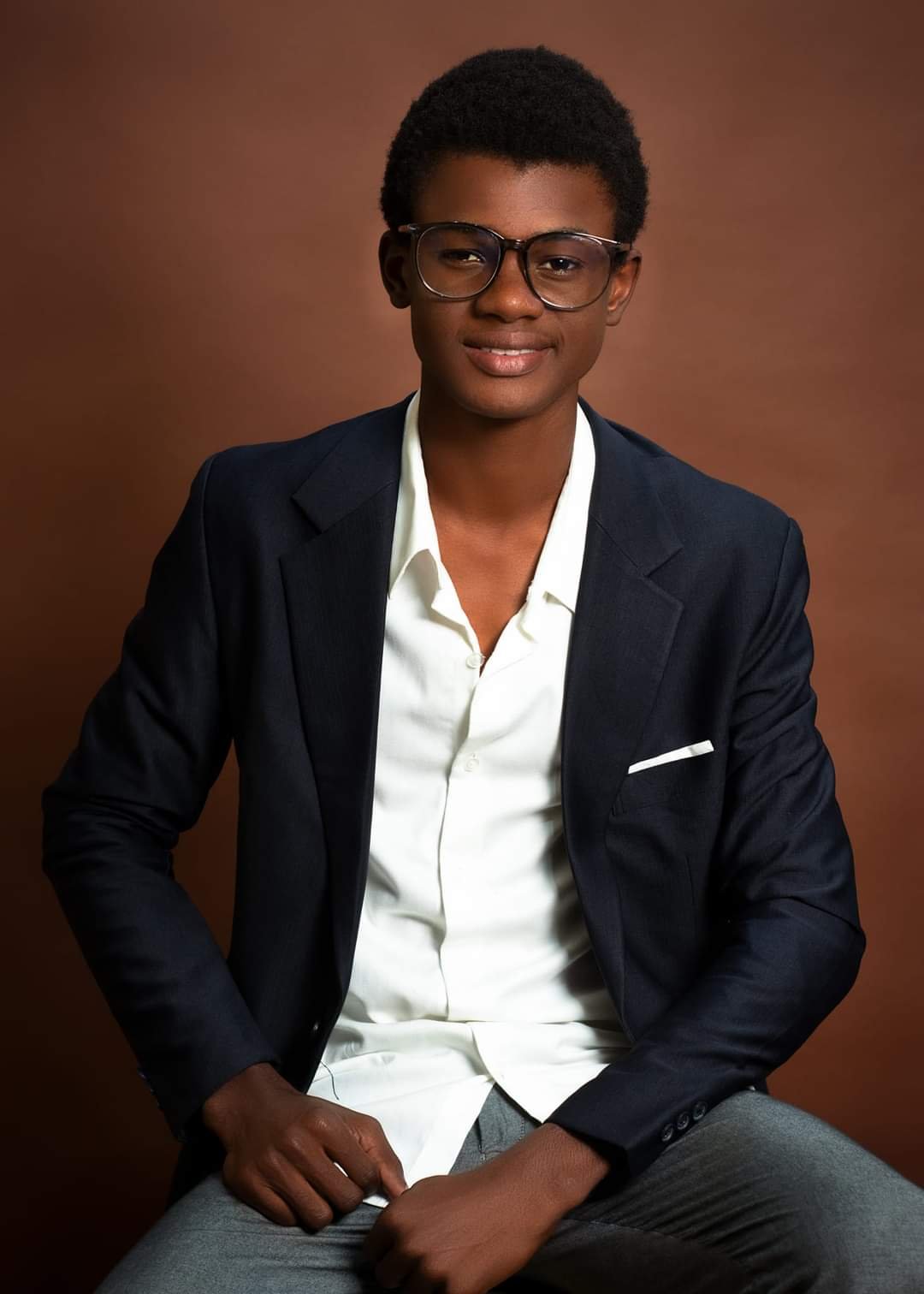
Originally from Bainet and raised in Petit-Goâve, Haiti, Emmanuel Joseph embodies one of the rising figures of the Haitian intelligentsia. A jurist, ethicist, and Ph.D. candidate in philosophy at the University of Sherbrooke (Canada), his journey reflects a rigorous commitment to justice, human rights, and critical thinking.

Local Roots, Global Outlook

Educated in Haiti’s public and religious schools, Emmanuel Joseph began his intellectual path at the Apostolic School of Petit-Goâve, then excelled at the Lycée Faustin Soulouque. His grades, consistently between 8 and 9 out of 10, demonstrated remarkable discipline and rigor from an early age. His university education began at the Faculty of Ethnology (FE) and the Faculty of Law and Economics (FDSE) of the State University of Haiti, where he earned his bachelor’s degree in November 2013. His academic profile sharpened in Canada, especially at the University of Quebec in Rimouski (UQAR), where he completed a master’s degree in philosophy/ethics in 2020, before pursuing a Ph.D. at the University of Sherbrooke, focusing on a broad yet fundamental theme: humanitarian action as experience.

A Researcher with Multiple Anchors

An active member of several research networks, Emmanuel Joseph is affiliated with Ethos (UQAR), the Quebec Population Health Research Network (RRSPQ), CRIDAQ, and the Rhetoric and Argumentation Group of the Quebec Philosophy Society. This wide range of affiliations reflects the richness of his intellectual interests, spanning continental and analytical philosophy, applied ethics, human rights, philosophy of law, and political anthropology.

See as well

A Critical Thinker on Major Contemporary Issues

Joseph’s work extends beyond academia. He regularly speaks at conferences in Quebec, Haiti, and elsewhere, on topics such as cultural appropriation, humanitarian ethics, and decolonization. His article Cultural Appropriation: Ethical Issues, co-written with Dany Rondeau and published by L’Harmattan in 2021, illustrates his commitment to putting philosophy at the service of concrete struggles.

Haïti
Haïti
Haïti

A Committed Knowledge Producer

Between 2019 and 2022, he was a research assistant at UQAR. He also served as an external reviewer for academic work in ethics, management, and organizational performance. His time as an assistant in the master’s program in ethics saw him make significant contributions to discussions on cultural and political dynamics in contemporary societies.

Recognition and Excellence Scholarships

Emmanuel Joseph’s merit has not gone unnoticed. He is a recipient of the University of Sherbrooke’s doctoral scholarship (since 2023), as well as several excellence awards during his master’s studies, including the Marcelle-Drapeau, Desjardins, Servants of Our Lady, and City of Rimouski scholarships.

Haïti
Haïti
Haïti

A Voice of Haiti’s Emerging Generation

In his writings and public appearances, even on social media, Emmanuel Joseph defends an ethic of responsibility, open to interculturality and aware of colonial legacies. At a time when Haïti faces major social, political, and educational challenges, his intellectual approach represents a beacon of hope: that of a rigorous Haitian thought, grounded in reality and oriented toward the world.

Emmanuel Joseph has already gone beyond the stage of a brilliant student. He now stands as a role model for young Haitian academics. Through his exceptional journey, he demonstrates the existence of a path to success through excellence. Thanks to his remarkable academic journey, he is a transmitter of knowledge, a critical observer, and an inspiring figure for youth.

In these uncertain times, his trajectory reminds us that thought remains a form of action, and that sincere intellectual commitment can still help illuminate the fate of a people plunged into darknessand offer solid foundations for the genuine improvement of our collective future.

Share
About the Author
Moise Francois
Moise Francois
Moise Francois

Journalist editor, poet and apprentice lawyer.

See other articles from Moise Francois
Dorvilien Pierre Richel

Mes félicitations pour cet article !

May 20, 2025 - 10:27:14 PM
Leave a comment

Recently Posted

The literary and philosophical club of Galette-Chambon reveals its second edition: a journey to the heart of books

In an atmosphere of madness, at the Auditorium Saint Jean Marie Vianney de Galette-Chambon, where the laughs broke out, the music resounded, and the talents were dismented, started the second edition of the reading competition, around the theme "Ann Li pou n chanje peyi n ». This initiative, organized by the literary and philosophical club of Galette Chambon (CLPGACH) on Friday 06 October 2024, was marked by an overflowing passion within the public. The spectators came for several reasons: to support the applicants and live their presentations. The works, as "thus spoke of the uncle", "the vocation of the elite" of Jean Price Mars, "the ten black men" of Etzer vilary and "the courage to live in Haïti in the 21st century" of Hérold Toussaint, present innovative arguments linked to the societal context. They intertwine with folklore, Haitian culture, sociology and anthropology. These books are given to the applicants for a period of 15 days. Back, they come with their summaries and, after each presentation, in turn, reveal new perspectives on burning questions and delicate themes from works, while taking into account the concepts learned in public speaking. In this arena where the verve and the verb clash as well as logic, conviction, precision and clarity, it is a question of "saying all in a few words". The judgments are based on three criteria: the methodology concerning the substance and the form of the work; The eloquence which concerns verbal and non -verbal discourse (micro management, good pronunciation, etc.); And finally, an essential criterion: understanding. This is to assess whether the applicant has controlled the work. Questions can be asked without ignoring the context in which he lives. In addition, assistants have the opportunity to vote for the applicant who charmed them the most. This vote is precious at a higher level. Note that this vote can be made not only face -to -face but also online on our Facebook page CLPGACH. In addition, the public has always changed well through this trip to the universe of regional authors. The latter weave the frame and make vital the very repertoire of the competition vital, made up of impactful works such as "the price of irresponsibility" of Montuma Murat, "the return to citizen responsibility" written by Jean Jacquesson Thelucier and "Courage to live in Haïti in the 21st century "Professor Hérold Toussaint, to name a few. Although they died, some writers still live at the heart of our situation through their inheritance. Among them, it is necessary to quote: "the vocation of the elite" of Doctor Jean Price Mars, "the ten black men" of Etzer Villaire and "the Governor of the dew" by Jacques Roumain, as well as so many others . For this literary event to be moving and meets expectations for this second edition, many sacrifices are necessary on the part of the staff as well as the public which never leaves us alone. In this sense, we would like to thank them and call all those wishing to support this event. Indeed, if this competition is a solution found to advance together towards a common goal, its success depends on everyone’s commitment. About two years ago, the security climate in the area was not conducive to the completion of the competition. Although it is not yet ideal today, it is time to triumph over obscurantism and fight the dictatorship of ambient ignorance.

Newsletter

Subscribe to our newsletter to stay informed of all our activities and news on Haiti.

Recently Posted

History

History

First black nation to free itself from slavery and gain independence from France in 1804 and influenced other liberation movements around the world, inspiring struggles for freedom and equality.

Natural beauty

Natural beauty

Haïti is blessed with spectacular natural landscapes, including white sand beaches, mountains and rich biodiversity.

Heritage

Heritage

Haïti has a rich historical heritage, including sites like the Citadelle Laferrière and the Sans-Souci Palace, listed as UNESCO World Heritage Sites.

Culture

Culture

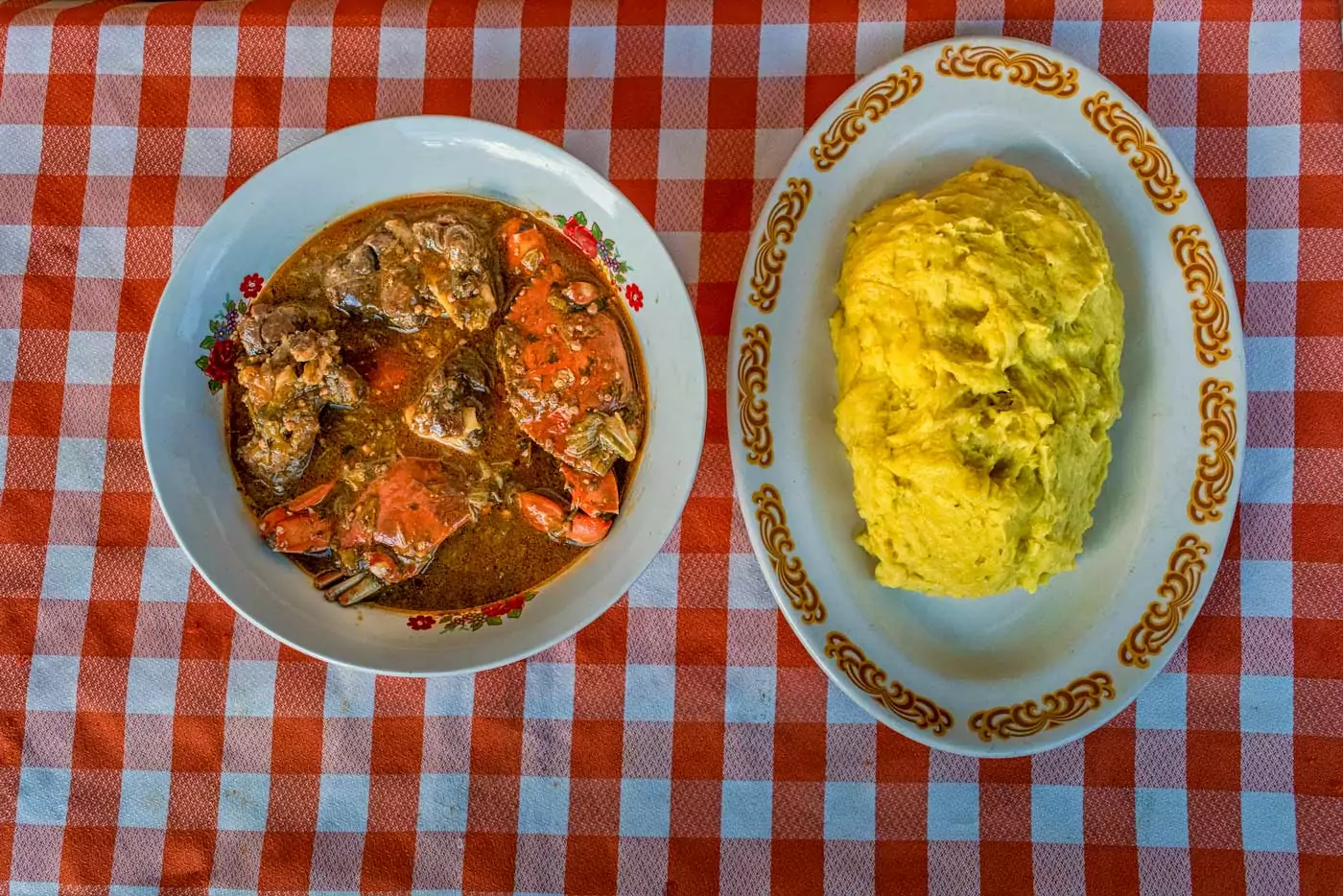
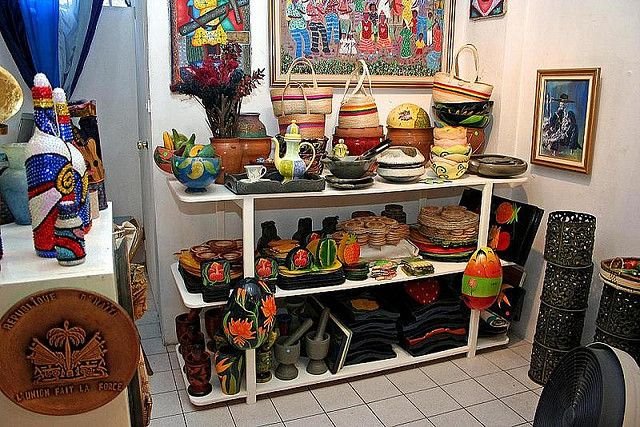
Haïti has a rich and diverse culture, influenced by African, European and indigenous elements. Haitian music, dance, art and cuisine are celebrated around the world.

  • +
    • Post