contact@haitiwonderland.com+509 36184317

Discover

Shopping Cart

What is the name of Haiti’s largest plateau?

What is the name of Haiti’s largest plateau?

Haiti’s largest plateau is the Central Plateau. This vast territory, located in the central region of the country, is an emblematic area of ​​Haiti’s environment, rich in natural resources, history, and agricultural potential. In this article, we will explore the characteristics of this plateau that make it an essential region for understanding Haiti.

Impressive Geography

The Central Plateau in Haïti is a vast region located mainly in the Centre department. It is characterized by an interior plain surrounded by mountains, notably the Matheux Range to the west and the Trou d’Eau Range to the east.

Crossed by several rivers, including the Artibonite River, it plays a strategic role in agriculture thanks to its fertile land and water resources. Its geography also makes it an important area for the preservation of local ecosystems.

Immense Agricultural Potential

The Central Plateau is a key area for agriculture in Haiti. Thanks to its fertile land, it is used to grow numerous crops, such as:
- Corn, an essential grain for the local diet.
- Beans, which are an important source of protein for Haitians.
- Tropical fruits, such as mangoes, bananas, and citrus fruits, which thrive in this favorable climate.

Farming practices are still often traditional, but they provide income for thousands of families living in the region. However, soil erosion and deforestation represent major challenges that require sustainable solutions.

A Place Rich in Biodiversity

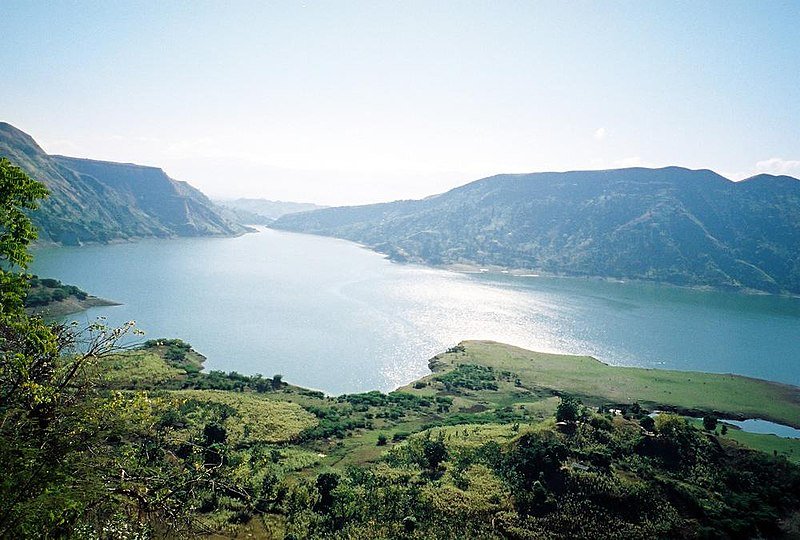
In addition to its agricultural importance, the Central Plateau is home to unique biodiversity. Its forests, although threatened, are habitats for numerous animal and plant species. The region is also an important freshwater reservoir, thanks to its rivers and its role in feeding the Péligre Dam, which is crucial for irrigation and electricity production in Haiti.

A region steeped in history

The Central Plateau is also a historic site. During the Haitian Revolution, this region was the scene of several decisive battles. Its proximity to the mountains provided a strategic refuge for the combatants.

Today, the remains of this era and local traditions attest to the historical and cultural importance of the Central Plateau. It is also known for its local festivals, which bring communities together and celebrate their rich heritage.

Some key figures about the Central Plateau

- Area: Approximately 5,000 km², making it one of the largest flat areas in the country. - Average Altitude: The plateau rises to an altitude of 600 to 1,000 meters above sea level.
- Population: More than 1 million people live in this region, spread across urban and rural areas.
- Climate: A tropical climate that favors a wide variety of agricultural crops.

Environmental and Social Challenges

Despite its importance, the Central Plateau faces several challenges. Soil erosion caused by deforestation threatens the fertility of the land, while limited access to modern infrastructure hinders the region’s development.

The inhabitants of the Central Plateau are actively working to preserve their land and improve their living conditions. Reforestation initiatives, rural development programs, and education projects are underway to meet local needs and enhance the value of this territory.

The Central Plateau, a symbol of resilience and natural wealth

The Central Plateau is much more than just a geographical region of Haiti; it is a place where nature, history, and culture come together to shape the country’s identity. It embodies the challenges and opportunities that define Haiti, while offering a glimpse of its immense potential.

If you have any anecdotes or memories related to the Central Plateau, share them in the comments to enrich this collective discovery!

Share
About the Author
Appolon Guy Alain
Appolon Guy Alain
Appolon Guy Alain

Full Stack Developer, Créatif, expérimenté, passionné des nouvelles technologies et de l’art.

See other articles from Appolon Guy Alain
Leave a comment

Recently Posted

Newsletter

Subscribe to our newsletter to stay informed of all our activities and news on Haiti.

Here are five compelling reasons why you should definitely visit Haiti’s beaches

1- Abaka Bay (Île-à-Vache): Start your Haitian adventure with the magnificent Abaka Bay, recently named one of the most beautiful beaches in the world by CNN. Located on the enchanting island of Île à Vache, this bay offers a pristine white sand beach and calm Caribbean waters, framed by lush green hills. Abaka Bay Resort offers a truly exclusive and secluded experience, with bungalows located directly on the beach, offering panoramic views and direct access to the fine sand and crystal clear sea. The dining options are equally impressive, with one restaurant offering breathtaking ocean views and epic sunsets. To get to Île à Vache, simply take a 15-20 minute boat ride from Les Cayes, located off the southern coast of Haiti. 2- Île à Rat (Amiga Island): As soon as you set foot on Île à Rat (also known as Amiga Island), this little slice of paradise will steal your heart. Its smooth white sand beach immediately catches the eye, while gentle waves create a dreamy oasis against the pearly shore. Located in the turquoise waters off the coast of Plaine du Nord in northern Haiti, Île à Rat is a 1.8 hectare piece of white coral covered in a small wild forest. The island is a peaceful retreat, especially for couples looking for a serene getaway. To get to Île à Rat, you can take one of the many water taxis waiting in Labadee, a 30-minute drive from Cap-Haïtien. Keep in mind that the island is uninhabited, so it is important to bring everything you need for a comfortable stay, including drinking water. 3- Côtes des Arcadins: Nestled north of the bay of Port-au-Prince, Côtes des Arcadins stretches over 19 kilometers of white sand beaches lined with palm trees, making it one of the most popular seaside destinations from Haiti. The combination of the deep blue sea, mountains, mangrove forests and the coral reef formed by the Arcadins islets creates a breathtaking spectacle. It is also a great place for divers. To get there, follow the road north of the bay of Port-au-Prince. You will be amazed by the natural beauty of this region. 4- Plage de Gelée: This beach is one of the most popular thanks to its crystal clear waters and soft sand, all with a pastoral landscape in the background. If you are looking for a place to relax and soak up the sun, Gelée Beach is a great choice. 5- Jacmel Beach: Although swimming is not recommended here, Jacmel Beach is famous for its picturesque charm and artistic atmosphere. It is located in the historic town of Jacmel, known for its lively carnival and colorful houses. Explore the beach, admire the architecture and soak up Haitian culture. Don’t forget your swimsuit and sunscreen, and enjoy these hidden treasures of Haiti! 🏖️☀️

Haiti: Is buying votes to be elected a form of corruption or political strategy?

The democratic political system requires the active participation of citizens in the management of the city. Everyone freely expresses their opinion for harmonious management of society. Generally the choices are made from the organization of free and honest elections. However, sometimes candidates use diverted means to achieve their ends. Can we consider this act as a form of corruption or a political strategy? In a democratic society, the organization of elections at regular intervals is an imperative. Managers are generally elected by the majority of voters, which ensures them a certain legitimacy within the framework of government management. Today, more and more, around the world, the elections are controlled by economic power. This sector gives a lot of silver to candidates who often buy the media services in order to have certain visibility through mass communication means (radio, VAT, Internet, etc.) and do without constraints Many very expensive trips, which require enormous capital. By the way, the possibility that a candidate with low financial means of being elected is increasingly reduced in Western societies. Despite everything, it is illegal to buy the votes of the voters. It is an act of corruption that should lead to criminal sanctions. No society can tolerate this practice which could hamper the degeneration of the democratic system and, consequently, of the electorate system. Civil society and human rights organizations must be vigilant in order to avoid these harmful drifts in the democratic system. In fact, the temptation to bribe the voters in order to access elective positions must be denounced as an act of corruption. In doing so, will lead to political dissenting between duty, and law, because citizens are called upon to freely choose the leaders of the city. Ultimately, the organization of the elections must be the fruit of consensus between the various groups of the social system. Managers must be chosen according to their ability to provide adequate answers to the problems of the company. They can still benefit from powerful financial means from other partners. But, giving voters directly money is a condemnable detective act which reduces the autonomy of action and thinking of voters. In this sense, the latter’s vote must reflect the desire to choose or build a fair, fair and favorable company.

Haiti: Immerse yourself in the Serenity of Étang Bossier in Cayes-Jacmel

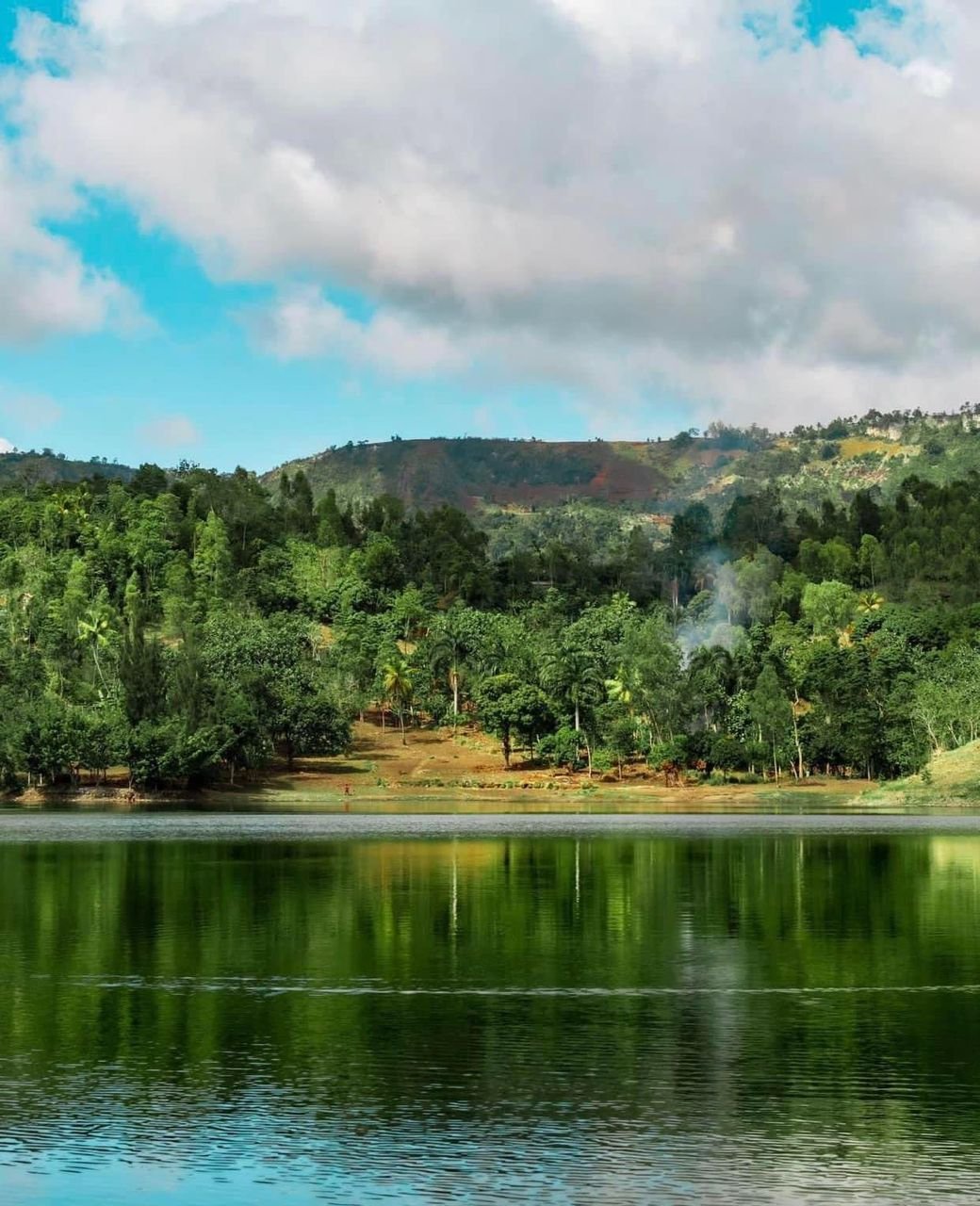
Located about an hour’s drive northeast of the bustling town of Jacmel, Étang Bossier emerges like a verdant gem from the heart of the hills, captivating the senses and offering an idyllic getaway for nature and adventure lovers. This natural sanctuary, anchored in the picturesque community of Bossier, is a premier destination for travelers seeking authentic discoveries and enchanting landscapes. With a generous surface area extending over 4 to 5 hectares, Étang Bossier stands majestically at an altitude of 600 meters in the 2nd section of the commune of Cayes-Jacmel, in Gaillard, surrounded by the magnificent sections of Ravine Normande , Cap Rouge and Michinot. This geographical diversity gives the place an incomparable ecological and landscape richness, inviting visitors to immerse themselves in the heart of lush nature. Beyond its natural charm, Étang Bossier is the cradle of community life rich in agricultural and pastoral traditions. The green fields resonate with local agricultural activities, with varied crops such as pistachio, congo pea, millet, and corn which bear witness to the ancestral know-how of the region’s inhabitants. Every Thursday, the local market comes alive with colors and flavors, offering a tempting range of fresh produce, robust livestock and of course, “pèpè” fish, a delight for fishing enthusiasts. However, behind this bucolic facade there are also challenges and needs. Despite the abundance of natural resources, many residents live in precarious conditions, highlighting the importance of sustainable support and development for the Bossier community and surrounding areas. For travelers looking for authentic and enriching experiences, Étang Bossier is an invitation to escape. By exploring its winding paths, being lulled by the song of birds and discovering the daily life of its welcoming inhabitants, visitors will have the unique opportunity to delve into the heart of Haitian culture and create unforgettable memories. During your next getaway to Cayes-Jacmel, let yourself be seduced by the magic of Étang Bossier. Whether for a day of adventure, a cultural immersion or simply a moment of relaxation in the middle of unspoiled nature, this hidden oasis promises you an extraordinary experience, imbued with authenticity and natural beauty. Come explore Étang Bossier and let yourself be enchanted by the simplicity and splendor of Haitian rural life.

Recently Posted

History

History

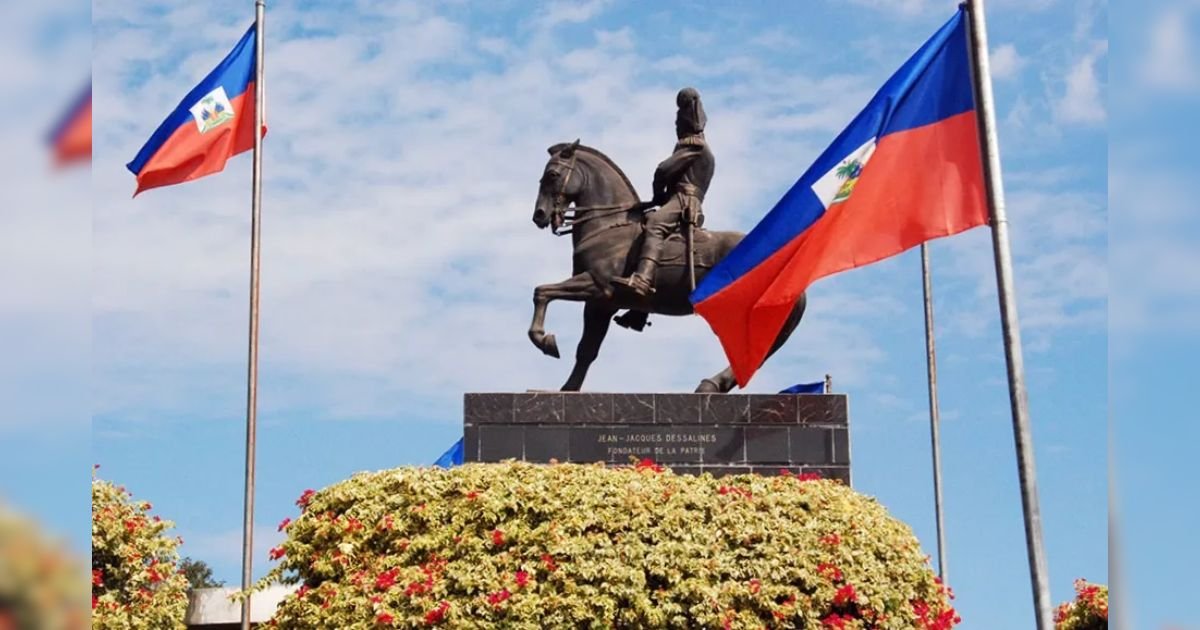
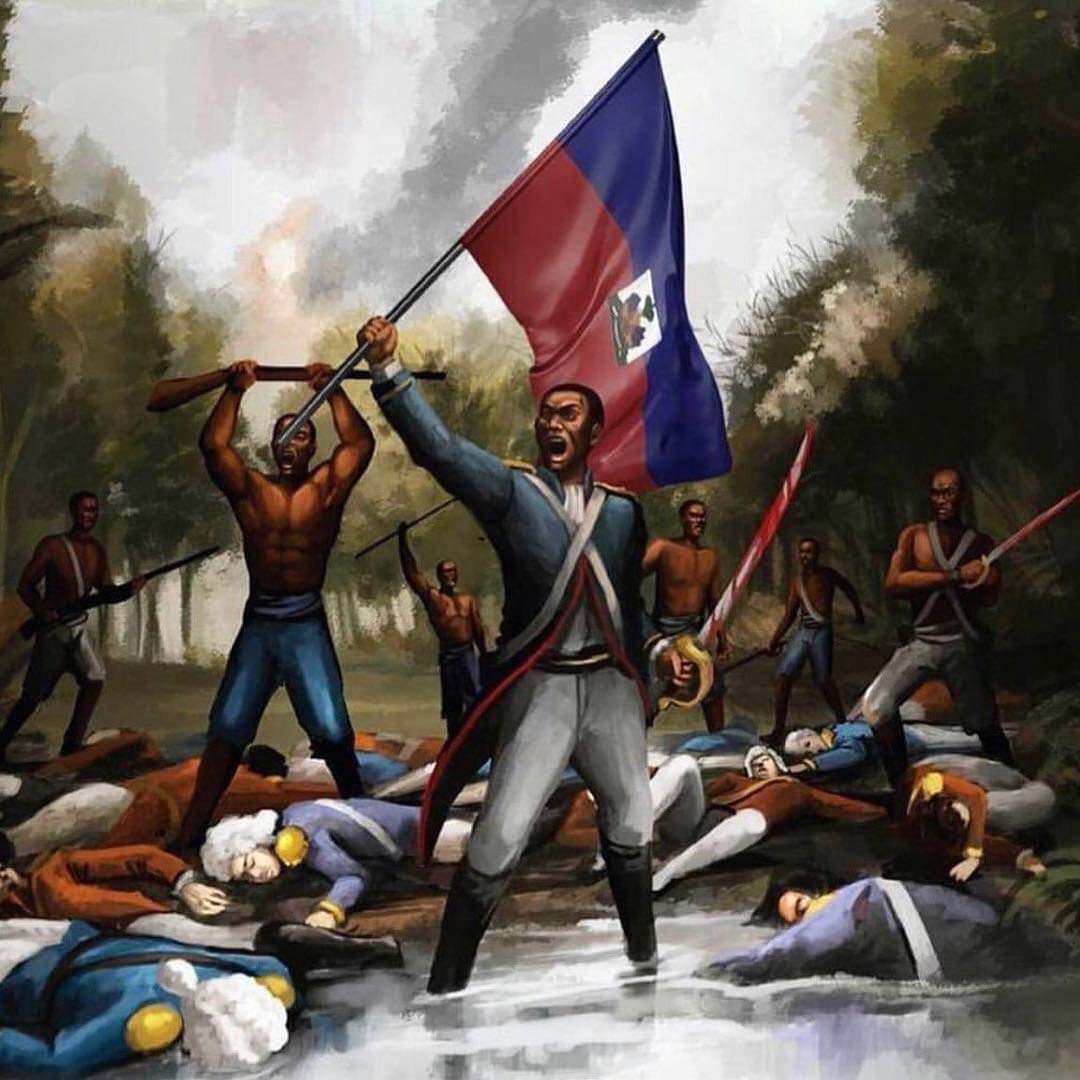
First black nation to free itself from slavery and gain independence from France in 1804 and influenced other liberation movements around the world, inspiring struggles for freedom and equality.

Natural beauty

Natural beauty

Haïti is blessed with spectacular natural landscapes, including white sand beaches, mountains and rich biodiversity.

Heritage

Heritage

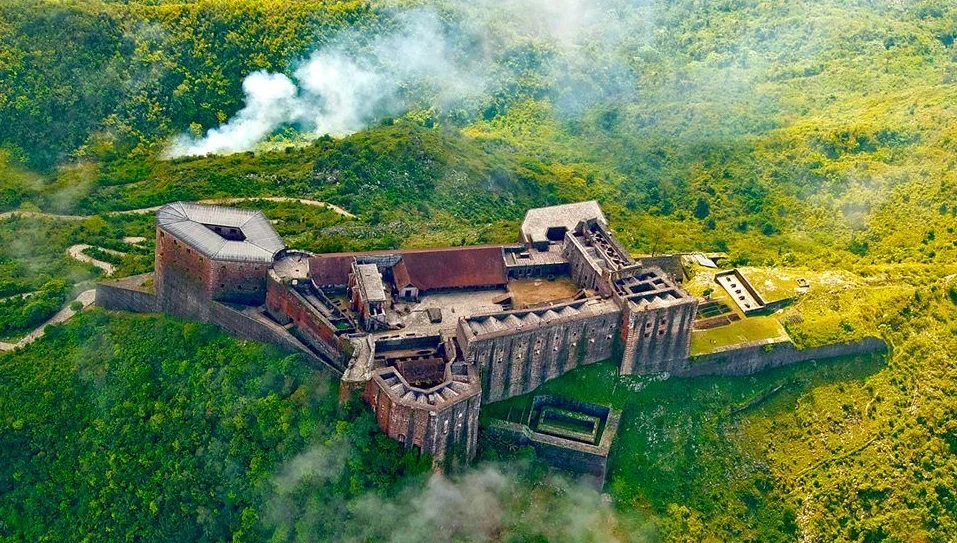
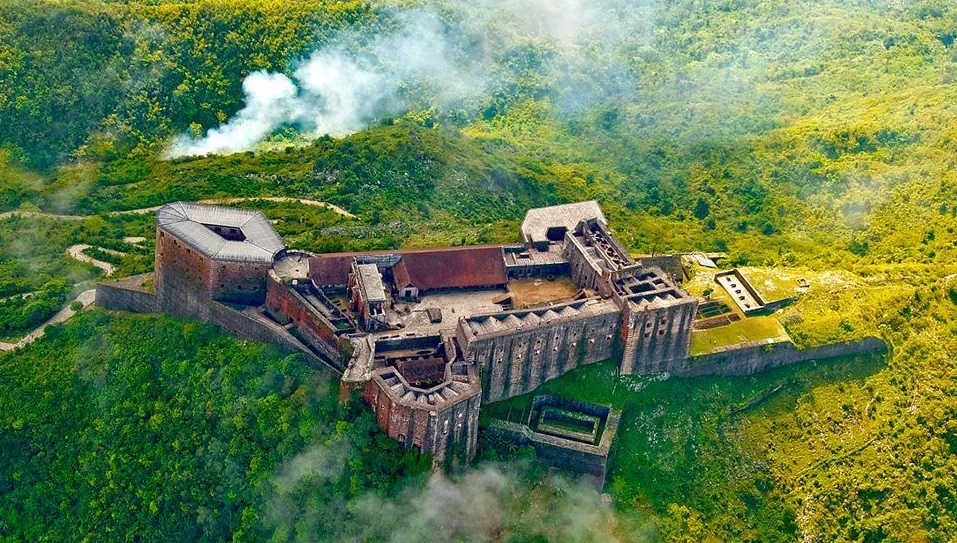
Haïti has a rich historical heritage, including sites like the Citadelle Laferrière and the Sans-Souci Palace, listed as UNESCO World Heritage Sites.

Culture

Culture

Haïti has a rich and diverse culture, influenced by African, European and indigenous elements. Haitian music, dance, art and cuisine are celebrated around the world.

  • +
    • Post