contact@haitiwonderland.com+509 36184317

Discover

Shopping Cart

What is the real name of Haïti throughout history?

What is the real name of Haïti throughout history?

Haiti, a land rich in history and culture, has had several names over the centuries, each reflecting a significant period in its evolution. These names reveal the changing identity of the island, from pre-Columbian times to today. Let’s discover together the different names that this emblematic territory has had and their meaning.

Ayiti: the original name of the Taino

Before the arrival of the Europeans, the indigenous inhabitants of the island, the Taino, called their land “Ayiti”, a word in their language meaning “land of high mountains” or “mountainous country”.

- A geographical description: This name reflected the topography of the island, marked by its imposing mountain ranges and lush nature.
- A rooted identity: For the Taino, “Ayiti” represented much more than a place; it was a symbol of their spiritual connection to the land and their way of life in harmony with nature.

This name, deeply rooted in the Taíno culture, is the first known name of the island.

Hispaniola: the era of Spanish colonization

In 1492, Christopher Columbus landed on the island and named it Hispaniola (or “La Española” in Spanish), which means “Little Spain”.

- A new chapter: This name reflected the Spanish intention of making the island an extension of their empire in America.
- A political division: Under Spanish rule, the island was divided into several territories, marking the beginning of a colonial control that would last for several centuries.

Hispaniola still remains the official name of the island in some international contexts, although each nation that composes it has its own identity.

Saint-Domingue: The French Legacy

In the 17th century, the French took control of the western part of the island, which they named Saint-Domingue.

- A symbol of prosperity: Saint-Domingue became one of the richest colonies of the French empire, thanks to the exploitation of sugar, coffee and indigo plantations.
- A place of suffering: This wealth was based on the forced labor of hundreds of thousands of African slaves, making Saint-Domingue a theater of struggles for freedom.

The name Saint-Domingue is associated with a period of economic greatness, but also of deep inequality and oppression.

Haiti: A return to roots after independence

On January 1, 1804, after a fierce struggle for freedom, the Republic of Haïti was proclaimed, marking a historic turning point.

- A tribute to ancestors: The name “Haiti” was chosen to honor the Tainos and their original name for the island, “Ayiti.”
- A symbol of freedom: By abandoning the colonial name, Haitian leaders affirmed their independence and their break with the oppressive past.

Today, Haïti remains the official name of the world’s first independent black republic.

A legacy of names, a wealth of identity

The different names that Haïti has borne over the centuries bear witness to its turbulent history and resilience.

- Ayiti: A land of mountains and spirituality.
- Hispaniola: A point of contact between the New and Old Worlds.
- Santo Domingo: A rich and tragic colony.
- Haiti: A free and proud nation.

Each name embodies a facet of Haiti’s history, which has preserved its identity despite challenges.

Haiti: An Inspiring History

Haiti’s evolving names reflect a constant quest for independence and dignity. Today, the word “Haiti” represents not only a country, but also a global symbol of resilience and freedom.

What is your connection to the name “Haiti” and the history it carries? Share your thoughts and celebrate with us this land with a unique past and promising future.

Share
About the Author
Appolon Guy Alain
Appolon Guy Alain
Appolon Guy Alain

Full Stack Developer, Créatif, expérimenté, passionné des nouvelles technologies et de l’art.

See other articles from Appolon Guy Alain
Leave a comment

Recently Posted

Newsletter

Subscribe to our newsletter to stay informed of all our activities and news on Haiti.

Emeline Michel, in exceptional concert in Miami

St. Clement Parish celebrates its seventy years of service to God and the Haitian community, this November 23, 2024, at 2975 N. Andrews Ave., Wilton Manors, FL. On the occasion of this celebration, Emeline Michel will be in exceptional concert to mark this cultural event. On the menu of this program, the committee plans to organize evangelization sessions, continuing education, fields of ethics, morality and spirituality. This event will also emphasize faith, reason and culture to rebuild in unity the kingdom of God here below where "Charity unites us to God". With the aim of raising culture to its peak, the Archbishop of Miami is pleased to join us for a great Eucharistic celebration on Saturday, November 23, 2024, starting at 10 a.m. Together, they will mark this mythical date engraved in the memory of his faithful and friends. This evening will be hosted by the icon of Haitian music, Emeline Michel, who has made a name for herself in the Haitian cultural landscape: "We welcome the famous singer Emeline Michel. She will do us the honor of reliving important and unforgettable moments of our charming land of Haiti. With her melodious, very captivating voice and her poetic songs, all the beautiful memories will be there, like our beaches, the light breeze of our mornings and the flight of capricious birds," wrote the press release. The 58-year-old diva continues to establish herself as one of the unique, contagious voices of Haitian music. While remaining in her style, she has been able to create her musical universe during her career, which has allowed her to be honored in the community by her fans. Emeline Michel, with her sincere lyrics and unique style, has managed to reach a wide audience without giving up her authenticity. With her songs and her melodious voice, she has rocked several generations. Throughout her musical career, she has an enriching repertoire, about thirteen albums to her credit, we can cite a few: Douvanjou ka leve (1987); Flanm (1989); Pa gen manti nan sa (1990); Rhum et Flamme (1993); Tout mon temps (1991); Emeline Michel, the very best (1994); Ban m pase (1996); Coedes and Soul (2001); Rasin Kreyòl (2004); Queen of Hearts (2007); Quintessence and lastly Gratitude (2015). She also has many collaborations with other artists. Chanjman and Jan mwen (2020, and 2021) Emeline Michel, 40 years of experience on stage, she carries all Haïti in her voice, her soul and her body. During her flourishing years of success, she has marked several continents where she has already performed (Antilles, America, Europe, Asia). This allowed her to discover several places, such as: Carnegie Hall, at the United Nations; the Teatro Manzoni in Milan; the Kravis Center in Florida; the International Jazz Festival (Haiti). Then, the Luminato Festival in Ontario; the International Jazz of Montreal; the New Orleans Jazz Fest; the Ten Days On The Island. The priest of the parish of St. Clement, Rev. Patrick Charles, took the opportunity to extend a warm invitation to the community to come celebrate this great day marking its seventieth anniversary and to entertain in order to once again highlight Haitian culture.

Exploring Cayes-Jacmel, Haiti: Discovering a tourist and cultural treasure.

Nestled in the splendid mountains of the southeastern region of Haiti, the picturesque commune of Cayes-Jacmel emerges as a rare pearl, offering an incomparable tourist and cultural experience. With its lush green landscapes, rich cultural heritage and exciting activities, this destination promises an unforgettable journey for travelers seeking authenticity and natural beauty. As soon as you arrive in Cayes-Jacmel, you will be captivated by the splendor of its landscapes. The plains and hills that dominate the terrain offer a breathtaking spectacle, ideal for picturesque hikes and leisurely walks. The town is also full of crystal clear waterways, perfect for a refreshing break or a relaxing fishing session. Explore the hidden trails and let yourself be enchanted by the thriving biodiversity of the region, where nature reigns supreme. Without forgetting the magnificent beaches of Kabic like "Ti Mouillage", where the fine sand and turquoise waters invite relaxation and water sports. Cayes-Jacmel is steeped in rich history and vibrant culture, reflected in its majestic temples and churches. With more than thirty-two temples of all faiths, including Baptist churches, Churches of God and Catholic churches, the town is a symbol of religious diversity and tolerance. Immerse yourself in the region’s fascinating past by visiting the magistrate’s court and police station, witnesses to its political and legal legacy. Experience the excitement of local life by participating in the lively festivals and cultural events of Cayes-Jacmel. Immerse yourself in the haunting rhythms of Haitian music during community celebrations, and discover traditional crafts at local markets. Don’t miss the town’s annual festival, where dance, gastronomy and the arts combine to create a festive and warm atmosphere. Whether you’re a sports lover, adventure enthusiast, or simply looking for relaxation, Cayes-Jacmel has something to offer every traveler. Play football or basketball on the local pitches, or dance the night away at one of the town’s lively nightclubs. For an authentic experience, join a fishing excursion with the locals, or explore the region’s hidden gems on an exciting jeep tour. With its breathtaking natural beauty, rich cultural heritage and captivating activities, Cayes-Jacmel emerges as an incomparable tourist and cultural destination in Haiti. Whether you are looking for adventure, relaxation or cultural discoveries, this picturesque town promises you an unforgettable experience, imbued with the very essence of Haitian life. Embark on a journey to the heart of the magic of Cayes-Jacmel and let yourself be enchanted by its charm.



Recently Posted

History

History

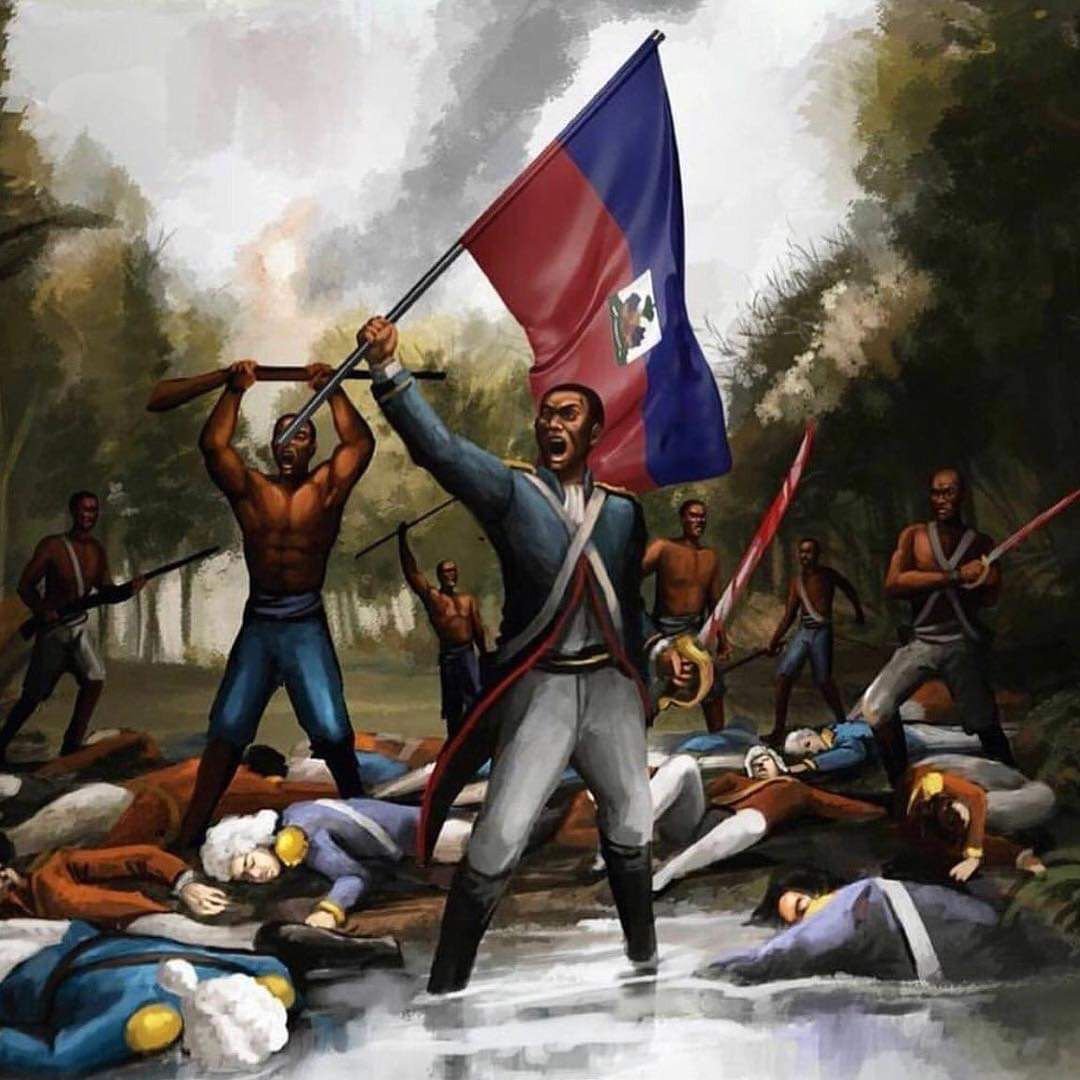
First black nation to free itself from slavery and gain independence from France in 1804 and influenced other liberation movements around the world, inspiring struggles for freedom and equality.

Natural beauty

Natural beauty

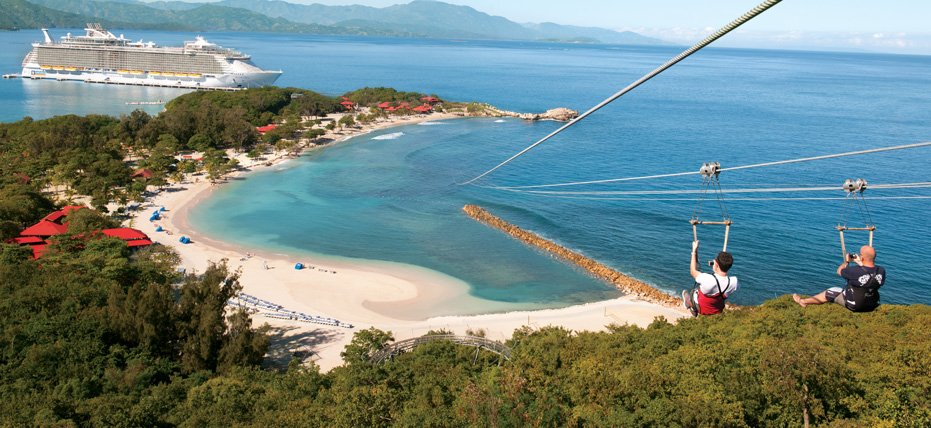
Haïti is blessed with spectacular natural landscapes, including white sand beaches, mountains and rich biodiversity.

Heritage

Heritage

Haïti has a rich historical heritage, including sites like the Citadelle Laferrière and the Sans-Souci Palace, listed as UNESCO World Heritage Sites.

Culture

Culture

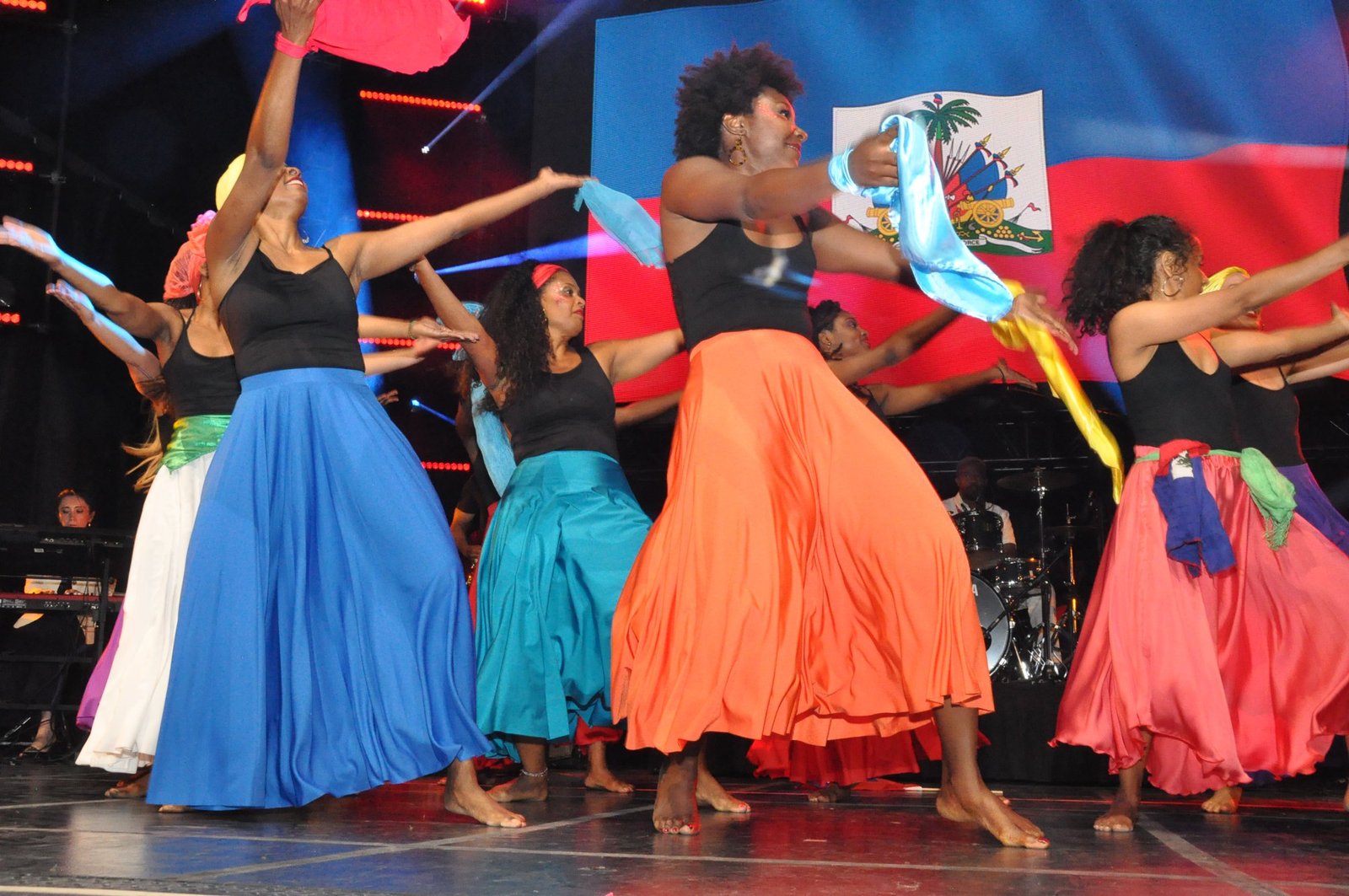
Haïti has a rich and diverse culture, influenced by African, European and indigenous elements. Haitian music, dance, art and cuisine are celebrated around the world.

  • +
    • Post