Is Haïti on the African Continent? A Geographical Clarification
The question of whether Haïti is on the African continent sometimes comes up, but the answer is clear: Haïti is not on the African continent. This island country is located on the island of Hispaniola in the Caribbean and is part of the American continent, specifically Central America and the Antilles. However, the historical and cultural connection between Haïti and Africa is deep and deserves a more detailed exploration.
Haiti: A Caribbean Country on the American Continent
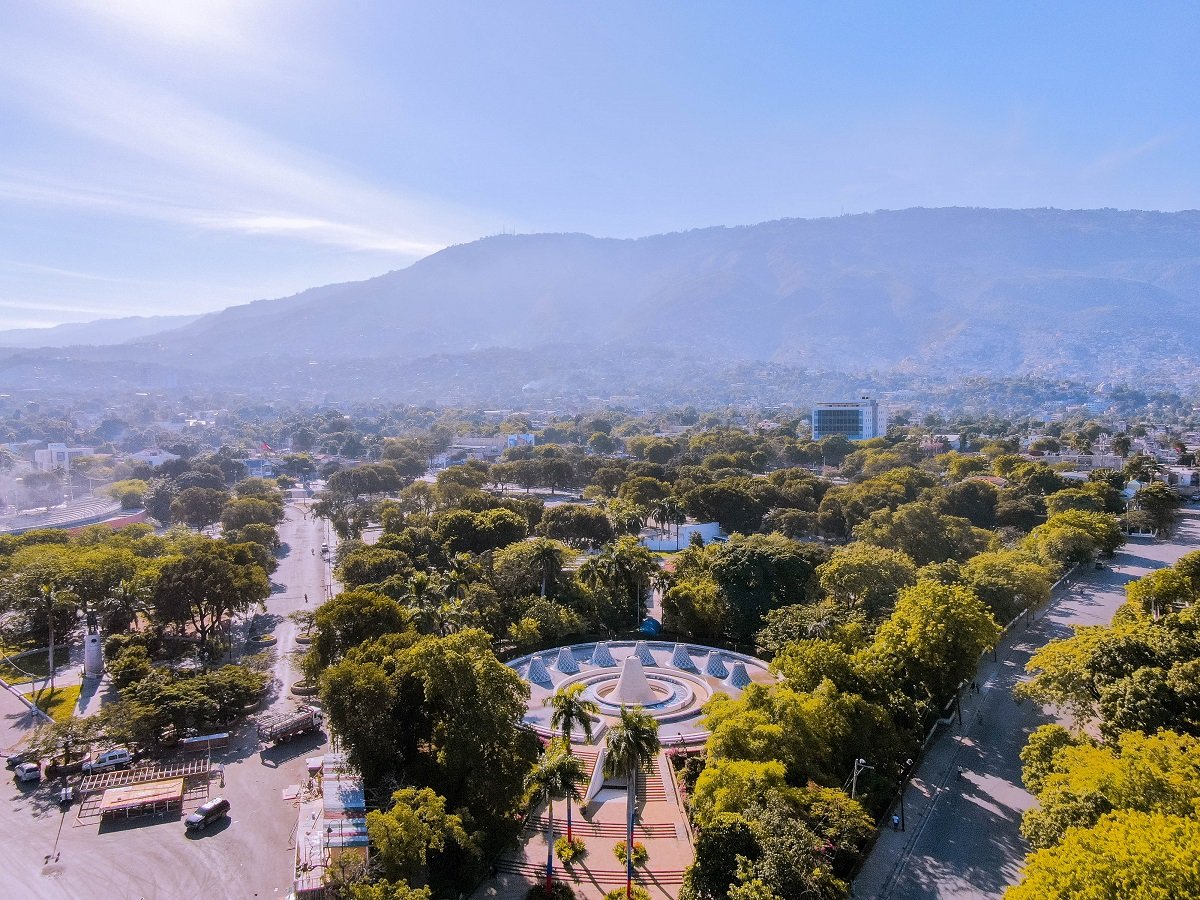
Haïti occupies the western part of the island of Hispaniola, which it shares with the Dominican Republic. Located in the Caribbean, Haïti is part of the geographic region of Central America and the Antilles, which is located in the American continent. It is therefore indisputably a country of the Americas, not Africa.
The island of Hispaniola, in the southeast of the Greater Antilles archipelago, is located a few hundred kilometers off the coast of Florida (United States) and Cuba. This geographical location places Haïti in the Caribbean zone, a region rich in cultural and historical diversity, which is a crossroads between North America, Central America, and South America.
Although Haïti is not located on the African continent, the link between Haïti and Africa is strong and essential. This link dates back to the time of slavery, when millions of Africans were deported to the Americas. Haiti, formerly known as Saint-Domingue, was a French colony where African slaves were exploited in sugar plantations.
It was during the Haitian Revolution, which took place between 1791 and 1804, that Haïti became the first country in the world to abolish slavery and establish an independent republic led by former black slaves. This landmark moment had a profound resonance throughout the world, particularly in Africa, and influenced the struggles for independence and civil rights of colonized peoples.
Today, although geographically located in the Caribbean, Haïti maintains a strong cultural, historical and symbolic connection with Africa. The majority of the Haitian population is descended from Africans, and Haiti’s cultural traditions, religious beliefs such as Vodou, and musical practices are imbued with African influences.
Haïti and Africa: A Cultural Brotherhood
The brotherhood between Haïti and Africa is also strengthened by numerous cultural and diplomatic exchanges. Haiti-Africa relations are marked by the solidarity of African countries at the time of Haiti’s independence. Indeed, Haïti has been a symbol of the struggle for freedom and sovereignty, inspiring many African peoples throughout history.
In addition, Haitian Creole and African languages share some common roots. Creole, Haiti’s national language, is a mixture of French and African words from different Bantu and West African languages, reflecting the African origins of Haitian ancestors.
Haïti also continues to support Africa in many international initiatives. Many Haitian diasporas live and work in Africa, contributing to a constant dialogue between the two continents.
Although Haïti is not located on the African continent, the country maintains a deep historical and cultural connection with Africa, due to its history of slavery, its independence, and its African heritage. This relationship continues to shape Haiti’s identity and strengthen the country’s ties to the African continent. Haïti remains an inspiring example of the struggle for freedom and equality, and its culture and history are daily reminders of the unbreakable ties that unite Africa and people of African descent throughout the world, particularly in the Americas.
Share
About the Author
Appolon Guy Alain
Appolon Guy Alain
Full Stack Developer, Créatif, expérimenté, passionné des nouvelles technologies et de l’art.
First black nation to free itself from slavery and gain independence from France in 1804 and influenced other liberation movements around the world, inspiring struggles for freedom and equality.
Natural beauty
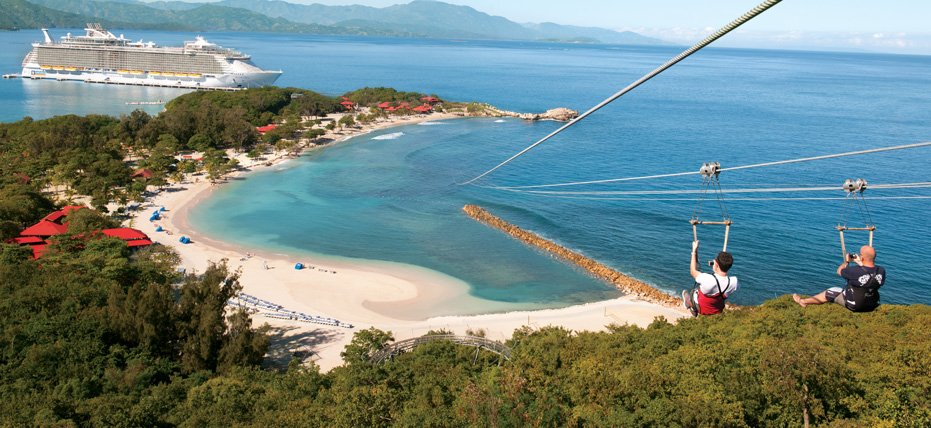
Haïti is blessed with spectacular natural landscapes, including white sand beaches, mountains and rich biodiversity.
Heritage
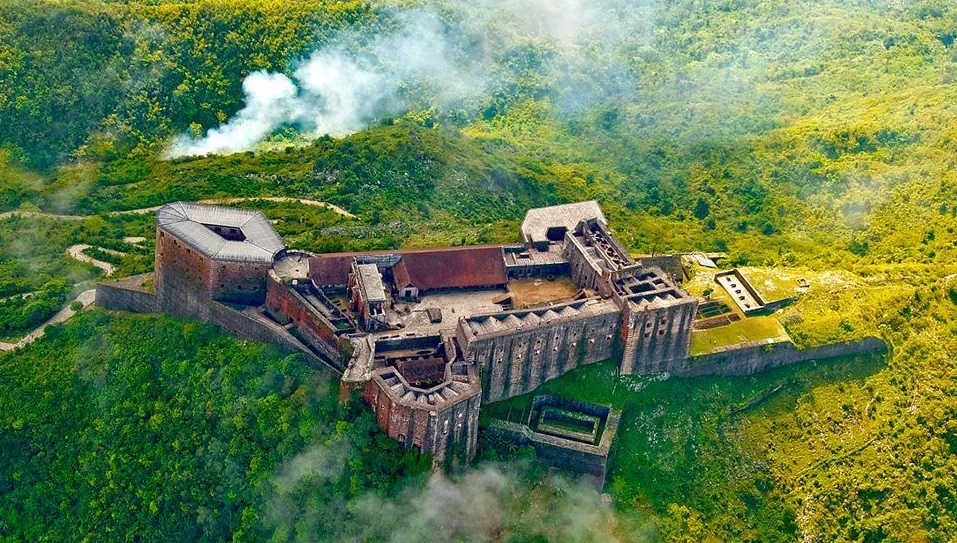
Haïti has a rich historical heritage, including sites like the Citadelle Laferrière and the Sans-Souci Palace, listed as UNESCO World Heritage Sites.
Culture
Haïti has a rich and diverse culture, influenced by African, European and indigenous elements. Haitian music, dance, art and cuisine are celebrated around the world.