Vertières is the place where history’s light shines brightly.
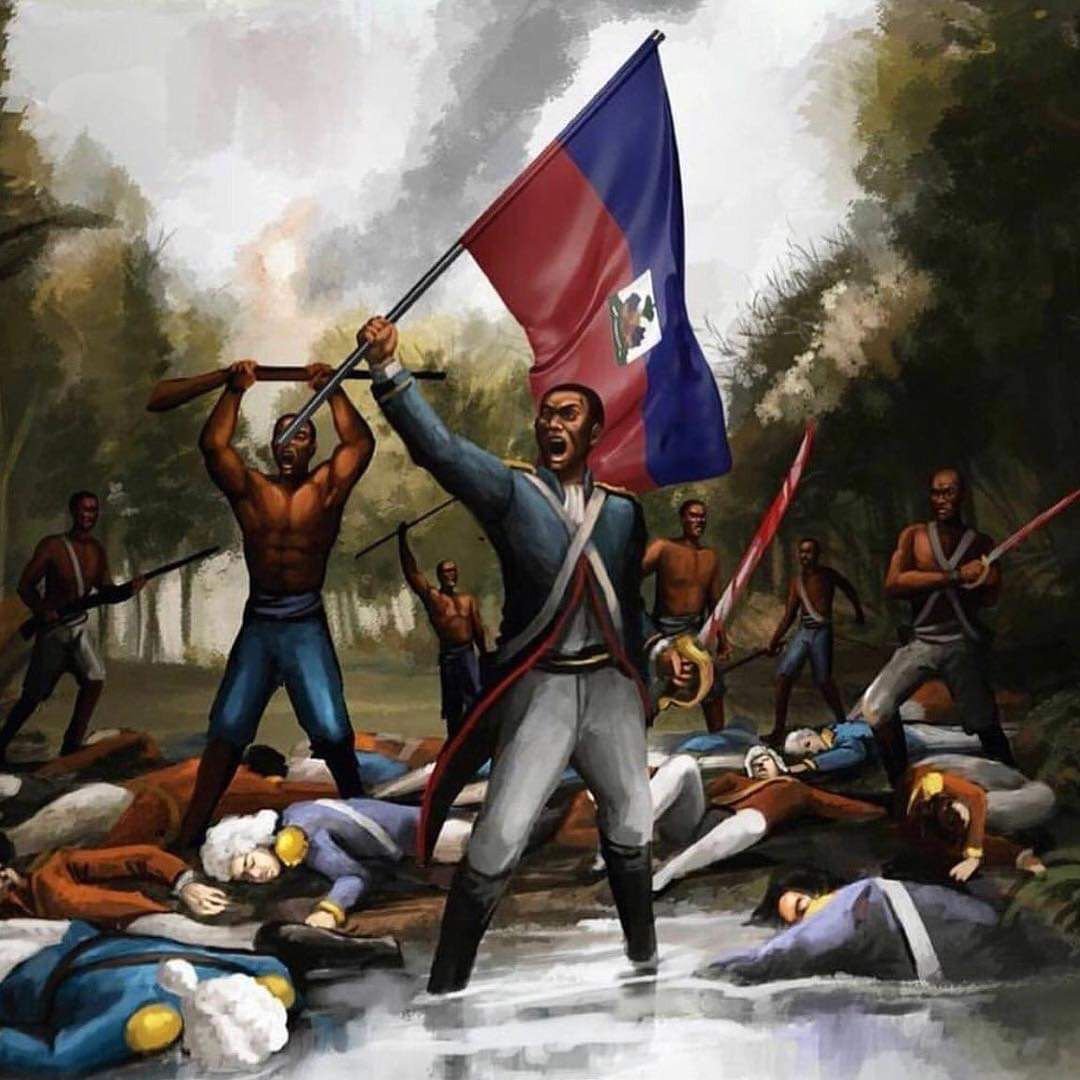
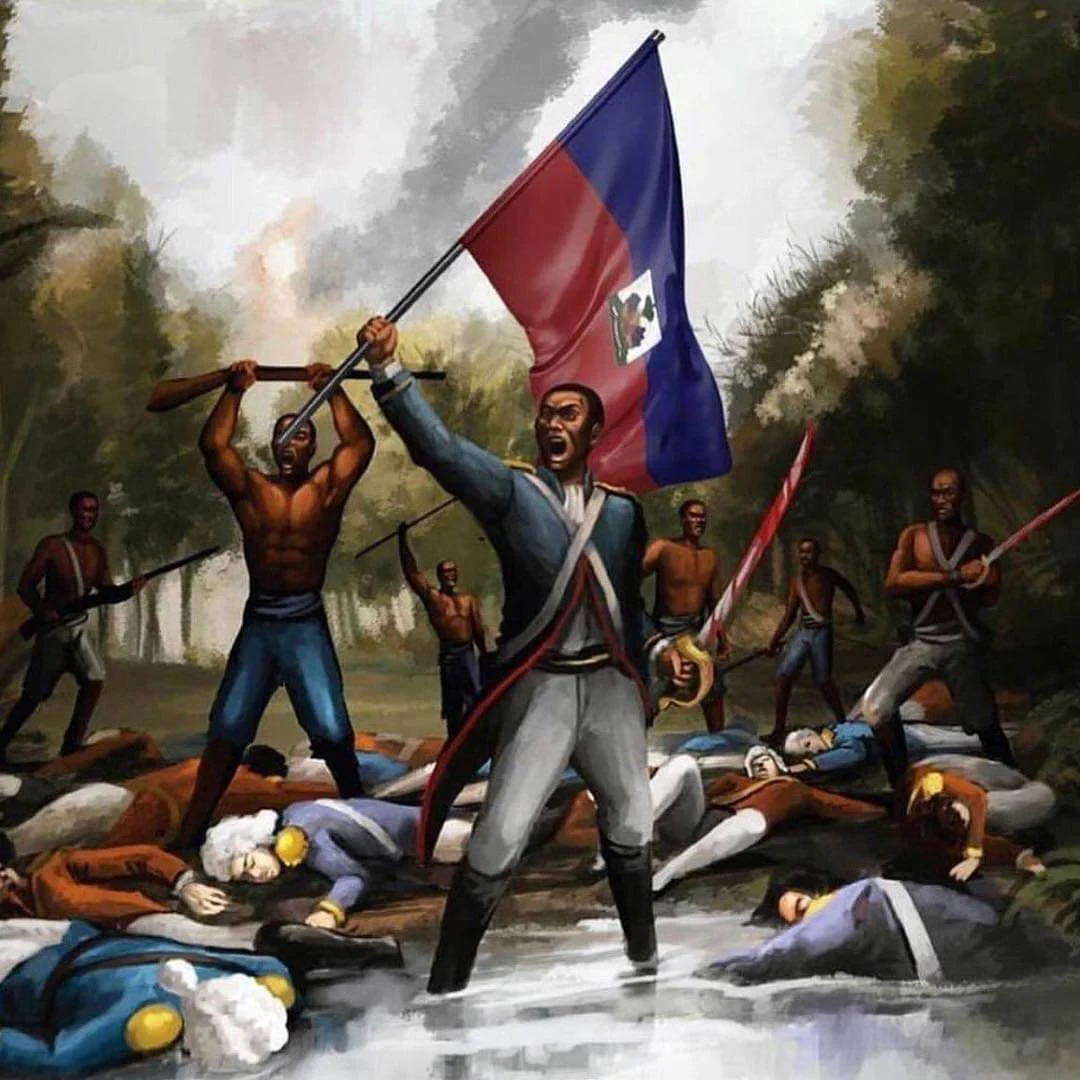
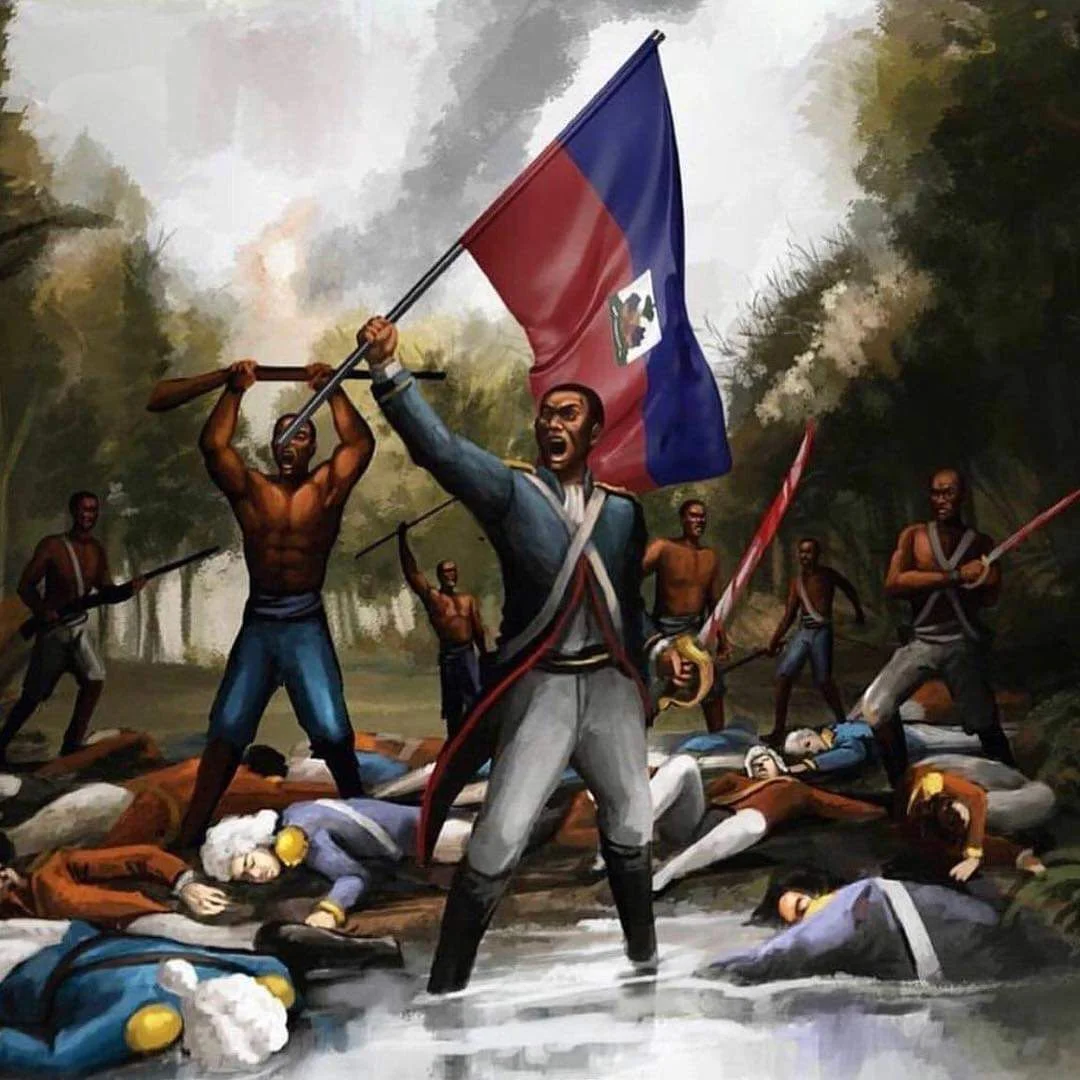
The war that led to the independence of the first black republic in the world, Haiti, spanned several decades. Jean-Jacques Dessalines, who proclaimed the victory on January 1, 1804, was a man who cleverly capitalized on the honorable legacy left by Toussaint Louverture at the head of this struggle for the first liberation of a black people in the Americas.
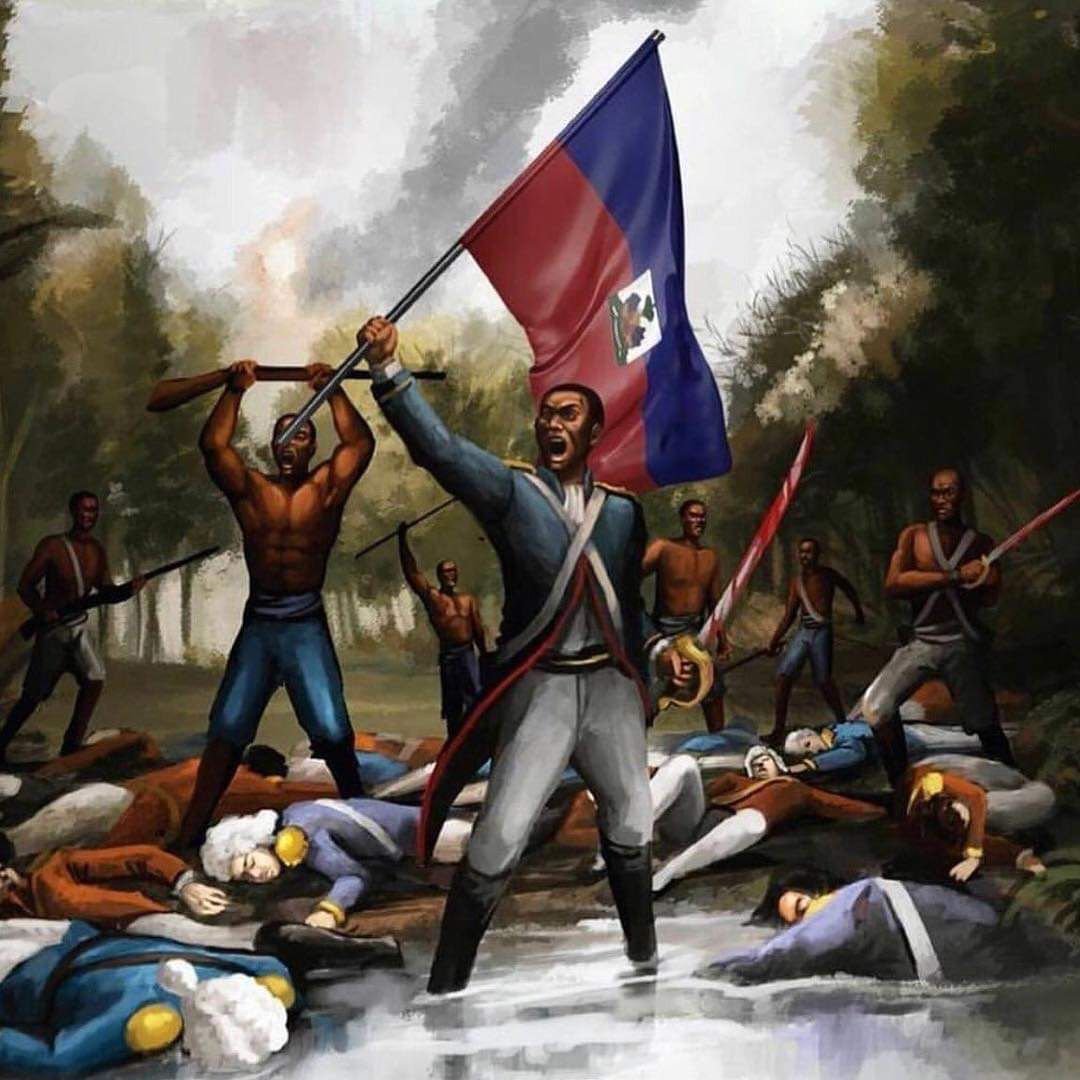
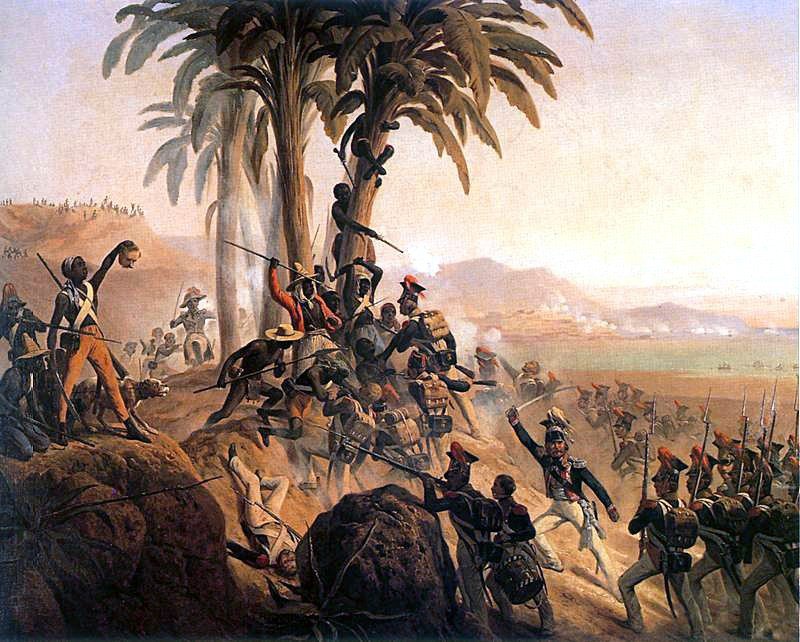
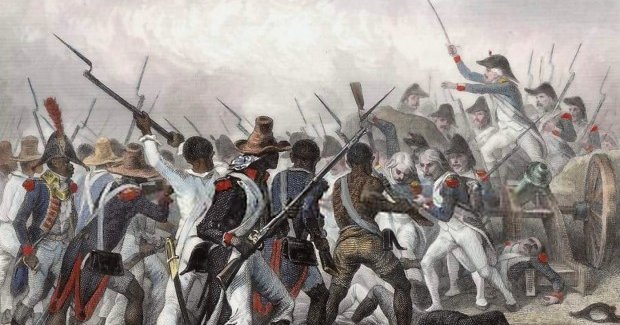
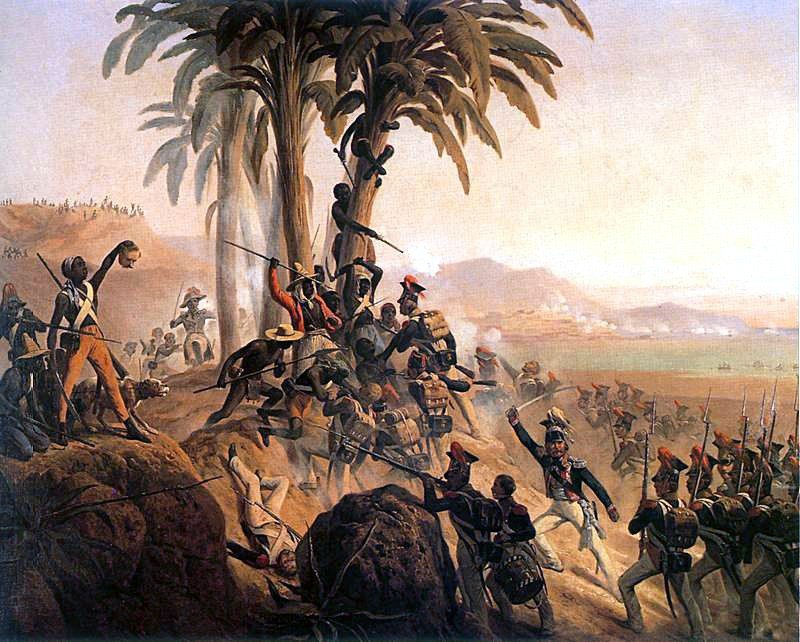
The Battle of Vertières took place in the northern outskirts of Saint-Domingue, the name of Haïti under the yoke of slavery, near the current commune of Limbé. Under a pouring rain, mixing the mud with the blood of the freedom fighters represented by Dessalines’ indigenous army, on November 18, 1803.
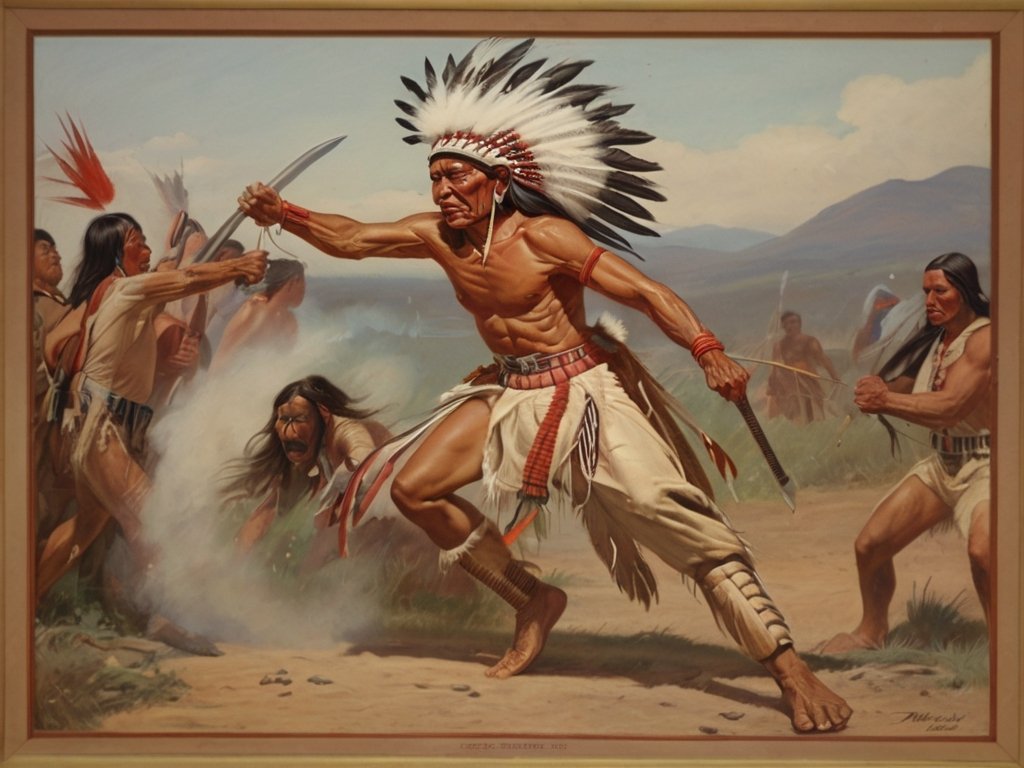
The exploitation of man by man is not a phenomenon that only affected Black people throughout history. In fact, the victors of 1804 are the immediate descendants of those who were forcibly brought across the Atlantic to replace the Native Americans, who themselves suffered a genocide due to the shameful practice of slavery. It is worth emphasizing that slavery is a practice (as old as human history), but it reached its peak during the 400 years when it was almost exclusively associated with one category of peoplethe black-skinned individuals.
It is precisely at this point that November 18, 1803, was a triumph of the highest order for all of humanity. That day, fused with the exploits of Haitian heroes, became a symbol of victory over a shame that, unfortunately, has persisted through time as a norm. Even today, some struggle to call this dishonorable act a crime against humanity.
At its core, Vertières remains a flame held against the barbarity of its time. A final proof of humanity’s necessity to rise and claim its right to the dignity of freedom, despite all potential threats.
Haïti was born from a merciless war led by a mass of oppressed people against a much larger number of oppressors who were better armed than those they stripped of their shameful practice of oppression. In this war, the Haitian intelligentsia made itself known to the rest of the world through our heroes, such as Toussaint Louverture, Jean-Jacques Dessalines, Henri Christophe, and many others.
Vertières is the mother of Haitian independence. Vertières transcended the history of mankind to reach our world today. For example, there is a piece of Vertières in the fact that Barack Obama could run for the presidency of the United States in 2007. The dream of equality and freedom of the American Black evangelical pastor, Martin Luther King, is a deep continuation of Vertières’ logic. Vertières holds a place in all glorious books. Because there is a piece of Vertières in every oppressed person who rises to confront a voice of oppression in the fierceness of badly spoken words.
Vertières is a case that historically knew how to defy a rain of shame extended like a morbid stain on the back of human history. Vertières is the most magnificent answer ever given against the symbol of the most complete inhumanity, referring to the famous Door of No Return at Gorée, which stood against an entire race of men, an entire part of humanity, in Senegal.
The world still seems to be under the domination of the ideas of white supremacy, which made the barbarity of slavery possible, attesting to the specificity and so-called superiority that arose from it, based on skin color. An idea that has already been debunked by a minimum of scientific knowledge since the last century. In a world full of all kinds of conflicts, sometimes latent or feverishly open, a world where the most oppressed often need motivational role models to arm themselves with courage and face their oppressors to defeat them. Vertières stands as a real flame. Because the victors at Vertières were not the best-armed but rather those who fought fiercely, body and soul, deeply invested in a logic of universal justice, for a new destiny that proudly appeared before the eyes of that darkened time.
Vertières remains and stands as the symbol that makes possible every ultimate battle for the triumph of the most just cause: the human cause, our cause.
I love this article. Thank you and congratulations to Moise Francois. You got it right, bro.
November 12, 2025 - 04:40:53 AM
ABRAHAM CLAIRVIL
Invocation Maçonnique de Vertières
Appel des Grandes Forces de Lumière, de Sagesse et de Victoire
pour les Fils d’Haïti
Au Nom du Grand Architecte de l’Univers,
Source éternelle de Lumière, d’Harmonie et de Perfection,
Nous ouvrons ce moment sacré sous le signe de la Lumière.
Que la mémoire de Vertières soit élevée comme une colonne éternelle,
car c’est sur cette terre que le courage humain a taillé une pierre dans le Temple de la Liberté.
Nous appelons symboliquement les Grandes Forces de l’Esprit,
les Énergies de Sagesse, de Force et de Beauté,
afin qu’elles inspirent les fils d’Haïti qui portent aujourd’hui l’honneur de la Nation.
Nous invoquons la Lumière de Salomon,
symbole de sagesse et de discernement,
afin que les joueurs gardent l’intelligence dans chaque décision,
la maîtrise dans chaque action et la vision dans chaque mouvement.
Nous invoquons l’Esprit d’Hiram Abiff,
Maître bâtisseur du Temple, symbole de fidélité et de persévérance,
afin que l’équipe soit unie comme une œuvre parfaite,
que chaque joueur soit une pierre solide dans l’édifice collectif.
Nous invoquons la Force d’Hercule,
symbole du courage face aux épreuves,
afin que leur volonté demeure ferme devant tous les défis.
Nous invoquons la Sagesse d’Athéna,
symbole de stratégie et d’intelligence,
afin que leurs choix soient précis, que leur esprit reste calme et concentré.
Nous invoquons l’Esprit de Mars,
symbole de courage et de détermination dans le combat,
afin qu’ils affrontent chaque adversaire avec discipline, respect et force intérieure.
Nous invoquons la Lumière d’Apollon,
symbole de clarté, d’excellence et d’harmonie,
afin que leur talent rayonne et que leur travail soit reconnu.
Nous appelons également la mémoire des grands bâtisseurs d’Haïti :
1
Toussaint Louverture,
la vision du stratège.
Jean-Jacques Dessalines,
la force de la liberté.
Henri Christophe,
la discipline du bâtisseur.
Capois-La-Mort,
le courage qui avance même devant l’impossible.
Que leurs noms soient des colonnes de mémoire.
Que la peur soit transformée en courage.
Que la pression soit transformée en maîtrise.
Que l’obstacle soit transformé en occasion de grandeur.
Que les joueurs entrent sur le terrain comme des artisans de leur destinée,
portant dans leur cœur : la dignité d’Haïti, la mémoire de Vertières, et la volonté d’excellence.
Que les trois grandes colonnes symboliques :
SAGESSE FORCE BEAUTÉ
soient avec eux.
Que leur union construise un Temple de victoire,
non seulement par le résultat,
mais par l’honneur, l’effort et la grandeur de leur engagement.
Que la Lumière guide leurs pas.
Que la Force soutienne leurs actions.
Que l’Harmonie unisse leurs cœurs.
Pour Haïti.
Pour Vertières.
Pour la Fraternité humaine.
Que la Lumière soit.
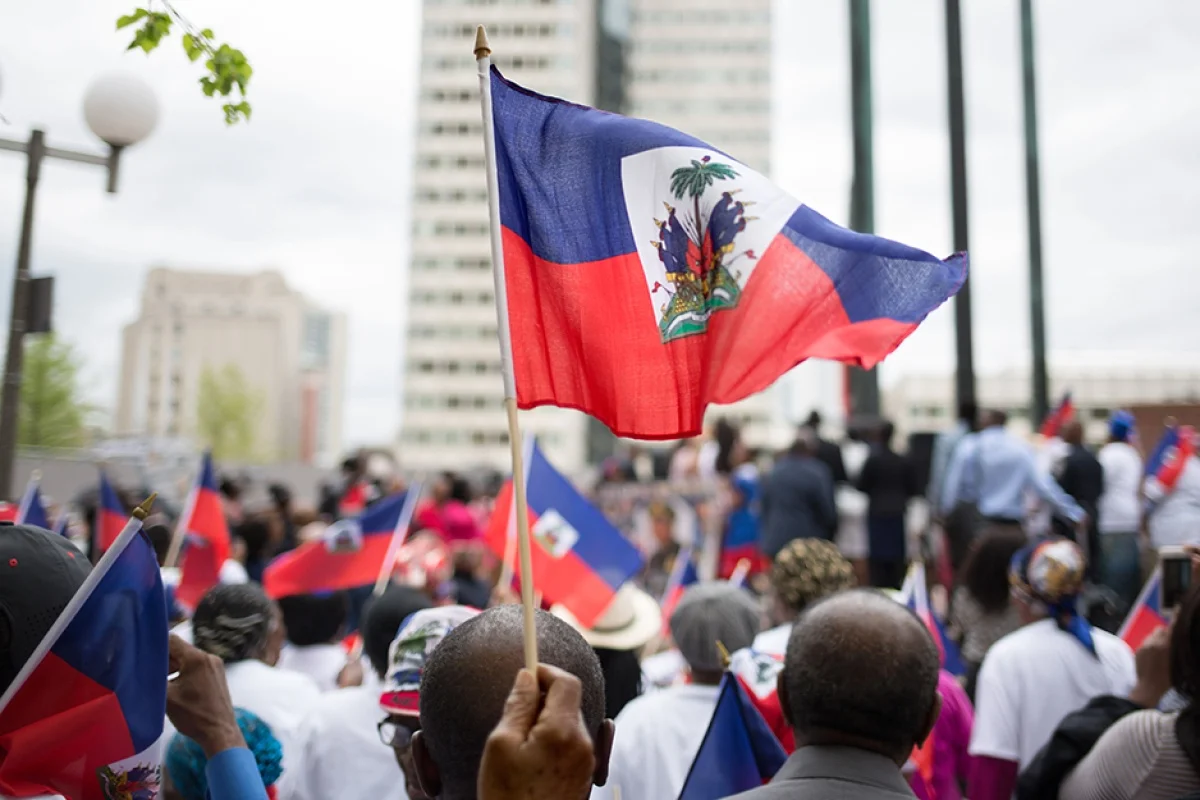
First black nation to free itself from slavery and gain independence from France in 1804 and influenced other liberation movements around the world, inspiring struggles for freedom and equality.
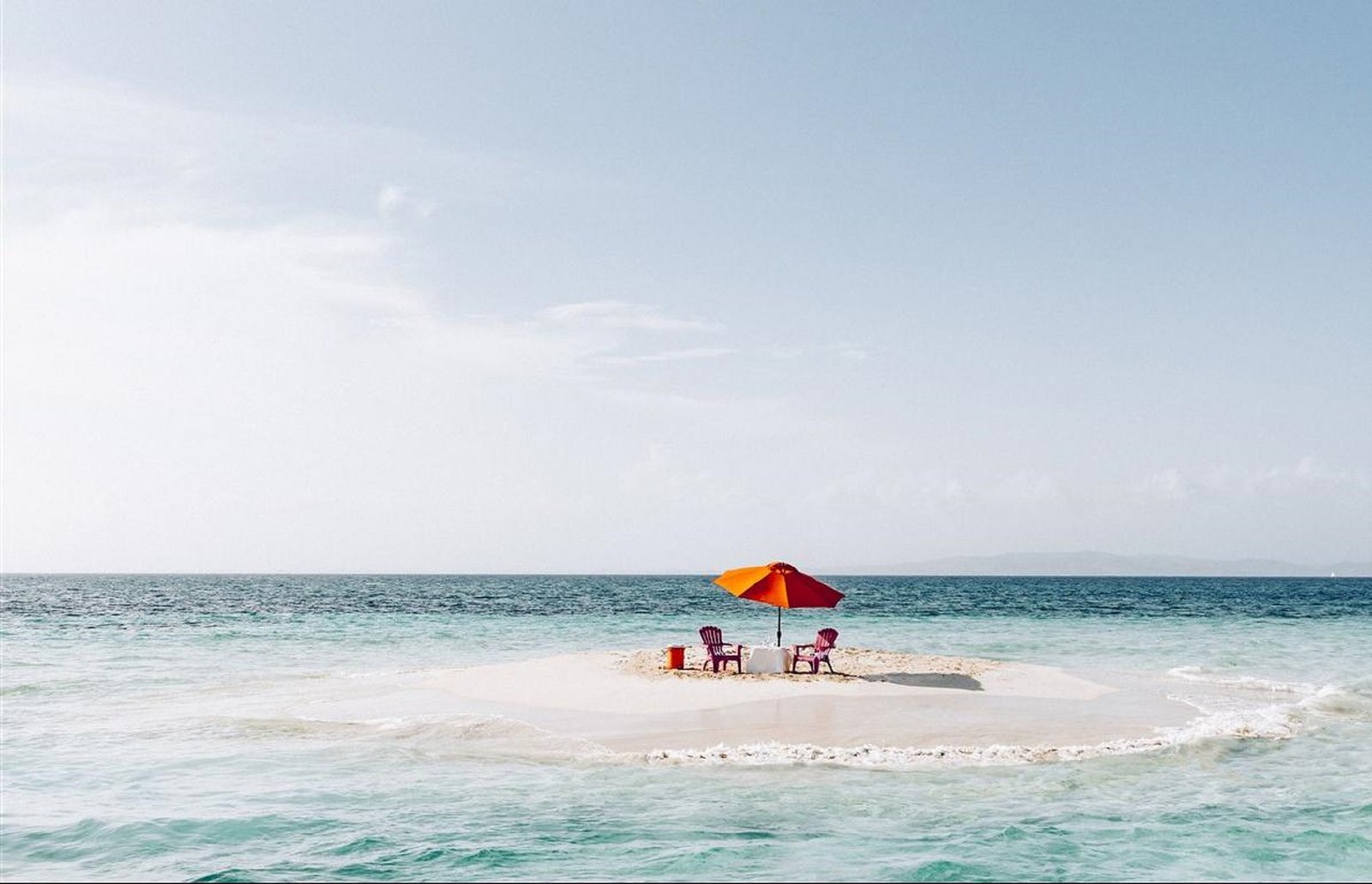
Natural beauty
Haïti is blessed with spectacular natural landscapes, including white sand beaches, mountains and rich biodiversity.
Heritage
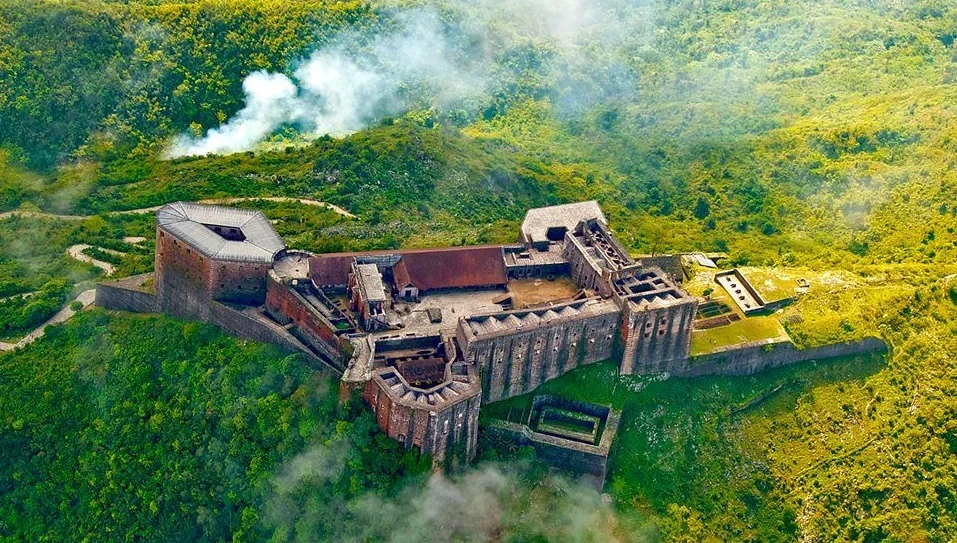
Haïti has a rich historical heritage, including sites like the Citadelle Laferrière and the Sans-Souci Palace, listed as UNESCO World Heritage Sites.
Culture
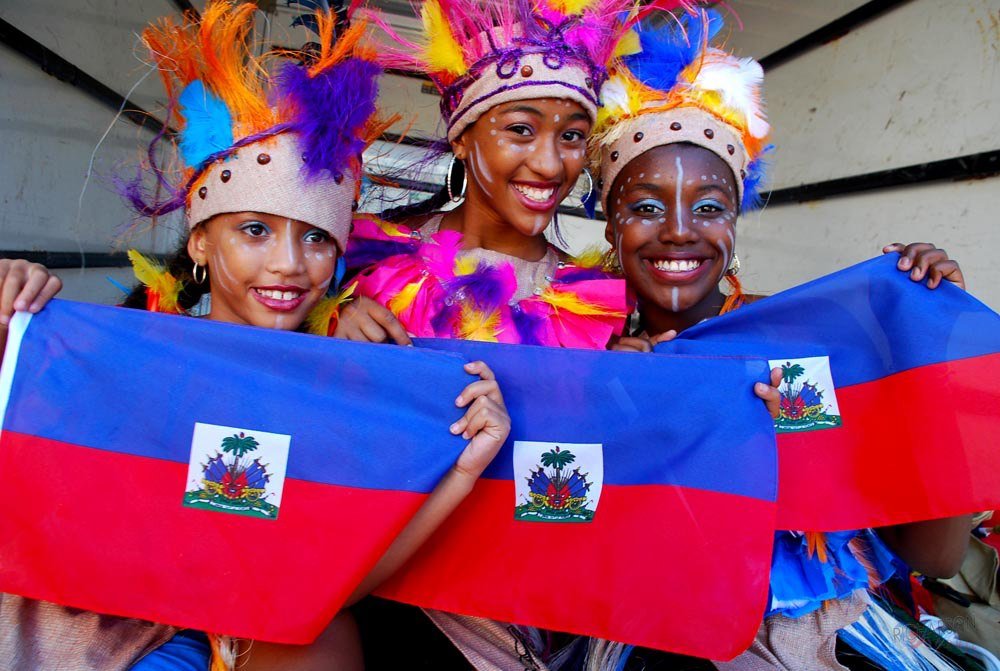
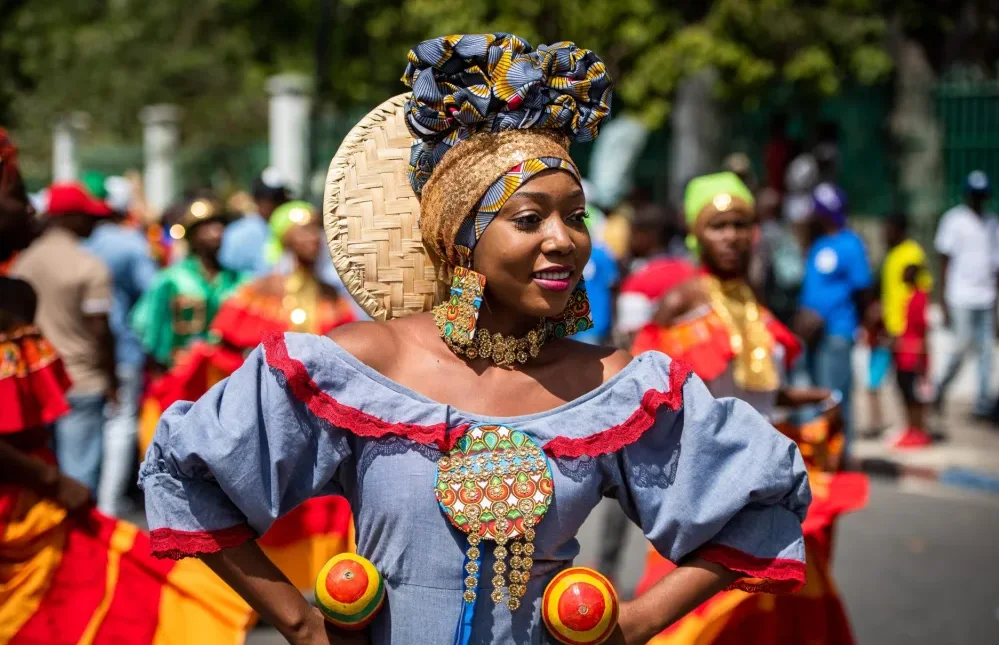
Haïti has a rich and diverse culture, influenced by African, European and indigenous elements. Haitian music, dance, art and cuisine are celebrated around the world.


























I love this article. Thank you and congratulations to Moise Francois. You got it right, bro.
November 12, 2025 - 04:40:53 AMInvocation Maçonnique de Vertières
June 16, 2026 - 11:38:22 PMAppel des Grandes Forces de Lumière, de Sagesse et de Victoire
pour les Fils d’Haïti
Au Nom du Grand Architecte de l’Univers,
Source éternelle de Lumière, d’Harmonie et de Perfection,
Nous ouvrons ce moment sacré sous le signe de la Lumière.
Que la mémoire de Vertières soit élevée comme une colonne éternelle,
car c’est sur cette terre que le courage humain a taillé une pierre dans le Temple de la Liberté.
Nous appelons symboliquement les Grandes Forces de l’Esprit,
les Énergies de Sagesse, de Force et de Beauté,
afin qu’elles inspirent les fils d’Haïti qui portent aujourd’hui l’honneur de la Nation.
Nous invoquons la Lumière de Salomon,
symbole de sagesse et de discernement,
afin que les joueurs gardent l’intelligence dans chaque décision,
la maîtrise dans chaque action et la vision dans chaque mouvement.
Nous invoquons l’Esprit d’Hiram Abiff,
Maître bâtisseur du Temple, symbole de fidélité et de persévérance,
afin que l’équipe soit unie comme une œuvre parfaite,
que chaque joueur soit une pierre solide dans l’édifice collectif.
Nous invoquons la Force d’Hercule,
symbole du courage face aux épreuves,
afin que leur volonté demeure ferme devant tous les défis.
Nous invoquons la Sagesse d’Athéna,
symbole de stratégie et d’intelligence,
afin que leurs choix soient précis, que leur esprit reste calme et concentré.
Nous invoquons l’Esprit de Mars,
symbole de courage et de détermination dans le combat,
afin qu’ils affrontent chaque adversaire avec discipline, respect et force intérieure.
Nous invoquons la Lumière d’Apollon,
symbole de clarté, d’excellence et d’harmonie,
afin que leur talent rayonne et que leur travail soit reconnu.
Nous appelons également la mémoire des grands bâtisseurs d’Haïti :
1
Toussaint Louverture,
la vision du stratège.
Jean-Jacques Dessalines,
la force de la liberté.
Henri Christophe,
la discipline du bâtisseur.
Capois-La-Mort,
le courage qui avance même devant l’impossible.
Que leurs noms soient des colonnes de mémoire.
Que la peur soit transformée en courage.
Que la pression soit transformée en maîtrise.
Que l’obstacle soit transformé en occasion de grandeur.
Que les joueurs entrent sur le terrain comme des artisans de leur destinée,
portant dans leur cœur : la dignité d’Haïti, la mémoire de Vertières, et la volonté d’excellence.
Que les trois grandes colonnes symboliques :
SAGESSE FORCE BEAUTÉ
soient avec eux.
Que leur union construise un Temple de victoire,
non seulement par le résultat,
mais par l’honneur, l’effort et la grandeur de leur engagement.
Que la Lumière guide leurs pas.
Que la Force soutienne leurs actions.
Que l’Harmonie unisse leurs cœurs.
Pour Haïti.
Pour Vertières.
Pour la Fraternité humaine.
Que la Lumière soit.