contact@haitiwonderland.com+509 36184317

Discover

Shopping Cart

Haiti’s Citadelle Laferrière: Eighth Wonder of the World?

Haiti’s Citadelle Laferrière: Eighth Wonder of the World?

Among the world’s architectural and historical treasures, the Citadelle Laferrière, perched high in the north of Haiti, occupies a unique place. Dubbed by some the “Eighth Wonder of the World,” this colossal fortress is much more than a feat of engineering: it is a powerful symbol of freedom, resilience, and national pride. Discover why this impressive site continues to captivate visitors from around the world and deserves this honorary distinction.

Haïti
Haïti
Haïti

A Monument Born of the Struggle for Freedom

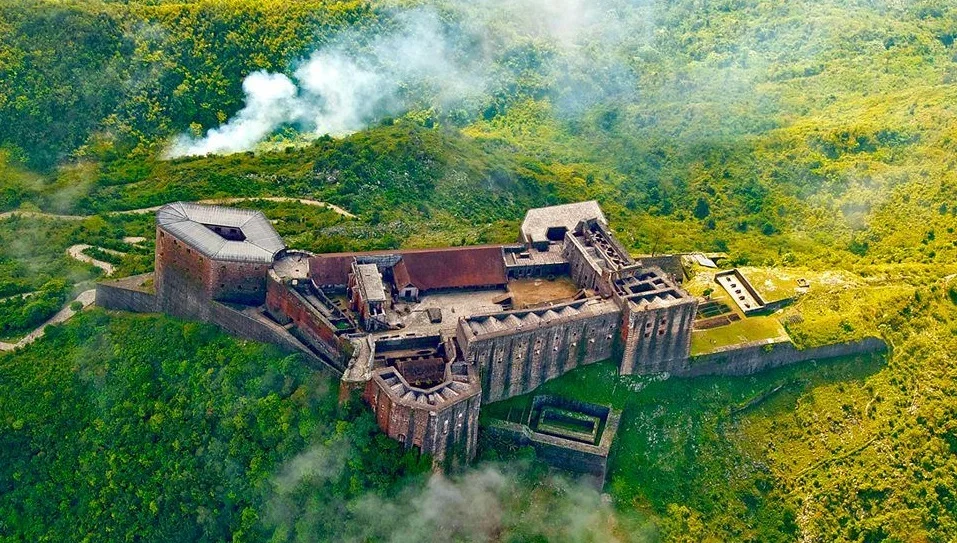
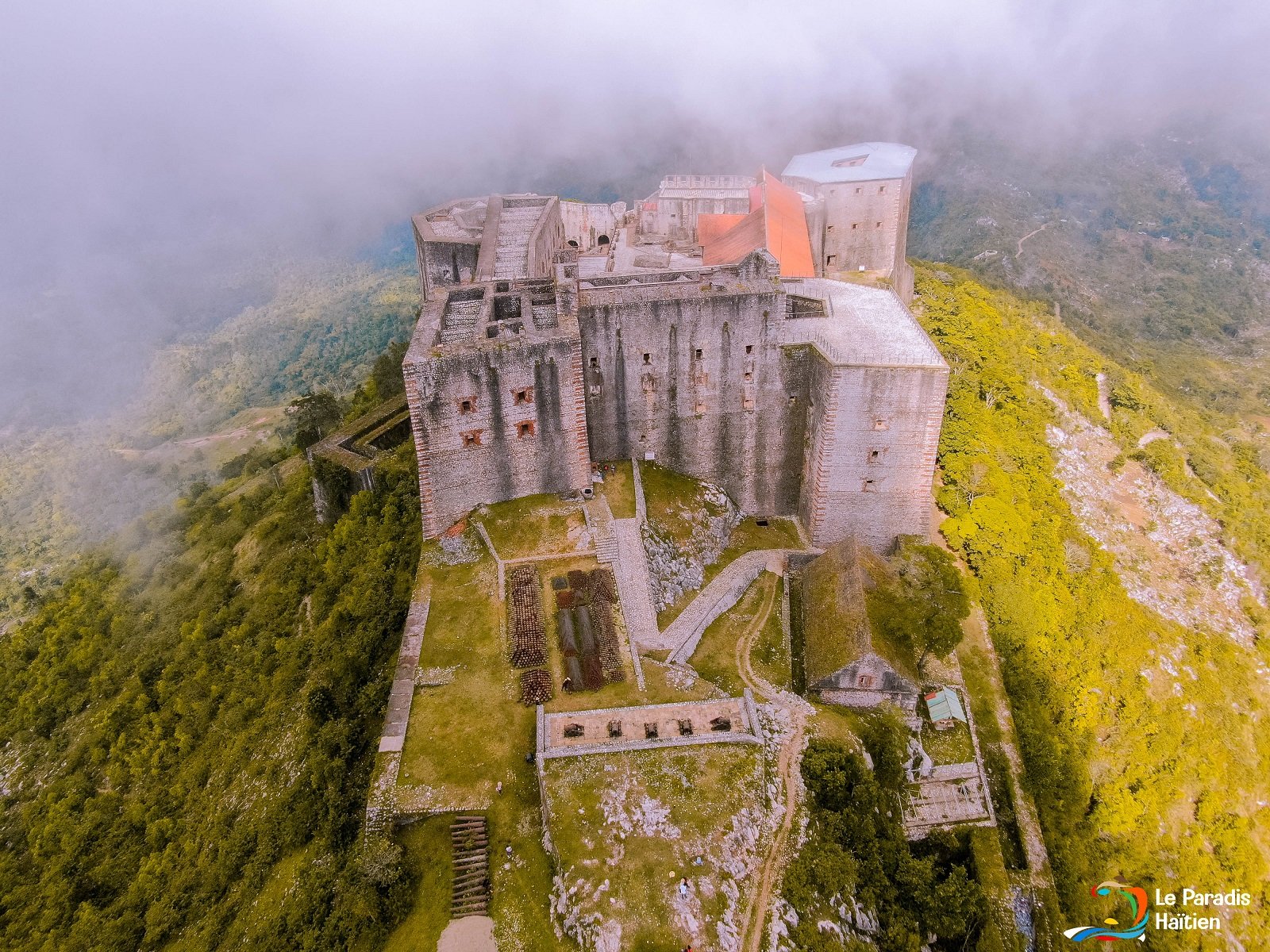
After Haïti gained independence in 1804, acquired through fierce struggles against the French colonial army, King Henri Christophe ordered the construction of the Citadelle Laferrière to protect the young nation from possible attempts at reconquest. Built between 1805 and 1820, this imposing fortress dominates the surrounding plains at an altitude of nearly 900 meters, offering a strategic view of the entire north of Haïti and, on a clear day, all the way to the Cuban coast.

With massive walls sometimes reaching 40 meters high, the Citadel was designed to withstand the most violent bombardments. Its capacity to accommodate up to 5,000 soldiers, combined with its reserves of food, water and ammunition, made it an impregnable refuge.

Haïti
Haïti
Haïti

Impressive dimensions

Ranked among the largest fortresses in the world, the Citadelle Laferrière covers an area of ​​10,000 square meters. Here are some key figures that illustrate its scale:
- 365 cannons of various sizes, from different Napoleonic battles, are stored there. - Tons of cannonballs, perfectly stacked, bear witness to the meticulous preparation for defense.
- More than 20,000 workers participated in its construction, using local materials transported by man and mule.

Its robust and imposing design makes it a masterpiece of military architecture.

Haïti
Haïti
Haïti

A UNESCO World Heritage Site

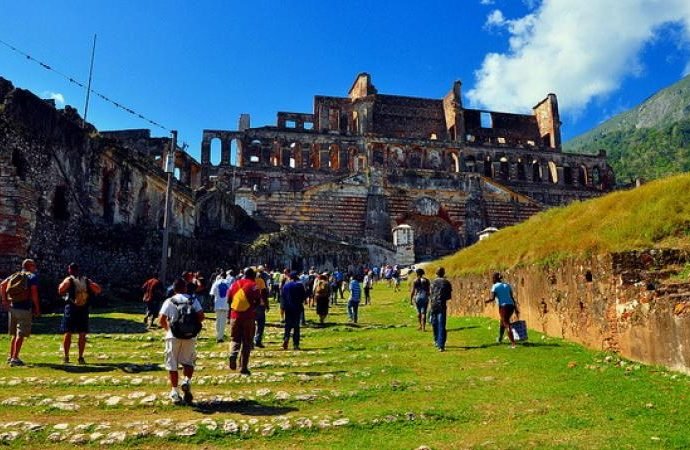
In 1982, the Citadelle Laferrière was inscribed on the UNESCO World Heritage List in recognition of its historical and cultural importance. It is part of the National Historical Park, alongside the Sans Souci Palace and other remains from the era of Henri Christophe.

This classification highlights not only its role as a symbol of freedom for Haiti, but also its impact on universal history as a testimony to the first free black nation in the world.

Haïti
Haïti
Haïti

Why the "Eighth Wonder of the World"?

The nickname "Eighth Wonder of the World" given to the Citadelle Laferrière is not official, but it reflects the admiration it inspires in those who visit it. This title evokes:
- Its architectural ingenuity: Few fortresses in the world combine such size, strategic design and resistance to the natural elements.
- Its historical role: It embodies the spirit of struggle and independence of a people who defied the colonial powers of the time.
- Its majestic beauty: Nestled atop a mountain, the Citadel offers a spectacular panoramic view of the surrounding valleys and the Atlantic Ocean.

Haïti
Haïti
Haïti

A world-renowned tourist attraction

Every year, thousands of local and international tourists visit the Citadelle Laferrière. It is often the highlight of their trip to Haiti.

Access to the Citadel is by hiking or horseback riding, adding an adventurous dimension to the experience. Once at the top, visitors are rewarded with a breathtaking spectacle and a deep insight into Haiti’s heroic history.

Plan your trip to Haïti

Plan your trip to Haïti

Haïti, the pearl of the Caribbean nestled west of the island of Hispaniola, offers a captivating combination of natural beauty and rich history. For an unforgettable trip, follow these wise tips to plan your stay. b~Prior Research~b Before you begin your trip, immerse yourself in Haïti’s rich culture, fascinating history, delicious cuisine and top attractions. This prior immersion will allow you to make the most of your stay and connect more easily with locals. b~Ideal time to travel~b Haïti’s mild climate throughout the year makes it an attractive tourist destination at any time. Your choice of period will depend on your preferences. If you’re passionate about cultural festivities, don’t miss the Haïtian Carnival in February, a vibrant celebration leading up to Lent. For lovers of paradise beaches like Labadee, La Côte des Arcadins, and others, summer offers a perfect mix of sun and fun times in crystal clear waters. If spirituality appeals to you, August 15 marks the Feast of the Assumption, a religious celebration marking the Virgin Mary’s ascension into heaven. And also November 1st and 2nd are dedicated to the Day of the Dead. Families go to the cemetery to honor and decorate the graves of their deceased loved ones, creating an atmosphere steeped in memory and tradition. History buffs may choose to visit on national holidays such as National Independence Day on January 1, Flag Day on May 18, and other significant events. b~Choice of Accommodation~b Haïti offers a range of accommodation options, from luxury hotels to family-friendly B&Bs. Adapt your choice according to your budget and preferences, favoring local accommodation for a more authentic experience. b~Unmissable Tourist Sites~b Among the gems to explore, discover the majestic Citadelle Laferrière, listed as a UNESCO world heritage site, the Sans Souci Palace, the La Visite National Park, the Milot Cathedral, Fort Jacques, the Heroes of Vertières, the Bassin Bleu , the Saut-Mathurine Waterfall, the Marie-Jeanne Cave, Kenscoff and Furcy, as well as the Saut d’Eau Waterfall. Also explore the artistic wealth of Haïti through its artisan markets. b~Taste Local Cuisine~b Haïtian cuisine is a symphony of exotic flavors. Be sure to sample local dishes such as griot and pea-sticky rice at local markets for an authentic culinary experience. b~Local Culture~b Haïtian culture, influenced by a rich history, is diverse and vibrant. Respect local customs, be open-minded and willing to learn. The warmth and hospitality of the Haïtians add a unique dimension to your experience. b~Means of Transport~b Opt for modern means of land transport such as Capital Coach Line, Transport Chic, Sans-Souci Tours, Le Transporteur, Grand Nord. For aerial explorers, easily book your flight with Sunrise Airways. Car rental is also an option for those looking for a more private experience. b~Language and Communication~b Although Haïtian Creole is the main language, French is also widely used. Learn a few basic phrases in Creole to facilitate exchanges and enrich your experience. By meticulously planning your trip to Haïti, you open yourself up to discovering the natural beauty, cultural richness, and warm hospitality of this Caribbean gem. Get ready to experience a unique and memorable adventure in Haïti.

Some key facts about the Citadel

- Strategic position: It overlooks the northern plains, offering a clear view of possible enemy approaches.
- Symbolic construction: The fortress was built to represent freedom, even though it has never been attacked.
- An intact masterpiece: After more than two centuries, it remains in excellent condition and continues to fascinate with its solidity.

A symbol of resilience for future generations

The Citadelle Laferrière is not only a historical monument, but also a source of inspiration for Haitians and the world. It is a reminder of the price of freedom and the importance of preserving one’s heritage.

If you haven’t had the opportunity to visit the Citadel yet, it deserves to be at the top of your list of destinations. Come discover this wonder, share your experience and, why not, contribute to making Haïti shine on the world stage.

And you, what do you think of this "Eighth Wonder of the World"? Do you have any anecdotes or memories to share? Do so in the comments!

Share
About the Author
Appolon Guy Alain
Appolon Guy Alain
Appolon Guy Alain

Full Stack Developer, Créatif, expérimenté, passionné des nouvelles technologies et de l’art.

See other articles from Appolon Guy Alain
KEMIH SANROAH

Je suis en Afrique de l'ouest dans la republique soeur de Haití et je veux connaitre plus sur la 8eme merveille svp
Merci

August 04, 2025 - 01:33:02 PM
Leave a comment

Recently Posted

Guédés: When Haïti celebrates its ancestors with color and fervor

Every November 1st and 2nd, Haïti comes alive with the colors black and purple to celebrate the Guédés, spirits venerated in the voodoo religion, symbols of a powerful bond between the living and the dead. Fascinating, indomitable and provocative, the Guédés form a true family in the pantheon of Haitian voodoo, where they are respected for their role as spiritual guides of the deceased to the afterlife. Led by iconic figures such as the legendary Baron Samedi and his companion Grann Brigitte, the Guédés embody the paradoxes of life and death. Each Baron has a unique personality: Baron Cimetière, Baron Kriminel, and Baron La Croix are the guardians of the souls that wander on the borders of the world of the dead. Together, they form a powerful and somewhat frightening presence, but one that is deeply rooted in Haitian culture. The Guédés are not like other voodoo spirits; they demonstrate their fearlessness in a spectacular way. Accustomed to death, they are fearless and are provocative: they eat glass, raw peppers, and coat their sensitive parts with rum and pepper. These gestures mark their indifference to danger and remind us that they have already known earthly life. They are thus psychopomps – these beings who lead the souls of the dead – and act as bridges between the world of the living and that of the dead. Some Guédés, like Guédé Nibo, wear black, purple, and white clothing, each with unique characteristics. They are many and varied: Guédé Fouillé, Guédé Loraj, Papa Guédé, and many others. These are the spirits who, each year, remind Haitians of the importance of remembering and honoring the deceased. The cult of the Guédés is not only religious; it is also cultural and historical. According to tradition, their spiritual territory, or “Fètomè” – nicknamed the “Country without Hats” – is a place where the souls of ancestors reside. According to stories, the origins of this cult go back to the Abomey plateau, the ancient capital of the kingdom of Dahomey, in Africa, where death and life coexist in a form of symbiosis. This celebration in Haïti even finds echoes in ancient history. The Romans also honored their dead with the “Fête des Lémuria”, which took place in February, to ward off spirits and restore peace between the world of the living and that of the deceased. For Haitians, honoring the Guédés is about accepting death as a part of life and celebrating the invisible bonds that unite us with those who have left us. It is also a way of resisting, because life, despite its challenges, must be celebrated in all its complexity and depth.

Newsletter

Subscribe to our newsletter to stay informed of all our activities and news on Haiti.
Haïti: The Pearl of the Antilles

Located in the Caribbean Sea, Haïti is often nicknamed "The Pearl of the Antilles". This laudatory title not only reflects the beauty of its idyllic beaches, but also the history, culture and natural wealth of this island nation. Throughout the centuries, Haïti has acquired this prestigious reputation for various reasons, which go beyond its picturesque landscapes. b~Natural Beauty:~b Haïti is blessed with an abundance of natural beauty. Its sandy beaches, crystal clear waters, majestic mountains and lush valleys make it a dream destination for travelers from all over the world. Generous nature has endowed Haïti with impressive ecological diversity, which has helped shape its image as the pearl of the Antilles. b~Cultural Wealth:~b Beyond its landscapes, it is the richness of Haïtian culture which contributes to its reputation as a pearl. Haïti has a fascinating history, blending influences from indigenous Taino people, European settlers and African slaves. This cultural fusion gave rise to a unique artistic and musical tradition, embodied in expressions such as voodoo, naive painting and compass music. b~Historical Heritage:~b Haïti has played a central role in the history of the struggle for freedom and equality. In 1804, it became the first independent republic in Latin America and the Caribbean, after a revolution led by freed slaves. This courageous act of independence established Haïti as a symbol of resistance and determination, adding a historic dimension to its status as the pearl of the Antilles. b~Natural Resources~b Haïti is abundant in valuable natural resources, which has contributed to its nickname as the Pearl. Mineral-rich mountains, fertile soils and abundant water reserves have made Haïti a land of opportunity. Haïti, the pearl of the Antilles, is much more than just a tourist destination. It is a country whose natural beauty, cultural richness, historical heritage and natural resources contribute to a unique identity. It remains a jewel in the crown of the Caribbean, reminding the world of the strength and resilience of the Haïtian people.

Recently Posted

History

History

First black nation to free itself from slavery and gain independence from France in 1804 and influenced other liberation movements around the world, inspiring struggles for freedom and equality.

Natural beauty

Natural beauty

Haïti is blessed with spectacular natural landscapes, including white sand beaches, mountains and rich biodiversity.

Heritage

Heritage

Haïti has a rich historical heritage, including sites like the Citadelle Laferrière and the Sans-Souci Palace, listed as UNESCO World Heritage Sites.

Culture

Culture

Haïti has a rich and diverse culture, influenced by African, European and indigenous elements. Haitian music, dance, art and cuisine are celebrated around the world.

  • +
    • Post