


Haiti: Why do people confuse "Unity is Strength" and "Liberty - Equality - Fraternity"?
What is Haiti's real motto? Understanding the confusion between "Unity is Strength" and "Liberty-Equality-Fraternity."
Christmas in Haïti is a holiday full of traditions, spirituality and moments of conviviality. Marked by religious celebrations, family feasts and unique cultural expressions, Haitian Christmas is a magical time that reflects the generous and festive soul of the Haitian people. This article takes you to the heart of Christmas traditions in Haiti.
Time management in Haïti follows a practice shared by several countries: daylight saving time. Adopted for several decades, daylight saving time consists of moving the clocks forward by one hour for part of the year in order to maximize the use of daylight. This article explores how and why this measure is applied in Haiti, as well as its impact on the daily lives of Haitians.
Haiti, the pearl of the Antilles, is a country rich in history, culture and varied landscapes. In addition to its many attractions, it is interesting to dwell on a fundamental geographical aspect: its area. This article explores in detail the size of the Haitian territory, its geographical importance and its impact on the daily lives of Haitians.
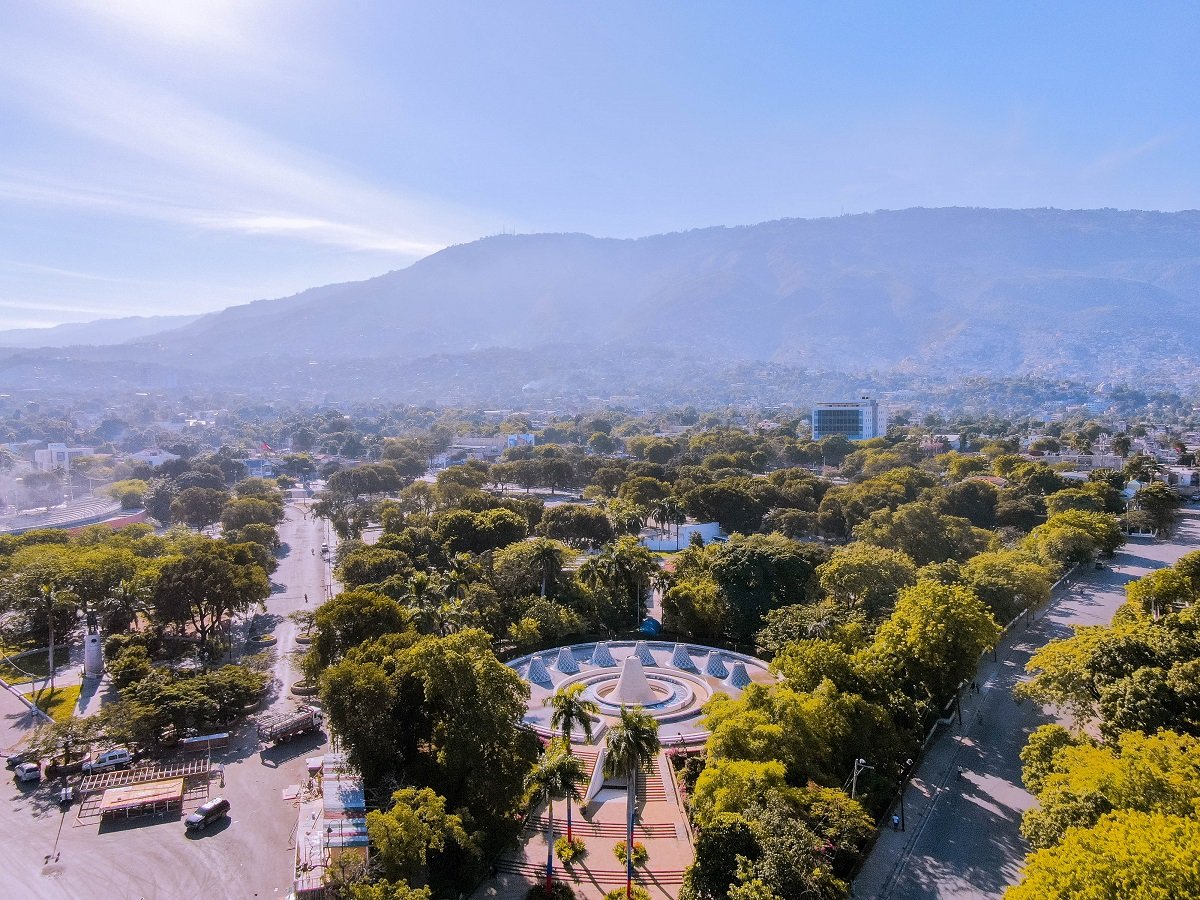
Haiti, a country rich in history and culture, is divided into several administrative departments that structure its territory and reflect its geographical and cultural diversity. Each department has unique characteristics, contributing to the wealth of the nation. Discover the 10 departments of Haiti, their characteristics, and their role in the life of the country.
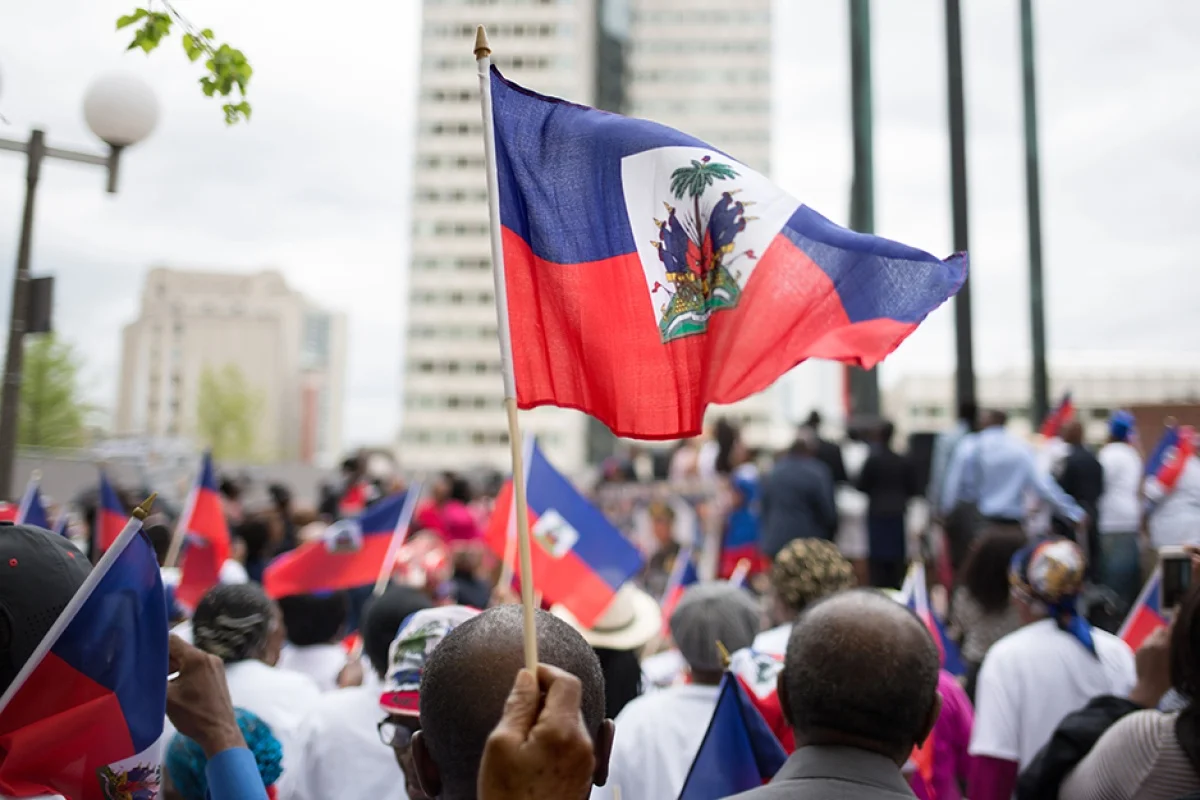
The Haitian flag is much more than just a national emblem. It is a symbol of the struggle for independence, cultural identity, and the resilience of a people. Every year on May 18, Haitians come together to celebrate their flag with a unique fervor. This article explores the significance of this day and the different ways it is celebrated across the country.
Article 1 of the Haitian Constitution of 1987, amended in 2011, establishes the foundations of national identity. In one concise but powerful sentence, it states that Haïti is an indivisible, sovereign, independent, free, democratic and social Republic. These six terms reflect the fundamental values and collective aspirations of the Haitian nation, forged through a rich and tumultuous history. q~ARTICLE 1: Haïti is a Republic, indivisible, sovereign, independent, cooperative, free, democratic and social.~q Let’s discover the meaning and importance of each of these principles in the context of the Republic of Haiti.
The largest valley in Haïti is called the Artibonite Valley. Nestled in the heart of the country, this valley is a true natural and economic wealth for the nation. Thanks to its fertile lands, its importance in agricultural production and its role in Haitian history and culture, the Artibonite Valley is an emblematic place in many ways. In this article, we will explore the characteristics that make this valley a national treasure.
Haiti, with its unique history and vibrant culture, is a country where language plays a central role in national identity. Haiti’s primary language is Haitian Creole, a rich and expressive language that reflects the country’s cultural mix. Although French is also an official language, Creole is spoken by almost the entire population and is a fundamental part of daily life. In this article, we will explore the origins, uses, and importance of Creole in Haiti.
The holiday season in Haïti is full of magic, and Christmas songs play an essential role in this warm and festive atmosphere. Between traditions, wild rhythms and nostalgic melodies, Christmas music in Haïti reflects the cultural richness of the country. Here is a selection of 10 unforgettable Haitian Christmas songs, which continue to make hearts vibrate and leave a mark on minds.
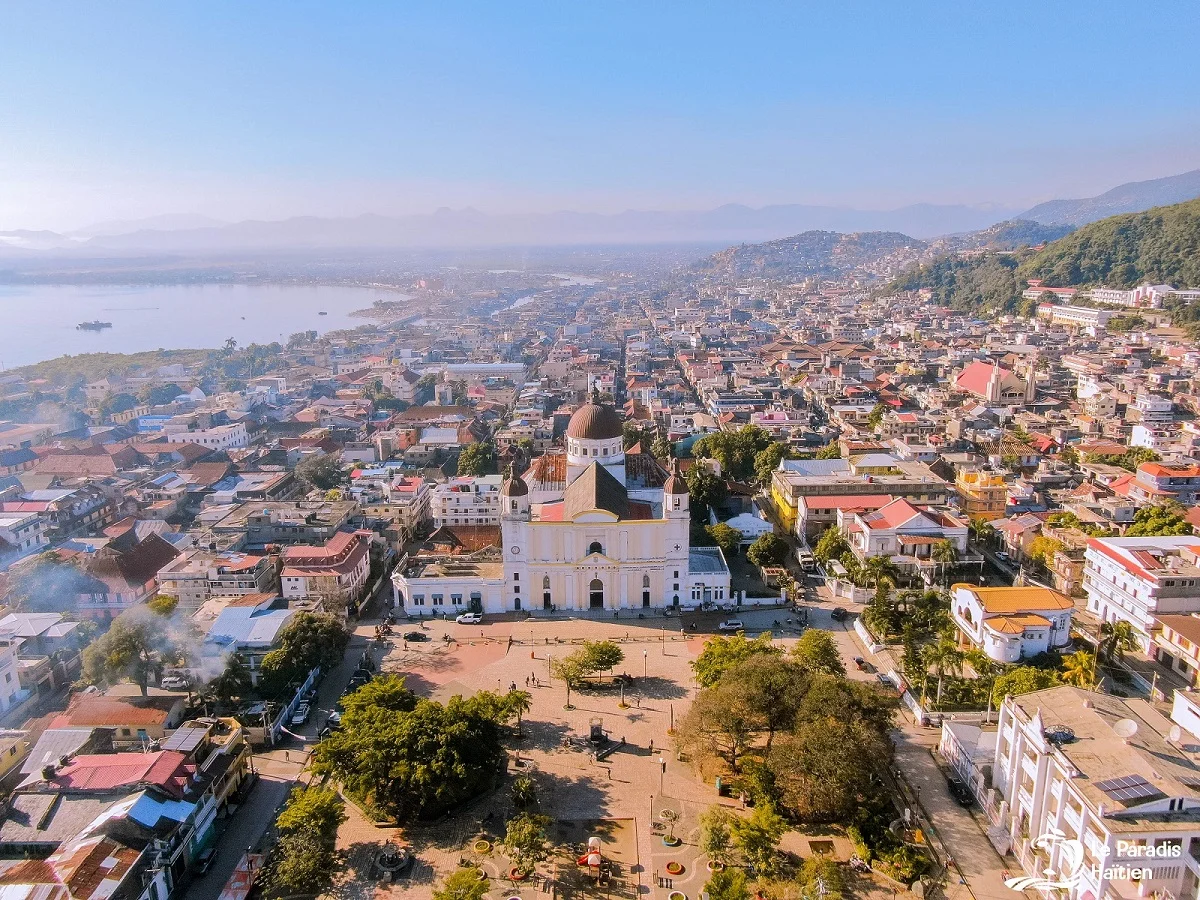
Once nicknamed "the pearl of the Antilles", Haïti is an island of remarkable fertility, a fascinating destination that combines spectacular natural beauty with a rich and complex history. It is part of the Greater Antilles alongside Cuba, Puerto Rico and Jamaica. Nestled between the two Americas, on the Panama Canal route, this island nation is a well-kept treasure, offering visitors a unique blend of magnificent landscapes, vibrant culture and historical heritage.
Cheffe Leen! A name that’s been making the rounds on social media in recent weeks! And for good reason: the Haitian chef represented Haïti in the Guinness World Records in an extraordinary culinary competition. This challenge consisted of cooking for eight days non-stop, a bold way to showcase the richness of Haitian cuisine. It was in France, more precisely at the Anba Le Pont restaurant, located in Saint-Denis, that Leen Excellent embarked on this exceptional adventure. Starting on Monday, April 7, 2025, she cooked non-stop for nine consecutive days, totaling 187 hours of actual cooking time (after deducting statutory breaks). A historic achievement, combining endurance, passion, and cultural pride. So, if you were Chef Leen, what would be the first dish you would cook to represent Haitian cuisine to the world? The Haïti Wonderland editorial team asked a few readers this question: some readily answered white rice with pea and vegetable sauce, which they call GOAT. Others opted for a good lalo, a tasty pye kochon stew, a good tchaka, or even the famous morning rice. Given this diversity, I’ve chosen to present each dish mentioned in the survey over the weeks.
Haiti, rich in history and culture, celebrates several national holidays throughout the year. These celebrations reflect the identity and resilience of the Haitian people, marking key moments in their history and honoring their traditions. Discover the most important national holidays in Haiti, their meanings and how they are celebrated.

First black nation to free itself from slavery and gain independence from France in 1804 and influenced other liberation movements around the world, inspiring struggles for freedom and equality.

Haïti is blessed with spectacular natural landscapes, including white sand beaches, mountains and rich biodiversity.

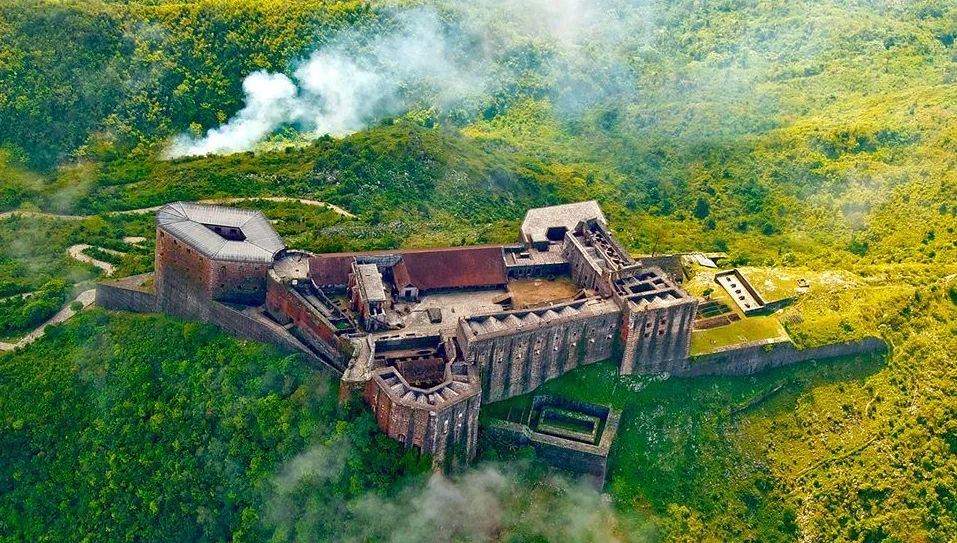
Haïti has a rich historical heritage, including sites like the Citadelle Laferrière and the Sans-Souci Palace, listed as UNESCO World Heritage Sites.

Haïti has a rich and diverse culture, influenced by African, European and indigenous elements. Haitian music, dance, art and cuisine are celebrated around the world.