contact@haitiwonderland.com+509 36184317

Discover

Shopping Cart

What is Haiti’s motto?

What is Haiti’s motto?

Discover Haiti's national motto: Liberty – Equality – Fraternity. Its origin, meaning, and importance in Haitian history and identity.

The Republic of Haiti, the first independent Black nation in the modern world, has powerful symbols that reflect its identity, its history, and its struggle for freedom. Among these symbols is the national motto: Liberty Equality Fraternity.

Read the article in :

French : Quelle est la devise d’Haïti ?

Spanish : ¿Cuál es el lema de Haití?

Creole : Ki deviz Ayiti a?

Reference page : What is Haiti’s motto?

Other version : What is Haiti’s motto?

Haïti
Haïti
Haïti

What is Haiti’s official motto?

According to Article 4 of the Haitian Constitution of 1987, the national motto is clear: Liberty Equality Fraternity.

These three words are not mere slogans. They represent a deep historical heritage, linked to the French Revolution, but also an adaptation to the realities of Haiti, born from the Revolution of 1804, which put an end to slavery and colonialism.

Haïti
Haïti
Haïti

Meaning of the National Motto

1. Liberty: It recalls the struggle of slaves to break their chains and proclaim independence in 1804. In Haiti, freedom is not an abstract concept, but a right won with blood and dignity.

2. Equality: It expresses the desire for a society without racial hierarchies or social discrimination. All Haitian citizens, without distinction, must be equal before the law.

3. Fraternity: It symbolizes the unity and solidarity necessary to build a strong nation in the face of historical and contemporary challenges.

The Motto and Other Symbols of the Haitian State

The national motto “Liberty Equality Fraternity” accompanies other official emblems:

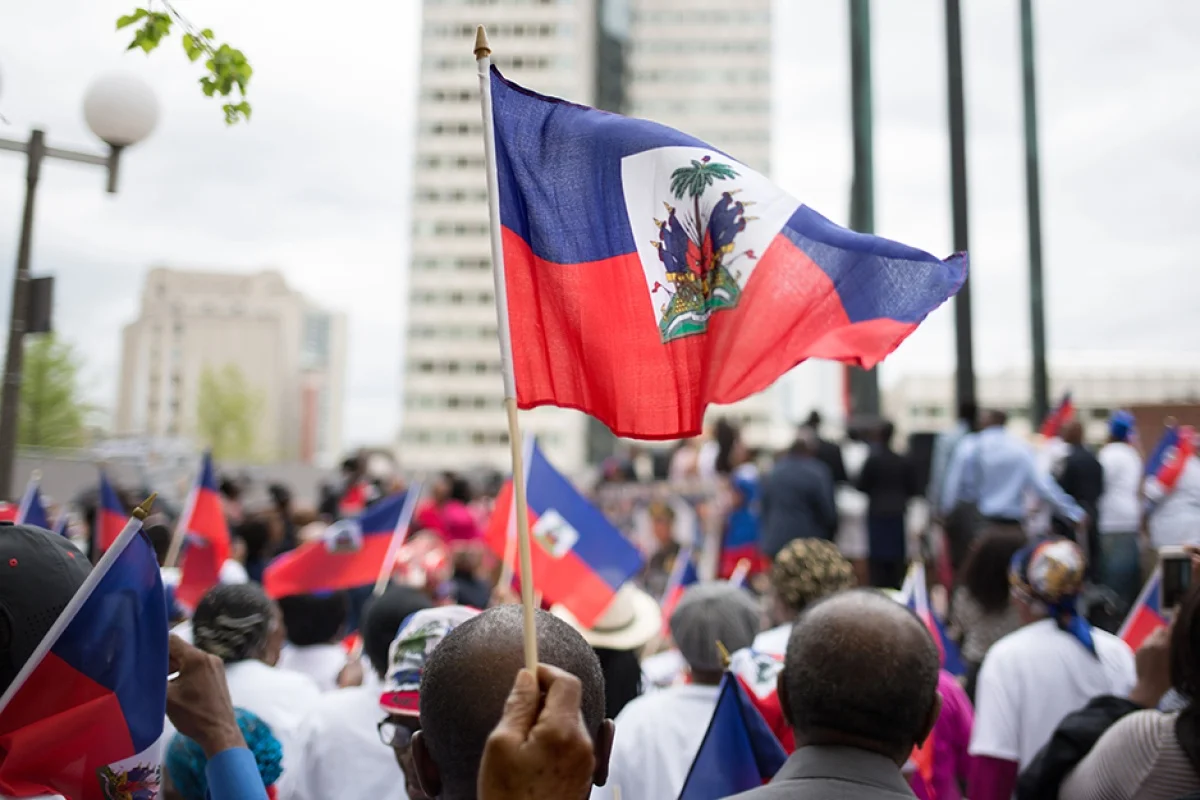
The Haitian flag: blue and red, symbolizing the unity of the people.

The Arms of the Republic: a palm tree topped with the cap of liberty, surrounded by cannons and weapons, bearing the legend “Unity is Strength.”

These combined symbols recall Haiti’s determination to remain free, sovereign, and united.

Haïti
Haïti
Haïti

Why is Haiti’s motto important today?

In a global context marked by inequality and social crises, the Haitian motto remains relevant today. It inspires not only Haitian citizens, but also all those fighting for justice, dignity, and equality around the world.

By repeating and living this motto, each generation contributes to perpetuating the spirit of 1804: a people standing tall, proud, and resilient.

Share
About the Author
Appolon Guy Alain
Appolon Guy Alain
Appolon Guy Alain

Full Stack Developer, Créatif, expérimenté, passionné des nouvelles technologies et de l’art.

See other articles from Appolon Guy Alain
Leave a comment

Recently Posted

Haïti, a rich and impoverished country

Located in the western part of the island of Hispaniola, Haïti is a land imbued with natural, cultural and historical wealth. Unfortunately, behind the beauty of its landscapes, the richness of its culture and the delicacy of its cuisine lies a complex reality marked by the debt of its independence and the persistent interference of third countries, casting a shadow over its stability. b~The Natural Beauty of Haïti~b Haïti, nicknamed the "Pearl of the Antilles", dazzles with the diversity of its landscapes. From majestic mountains and lush valleys to meandering rivers and sandy beaches, the country offers natural beauty worth celebrating. The famous Citadelle Laferrière mountains and the refreshing waterfalls of Bassin-Bleu are just a few examples of the splendor that characterizes this nation. b~A Rich and Diverse Culture~b Haïti stands out for its vibrant and diverse culture. A heritage of African, French and indigenous influence, Haïtian music, dance and art reflect a unique fusion. Colorful festivals, like Carnival, are celebrations of this cultural richness, attracting visitors from all over the world. b~Delicious Cuisine~b Haïtian cuisine, tasty and spicy, is another aspect worth celebrating. Dishes like griot, sticky rice, and the legendary joumou soup, traditionally prepared to commemorate independence, are all culinary delights that demonstrate the country’s gastronomic ingenuity. b~Heritage Treasures and Paradise Beaches~b Haïti’s heritage treasures, such as the remains of the Sans-Souci Palace and the Citadelle Laferrière, listed as UNESCO World Heritage Sites, are testimonies to the architectural grandeur of Haïti’s past. At the same time, beaches like Labadee and Jacmel offer havens of peace with crystal clear waters, attracting travelers in search of a tropical paradise. b~A Fascinating Story~b The history of Haïti is both fascinating and tragic. It was the first country in the Americas to gain its independence, in 1804, after a courageous slave revolt. However, this independence came with a heavy financial price. France demanded exorbitant compensation, thus laying the foundations for Haïti’s foreign debt. b~The Debt of Independence and Foreign Interference~b Despite these treasures, Haïti struggles with the reality of its independence debt. After gaining its freedom, the country was forced to pay France a considerable sum in compensation for losses associated with the abolition of slavery. This debt has been a major economic burden for Haïti, hindering its development. Additionally, foreign interference continues to create significant challenges. External political and economic interventions have often contributed to the country’s instability, hindering its ability to build a sustainable future for its citizens. b~In conclusion~b Haïti remains a country of multiple riches, but its challenges persist. Despite its natural beauty, rich culture and fascinating history, the nation needs enlightened international support and lasting solutions to overcome the obstacles that stand in its way. Haïti’s wealth lies not only in its enchanting landscapes, but also in the potential of its people to be resilient and prosper despite persistent challenges.

Newsletter

Subscribe to our newsletter to stay informed of all our activities and news on Haiti.

Official launch of “Ewo” Beer: Haitian Pride across the World

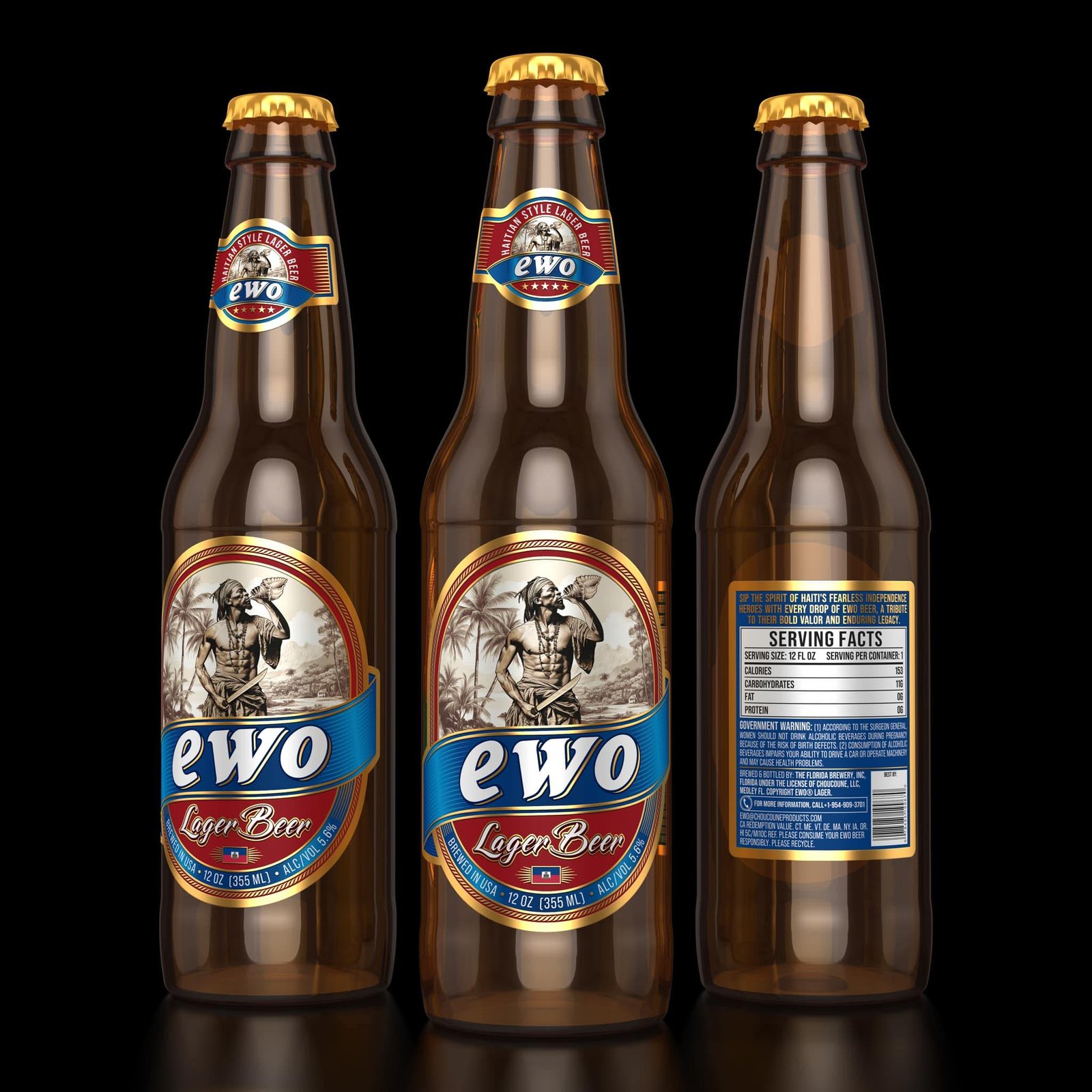
December 1 marked an exceptional moment for the Haitian community and beer lovers around the world, with the official launch of “Ewo” beer by Haitian entrepreneur Jhonson Napoléon. After the success of “Kola Choucoune”, already present in several countries, including the United States and Canada, it is the turn of “Ewo” beer to take the American market by storm. Available in several cities in the United States, this beer embodies the perfect marriage between tradition and innovation, offering consumers a unique taste experience. “Ewo” beer is much more than just an alcoholic beverage. It is a delight that skillfully blends the authentic flavors of Haitian culture with a touch of innovation. In a country where Prestige beer and Barbancourt rum have already conquered palates around the world, “Ewo” beer is proudly added to the list of Haitian taste treasures. Jhonson Napoléon, the man behind this new creation, continues to fly the colors of Haïti across the globe. His commitment to promoting quality Haitian products continues to strengthen the reputation of his country of origin. “Ewo” beer is not just a drink, it is a symbol of Haitian creativity and perseverance that transcends borders. This new step demonstrates the country’s ability to be part of the global trend for quality craft beers. “Ewo” beer is not only a leading local product, but it also stands out on the international scene as the representative of a rich and dynamic culture. The pride that Haitians feel for the success of Jhonson Napoléon and the growing fame of “Ewo” beer is palpable. It is a success story that transcends geographic boundaries and embodies the strength of the Haitian entrepreneurial spirit.


Haiti: Discovering Lake Péligre

At the heart of the majestic Haitian topography, lies a natural gem of breathtaking beauty: Lake Péligre. Nestled in the mountains of Haiti’s central region, this artificial lake is a wonder for local residents and amazed visitors alike. From its historical creation to its contemporary ecological importance, let’s explore together the riches of Lake Péligre. Origin and History: Lac de Péligre is the result of an ambitious engineering project undertaken in the 1950s. At that time, the Haitian government, in collaboration with international partners, undertook the construction of the Péligre Dam on the Artibonite River. The main goal was to provide large-scale electricity to Haïti while regulating river flooding to protect agricultural land downstream. Ecology and Biodiversity: Beyond its usefulness as a source of hydraulic energy, Lake Péligre is home to rich ecological diversity. The calm waters of the lake provide vital habitat for a variety of native fish species, supporting local fishing communities. In addition, the surrounding forests and hills that border the lake are home to diverse flora and fauna, contributing to the preservation of the regional ecosystem. Tourism and Leisure: For outdoor enthusiasts and nature enthusiasts, Lake Péligre offers a multitude of leisure opportunities. Visitors can enjoy peaceful boat rides on the tranquil waters of the lake, offering panoramic views of the surrounding mountains. Additionally, hiking trails winding through lush forests allow hikers to explore the area’s natural beauty. Lake Péligre represents much more than a simple artificial body of water. It is a living testament to human ingenuity and the natural beauty of Haiti. As an emerging tourism destination, it offers visitors an immersive experience in nature, while highlighting the crucial importance of environmental conservation. By preserving this natural treasure, we also preserve the sustainable future of our planet.

Haïti et son Rôle Pionnier dans l’Abolition de l’Esclavage Mondial

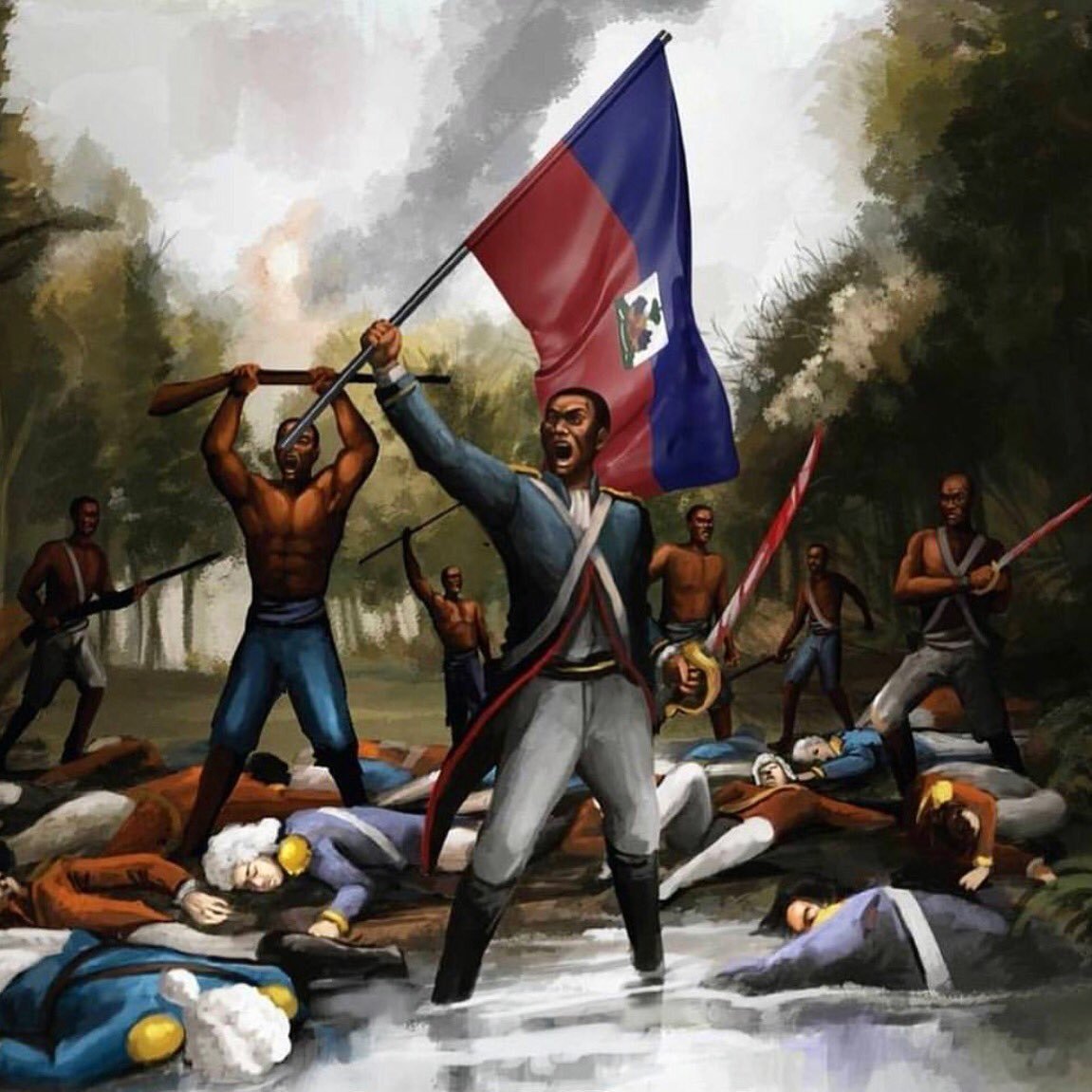
For centuries, the institution of slavery has darkened human history, leaving behind a legacy of pain, oppression and the struggle for freedom. However, in this dark tale, one nation stands out for its courage and determination to break the chains of oppression: Haiti. Located in the Caribbean, Haïti played a pioneering role in the abolition of slavery, laying the foundation for the fight for freedom and equality around the world. The history of slavery in Haïti dates back to the arrival of Europeans on the island, which was then called Santo Domingo, in the 15th century. French colonists quickly established an economy based on sugar and coffee production, cruelly exploiting millions of African slaves deported to work on plantations. However, this brutal system engendered fierce resistance from slaves, whose fight for freedom ultimately led to one of the most significant revolutions in history. In 1791, under the leadership of iconic figures such as Toussaint Louverture, Jean-Jacques Dessalines and Henri Christophe, Haitian slaves rose up against their oppressors in an unprecedented rebellion. This revolt resulted in a war of independence that lasted more than a decade, but ultimately resulted in the proclamation of Haiti’s independence in 1804, making that country the first post-colonial nation ruled by people from slavery. The impact of the Haitian Revolution on the abolition of slavery worldwide cannot be overstated. By breaking the chains of oppression and proclaiming their independence, Haitians have sent a powerful message to all oppressed peoples around the world: freedom is possible, and it is worth the struggle. The example of Haïti inspired other movements for the abolition of slavery in the Americas and beyond, thus helping to shake the very foundations of the institution of slavery. Haiti’s participation in the fight against slavery was not limited to its territory; it also extended to external actions where Haitian men were sent or actively participated in movements for the abolition of slavery in other regions of the world. For example, Haitian President Alexandre Pétion supported Simón Bolívar, the leader of the South American revolution, by providing him with weapons, money and even men, which contributed to the liberation of several countries in America Latin of colonial domination. Haïti also provided support for independence movements in Central America. Haitian fighters, led by General Jean-Pierre Boyer, helped Venezuelan patriots fight against Spanish rule, contributing to the liberation of that region. The Haitian government financially and diplomatically supported movements for the abolition of slavery in countries such as Venezuela, Colombia and Mexico, contributing to the gradual eradication of this institution throughout the region. Although Haïti did not directly participate in the American Civil War, many Haitians and descendants of Haitians played crucial roles in the abolitionist movement in the United States. Figures who were of Haitian origin or of Haitian ancestry, were important voices in the fight against slavery and for equal rights in the United States. The legacy of the Haitian Revolution remains a symbol of resistance and courage for future generations. Today, as the world continues to struggle against injustice and oppression in various forms, Haiti’s history reminds us that the fight for freedom is a universal fight, one that transcends borders and times. Haiti’s participation in the abolition of slavery throughout the world remains a crucial chapter in the history of humanity. Through their courage and determination, Haitians have paved the way for a future where freedom and equality are inalienable rights for all.

Recently Posted

History

History

First black nation to free itself from slavery and gain independence from France in 1804 and influenced other liberation movements around the world, inspiring struggles for freedom and equality.

Natural beauty

Natural beauty

Haïti is blessed with spectacular natural landscapes, including white sand beaches, mountains and rich biodiversity.

Heritage

Heritage

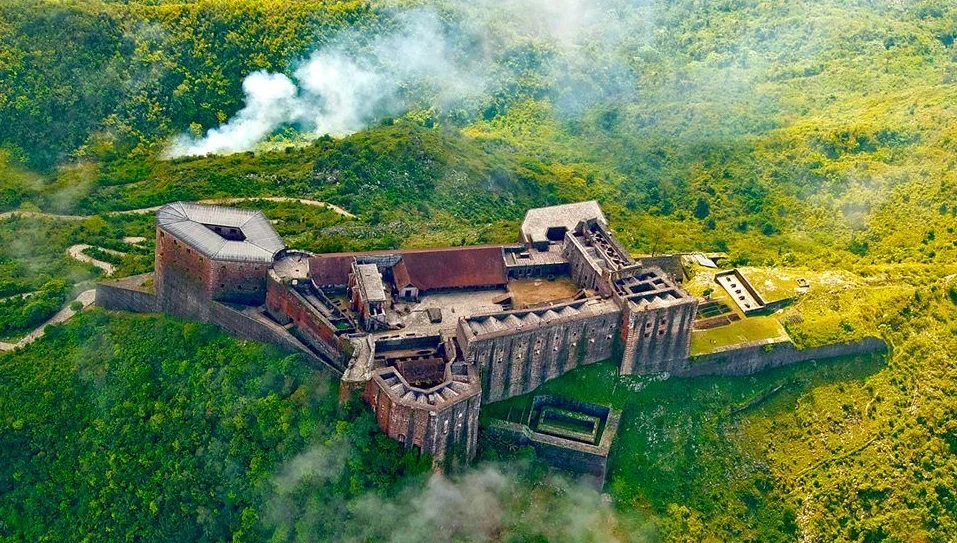
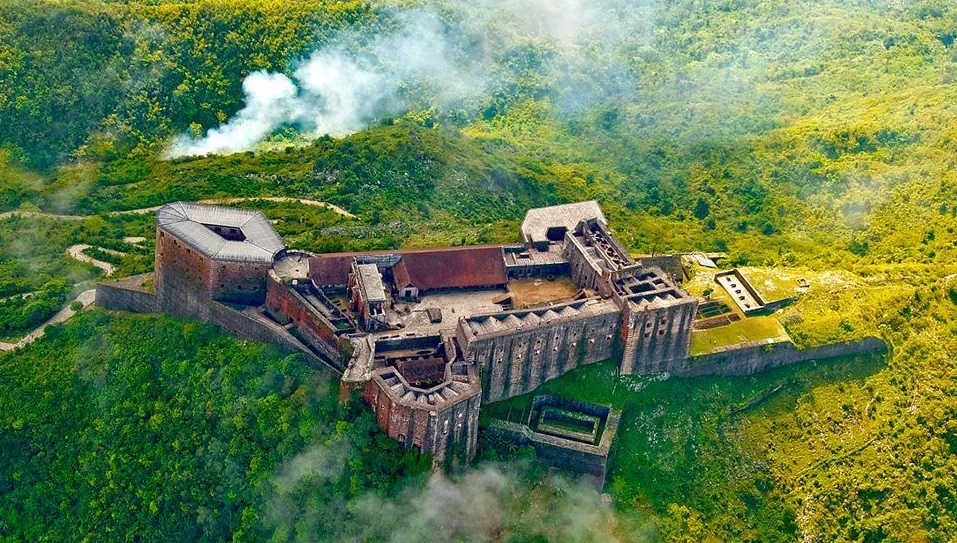
Haïti has a rich historical heritage, including sites like the Citadelle Laferrière and the Sans-Souci Palace, listed as UNESCO World Heritage Sites.

Culture

Culture

Haïti has a rich and diverse culture, influenced by African, European and indigenous elements. Haitian music, dance, art and cuisine are celebrated around the world.

  • +
    • Post