contact@haitiwonderland.com+509 36184317

Discover

Shopping Cart

CAONABO, the first to defend Haiti

CAONABO, the first to defend Haiti

We are all familiar with the words of this song: "Caonabo fut mis en prison à Isabella et quelques mois plus tard embarqué pour l’Espagne, il disparut en mer avec le bateau qui le portait...". But do you know the story of CAONABO, the first to defend the island?

Summary

Haïti
Haïti
Haïti

On December 5, 1492, Christopher Columbus landed at Môle Saint-Nicolas after a long and perilous journey in search of new lands and in search of riches. Aboard three ships, La Santa Maria, La Pinta and La Niña, accompanied by a crew of 120 men, Columbus believed he had reached the Indies by sailing towards the West, basing this belief on the theory of the round earth. He claimed this new land in the name of Spain, erecting a cross on the shore and calling the inhabitants of the country "Indians".

During a brief exploration, Columbus collected numerous samples testifying to the surprising wealth of the island, even noticing similarities with Spain. This is how he decided to name the island under the name of Hispaniola (Little Spain).

Haïti
Haïti
Haïti

The inhabitants of the island welcomed the Spaniards with joy and respect. Columbus came into contact with the chief of Marien, Guacanagaric, who was the first to speak to him. When La Santa Maria sank a few days later, Columbus informed Guacanagaric of the tragedy. The latter invited him to stay with him and Columbus became so close to Guacanagaric that he granted him land in his territory.

Columbus built the Nativity Fort with the remains of La Santa Maria, placing a garrison of 39 men there under the command of Diego de Arena, Pedro Gutierrez and Rodrigue Escoredo. He forbids them from mistreating the Indians or stealing their gold, ordering them not to leave the Marien.

After establishing this post, Columbus returned to Spain. He left La Nativité on January 4, 1493 and arrived on March 3. In the middle of a curious and enthusiastic crowd, impressed by magnificent samples of gold, rare plants and birds, he told the story of his astonishing discovery to Their Majesties Ferdinand and Isabella. As a reward, Christopher Columbus received on May 28, 1493 from the hands of Their Majesties letters patent naming him Admiral of the Ocean, Viceroy and Governor of all lands discovered and yet to be discovered.

Haïti
Haïti
Haïti

Despite Columbus’s recommendations, the Spanish stationed at La Nativity began to brutalize Guacanagaric’s peaceful subjects and rob them of their gold. They even organized expeditions to the Maguana region, where gold abounded, particularly in the Cibao region.

Haïti / Fort Picolet: Historical Guardian of Liberty

Haïti / Fort Picolet: Historical Guardian of Liberty

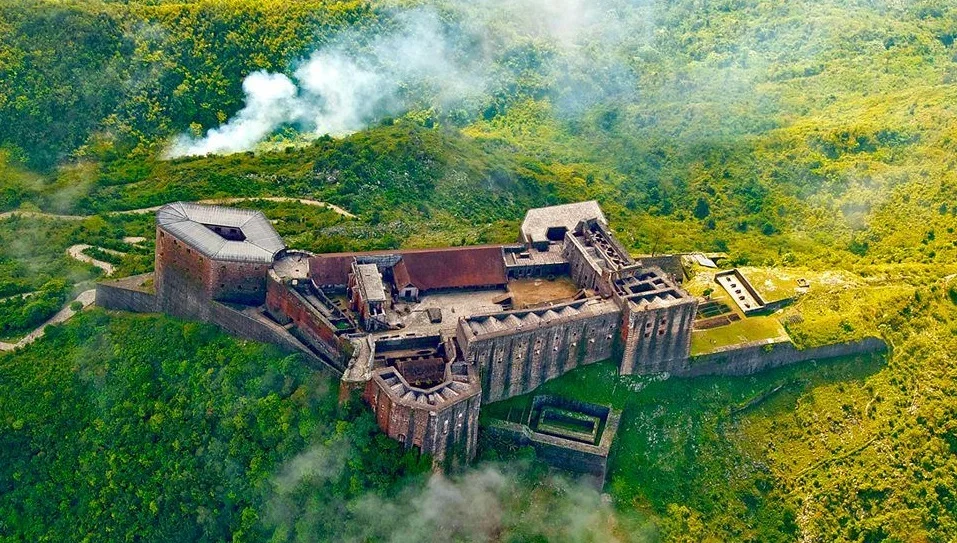
Cap-Haïtien, Haiti’s historic jewel, is home to a fascinating architectural relic: Fort Picolet. Built at the end of the 18th century by the French, this imposing bastion majestically dominates the bay of Cap-Haïtien, bearing witness to the tumults of Haitian history and the fierce struggle for independence. The history of Fort Picolet is closely linked to that of Haiti, particularly at the time of the Haitian Revolution. During this tumultuous period, when slaves and freedmen rose up against colonial oppression, the fort was the scene of epic battles and fierce sieges. Sometimes used by French forces, sometimes by Haitian revolutionaries, Fort Picolet was a silent witness to the events that shaped the destiny of the nation. Designed with a strategic vision, the fort embodies the military architecture of its era. Its thick stone walls, strategically positioned cannons and viewpoints overlooking the bay make it an impregnable bastion. Its name, Fort Picolet, pays homage to General Louis Marie, Marquis de Picolet, French governor of Cap-Français at the end of the 18th century. Today, Fort Picolet remains much more than a simple historical monument. It is a living symbol of the resilience and determination of the Haitian people. Visitors who wander through its ruins can feel the imprint of history and contemplate the remains of a tumultuous past. From up there, a panoramic view of the bay of Cap-Haitien is available to them, offering a unique perspective on the strategic importance of this place in the maritime history of Haiti. As a pillar of Haitian tourism, Fort Picolet attracts visitors from around the world. Its historical aura, combined with the natural beauty of its environment, makes it a must-see destination for history and culture lovers. More than just a tourist attraction, Fort Picolet is a poignant testimony to the endless struggle for freedom and the cultural richness of Haiti. Throughout the centuries, Fort Picolet has survived the test of time, reminding everyone that freedom is an inalienable right, hard won and carefully preserved. By exploring its ramparts, contemplating its silent cannons, visitors find themselves immersed in the tormented history of Haiti, a story of courage, resistance and hope. Live an extraordinary experience by virtually visiting the ruins of Fort Picolet: https://haitiwonderland.com/haiti-virtual-reality-ht/monuments-histoire/haiti--fort-picolet--visite-virtuelle/14

Haïti
Haïti
Haïti

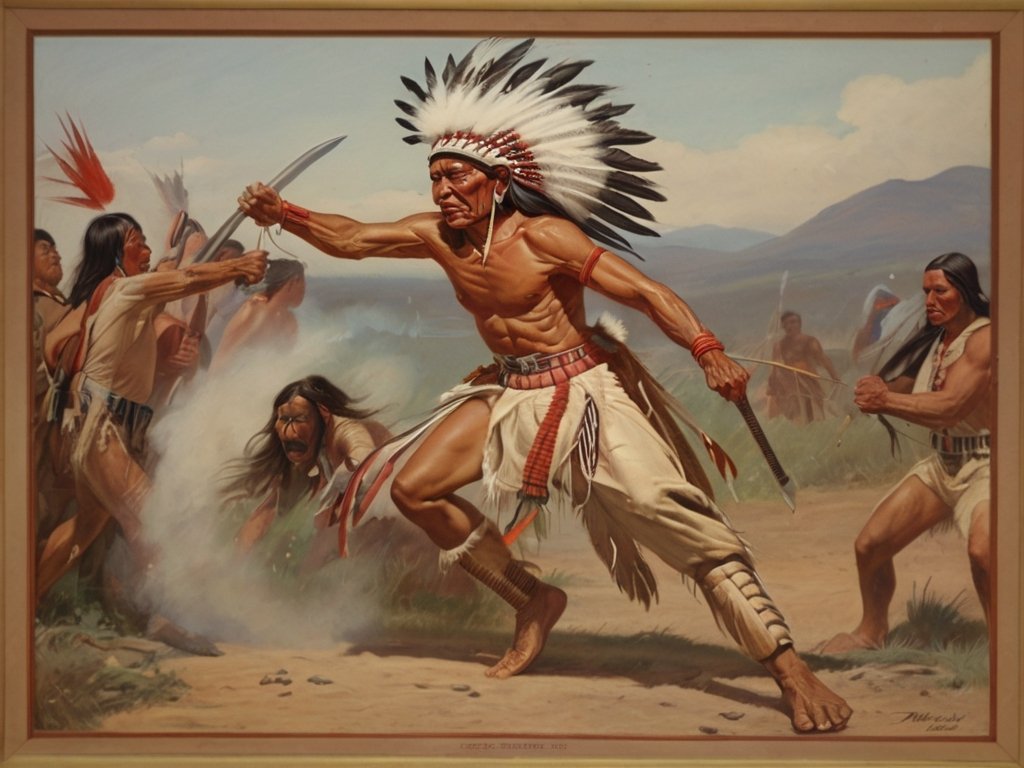
CAONABO, learning of the ignoble conduct of the foreigners, swore to take revenge in an exemplary manner. He made an alliance with Guarionex at the head of a large army and attacked La Nativity one evening. The garrison, surprised, was massacred and the fortress completely destroyed. Guacanagaric, despite the mistreatment inflicted by the Spaniards on his subjects, came to their aid. Caonabo quickly defeated him, wounding him in the head and burning his village.

When Columbus returned to the coast of the island, he found only ruins at the site of The Nativity and Guacanagaric wounded in the head. On December 7, Columbus set out in search of a location to build a city to shelter the many adventurers who had followed him. He founded the city of Isabelle, the first in the New World, in the north of the island, in 1494.

Columbus forced the Indians to pay him tribute in kind, including food, cotton and gold dust. Faced with this oppression, Caonabo managed to organize a league of caciques against the Spaniards on both sides of the island and prepared to exterminate the foreigners. Caonabo besieged Fort St. Thomas, keeping it under siege for thirty days. La Magdalena was also attacked by a group of Indians, but they were repulsed, causing many casualties.

Haiti, dream space.
Haiti, dream space.

Haiti, dream space.

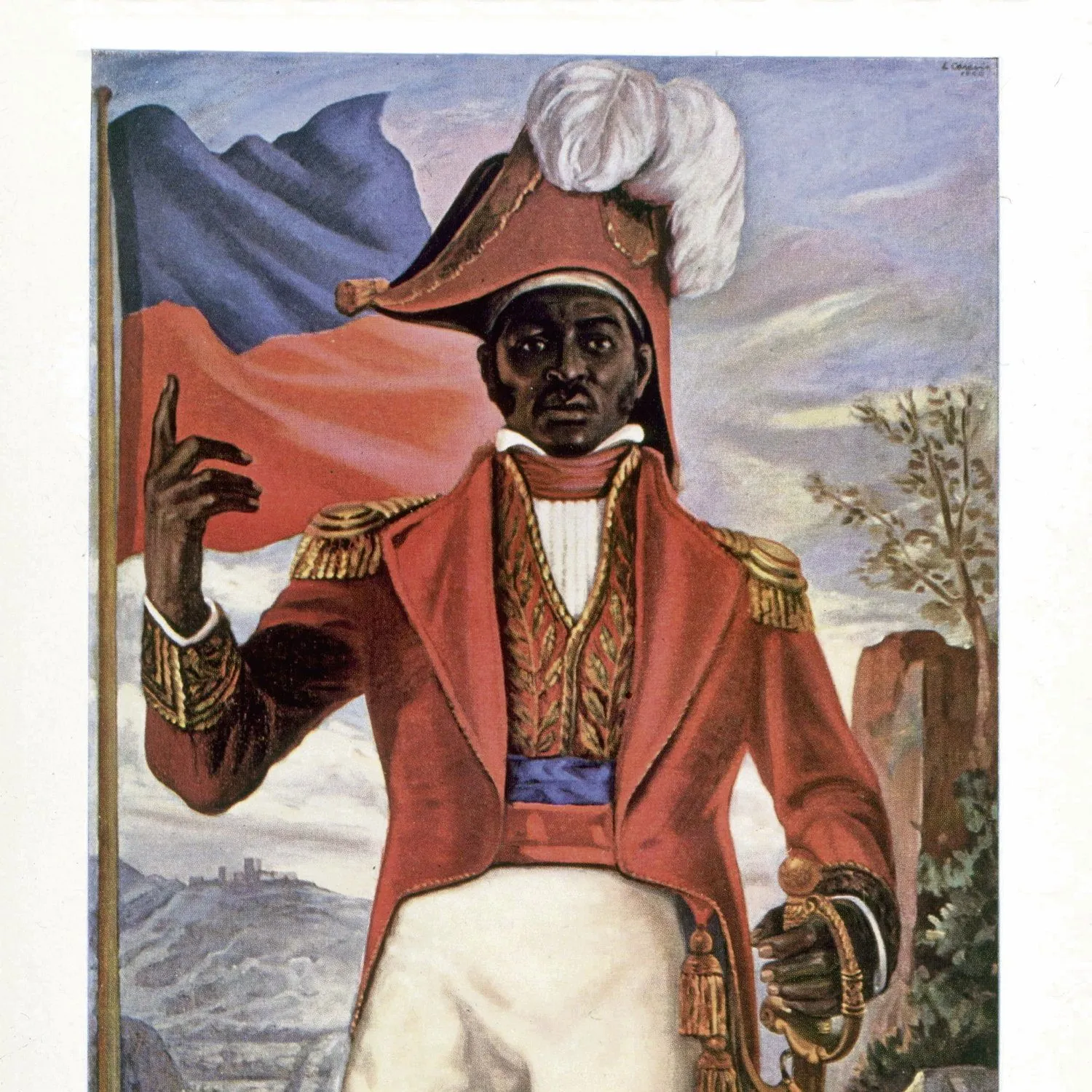
Between dream and Haitian reality: A call for unity and action Many men have dreamed big for Haiti. Toussaint Louverture and Jean Jacques Dessalines are examples. Although torn apart by invisible hands, the social fabric of the country had always been considered the greatest project to be set in motion by men of letters. Until then, the history of Haïti remains and remains for Haitians the most appropriate space to dream and propose full and complete freedom. Indeed, Toussaint Louverture had the dream of improving the lot of slaves. Dessalines, for his part, sacrificed himself for the independence of our island (Haiti-Saint-Domingue). After our liberation from the French, men of letters had to take other paths to safeguard the dignity of the country. This situation showed another form of revolution like poets of the patriotism school with supporters such as: Louis Joseph Janvier, Anténor Firmin, Demesvar Délorme and the Generation of the Round with Fernand Hibbert, Georges Sylvain also the indigenous school with Jean Price Mars, Jacques Stephen Alexis, Roussan Camille etc... who express their discontent by pouring ink. By describing or painting the situation of the country. Several years which were first conceived and then born the idea of ​​giving the country its sovereignty, its own bicolor, its army, etc. it was not easy and did not continue like this. Haïti needs for the moment men of dreams, men who love their countries, but not the wealth of this country, men who love the happiness of their country, but not its misfortunes, men who have viable projects , but are not specialists in carnage who are only interested in their pockets, rather for the happiness of our two-tone, men who must fight against corruption, against waste, against the invisible hands of foreigners, against this form of public administration which targets only a small group of people in the country to the detriment of the population, this form of insecurity planned by the state, the so-called bourgeoisies, economic powers from abroad such as: France, USA, Canada, Brazil. q~Haïti in 1979 with full power. Maître Fevry is said to have declared: The dream of Haïti cannot support, nor accept improvised solutions ~q. The Haitian’s dream must always be a team effort. A team of men of skill, vision, good will, reflection and meditation. q~ Men who can place their personal and private interests over public interests. Men who want to make a new start to achieve the dream of Jean Jacques Dessalines and that of Henri Christophe who aimed that Haitians will not envy any other country in the world so that all Haitians can be happy in their own country, chanted Professor Lesly Saint Roc Manigat.~q Our dear Haiti, which was once the pearl of the Antilles, is no longer present today. For this we ask all Haitians: children, young people, adults and old people, let us unite our arms, our strength, our voices and all that we could do to liberate our dear homeland Haïti Chérie. Let’s change our reality together! Long live Haiti, long live freedom for the whole world.

Caonabo
Caonabo
Caonabo

Columbus set a trap for the cacique of Maguana, into which he fell without difficulty. He requested an audience with Caonabo, who agreed to meet him. Using trickery, Ojeda kidnapped him from among his subjects and brought him to Isabella. In March 1494, the prisoner sailed for Spain but perished in a shipwreck.

The story of Caonabo and his fight for the freedom of his people remains a little-known chapter in the history of Haiti. Although defeated, his courage and determination to defend his land remains an example of resistance in the face of colonial oppression. It embodies the fierce desire of indigenous peoples to preserve their culture and identity in the face of foreign invaders. Thus, remembering its history is paying tribute to all those who fought for the freedom and dignity of their nation.

Share
About the Author
Appolon Guy Alain
Appolon Guy Alain
Appolon Guy Alain

Full Stack Developer, Créatif, expérimenté, passionné des nouvelles technologies et de l’art.

See other articles from Appolon Guy Alain
Anderson GEORGES

m renmen travay ou a anpil, kenbe la.

07 Novanm 2024 | 07:12:19 PM
Accilien

Se bel travay men ,en espanyol non
W dwe kontinye men ale nan orijin chak bagay yo ,avek yon kamara ki ka presante tout bagay nan orijin yo ok ok ok

Mwen felicite w, mwen swete w rejwen n ak paj sa ( lead motive Haitien sou youtube ok )

25 Desanm 2024 | 06:50:11 AM
Leave a comment

Recently Posted

Newsletter

Subscribe to our newsletter to stay informed of all our activities and news on Haiti.

Here are five compelling reasons why you should definitely visit Haiti’s beaches

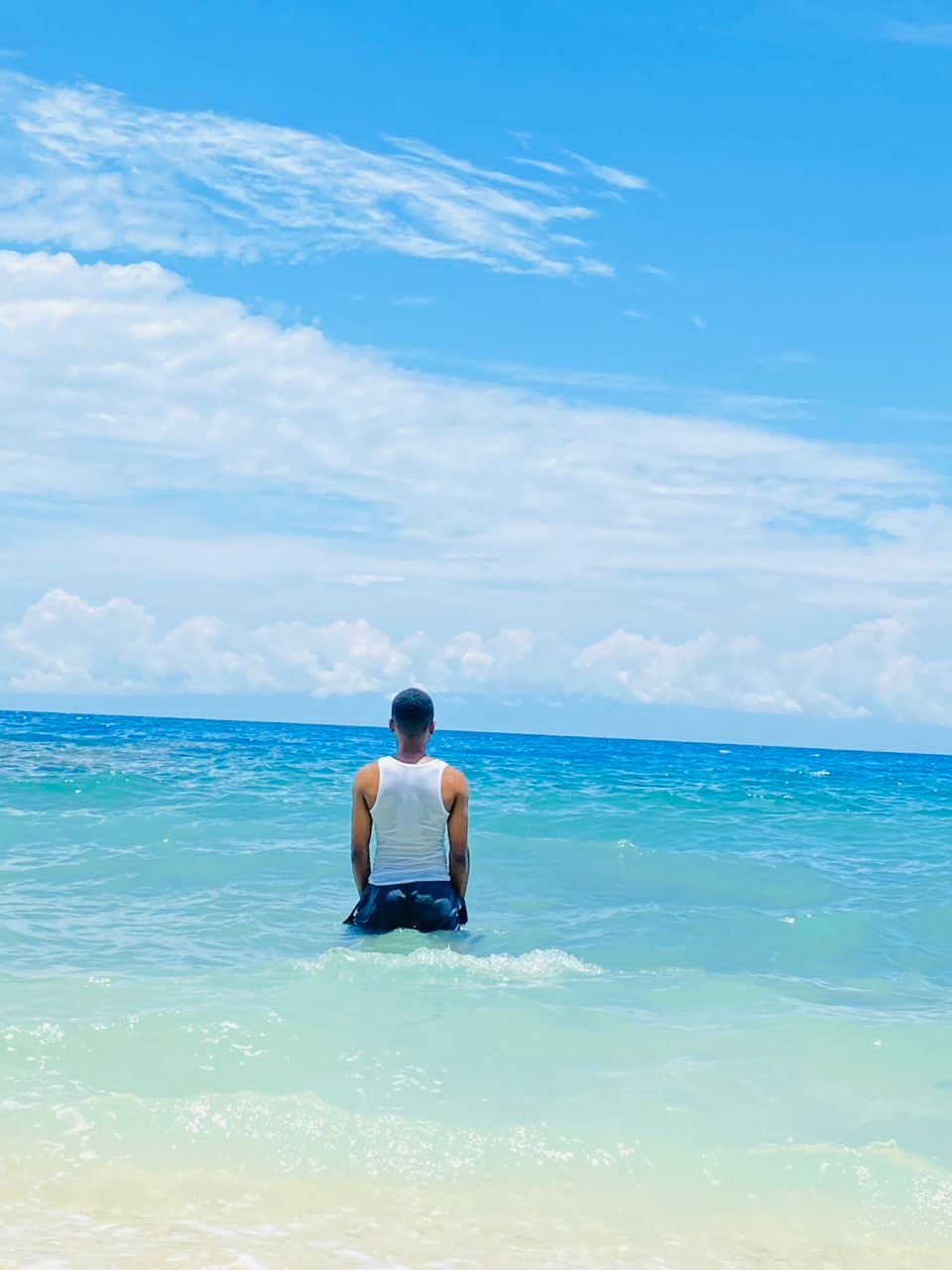
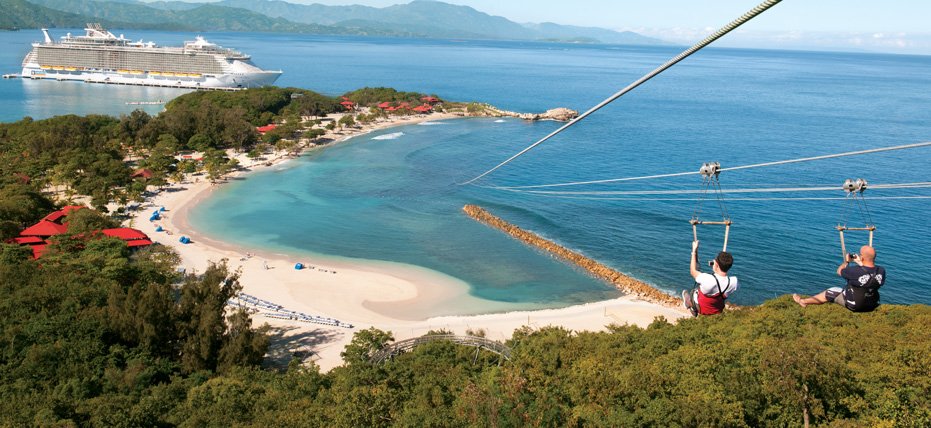
1- Abaka Bay (Île-à-Vache): Start your Haitian adventure with the magnificent Abaka Bay, recently named one of the most beautiful beaches in the world by CNN. Located on the enchanting island of Île à Vache, this bay offers a pristine white sand beach and calm Caribbean waters, framed by lush green hills. Abaka Bay Resort offers a truly exclusive and secluded experience, with bungalows located directly on the beach, offering panoramic views and direct access to the fine sand and crystal clear sea. The dining options are equally impressive, with one restaurant offering breathtaking ocean views and epic sunsets. To get to Île à Vache, simply take a 15-20 minute boat ride from Les Cayes, located off the southern coast of Haiti. 2- Île à Rat (Amiga Island): As soon as you set foot on Île à Rat (also known as Amiga Island), this little slice of paradise will steal your heart. Its smooth white sand beach immediately catches the eye, while gentle waves create a dreamy oasis against the pearly shore. Located in the turquoise waters off the coast of Plaine du Nord in northern Haiti, Île à Rat is a 1.8 hectare piece of white coral covered in a small wild forest. The island is a peaceful retreat, especially for couples looking for a serene getaway. To get to Île à Rat, you can take one of the many water taxis waiting in Labadee, a 30-minute drive from Cap-Haïtien. Keep in mind that the island is uninhabited, so it is important to bring everything you need for a comfortable stay, including drinking water. 3- Côtes des Arcadins: Nestled north of the bay of Port-au-Prince, Côtes des Arcadins stretches over 19 kilometers of white sand beaches lined with palm trees, making it one of the most popular seaside destinations from Haiti. The combination of the deep blue sea, mountains, mangrove forests and the coral reef formed by the Arcadins islets creates a breathtaking spectacle. It is also a great place for divers. To get there, follow the road north of the bay of Port-au-Prince. You will be amazed by the natural beauty of this region. 4- Plage de Gelée: This beach is one of the most popular thanks to its crystal clear waters and soft sand, all with a pastoral landscape in the background. If you are looking for a place to relax and soak up the sun, Gelée Beach is a great choice. 5- Jacmel Beach: Although swimming is not recommended here, Jacmel Beach is famous for its picturesque charm and artistic atmosphere. It is located in the historic town of Jacmel, known for its lively carnival and colorful houses. Explore the beach, admire the architecture and soak up Haitian culture. Don’t forget your swimsuit and sunscreen, and enjoy these hidden treasures of Haiti! 🏖️☀️

Recently Posted

History

History

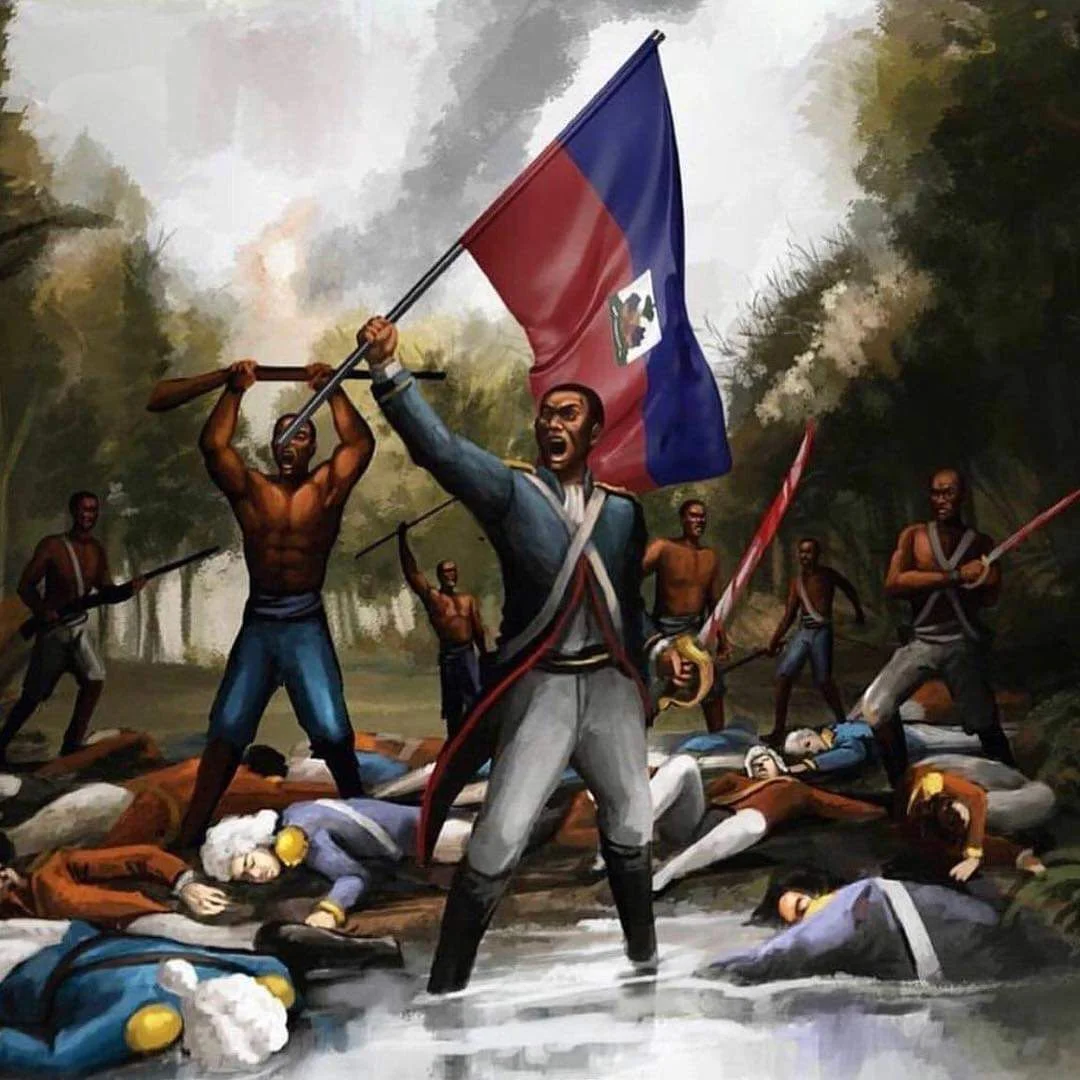
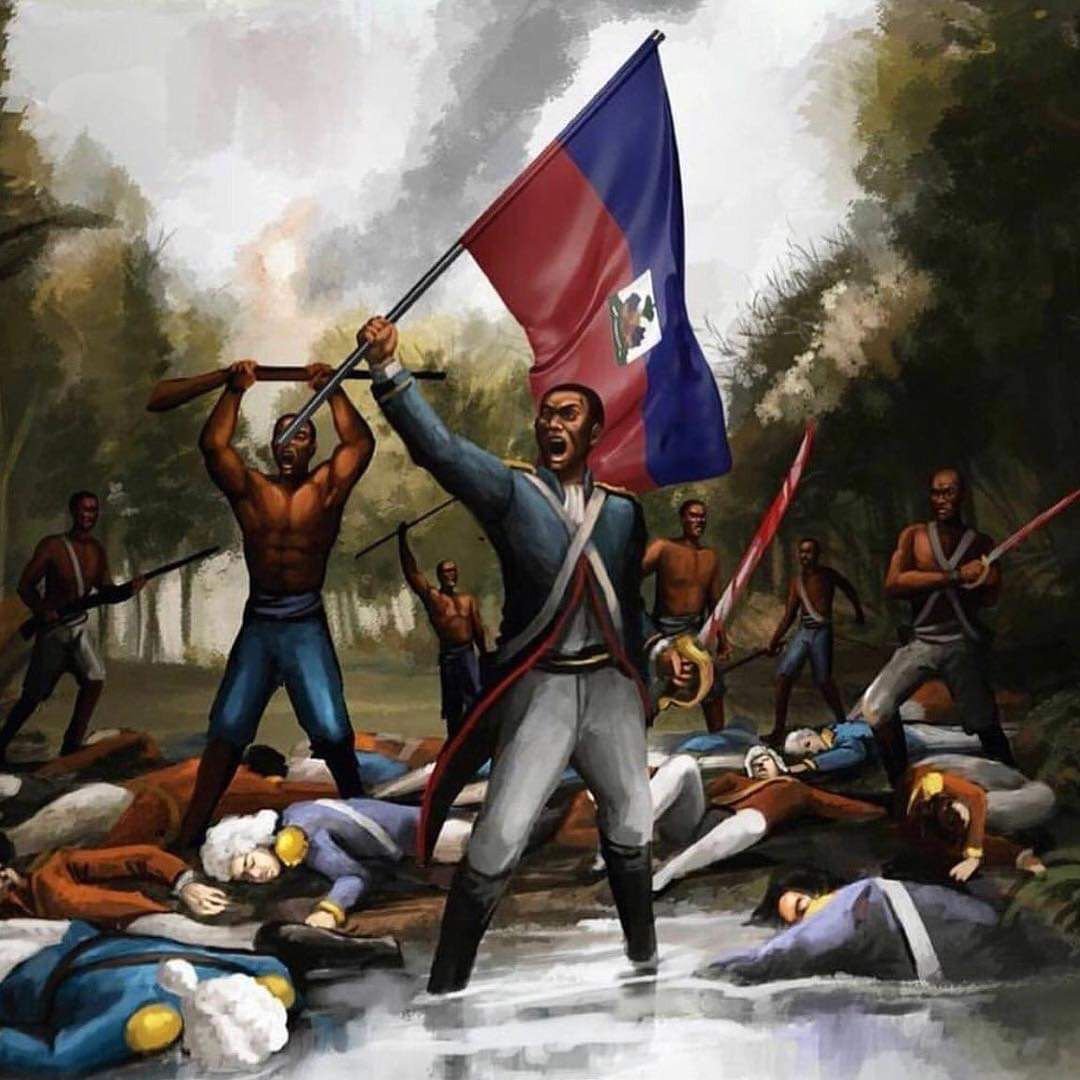
First black nation to free itself from slavery and gain independence from France in 1804 and influenced other liberation movements around the world, inspiring struggles for freedom and equality.

Natural beauty

Natural beauty

Haïti is blessed with spectacular natural landscapes, including white sand beaches, mountains and rich biodiversity.

Heritage

Heritage

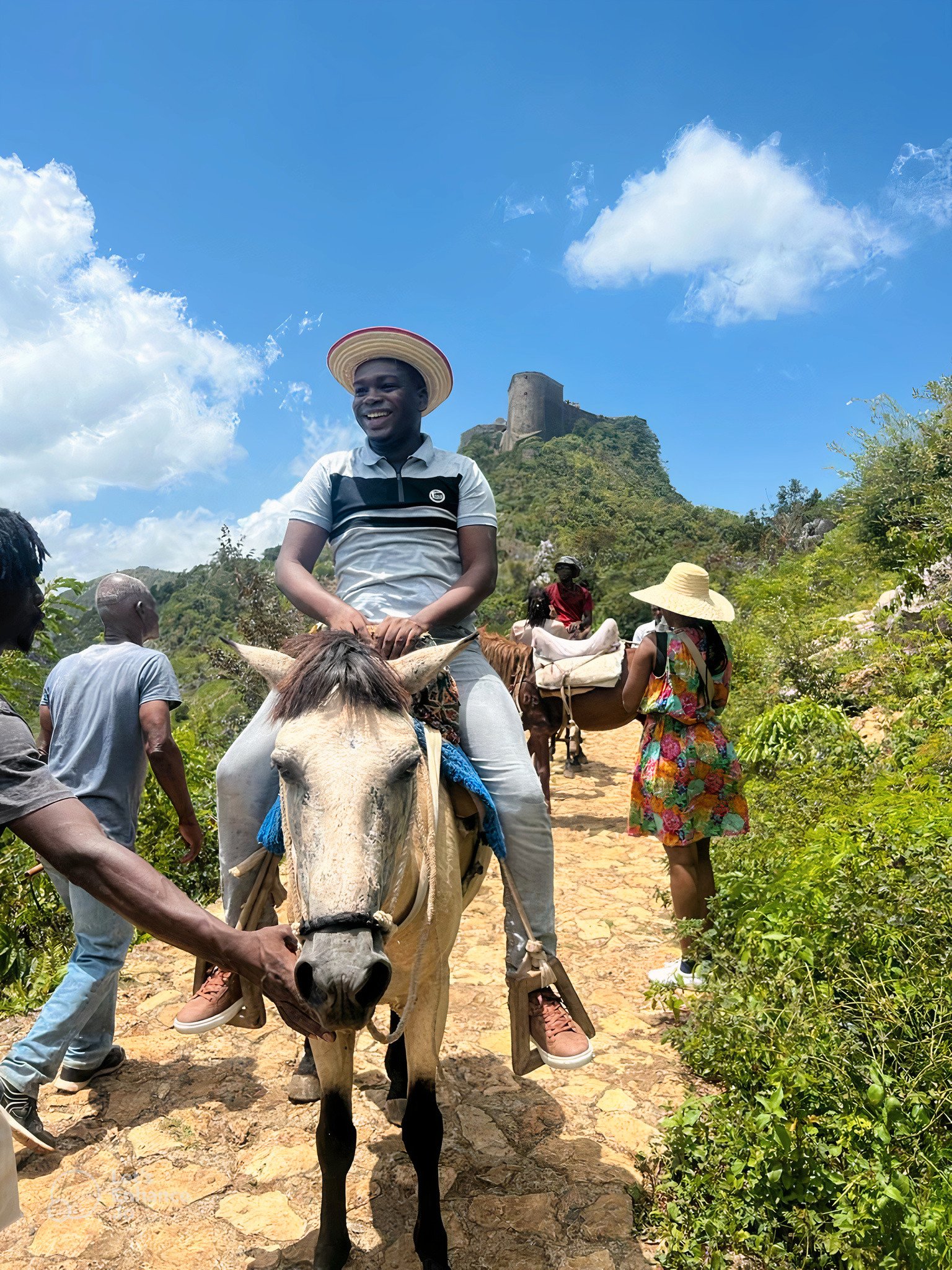
Haïti has a rich historical heritage, including sites like the Citadelle Laferrière and the Sans-Souci Palace, listed as UNESCO World Heritage Sites.

Culture

Culture

Haïti has a rich and diverse culture, influenced by African, European and indigenous elements. Haitian music, dance, art and cuisine are celebrated around the world.
  • +
    • Post