contact@haitiwonderland.com+509 36184317

Discover

Shopping Cart

CAONABO, the first to defend Haiti

CAONABO, the first to defend Haiti

We are all familiar with the words of this song: "Caonabo fut mis en prison à Isabella et quelques mois plus tard embarqué pour l’Espagne, il disparut en mer avec le bateau qui le portait...". But do you know the story of CAONABO, the first to defend the island?

Summary

Haïti
Haïti
Haïti

On December 5, 1492, Christopher Columbus landed at Môle Saint-Nicolas after a long and perilous journey in search of new lands and in search of riches. Aboard three ships, La Santa Maria, La Pinta and La Niña, accompanied by a crew of 120 men, Columbus believed he had reached the Indies by sailing towards the West, basing this belief on the theory of the round earth. He claimed this new land in the name of Spain, erecting a cross on the shore and calling the inhabitants of the country "Indians".

During a brief exploration, Columbus collected numerous samples testifying to the surprising wealth of the island, even noticing similarities with Spain. This is how he decided to name the island under the name of Hispaniola (Little Spain).

Haïti
Haïti
Haïti

The inhabitants of the island welcomed the Spaniards with joy and respect. Columbus came into contact with the chief of Marien, Guacanagaric, who was the first to speak to him. When La Santa Maria sank a few days later, Columbus informed Guacanagaric of the tragedy. The latter invited him to stay with him and Columbus became so close to Guacanagaric that he granted him land in his territory.

Columbus built the Nativity Fort with the remains of La Santa Maria, placing a garrison of 39 men there under the command of Diego de Arena, Pedro Gutierrez and Rodrigue Escoredo. He forbids them from mistreating the Indians or stealing their gold, ordering them not to leave the Marien.

After establishing this post, Columbus returned to Spain. He left La Nativité on January 4, 1493 and arrived on March 3. In the middle of a curious and enthusiastic crowd, impressed by magnificent samples of gold, rare plants and birds, he told the story of his astonishing discovery to Their Majesties Ferdinand and Isabella. As a reward, Christopher Columbus received on May 28, 1493 from the hands of Their Majesties letters patent naming him Admiral of the Ocean, Viceroy and Governor of all lands discovered and yet to be discovered.

Haïti
Haïti
Haïti

Despite Columbus’s recommendations, the Spanish stationed at La Nativity began to brutalize Guacanagaric’s peaceful subjects and rob them of their gold. They even organized expeditions to the Maguana region, where gold abounded, particularly in the Cibao region.

Haïti
Haïti
Haïti

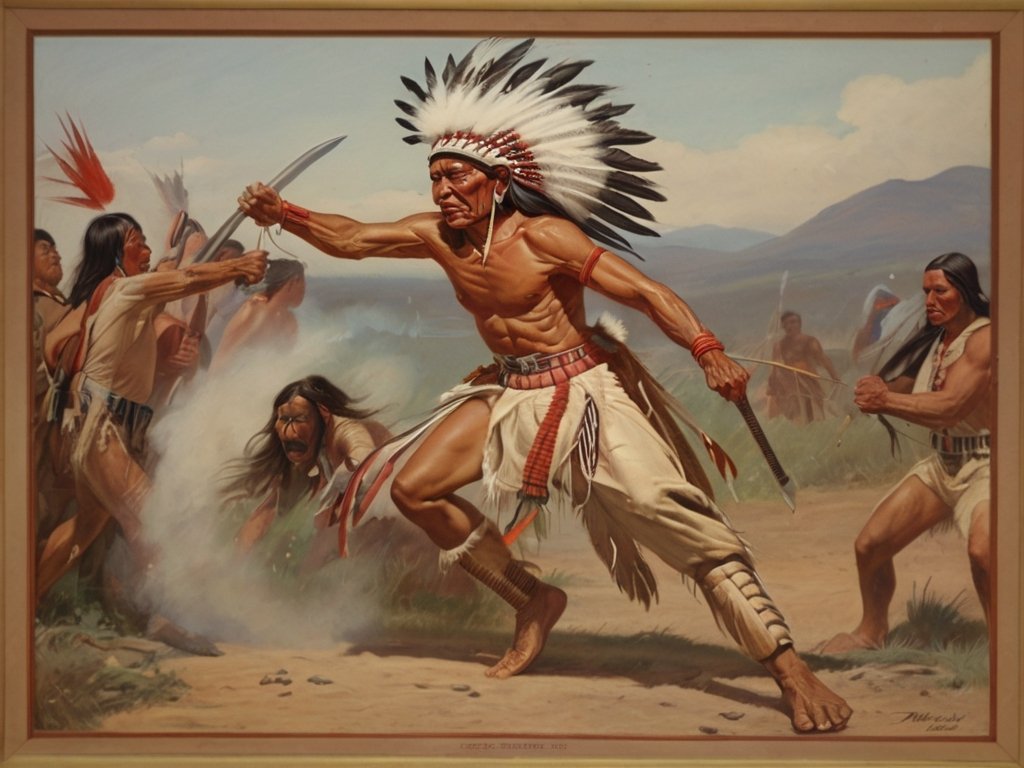
CAONABO, learning of the ignoble conduct of the foreigners, swore to take revenge in an exemplary manner. He made an alliance with Guarionex at the head of a large army and attacked La Nativity one evening. The garrison, surprised, was massacred and the fortress completely destroyed. Guacanagaric, despite the mistreatment inflicted by the Spaniards on his subjects, came to their aid. Caonabo quickly defeated him, wounding him in the head and burning his village.

When Columbus returned to the coast of the island, he found only ruins at the site of The Nativity and Guacanagaric wounded in the head. On December 7, Columbus set out in search of a location to build a city to shelter the many adventurers who had followed him. He founded the city of Isabelle, the first in the New World, in the north of the island, in 1494.

Columbus forced the Indians to pay him tribute in kind, including food, cotton and gold dust. Faced with this oppression, Caonabo managed to organize a league of caciques against the Spaniards on both sides of the island and prepared to exterminate the foreigners. Caonabo besieged Fort St. Thomas, keeping it under siege for thirty days. La Magdalena was also attacked by a group of Indians, but they were repulsed, causing many casualties.

Haïti et son Rôle Pionnier dans l’Abolition de l’Esclavage Mondial

Haïti et son Rôle Pionnier dans l’Abolition de l’Esclavage Mondial

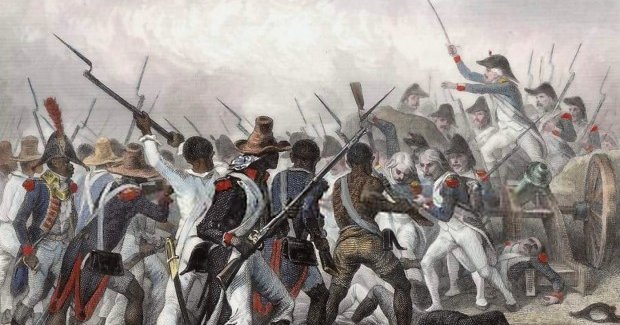
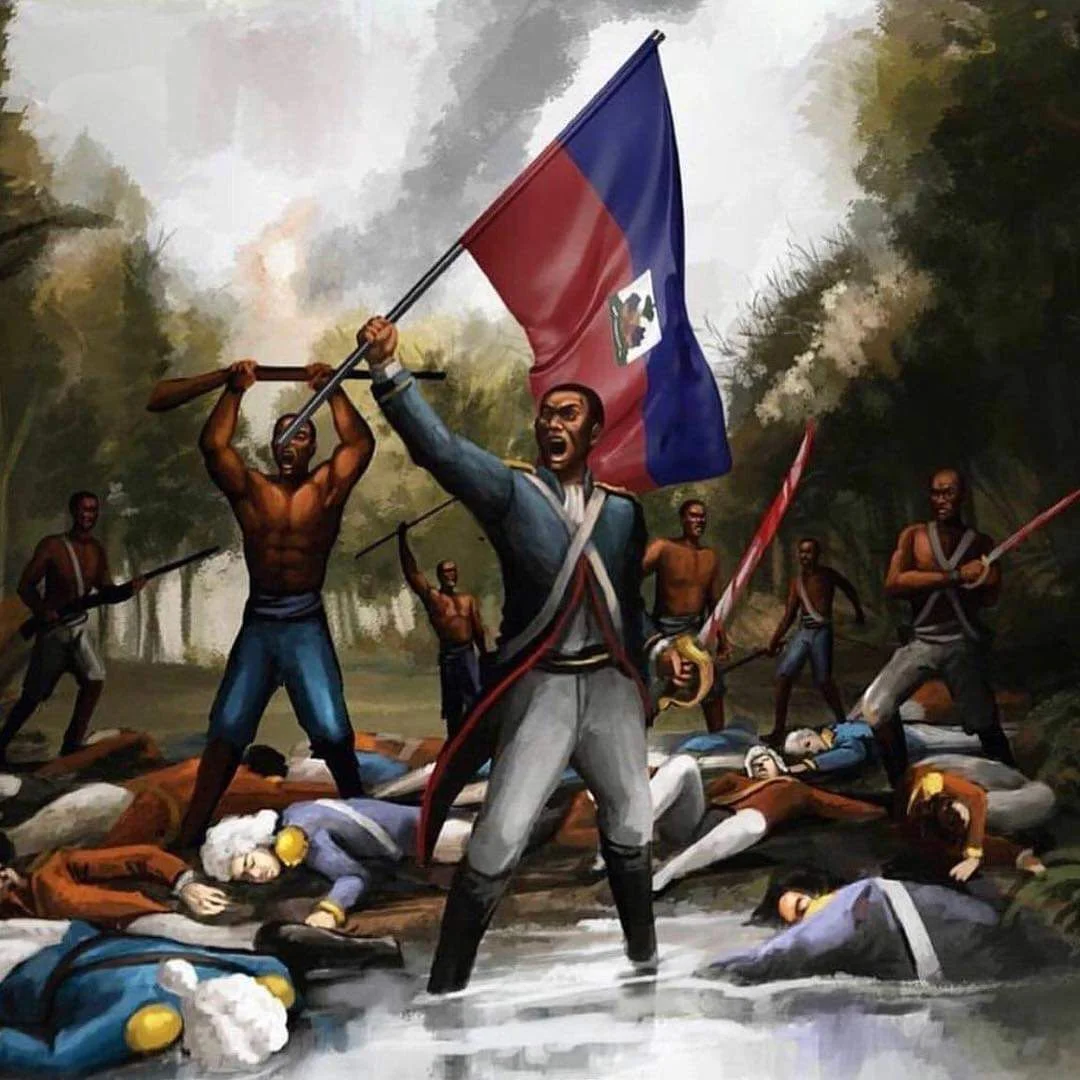
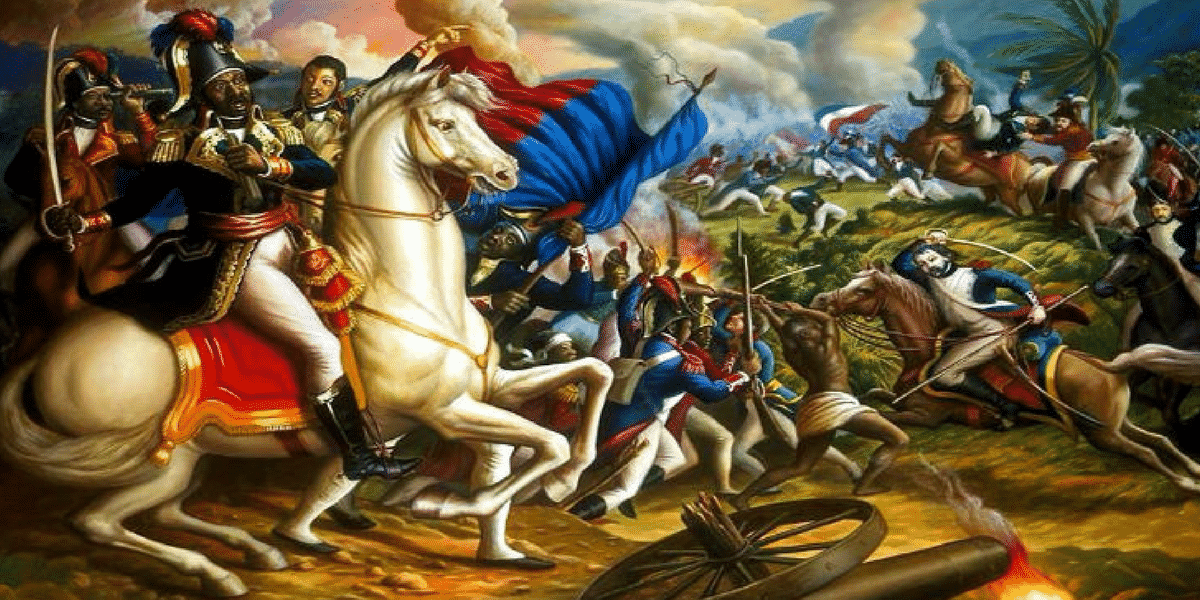
For centuries, the institution of slavery has darkened human history, leaving behind a legacy of pain, oppression and the struggle for freedom. However, in this dark tale, one nation stands out for its courage and determination to break the chains of oppression: Haiti. Located in the Caribbean, Haïti played a pioneering role in the abolition of slavery, laying the foundation for the fight for freedom and equality around the world. The history of slavery in Haïti dates back to the arrival of Europeans on the island, which was then called Santo Domingo, in the 15th century. French colonists quickly established an economy based on sugar and coffee production, cruelly exploiting millions of African slaves deported to work on plantations. However, this brutal system engendered fierce resistance from slaves, whose fight for freedom ultimately led to one of the most significant revolutions in history. In 1791, under the leadership of iconic figures such as Toussaint Louverture, Jean-Jacques Dessalines and Henri Christophe, Haitian slaves rose up against their oppressors in an unprecedented rebellion. This revolt resulted in a war of independence that lasted more than a decade, but ultimately resulted in the proclamation of Haiti’s independence in 1804, making that country the first post-colonial nation ruled by people from slavery. The impact of the Haitian Revolution on the abolition of slavery worldwide cannot be overstated. By breaking the chains of oppression and proclaiming their independence, Haitians have sent a powerful message to all oppressed peoples around the world: freedom is possible, and it is worth the struggle. The example of Haïti inspired other movements for the abolition of slavery in the Americas and beyond, thus helping to shake the very foundations of the institution of slavery. Haiti’s participation in the fight against slavery was not limited to its territory; it also extended to external actions where Haitian men were sent or actively participated in movements for the abolition of slavery in other regions of the world. For example, Haitian President Alexandre Pétion supported Simón Bolívar, the leader of the South American revolution, by providing him with weapons, money and even men, which contributed to the liberation of several countries in America Latin of colonial domination. Haïti also provided support for independence movements in Central America. Haitian fighters, led by General Jean-Pierre Boyer, helped Venezuelan patriots fight against Spanish rule, contributing to the liberation of that region. The Haitian government financially and diplomatically supported movements for the abolition of slavery in countries such as Venezuela, Colombia and Mexico, contributing to the gradual eradication of this institution throughout the region. Although Haïti did not directly participate in the American Civil War, many Haitians and descendants of Haitians played crucial roles in the abolitionist movement in the United States. Figures who were of Haitian origin or of Haitian ancestry, were important voices in the fight against slavery and for equal rights in the United States. The legacy of the Haitian Revolution remains a symbol of resistance and courage for future generations. Today, as the world continues to struggle against injustice and oppression in various forms, Haiti’s history reminds us that the fight for freedom is a universal fight, one that transcends borders and times. Haiti’s participation in the abolition of slavery throughout the world remains a crucial chapter in the history of humanity. Through their courage and determination, Haitians have paved the way for a future where freedom and equality are inalienable rights for all.

Caonabo
Caonabo
Caonabo

Columbus set a trap for the cacique of Maguana, into which he fell without difficulty. He requested an audience with Caonabo, who agreed to meet him. Using trickery, Ojeda kidnapped him from among his subjects and brought him to Isabella. In March 1494, the prisoner sailed for Spain but perished in a shipwreck.

The story of Caonabo and his fight for the freedom of his people remains a little-known chapter in the history of Haiti. Although defeated, his courage and determination to defend his land remains an example of resistance in the face of colonial oppression. It embodies the fierce desire of indigenous peoples to preserve their culture and identity in the face of foreign invaders. Thus, remembering its history is paying tribute to all those who fought for the freedom and dignity of their nation.

Share
About the Author
Appolon Guy Alain
Appolon Guy Alain
Appolon Guy Alain

Full Stack Developer, Créatif, expérimenté, passionné des nouvelles technologies et de l’art.

See other articles from Appolon Guy Alain
Anderson GEORGES

m renmen travay ou a anpil, kenbe la.

November 07, 2024 - 07:12:19 PM
Accilien

Se bel travay men ,en espanyol non
W dwe kontinye men ale nan orijin chak bagay yo ,avek yon kamara ki ka presante tout bagay nan orijin yo ok ok ok

Mwen felicite w, mwen swete w rejwen n ak paj sa ( lead motive Haitien sou youtube ok )

December 25, 2024 - 06:50:11 AM
Leave a comment

Recently Posted

Exploring Cayes-Jacmel, Haiti: Discovering a tourist and cultural treasure.

Nestled in the splendid mountains of the southeastern region of Haiti, the picturesque commune of Cayes-Jacmel emerges as a rare pearl, offering an incomparable tourist and cultural experience. With its lush green landscapes, rich cultural heritage and exciting activities, this destination promises an unforgettable journey for travelers seeking authenticity and natural beauty. As soon as you arrive in Cayes-Jacmel, you will be captivated by the splendor of its landscapes. The plains and hills that dominate the terrain offer a breathtaking spectacle, ideal for picturesque hikes and leisurely walks. The town is also full of crystal clear waterways, perfect for a refreshing break or a relaxing fishing session. Explore the hidden trails and let yourself be enchanted by the thriving biodiversity of the region, where nature reigns supreme. Without forgetting the magnificent beaches of Kabic like "Ti Mouillage", where the fine sand and turquoise waters invite relaxation and water sports. Cayes-Jacmel is steeped in rich history and vibrant culture, reflected in its majestic temples and churches. With more than thirty-two temples of all faiths, including Baptist churches, Churches of God and Catholic churches, the town is a symbol of religious diversity and tolerance. Immerse yourself in the region’s fascinating past by visiting the magistrate’s court and police station, witnesses to its political and legal legacy. Experience the excitement of local life by participating in the lively festivals and cultural events of Cayes-Jacmel. Immerse yourself in the haunting rhythms of Haitian music during community celebrations, and discover traditional crafts at local markets. Don’t miss the town’s annual festival, where dance, gastronomy and the arts combine to create a festive and warm atmosphere. Whether you’re a sports lover, adventure enthusiast, or simply looking for relaxation, Cayes-Jacmel has something to offer every traveler. Play football or basketball on the local pitches, or dance the night away at one of the town’s lively nightclubs. For an authentic experience, join a fishing excursion with the locals, or explore the region’s hidden gems on an exciting jeep tour. With its breathtaking natural beauty, rich cultural heritage and captivating activities, Cayes-Jacmel emerges as an incomparable tourist and cultural destination in Haiti. Whether you are looking for adventure, relaxation or cultural discoveries, this picturesque town promises you an unforgettable experience, imbued with the very essence of Haitian life. Embark on a journey to the heart of the magic of Cayes-Jacmel and let yourself be enchanted by its charm.

Haïti Wonderland: How to Rewrite the Narrative of Haïti on the Web?

For the last three decades the internet has transformed the way people live, access information and promote worthy causes. Institutions that embrace this technology lead the way in their respective industries and last, while countries that embrace this technology and wisely implement it enable themselves to thrive and build sustainable economies. After decades of existence, the internet has been shared with mainly two groups of people; those who use it as a tool to build, and those who use it as a tool of destruction. Those who see the internet as a bridge to make a positive impact in the world and those who see it as the comfy bed to never leave, hence, the difference between the consumer and producer. Unfortunately our beloved home, Haiti, has been of the former mindset. Is it a lack of vision, lack of skills and competences or is it lack of hard working individuals? Regardless what it is or had been for decades, now is the time to change the paradigm on all fronts necessary and reshape the future. If the past decades have been ruled by non-production and negative press, now is the time to change the paradigm by producing and using the limitless of the web to sell the beauty, the culture and the greatness of Haïti to the rest of the world. If the past has been ruled with a selective truth and an effort to showcase the worst and by extension create the worst narrative, now, my fellow Haitian, regardless of where you are on this planet, is the time for us to undertake this mission, to take responsibility and recreate the narrative of our mother land. A narrative based on truth and transparency, a narrative that tells the story of who we are and certainly who we are not, a narrative to invite the world to explore and see for themselves. It is our duty. If not now, when? If not you and I, then, who? Our main mission at Haïti Wonderland is to rewrite the narrative of Haïti on the web. Then use the internet to bring Haïti back to the top of the touristic destination map once again. Those are what motivate us, the oxygen that we breath, they are the reason we wake up in the morning and fight. We didn’t choose this path because we know it will be easy but we choose it because: 1. It is a noble cause 2. It is necessary and 3. It must be done. But must importantly we take this path because we know you and every Haitian in this world, who knows the truth about Haïti are tired with what you see when typing Haïti on the web, and at the same time understand that something must change, and it must be done as soon as possible. We know you are ready for this, and together we will change the narrative of Haïti on the web and we will bring Haïti back to the top of the touristic destination map. This is a call of duty to you, regardless of your field of endeavor or where you’re located in this world. This is a call to join (http://haitiwonderland.com) to first see for yourself the movement you’re joining, then create your own account and start creating and sharing. Together we will rewrite the narrative of Haïti on the web. Thank you for joining this worthy cause. Let’s invite the world to discover the true face of Haiti.

Newsletter

Subscribe to our newsletter to stay informed of all our activities and news on Haiti.

Recently Posted

History

History

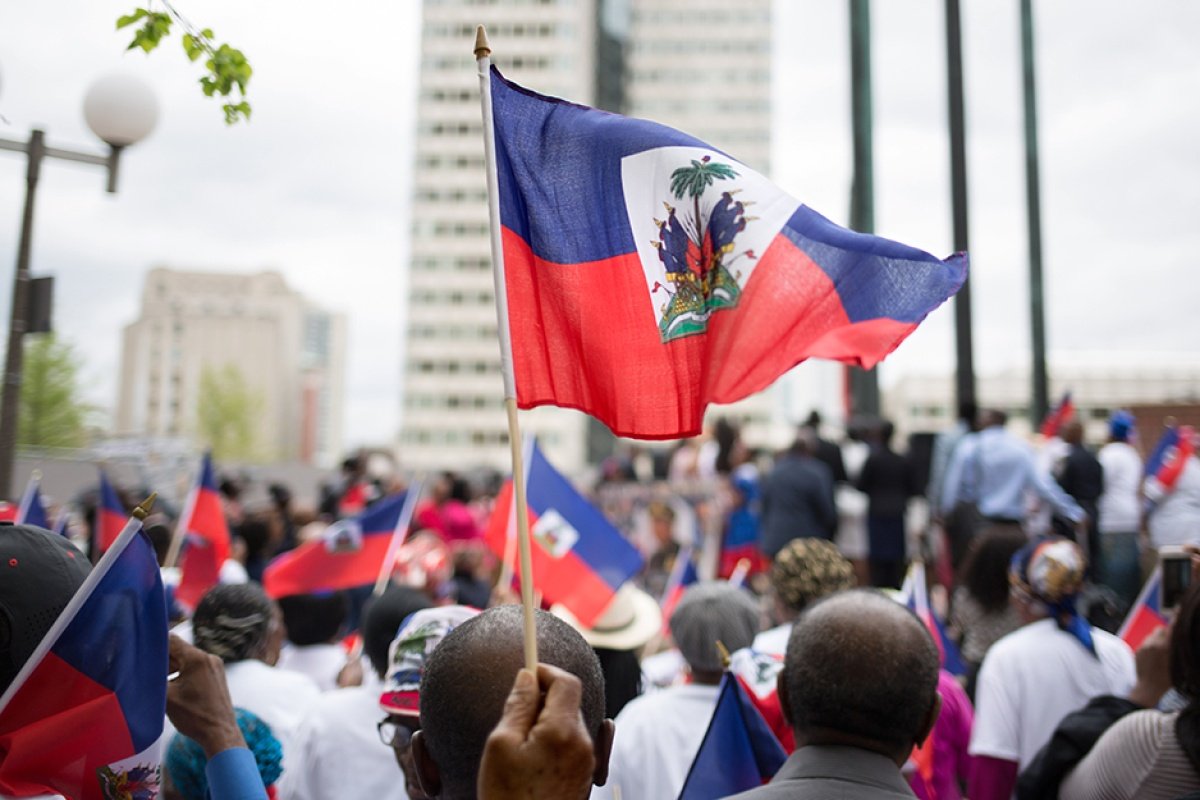
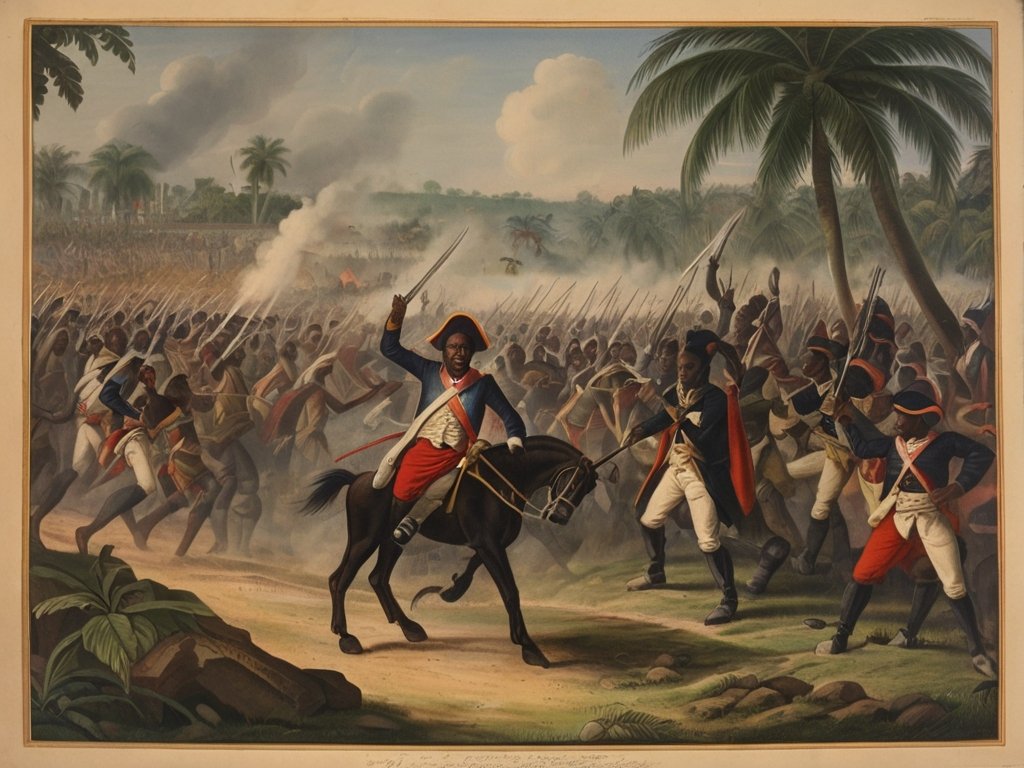
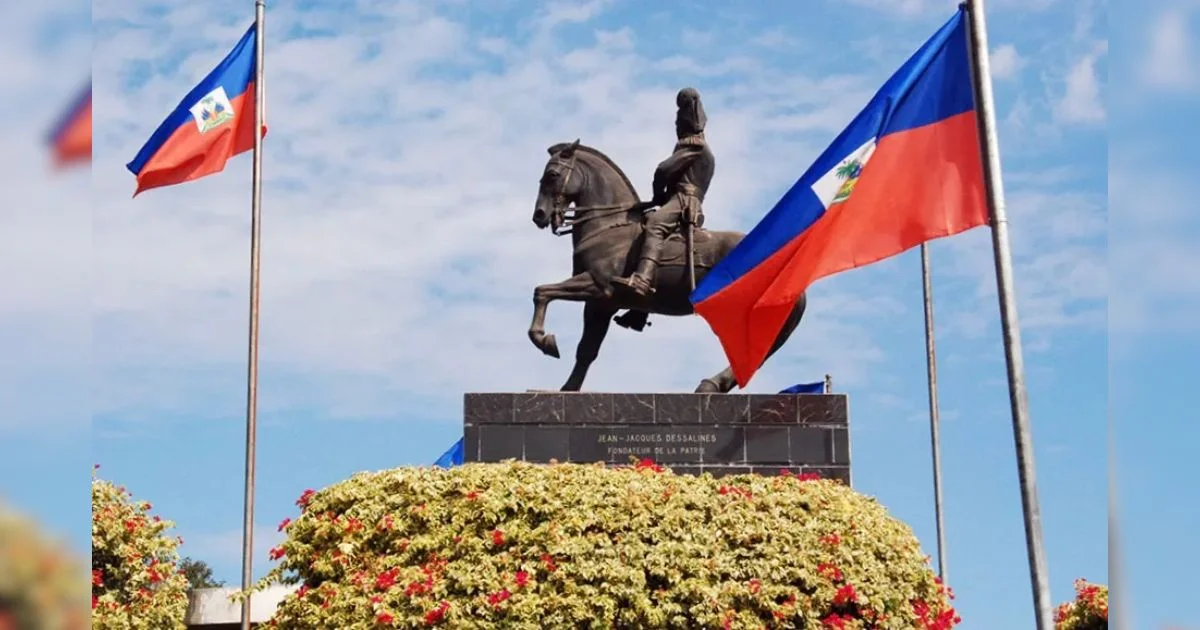
First black nation to free itself from slavery and gain independence from France in 1804 and influenced other liberation movements around the world, inspiring struggles for freedom and equality.

Natural beauty

Natural beauty

Haïti is blessed with spectacular natural landscapes, including white sand beaches, mountains and rich biodiversity.

Heritage

Heritage

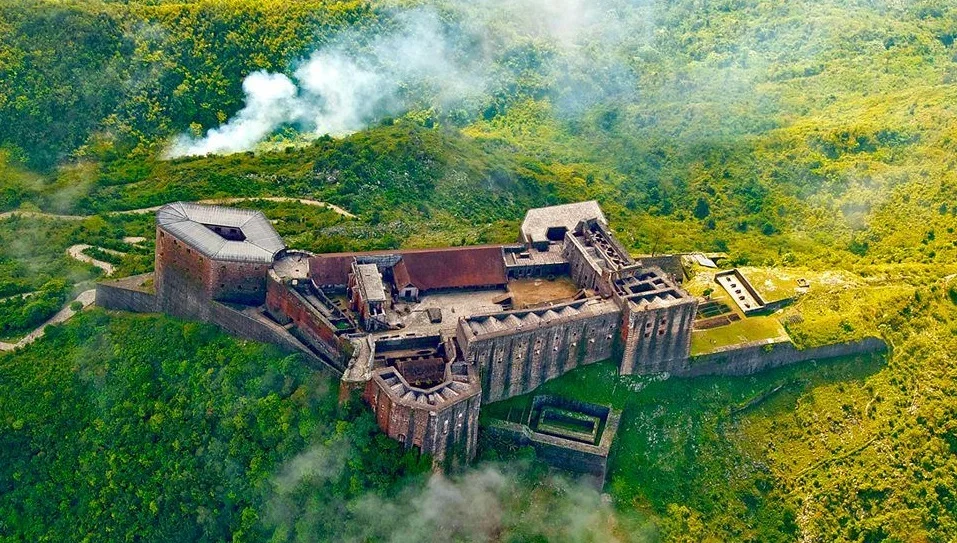
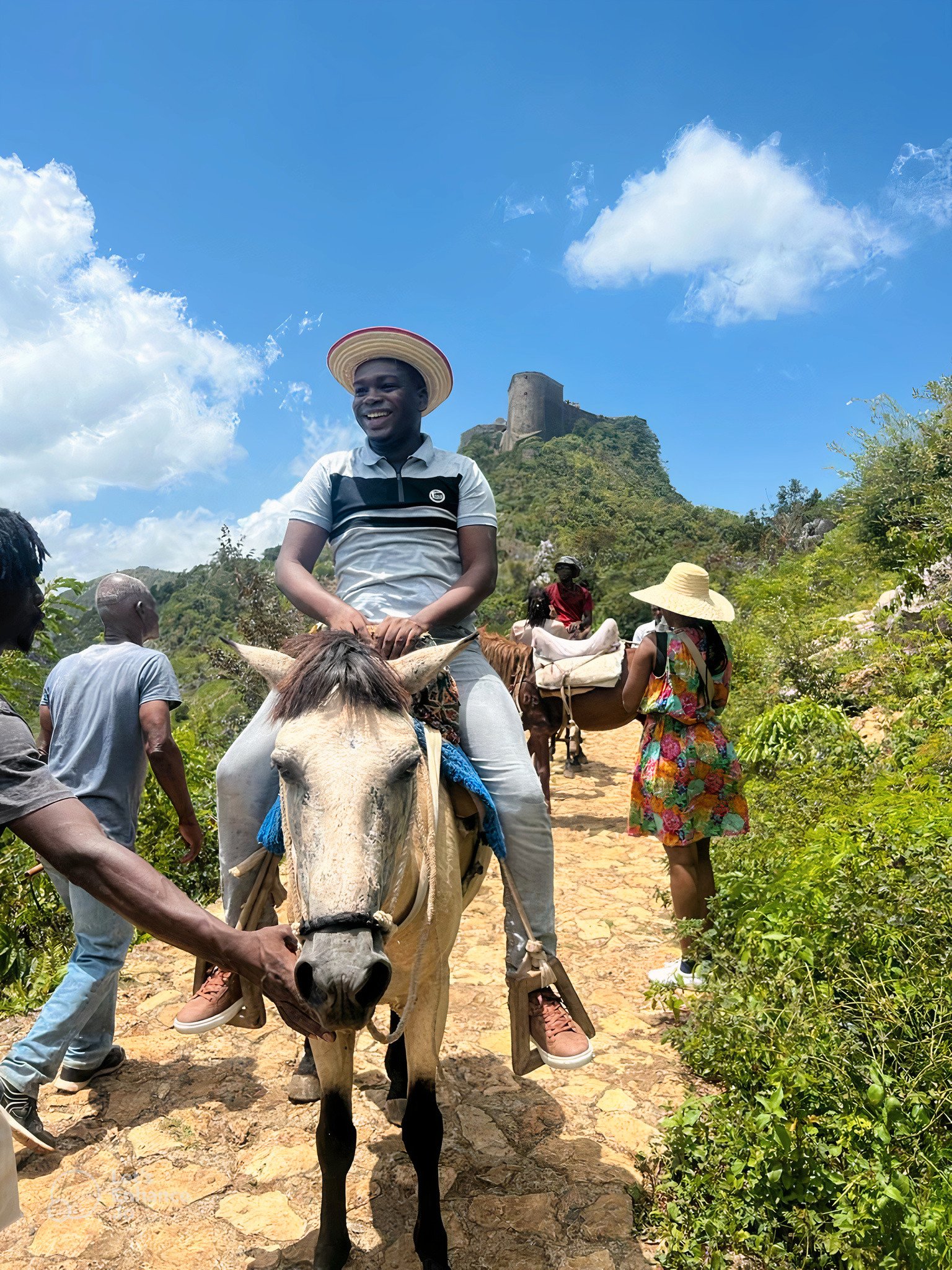
Haïti has a rich historical heritage, including sites like the Citadelle Laferrière and the Sans-Souci Palace, listed as UNESCO World Heritage Sites.

Culture

Culture

Haïti has a rich and diverse culture, influenced by African, European and indigenous elements. Haitian music, dance, art and cuisine are celebrated around the world.

  • +
    • Post