contact@haitiwonderland.com+509 36184317

Discover

Shopping Cart

Emeline Michel, the diva of Haitian music

Emeline Michel, the diva of Haitian music

Emeline Michel was born on March 21, 1966 in Dubedou, a small town located in the 5th communal section of Gonaïves, the city of Haitian independence. Both a singer and composer, today her influence transcends and goes beyond the borders of Haïti and the French-speaking world.

After starting secondary studies at the Lycée Louis Diaquoi commonly known as the Lycée de jeunes filles des Gonaïves, she entered Port-au-Prince, at one point, to continue her studies at the Collège St Pierre de Port-au-Prince. It was in the Haitian capital, more precisely at the Baptiste de Bolosse church, that her talent was discovered and supported by religious leaders, who offered her scholarships to study music. It is his steps that will be the basis of his exceptional musical career, placing his name among the proudest Haitians and alongside the greatest names in Haitian music, such as Lionel Benjamin, Beethova Obas and Yole Dérose his mentor.

Emeline Michel
Emeline Michel
Emeline Michel

An Icon of International Renown

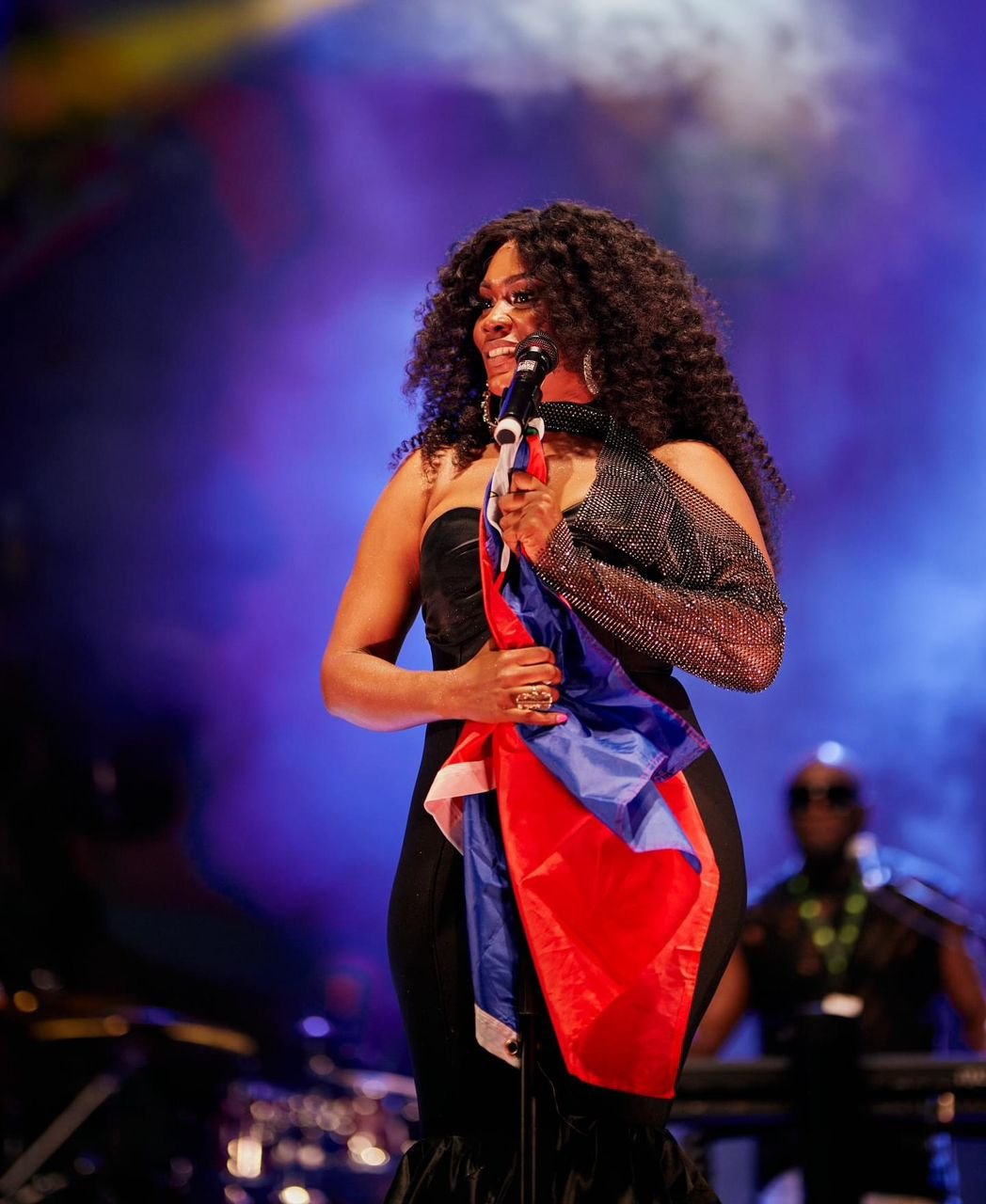
What Celine Dion is to Quebec, Emeline Michel is to Haiti. Emeline embodies Haitian feminine excellence in all its depth. Able to sing with ease in French and Haitian Creole, she remains one of the most listened to and recognized Haitian voices throughout the world. In Haiti, she is considered the most emblematic female figure in contemporary Haitian music. There are very few artists: painters, musicians or writers who have not been tempted by the idea of ​​paying tribute to her through their art. Decades after the beginning of her career, she is still among the most credible and loved voices in Haitian society.

See as well

Emeline Michel
Emeline Michel
Emeline Michel

First steps in music

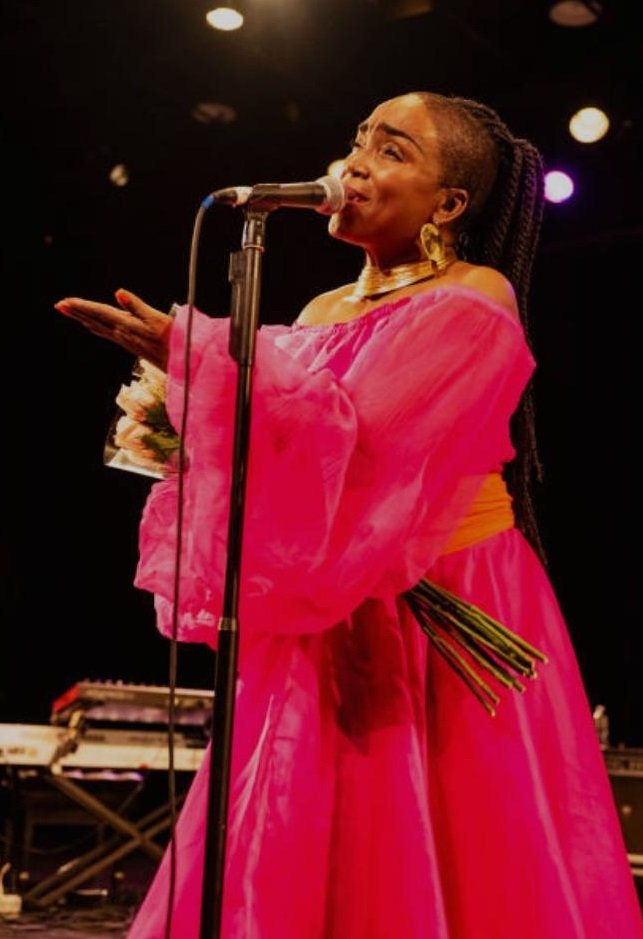
Born to a pastor father and a merchant mother. Emeline began singing in church like the vast majority of Haitian artists. From a young age, she demonstrated an exceptional talent for music and singing. She remembers starting singing in church led by her pastor father, when she was not yet six years old. Her musical career truly began in the 80s, quickly captivating audiences with her powerful and captivating voice. And her original compositions blend traditional Haitian rhythms, the compas, and the rhythms of classical music with her melodious voice.

Emeline Michel
Emeline Michel
Emeline Michel

An Exceptional Discography

Emeline Michel has released numerous critically acclaimed albums, such as *Flanm*, *Rasin Kreyol* and *Reine de Cœur*. Her committed and poetic songs address universal themes such as love, social justice, women’s freedom and resilience. Songs like "A.K.I.K.O", "Gade papi", "Béni yo", "L’odeur de ma terre", "Mèsi lavi" and "Vant kòde" illustrate her stance against the injustices and difficulties experienced by Haitians, while offering messages of hope. Her successes are numerous and testify to her impact on Haitian music.

Emeline Michel
Emeline Michel
Emeline Michel

A Committed Woman

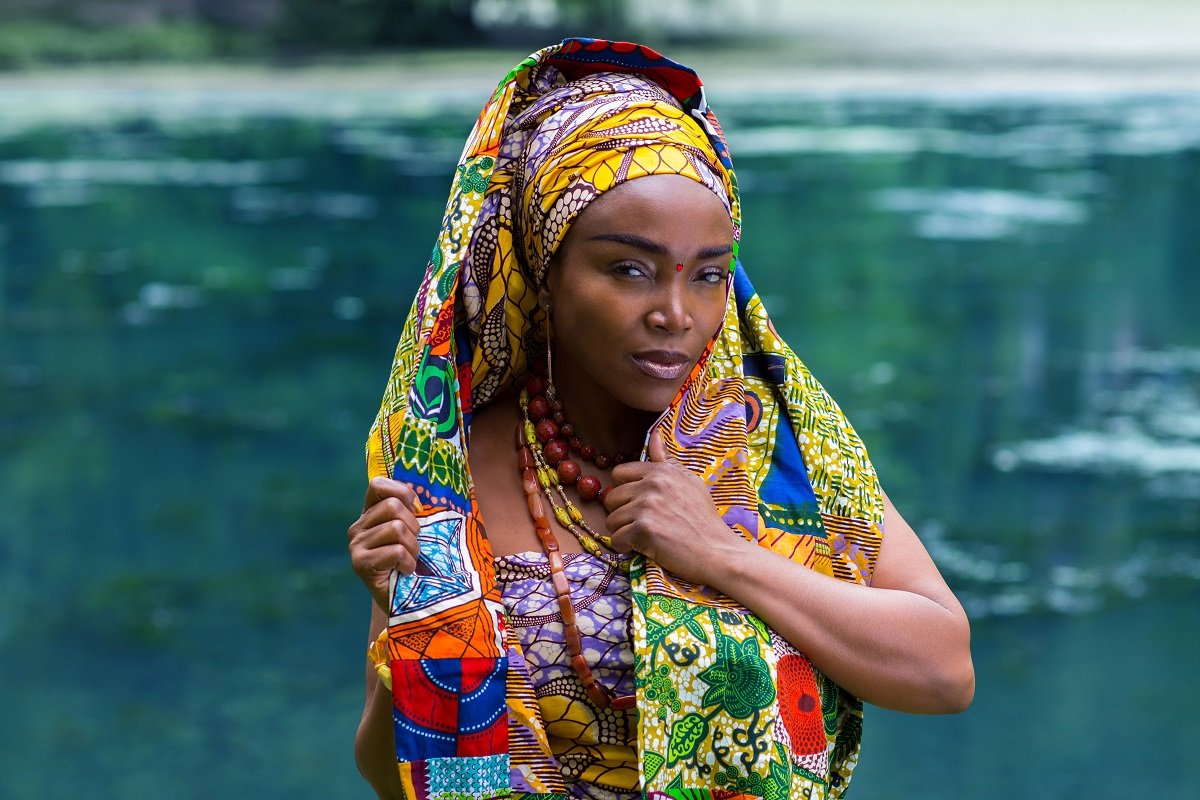
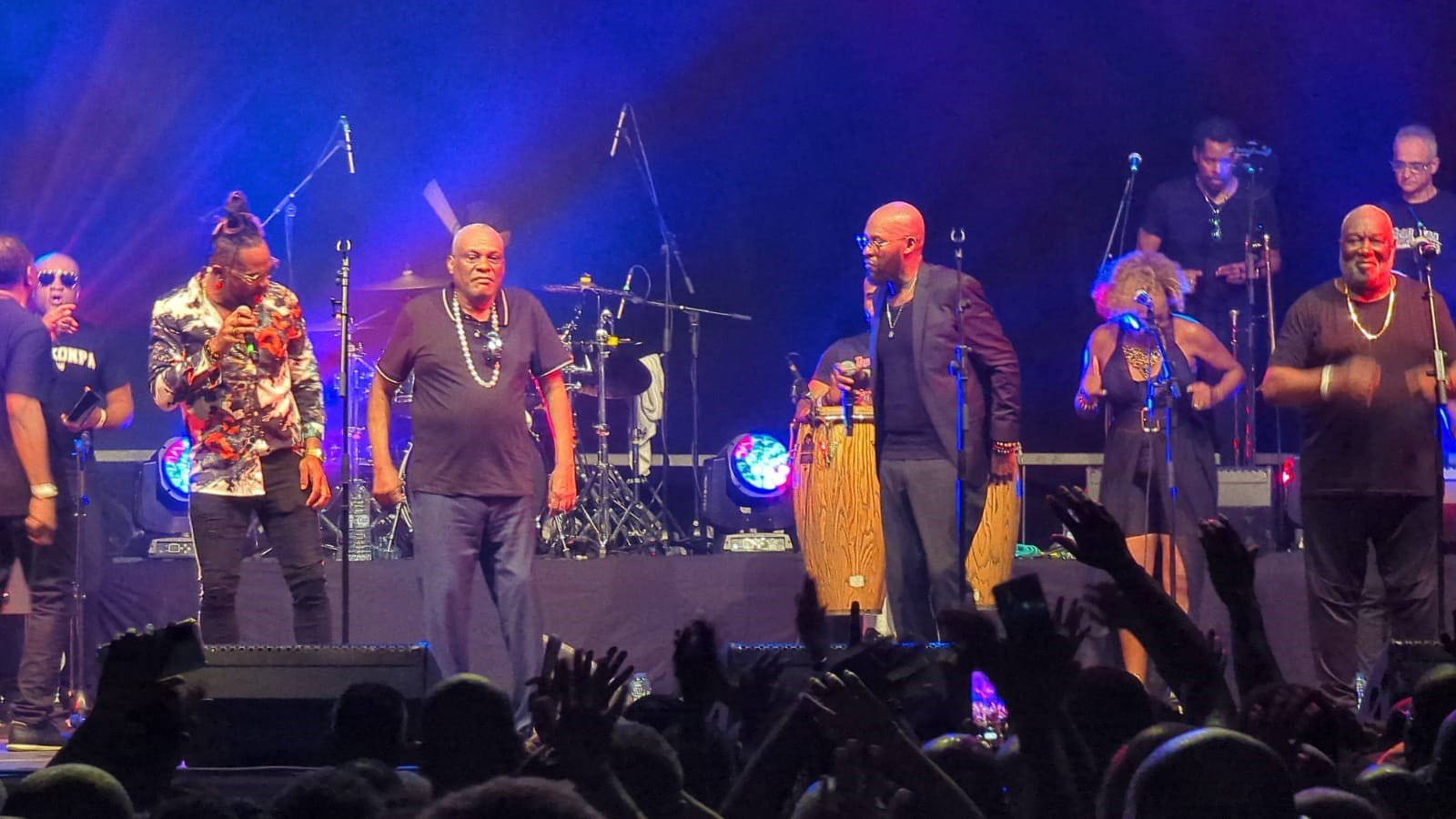
In addition to her internationally renowned musical career, Emeline Michel is an ardent promoter of Haitian culture throughout the world, her clothing style embodies that of an authentic Haitian. In addition, she uses her great fame to campaign for gender equality in Haitian society and in the rest of the world. Although she has not expressed direct criticism of a particular government, her songs are vigorous denunciations of the misfortunes that strike her beloved Haiti. She has participated in numerous international festivals, collaborated with world-renowned artists and supported humanitarian projects for Haiti, particularly after the powerful earthquake of January 12, 2010.

With her captivating voice, her charisma (which inspires everyone’s respect), her commitment to the development of women and Haitian culture, Emeline Michel remains and continues to be a perpetual source of inspiration for young girls in Haiti. Her music, full of love and hope, reflects the colors and richness of her native land, making her a permanent ambassador of Haitian music.

Share
About the Author
Moise Francois
Moise Francois
Moise Francois

Journalist editor, poet and apprentice lawyer.

See other articles from Moise Francois
Leave a comment

Recently Posted

Haïti et son Rôle Pionnier dans l’Abolition de l’Esclavage Mondial

For centuries, the institution of slavery has darkened human history, leaving behind a legacy of pain, oppression and the struggle for freedom. However, in this dark tale, one nation stands out for its courage and determination to break the chains of oppression: Haiti. Located in the Caribbean, Haïti played a pioneering role in the abolition of slavery, laying the foundation for the fight for freedom and equality around the world. The history of slavery in Haïti dates back to the arrival of Europeans on the island, which was then called Santo Domingo, in the 15th century. French colonists quickly established an economy based on sugar and coffee production, cruelly exploiting millions of African slaves deported to work on plantations. However, this brutal system engendered fierce resistance from slaves, whose fight for freedom ultimately led to one of the most significant revolutions in history. In 1791, under the leadership of iconic figures such as Toussaint Louverture, Jean-Jacques Dessalines and Henri Christophe, Haitian slaves rose up against their oppressors in an unprecedented rebellion. This revolt resulted in a war of independence that lasted more than a decade, but ultimately resulted in the proclamation of Haiti’s independence in 1804, making that country the first post-colonial nation ruled by people from slavery. The impact of the Haitian Revolution on the abolition of slavery worldwide cannot be overstated. By breaking the chains of oppression and proclaiming their independence, Haitians have sent a powerful message to all oppressed peoples around the world: freedom is possible, and it is worth the struggle. The example of Haïti inspired other movements for the abolition of slavery in the Americas and beyond, thus helping to shake the very foundations of the institution of slavery. Haiti’s participation in the fight against slavery was not limited to its territory; it also extended to external actions where Haitian men were sent or actively participated in movements for the abolition of slavery in other regions of the world. For example, Haitian President Alexandre Pétion supported Simón Bolívar, the leader of the South American revolution, by providing him with weapons, money and even men, which contributed to the liberation of several countries in America Latin of colonial domination. Haïti also provided support for independence movements in Central America. Haitian fighters, led by General Jean-Pierre Boyer, helped Venezuelan patriots fight against Spanish rule, contributing to the liberation of that region. The Haitian government financially and diplomatically supported movements for the abolition of slavery in countries such as Venezuela, Colombia and Mexico, contributing to the gradual eradication of this institution throughout the region. Although Haïti did not directly participate in the American Civil War, many Haitians and descendants of Haitians played crucial roles in the abolitionist movement in the United States. Figures who were of Haitian origin or of Haitian ancestry, were important voices in the fight against slavery and for equal rights in the United States. The legacy of the Haitian Revolution remains a symbol of resistance and courage for future generations. Today, as the world continues to struggle against injustice and oppression in various forms, Haiti’s history reminds us that the fight for freedom is a universal fight, one that transcends borders and times. Haiti’s participation in the abolition of slavery throughout the world remains a crucial chapter in the history of humanity. Through their courage and determination, Haitians have paved the way for a future where freedom and equality are inalienable rights for all.

Newsletter

Subscribe to our newsletter to stay informed of all our activities and news on Haiti.

Recently Posted

History

History

First black nation to free itself from slavery and gain independence from France in 1804 and influenced other liberation movements around the world, inspiring struggles for freedom and equality.

Natural beauty

Natural beauty

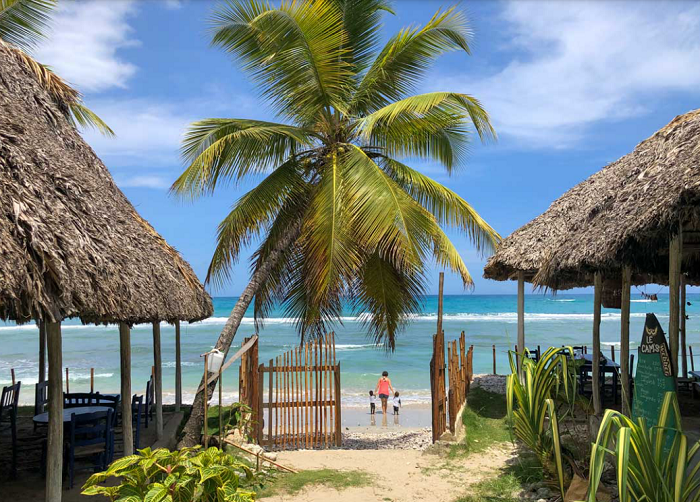
Haïti is blessed with spectacular natural landscapes, including white sand beaches, mountains and rich biodiversity.

Heritage

Heritage

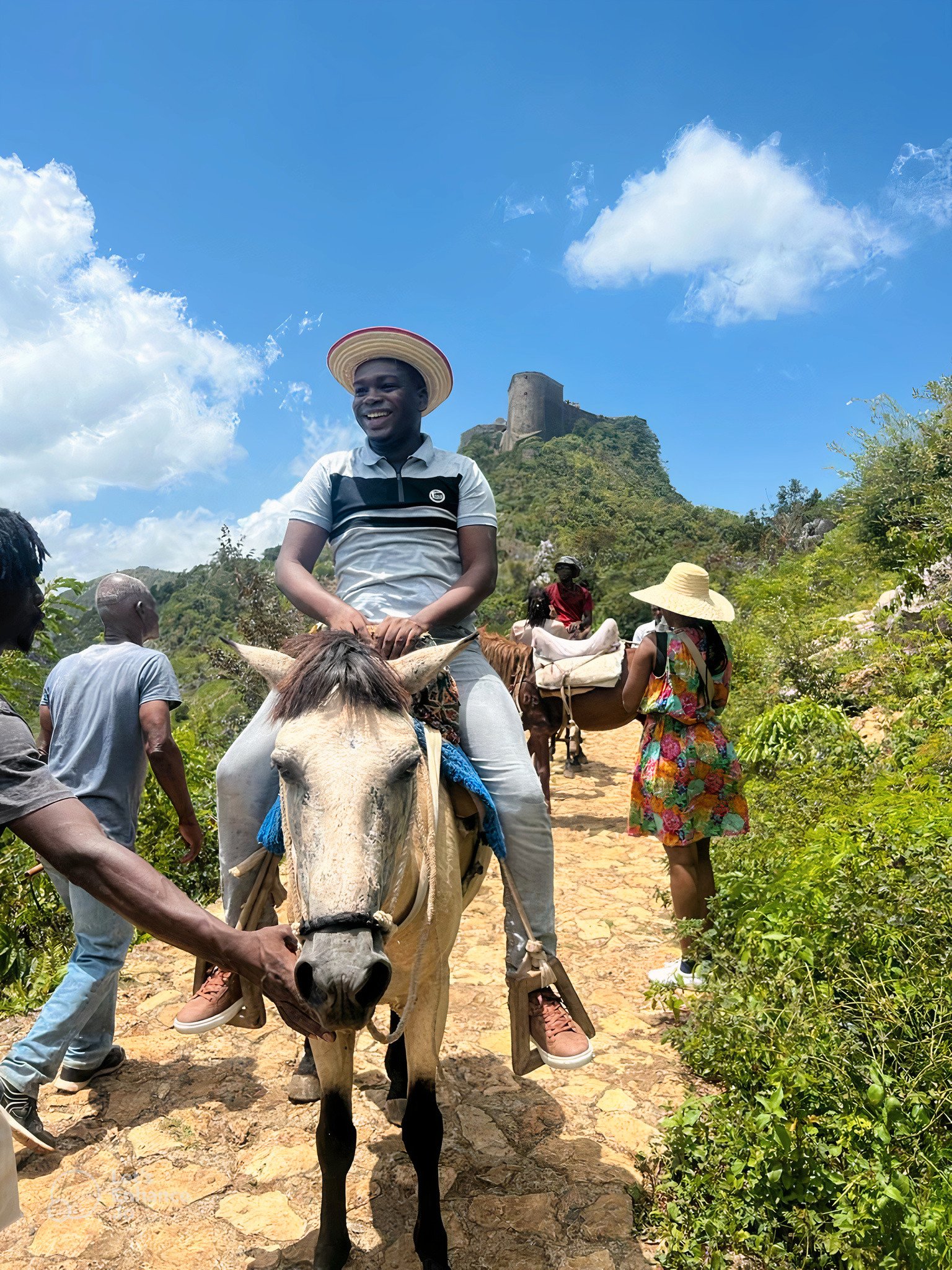
Haïti has a rich historical heritage, including sites like the Citadelle Laferrière and the Sans-Souci Palace, listed as UNESCO World Heritage Sites.

Culture

Culture

Haïti has a rich and diverse culture, influenced by African, European and indigenous elements. Haitian music, dance, art and cuisine are celebrated around the world.

  • +
    • Post