contact@haitiwonderland.com+509 36184317

Discover

Shopping Cart

Haiti: The Cradle of Independence

Haiti: The Cradle of Independence

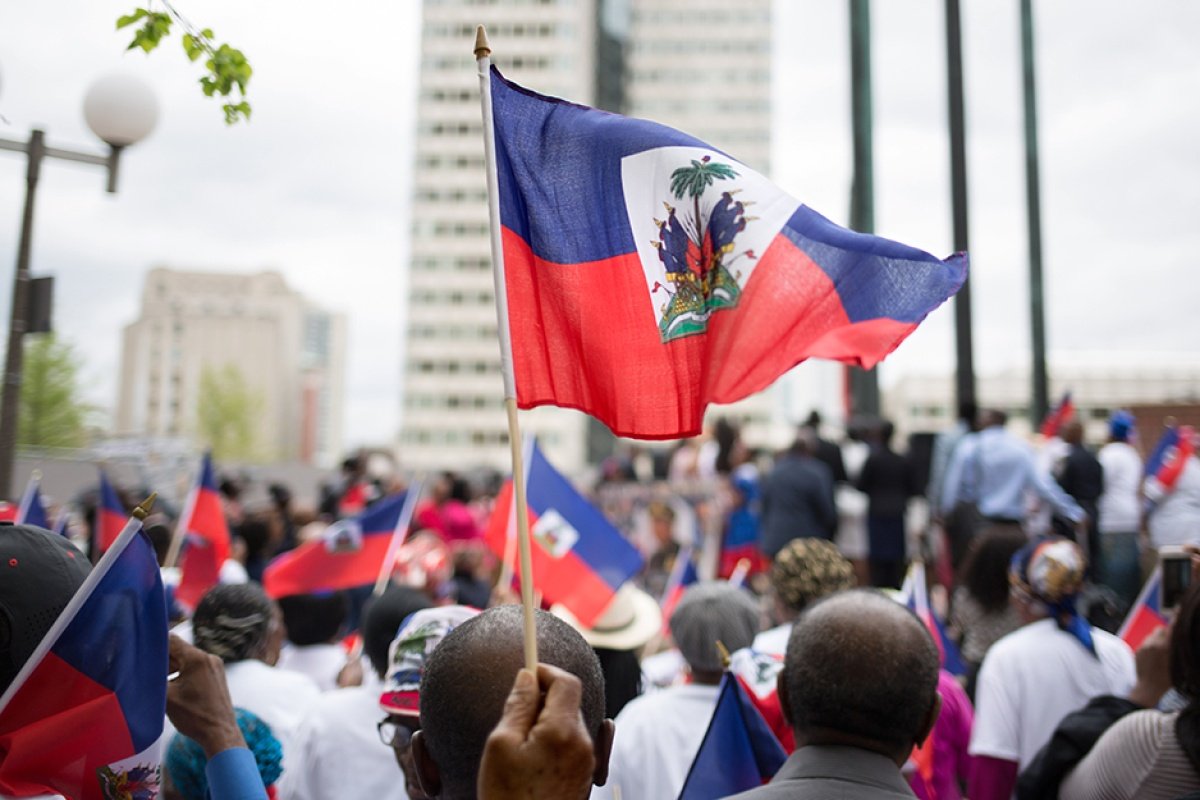
Haiti, nestled in the Caribbean, is often recognized for its picturesque beaches and rich culture. However, this island country also carries a deep and significant historical legacy: that of being the first black country to gain independence and abolish slavery, becoming a powerful symbol of freedom and resistance.

Haïti
Haïti
Haïti

Historical context

By the end of the 18th century, Haiti, then known as Santo Domingo, was the richest colony in the Americas thanks to its thriving sugar industry. However, this wealth rested on the backs of hundreds of thousands of African slaves subjected to inhumane working conditions. Inspired by the ideals of the French Revolution of 1789, the slaves of Saint-Domingue began to demand their rights and freedom.

Haïti
Haïti
Haïti

The Haitian Revolution: An Act of Courage and Determination

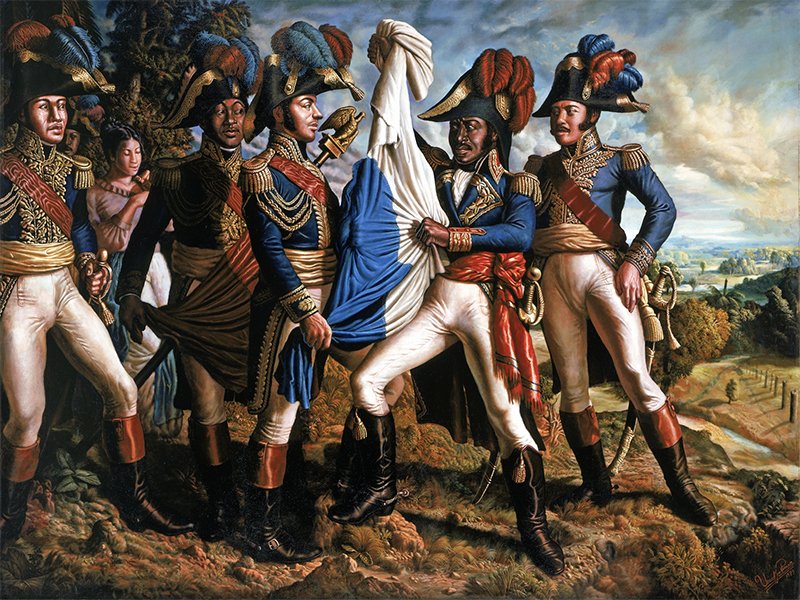
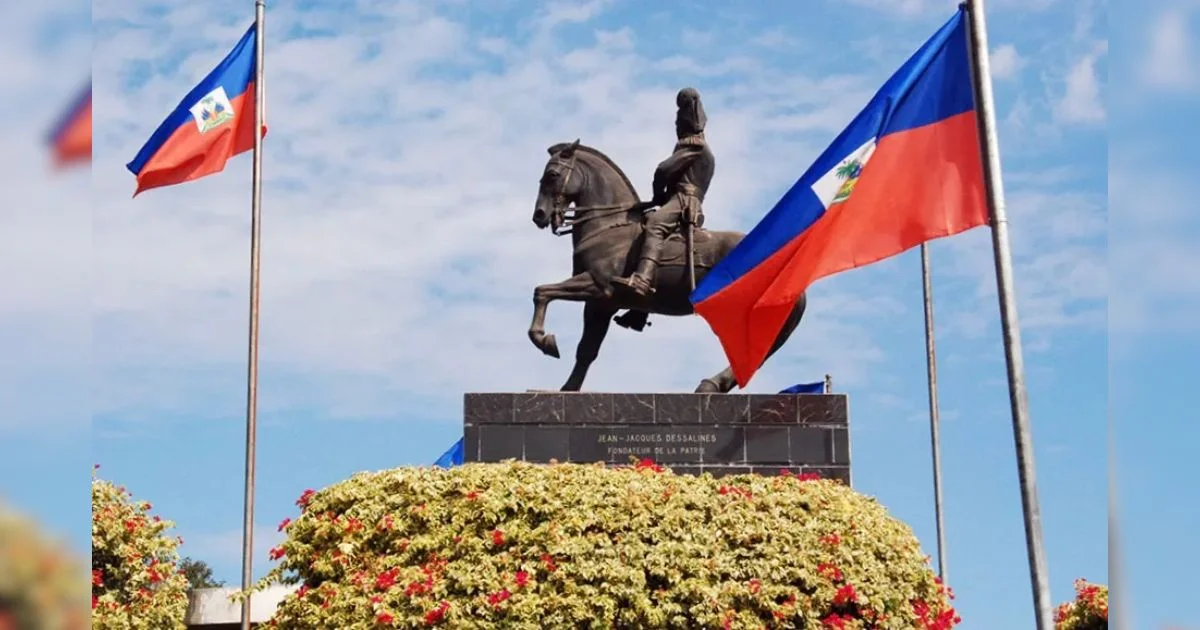
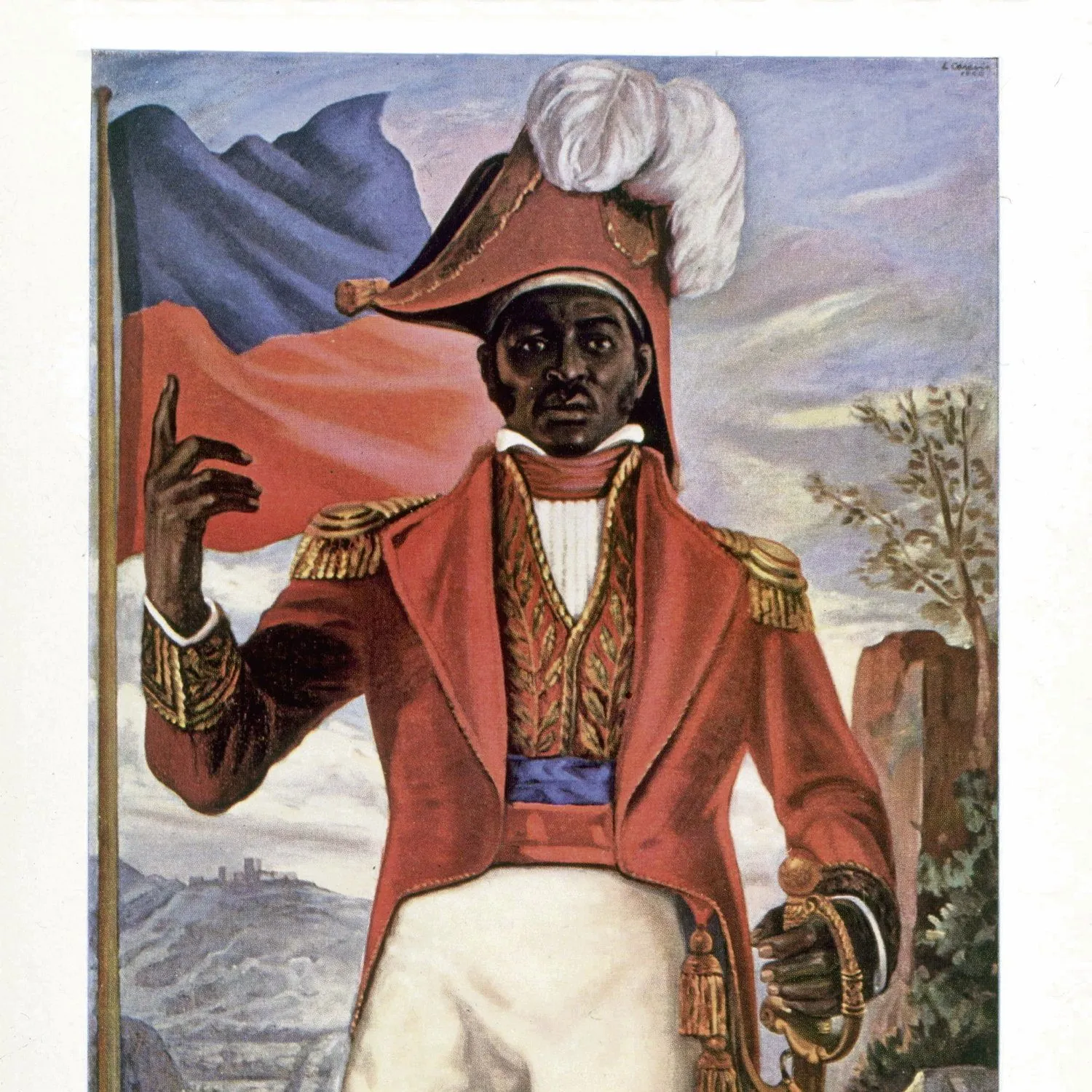
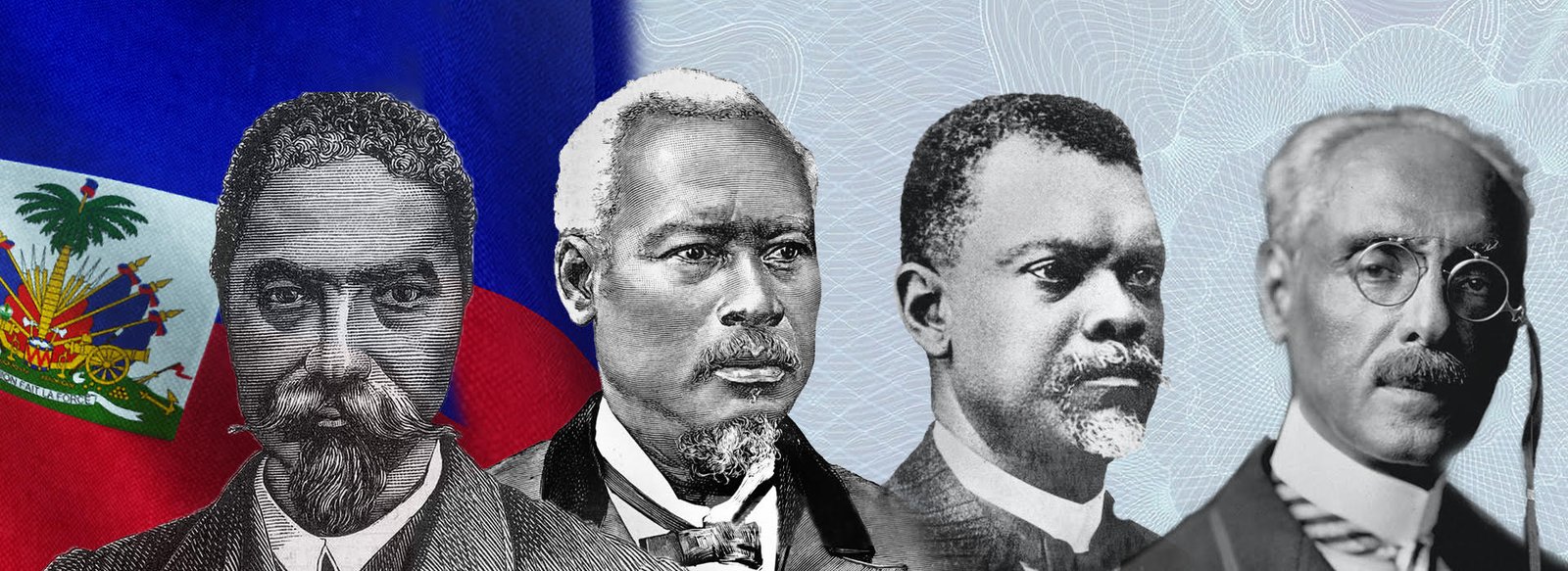
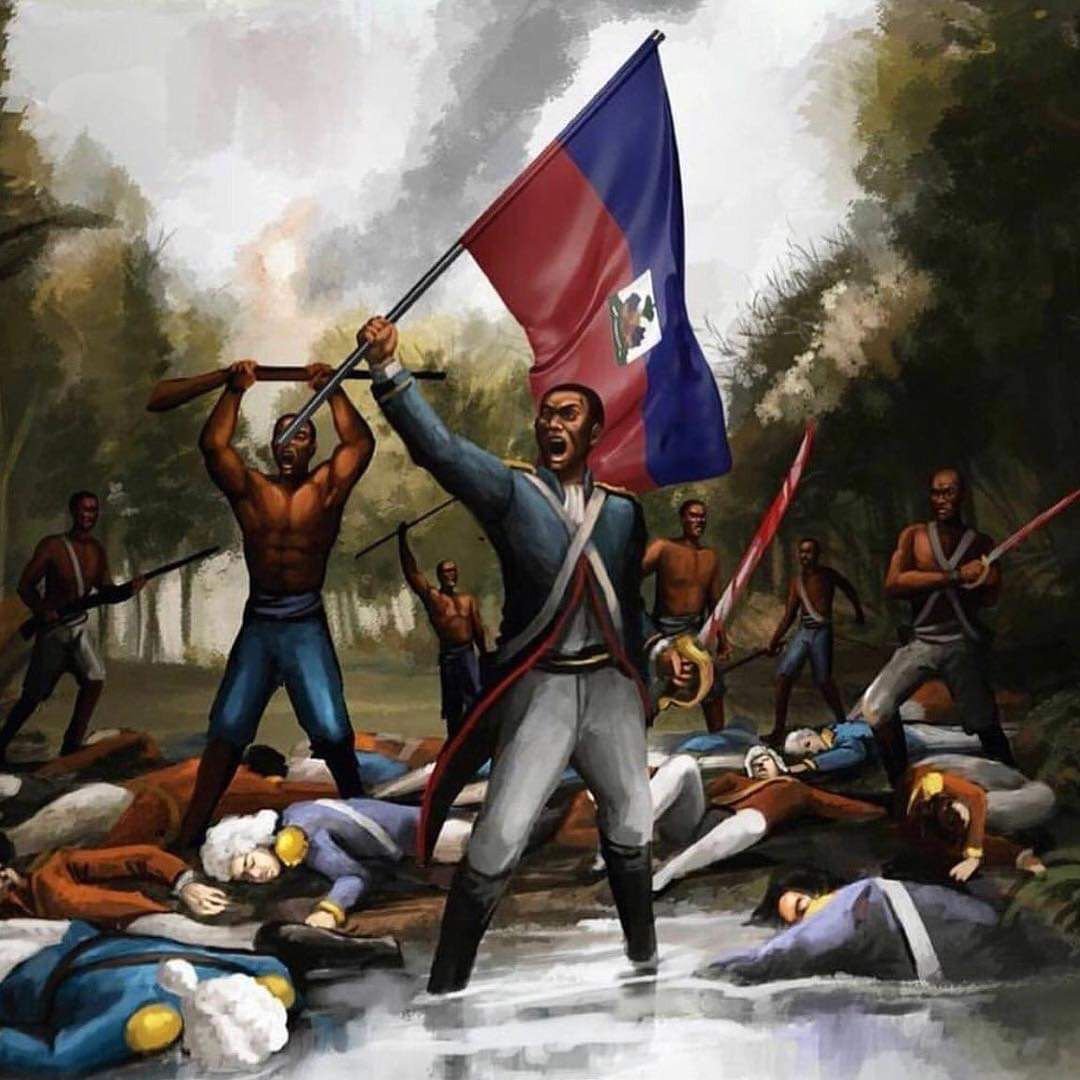
The Haitian Revolution, which lasted from 1791 to 1804, was one of the most significant and daring struggles against colonial oppression and slavery. Under the leadership of iconic figures such as Toussaint Louverture, Jean-Jacques Dessalines, and Henri Christophe, Haitian slaves rose up against their French masters to claim their freedom and human dignity.

On January 1, 1804, Haïti proclaimed its independence, becoming the world’s first free black republic and the second nation in the New World to gain independence after the United States. This day marks not only the birth of a new State but also a turning point in the history of the fight against slavery and colonialism.

Haïti
Haïti
Haïti

Global Impact: Awakening of Consciousness

Haitian independence had a profound impact on the international scene. It sent a resounding message to the colonial powers of the time, demonstrating that oppressed peoples could liberate themselves and self-determine. This success served as an inspiration and model for liberation movements in the Americas and beyond.

In neighboring colonies, the Haitian example has aroused both hope and fear. Slaves and oppressed populations saw it as a glimmer of hope for their own emancipation, while colonists and slave owners feared similar revolts. Haiti’s independence thus helped to catalyze a series of abolitionist and independence movements across the American continent and in other regions of the world.

Haïti et son Rôle Pionnier dans l’Abolition de l’Esclavage Mondial

Haïti et son Rôle Pionnier dans l’Abolition de l’Esclavage Mondial

For centuries, the institution of slavery has darkened human history, leaving behind a legacy of pain, oppression and the struggle for freedom. However, in this dark tale, one nation stands out for its courage and determination to break the chains of oppression: Haiti. Located in the Caribbean, Haïti played a pioneering role in the abolition of slavery, laying the foundation for the fight for freedom and equality around the world. The history of slavery in Haïti dates back to the arrival of Europeans on the island, which was then called Santo Domingo, in the 15th century. French colonists quickly established an economy based on sugar and coffee production, cruelly exploiting millions of African slaves deported to work on plantations. However, this brutal system engendered fierce resistance from slaves, whose fight for freedom ultimately led to one of the most significant revolutions in history. In 1791, under the leadership of iconic figures such as Toussaint Louverture, Jean-Jacques Dessalines and Henri Christophe, Haitian slaves rose up against their oppressors in an unprecedented rebellion. This revolt resulted in a war of independence that lasted more than a decade, but ultimately resulted in the proclamation of Haiti’s independence in 1804, making that country the first post-colonial nation ruled by people from slavery. The impact of the Haitian Revolution on the abolition of slavery worldwide cannot be overstated. By breaking the chains of oppression and proclaiming their independence, Haitians have sent a powerful message to all oppressed peoples around the world: freedom is possible, and it is worth the struggle. The example of Haïti inspired other movements for the abolition of slavery in the Americas and beyond, thus helping to shake the very foundations of the institution of slavery. Haiti’s participation in the fight against slavery was not limited to its territory; it also extended to external actions where Haitian men were sent or actively participated in movements for the abolition of slavery in other regions of the world. For example, Haitian President Alexandre Pétion supported Simón Bolívar, the leader of the South American revolution, by providing him with weapons, money and even men, which contributed to the liberation of several countries in America Latin of colonial domination. Haïti also provided support for independence movements in Central America. Haitian fighters, led by General Jean-Pierre Boyer, helped Venezuelan patriots fight against Spanish rule, contributing to the liberation of that region. The Haitian government financially and diplomatically supported movements for the abolition of slavery in countries such as Venezuela, Colombia and Mexico, contributing to the gradual eradication of this institution throughout the region. Although Haïti did not directly participate in the American Civil War, many Haitians and descendants of Haitians played crucial roles in the abolitionist movement in the United States. Figures who were of Haitian origin or of Haitian ancestry, were important voices in the fight against slavery and for equal rights in the United States. The legacy of the Haitian Revolution remains a symbol of resistance and courage for future generations. Today, as the world continues to struggle against injustice and oppression in various forms, Haiti’s history reminds us that the fight for freedom is a universal fight, one that transcends borders and times. Haiti’s participation in the abolition of slavery throughout the world remains a crucial chapter in the history of humanity. Through their courage and determination, Haitians have paved the way for a future where freedom and equality are inalienable rights for all.

Haïti
Haïti
Haïti

Haïti and Revolutionary Diplomacy

Although Haïti was initially isolated diplomatically and economically by the great powers, particularly because of the threat it posed to slave societies, the country persevered in its quest for international recognition. Haïti also offered support to liberation struggles in other regions, contributing to the emancipation of oppressed nations.

For example, Simon Bolivar, the famous South American liberator, received crucial support from Haïti in his fight for independence from the Spanish colonies in South America. In return, Bolivar promised to abolish slavery in the territories he would liberate, a commitment he largely kept.

Haïti
Haïti
Haïti

Legacy and Challenges

Today, the legacy of Haitian independence remains a powerful symbol of resistance and resilience. However, Haïti continues to face numerous challenges, including economic, political and social, largely inherited from its colonial history and post-independence international isolation.

It is crucial to recognize and celebrate Haiti’s pioneering role in the history of global independence. By paying tribute to the heroic struggle of the Haitian people, we honor not only their contribution to universal freedom but also their unwavering courage in the face of adversity.

Haiti, the cradle of independence, is a symbol of courage and determination. His story reminds the world of the importance of the fight for human rights and freedom. In celebrating Haiti’s independence, we pay tribute not only to the heroes of the Haitian revolution, but also to all those, throughout the ages, who have fought for a more just and equitable world.

Vertières, Fort Mazi: Beyond historical truth;

Vertières, Fort Mazi: Beyond historical truth;

If you look up the word vertière in a French dictionary, you will not find it for fear that the world does not know this place represents the Achilles heels of the most powerful European army. What’s more, this one had just successfully won the eastern campaign. French historians of the time erased this geographical location from the radar of history because they did not want to tell the story as it is in the sense of explaining the first great humiliation of the expeditionary army French by bands of slaves who were totally ignorant in the art of waging war, much less in the handling of weapons. However, these illiterate wars routed the Napoleonic army, the most powerful at that time, using the means at hand. This expeditionary army, after having brought Europe to its knees, would experience its first rout by slaves in this geographical location, located in the Northern department of Haiti. Funny story, this city is not on the list of French words even though given its historical importance, it should be at the heart of universal history, far from putting an end to the invincibility of the undefeated army army. So as not to offend the white masters, no political leader has ever asked why vertière does not appear in any French dictionary? However, they celebrate this battle with great fanfare every November 18. What historic hypocrisy among our leaders! After Vertière many other historical places are strangled by historians in order to hide the extremes of atrocities of the French colonists on the slaves. It is in this context of historical strangulation that “Fort Mazi” is not mentioned in school history textbooks. This is located in Petit-Goave, 2nd municipal section, Arnoux locality. We came across this mega fort, during a mobile clinic entirely financed by the Ernest Junior foundation, a charitable foundation which works in the social sector, particularly in the field of art and music. According to residents , the oldest in this locality, this fort was built on at least 20 squares of earth by the settlers. It was a huge military complex divided into compartments, outposts, turtle rooms, rooms for treating colonists, a large Catholic church, and a cemetery. However, we never talk about this fort so much so that it is ignored by history teachers in the town of Petit-Goave. Certainly, the desired disappearance of this fort under the radar of history buries the atrocities, the barbarities, the most inhumane punishments of the colonists on the slaves. Looking closely at reality, everything seems true that it is the largest fort ever built during the period of colonization. Moreover, it probably seems the most fortified in relation to its importance. Remember that Vertière only exists in Haitian school history textbooks while Fort Mazi does not appear, much less in French dictionaries or history books. This explains why this fort was a secret place in which the settlers practiced crimes and atrocities that went beyond human understanding. Is it not a clear desire of historians to hide what this immense fort built on at least 20 tiles of earth really was? Discover the history of Haiti: A fascinating story to explore! : https://haitiwonderland.com/haiti/histoire/decouvrez-l-histoire-d-haiti--un-recit-fascinant-a-explorer/81

Share
About the Author
Haïti Wonderland
Haïti Wonderland
Onique Jeambart

Haïti deviendra et restera le pays le plus riches du monde au nom de Jesus. Cette force mysterieuse qui est Dieu lui même est avec Haïti et c'est lui qui rallumera notre flame 🔥 et l'etoile d'Haïti brillera partout même dans les tenebres les plus profond. Car Haïti est pour Dieu et Dieu pour Haïti. Que l'huile du tout puissant (divine) tombe sur Haïti et que dès aujourdhui tout monde voit Haïti comme un pays riches, libres,et qui continue de prosperer a la vue du monde entier.Que le bon sens et l'esprit de sagesse qui vient de Dieu ranime chaque personne qui va diriger ce pays pour le bien du peuple et aussi des etranger qui demeuront ce pays. Haïti, est le pays ou on vit la vie on aime la ,on respecte la vie,on vit la vie sainement. Tout prospere en Haïti pour la gloire de Dieu et le peuple qui y reside. Au nom de JESUS.Amen.

24 Septanm 2024 | 09:41:23 AM
Elie Jean

Ça me fait plaisir losque les gens dissent des belles chooses vrais de mon pays.

18 Oktòb 2024 | 03:58:01 AM
Leave a comment

Recently Posted

Newsletter

Subscribe to our newsletter to stay informed of all our activities and news on Haiti.

Beven brings Haïti among the elite of world slam

This Thursday, November 14, 2024, the young slam artist Youven Beaubrun, Beven by his stage name, qualified Haiti, for the very first time in its history, for the final of the Slam World Cup. This competition, which brings together the best slam artists on the planet, took place on African soil, more precisely in Togo. In a country held by the throat, a country that is dying from start to finish, under the dangerous feat of a certain armed part of its youth, Beven’s extraordinary performance in this competition resonates with the echo of a whole piece of the country, in the thirst for beauty. Beven is the symbol of a youth that refuses to give in to the chaos that surrounds the face of its motherland. Art, slam being his field of specialization, is used in the best possible way to make hope resonate. And to continue to believe that a country that made 1804 cannot afford the luxury of sinking so hard in the face of human history. "It is with pride that I advanced in this competition. Especially with the crisis that is going through the country at the moment. My qualification for the final is an eternal sign of hope, which confirms the fact that not everything in this country will end in death," the young slammer told us before going to compete in the final. The final took place on Saturday, November 16, 2024, where Beven had his chance to represent his wounded land well on the doorstep of a world victory, a victory that if it had taken place, would have been initialed in the name of an entire people, in the absolute race against a great chaos that dreams only of suffocating it. Although he failed to win this cup (finishing in sixth place overall), the Haitian slam champion had time to inspire an entire country during his great journey in this competition. This is only a postponement, next time victory will be achieved for sure.

Rutshelle Guillaume and Blondedy Ferdinand Team Up to Launch RGGlow

Elephant Haitian music and film icons Rutshelle Guillaume and Blondedy Ferdinand are adding another string to their bow with the launch of "RGGlow," a premium skincare brand. This unprecedented collaboration reflects their shared commitment to female empowerment and the celebration of beauty in all its diversity. Set to launch on December 12, 2024, the "RGGlow" line promises products designed to nourish, rejuvenate, and brighten the skin. Made with quality ingredients, "RGGlow" products aim to meet the specific needs of women looking for effective and elegant solutions for their beauty routine. The official launch will take place during an exclusive event at Blondedy Ferdinand Studio, starting at 5 p.m. The event will bring together celebrities, beauty professionals, and fans to celebrate this unique initiative. This is an anticipated moment that will mark the beginning of an ambitious and inspiring project. Beforehand, an exclusive live will be broadcast on December 11 at 7 p.m. on all platforms, allowing the general public to discover the behind the scenes of this entrepreneurial adventure. Rutshelle Guillaume and Blondedy Ferdinand will share the inspirations behind RGGlow, while revealing some secrets about the products that make up this range. This project represents much more than a simple cosmetics brand. RGGlow positions itself as a symbol of unity and determination, carried by two powerful and influential figures. Through this collaboration, Rutshelle and Blondedy wish not only to offer quality products, but also to convey a strong message: every woman deserves to feel beautiful, radiant and confident.

Recently Posted

History

History

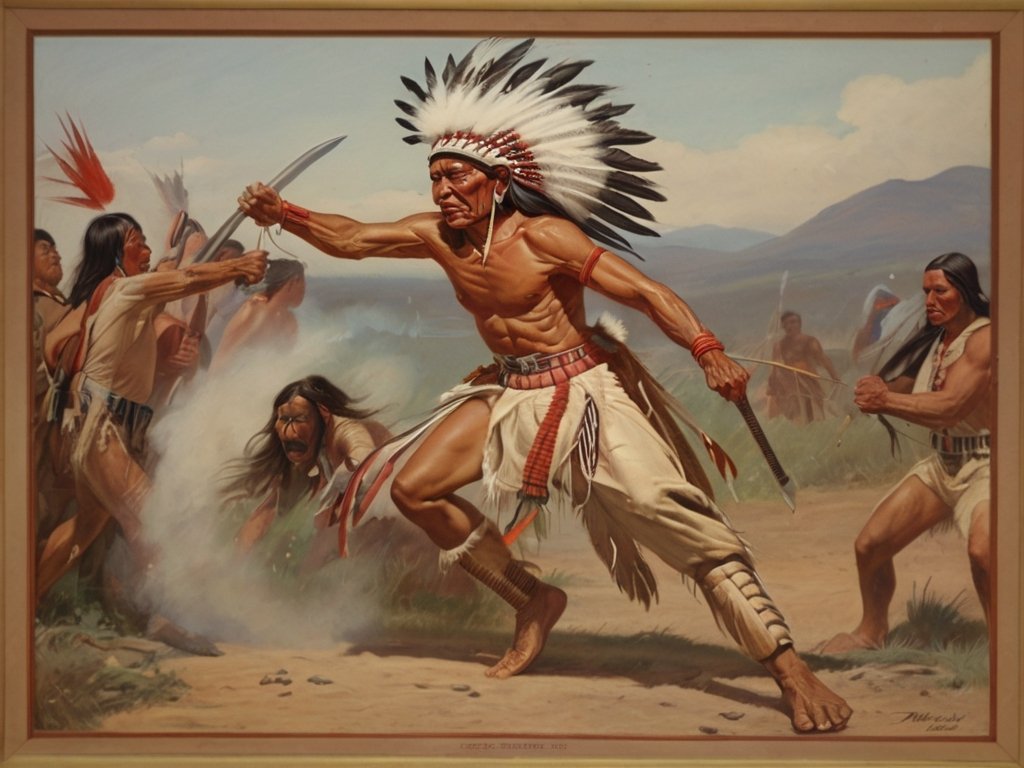
First black nation to free itself from slavery and gain independence from France in 1804 and influenced other liberation movements around the world, inspiring struggles for freedom and equality.

Natural beauty

Natural beauty

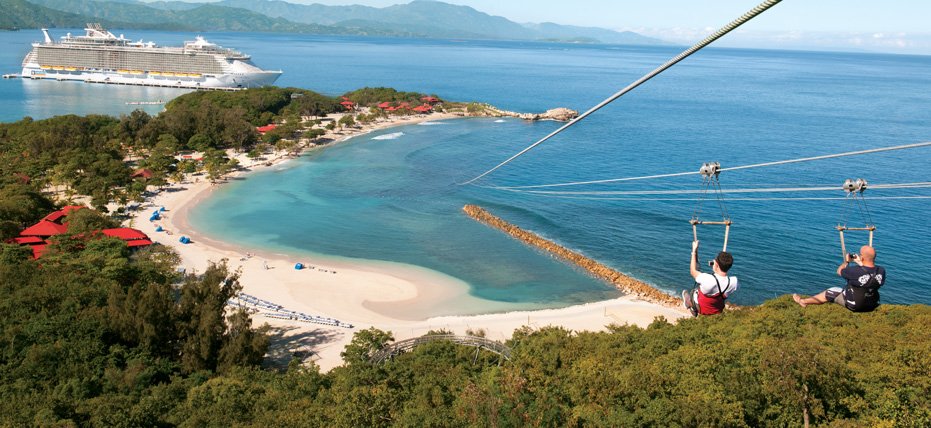
Haïti is blessed with spectacular natural landscapes, including white sand beaches, mountains and rich biodiversity.

Heritage

Heritage

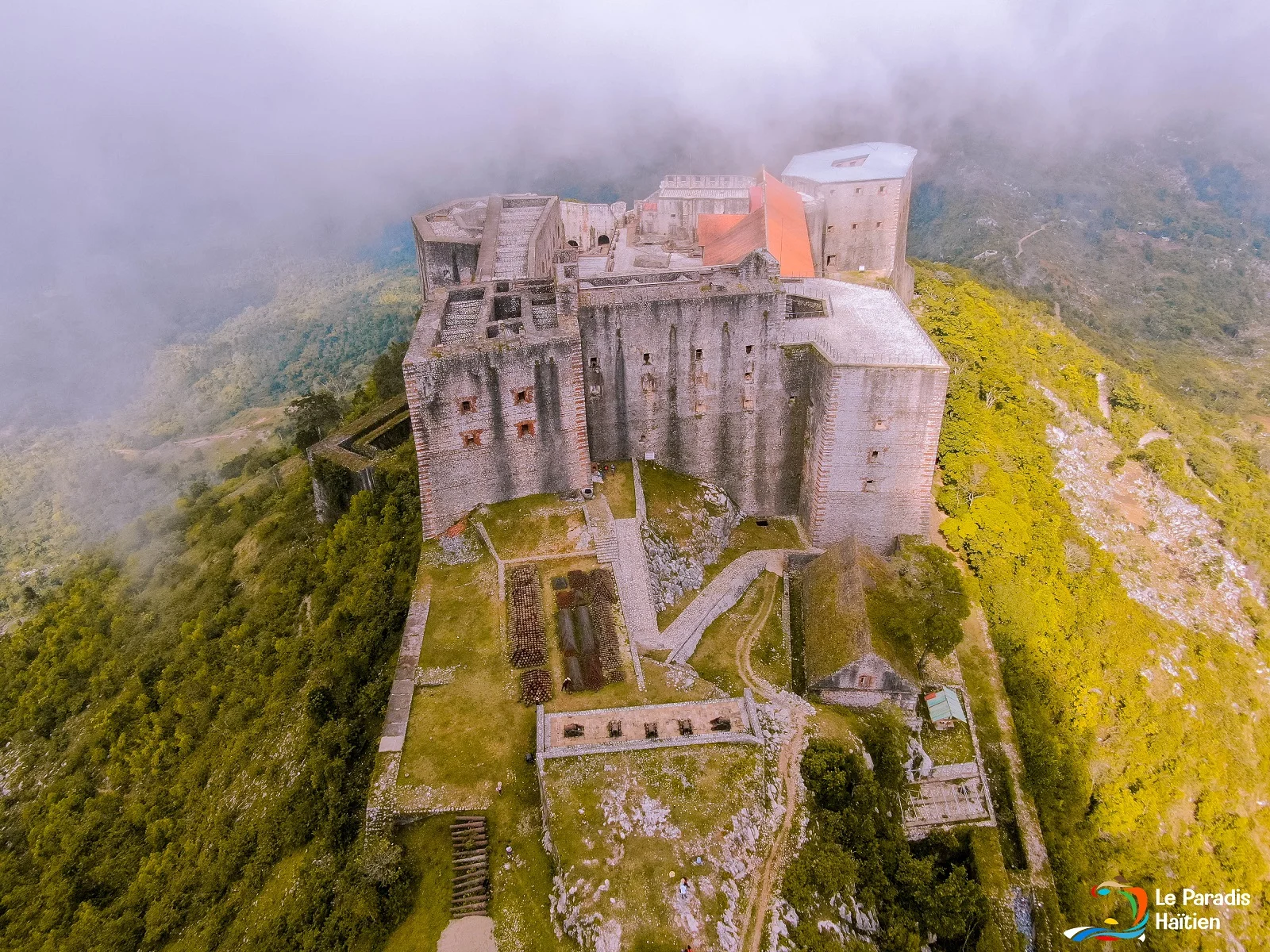
Haïti has a rich historical heritage, including sites like the Citadelle Laferrière and the Sans-Souci Palace, listed as UNESCO World Heritage Sites.

Culture

Culture

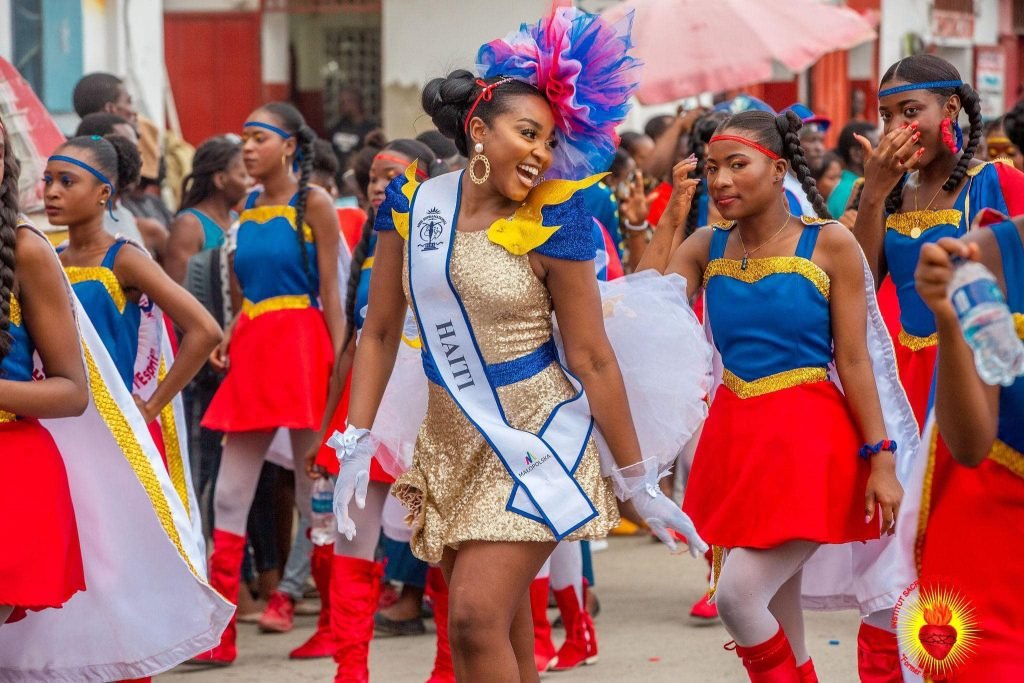
Haïti has a rich and diverse culture, influenced by African, European and indigenous elements. Haitian music, dance, art and cuisine are celebrated around the world.

  • +
    • Post