contact@haitiwonderland.com+509 36184317

Discover

Shopping Cart

Haïti is not just about gangs

Haïti is not just about gangs

Haiti, often reduced to alarming headlines about gang activity, is much more than that. It is a country whose history, natural riches and culture are deeply woven into the fabric of humanity. Although it faces challenges, there is so much to admire and celebrate in this Caribbean nation.

Haïti
Haïti
Haïti

A legendary story

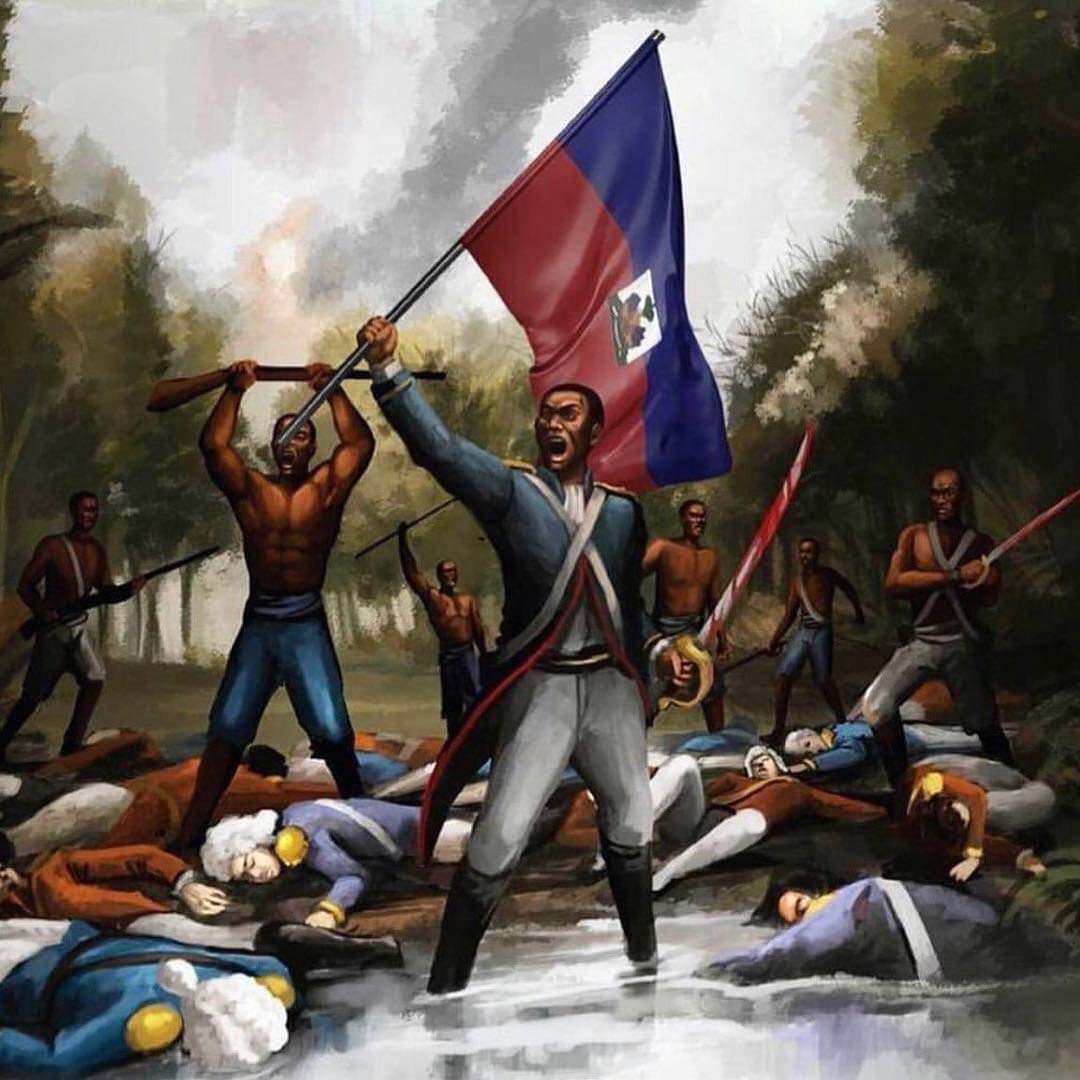
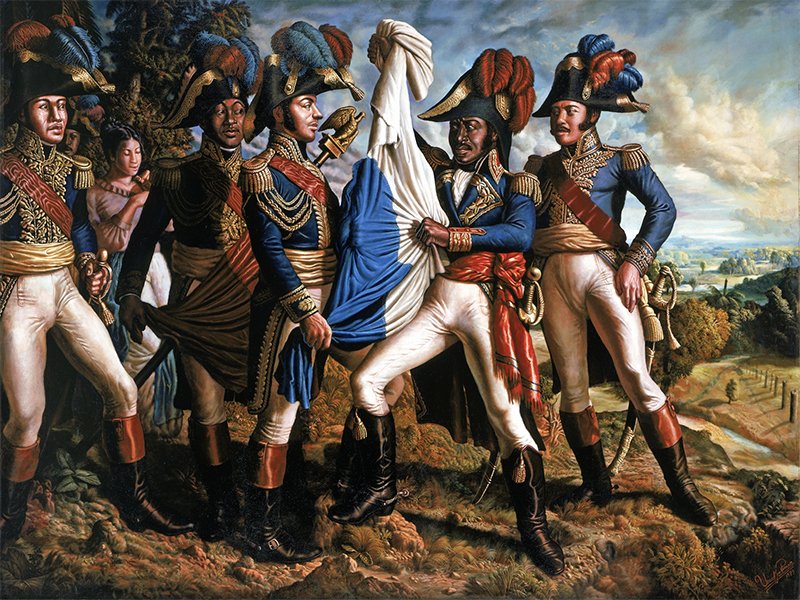
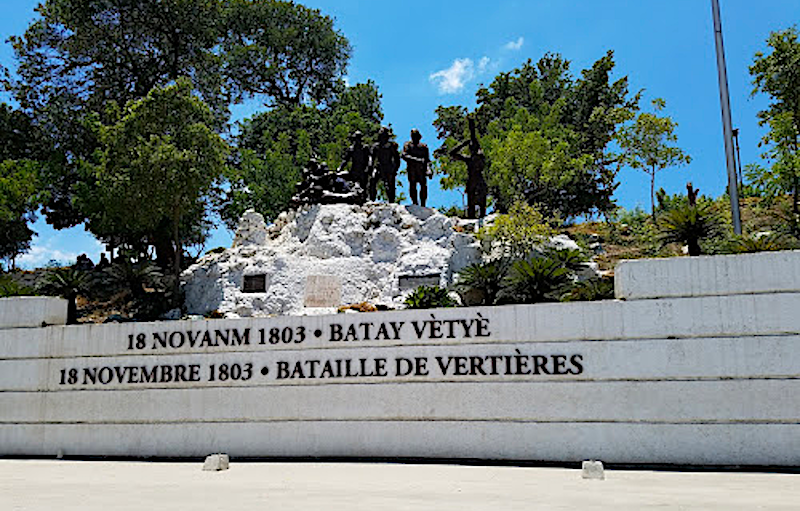
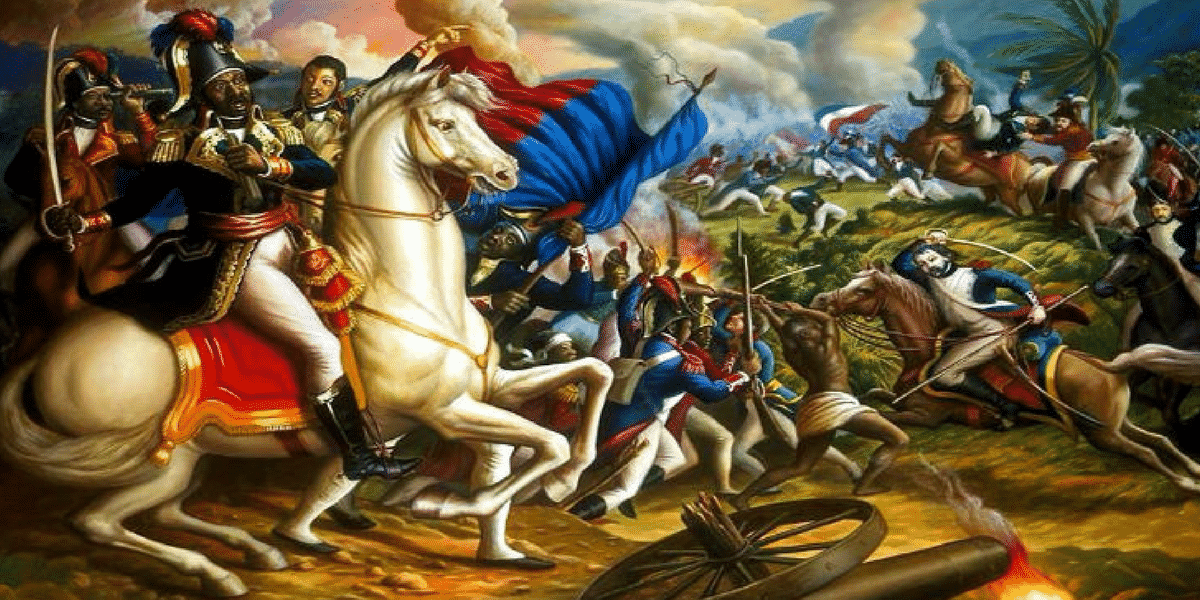
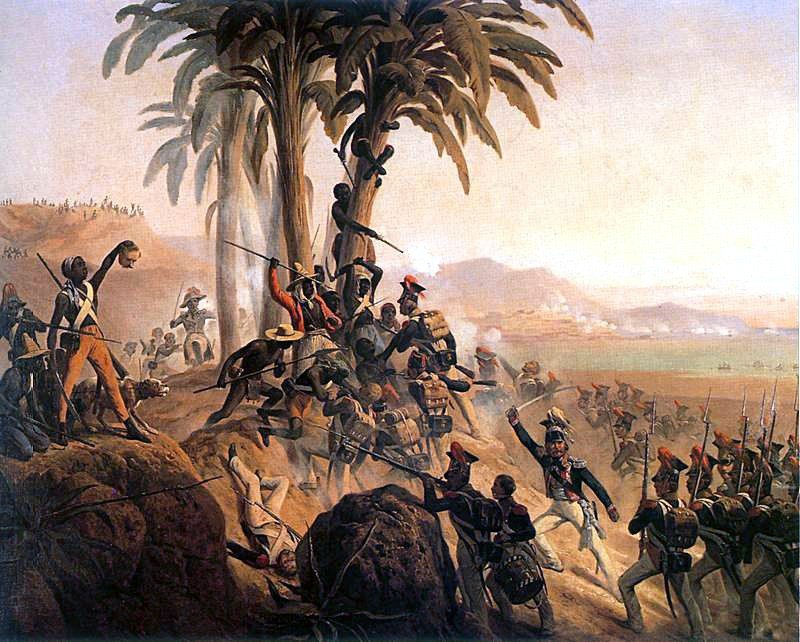
In 1791, a revolutionary movement of unprecedented scale broke out on the island. Under the leadership of iconic figures such as Toussaint Louverture, Jean-Jacques Dessalines and Henri Christophe, slaves rose up against their oppressors, leading to a war of independence that culminated with the proclamation of Haitian independence in 1804 It was a defining moment, making Haïti the first independent black republic in the world and demonstrating the capacity of all people to free themselves from oppression.

Haïti
Haïti
Haïti

Pioneer in the Abolition of Global Slavery

The impact of the Haitian Revolution on the abolition of slavery on a global scale is immeasurable. By breaking the chains of oppression and proclaiming their independence, Haitians have sent a powerful message to all oppressed people: freedom is achievable and worth the fight. Haiti’s example spurred other movements for the abolition of slavery in America and beyond, undermining the very foundations of that institution.

Haiti’s contribution to the fight against slavery was not confined to its own territory; it was also manifested through external actions where Haitians were sent or actively participated in movements for the abolition of slavery in other regions of the globe.

For example, Haitian President Alexandre Pétion supported Simón Bolívar, leader of the South American revolution, by providing him with weapons, funds and even men, thereby helping to liberate several Latin American nations from colonial rule.

Haïti also supported independence movements in Central America. Under the leadership of General Jean-Pierre Boyer, Haitian fighters aided Venezuelan patriots in their fight against Spanish domination, contributing to the liberation of that region.

The Haitian government offered financial and diplomatic support to movements for the abolition of slavery in countries such as Venezuela, Colombia and Mexico, facilitating the gradual eradication of this institution throughout the region.

Haïti : Moulin sur mer

Pleasant climate

Haïti is a gem in terms of climate. Indeed, the country benefits from a perfect balance of climate which appeals to travelers. Throughout the year, Haïti enjoys pleasant temperatures, a tropical climate that is neither too hot nor too cold, creating the perfect environment for sunny days and balmy evenings. What many other countries in the world are looking for in search of well-being, Haïti benefits from all the necessary resources for people to live well there. Summer in Haïti means azure skies, gentle breezes and endless days, providing visitors with an ideal summer getaway. Haïti is often less affected by hurricanes and strong winds despite the devastation they cause as they pass through the Caribbean, thanks to its protective mountains. Without the political unrest, Haïti would be a paradise on earth.

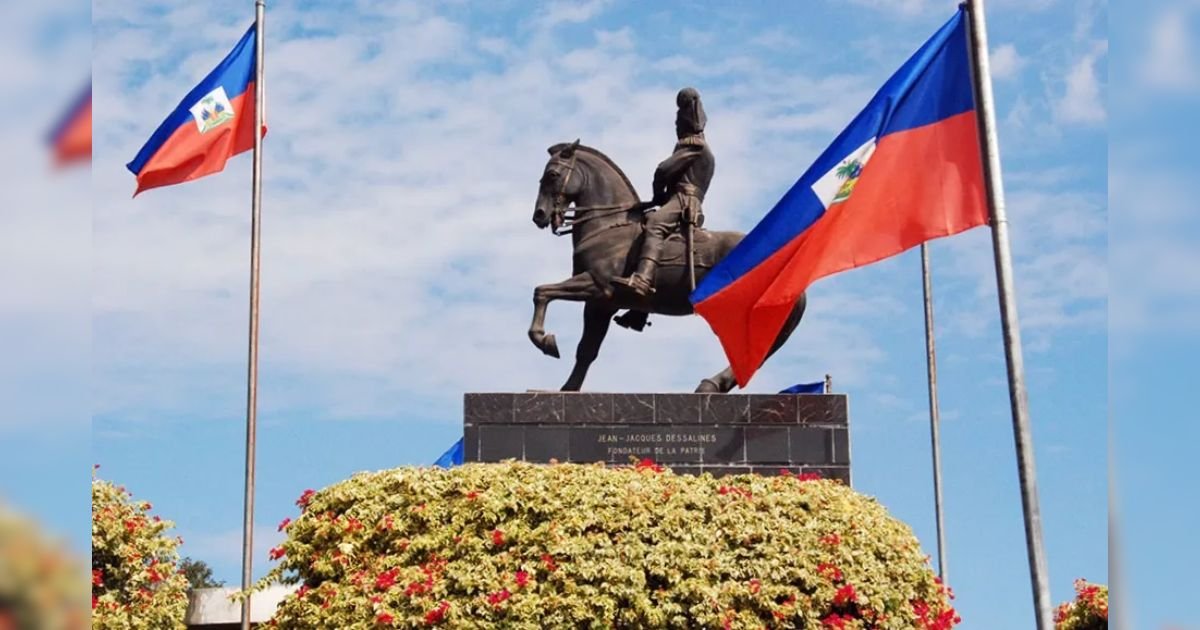
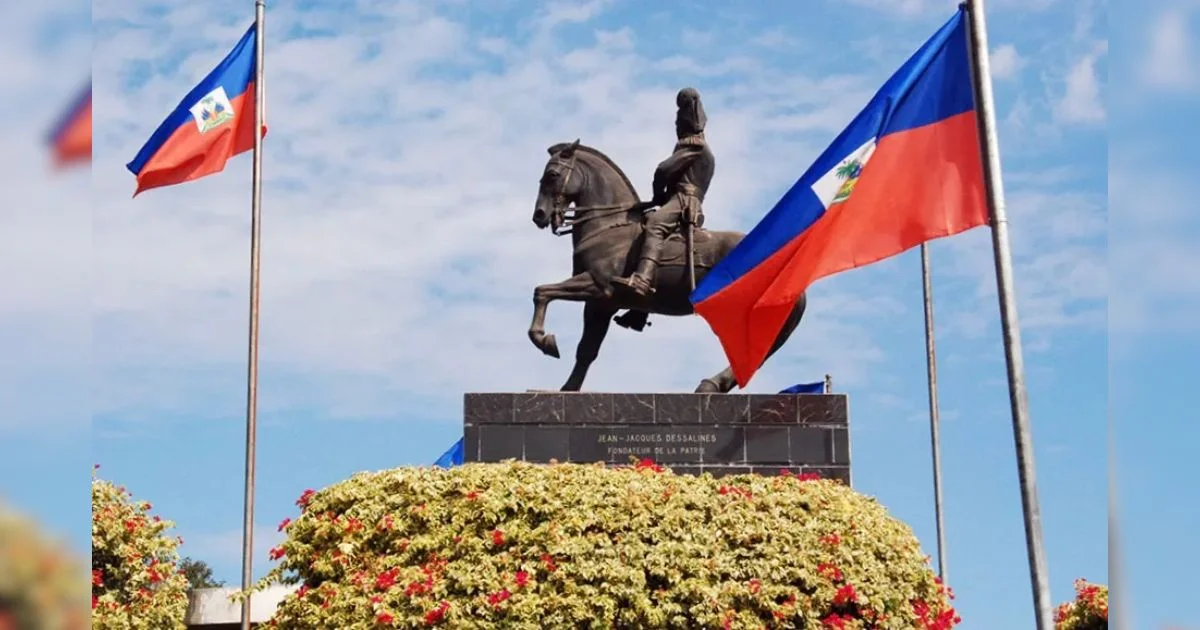
Jean-Jacques Dessalines, leader of the Haitian Revolution

Jean-Jacques Dessalines, leader of the Haitian Revolution

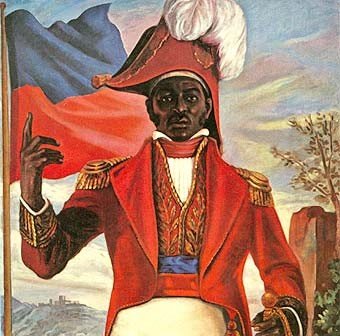
In the annals of the history of Haiti, an island located in the Caribbean at the entrance to the Gulf of Mexico and shared with the Dominican Republic, Jean-Jacques Dessalines emerges like a phoenix from the ashes of oppression. Born a slave on September 20, 1758 in the home of Henri Duclos, in Cormier (Grande-Rivière-du-Nord), in the French colony of Saint-Domingue, Dessalines was a Creole of African (Afro-Caribbean) origin. Freed during the 1794 abolition achieved through slave revolts, actually served as an officer in the French army during the French Revolution. At that time, the ideas of freedom and equality were at the heart of the concerns of the inhabitants of the colonies. Dessalines actively participated in the fighting against the Spanish and British forces, alongside the French, in Santo Domingo. Having risen to the rank of Lieutenant General, Jean-Jacques Dessalines turned against the French during the Leclerc expedition, sent to Saint-Domingue by Bonaparte to reestablish colonial authority and slavery during the Haitian Revolution. After the capture and deportation of Toussaint Louverture to France on June 7, 1802, Dessalines assumed a leading role in continuing the struggle for independence. He led numerous battles, including the battle of Crête-à-Pierrot in March 1802, where he galvanized his soldiers with his famous declaration: “Let those who want to remain slaves of the French leave the fort, let those, on the contrary, who want to die as free men, line up around me.” On January 1, 1804, Jean-Jacques Dessalines achieved the long-awaited goal of independence by proclaiming Haïti as a sovereign nation, becoming the second country in the Americas to gain independence from a colonial power. He became the first leader of the newly formed nation and was named Emperor under the name James I. However, his imperial reign was marked by authoritarian and brutal policies, including the massacre of many white settlers and the redistribution of land to peasants that was in the hands of the generals of the independence army. In addition, he organized the hunt for delinquents in the city while implementing rigorous agrarian policies, considering that they represented a threat to the stability of the nation, these controversial actions caused divisions within Haitian society. Dessalines was assassinated on October 17, 1806 following a plot organized by some of his generals in the Haitian army. His death marked the end of his brief but influential period in power. Despite the controversies surrounding his methods, he is recognized as the main architect of Haiti’s independence and his name was honored in 1903 by being attributed to the Haitian national anthem, La Dessalinienne, composed by Justin Lhérisson.Finally, the great visionary man Jean Jacques Dessalines remains an emblematic figure in the history of Haiti, recognized for his role in the fight for independence and the end of slavery in the region.

Haïti : Ressources naturelles

Natural resources

Haïti has deposits of mineral resources such as gold, gypsum, limestone, marble, nickel, bauxite, as well as other important resources such as oil, natural gas, mercury, magnesium calcium and iridium, still underexploited.

Haïti : Énergie renouvelable

Renewable energy

Thanks to its climate, Haïti has significant potential for renewable energy, including hydroelectricity, solar and wind power. The country has no shortage of year-round sunshine and other renewable energy resources, making Haïti a gem in the entire Caribbean.

Haïti et son Rôle Pionnier dans l’Abolition de l’Esclavage Mondial

Haïti et son Rôle Pionnier dans l’Abolition de l’Esclavage Mondial

For centuries, the institution of slavery has darkened human history, leaving behind a legacy of pain, oppression and the struggle for freedom. However, in this dark tale, one nation stands out for its courage and determination to break the chains of oppression: Haiti. Located in the Caribbean, Haïti played a pioneering role in the abolition of slavery, laying the foundation for the fight for freedom and equality around the world. The history of slavery in Haïti dates back to the arrival of Europeans on the island, which was then called Santo Domingo, in the 15th century. French colonists quickly established an economy based on sugar and coffee production, cruelly exploiting millions of African slaves deported to work on plantations. However, this brutal system engendered fierce resistance from slaves, whose fight for freedom ultimately led to one of the most significant revolutions in history. In 1791, under the leadership of iconic figures such as Toussaint Louverture, Jean-Jacques Dessalines and Henri Christophe, Haitian slaves rose up against their oppressors in an unprecedented rebellion. This revolt resulted in a war of independence that lasted more than a decade, but ultimately resulted in the proclamation of Haiti’s independence in 1804, making that country the first post-colonial nation ruled by people from slavery. The impact of the Haitian Revolution on the abolition of slavery worldwide cannot be overstated. By breaking the chains of oppression and proclaiming their independence, Haitians have sent a powerful message to all oppressed peoples around the world: freedom is possible, and it is worth the struggle. The example of Haïti inspired other movements for the abolition of slavery in the Americas and beyond, thus helping to shake the very foundations of the institution of slavery. Haiti’s participation in the fight against slavery was not limited to its territory; it also extended to external actions where Haitian men were sent or actively participated in movements for the abolition of slavery in other regions of the world. For example, Haitian President Alexandre Pétion supported Simón Bolívar, the leader of the South American revolution, by providing him with weapons, money and even men, which contributed to the liberation of several countries in America Latin of colonial domination. Haïti also provided support for independence movements in Central America. Haitian fighters, led by General Jean-Pierre Boyer, helped Venezuelan patriots fight against Spanish rule, contributing to the liberation of that region. The Haitian government financially and diplomatically supported movements for the abolition of slavery in countries such as Venezuela, Colombia and Mexico, contributing to the gradual eradication of this institution throughout the region. Although Haïti did not directly participate in the American Civil War, many Haitians and descendants of Haitians played crucial roles in the abolitionist movement in the United States. Figures who were of Haitian origin or of Haitian ancestry, were important voices in the fight against slavery and for equal rights in the United States. The legacy of the Haitian Revolution remains a symbol of resistance and courage for future generations. Today, as the world continues to struggle against injustice and oppression in various forms, Haiti’s history reminds us that the fight for freedom is a universal fight, one that transcends borders and times. Haiti’s participation in the abolition of slavery throughout the world remains a crucial chapter in the history of humanity. Through their courage and determination, Haitians have paved the way for a future where freedom and equality are inalienable rights for all.

Haïti : Agriculture
Haïti : Agriculture
Haïti : Agriculture

Agriculture

Haïti has fertile land that supports a variety of agricultural crops, including coffee, cocoa, mangoes, bananas, rice and others. Thanks to these fertile lands, Haïti produces better agricultural products than many other countries, without the need for fertilizers.

Haïti : Palais sans soucis

World Heritage

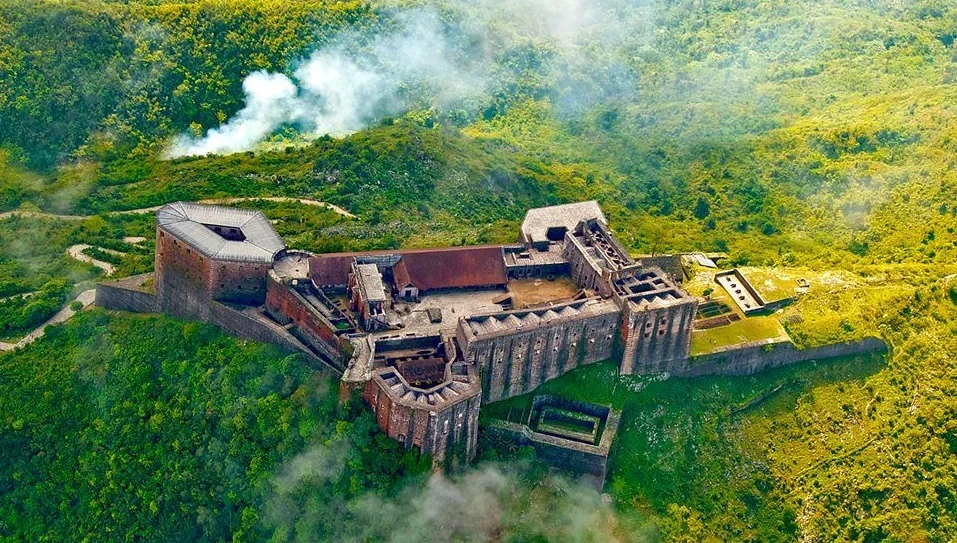
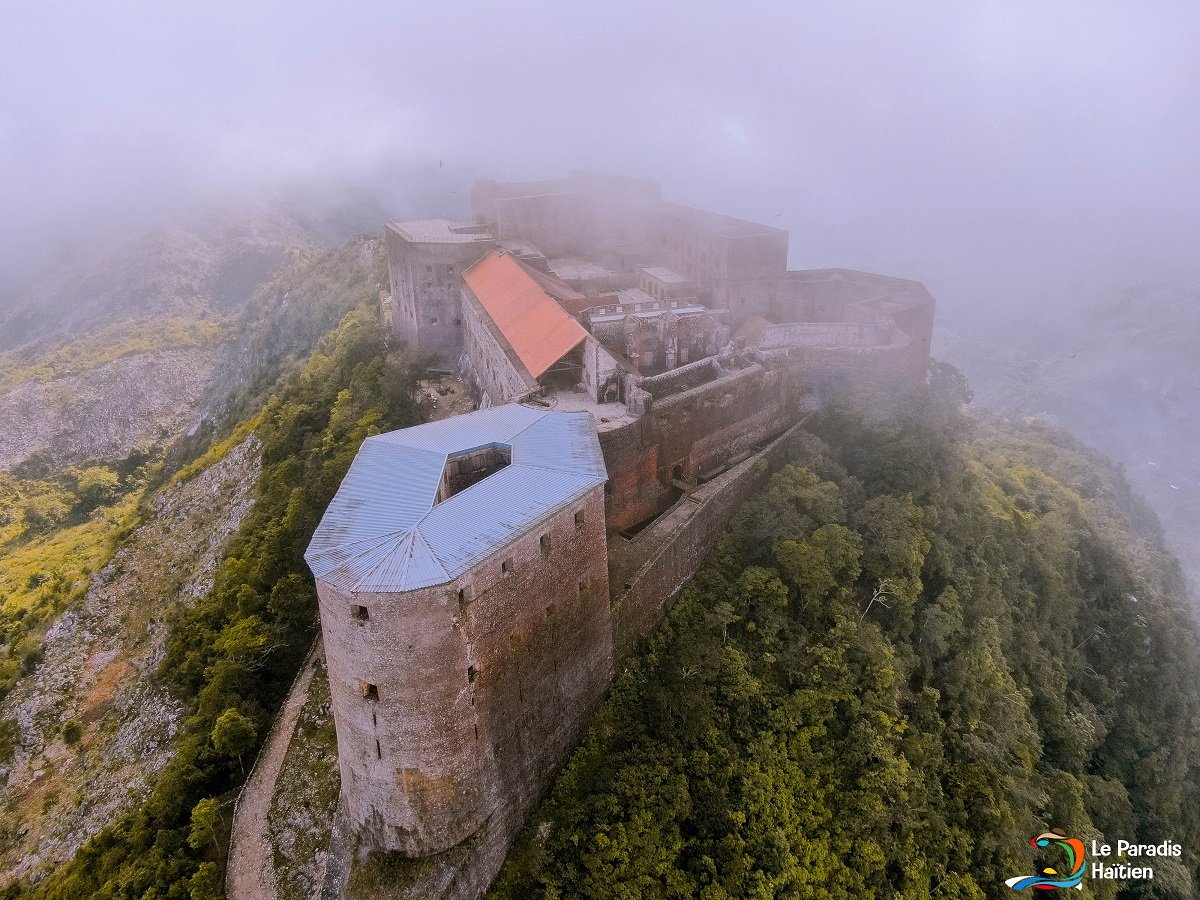
Historical sites such as the Citadelle Laferrière and the Sans-Souci Palace, listed as UNESCO world heritage sites, bear witness to this glorious past. History lovers will be delighted by the colonial remains, museums and monuments that dot the country. These sites greatly influenced the destiny of black people by giving them hope and participating in the fight for the abolition of slavery.

Haïti : Chic Chateau

Stunning Natural Beauty

Haïti is blessed with extraordinary natural wealth. Majestic mountains, like the Selle chain, offer breathtaking panoramas. Waterfalls, such as the Saut-Mathurine waterfall, add a refreshing touch to the summer experience. Nature lovers can also explore La Visite National Park, which is home to diverse flora and fauna, making each hike a unique adventure.

Haïti : Cuisine
Haïti : Cuisine
Haïti : Cuisine

Cuisine appreciated around the world

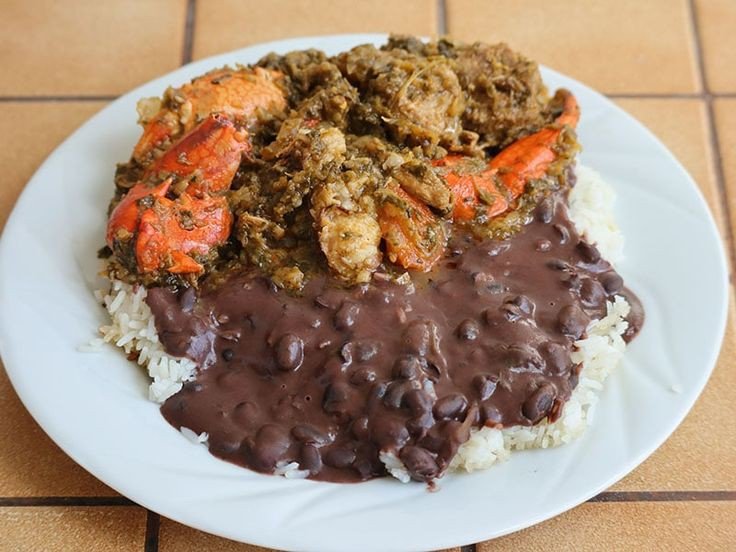
Haitian cuisine is a delectable fusion of African, French and Creole influences. Traditional dishes such as griot, diri ak djon djon (rice with black mushrooms), joumou soup and others offer a feast for the taste buds. Local markets are full of exotic flavors, providing visitors with an authentic and memorable culinary experience.

If you want to discover some Haitian delicacies, click on: https://haitiwonderland.com/haiti/cuisine/les-delices-de-la-cuisine-haitienne--20-plats-incontournables/24

Haïti : Labadee
Haïti : Labadee
Haïti : Labadee

Heavenly beaches

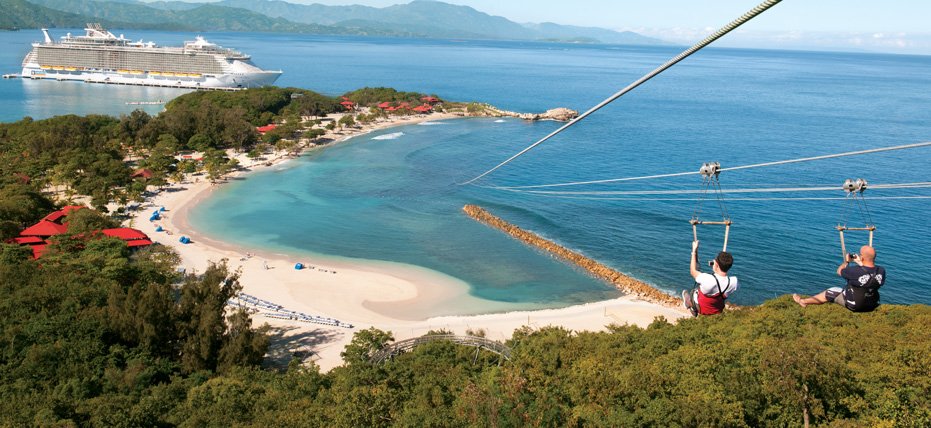
Haitian beaches rival the most beautiful in the world. Stretches of pristine white sand line the crystal clear waters of the Caribbean Sea. Must-sees include Cormier, famous for its laid-back vibe and turquoise waters, and Labadee Beach, an unspoiled enclave surrounded by verdant mountains. These beaches offer an idyllic setting for relaxing, swimming and enjoying the bright sunshine.

Haïti : Culture
Haïti : Culture
Haïti : Culture

A Rich and Diverse Culture

Haïti stands out for its vibrant and diverse culture. A heritage of African, French and indigenous influence, Haitian music, dance and art reflect a unique fusion. Colorful festivals, like Carnival, are celebrations of this cultural richness, attracting visitors from all over the world.

Coding Club Haïti
Coding Club Haïti
Coding Club Haïti

Recent initiatives

Recent initiatives such as the Coding Club Haiti, which is a community of Haitian developers for the advancement of technology in Haiti, Leaders of Tomorrow where young leaders work every day to contribute to the social development of the country through their actions, Gwoup Konbit , as well as other activities like literary clubs, scientific clubs, technological advancements, industrial advancements, etc., make Haïti a country with a lot of hope.

Haïti : Ingérence Étrangère

The Debt of Independence and Foreign Interference

Despite these treasures, Haïti struggles with the reality of its independence debt. After gaining its freedom, the country was forced to pay France a considerable sum in compensation for losses related to the abolition of slavery. This debt has been a major economic burden for Haiti, hindering its development.

Additionally, foreign interference continues to create significant challenges. External political and economic interventions have often contributed to the country’s instability, hindering its ability to build a sustainable future for its citizens.

In summary, Haïti is not just about gangs, but a great nation that contributed to the emancipation of black people by showing them the path to freedom by defeating the largest army of the time. Despite the political turmoil, this nation deserves to be respected for what it represents throughout the world, and that is why other nations do not want it to develop and always interfere in the internal politics of the country, thus creating a climate of unrest. However, Haitians fight every day for the return of the jewel of the Caribbean.

Share
About the Author
Appolon Guy Alain
Appolon Guy Alain
Appolon Guy Alain

Full Stack Developer, Créatif, expérimenté, passionné des nouvelles technologies et de l’art.

See other articles from Appolon Guy Alain
Leave a comment

Recently Posted

Jacmel: the Haitian city whose history is linked to the liberation of Latin America

Jacmel is a city located on the southern coast of Haiti, specifically in the southeastern department. To this day, the city is known for its well-preserved colonial architecture and rich historical heritage, as well as its carnival, one of the most famous in the Caribbean. Jacmel is one of the oldest cities in Haiti. Its origins, according to some historians, trace back to the time of the Taíno people, the island’s first inhabitants, who lived here long before the arrival of Christopher Columbus and his settlers in 1492. Long before it became Jacmel, this city in southeastern Haïti was called Yakimel. The renaming of Jacmel was carried out by the French during their colonization of the western part of the island of Hispaniola. Over the years, Jacmel has transformed into a city where living well blends with the beauty of the sea, in the hearts of its visitors. Nature is fully embraced here, and the sea remains a source of joy throughout the day. Jacmel offers all of this, in addition to its glorious past, which anchors it as a major location in Haiti’s grand history. With its unique charm, Jacmel is among the Haitian cities that can leave a lasting impression. In the 1950s and 60s, until the early 1980s, Jacmel was one of the most popular tourist destinations in the Caribbean due to its reputation as a city with unmatched natural beauty and grace. During this time, the Jacmel coastline warmly welcomed cruise ships filled with tourists from all corners of the world. It was also during this period that Jacmel was one of the most commercially active cities in Haiti, among the country’s most economically flourishing, thanks to the significant influx of tourists.

Newsletter

Subscribe to our newsletter to stay informed of all our activities and news on Haiti.

Haïti: The Pearl of the Antilles

Located in the Caribbean Sea, Haïti is often nicknamed "The Pearl of the Antilles". This laudatory title not only reflects the beauty of its idyllic beaches, but also the history, culture and natural wealth of this island nation. Throughout the centuries, Haïti has acquired this prestigious reputation for various reasons, which go beyond its picturesque landscapes. b~Natural Beauty:~b Haïti is blessed with an abundance of natural beauty. Its sandy beaches, crystal clear waters, majestic mountains and lush valleys make it a dream destination for travelers from all over the world. Generous nature has endowed Haïti with impressive ecological diversity, which has helped shape its image as the pearl of the Antilles. b~Cultural Wealth:~b Beyond its landscapes, it is the richness of Haïtian culture which contributes to its reputation as a pearl. Haïti has a fascinating history, blending influences from indigenous Taino people, European settlers and African slaves. This cultural fusion gave rise to a unique artistic and musical tradition, embodied in expressions such as voodoo, naive painting and compass music. b~Historical Heritage:~b Haïti has played a central role in the history of the struggle for freedom and equality. In 1804, it became the first independent republic in Latin America and the Caribbean, after a revolution led by freed slaves. This courageous act of independence established Haïti as a symbol of resistance and determination, adding a historic dimension to its status as the pearl of the Antilles. b~Natural Resources~b Haïti is abundant in valuable natural resources, which has contributed to its nickname as the Pearl. Mineral-rich mountains, fertile soils and abundant water reserves have made Haïti a land of opportunity. Haïti, the pearl of the Antilles, is much more than just a tourist destination. It is a country whose natural beauty, cultural richness, historical heritage and natural resources contribute to a unique identity. It remains a jewel in the crown of the Caribbean, reminding the world of the strength and resilience of the Haïtian people.

Recently Posted

History

History

First black nation to free itself from slavery and gain independence from France in 1804 and influenced other liberation movements around the world, inspiring struggles for freedom and equality.

Natural beauty

Natural beauty

Haïti is blessed with spectacular natural landscapes, including white sand beaches, mountains and rich biodiversity.

Heritage

Heritage

Haïti has a rich historical heritage, including sites like the Citadelle Laferrière and the Sans-Souci Palace, listed as UNESCO World Heritage Sites.

Culture

Culture

Haïti has a rich and diverse culture, influenced by African, European and indigenous elements. Haitian music, dance, art and cuisine are celebrated around the world.

  • +
    • Post