contact@haitiwonderland.com+509 36184317

Discover

Shopping Cart

The Impact of Haitian Heroes at the Battle of Savannah

The Impact of Haitian Heroes at the Battle of Savannah

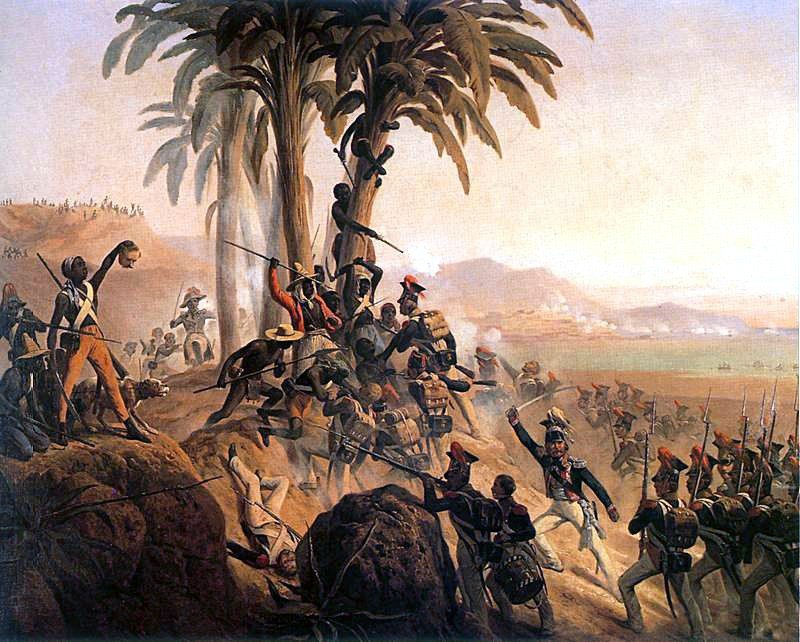
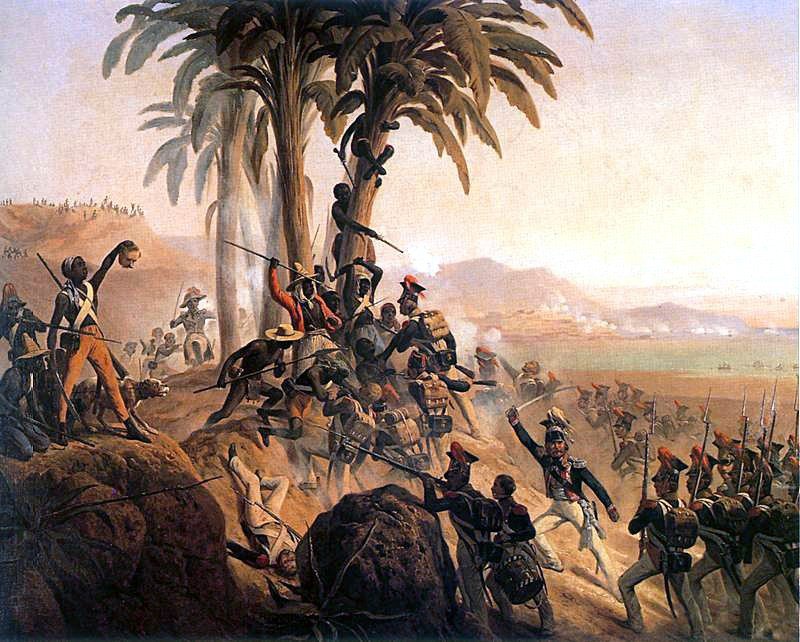
The Battle of Savannah, which took place in October 1779, is recognized as a crucial turning point in the American Revolution. This major conflict, where American and French forces fought against the British, was also marked by the remarkable participation of Haitian soldiers. Among them, the future king of the northern part of Haiti, Henri Christophe, who was wounded by a bullet during this battle. Their contribution was decisive, highlighting the international solidarity in the quest for freedom and independence that characterized this era.

Haïti
Haïti
Haïti

Haïti and the USA, the differences between the struggles of Independence

It is interesting to compare the American War of Independence and the Haitian Revolution to understand their specificities. The American War of Independence, which took place from 1775 to 1783, aimed to break ties with Great Britain in order to obtain autonomy for the American colonies. This conflict, although deeply anti-colonial, did not focus on issues of slavery or racism. In other words, the aim of this conflictual approach was much more economic than humanist. On the other hand, the Haitian Revolution, which took place from 1791 to 1804, was a radical struggle against slavery, racism and colonial domination, integrating a broader and more inclusive dimension. It is the first and most complete revolutionary approach of modern times, based on the right of all men to live freely. While the American War of Independence ended British rule, the Haitian Revolution, in its quest for humanity and universality, aimed for total liberation and racial equality, representing a turning point in the struggle for human rights around the world.

America, a Land of Immigrants

The first inhabitants of America were called Native Americans. The Protestant Irish who fled persecution by the Anglican Church of English royalty can only be considered America’s first immigrants. All the other peoples who have united to form this giant country and world power are part of this same migratory logic. In other words, Haitians in Florida, Latinos in Los Angeles, and Arabs in Michigan are just a few examples of the many immigrant groups that enrich the country. They represent an integral part of a great migratory tradition.

Moreover, America, as a land of immigrants, is a true microcosm of global diversity. It is often described as "the world in a nutshell." A cosmopolitan city like New York perfectly illustrates this reality by reflecting the multiple communities that make up the American social fabric. This diversity is not only a characteristic, but also an essential force that enriches American society, demonstrating the importance of inclusion and diversity in the nation-building of the country.

Haïti
Haïti
Haïti

The contributions of immigrants in the construction of the United States

The contributions of immigrants to the edifice of America are vast and significant. They have played crucial roles in the economic, cultural and social development of the country. Whether it is building infrastructure, enriching culture or innovating in various fields, immigrants have shaped modern America. Their courage and determination are the foundation of today’s rich, strong, and diverse American society, which celebrates its shared history of inclusion.

Racism and Xenophobia, an Anomaly in an Immigrant Society

Racism and xenophobia appear as anomalies in a society based on immigration. Indeed, America is essentially made up of immigrants, whose influence is omnipresent in national institutions and symbols. For example, Karine Jean-Pierre, the current White House spokesperson under Joe Biden, is of Haitian origin. Barack Obama, a major figure in the recent history of American politics, had a Kenyan immigrant as his father. Kamala Harris, who is about to conquer the American presidency, is of Indian and Jamaican origin. These examples, among many others, illustrate the diversity and cultural openness that enrich America. This reality clearly demonstrates that racial prejudice and xenophobia, such as those expressed by some important figures of the Republican Party, with Donald Trump at their head, are not only in contradiction with the founding values ​​of America, but also with the reality of its social composition. The participation of Haitian heroes in the Battle of Savannah is a major historical fact that underlines the importance of the Haitian contribution to this rich social composition.

Share
About the Author
Moise Francois
Moise Francois
Moise Francois

Journalist editor, poet and apprentice lawyer.

See other articles from Moise Francois
Leave a comment

Recently Posted

The Republic of the Stateless?

Haïti is making headlines all over the world. And it’s not good news. The exploits of Haitians rarely generate so much interest, but we always tend to point out the excesses, spill ink to stir up thorns in the side, broadcast on loop to relay the chaos that is raging. There is hardly any media to make amends for the resilience of this cornered people. No one to highlight the fierce resistance that serves as fuel for this people hanging in the gorges of death. And what if it was to a certain extent the only way to talk about this country to finally attract attention? It is July 26, 2024. The Olympic Games have just started in France. The 33rd Olympiad of modern times. Without realizing it, according to Forbes Magazine, Haïti ranks among the ten nations with the best costume, proudly pointing to third place. At the same time, miles away from France, on “The Island of Skillfully Orchestrated Chaos,” Haitians do not even realize how much this recognition borders on irony. A paradox whose unpopular evocation is likely to greatly displease. An aerial image shows the city of Paris in all its splendor, illuminated like the gates of paradise, reflecting all the grandeur of France, all the magnificence it has acquired over the centuries, without forgetting the contribution of the blood shed by the horrible machine of colonization. I close my eyes, I go back in time, I see again this boy left to his own devices, lost without even knowing it, doomed to failure without even understanding it. And then there are the others. Boys in the same situation, or worse. Banished from society, they do not know what life has in store for them. They form the elegant class of the marginalized, in their quality of scoundrels, good-for-nothings, and thugs who spoil the splendor of society. This contrast challenges me, and I wonder for a moment if those who live the chaos from the outside grasp the stakes and the reality of the situation. Moreover, it seems to me that even the majority of Haitians living in the territory have no notion of the fundamental and essential aspects of the situation.

Haïti: The Pearl of the Antilles

Located in the Caribbean Sea, Haïti is often nicknamed "The Pearl of the Antilles". This laudatory title not only reflects the beauty of its idyllic beaches, but also the history, culture and natural wealth of this island nation. Throughout the centuries, Haïti has acquired this prestigious reputation for various reasons, which go beyond its picturesque landscapes. b~Natural Beauty:~b Haïti is blessed with an abundance of natural beauty. Its sandy beaches, crystal clear waters, majestic mountains and lush valleys make it a dream destination for travelers from all over the world. Generous nature has endowed Haïti with impressive ecological diversity, which has helped shape its image as the pearl of the Antilles. b~Cultural Wealth:~b Beyond its landscapes, it is the richness of Haïtian culture which contributes to its reputation as a pearl. Haïti has a fascinating history, blending influences from indigenous Taino people, European settlers and African slaves. This cultural fusion gave rise to a unique artistic and musical tradition, embodied in expressions such as voodoo, naive painting and compass music. b~Historical Heritage:~b Haïti has played a central role in the history of the struggle for freedom and equality. In 1804, it became the first independent republic in Latin America and the Caribbean, after a revolution led by freed slaves. This courageous act of independence established Haïti as a symbol of resistance and determination, adding a historic dimension to its status as the pearl of the Antilles. b~Natural Resources~b Haïti is abundant in valuable natural resources, which has contributed to its nickname as the Pearl. Mineral-rich mountains, fertile soils and abundant water reserves have made Haïti a land of opportunity. Haïti, the pearl of the Antilles, is much more than just a tourist destination. It is a country whose natural beauty, cultural richness, historical heritage and natural resources contribute to a unique identity. It remains a jewel in the crown of the Caribbean, reminding the world of the strength and resilience of the Haïtian people.

Newsletter

Subscribe to our newsletter to stay informed of all our activities and news on Haiti.

The Port-au-Prince Book Fair announces the opening of author registration for its second edition

The Port-au-Prince Book Fair is a literary initiative of the cultural organization Port-au-Prince Book Fair (OCSLP), based on the desire to promote Haitian culture in general, with a particular focus on literature. The organizers of the event have just announced the registration of authors, who will number 20, and those of publishing houses, who will number 5 for the second edition, which will take place on Friday, December 13, 2024, in the premises of the French Institute in Haiti. The registration deadline is Thursday, October 10 of this year. Please note that the first to arrive who have met the required criteria will be eligible to take part in this second edition of the event, according to the organizers’ admission. This rigorous and restricted selection of only 20 authors aims to guarantee an enriching experience for authors and the public, thus promoting authentic exchanges around the works presented. Independent authors and publishing houses interested in registering their authors to participate in this second edition of the fair are invited to submit their application via this link: https://form.jotform.com/louirardjohn8/salon-du-livre-de-port-au-prince. For publishing and distribution houses planning to exhibit on the day of the event, you can register by clicking on this link: https://form.jotform.com/242596699603068. You are requested to contact them at the following address: salondulivre2023@gmail.com in case of difficulties. The Port-au-Prince Book Fair remains faithful to its philosophy, which is to offer a platform to young authors and to promote the richness of Haitian literary production, by supporting new authors who contribute to its growth. This event is a continuation of the first edition, aimed at allowing the emergence of an environment conducive to exchanges, where young authors can meet, share their experiences and engage in dialogue with readers and book professionals. According to the organizers of the event, your participation as a young author will be essential to enrich the fair and offer a diverse experience to visitors. The invitation to join this noble initiative is extended to young authors who have not yet published 5 books. You who are concerned, the ball is now in your court. Do not hesitate to go and make this day, December 13, 2024, an unforgettable day for all book lovers.

Recently Posted

History

History

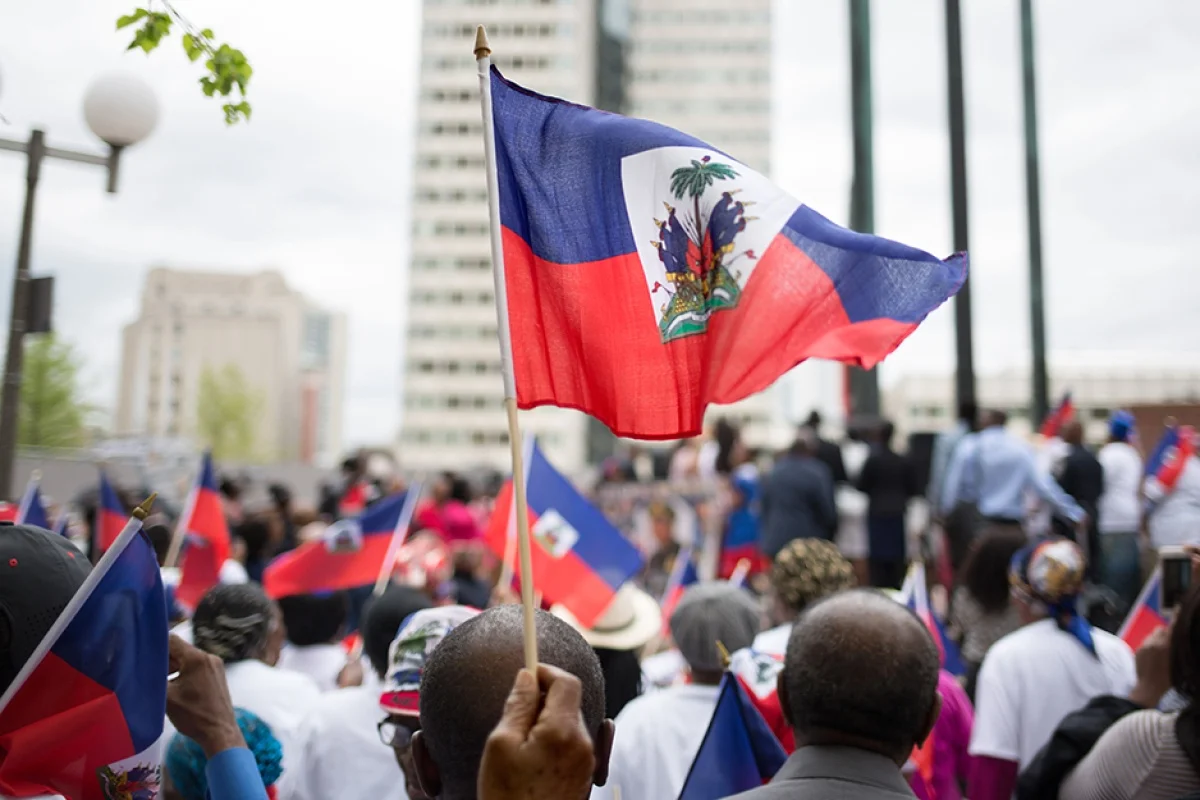
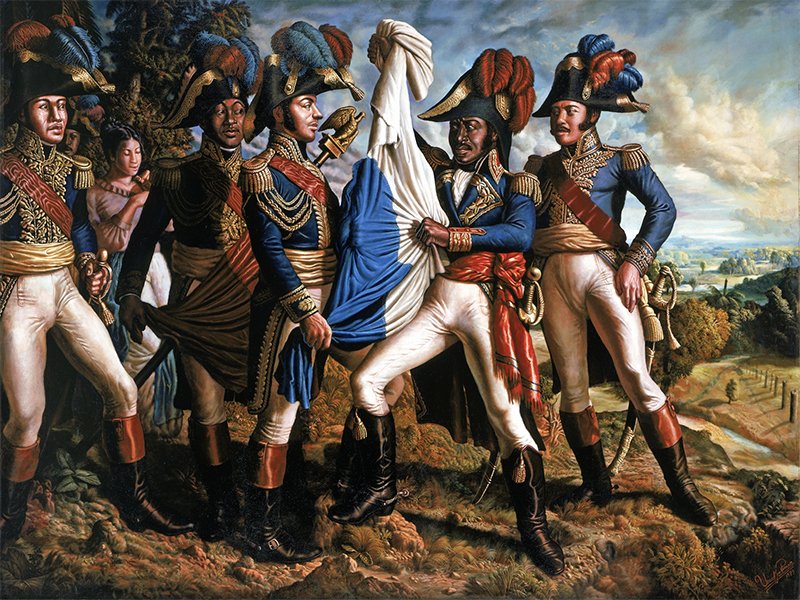
First black nation to free itself from slavery and gain independence from France in 1804 and influenced other liberation movements around the world, inspiring struggles for freedom and equality.

Natural beauty

Natural beauty

Haïti is blessed with spectacular natural landscapes, including white sand beaches, mountains and rich biodiversity.

Heritage

Heritage

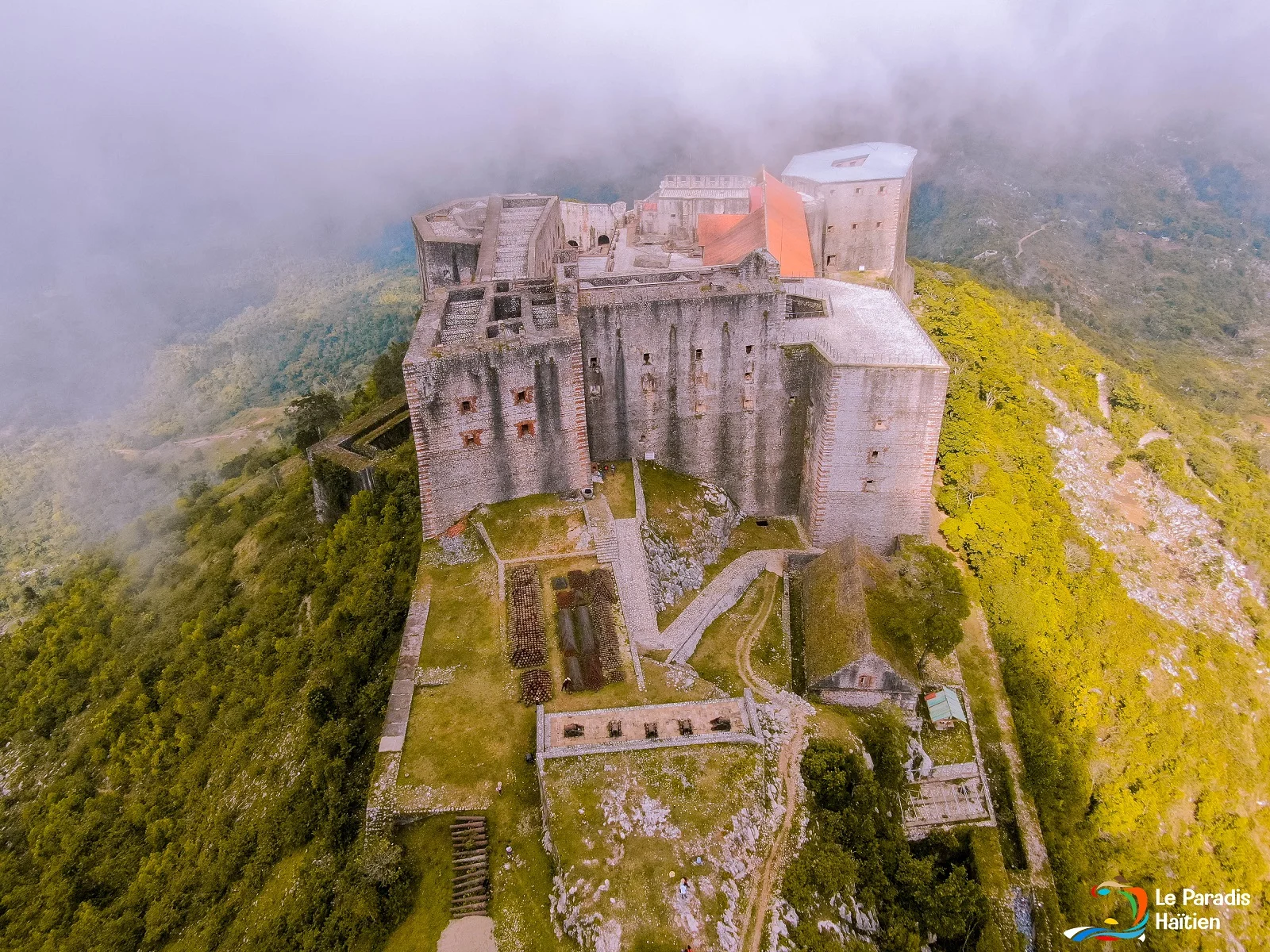
Haïti has a rich historical heritage, including sites like the Citadelle Laferrière and the Sans-Souci Palace, listed as UNESCO World Heritage Sites.

Culture

Culture

Haïti has a rich and diverse culture, influenced by African, European and indigenous elements. Haitian music, dance, art and cuisine are celebrated around the world.

  • +
    • Post