contact@haitiwonderland.com+509 36184317

Discover

Shopping Cart

What are the departments of Haiti?

What are the departments of Haiti?

Haiti, a country rich in history and culture, is divided into several administrative departments that structure its territory and reflect its geographical and cultural diversity. Each department has unique characteristics, contributing to the wealth of the nation. Discover the 10 departments of Haiti, their characteristics, and their role in the life of the country.

Haïti
Haïti
Haïti

An overview of the administrative organization of Haiti

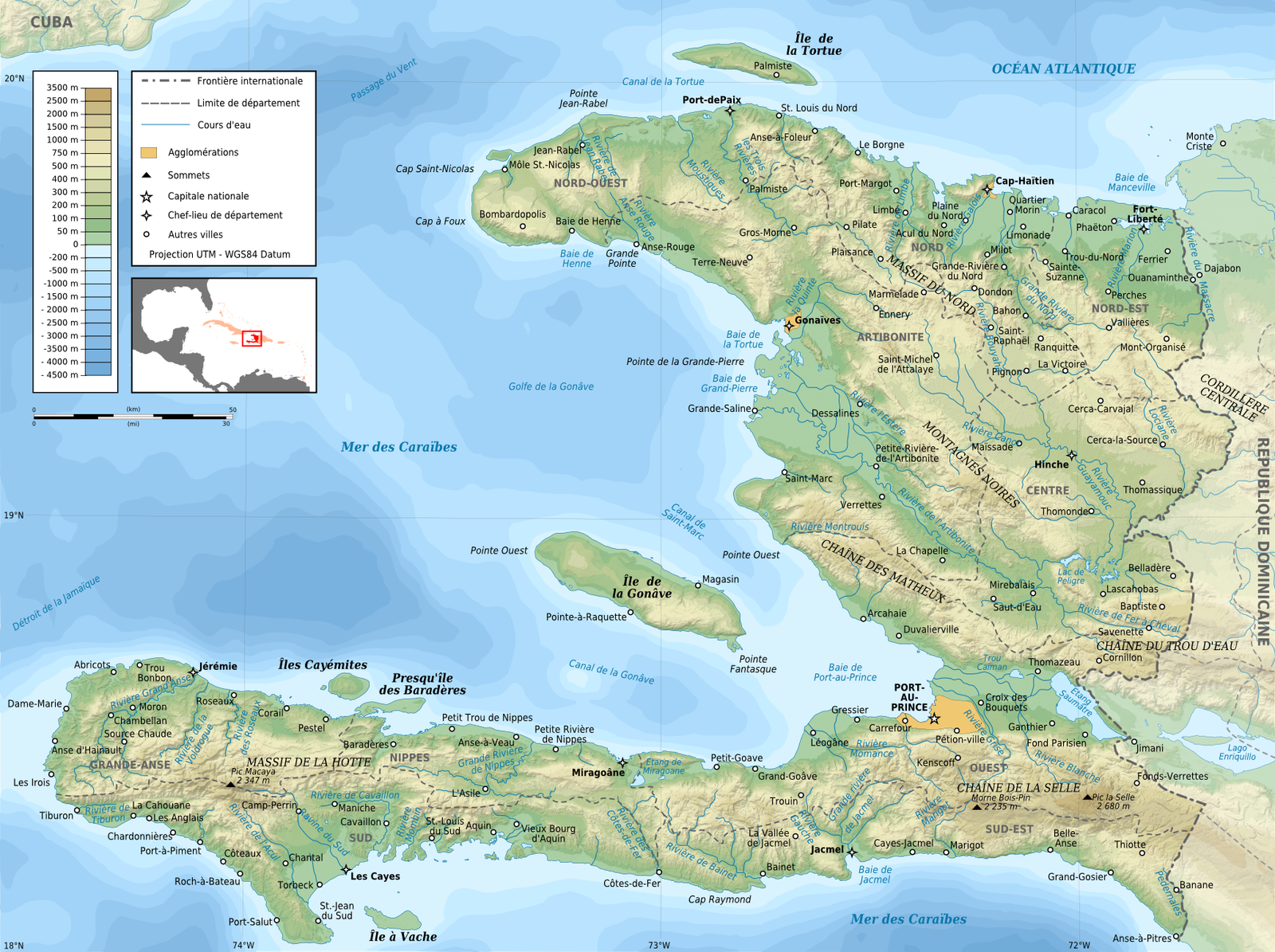
The country is divided into 10 departments, themselves subdivided into districts, communes and communal sections. This organization aims to facilitate territorial management and decentralization.

- Total area of ​​Haiti: 27,750 km².
- Population: Approximately 12 million inhabitants, unevenly distributed between the departments.

Each department is a unique entity, characterized by its geography, economy and culture.
Haïti
Haïti
Haïti

List of the 10 departments of Haïti and their capitals

Here are the Haitian departments, accompanied by their capitals:

1. Artibonite
- Capital: Gonaïves.
- Special feature: Known as the agricultural granary of Haïti thanks to its vast fertile plains.
- Area: 4,984 km², the largest department in the country.

2. Centre
- Capital: Hinche.
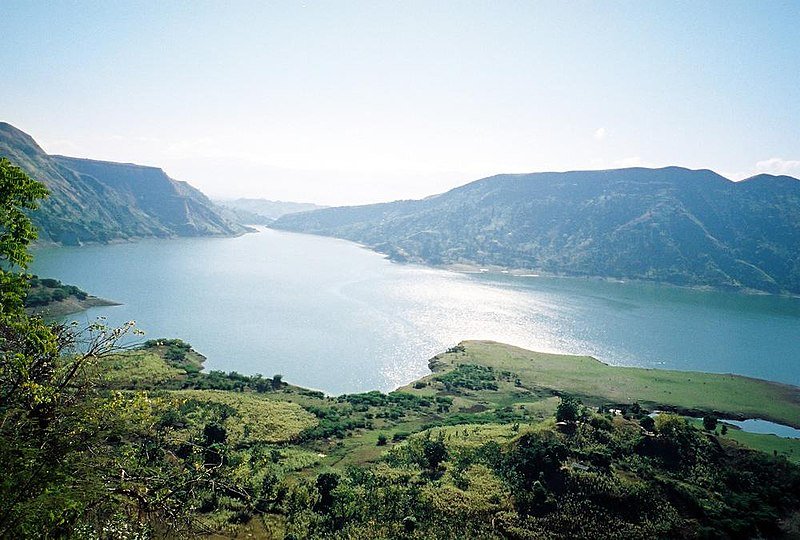
- Special feature: Renowned for its mountainous landscapes and water resources, including Lake Péligre.

3. Grand’Anse
- Capital: Jérémie.
- Special feature: Famous for its beaches and literary heritage, being the birthplace of many Haitian poets.

4. Nippes
- Capital: Miragoâne.
- Special feature: Created in 2003, it is one of the newest and least populated departments in Haiti.

5. North
- Capital: Cap-Haïtien.
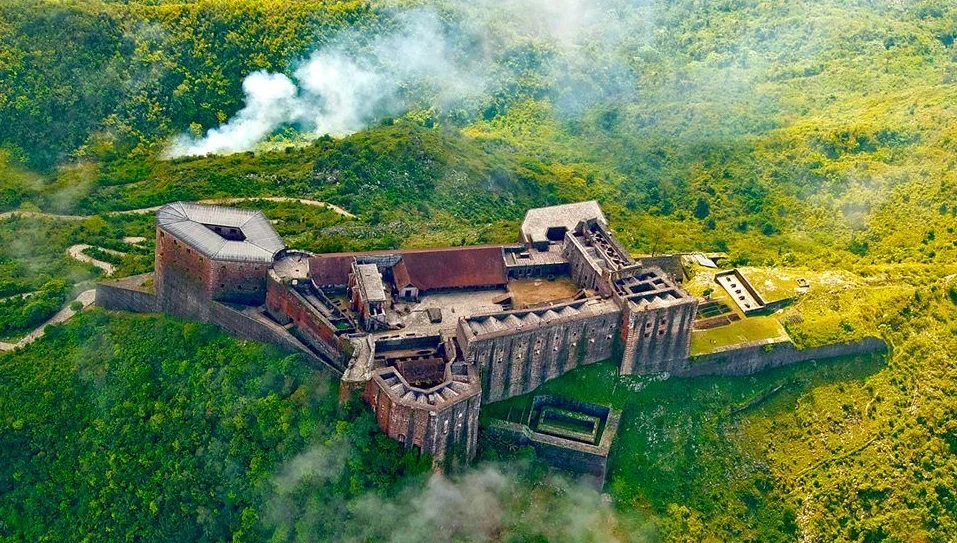
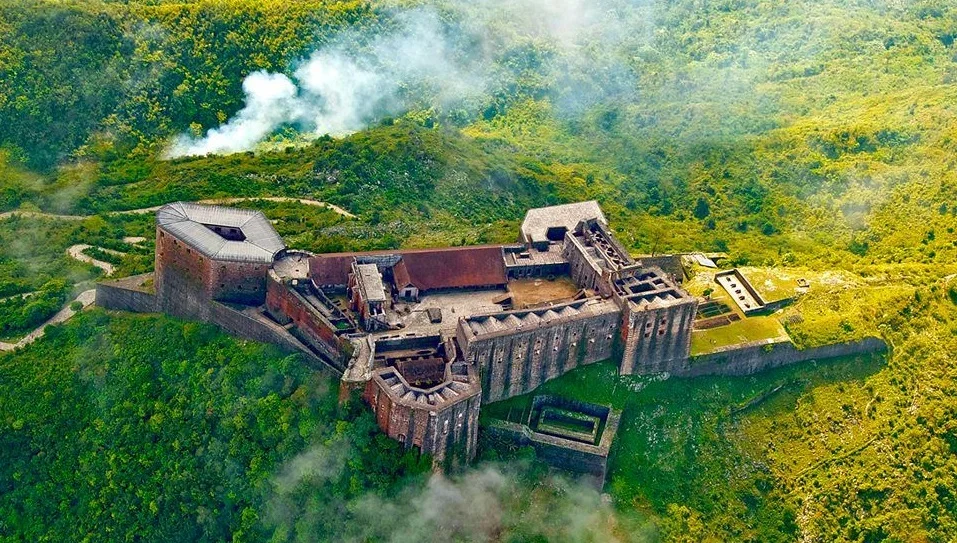
- Special feature: Home to the famous Citadelle Laferrière, a UNESCO World Heritage Site.

6. Northeast
- Capital: Fort-Liberté.
- Special feature: A department in full economic development thanks to its proximity to the Dominican Republic.

7. North-West
- Capital: Port-de-Paix.
- Special feature: Known for the islet of Tortue, which played a historical role in the pirate era.

8. West
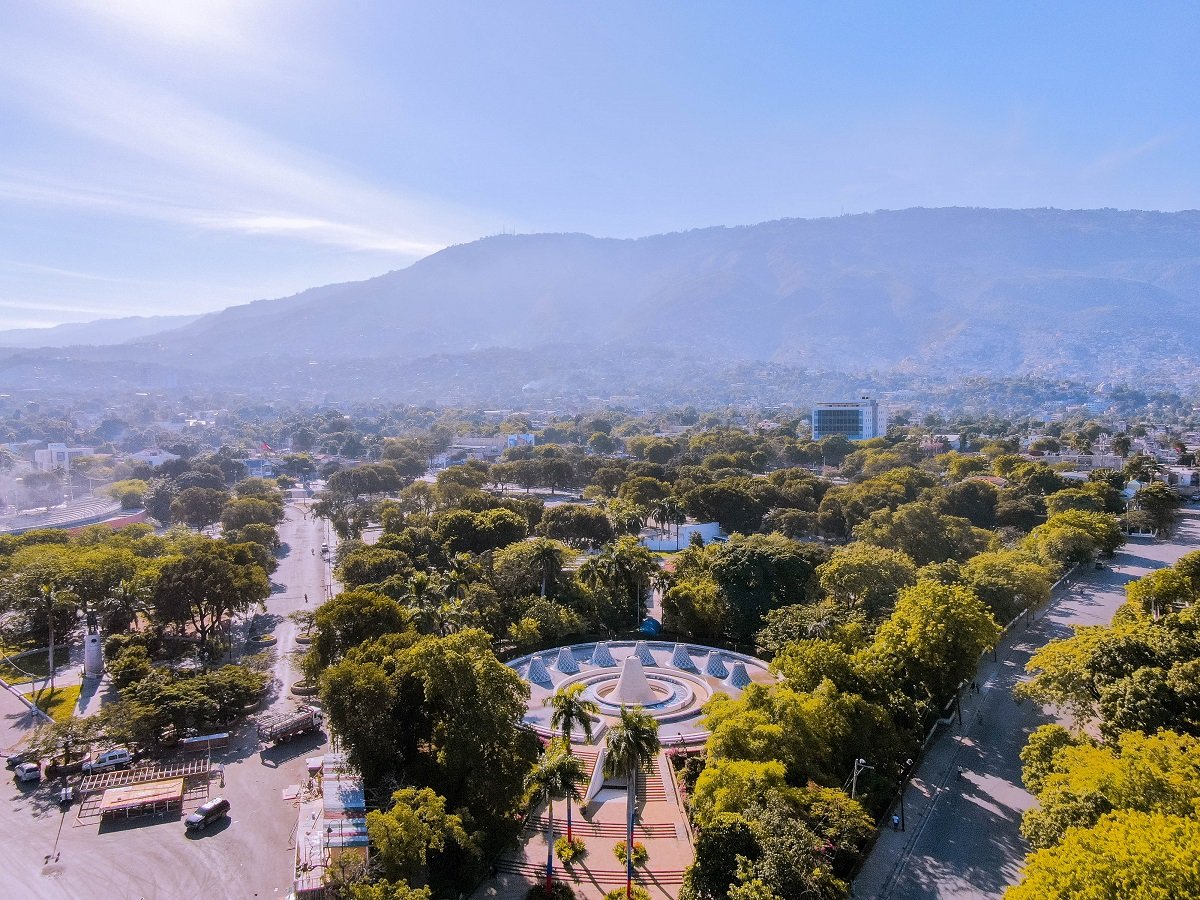
- Capital: Port-au-Prince.
- Special feature: The most populated department, home to the national capital and the main political and economic institutions.

9. South
- Capital: Les Cayes.
- Special feature: Known for its heavenly beaches and annual carnival.

10. South-East
- Capital: Jacmel.
- Special feature: Renowned for its artistic and cultural scene, as well as its colorful carnival.

Haïti
Haïti
Haïti

Key figures on Haitian departments

- Largest department: Artibonite, with 4,984 km².
- Smallest department: North-East, with 1,805 km².
- Most populated department: West, with more than 4 million inhabitants.
- Least populated department: Nippes, with a lower density due to its rurality.

These departments reflect the geographical diversity of Haiti, between mountains, plains, coasts and forests.

Haïti
Haïti
Haïti

The importance of departments in daily life

Departments play a crucial role in organizing Haiti’s administrative, economic and social life:

- Administration: Each department is headed by a departmental delegate representing the central government.
- Economy: Natural resources and economic activities vary from one department to another (agriculture, tourism, fishing, crafts).
- Culture: Each region has its own traditions, music and festivities that enrich the national heritage.

This territorial structure is essential to meet local needs and strengthen community development.

A heritage to discover

Haiti’s departments, with their natural and cultural riches, are an invitation to explore the country in all its facets.

Have you ever visited a Haitian department? Share your experiences and impressions in the comments! Let yourself be inspired by this mosaic of regions that makes Haïti beautiful and strong.

Share
About the Author
Appolon Guy Alain
Appolon Guy Alain
Appolon Guy Alain

Full Stack Developer, Créatif, expérimenté, passionné des nouvelles technologies et de l’art.

See other articles from Appolon Guy Alain
Leave a comment

Recently Posted

Haiti: Ministry of Tourism

In its quest to revitalize its tourism industry and highlight its natural and cultural riches, Haïti relies on a key player: the Ministry of Tourism. As a government entity dedicated to the promotion and development of tourism, this ministry plays a crucial role in transforming Haïti into a leading tourist destination. One of the main objectives of the Ministry of Tourism is to strengthen the attractiveness of Haïti to international travelers. To do this, it develops innovative marketing campaigns, highlighting the country’s pristine beaches, fascinating historical sites, rich culture and exquisite cuisine. These efforts aim to change the perception of Haïti and generate interest among potential tourists around the world. In collaboration with private sector players, the ministry is committed to supporting and promoting local tourism businesses. By encouraging entrepreneurship and innovation in the tourism sector, the ministry helps create jobs and stimulate the local economy. The Ministry of Tourism also attaches great importance to the preservation of the environment and cultural heritage of Haiti. It implements policies and initiatives aimed at protecting the country’s natural sites, national parks and historic monuments. By encouraging sustainable and responsible tourism, the ministry ensures that future generations will also be able to enjoy the beauty and cultural richness of Haiti. Finally, the Ministry of Tourism works closely with other national and international organizations to promote Haiti’s tourism development. Through strategic partnerships and exchanges of best practices, Haïti benefits from the expertise and support necessary to strengthen its tourism sector and increase its competitiveness in the global market. Haiti’s Ministry of Tourism is a key player in transforming the country into an attractive and sustainable tourist destination. Through its continued efforts to promote tourism, support local businesses, and preserve Haiti’s natural and cultural heritage, the ministry is paving the way for a bright future for the country’s tourism industry.

Living in Prose and Poetry: an unmissable summer event in Port-au-Prince.

Living in Prose and Poetry is an artistic and cultural event organized by the cultural organization Salon de Livre de Port-au-Prince (OCSLPAP) with the aim of bringing together young artists from the Haitian capital to exhibit them to a large audience . This edition will take place on Saturday July 27, 2024, at the pyépoudré cultural center, located at number 332 on the Route de Bourne. This year the organizers announce their mission is to bring together talents from various categories of arts, always with the aim of helping them to become familiar with each other, and to help create a solid link between them and the Haitian public. . The categories targeted by the organizers for this second edition are young poets, slammers, comedians, rappers, dancers, singers, painters, and writers who have already published at least one work. Living in prose and poetry will also be an opportunity to encourage Haitian youth to think. The first part of the event will be devoted to a discussion around a text by the famous Haitian writer Louis Philippe Dalembert, entitled The Other Face of the Sea. It is a novel which carefully addresses the subject of immigration and detachment that goes with it in the immigrant’s skin. It is a book that speaks openly to the reality of the Haitian people today. It has already been announced that this first part will be moderated by the journalist and literary critic Carl Pierrecq who works for the short story writer, and moderation will be provided by Pierre Marie, a young sociology student at the Faculty of Human Sciences (FASCH). After a largely successful first edition which took place in May 2023 in the premises of the municipal library of Delmas, the organizers of living in prose and poetry say they are determined and have made the promise for this year to deliver to the public port-au -princien, a cultural event of exceptional scale for the second outing. Once again, this will be the perfect opportunity to celebrate the great richness of Haitian culture through the organs of our young talents. Given the difficult context, manifested by the almost daily situation of insecurity which has prevailed for some time, in a good part of Port-au-Prince, the announcement of this event comes as a fresh breath of oxygen, scattered throughout the within the lungs of the city. It is yet another opportunity to remind through this artistic festivity that even in times of deep unrest, art will remain an indispensable light, because even in times of crisis, the latter and the artist (its channel of diffusion) will become refuges, sources of comfort and appeasement for all human souls.

Newsletter

Subscribe to our newsletter to stay informed of all our activities and news on Haiti.

Recently Posted

History

History

First black nation to free itself from slavery and gain independence from France in 1804 and influenced other liberation movements around the world, inspiring struggles for freedom and equality.

Natural beauty

Natural beauty

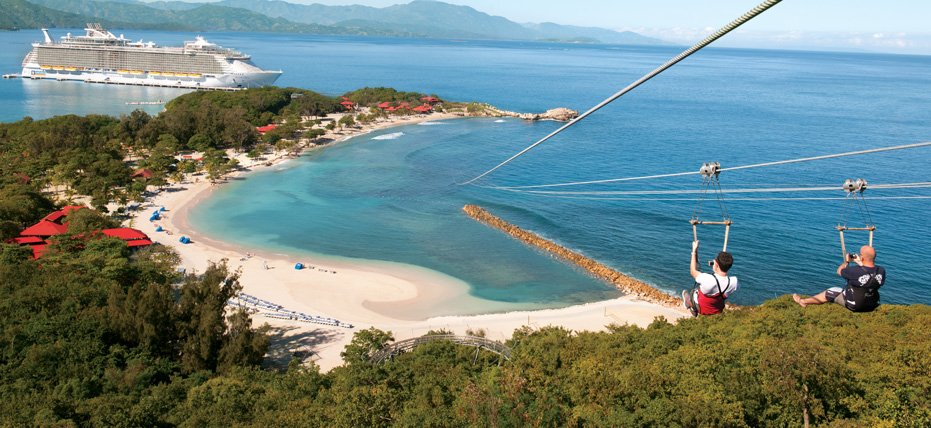
Haïti is blessed with spectacular natural landscapes, including white sand beaches, mountains and rich biodiversity.

Heritage

Heritage

Haïti has a rich historical heritage, including sites like the Citadelle Laferrière and the Sans-Souci Palace, listed as UNESCO World Heritage Sites.

Culture

Culture

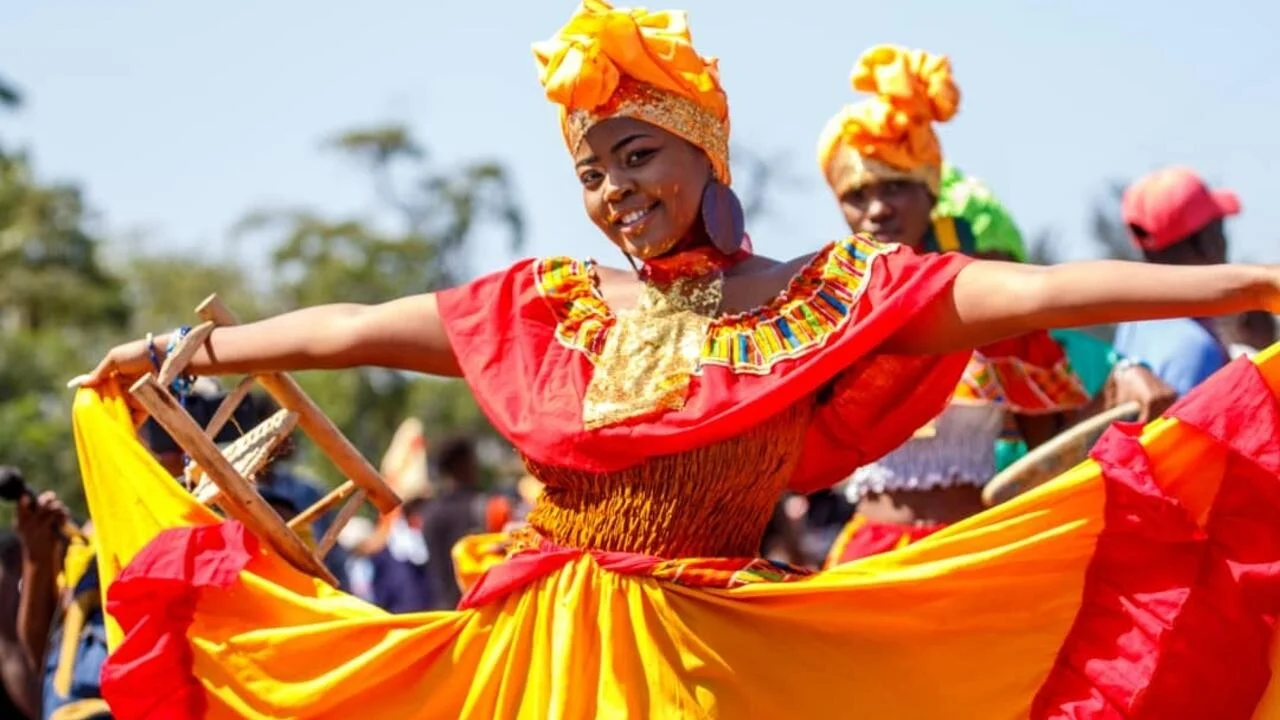
Haïti has a rich and diverse culture, influenced by African, European and indigenous elements. Haitian music, dance, art and cuisine are celebrated around the world.

  • +
    • Post