contact@haitiwonderland.com+509 36184317

Discover

Shopping Cart

The enrichment of France at the expense of Haiti, a History of Injustice and Exploitation

The enrichment of France at the expense of Haiti, a History of Injustice and Exploitation

In 1804, Haïti emerged from the flames of revolution as the world’s first independent black republic, but its freedom would come at a steep price. France, a former colonial power, orchestrated an unprecedented economic revenge, weaving a web of exploitation and injustice that would hamper Haiti’s development for generations. This toxic relationship, marked by extortion and violence, not only shaped the destiny of one nation but also filled the coffers of another, leaving deep scars that persist to this day. Immerse yourself in this story, a gripping tale of colonial greed and resilience, which reminds us of the importance of never forgetting the injustices of the past and their lasting impact on our world today.

Haïti
Haïti
Haïti

Colonization and exploitation

The colony of Saint-Domingue (present-day Haiti) was one of the richest French colonies in the 18th century. Through the production of sugar, coffee, indigo and cotton, Haïti was a major source of wealth for France. This prosperity was made possible by the brutal exploitation of African slaves, who worked in inhumane conditions to generate colossal profits for the French colonists.

Haïti
Haïti
Haïti

The Haitian Revolution and independence

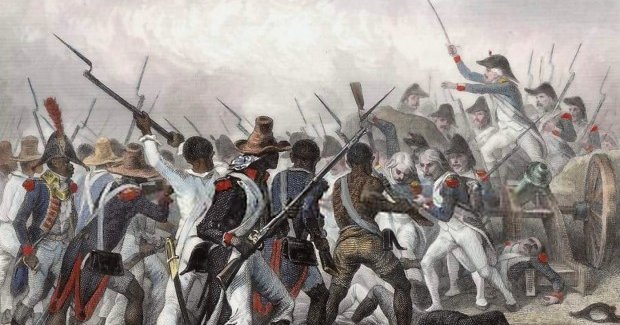
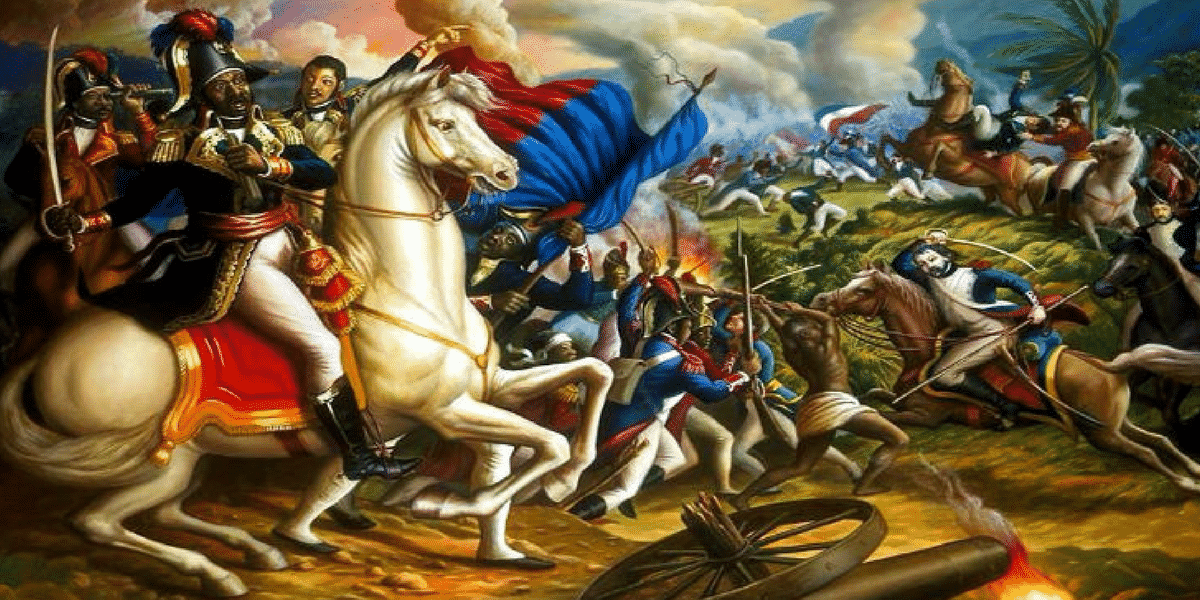
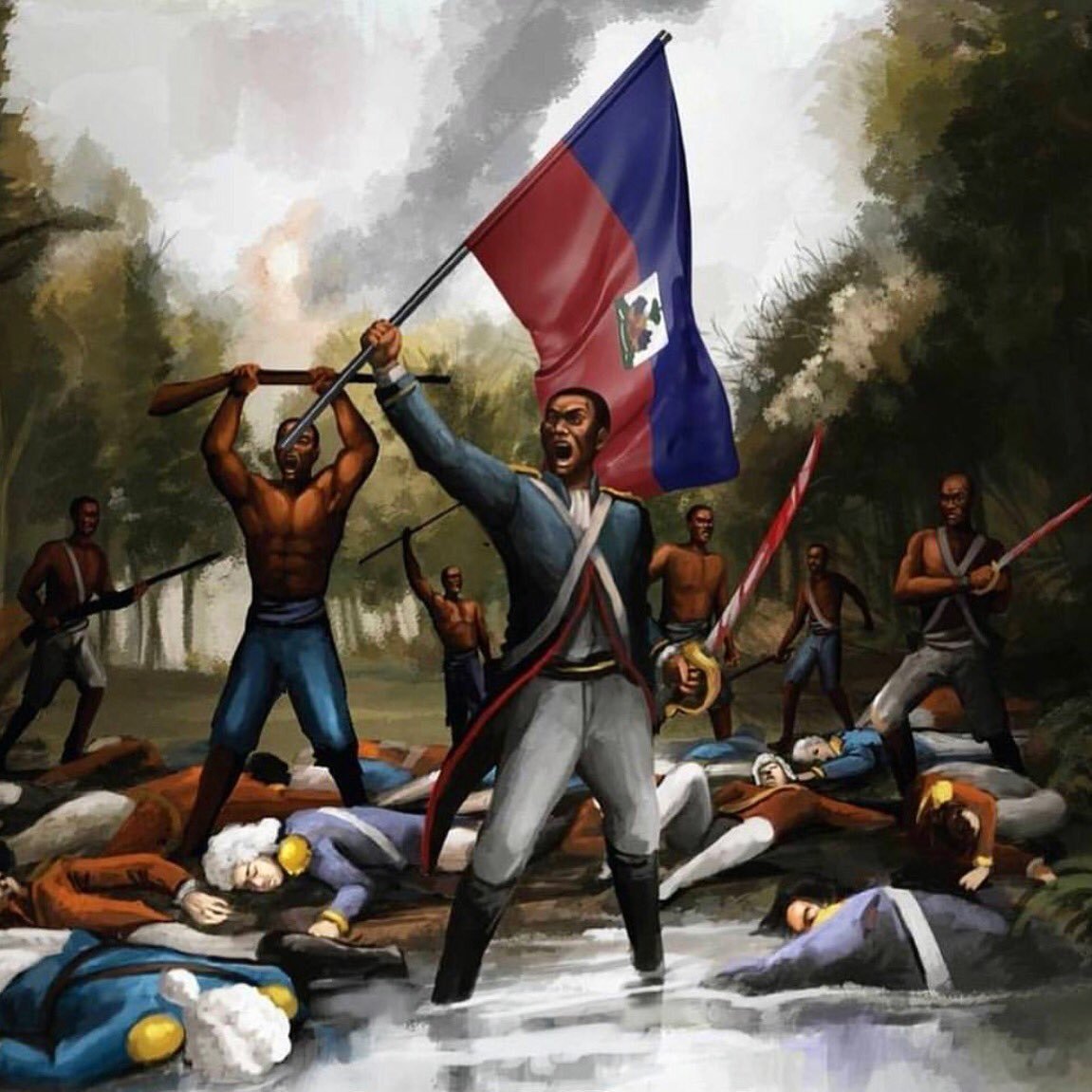
The Haitian Revolution, which took place from 1791 to 1804, is a major event in world history. It began as a slave revolt in the French colony of Saint-Domingue and evolved into a struggle for independence that changed the course of history.

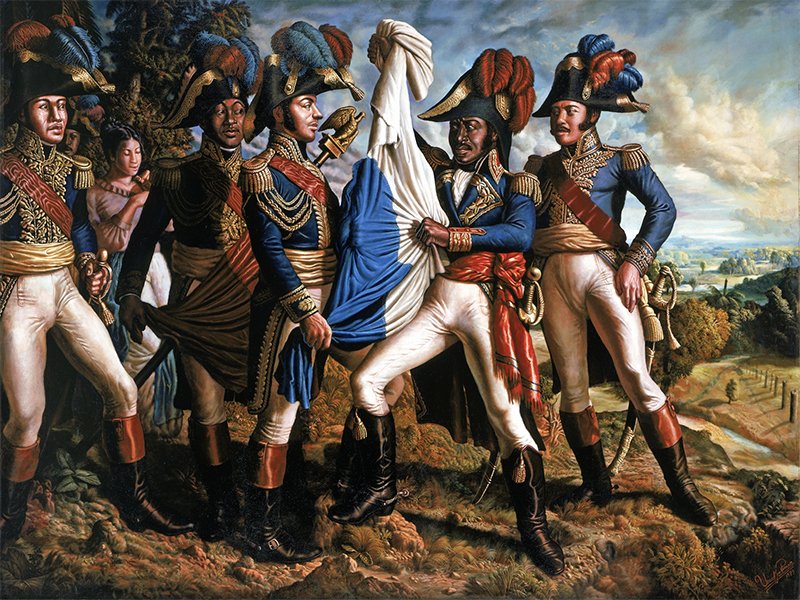
Inspired by the ideals of the French Revolution and guided by charismatic leaders like Toussaint Louverture and Jean-Jacques Dessalines, the slaves and freedmen of Saint-Domingue rose up against the brutal colonial system. The revolt quickly grew in strength, challenging not only French authority but also invasion attempts by the Spanish and British.

On January 1, 1804, after years of bloody fighting, Jean-Jacques Dessalines proclaimed the independence of Haiti. This historic moment marked the birth of the world’s first independent black republic and the only nation founded by former slaves.

The Haitian Revolution had a profound impact on the Atlantic world. It shook the foundations of the slave and colonial system, inspiring liberation movements across the Americas. For the first time, the principle of racial equality was enshrined in a country’s constitution.

However, Haiti’s victory also aroused fear and hostility from the colonial powers. Diplomatically and economically isolated, the young nation faced immense challenges from its first days of independence.

Discover the history of Haiti: A fascinating story to explore! : https://haitiwonderland.com/haiti/histoire/decouvrez-l-histoire-d-haiti--un-recit-fascinant-a-explorer/81

Haïti
Haïti
Haïti

The price of independence: economic extortion

France, humiliated by its military defeat, orchestrated a devastating economic revenge. Under threat of invasion and an international blockade, Haïti was forced to pay an astronomical "indemnity" to its former colonizer. This debt, intended to compensate for the loss of the colony and its slaves, amounted to 150 million gold francs - the equivalent of tens of billions of euros today.

The payment of this debt had devastating consequences for the Haitian economy. Haïti had to borrow at high interest rates from French banks to pay this colossal sum. This financial burden weighed down the Haitian economy for decades, preventing it from developing its infrastructure and institutions. Meanwhile, France used this money to strengthen its economy and finance its own colonial ambitions elsewhere in the world. Additionally, annual debt payments have siphoned off much of the country’s economic resources, thereby enriching France and its banks.

Long-term repercussions

The consequences of this debt and colonial exploitation are still visible today. Haïti remains one of the poorest countries in the world, with underdeveloped infrastructure and fragile institutions. The debt of independence has created a vicious circle of poverty and underdevelopment, from which Haïti is struggling to free itself.

Haïti
Haïti
Haïti

Need for restitution and repair

The history of French-Haitian relations is a striking example of how former colonial powers maintained their economic dominance well after the formal independence of their colonies. It raises crucial questions about historical responsibility and the need for reparations, not only for Haïti but also for other countries that have suffered similar injustices. Recognizing past wrongs and putting in place remedial measures can play a crucial role in rebuilding a more equitable and sustainable economy for all.

Haïti and the price of independence: https://haitiwonderland.com/haiti/histoire/haiti-et-le-prix-de-l-independance/136

This dark chapter in Haiti’s history must be told and taught around the world. It reminds us that freedom sometimes comes at an exorbitant price and that the injustices of the past continue to shape our present. Understanding this history is essential to building more equitable international relations and to allowing Haïti to finally overcome the obstacles inherited from its colonial past.

Ultimately, Haiti’s story is also a story of extraordinary resilience. Despite the immense obstacles it faced, the Haitian nation survived and continues to fight for a better future. It is a powerful testament to the strength of the human spirit in the face of adversity.

Share
About the Author
Appolon Guy Alain
Appolon Guy Alain
Appolon Guy Alain

Full Stack Developer, Créatif, expérimenté, passionné des nouvelles technologies et de l’art.

See other articles from Appolon Guy Alain
Neil T. Rigaud

Thanks for sharing this.

May 02, 2025 - 10:37:42 PM
Leave a comment

Recently Posted

Exploring Cayes-Jacmel, Haiti: Discovering a tourist and cultural treasure.

Nestled in the splendid mountains of the southeastern region of Haiti, the picturesque commune of Cayes-Jacmel emerges as a rare pearl, offering an incomparable tourist and cultural experience. With its lush green landscapes, rich cultural heritage and exciting activities, this destination promises an unforgettable journey for travelers seeking authenticity and natural beauty. As soon as you arrive in Cayes-Jacmel, you will be captivated by the splendor of its landscapes. The plains and hills that dominate the terrain offer a breathtaking spectacle, ideal for picturesque hikes and leisurely walks. The town is also full of crystal clear waterways, perfect for a refreshing break or a relaxing fishing session. Explore the hidden trails and let yourself be enchanted by the thriving biodiversity of the region, where nature reigns supreme. Without forgetting the magnificent beaches of Kabic like "Ti Mouillage", where the fine sand and turquoise waters invite relaxation and water sports. Cayes-Jacmel is steeped in rich history and vibrant culture, reflected in its majestic temples and churches. With more than thirty-two temples of all faiths, including Baptist churches, Churches of God and Catholic churches, the town is a symbol of religious diversity and tolerance. Immerse yourself in the region’s fascinating past by visiting the magistrate’s court and police station, witnesses to its political and legal legacy. Experience the excitement of local life by participating in the lively festivals and cultural events of Cayes-Jacmel. Immerse yourself in the haunting rhythms of Haitian music during community celebrations, and discover traditional crafts at local markets. Don’t miss the town’s annual festival, where dance, gastronomy and the arts combine to create a festive and warm atmosphere. Whether you’re a sports lover, adventure enthusiast, or simply looking for relaxation, Cayes-Jacmel has something to offer every traveler. Play football or basketball on the local pitches, or dance the night away at one of the town’s lively nightclubs. For an authentic experience, join a fishing excursion with the locals, or explore the region’s hidden gems on an exciting jeep tour. With its breathtaking natural beauty, rich cultural heritage and captivating activities, Cayes-Jacmel emerges as an incomparable tourist and cultural destination in Haiti. Whether you are looking for adventure, relaxation or cultural discoveries, this picturesque town promises you an unforgettable experience, imbued with the very essence of Haitian life. Embark on a journey to the heart of the magic of Cayes-Jacmel and let yourself be enchanted by its charm.

Newsletter

Subscribe to our newsletter to stay informed of all our activities and news on Haiti.

Pity or the work of an old soul crushed under the weight of an absinthe-flavored existence

The word crisis carries an infinite number of meanings. No intention of revealing them all this afternoon. However, a few clarifications are necessary. A kid whose parents do not have enough money at Christmas to buy her a Little Black Mermaid doll has a fit and locks herself in her room without touching her meals for the day. A boy whose dog was suddenly poisoned by a neighbor in revenge or shot after contracting rabies, losing a faithful friend overnight, enters into crisis. Finally, a society in the grip of all sorts of mutations and whose leaders are weak, perhaps prolonged in a deep crisis. In the first case, the young girl sulks to attract the attention of her parents in order to feel appreciated by children her age at school or in the neighborhood. Today, thirty minutes of negotiations can be enough to find a lasting solution. In my day, a few well-aimed belt blows would have overcome this whim. But, humanity evolves, they say. In the second case, this boy can find his smile again after a few weeks. He needs a little attention and, probably, another dog. As Stendhal would say, only passion triumphs over passion. In the last case, this society led by inepts is shaken to its deep foundations. Its institutions can disintegrate one by one. The vital forces dissolve in no time. This situation creates a societal tsunami that destroys all life within this community. It is indeed a crisis. The crisis from this point of view constitutes an alarming, desperate situation in the existence of a community where nothing is going well. Chaos reigns supreme. The very essence of life disappears. The individual can take precedence over the community. Everyone tries to solve their problems without worrying about others. The closest neighbor is relegated light years away from you. How can we turn to creation? How can we continue to conceive of otherness? How can the artist absorb this great collective disarray as a source of motivation? These are the questions I must answer. An artist sees and feels what ordinary mortals cannot even imagine in a thousand-year life. He creates to denounce, when his conscience as a human being is revolted. He exalts heroes or the homeland according to his feelings. He sings the beauty of an irresistible, captivating or ugly resplendent woman. He can also use the ambient desolation to give meaning to life. Creating in literature as in the arts in general does not depend on the situation. The act of creation depends on the creator’s disposition. Events paralyze some and galvanize others. Creating is enjoyable. Everyone therefore enjoys according to their own whim. Writing opens the way to change. The writer takes a different look at the world. By embedding himself in reality, he embellishes it, makes it better or hideous depending on the message he intends to share. All things considered, with him, life is never fixed. Writing is putting the world in a jar to travel the universe. The artist broods over his work in all weathers. Oswald Durand was delighted to see Choucoune’s beautiful body from his secret observatory. Musset, on the other hand, was in pain writing his October night. As for Dany Laferrière, in exile, he described the horrors of the Duvalier dictatorship and the carefree attitude of the young girls in his neighborhood in this violent and dangerous world. Ultimately, the writer lives in a society with values ​​that he shares or not. They condition his existence or have no hold on him. In many ways, the surrounding world serves as his laboratory. He carries out his experiments there. He casts a new, worn, disillusioned, melancholic, violent, bitter look at the world depending on his mood. Pitié is the work of an old soul crushed under the weight of an existence that tastes of absinthe. Young Mike Bernard Michel lives by expedients and lies. The hands of life fall on him with indescribable violence. Misfortune embraces him day and night. Should we give up? Musset liked to say: "Man is an apprentice, pain is his master. And no one knows himself until he has suffered." The artist must produce under all skies. Such is his vocation. Incompetents in power, legal or highway bandits, the high cost of living, unemployment, heartaches are all subjects of concern for him. If it is true that a hungry belly has no ears, the fact remains that it keeps the brain awake. What am I saying, it stimulates it to the point of creating timeless works. Mr. Pitié, you have a bright future ahead of you. Work of Jean Rony Charles, the book is available from Éditions Repérage.

Belle-Anse, a village between tradition, nature and tourist potential

Nestled in the southeast of Haiti, Belle-Anse is a destination that fascinates with its natural beauty and rich history. This small town, still often ignored by major tourist routes, is full of treasures that deserve to be discovered. Its wild beaches, its imposing mountains and its unique historical heritage make Belle-Anse a hidden pearl, ready to seduce travelers in search of authenticity and tranquility. Belle-Anse, founded in the 18th century, still bears the traces of its past. Its history, marked by changes of names and identity, bears witness to the political and social upheavals that have given the region. From the colonial era to the birth of the Republic, each corner of the city tells a part of the history of Haiti. This rich past is combined with a vibrant cultural life, where local festivals, such as the celebration of the Patron Saint every December 10, offer an authentic glimpse into the lives of the inhabitants. The historical remains scattered throughout the city are not only a reminder of the era of colonization, but also of the struggles for independence. These witnesses of the past, combined with a calm and preserved atmosphere, make Belle-Anse a place where history and nature intertwine harmoniously. What distinguishes Belle-Anse is undoubtedly its spectacular natural environment. Ultimately, these beaches before the deserts invite you to relax. Lagan Beach, lined with palm trees and crystal clear waters, offers an idyllic setting for lovers of wild nature, far from the crowds of more frequent tourist destinations. The nearby Bay of Jacmel is a true natural bliss, promising moments of calm and escape. The city is also surrounded by majestic mountains, ideal for those who wish to explore the Haitian landscapes on foot, while discovering a unique biodiversity. While Belle-Anse’s natural resources are rich, they are also fragile, and preserving these areas remains an important issue for the future of the region.

Recently Posted

History

History

First black nation to free itself from slavery and gain independence from France in 1804 and influenced other liberation movements around the world, inspiring struggles for freedom and equality.

Natural beauty

Natural beauty

Haïti is blessed with spectacular natural landscapes, including white sand beaches, mountains and rich biodiversity.

Heritage

Heritage

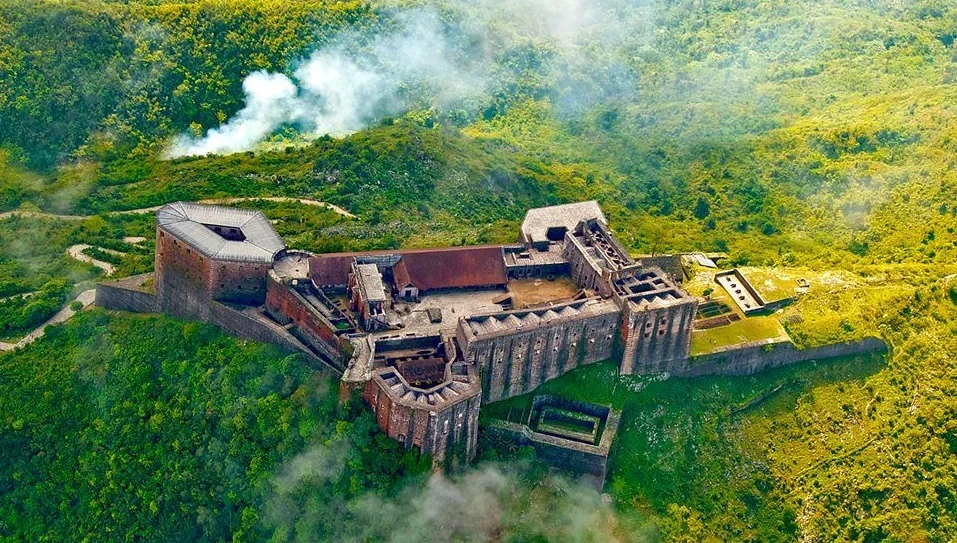
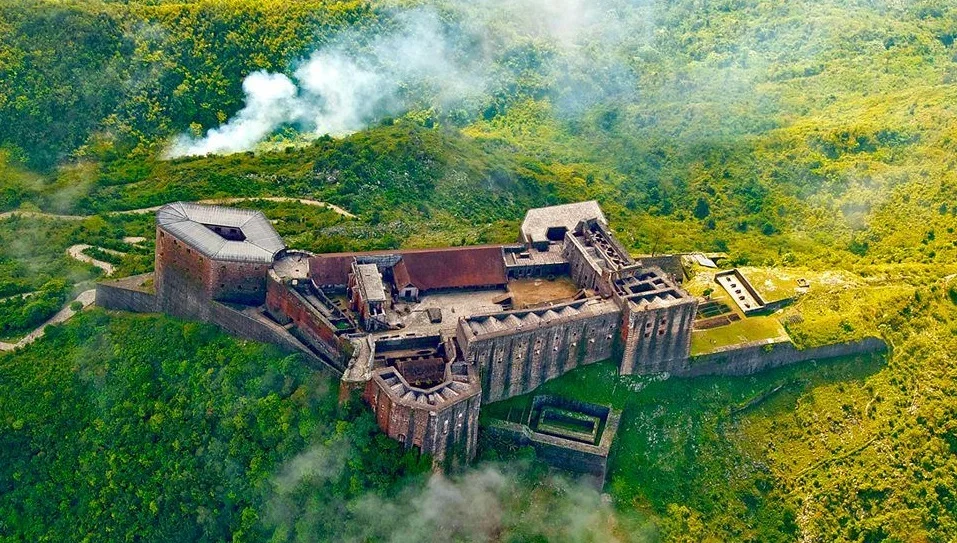
Haïti has a rich historical heritage, including sites like the Citadelle Laferrière and the Sans-Souci Palace, listed as UNESCO World Heritage Sites.

Culture

Culture

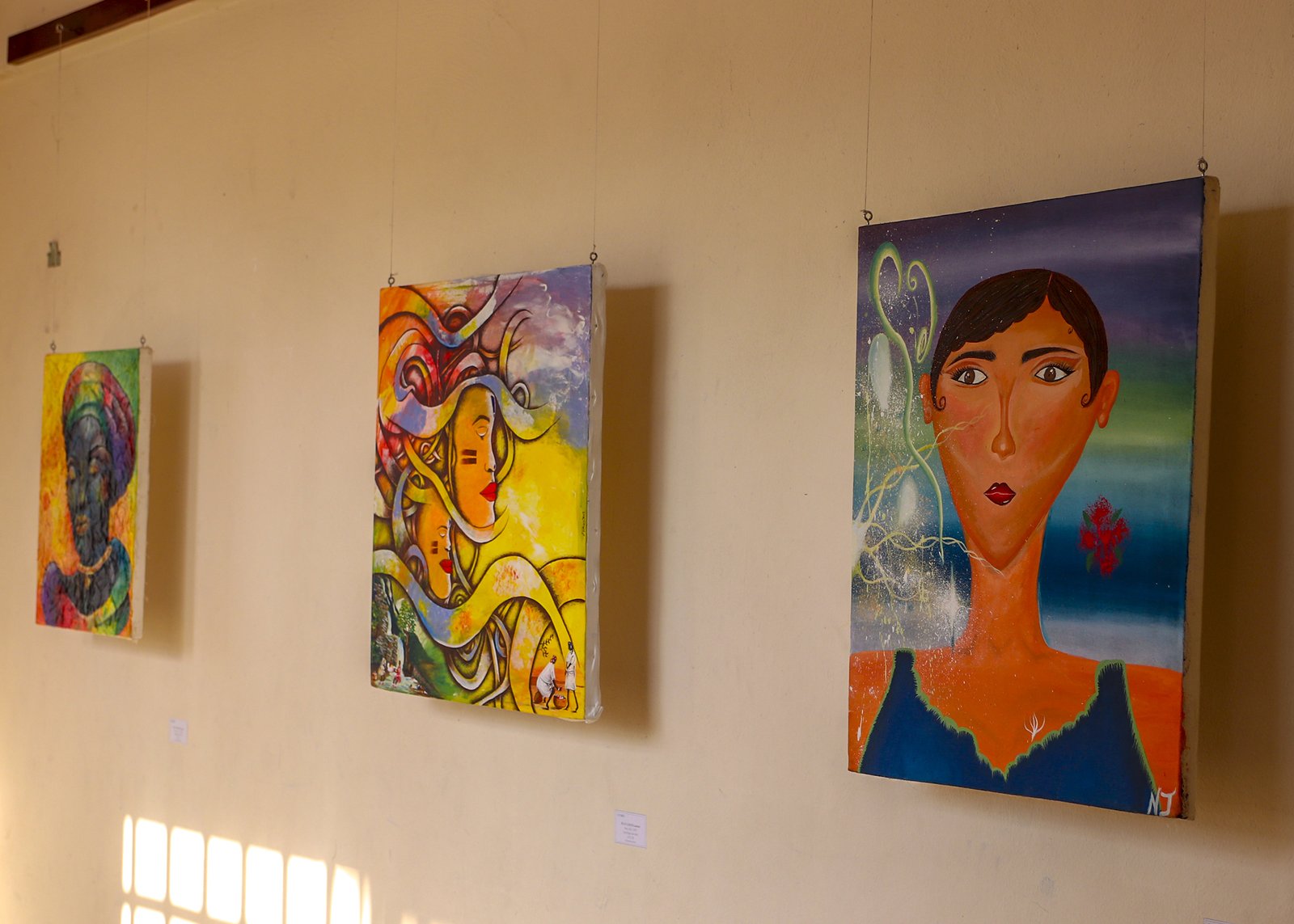
Haïti has a rich and diverse culture, influenced by African, European and indigenous elements. Haitian music, dance, art and cuisine are celebrated around the world.

  • +
    • Post