contact@haitiwonderland.com+509 36184317

Discover

Shopping Cart

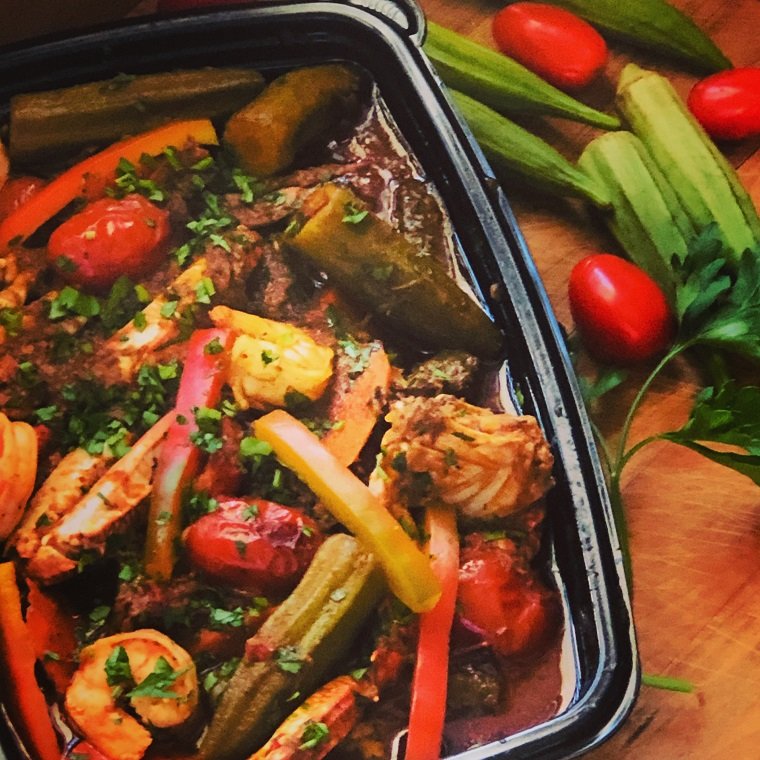
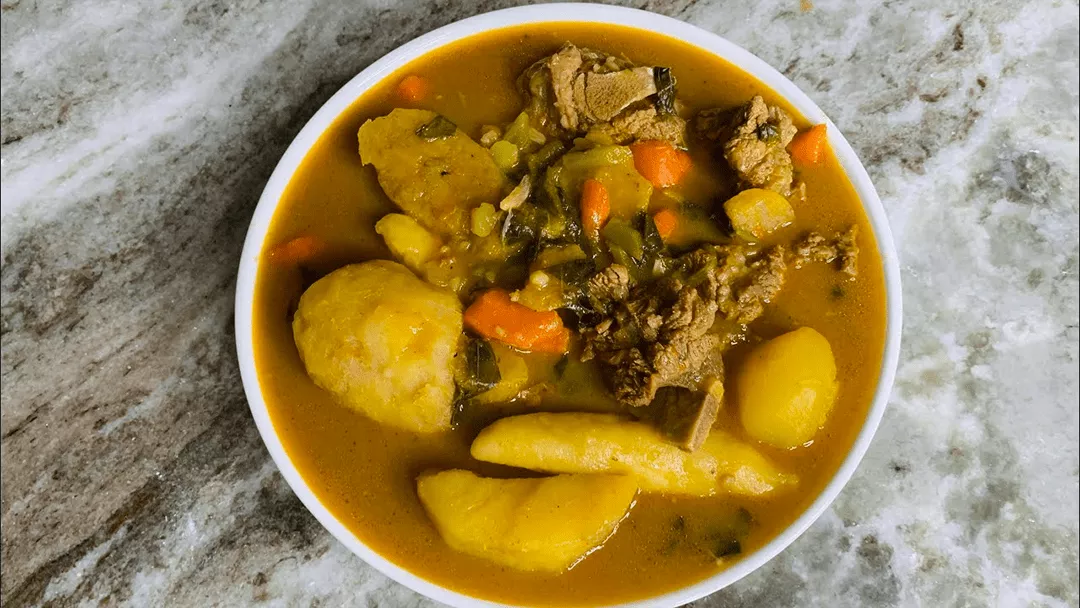
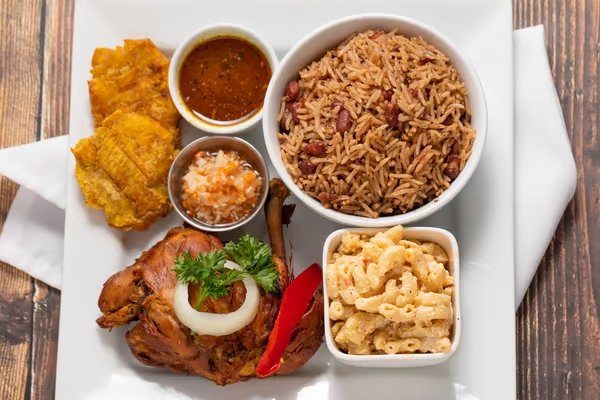
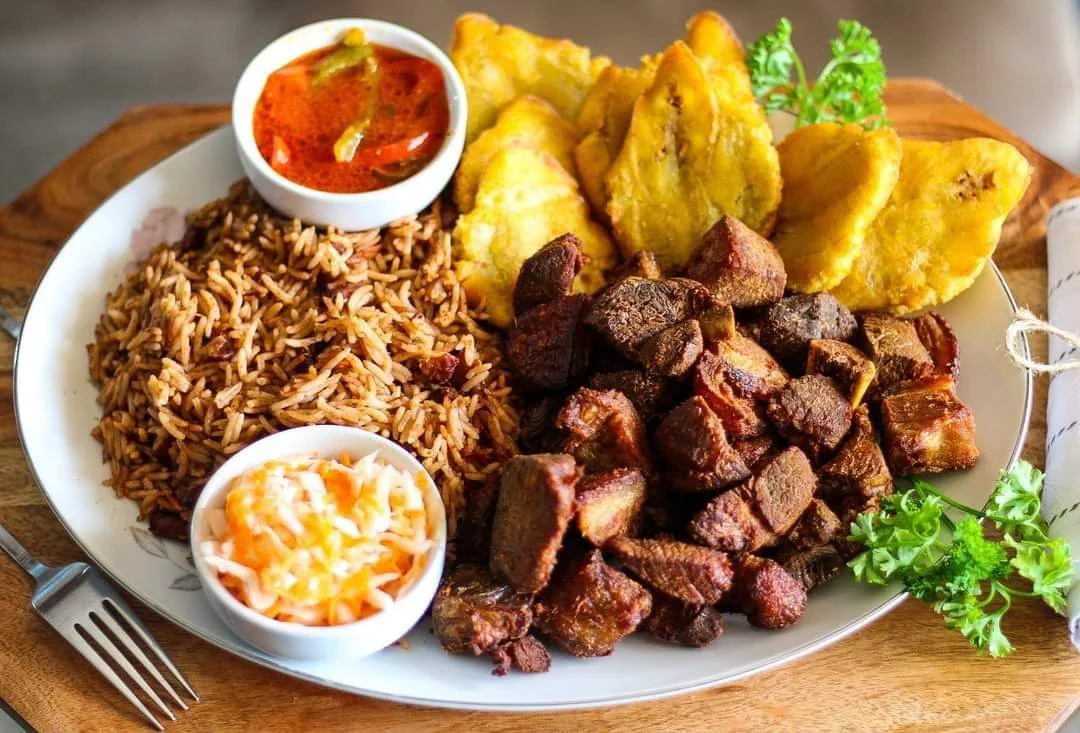
Quick and easy recipe for Haitian calalou sauce

Quick and easy recipe for Haitian calalou sauce

Do you like calalou? How would you rate your calalou sauce out of 10? And when was the last time you had a good calalou?

Ingredients:

500 g beef cubes
300 g calalou
1 medium onion, chopped
2 cloves garlic, minced
1 green pepper, chopped
1 tomato, diced
2 tbsp tomato paste
1 lime (to clean the meat)
1 chili pepper (optional, for those who like it spicy)
1 beef bouillon cube (or 1 meat bouillon)
2 tbsp oil
1 tbsp tsp thyme
Salt and pepper to taste
1 cup water
Spices
Bouquet garni
5 cloves

Instructions:

1. Cleaning the meat

Wash the beef pieces with water and lime juice. Drain them well.

2. Preparing the meat

In a saucepan, heat the oil over medium heat. Add the spices, onion, garlic and pepper. Sauté until the vegetables are tender. Add the beef and brown it on all sides.

3. Cooking the meat

Once the meat is nicely browned, add the tomato paste, chopped tomato, thyme, chili pepper (if using), bouillon cube, bouquet garni and water. Let simmer over low heat for about 45 minutes to 1 hour, or until the meat is very tender.

4. Preparing the calalou

While the meat is cooking, wash the calalou, remove the ends and, if desired, cut it into rounds.

5. Cooking the calalou

When the meat is almost cooked, add the calalou to the pot. Let simmer for another 10 to 15

Adjust the seasoning with salt and pepper to taste. If the dish is too thick, you can add a little water to adjust the texture.

Your sauce is ready! Tell me in the comments what you enjoyed it with.

Share
About the Author
Jeunes Influenceurs
Jeunes Influenceurs
Leave a comment

Recently Posted

There are several reasons why a foreign national might be interested in visiting Haiti

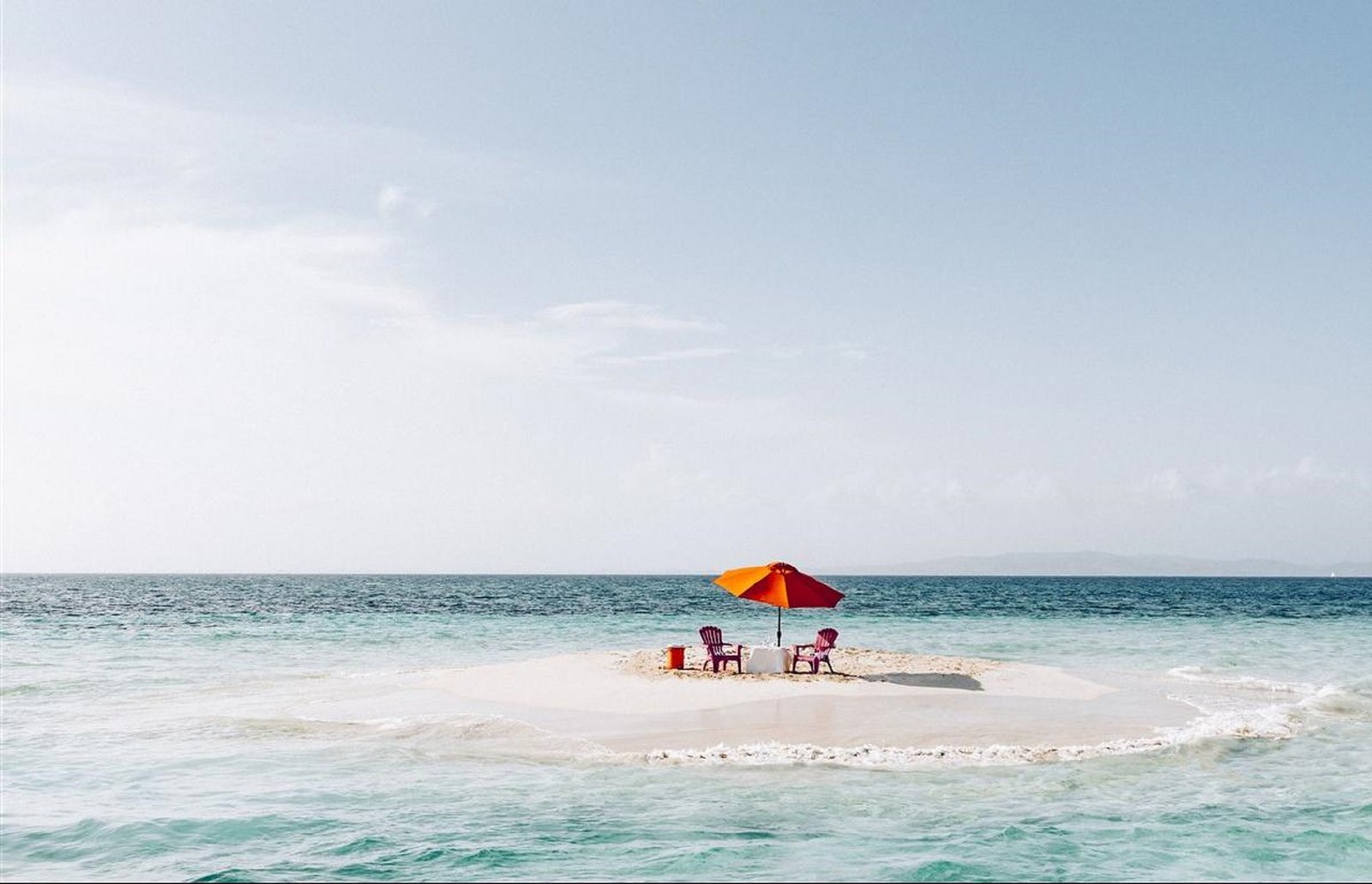
There are several reasons why a foreign national might be interested in visiting Haiti: Rich and diverse culture: Haïti has a unique culture resulting from a mixture of African, European (particularly French) and Caribbean influences. This is reflected in its music, cuisine, art and traditions. Fascinating history: Haïti was the first country in Latin America and the Caribbean to gain independence in 1804 after a successful slave revolt. Its history is rich in significant events and important historical figures. Magnificent natural landscapes: The island of Haïti offers a variety of breathtaking landscapes, from white sandy beaches to lush green mountains, picturesque waterfalls and isolated islands. Hospitality of the locals: Haitians are known for their warmth and hospitality towards foreign visitors, making the travel experience very pleasant and enriching on a human level. Opportunities for Sustainable Tourism: Haïti offers opportunities for sustainable tourism, including encouraging visits that directly benefit local communities and environmental conservation. Exploring historic sites: Historic sites such as the UNESCO-listed Citadelle Laferrière offer visitors a chance to discover colonial architecture and remains from pre-Columbian times. Vibrant cultural celebrations: Haïti is famous for its colorful festivals and cultural celebrations throughout the year, such as Carnival, where music, dance and traditional costumes are in the spotlight. In summary, visiting Haïti can offer a deep and authentic cultural experience, as well as an exploration of the unique natural and historical beauties of this Caribbean nation.
Newsletter

Subscribe to our newsletter to stay informed of all our activities and news on Haiti.

Haiti: The Center department, one of the departments most resistant to natural earthquakes

The Center department, commonly called Plateau Central, is one of the ten (10) departments of Haïti most robust in the face of certain natural phenomena. Before becoming one of the ten (10) departments of Haiti, the Center department was part of the Great North. It is renowned for its natural landscapes, its biosphere climate and its resistance to certain natural phenomena. In addition to its natural productions such as corn, millet and livestock, the Center department is also known for its high mountains which constitute a robust defense against certain natural phenomena such as earthquakes and floods. Composed mainly of high mountains, the department of Charlemagne Peralte and Benoît Batravil is the only one of the ten (10) not to have an outlet to the sea. However, its inhabitants take advantage of the vast rivers, rivers and lakes which cross it . With an area of ​​3,487 km², the population of the Center department is estimated at 678,626 according to a study carried out in 2009. On this same area, the department is divided into four (4) districts and twelve (12) communes. Bordered to the east by the Dominican Republic, the Center department connects other departments of the country such as Nord and Artibonite, and connects the two countries of the island through border areas like Balladère, Hinche and Cerca Carvajal. In the Center department, there are sites that could attract tourists for their natural beauty. In Saut d’Eau, there is the Saut d’Eau waterfall, in Hinche we find the Zim basin, the Péligre lake, the Péligre hydroelectric dam, the Artibonite river, and the Deux river (2 ) Rooms in Thomonde, more precisely in "El Manni", not far from the communal section of Caille-Epin. Thanks to its strong mountains and its natural climate, the Center department remains one of the most resistant departments in the event of an earthquake in Haiti.


Recently Posted

History

History

First black nation to free itself from slavery and gain independence from France in 1804 and influenced other liberation movements around the world, inspiring struggles for freedom and equality.

Natural beauty

Natural beauty

Haïti is blessed with spectacular natural landscapes, including white sand beaches, mountains and rich biodiversity.

Heritage

Heritage

Haïti has a rich historical heritage, including sites like the Citadelle Laferrière and the Sans-Souci Palace, listed as UNESCO World Heritage Sites.

Culture

Culture

Haïti has a rich and diverse culture, influenced by African, European and indigenous elements. Haitian music, dance, art and cuisine are celebrated around the world.

  • +
    • Post