Time management in Haïti follows a practice shared by several countries: daylight saving time. Adopted for several decades, daylight saving time consists of moving the clocks forward by one hour for part of the year in order to maximize the use of daylight. This article explores how and why this measure is applied in Haiti, as well as its impact on the daily lives of Haitians.
Daylight saving time is a time adjustment measure that consists of moving the clocks forward by one hour starting in the spring, usually in March, and moving them back again in the fall, often in November.
The main purpose of this measure is to extend the duration of daylight in the evening, thus reducing energy consumption related to artificial lighting. Although widely practiced in many countries, it remains controversial due to its varying impact on local economies and lifestyles.
Haïti continues to observe daylight saving time, primarily following the North American model. Typically, clocks are set forward one hour in mid-March and reset to standard time in early November, aligning the country with the United States (Eastern Time Zone) during this period.
This practice, coordinated with many countries in the Northern Hemisphere, facilitates economic relations, trade, and travel connections between Haïti and its international partners, including the United States and Canada, where many members of the Haitian diaspora live.
Why Does Haïti Observe Daylight Saving Time?
There are several reasons for implementing DST in Haiti:
1. International Synchronization: By maintaining DST, Haïti remains aligned with major economies such as the United States, simplifying trade, banking, and communications.
2. Energy Optimization: Although energy savings may be less in a tropical country, where days are almost constant in length, DST is seen as a favorable measure to reduce electricity consumption, especially in urban areas.
3. Established Habit: Since its initial adoption, DST has become an ingrained practice in the daily lives of Haitians. Although it can cause adjustments in sleeping and working habits, the majority of citizens have adapted to it.
The practice of daylight saving time can have various effects on the daily lives of Haitians:
- Work and Study Schedules: The time change can disrupt the biological rhythm of some, especially during the adjustment in spring. However, it also allows you to enjoy longer hours of sunlight in the evening.
- Transportation and Logistics: Coordination with neighboring countries and international flights is facilitated, reducing time differences.
- Energy Consumption: The real impact on energy consumption remains limited, but the measure contributes to a perception of modernity and global standardization.
In Haiti, daylight saving time is still applied, despite the debates that may arise about its usefulness in a tropical country. This practice, although sometimes criticized, remains essential to keep the country connected to international markets and harmonized with global calendars.
So every year, Haitians adjust their clocks, a habit that reflects the link between time management and the socio-economic realities of a globalized world.
First black nation to free itself from slavery and gain independence from France in 1804 and influenced other liberation movements around the world, inspiring struggles for freedom and equality.
Natural beauty
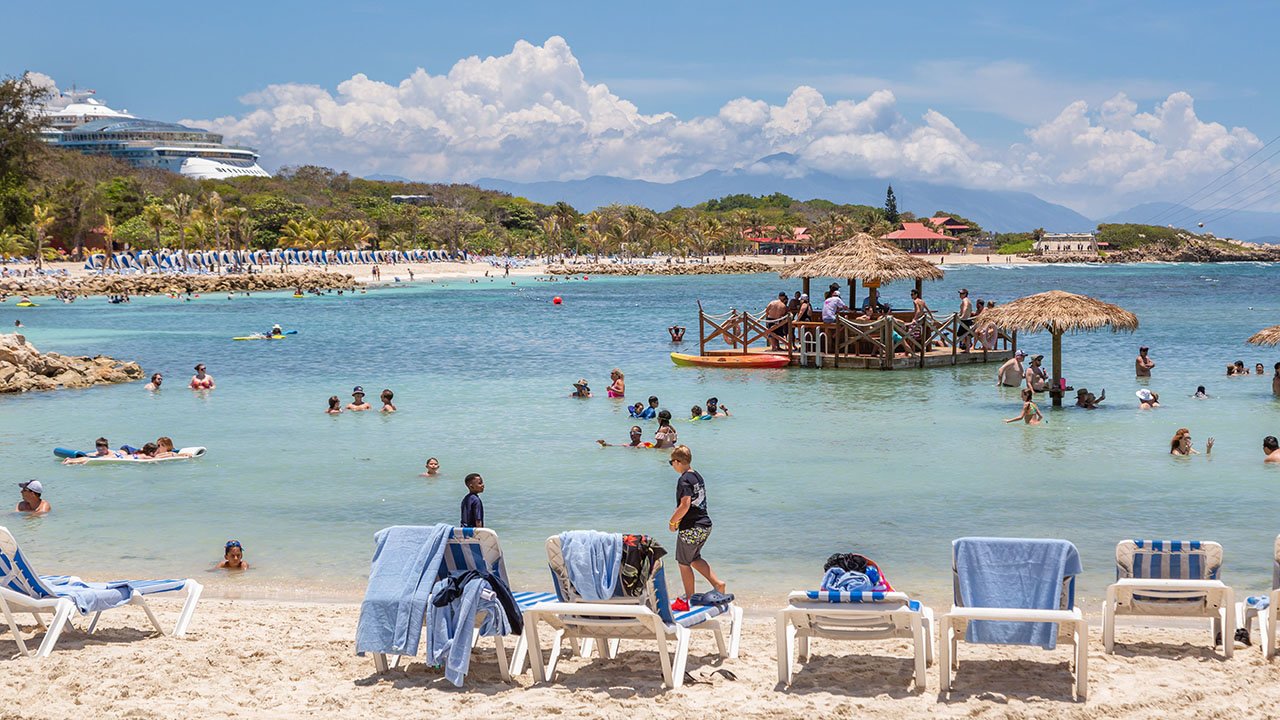
Haïti is blessed with spectacular natural landscapes, including white sand beaches, mountains and rich biodiversity.
Heritage
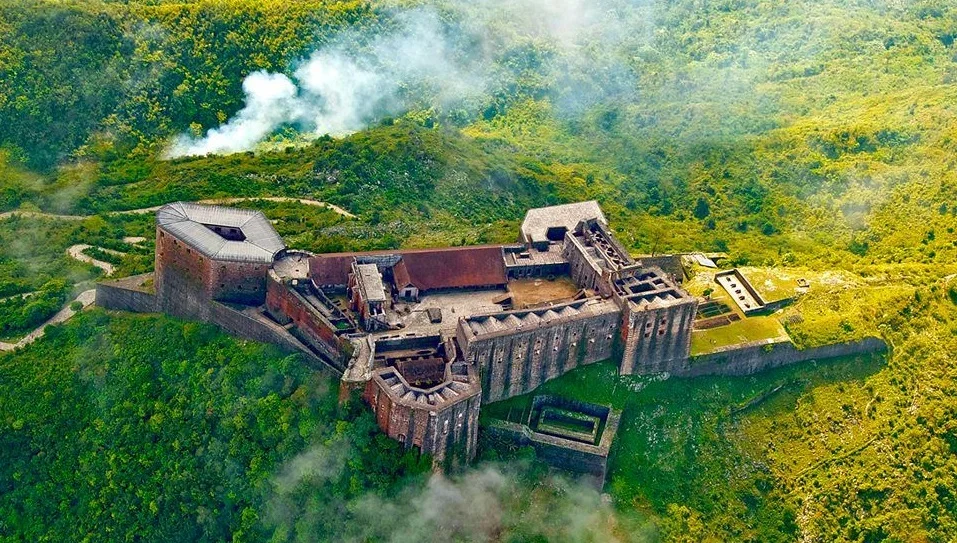
Haïti has a rich historical heritage, including sites like the Citadelle Laferrière and the Sans-Souci Palace, listed as UNESCO World Heritage Sites.
Culture
Haïti has a rich and diverse culture, influenced by African, European and indigenous elements. Haitian music, dance, art and cuisine are celebrated around the world.