contact@haitiwonderland.com+509 36184317

Discover

Shopping Cart

Haïti : Citadelle la FerrièreHaïti : Citadelle la Ferrière

News / Scientific Research / View Recent Posts

Other March 30, 2024

Caractéristique d’un lapin

Les lapins sont des mammifères appartenant à la famille des Leporidae. Voici quelques-unes de leurs caractéristiques principales : 1. **Physique** : Les lapins ont un corps couvert de fourrure douce, des oreilles longues et droites, de grands yeux sur les côtés de leur tête, et une queue courte et duveteuse. Ils possèdent de puissantes pattes arrière adaptées au saut. 2. **Taille et poids** : La taille et le poids peuvent varier considérablement selon la race, allant d’environ 500 grammes pour les plus petits à plus de 5 kilogrammes pour les plus grands. 3. **Comportement** : Les lapins sont connus pour être sociaux et peuvent vivre en groupes dans la nature. Ils communiquent entre eux par différents moyens, y compris par des sons et des mouvements corporels. Les lapins creusent des terriers pour y vivre et se protéger des prédateurs. 4. **Alimentation** : Ils sont herbivores, se nourrissant principalement de foin, d’herbes, de feuilles, de fleurs, et de certains légumes. Leur système digestif est adapté pour traiter une grande quantité de fibres. 5. **Reproduction** : Les lapins sont réputés pour leur capacité à se reproduire rapidement, avec des gestations courtes d’environ 28 à 31 jours. Une portée peut compter de un à douze lapereaux, selon la race. 6. **Sens** : Ils ont une excellente vision périphérique pour détecter les mouvements tout autour d’eux, mais ont une zone aveugle juste devant leur nez. Leur ouïe est également très développée, leur permettant de capter des sons à de grandes distances. 7. **Espérance de vie** : En captivité, les lapins peuvent vivre de 7 à 10 ans, selon la race et les soins prodigués, tandis que dans la nature, leur espérance de vie est généralement plus courte en raison des prédateurs et des maladies. Ces animaux nécessitent des soins appropriés, notamment un régime alimentaire équilibré, de l’exercice, et une attention particulière à leur bien-être émotionnel et physique pour vivre une vie saine et heureuse en captivité.

Par | 1
Learn more
Culture May 30, 2024

Why do some people ignore the Guede party?

The Guédés Festival is a significant event in the Haitian Vodou religion. It takes place every November 1st and 2nd in Haiti, and it is dedicated to paying homage to the dead. Here are some elements to better understand this celebration: Meaning of Guedes: Guédés are spirits of death in the voodoo pantheon. They symbolize the transition between life and the afterlife. Different names are attributed to these spirits: Papa Guédé, Guédé Nibo, Guédé Masaka, Guédé fouillé, Guédé plumage. In the Voodoo concept, the Guédés maintain a harmonious relationship with the dead. Ritual of the Feast of the Gedes: Vodouists clean the graves and bring flowers to honor the memory of the deceased. They dance and sing to the rhythm of vodou and rara music. Vèvè (sacred symbols) are drawn to invoke the spirits. The color black, symbol of mourning, marks the beginning of life in the voodoo world. Purple mauve evokes transformation, and white symbolizes purity. Relationship with Protestants and Christians: Some Protestants reject the Feast of Geeds and organize days of prayer to chase away “evil spirits”. Christians do not pray for their dead, because their faith teaches them that the deceased are welcomed by the Lord. In short, the Guédés festival is a crucial moment for Vodouists, marking the temporary return of spirits to the world of Vodou. It shows respect for the dead and is an integral part of Haitian culture.

Par | 1
Learn more

Recently Posted

The Monferrier Dorval Chair of Constitutional Law, a gesture from the State University of Haiti, for the preservation of the memory of Professor Dorval

The Monferrier Dorval Chair of Constitutional Law is a high-intellectual-intensity initiative, taken by the State University of Haïti (UEH), through the leadership of its rectorate, in agreement with the leaders of the Faculty of Law and Economics (FDSE). The initiative’s primary goal is to honor and perpetuate the memory of the valiant and brilliant Professor Monferrier Dorval, assassinated in unclear circumstances, about three years ago. And in order to make a scientific contribution to the great debate that has been going on in Haitian society for about ten years about the need to change or not, the constitution of March 29, 1987, amended on May 11, 2011. Shouldn’t we try to apply it preferably? If it needs to be changed, should this change be radical, otherwise what should it have in terms of change within a new mother law for a better institutional organization of Haiti. The chair is scientifically chaired by Professor Henri Marge. Dorléans, (current head of AFPEC), and is vice-chaired by the dean of the faculty of law and economics, Me Eugène Pierre Louis. The Chair is materialized by a set of conferences and debates (15 in total), which take place in the premises of the Office of the Protection of the Citizen OPC, under the name of Wednesday of the Monferrier Dorval Chair. It is in this sense that for the fifth edition of the Wednesday of the chair (which took place this Wednesday, October 9, 2024 at the OPC, in the presence of the protector of the citizen, Me Renan Hédouville), attention was placed on education within the debate surrounding the possible development of a new constitution for Haiti. This 5th meeting took place under the theme of: "Education, Teaching, Research, Science and Technologies". The conference was hosted by three greats of the Haitian intellectual community, including two eminent professors of the UEH, namely, Professor Odonel Pierre Louis, academic director of the École normale supérieure (ENS); the vice rector of the UEH, Professor Jacques Blaise. Their interventions were followed by that of the director of the national institute of vocational training (INFP) Mr. Dikel Delvariste.

Pap Jazz 2025, a Celebration of Haiti’s Great Musical Richness

On Sunday, April 6, 2025, the Karibe Convention Center in Juvenat transformed into a true cultural temple to close the 18th edition of the Port-au-Prince International Jazz Festival (PAPJAZZ). This year, the festival took place under the evocative theme "PAP JAZZ it UP", and it was held in three sites primarily located in the Pétion-Ville commune. The festival took place entirely at these wonderful musical venues: a reference was made to the Latin Quarter, the Haiti-Brazil Cultural Center, and the Karibe Hotel. Due to the deteriorating situation in downtown Port-au-Prince in recent times, the French Institute site had to be abandoned by the festival organizers. Nevertheless, we can absolutely call this 18th edition of Pap Jazz a success. Indeed, this festival, now a major event of the Haitian year, was especially marked this year by the great resilience and determination of the organizers who were able to adapt to the country’s rhythm in order to satisfy their loyal festival-goers. Despite the difficult context, these festival-goers did not miss the opportunity to escape their harsh daily lives through music. It’s also important to note that this 18th edition of Pap Jazz took place after two postponements, at the very beginning of this year, with the last one occurring in March due to insecurity. In this regard, it is appropriate to call the monumental achievement of the Haïti Jazz Foundation and their partners an exceptional feat, as they were not discouraged and showed remarkable tenacity, while adapting to offer Port-au-Prince and its surroundings this moment of growth, beyond the city’s great sorrow, through music.

Recently Posted

History

History

First black nation to free itself from slavery and gain independence from France in 1804 and influenced other liberation movements around the world, inspiring struggles for freedom and equality.

Natural beauty

Natural beauty

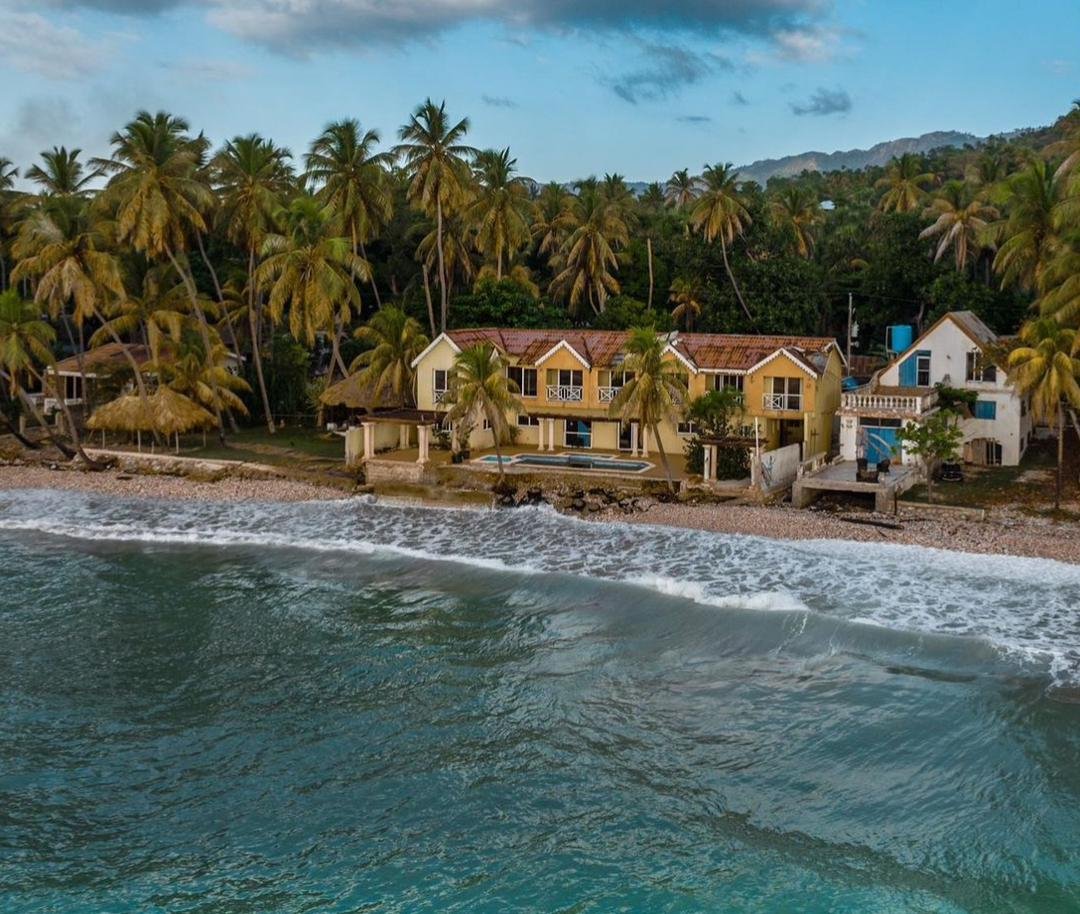
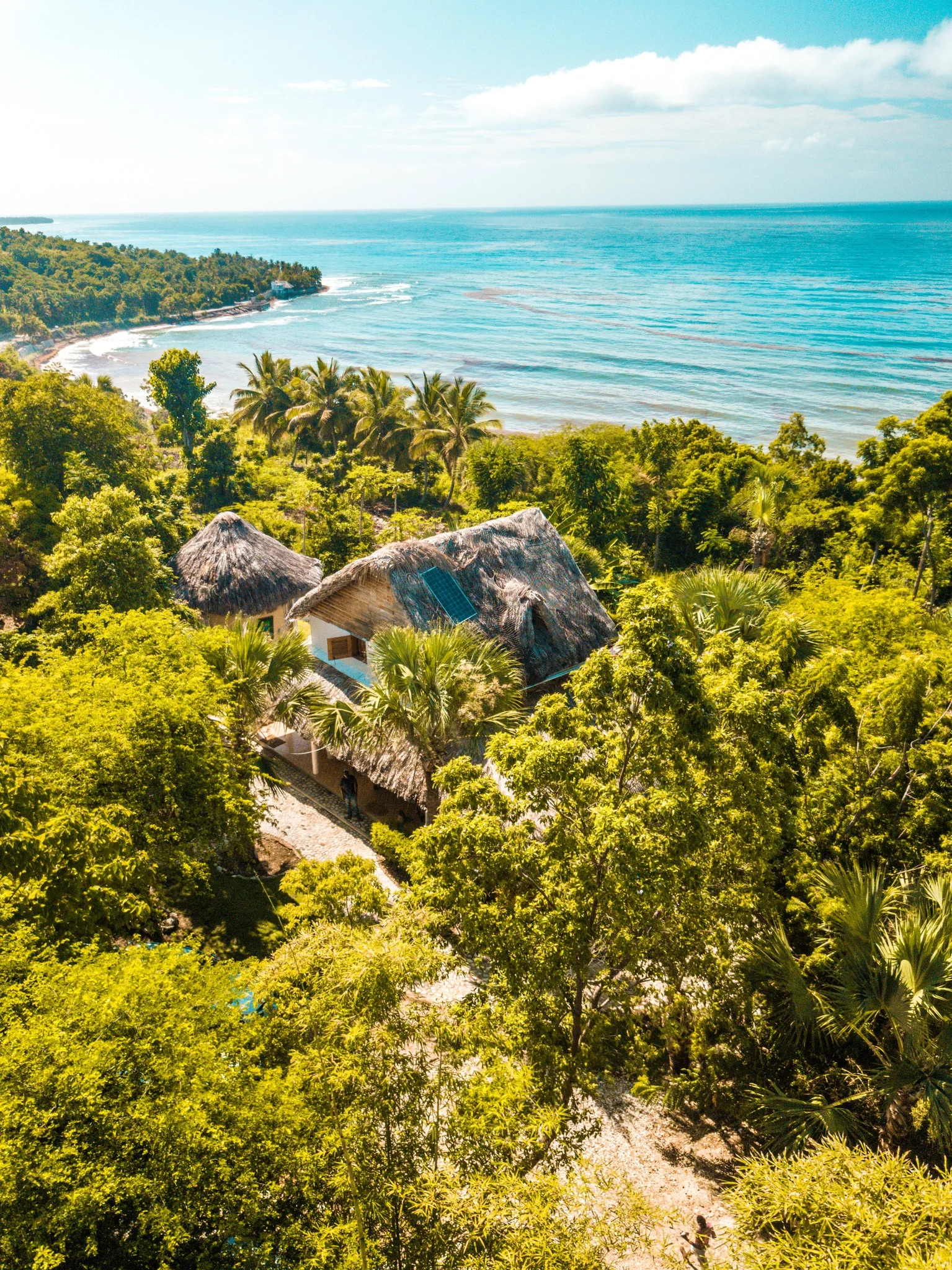
Haïti is blessed with spectacular natural landscapes, including white sand beaches, mountains and rich biodiversity.

Heritage

Heritage

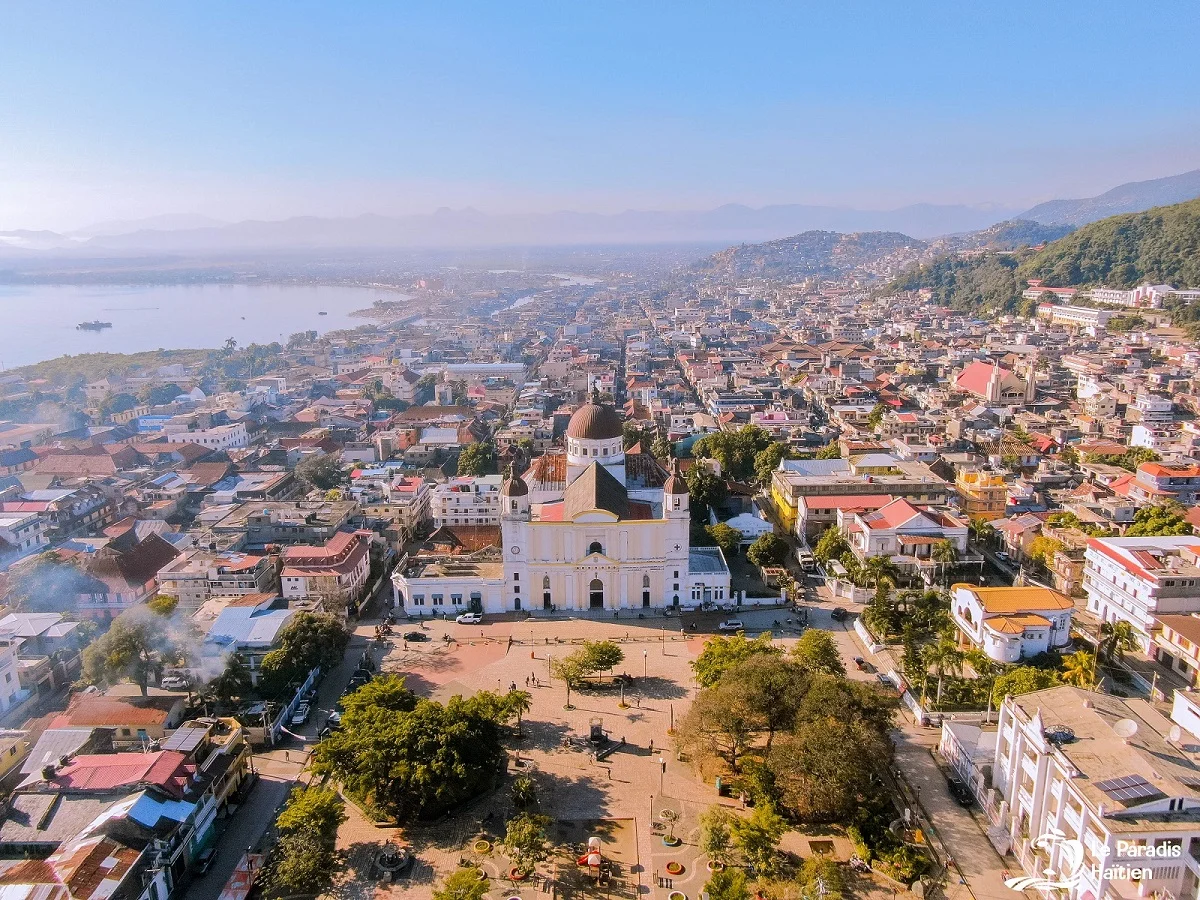
Haïti has a rich historical heritage, including sites like the Citadelle Laferrière and the Sans-Souci Palace, listed as UNESCO World Heritage Sites.

Culture

Culture

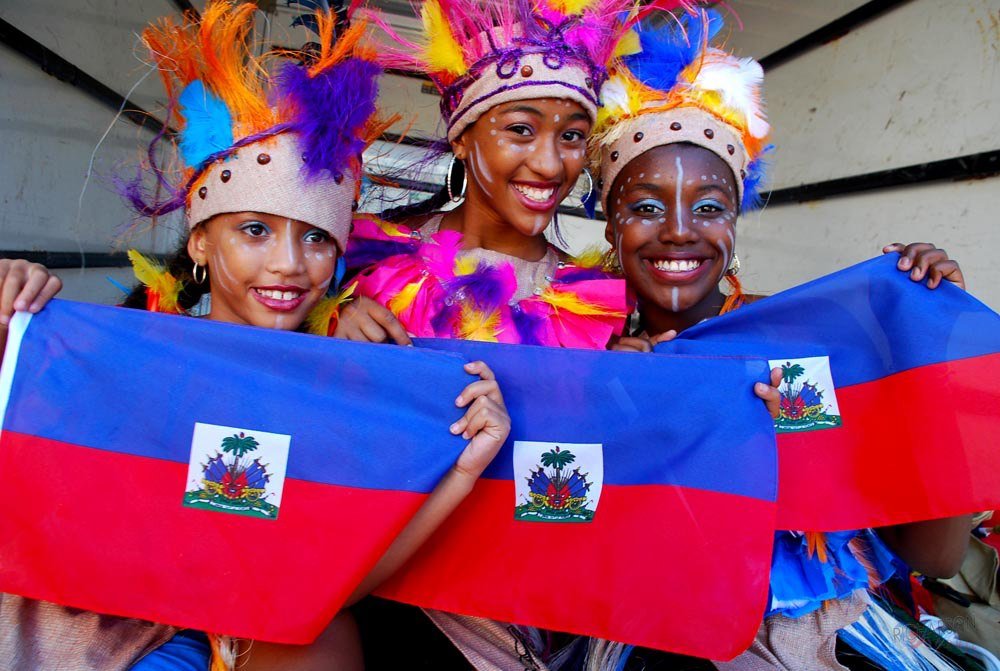
Haïti has a rich and diverse culture, influenced by African, European and indigenous elements. Haitian music, dance, art and cuisine are celebrated around the world.

  • +
    • Post