contact@haitiwonderland.com+509 36184317

Discover

Shopping Cart

Haïti : Citadelle la FerrièreHaïti : Citadelle la Ferrière

News / Good to know / View Recent Posts

Recently Posted

Haiti: Flora and Fauna

Haiti, located on the western part of the Caribbean island of Hispaniola, is often associated with its rich and complex history. However, beyond its cultural and historical aspects, Haïti is home to a remarkable diversity of fauna and flora that deserves to be explored and preserved. This article highlights the ecological wealth of Haiti, emphasizing its unique flora and fauna. Fauna: Haïti is home to a variety of animal species, some of which are endemic to the island. The country’s tropical rainforests are home to a great diversity of birds. The rugged mountains provide suitable habitat for rare species. The waters surrounding Haïti are also rich in biodiversity. Colorful corals, tropical fish and sea turtles find refuge in the coral reefs along the coast. Conservation efforts are crucial to protect these fragile marine ecosystems and preserve marine life. Flora: Haiti’s landscapes are adorned with a wide variety of plants and flowers. The tropical rainforests are home to majestic trees, the Hispaniola pine and the gum tree. These forests play an essential role in climate regulation and the preservation of biodiversity. The coastal plains are dotted with palm trees, including Haiti’s iconic royal palm. Botanical gardens, such as the Jardin Botanique des Cayes, are havens of greenery where you can admire a wide variety of tropical plants, some of which are endemic to the region. Haiti, with its unique flora and fauna, is an ecological gem that deserves to be preserved for future generations. Awareness, conservation and sustainable development are key elements to ensure the survival of this natural wealth. By investing in the protection of its environment, Haïti can not only preserve its ecological heritage, but also promote sustainable tourism and strengthen the resilience of its ecosystems in the face of current global challenges.

Haïti Wonderland: How to Rewrite the Narrative of Haïti on the Web?

For the last three decades the internet has transformed the way people live, access information and promote worthy causes. Institutions that embrace this technology lead the way in their respective industries and last, while countries that embrace this technology and wisely implement it enable themselves to thrive and build sustainable economies. After decades of existence, the internet has been shared with mainly two groups of people; those who use it as a tool to build, and those who use it as a tool of destruction. Those who see the internet as a bridge to make a positive impact in the world and those who see it as the comfy bed to never leave, hence, the difference between the consumer and producer. Unfortunately our beloved home, Haiti, has been of the former mindset. Is it a lack of vision, lack of skills and competences or is it lack of hard working individuals? Regardless what it is or had been for decades, now is the time to change the paradigm on all fronts necessary and reshape the future. If the past decades have been ruled by non-production and negative press, now is the time to change the paradigm by producing and using the limitless of the web to sell the beauty, the culture and the greatness of Haïti to the rest of the world. If the past has been ruled with a selective truth and an effort to showcase the worst and by extension create the worst narrative, now, my fellow Haitian, regardless of where you are on this planet, is the time for us to undertake this mission, to take responsibility and recreate the narrative of our mother land. A narrative based on truth and transparency, a narrative that tells the story of who we are and certainly who we are not, a narrative to invite the world to explore and see for themselves. It is our duty. If not now, when? If not you and I, then, who? Our main mission at Haïti Wonderland is to rewrite the narrative of Haïti on the web. Then use the internet to bring Haïti back to the top of the touristic destination map once again. Those are what motivate us, the oxygen that we breath, they are the reason we wake up in the morning and fight. We didn’t choose this path because we know it will be easy but we choose it because: 1. It is a noble cause 2. It is necessary and 3. It must be done. But must importantly we take this path because we know you and every Haitian in this world, who knows the truth about Haïti are tired with what you see when typing Haïti on the web, and at the same time understand that something must change, and it must be done as soon as possible. We know you are ready for this, and together we will change the narrative of Haïti on the web and we will bring Haïti back to the top of the touristic destination map. This is a call of duty to you, regardless of your field of endeavor or where you’re located in this world. This is a call to join (http://haitiwonderland.com) to first see for yourself the movement you’re joining, then create your own account and start creating and sharing. Together we will rewrite the narrative of Haïti on the web. Thank you for joining this worthy cause. Let’s invite the world to discover the true face of Haiti.

Haiti: The Center department, one of the departments most resistant to natural earthquakes

The Center department, commonly called Plateau Central, is one of the ten (10) departments of Haïti most robust in the face of certain natural phenomena. Before becoming one of the ten (10) departments of Haiti, the Center department was part of the Great North. It is renowned for its natural landscapes, its biosphere climate and its resistance to certain natural phenomena. In addition to its natural productions such as corn, millet and livestock, the Center department is also known for its high mountains which constitute a robust defense against certain natural phenomena such as earthquakes and floods. Composed mainly of high mountains, the department of Charlemagne Peralte and Benoît Batravil is the only one of the ten (10) not to have an outlet to the sea. However, its inhabitants take advantage of the vast rivers, rivers and lakes which cross it . With an area of ​​3,487 km², the population of the Center department is estimated at 678,626 according to a study carried out in 2009. On this same area, the department is divided into four (4) districts and twelve (12) communes. Bordered to the east by the Dominican Republic, the Center department connects other departments of the country such as Nord and Artibonite, and connects the two countries of the island through border areas like Balladère, Hinche and Cerca Carvajal. In the Center department, there are sites that could attract tourists for their natural beauty. In Saut d’Eau, there is the Saut d’Eau waterfall, in Hinche we find the Zim basin, the Péligre lake, the Péligre hydroelectric dam, the Artibonite river, and the Deux river (2 ) Rooms in Thomonde, more precisely in "El Manni", not far from the communal section of Caille-Epin. Thanks to its strong mountains and its natural climate, the Center department remains one of the most resistant departments in the event of an earthquake in Haiti.

Recently Posted

History

History

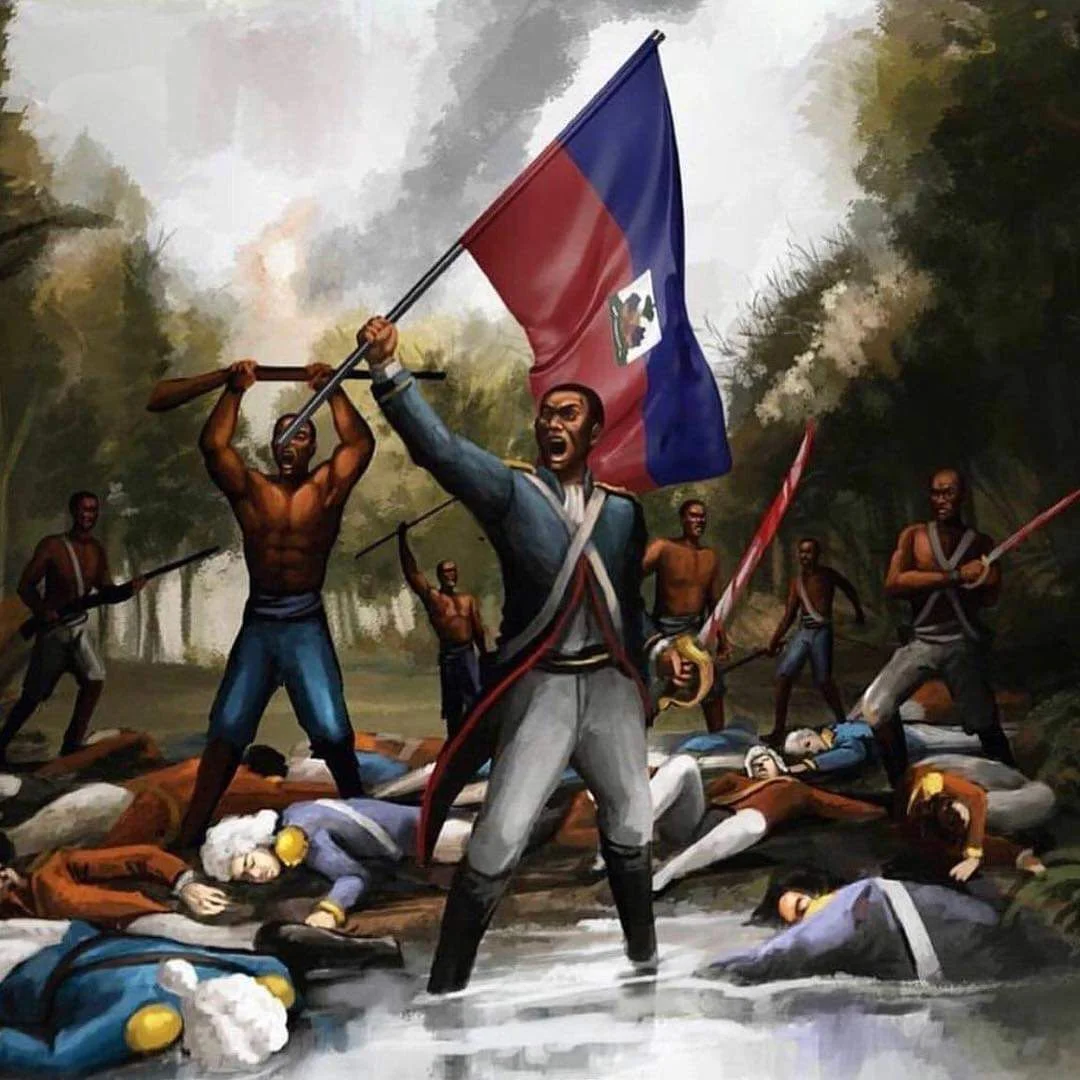
First black nation to free itself from slavery and gain independence from France in 1804 and influenced other liberation movements around the world, inspiring struggles for freedom and equality.

Natural beauty

Natural beauty

Haïti is blessed with spectacular natural landscapes, including white sand beaches, mountains and rich biodiversity.

Heritage

Heritage

Haïti has a rich historical heritage, including sites like the Citadelle Laferrière and the Sans-Souci Palace, listed as UNESCO World Heritage Sites.

Culture

Culture

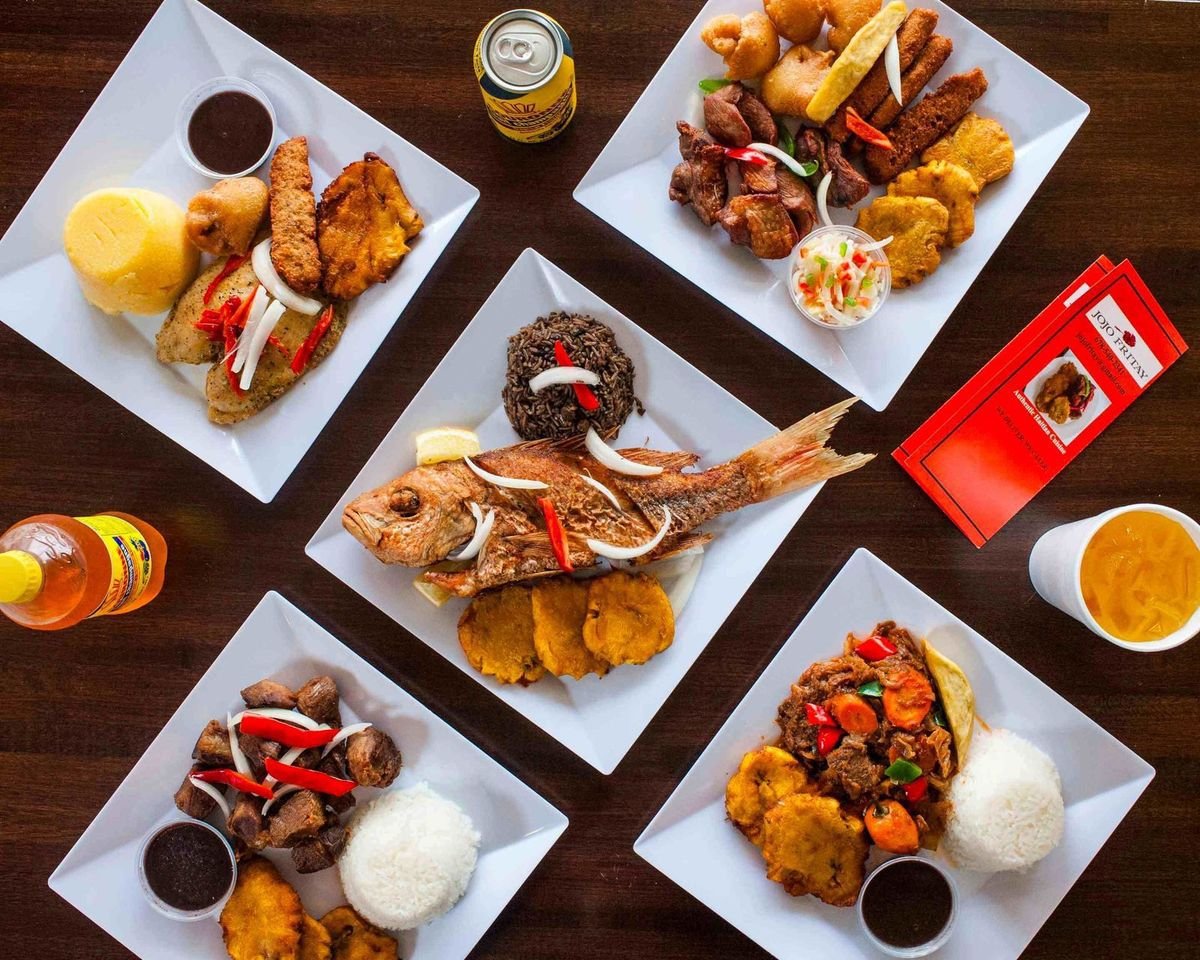
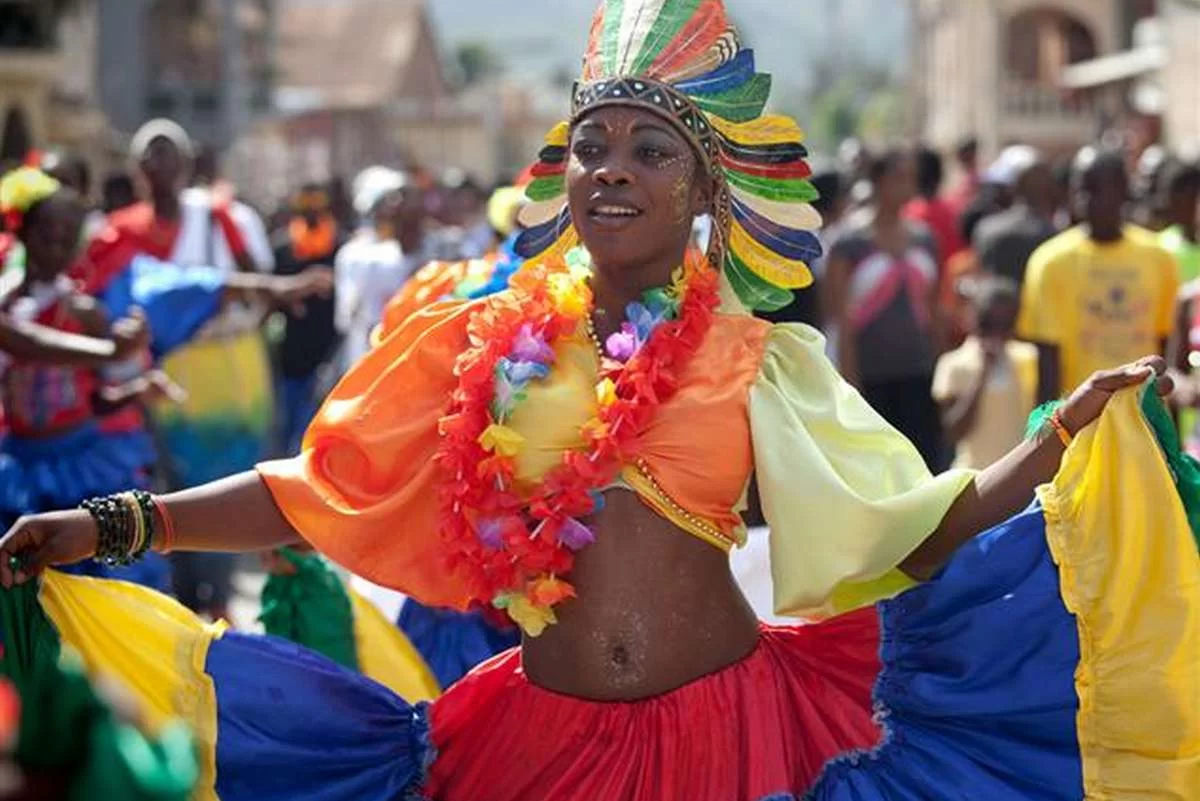
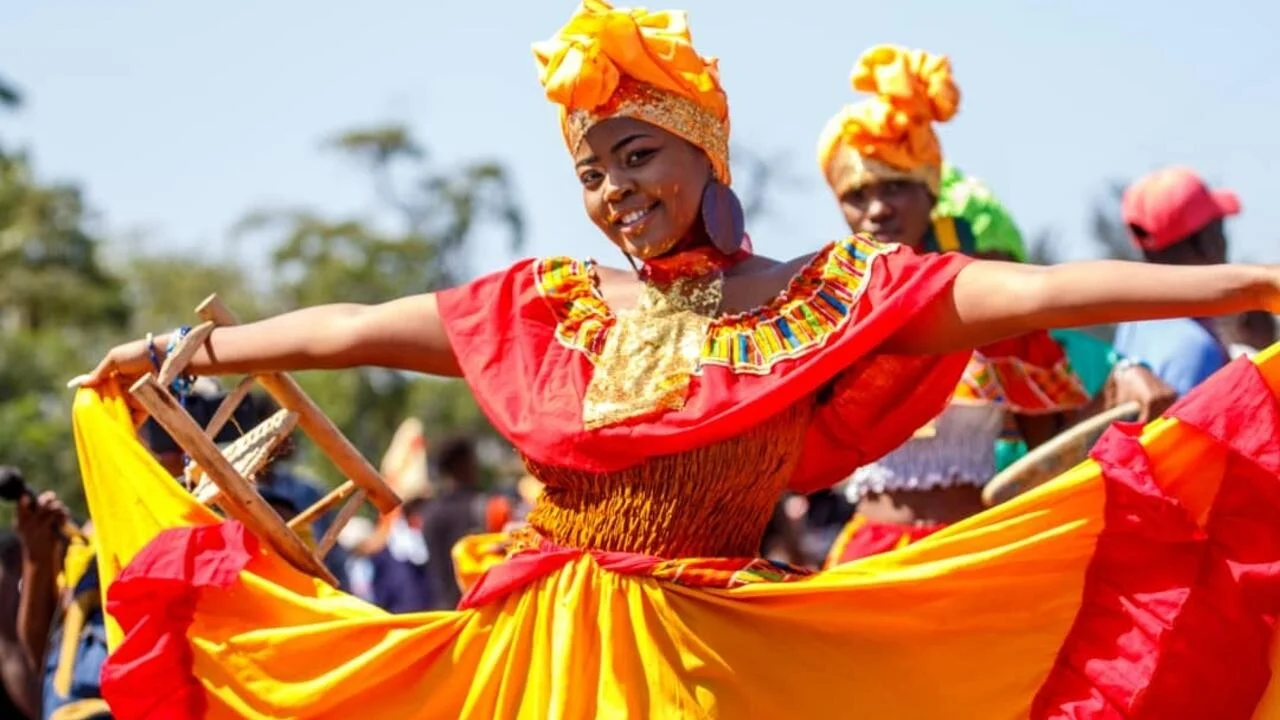
Haïti has a rich and diverse culture, influenced by African, European and indigenous elements. Haitian music, dance, art and cuisine are celebrated around the world.

  • +
    • Post