Haiti: History, Culture and Resilience of a Unique Caribbean Nation
Haiti, located in the Caribbean, occupies the western third of the island of Hispaniola, which it shares with the Dominican Republic to the east. Its capital, Port-au-Prince, is the political, economic and cultural heart of the country. With an area of approximately 27,750 km², Haïti is home to nearly 12 million people, making it one of the most densely populated countries in the Caribbean region. This island nation’s rich and tumultuous history, unique cultural heritage and resilience in the face of challenges make it a fascinating and inspiring country.
Haïti is distinguished by its history of struggle for freedom and equality. During the colonial era, it was called "Saint-Domingue" under French rule and became one of the most prosperous colonies thanks to sugar, coffee and indigo plantations. However, this wealth was based on the cruel exploitation of African slaves.
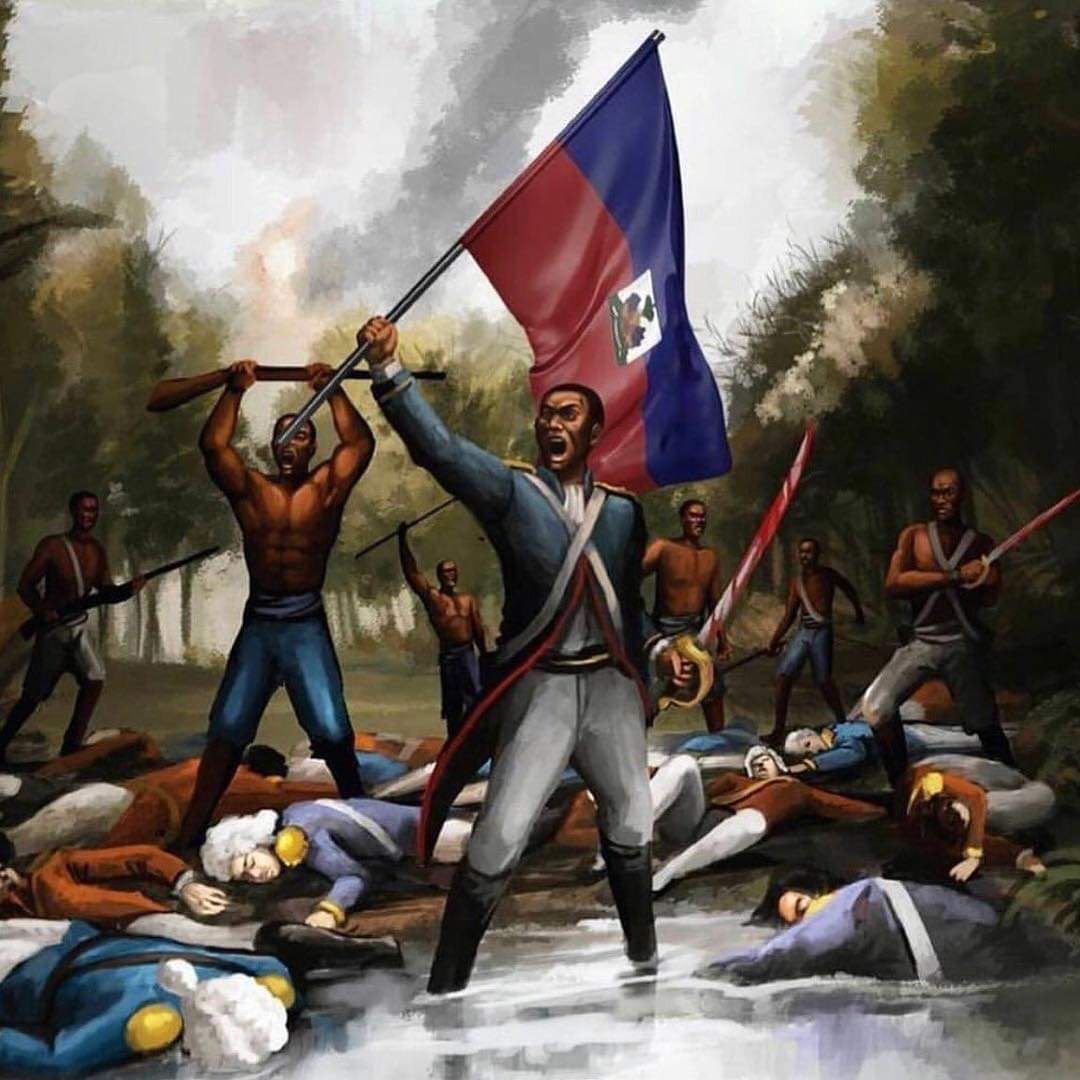
The Haitian Revolution, which began in 1791, was a direct response to this oppression. Led by leaders such as Toussaint Louverture, Jean-Jacques Dessalines and Henri Christophe, the slaves rebelled against the French colonists. In 1804, after years of war, Haïti declared its independence, becoming the first independent black state and the first country in the Americas to abolish slavery. This historic victory resonated internationally, influencing abolitionist and anti-colonialist movements around the world.
Haitian culture is a rich blend of African, French, Spanish, and Native American influences. Haitian Creole, the national language, and French, the official language, are the two languages spoken in the country. Religion is also a reflection of this cultural diversity: although the majority of the population is Catholic, Voodoo, a religion of African origin, is widely practiced and is a pillar of Haitian identity. This ancestral cult plays a major role in daily life and is celebrated through rituals, ceremonies, and festivals.
The arts occupy a central place in Haitian culture. Music, especially the compas and the rara, is deeply rooted in the daily lives of the Haitian people. Haitian paintings, famous for their bright colors and naïve style, are a testament to the creativity and unique vision of Haitian artists. Haitian literature is also rich, with internationally renowned authors such as Jacques Roumain, René Depestre and Dany Laferrière, who have helped to make their country’s voice and challenges known.
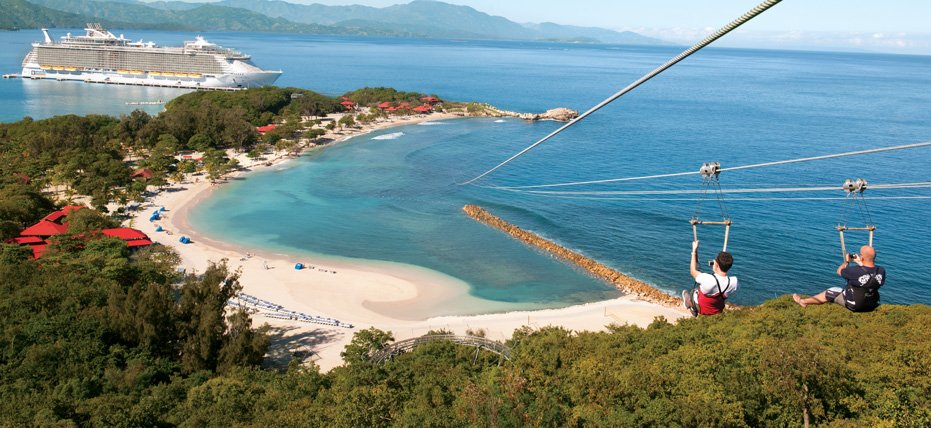
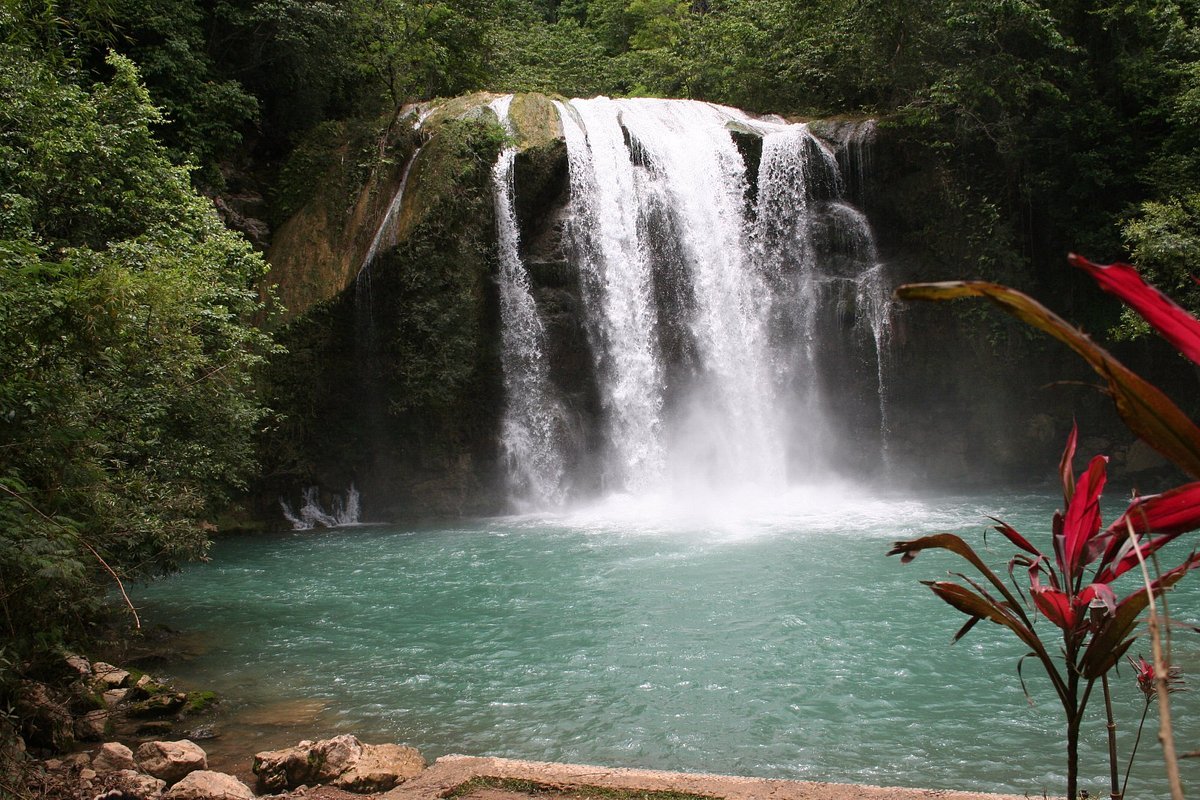
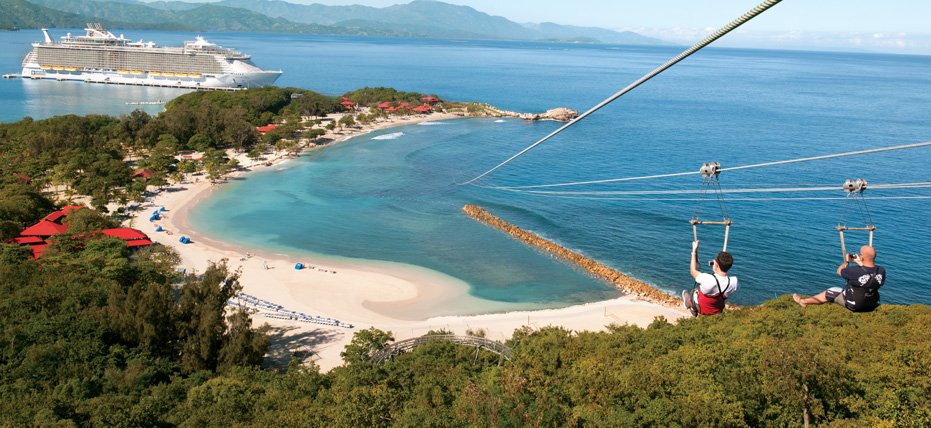
Haïti is known for its mountainous landscapes, earning it the nickname "The Pearl of the Antilles". The country has an impressive biodiversity with tropical forests, white sand beaches, rivers and waterfalls.
The Haitian economy is mainly based on agriculture, although this sector is weakened by infrastructure problems, traditional cultivation techniques and natural disasters. The main agricultural products are coffee, cocoa, sugar cane, rice and tropical fruits. In addition to agriculture, Haïti also has a textile industry that supplies some of its exports, particularly to the United States.
Political instability and corruption have often hampered the country’s economic development. In addition, the Haitian diaspora, particularly large in the United States, Canada, and France, plays a vital role in sending remittances that support many families and contribute significantly to the country’s gross domestic product (GDP).
Despite its challenges, the Haitian people are recognized for their resilience and determination. For several decades, Haïti has received significant international aid to support its development, particularly in the areas of education, health, and infrastructure. Non-governmental organizations (NGOs), UN agencies, and various international partners work to improve the living conditions of Haitians.
Haitian youth, in particular, are a source of hope for the country. More and more young Haitians are getting involved in local development projects, environmental protection and strengthening civil society. This generation aspires to a better future and is ambitious to make Haïti a more stable, prosperous and internationally respected country.
Haïti is much more than a country marked by difficulties. It is a land of history, culture and courage. From the Haitian Revolution, a symbol of freedom and emancipation, to the art and literature that reveal the soul of its people, Haïti embodies a rich heritage that the world cannot ignore. Its inhabitants, in the face of incessant challenges, continue to build their future with resilience, dignity and a pride that testifies to their deep attachment to their nation and their traditions.
First black nation to free itself from slavery and gain independence from France in 1804 and influenced other liberation movements around the world, inspiring struggles for freedom and equality.
Natural beauty
Haïti is blessed with spectacular natural landscapes, including white sand beaches, mountains and rich biodiversity.
Heritage
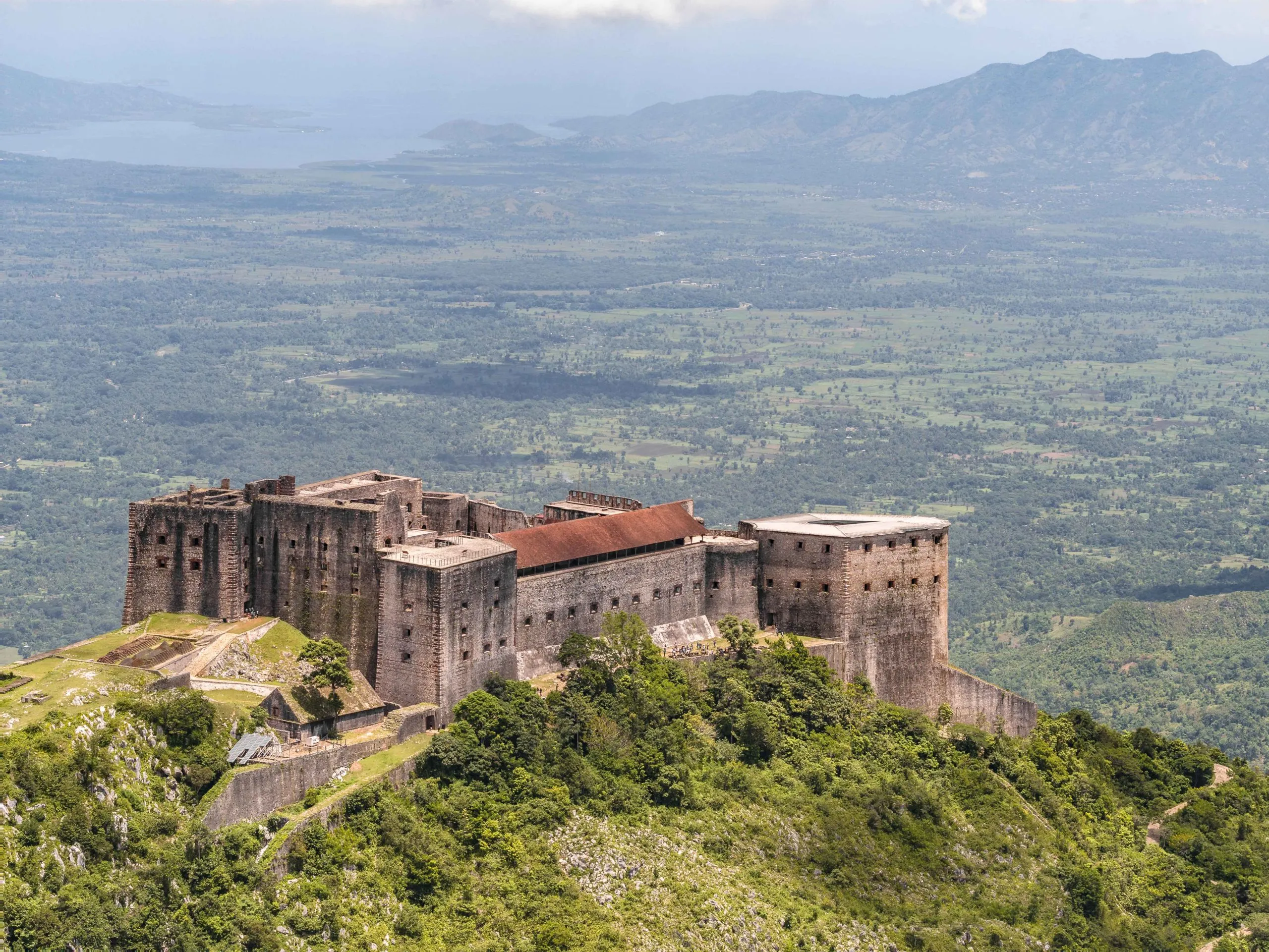
Haïti has a rich historical heritage, including sites like the Citadelle Laferrière and the Sans-Souci Palace, listed as UNESCO World Heritage Sites.
Culture
Haïti has a rich and diverse culture, influenced by African, European and indigenous elements. Haitian music, dance, art and cuisine are celebrated around the world.