contact@haitiwonderland.com+509 36184317

Discover

Shopping Cart

Beyond the clichés: Discover the real Haiti

Beyond the clichés: Discover the real Haiti

Haiti, pearl of the Caribbean, often overshadowed by stereotypes and negative images. But beyond these clichés lies a nation of stunning natural beauty, rich in natural resources, steeped in vibrant culture and blessed with a fascinating historical heritage. From its idyllic beaches and majestic mountains to its bustling cities and friendly people, Haïti offers a unique and unforgettable experience to those who take the time to discover it.

Haïti
Haïti
Haïti

The natural beauty of Haiti

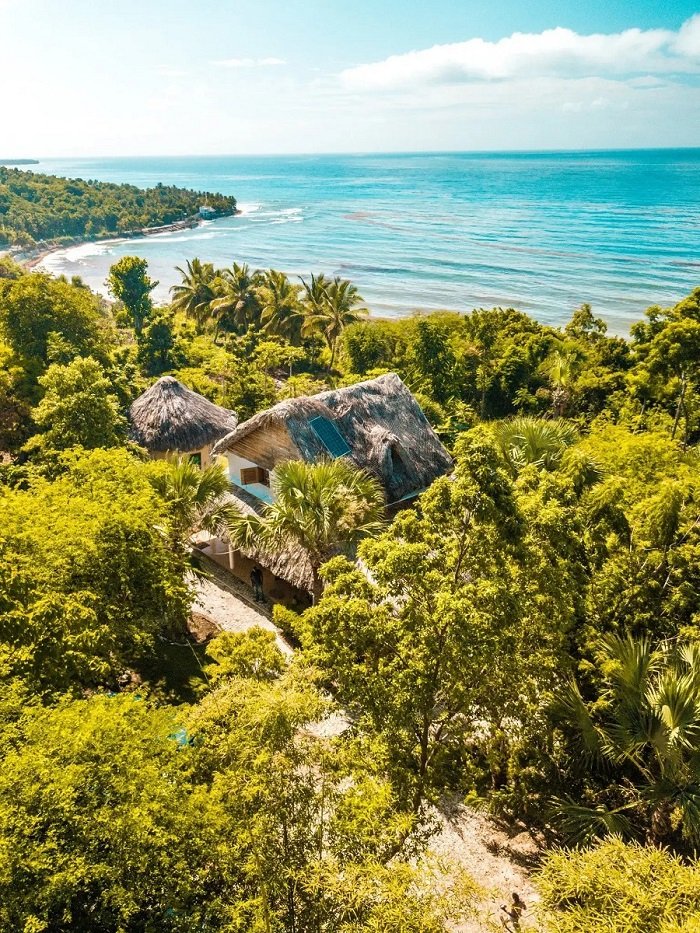
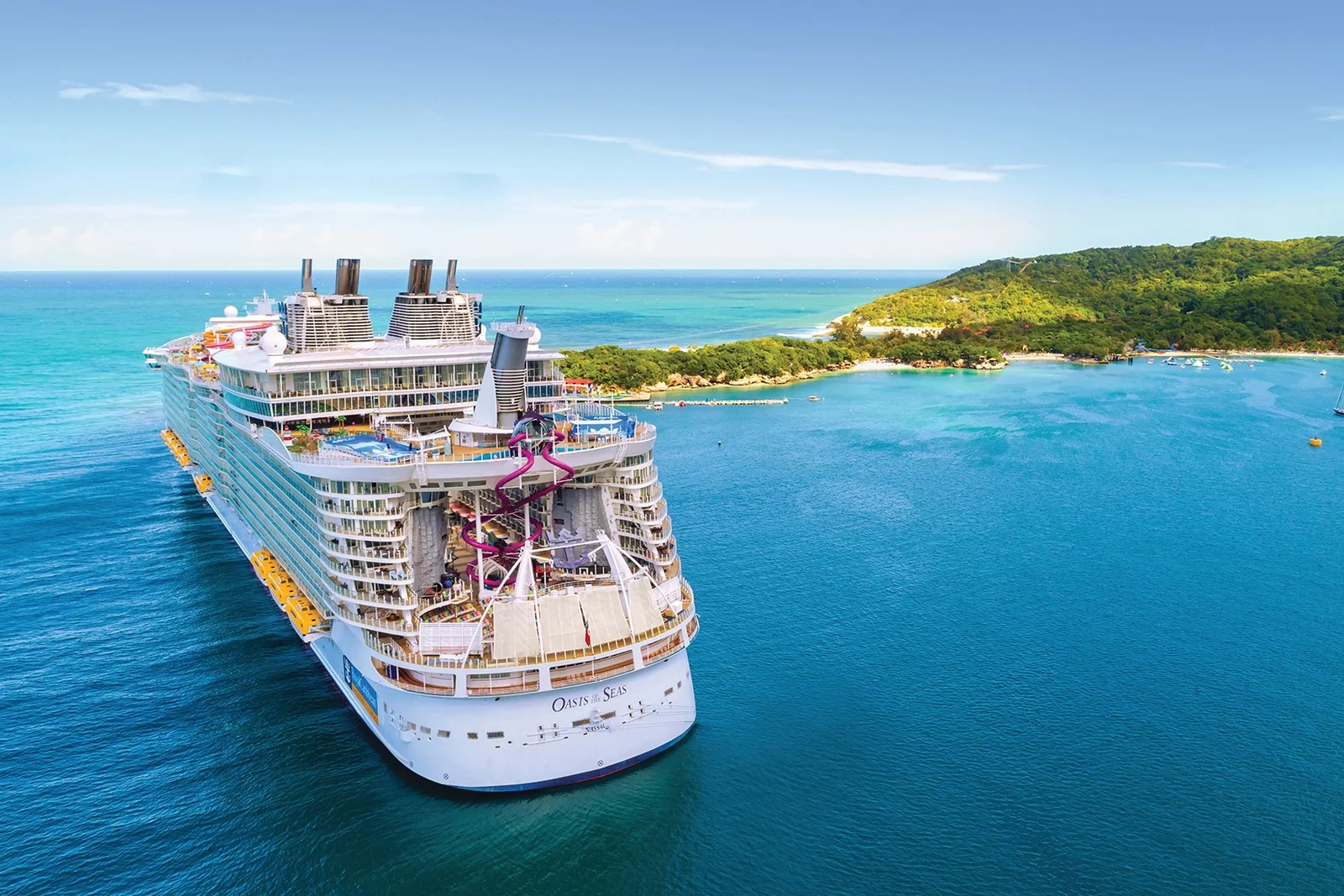
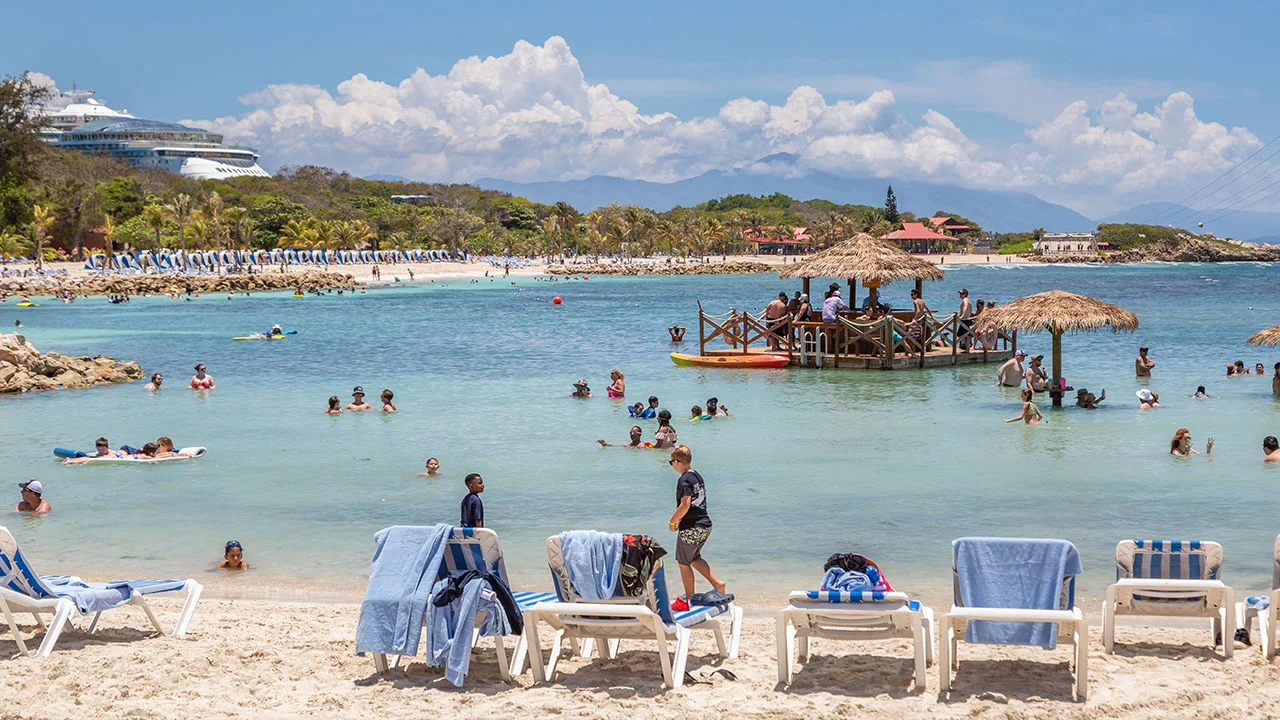
Located in the Caribbean, Haïti dazzles with its natural beauty. Its white sand beaches, lined with swaying palm trees, offer a tropical paradise worthy of postcards. Gems like Labadee and Rat Island attract travelers from around the world with their turquoise waters and unspoiled coral reefs, perfect for scuba diving and relaxing in the sun.

Aside from the coasts, Haiti’s mountainous interior reveals spectacular landscapes. The mountains of the Massif de la Hotte range are home to remarkable biodiversity, with fascinating endemic species to discover on hikes through lush forests and green valleys. La Visite National Park also offers scenic hiking trails through breathtaking mountain landscapes.

Haïti
Haïti
Haïti

Natural resources and tourist places

In addition to its natural beauty, Haïti is full of valuable natural resources. From impressive waterfalls and soothing thermal springs to winding rivers and fertile lands suitable for agriculture, the country offers an abundance of riches to explore.

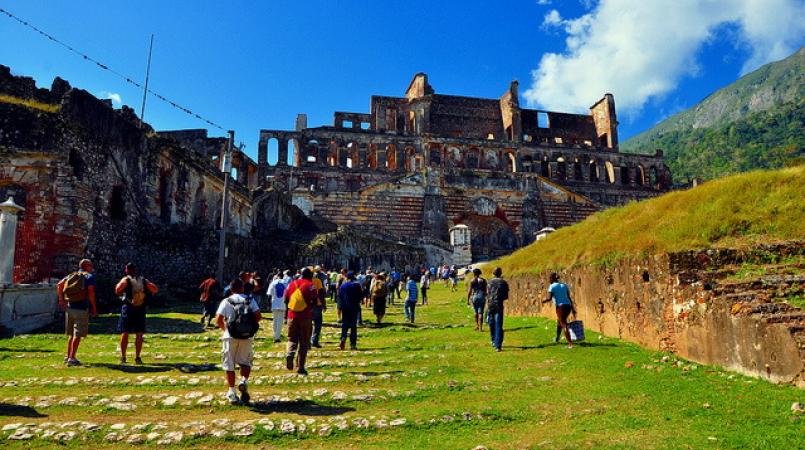
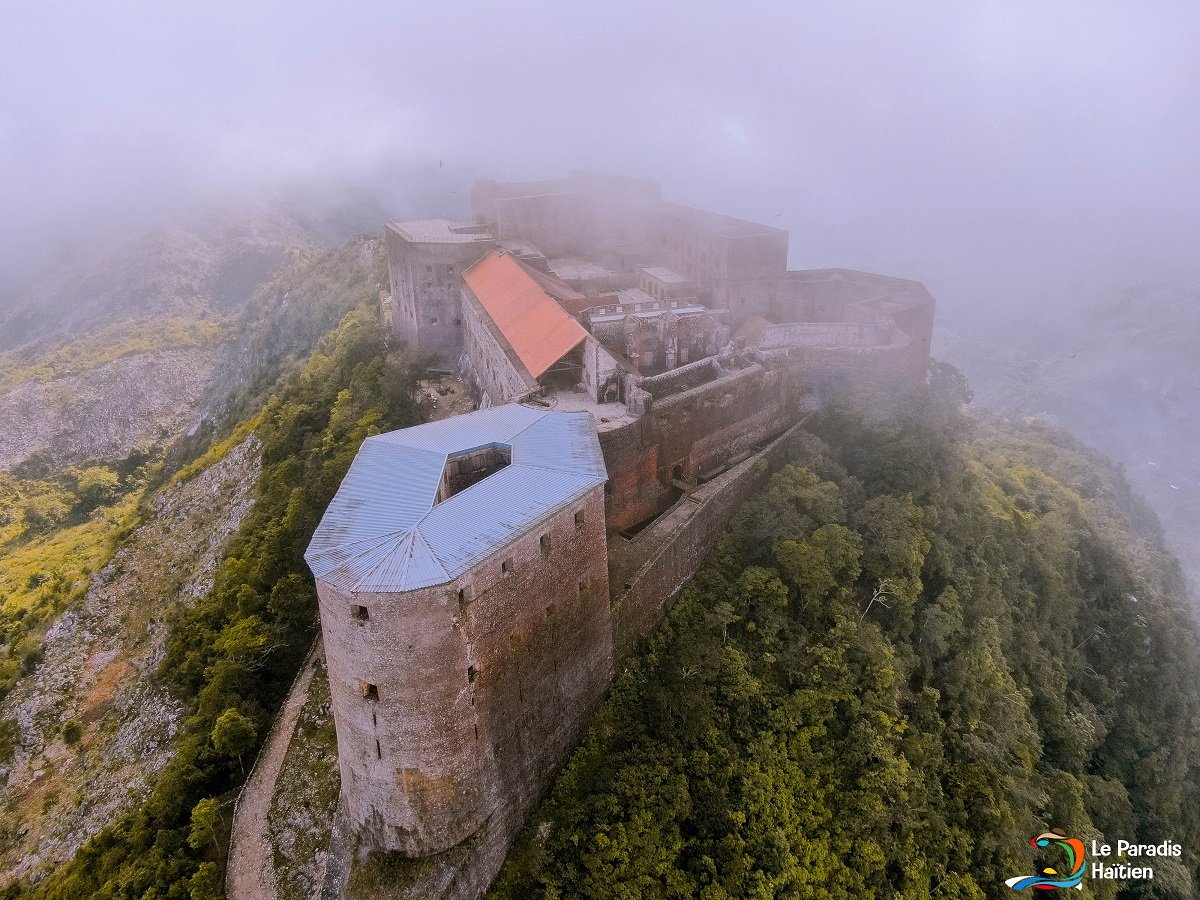
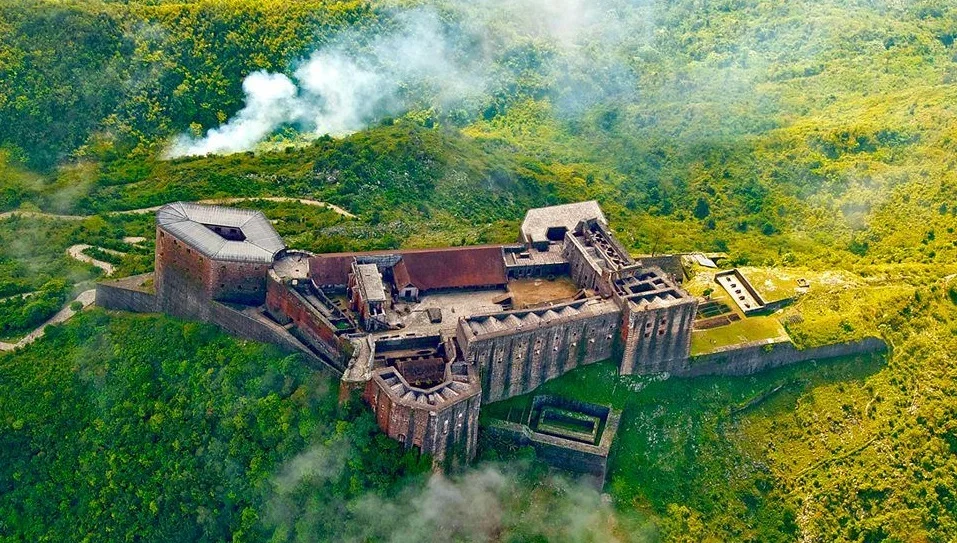
Visitors should not miss Haiti’s historical treasures. The Citadelle Laferrière, perched on a mountain near Cap-Haitien, is a marvel of military engineering and a UNESCO World Heritage Site. Likewise, the Sans-Souci Palace, a former royal residence, offers a fascinating insight into the country’s tumultuous history.

Haïti
Haïti
Haïti

Vibrant culture and tropical climate

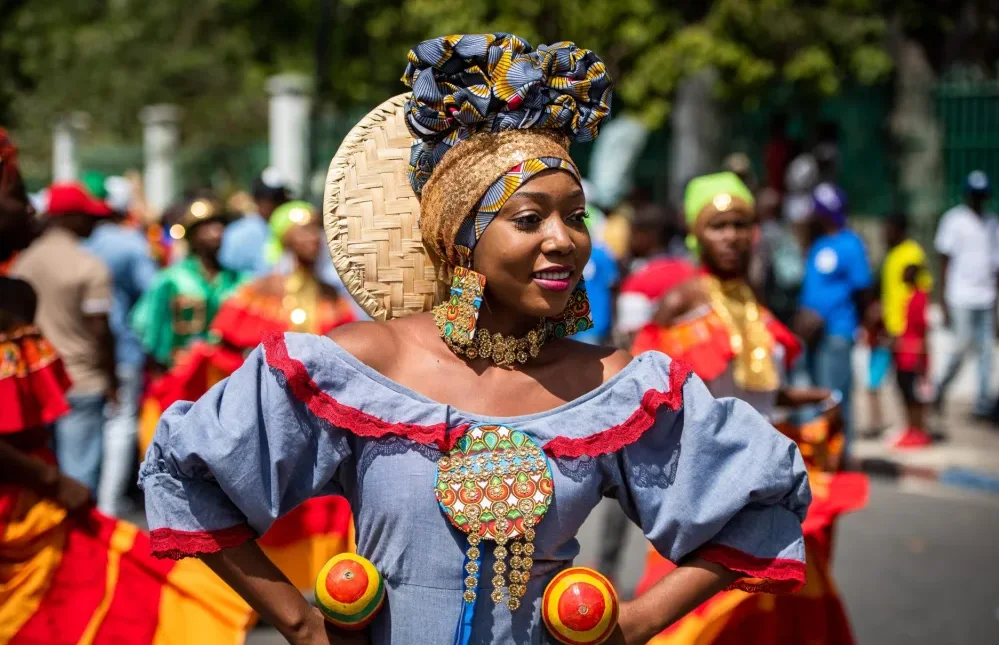
Haitian culture is a heady blend of African, European and Caribbean influences, reflecting the diversity and resilience of the Haitian people. From the upbeat music of the Haitian compass to colorful festivals celebrating the voodoo tradition, every aspect of Haitian culture is infused with vibrant energy and an infectious joie de vivre.

Haiti’s tropical climate offers warm temperatures year-round, making it an ideal destination for those seeking sun and warmth. Whether you prefer to relax on a secluded beach, explore fascinating historical sites, or immerse yourself in the vibrant nightlife of Haitian cities, you will always find something to discover in this Caribbean gem.

Haïti is much more than the stereotypes that surround it. It is a country of stunning beauty, cultural richness and fascinating history that deserves to be explored and appreciated. By daring to look beyond the clichés, travelers will discover the true essence of Haïti and fall in love with it.

Haïti: The Pearl of the Antilles

Haïti: The Pearl of the Antilles

Located in the Caribbean Sea, Haïti is often nicknamed "The Pearl of the Antilles". This laudatory title not only reflects the beauty of its idyllic beaches, but also the history, culture and natural wealth of this island nation. Throughout the centuries, Haïti has acquired this prestigious reputation for various reasons, which go beyond its picturesque landscapes. b~Natural Beauty:~b Haïti is blessed with an abundance of natural beauty. Its sandy beaches, crystal clear waters, majestic mountains and lush valleys make it a dream destination for travelers from all over the world. Generous nature has endowed Haïti with impressive ecological diversity, which has helped shape its image as the pearl of the Antilles. b~Cultural Wealth:~b Beyond its landscapes, it is the richness of Haïtian culture which contributes to its reputation as a pearl. Haïti has a fascinating history, blending influences from indigenous Taino people, European settlers and African slaves. This cultural fusion gave rise to a unique artistic and musical tradition, embodied in expressions such as voodoo, naive painting and compass music. b~Historical Heritage:~b Haïti has played a central role in the history of the struggle for freedom and equality. In 1804, it became the first independent republic in Latin America and the Caribbean, after a revolution led by freed slaves. This courageous act of independence established Haïti as a symbol of resistance and determination, adding a historic dimension to its status as the pearl of the Antilles. b~Natural Resources~b Haïti is abundant in valuable natural resources, which has contributed to its nickname as the Pearl. Mineral-rich mountains, fertile soils and abundant water reserves have made Haïti a land of opportunity. Haïti, the pearl of the Antilles, is much more than just a tourist destination. It is a country whose natural beauty, cultural richness, historical heritage and natural resources contribute to a unique identity. It remains a jewel in the crown of the Caribbean, reminding the world of the strength and resilience of the Haïtian people.

Share
About the Author
Appolon Guy Alain
Appolon Guy Alain
Appolon Guy Alain

Full Stack Developer, Créatif, expérimenté, passionné des nouvelles technologies et de l’art.

See other articles from Appolon Guy Alain
Leave a comment

Recently Posted

Haïti / Fort Saint-Joseph: Historical Vestige of the Resistance

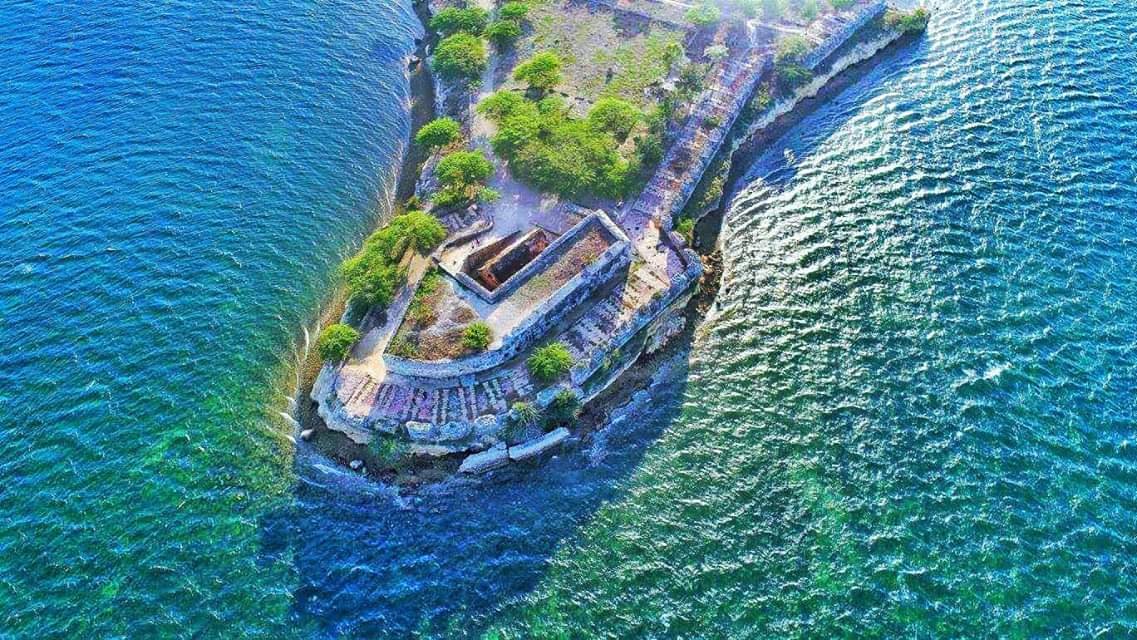
Located in the Bay of Cap-Haitien, Fort Saint-Joseph stands like a silent guardian of Haiti’s tumultuous history. Built in two stages, in 1748 and 1774, this defensive work was once a crucial element of the city’s protection system against French colonial assaults. Alongside other forts such as Picolet and Magny, its mission was to control maritime passages and defend Haitian sovereignty. However, its history is not limited to its defensive function. In 1802, then under the control of General Henry Christophe, the fort became the scene of a heroic act of resistance. Faced with the French expeditionary army, Christophe ordered the destruction of the powder magazine and the entrance gate to the fort, thus rendering it temporarily unusable. This courageous gesture, although tactical, left indelible scars on the very structure of the fort, testifying to the fierce clashes between French colonial forces and Haitian resistance fighters. These historic marks, still visible today, offer a window into the country’s tumultuous past. They allow visitors and historians to interpret the fierce struggles that forged Haitian identity. Fort Saint-Joseph, as a witness to the resistance and the struggle for freedom, embodies the indomitable spirit of the Haitian people. Recognizing its historical significance, the Haitian government officially classified Fort Saint-Joseph as national heritage in 1995. This recognition paved the way for restoration efforts aimed at preserving this precious vestige of Haitian military heritage. Thanks to collaboration between the public sector and local private funding, the fort has recently been restored and enhanced. Thus, Fort Saint-Joseph remains much more than a simple stone structure. It is a living symbol of the resilience and determination of the Haitian people, reminding all visitors that Haiti’s history is deeply rooted in the struggle for freedom and human dignity. To virtually discover this jewel of Haitian history, you can visit the following link: https://haitiwonderland.com/haiti-virtual-reality-ht/monuments-histoire/haiti--fort-saint-joseph--visite- virtual/11

Newsletter

Subscribe to our newsletter to stay informed of all our activities and news on Haiti.

Guédés: When Haïti celebrates its ancestors with color and fervor

Every November 1st and 2nd, Haïti comes alive with the colors black and purple to celebrate the Guédés, spirits venerated in the voodoo religion, symbols of a powerful bond between the living and the dead. Fascinating, indomitable and provocative, the Guédés form a true family in the pantheon of Haitian voodoo, where they are respected for their role as spiritual guides of the deceased to the afterlife. Led by iconic figures such as the legendary Baron Samedi and his companion Grann Brigitte, the Guédés embody the paradoxes of life and death. Each Baron has a unique personality: Baron Cimetière, Baron Kriminel, and Baron La Croix are the guardians of the souls that wander on the borders of the world of the dead. Together, they form a powerful and somewhat frightening presence, but one that is deeply rooted in Haitian culture. The Guédés are not like other voodoo spirits; they demonstrate their fearlessness in a spectacular way. Accustomed to death, they are fearless and are provocative: they eat glass, raw peppers, and coat their sensitive parts with rum and pepper. These gestures mark their indifference to danger and remind us that they have already known earthly life. They are thus psychopomps – these beings who lead the souls of the dead – and act as bridges between the world of the living and that of the dead. Some Guédés, like Guédé Nibo, wear black, purple, and white clothing, each with unique characteristics. They are many and varied: Guédé Fouillé, Guédé Loraj, Papa Guédé, and many others. These are the spirits who, each year, remind Haitians of the importance of remembering and honoring the deceased. The cult of the Guédés is not only religious; it is also cultural and historical. According to tradition, their spiritual territory, or “Fètomè” – nicknamed the “Country without Hats” – is a place where the souls of ancestors reside. According to stories, the origins of this cult go back to the Abomey plateau, the ancient capital of the kingdom of Dahomey, in Africa, where death and life coexist in a form of symbiosis. This celebration in Haïti even finds echoes in ancient history. The Romans also honored their dead with the “Fête des Lémuria”, which took place in February, to ward off spirits and restore peace between the world of the living and that of the deceased. For Haitians, honoring the Guédés is about accepting death as a part of life and celebrating the invisible bonds that unite us with those who have left us. It is also a way of resisting, because life, despite its challenges, must be celebrated in all its complexity and depth.

Recently Posted

History

History

First black nation to free itself from slavery and gain independence from France in 1804 and influenced other liberation movements around the world, inspiring struggles for freedom and equality.

Natural beauty

Natural beauty

Haïti is blessed with spectacular natural landscapes, including white sand beaches, mountains and rich biodiversity.

Heritage

Heritage

Haïti has a rich historical heritage, including sites like the Citadelle Laferrière and the Sans-Souci Palace, listed as UNESCO World Heritage Sites.

Culture

Culture

Haïti has a rich and diverse culture, influenced by African, European and indigenous elements. Haitian music, dance, art and cuisine are celebrated around the world.

  • +
    • Post