contact@haitiwonderland.com+509 36184317

Discover

Shopping Cart

What are the departments of Haiti?

What are the departments of Haiti?

Haiti, a country rich in history and culture, is divided into several administrative departments that structure its territory and reflect its geographical and cultural diversity. Each department has unique characteristics, contributing to the wealth of the nation. Discover the 10 departments of Haiti, their characteristics, and their role in the life of the country.

Haïti
Haïti
Haïti

An overview of the administrative organization of Haiti

The country is divided into 10 departments, themselves subdivided into districts, communes and communal sections. This organization aims to facilitate territorial management and decentralization.

- Total area of ​​Haiti: 27,750 km².
- Population: Approximately 12 million inhabitants, unevenly distributed between the departments.

Each department is a unique entity, characterized by its geography, economy and culture.

Haïti
Haïti
Haïti

List of the 10 departments of Haïti and their capitals

Here are the Haitian departments, accompanied by their capitals:

1. Artibonite
- Capital: Gonaïves.
- Special feature: Known as the agricultural granary of Haïti thanks to its vast fertile plains.
- Area: 4,984 km², the largest department in the country.

2. Centre
- Capital: Hinche.
- Special feature: Renowned for its mountainous landscapes and water resources, including Lake Péligre.

3. Grand’Anse
- Capital: Jérémie.
- Special feature: Famous for its beaches and literary heritage, being the birthplace of many Haitian poets.

4. Nippes
- Capital: Miragoâne.
- Special feature: Created in 2003, it is one of the newest and least populated departments in Haiti.

5. North
- Capital: Cap-Haïtien.
- Special feature: Home to the famous Citadelle Laferrière, a UNESCO World Heritage Site.

6. Northeast
- Capital: Fort-Liberté.
- Special feature: A department in full economic development thanks to its proximity to the Dominican Republic.

7. North-West
- Capital: Port-de-Paix.
- Special feature: Known for the islet of Tortue, which played a historical role in the pirate era.

8. West
- Capital: Port-au-Prince.
- Special feature: The most populated department, home to the national capital and the main political and economic institutions.

9. South
- Capital: Les Cayes.
- Special feature: Known for its heavenly beaches and annual carnival.

10. South-East
- Capital: Jacmel.
- Special feature: Renowned for its artistic and cultural scene, as well as its colorful carnival.

Haïti
Haïti
Haïti

Key figures on Haitian departments

- Largest department: Artibonite, with 4,984 km².
- Smallest department: North-East, with 1,805 km².
- Most populated department: West, with more than 4 million inhabitants.
- Least populated department: Nippes, with a lower density due to its rurality.

These departments reflect the geographical diversity of Haiti, between mountains, plains, coasts and forests.

Haïti
Haïti
Haïti

The importance of departments in daily life

Departments play a crucial role in organizing Haiti’s administrative, economic and social life:

- Administration: Each department is headed by a departmental delegate representing the central government.
- Economy: Natural resources and economic activities vary from one department to another (agriculture, tourism, fishing, crafts).
- Culture: Each region has its own traditions, music and festivities that enrich the national heritage.

This territorial structure is essential to meet local needs and strengthen community development.

A heritage to discover

Haiti’s departments, with their natural and cultural riches, are an invitation to explore the country in all its facets.

Have you ever visited a Haitian department? Share your experiences and impressions in the comments! Let yourself be inspired by this mosaic of regions that makes Haïti beautiful and strong.

Share
About the Author
Appolon Guy Alain
Appolon Guy Alain
Appolon Guy Alain

Full Stack Developer, Créatif, expérimenté, passionné des nouvelles technologies et de l’art.

See other articles from Appolon Guy Alain
Leave a comment

Recently Posted

Haïti: The Pearl of the Antilles

Located in the Caribbean Sea, Haïti is often nicknamed "The Pearl of the Antilles". This laudatory title not only reflects the beauty of its idyllic beaches, but also the history, culture and natural wealth of this island nation. Throughout the centuries, Haïti has acquired this prestigious reputation for various reasons, which go beyond its picturesque landscapes. b~Natural Beauty:~b Haïti is blessed with an abundance of natural beauty. Its sandy beaches, crystal clear waters, majestic mountains and lush valleys make it a dream destination for travelers from all over the world. Generous nature has endowed Haïti with impressive ecological diversity, which has helped shape its image as the pearl of the Antilles. b~Cultural Wealth:~b Beyond its landscapes, it is the richness of Haïtian culture which contributes to its reputation as a pearl. Haïti has a fascinating history, blending influences from indigenous Taino people, European settlers and African slaves. This cultural fusion gave rise to a unique artistic and musical tradition, embodied in expressions such as voodoo, naive painting and compass music. b~Historical Heritage:~b Haïti has played a central role in the history of the struggle for freedom and equality. In 1804, it became the first independent republic in Latin America and the Caribbean, after a revolution led by freed slaves. This courageous act of independence established Haïti as a symbol of resistance and determination, adding a historic dimension to its status as the pearl of the Antilles. b~Natural Resources~b Haïti is abundant in valuable natural resources, which has contributed to its nickname as the Pearl. Mineral-rich mountains, fertile soils and abundant water reserves have made Haïti a land of opportunity. Haïti, the pearl of the Antilles, is much more than just a tourist destination. It is a country whose natural beauty, cultural richness, historical heritage and natural resources contribute to a unique identity. It remains a jewel in the crown of the Caribbean, reminding the world of the strength and resilience of the Haïtian people.

Newsletter

Subscribe to our newsletter to stay informed of all our activities and news on Haiti.

Recently Posted

History

History

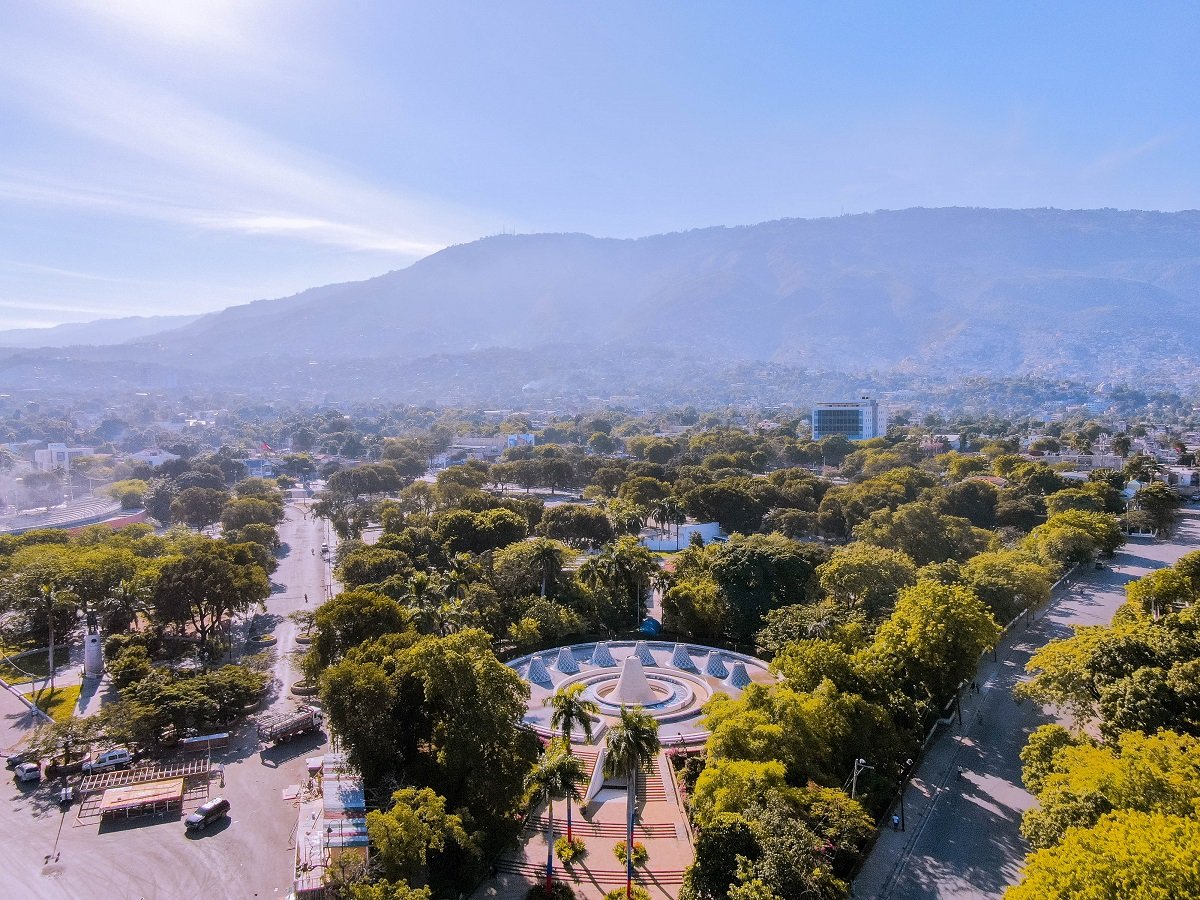
First black nation to free itself from slavery and gain independence from France in 1804 and influenced other liberation movements around the world, inspiring struggles for freedom and equality.

Natural beauty

Natural beauty

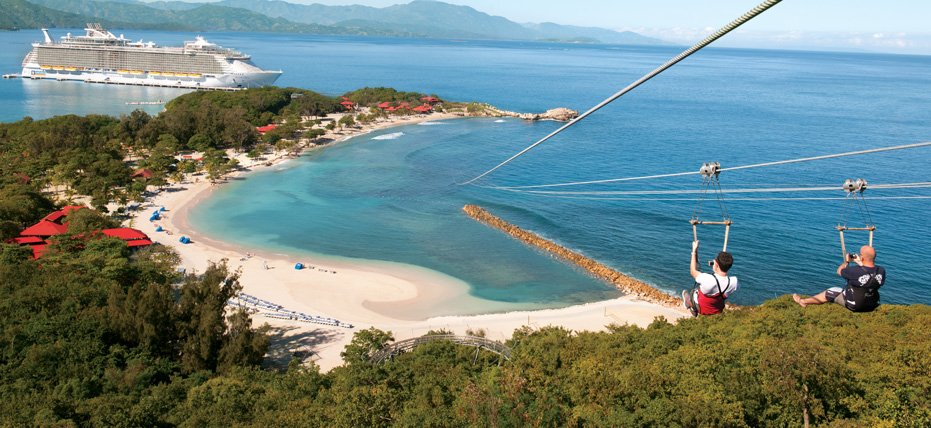
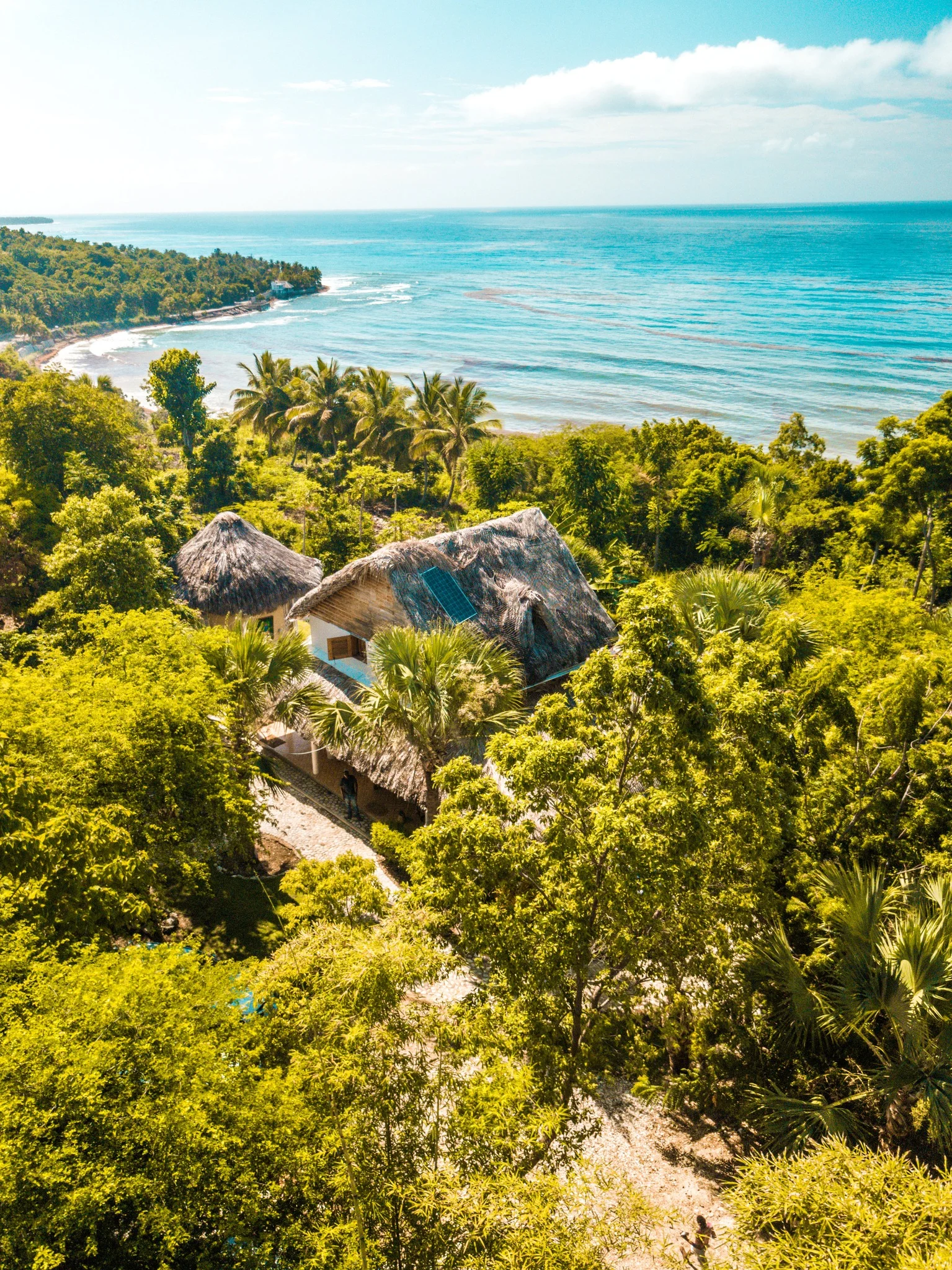
Haïti is blessed with spectacular natural landscapes, including white sand beaches, mountains and rich biodiversity.

Heritage

Heritage

Haïti has a rich historical heritage, including sites like the Citadelle Laferrière and the Sans-Souci Palace, listed as UNESCO World Heritage Sites.

Culture

Culture

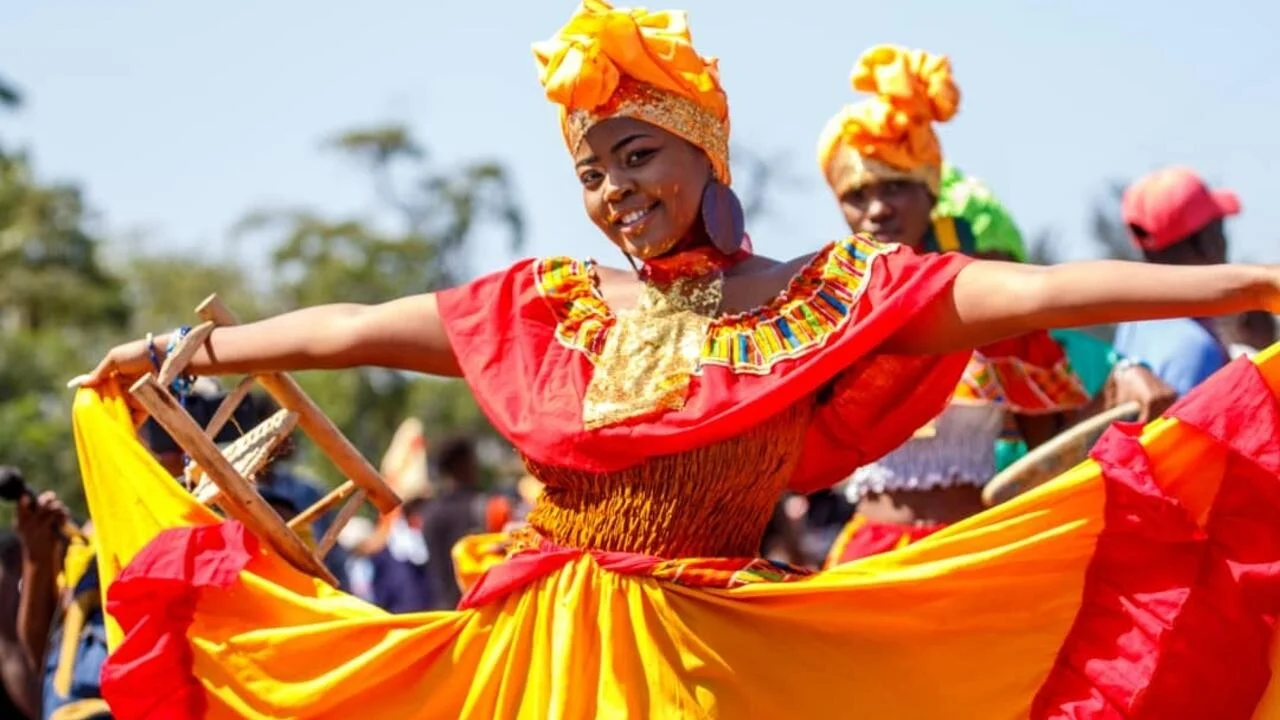
Haïti has a rich and diverse culture, influenced by African, European and indigenous elements. Haitian music, dance, art and cuisine are celebrated around the world.

  • +
    • Post