Top 10 Tourist Sites to Visit in Haiti
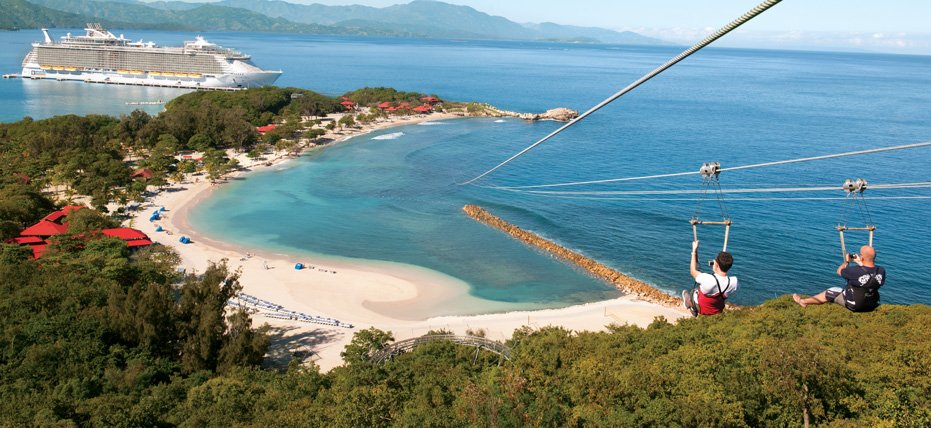
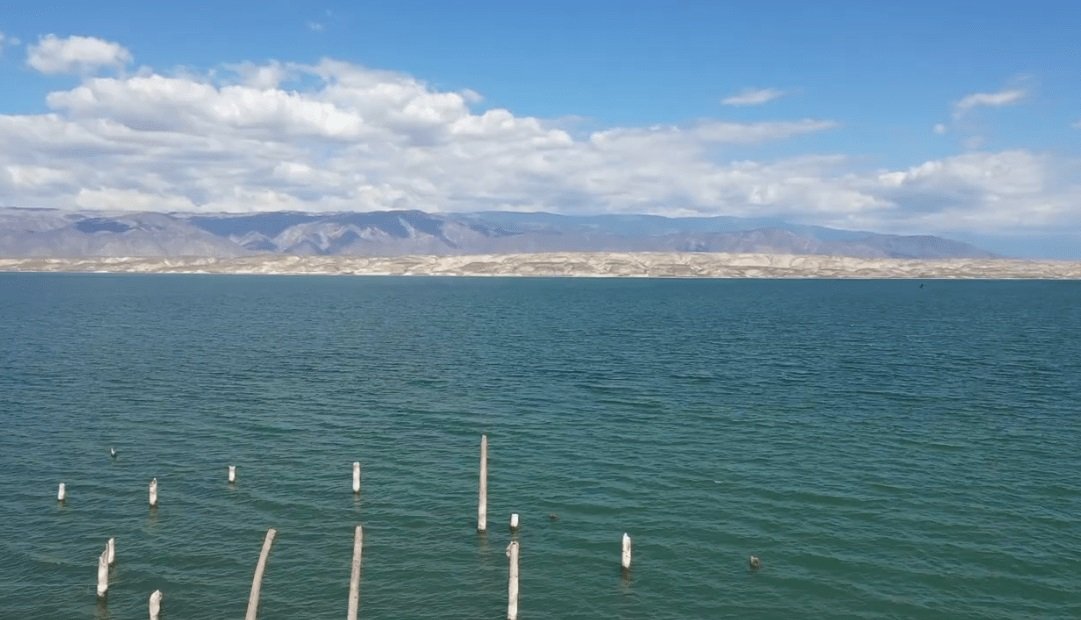
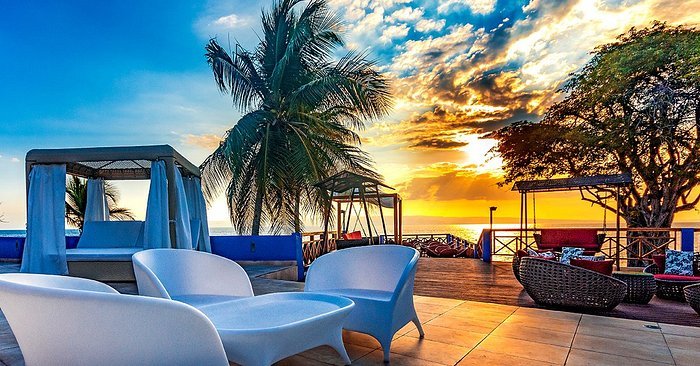
Haiti, with its rich culture and diverse landscapes, is a fascinating tourist destination. Here is a selection of the ten best tourist sites not to be missed during your visit to Haiti.

Haïti is a unique country in the Caribbean, not only for its revolutionary history, but also for its official languages: French and Haitian Creole. French, although spoken fluently by only a minority, plays a central role in the country’s administration, education, and culture. But why is this language so present in a country with African and Caribbean roots? This article explores the historical, cultural, and sociolinguistic origins of French in Haiti.
Christmas in Haïti is much more than just a Christian holiday: it is an opportunity to celebrate solidarity, generosity, and unity within families and communities. Haitians embrace this time as a time to gather, share, and reflect on the essential values of humanity. This article explores how Christmas in Haïti embodies these values of sharing and generosity through unique traditions, acts of solidarity, and festive meals.
Port-au-Prince, June 26, 2025 - During a ceremony held at the El Rancho Hotel, the Haïti Wonderland website haitiwonderland.ht was named the best Creole website using the .ht national domain for 2025. This prestigious award was presented at the national competition "Pi bon sit an kreyòl ki sèvi ak domèn .ht," organized by ISOC Haïti (Internet Society) and the Fondation Rezo pou Devlopman Dirab Ayiti (FRDDH).
Haiti has two mottos: "Unity is Strength" on its coat of arms and "Liberty-Equality-Fraternity" in its 1987 Constitution. Find out which one is official.
From March 8 to 21, 2025, the Emmanuel Charlemagne Municipal Cultural Center welcomes a vibrant and emotional celebration of femininity with MUSES, a unique exhibition as part of Women’s Fortnight. This event delves into the very essence of Haitian women, representing them in all their complexity, strength, and beauty through the works of four exceptional artists. Let yourself be swept away by this unique artistic experience that invites you to rediscover women in a new light!
Haiti, often called "the Pearl of the Antilles" and formerly known as "Hispaniola", is a Caribbean country rich in history and culture. It is home to several major cities that play crucial roles in its economic, political and cultural development. Each of these cities has its own character and particularities. Here is an exploration of the 15 major cities of Haiti:
Haïti is known for its significant history and its crucial role in the fight against slavery and for independence. The country gained independence from France on January 1, 1804, becoming the world’s first independent black republic and the first country in the Americas to abolish slavery. However, this independence came at an enormous cost, the effects of which are still felt today.
Haiti, a Caribbean island located in the Greater Antilles archipelago, has a cultural and historical heritage of unparalleled richness. From its picturesque beaches to its majestic mountains and historic monuments, the country bears witness to centuries of complex and fascinating history. This article explores some of Haiti’s most significant heritage and historical sites.
Haïti is often viewed online through the prism of poverty, political instability and natural disasters. Although these aspects are part of the Haitian reality, they do not entirely define it. Cultural richness, a glorious past, abundant natural resources, exquisite gastronomy and other attractions are equally important, but unfortunately less publicized, facets.
The Haitian Creole, born in the 17th century during the French colonization on the island of Hispaniola, is not only a communication tool; it is an essential part of the Haitian identity. Despite being recognized as an official language in 1987, French is still considered an elite language, creating a social divide. In the educational system, where French is the language of instruction, Creole is often neglected, which affects the ability of students to understand what they are learning, especially for children from rural areas. It has a unique grammatical structure that facilitates learning, and serves as a means of cultural expression in literature, music, and other arts. The advancement of technology will allow Creole to gain more visibility in social media, but the stigmatization of the language still exists. Therefore, it is important for Creole to be valued in education and other sectors, to allow the new generation to grow up with pride for their heritage. The Haitian Creole language, which is the first language for the majority of people in Haiti, is not only a means of communication, but it is also a reflection of the cultural wealth and history of the people. In a country full of diversity, Creole and its origin, its evolution and its place in society, is a testimony of resistance and adaptation.
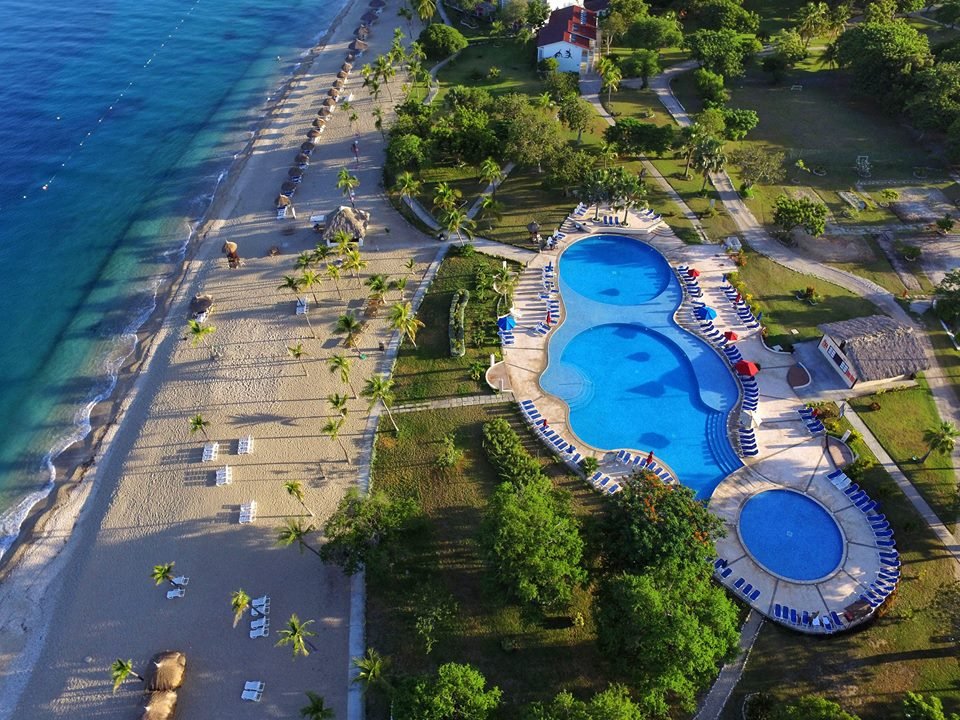
Haiti, the hidden gem of the Caribbean, offers a multitude of heavenly beaches that seduce with their natural beauty and tranquility. Far from the crowded tourist routes, these beaches offer an idyllic getaway for those looking for a true haven of peace. Here’s a look at Haiti’s most beautiful beaches, each one unique in its own way.
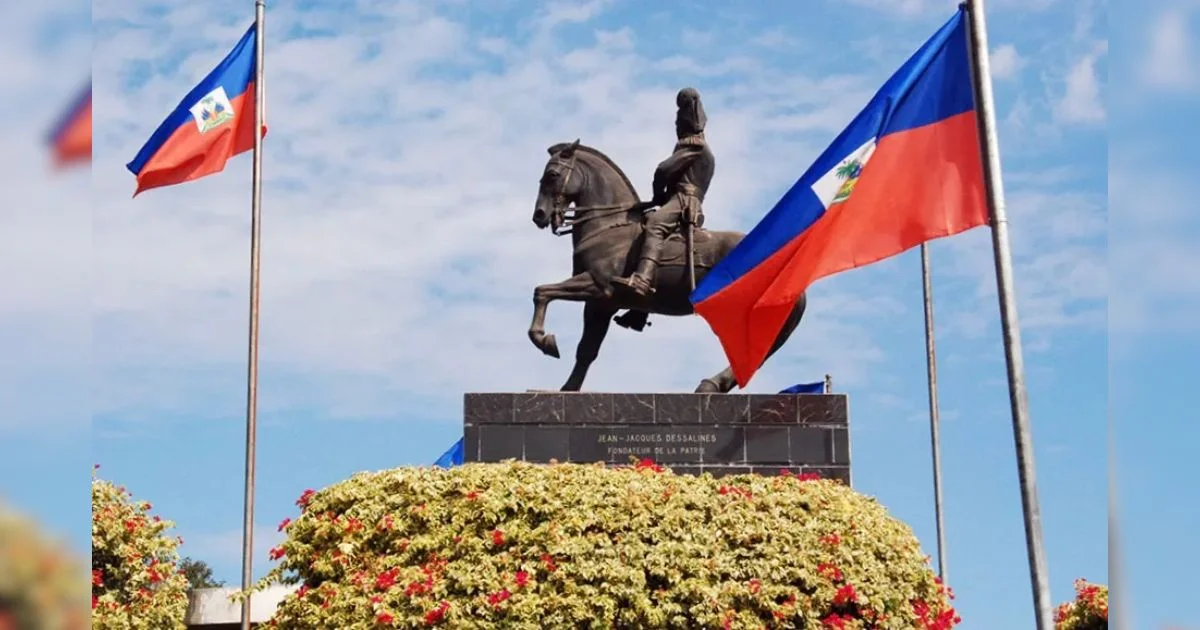
In the annals of the history of Haiti, an island located in the Caribbean at the entrance to the Gulf of Mexico and shared with the Dominican Republic, Jean-Jacques Dessalines emerges like a phoenix from the ashes of oppression. Born a slave on September 20, 1758 in the home of Henri Duclos, in Cormier (Grande-Rivière-du-Nord), in the French colony of Saint-Domingue, Dessalines was a Creole of African (Afro-Caribbean) origin. Freed during the 1794 abolition achieved through slave revolts, actually served as an officer in the French army during the French Revolution. At that time, the ideas of freedom and equality were at the heart of the concerns of the inhabitants of the colonies. Dessalines actively participated in the fighting against the Spanish and British forces, alongside the French, in Santo Domingo. Having risen to the rank of Lieutenant General, Jean-Jacques Dessalines turned against the French during the Leclerc expedition, sent to Saint-Domingue by Bonaparte to reestablish colonial authority and slavery during the Haitian Revolution. After the capture and deportation of Toussaint Louverture to France on June 7, 1802, Dessalines assumed a leading role in continuing the struggle for independence. He led numerous battles, including the battle of Crête-à-Pierrot in March 1802, where he galvanized his soldiers with his famous declaration: “Let those who want to remain slaves of the French leave the fort, let those, on the contrary, who want to die as free men, line up around me.” On January 1, 1804, Jean-Jacques Dessalines achieved the long-awaited goal of independence by proclaiming Haïti as a sovereign nation, becoming the second country in the Americas to gain independence from a colonial power. He became the first leader of the newly formed nation and was named Emperor under the name James I. However, his imperial reign was marked by authoritarian and brutal policies, including the massacre of many white settlers and the redistribution of land to peasants that was in the hands of the generals of the independence army. In addition, he organized the hunt for delinquents in the city while implementing rigorous agrarian policies, considering that they represented a threat to the stability of the nation, these controversial actions caused divisions within Haitian society. Dessalines was assassinated on October 17, 1806 following a plot organized by some of his generals in the Haitian army. His death marked the end of his brief but influential period in power. Despite the controversies surrounding his methods, he is recognized as the main architect of Haiti’s independence and his name was honored in 1903 by being attributed to the Haitian national anthem, La Dessalinienne, composed by Justin Lhérisson.Finally, the great visionary man Jean Jacques Dessalines remains an emblematic figure in the history of Haiti, recognized for his role in the fight for independence and the end of slavery in the region.
On Thursday, October 24, 2024, the Center for Political and Diplomatic Studies, CEPOD, launched its Diplomatic Fortnight via a summit that took place at the Montana Hotel in Pétionville. The event took place under the theme of Haiti’s place in globalization, and in the presence of an audience of distinguished guests. consisting of public authorities such as the current Haitian Prime Minister, Dr. Garry Conille (Honorary President of the summit); his Minister Delegate for Humanitarian Affairs, Mr. Herwil Gaspard; Foreign diplomats, among whom we can cite the Canadian Ambassador, Mr. André François Giroux (Guest of Honor of the summit); Dr. Christian Mouala, Country Director of UNAIDS Haiti, and a group of other public figures (such as sociologist Daniel Supplice), members of the press, such as senior journalist, Rotchild François Junior and students of all kinds.

First black nation to free itself from slavery and gain independence from France in 1804 and influenced other liberation movements around the world, inspiring struggles for freedom and equality.

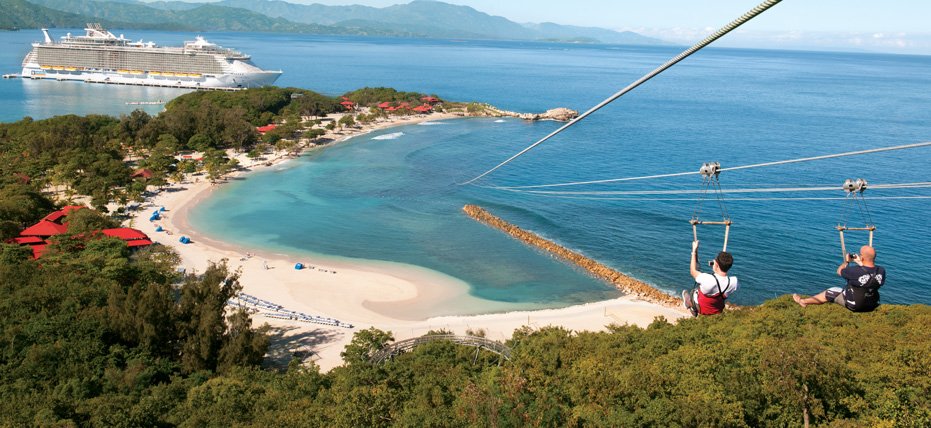
Haïti is blessed with spectacular natural landscapes, including white sand beaches, mountains and rich biodiversity.

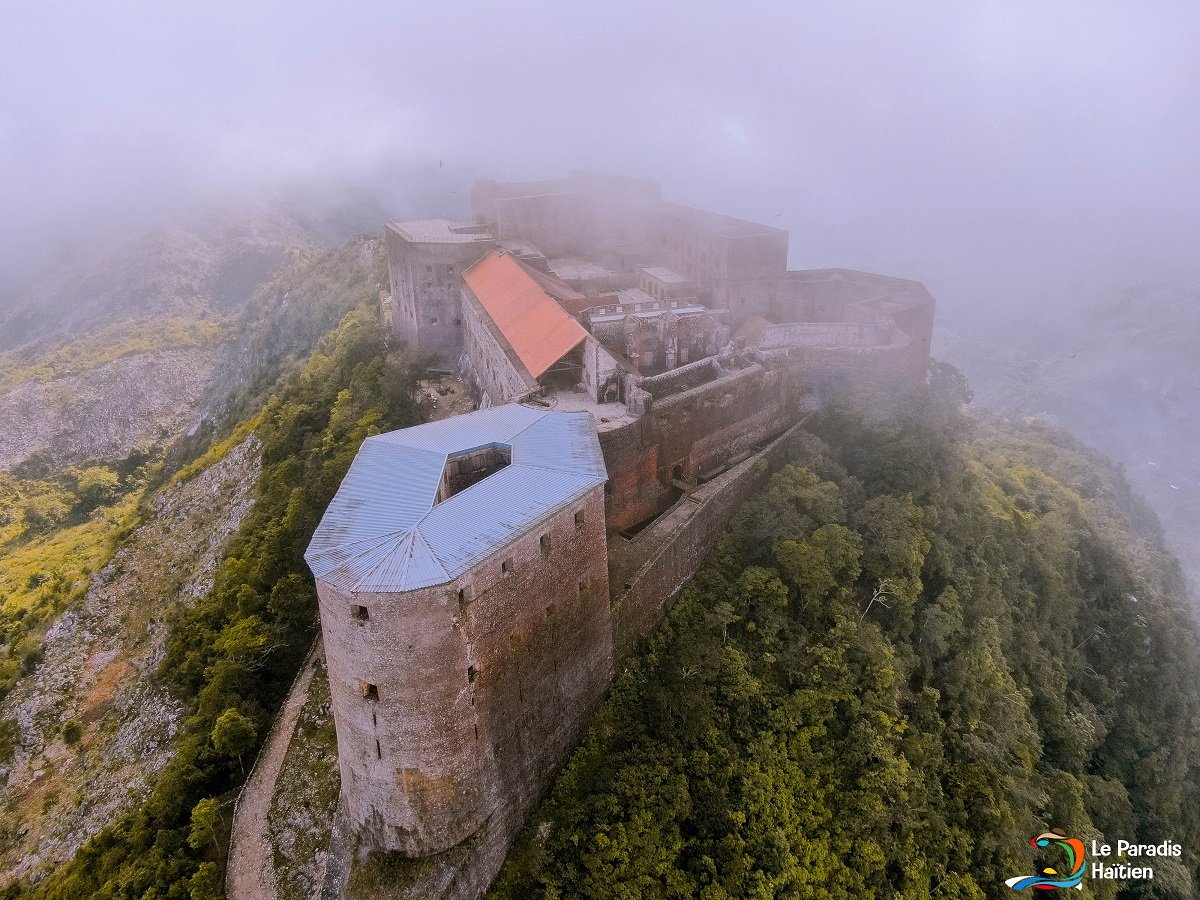
Haïti has a rich historical heritage, including sites like the Citadelle Laferrière and the Sans-Souci Palace, listed as UNESCO World Heritage Sites.

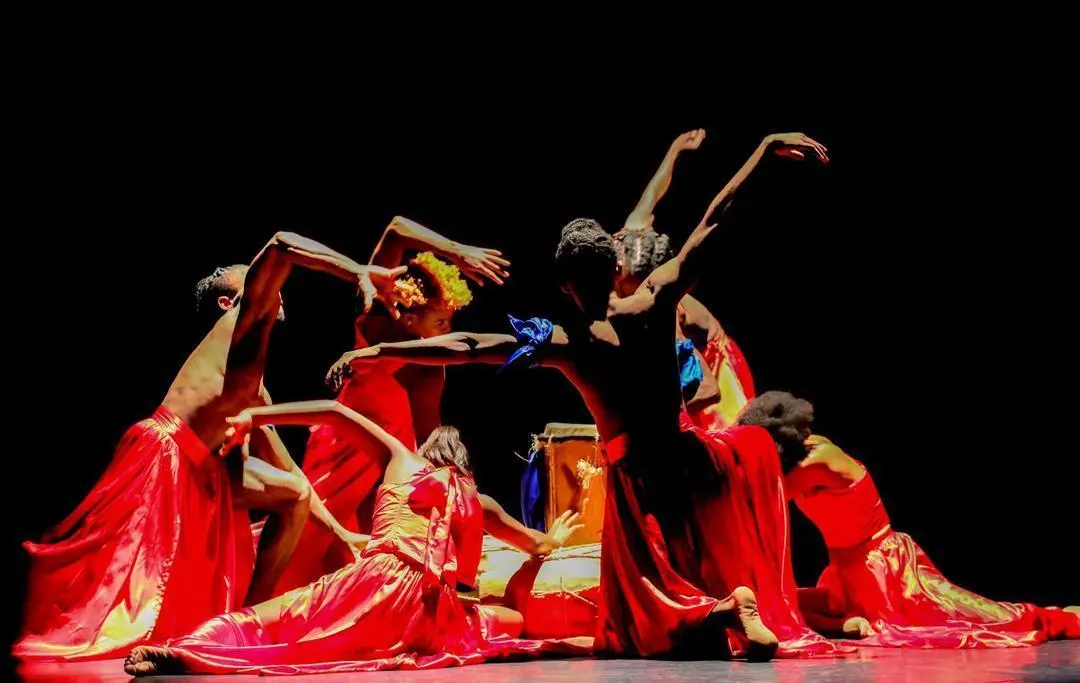
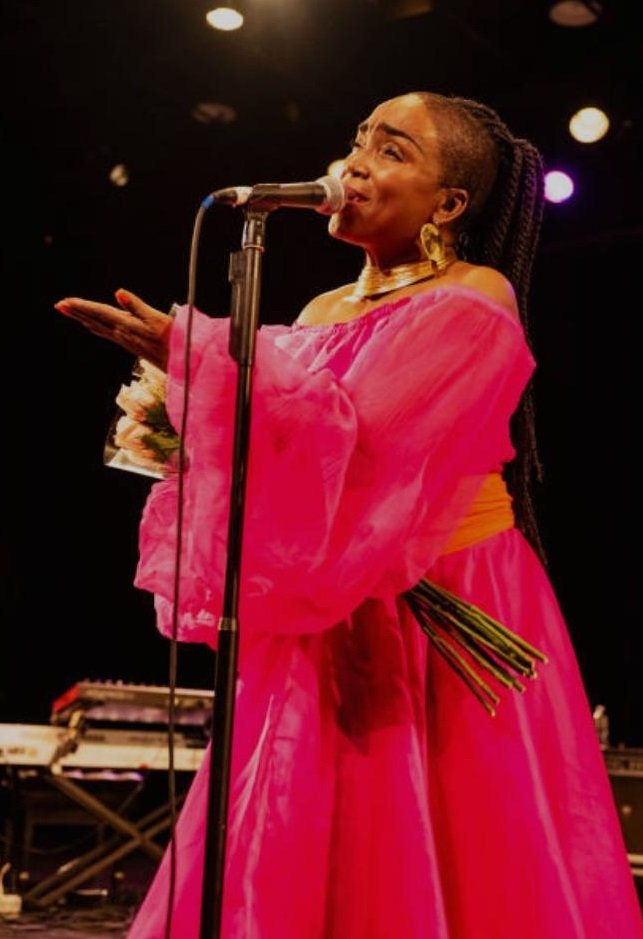
Haïti has a rich and diverse culture, influenced by African, European and indigenous elements. Haitian music, dance, art and cuisine are celebrated around the world.