
What is Haiti’s motto?
Discover Haiti's national motto: Liberty – Equality – Fraternity. Its origin, meaning, and importance in Haitian history and identity.

Haitian cuisine is full of flavors, colors, and aromas that reflect the country’s history and cultural diversity. Among the most iconic dishes, "Diri sòs pwa ak legim" (rice, pea sauce, and vegetables) stands out as a true culinary treasure. This dish is much more than just a meal: it symbolizes the sharing, tradition, and creativity of Haitians. In this article, let’s discover why this dish is so popular and what makes it an icon of Haitian gastronomy.
The Coat of Arms of Haïti is a national symbol rich in history and deep meaning. It is a reflection of the country’s identity, its struggle for freedom, and the values that unite the Haitian people. This article takes you into the details of the Coat of Arms of Haiti, exploring its origin, composition, and the symbolism of each element that composes it.
The word “Haiti” is deeply rooted in the history and culture of the island, representing much more than just a name. It symbolizes an identity, a heritage, and a unique geography. But what is the true meaning of this iconic word? Let’s explore its origins, history, and symbolic significance.
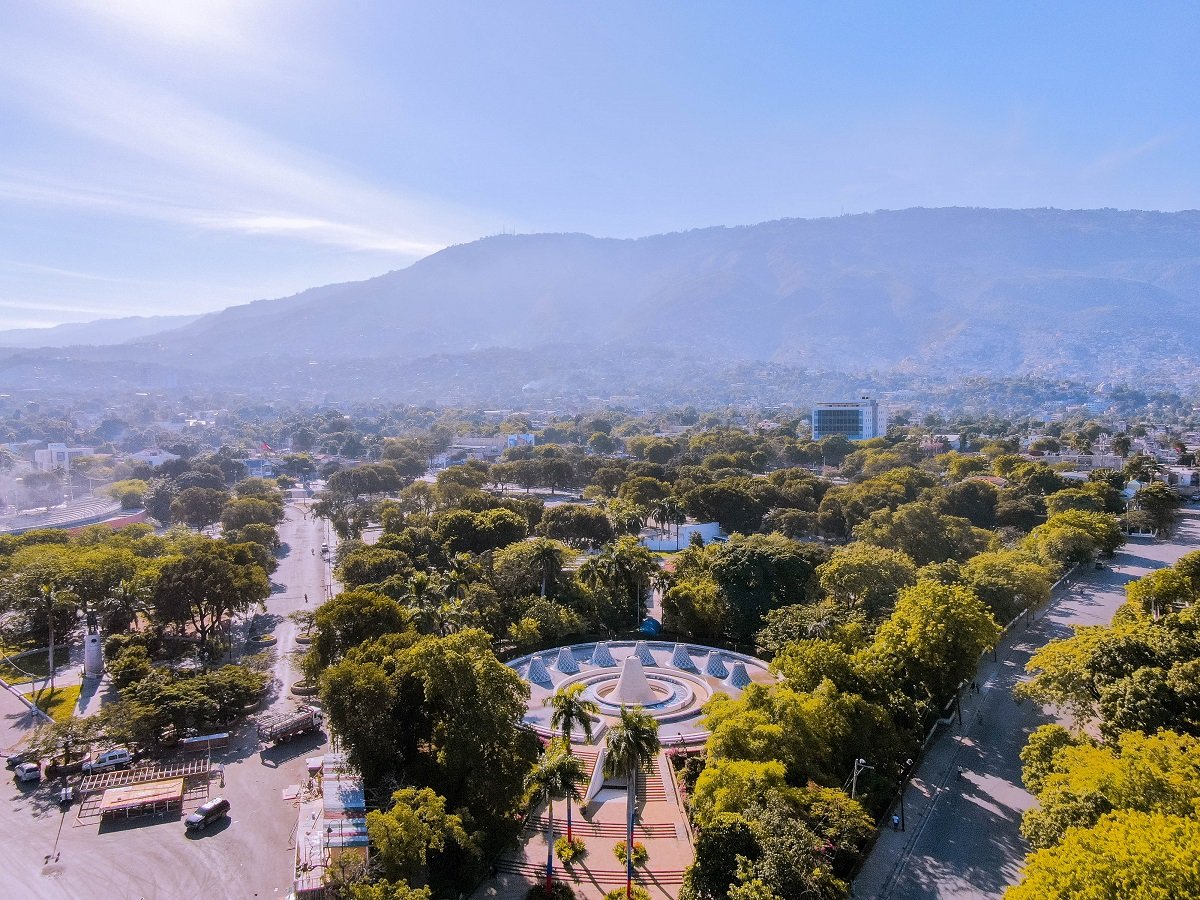
The map of Haïti is an essential tool for understanding the geography of the country, its political organization, and its different regions. Whether for travelers, researchers, or those interested in the history of Haiti, this map provides crucial information on the location of cities, mountains, coastlines, and borders. This article explores the map of Haiti, its key elements, and what it represents for the Haitian people.
Haïti and Africa share a deep and historical bond, forged over centuries. This bond goes beyond simple colonial history, it is nourished by cultural roots, ethnic affinities, and a common heritage stemming from the struggle for freedom. Throughout history, the African diaspora, and the impact of slavery, Haïti has become a symbol of resilience and black pride, particularly for many African and Afro-descendant communities around the world. But what really connects Haïti to Africa? Let’s dive into this exceptional and meaningful relationship.
The name “Haiti” is deeply rooted in the history, culture and identity of the nation. Carrying within it the legacy of the first inhabitants and the weight of the struggles for freedom, this word symbolizes much more than a simple territory. Let’s discover together the history and context surrounding this unique appellation.
Haiti, rich in biodiversity and natural landscapes, is home to forests that are a testament to the beauty and ecological importance of the island. Among them, one stands out as the largest and most emblematic in the country. So, what is this forest? Discover its name, characteristics and importance for the Haitian environment.
Haiti, this jewel of the Caribbean, is known for its revolutionary history, vibrant culture, and breathtaking landscapes. But how many people call this land rich in tradition and diversity home? This article explores Haiti’s current population and how it has changed over time, while providing an overview of the challenges and opportunities related to its demographics.
The Haitian People proclaim this Constitution: To guarantee their inalienable and imprescriptible rights to life, liberty and the pursuit of happiness; in accordance with their Act of Independence of 1804 and the Universal Declaration of Human Rights of 1948. To constitute a Haitian nation that is socially just, economically free and politically independent. To re-establish a stable and strong State, capable of protecting values, traditions, sovereignty, independence and national vision. To implement democracy that implies ideological pluralism and political alternation and affirm the inviolable rights of the Haitian People. To strengthen national unity, by eliminating all discrimination between urban and rural populations, by accepting the community of languages and culture and by recognizing the right to progress, information, education, health, work and leisure for all citizens. To ensure the separation and harmonious distribution of State Powers in the service of the fundamental and priority interests of the Nation. To establish a governmental regime based on fundamental freedoms and respect for human rights, social peace, economic equity, consultation and participation of the entire population in major decisions affecting national life, through effective decentralization.
The Haitian carnival, an emblematic and essential celebration of the country’s festive calendar, is much more than a simple party. It embodies the very essence of Haitian culture, joyfully blending ancestral traditions, intoxicating music and a deep sense of community. Each year, this vibrant celebration transforms the streets into a vibrant and colorful spectacle, attracting thousands of participants and spectators eager to take part in this one-of-a-kind celebration. Haitian carnival has deep roots in the country’s history, dating back to colonial times. It has evolved over the centuries, incorporating elements of African, French and Creole culture to create a distinct and captivating celebration. The carnival period in Haïti traditionally begins in January and culminates with extravagant festivities that take place over several days. One of the most striking features of the Haitian carnival is the profusion of colors. Traditional costumes, called "masks", are elaborate and beautifully designed. They feature vivid patterns and vibrant decorations, creating a vivid picture of Haitian cultural identity. Participants, dressed in these elaborate costumes, parade through the streets to the sound of lively music, creating an electric atmosphere. Music is at the heart of the Haitian carnival. The captivating rhythms of compass, rasin, rara and other local musical genres resonate throughout the city, inviting people to dance to the rhythm of the party. Orchestras parade through the streets, accompanying the dancers and creating a unique symbiosis between the music and the graceful movements of the participants. The Haitian carnival parade is not just about the music and costumes; it also celebrates the richness of street arts. Talented artists create giant sculptures, art installations and theatrical performances that tell deep stories of Haitian history and culture. These artistic expressions contribute to the transmission of values and stories that shape the identity of the Haitian people.
In Haiti, launching an entrepreneurship business is often a real challenge. Lack of financing, scattered information, a lack of visibility for local startups, and difficulties finding mentoring or reliable partners... Many entrepreneurs find themselves facing their challenges alone, which hinders innovation and the country’s economic growth.
Living in Prose and Poetry is an artistic and cultural event organized by the cultural organization Salon de Livre de Port-au-Prince (OCSLPAP) with the aim of bringing together young artists from the Haitian capital to exhibit them to a large audience . This edition will take place on Saturday July 27, 2024, at the pyépoudré cultural center, located at number 332 on the Route de Bourne. This year the organizers announce their mission is to bring together talents from various categories of arts, always with the aim of helping them to become familiar with each other, and to help create a solid link between them and the Haitian public. . The categories targeted by the organizers for this second edition are young poets, slammers, comedians, rappers, dancers, singers, painters, and writers who have already published at least one work. Living in prose and poetry will also be an opportunity to encourage Haitian youth to think. The first part of the event will be devoted to a discussion around a text by the famous Haitian writer Louis Philippe Dalembert, entitled The Other Face of the Sea. It is a novel which carefully addresses the subject of immigration and detachment that goes with it in the immigrant’s skin. It is a book that speaks openly to the reality of the Haitian people today. It has already been announced that this first part will be moderated by the journalist and literary critic Carl Pierrecq who works for the short story writer, and moderation will be provided by Pierre Marie, a young sociology student at the Faculty of Human Sciences (FASCH). After a largely successful first edition which took place in May 2023 in the premises of the municipal library of Delmas, the organizers of living in prose and poetry say they are determined and have made the promise for this year to deliver to the public port-au -princien, a cultural event of exceptional scale for the second outing. Once again, this will be the perfect opportunity to celebrate the great richness of Haitian culture through the organs of our young talents. Given the difficult context, manifested by the almost daily situation of insecurity which has prevailed for some time, in a good part of Port-au-Prince, the announcement of this event comes as a fresh breath of oxygen, scattered throughout the within the lungs of the city. It is yet another opportunity to remind through this artistic festivity that even in times of deep unrest, art will remain an indispensable light, because even in times of crisis, the latter and the artist (its channel of diffusion) will become refuges, sources of comfort and appeasement for all human souls.
On August 29, 2025, Pierre Marc BAPTISTE, a young, committed leader from Belecourt, Cité Soleil, will celebrate eight years of social, educational, and leadership work in his community. On this occasion, he is launching an appeal for donations (money, books, educational materials) to support an ambitious project: the creation of the Duvivier High School Library.

First black nation to free itself from slavery and gain independence from France in 1804 and influenced other liberation movements around the world, inspiring struggles for freedom and equality.

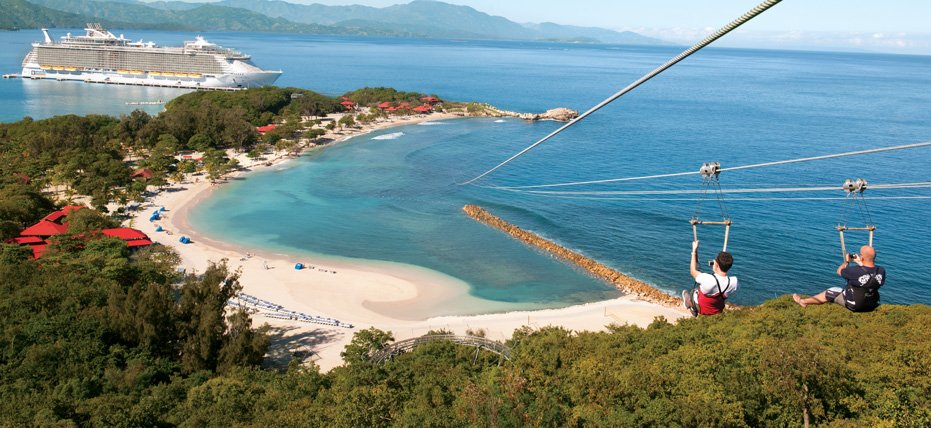
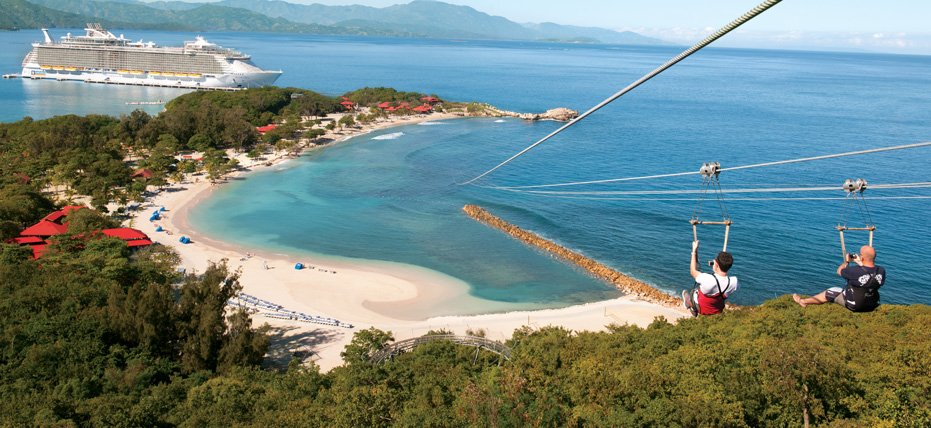
Haïti is blessed with spectacular natural landscapes, including white sand beaches, mountains and rich biodiversity.

Haïti has a rich historical heritage, including sites like the Citadelle Laferrière and the Sans-Souci Palace, listed as UNESCO World Heritage Sites.

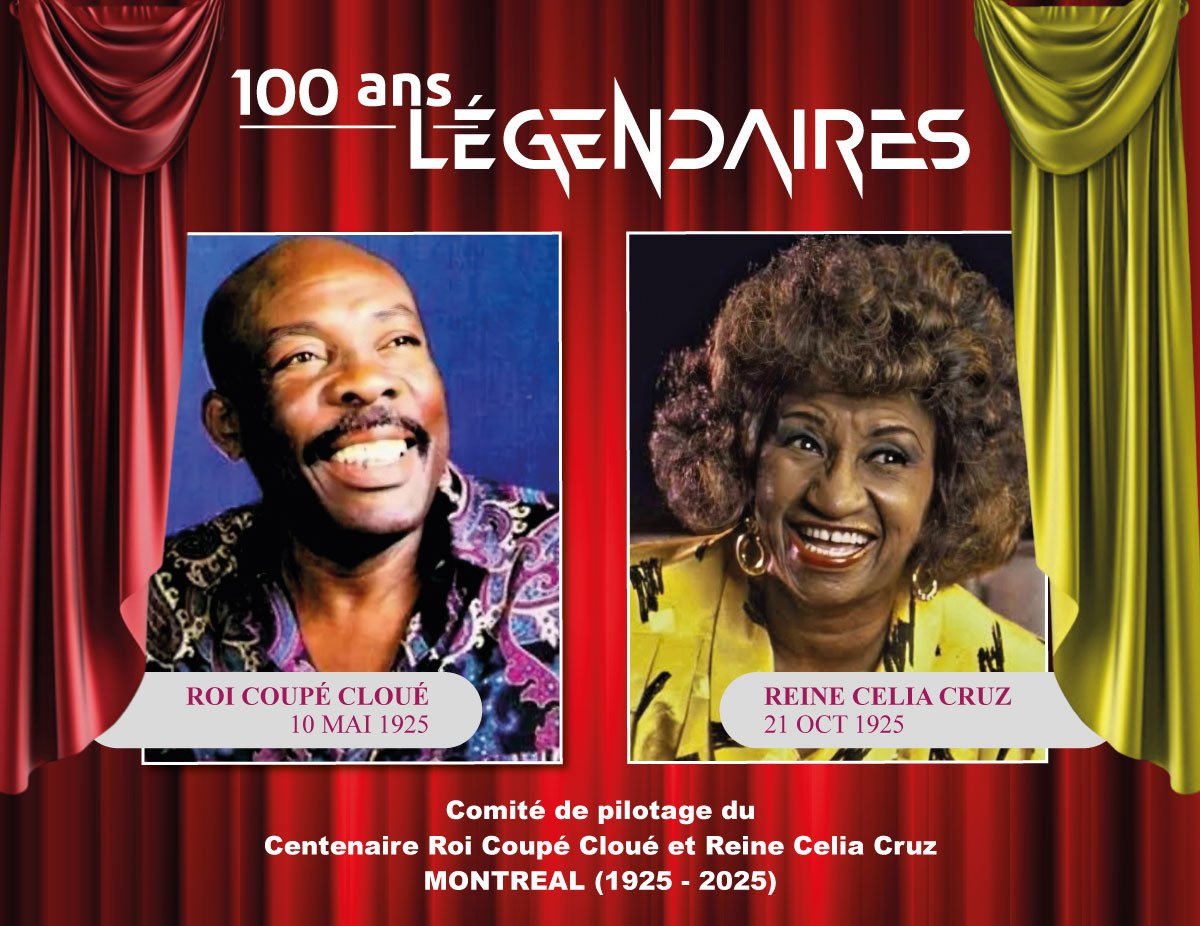
Haïti has a rich and diverse culture, influenced by African, European and indigenous elements. Haitian music, dance, art and cuisine are celebrated around the world.