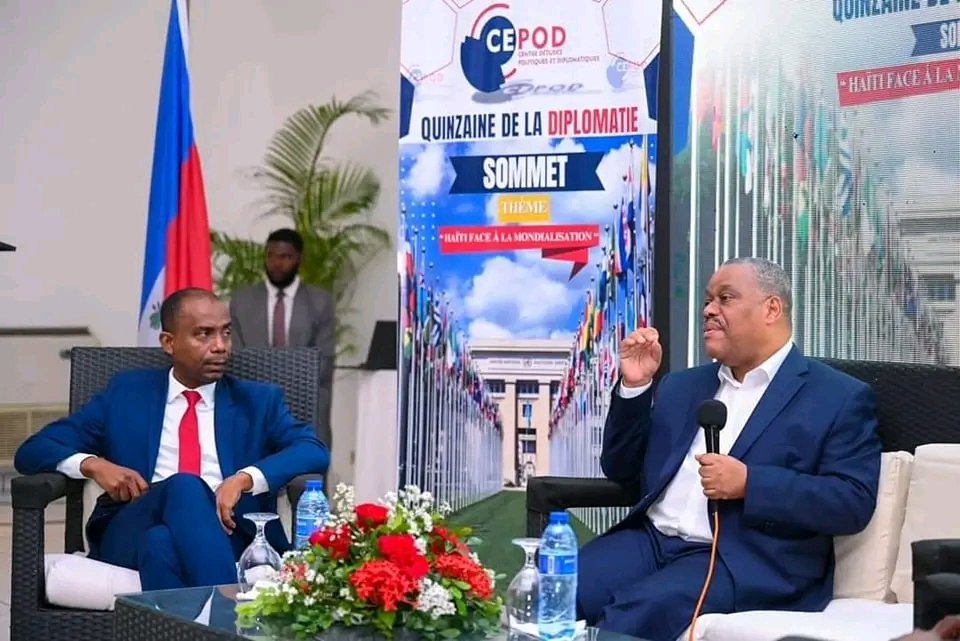
In Haiti, chaos is not a simple consequence of events, but a carefully crafted product of actors whose decisionsor lack thereofworsen the crisis every day. At the head of this orchestration of failures is the Presidential Transitional Council (CPT), led by architect Leslie Voltaire since October 2024. Presented as a temporary solution to get Haïti out of its impasse, the CPT quickly proved ineffective and incapable of responding to the country’s urgent challenges.
Created in April 2024, the CPT raised many hopes under the leadership of Edgar Leblanc Fils, Coordinator of the political party Organization of the People in Struggle (OPL). But these hopes were quickly extinguished. Internal divisions, poor governance, and corruption scandals have transformed this body into a caricature of administrative inefficiency. In less than a year, the CPT has become a symbol of impotence, unable to propose concrete solutions to the political crisis that has paralyzed Haïti since the fall of the Duvalier regime and which worsened after the assassination of President Jovenel Moïse in 2021. The fall of the Duvalier regime raised a lot of hope, but as Meudec states, “The liberating surge of 1986 was followed by a form of stagnation in the political transition process marked by the return of corruption and violence” (Meudec 2007, 47). Indeed, after approximately 39 years of “democratic governance,” the country is nothing but chaos and desolation.
The country has remained without elections since 2016, reinforcing the illegitimacy of the institutions. The economic and political elite contribute to this blockage by refusing the reforms necessary to establish a climate of trust and stability. Far from being victims, these elites take advantage of the ambient disorder to maintain their privileges.
The Haitian chaos is as much economic as political. According to the report of the Haitian Institute of Statistics and Informatics (IHSI), the Gross Domestic Product (GDP) contracted by 4.2% when comparing the last two fiscal years, going from 592.7 billion gourdes for the 2022-2023 fiscal year to 568.0 billion gourdes for the 2023-2024 fiscal year. According to the IHSI, this fall “constitutes the largest decline in the economy ever recorded since the 5.7% fall in GDP in 2009-2010, following the devastating earthquake of January 12 of the same year” (IHSI 2024, 4). The country ends 2024 with an inflation rate of 25.8% (IHSI 2024, 4). Daily survival has become a struggle for the majority of Haitians. Informal trade dominates the economy, accounting for nearly 80% of activities, while foreign investment is almost non-existent.
The Presidential Transitional Council, under the leadership of architect Leslie Voltaire, has shown no strategic vision to revive the economy. Economic plans are non-existent, and international funds often disappear into opaque circuits, further fueling systemic corruption. This corruption is not only the work of politicians. Indeed, economic and political elites, by controlling key sectors such as food and energy imports as well as internal security, participate in the perpetuation of poverty and dependency.
A chaotic security situation
Gang violence has become the main factor of instability in the country. These gangs dictate their laws, extort citizens, prevent access to essential services, and force thousands of people to flee their homes. According to the Haïti Expert Group, the number of displaced people in Haïti is estimated at more than 500,000 people by June 2024, an increase of nearly 60% compared to March 2024 (Haïti Expert Group 2024, 29).
We are also witnessing a process of transmission of violence to children. Recruited by force or lured by illusory promises of power and wealth, these children become both victims and instruments of violence. The Haïti Expert Group states that “the recruitment of children as young as 10 years old by gangs has increased considerably and children may now represent up to 50% of all gang members” (Haïti Expert Group 2024, 31). Lack of education, poverty and lack of prospects are the main drivers of this mass enrollment and contribute to the process of maintaining chaos.
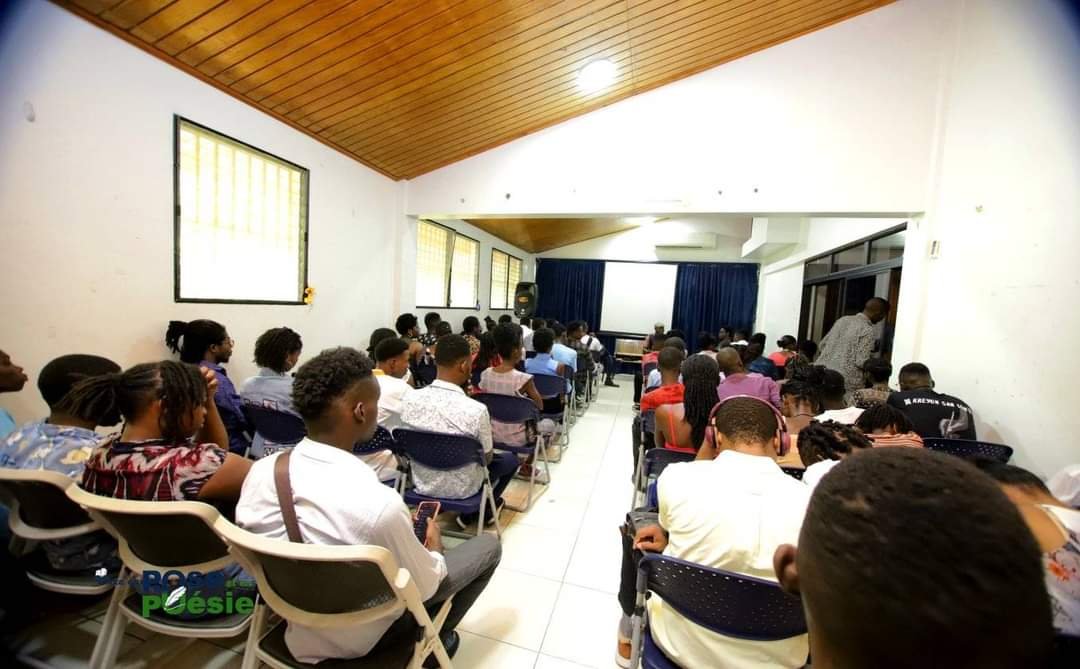
Haitian youth, who represent more than 60% of the population, are both the main victims of this chaos and their greatest chance for recovery. However, political and economic actors ignore this potential, preferring to exploit this vital force for destructive purposes, as evidenced by the massive enrollment of young people in gangs.
However, with targeted investments in education, vocational training and entrepreneurship, these young people could become an essential lever for reconstruction. Local initiatives, supported by civil society and international partners, must aim to offer viable opportunities to these young people, in order to divert their energy from gangs and use it to build a more just and united society.
Build or destroy?
The chaos that Haïti is experiencing today is not the result of inevitability. It is the result of a chronic lack of leadership, systemic corruption and the complicity of elites who profit from the ambient disorder. The architects of chaos are not anonymous figures: they occupy positions of power and their decisions shape the country’s collapse every day.
To escape this spiral, a complete overhaul of institutions and a renewal of political and economic elites are essential. Haïti will only be able to recover with truly committed leaders, breaking with the dominant habitus, and a mobilized, committed and combative youth. The architects of chaos must give way to the builders of hope, because only a collective commitment, built on the ideal of freedom for all of the Fathers of the nation, will allow Haïti to regain its dignity and stability.
Meudec, Marie. 2007. Corps, violence et politique en Haïti. Sociological aspects.. Sociological aspects, 14, 1. ⟨hal-01636285⟩: 1-27. https://hal.science/hal-01636285v1 United Nations. 2024. Final report of the Group of Experts on Haiti
Ministry of Economy and Finance, Haitian Institute of Statistics and Informatics. 2024. Economic accounts in 2024
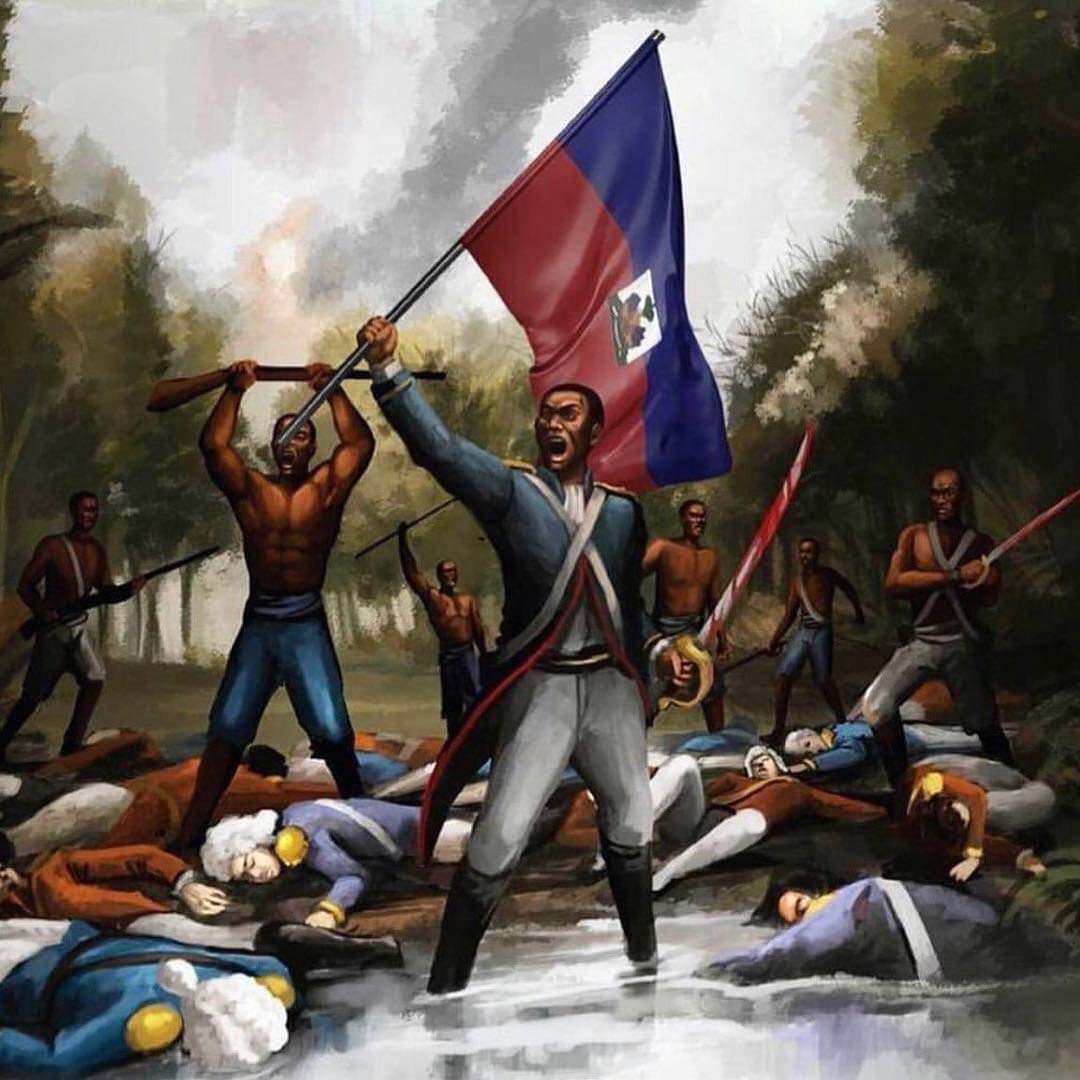
First black nation to free itself from slavery and gain independence from France in 1804 and influenced other liberation movements around the world, inspiring struggles for freedom and equality.
Natural beauty
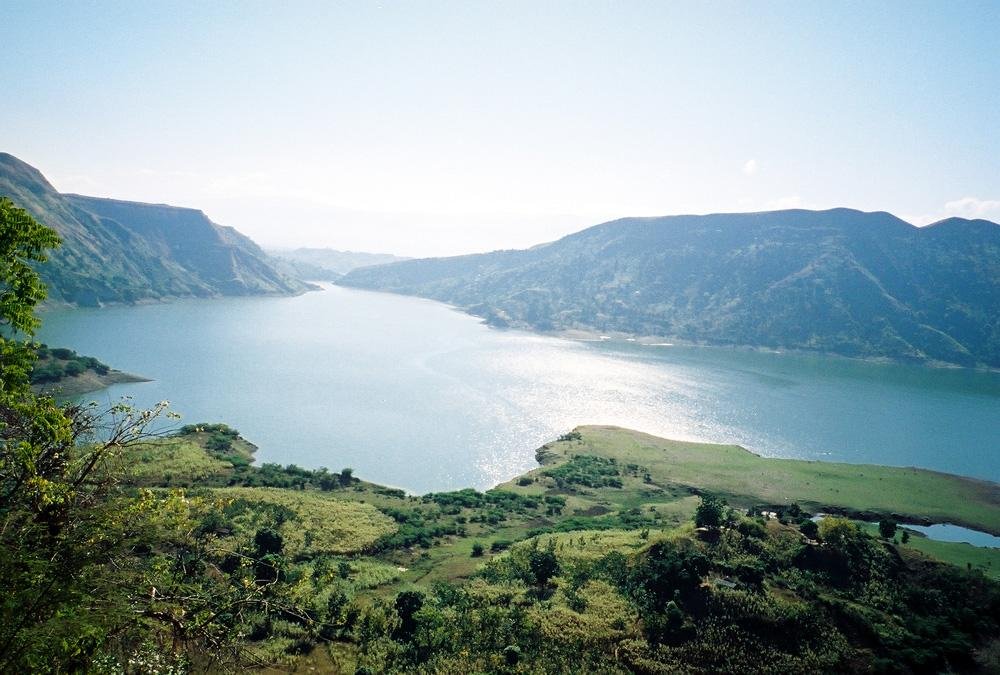
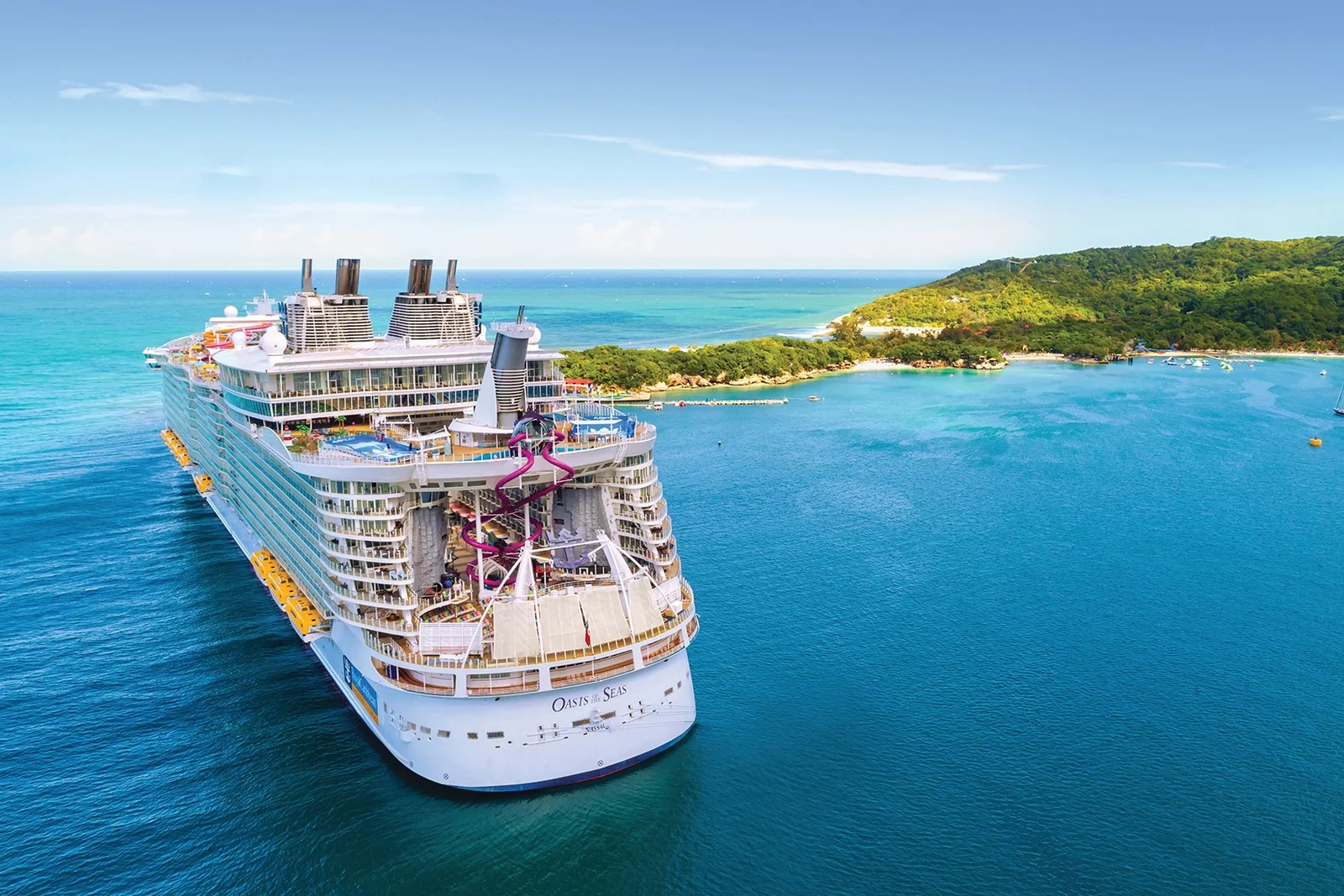
Haïti is blessed with spectacular natural landscapes, including white sand beaches, mountains and rich biodiversity.
Heritage
Haïti has a rich historical heritage, including sites like the Citadelle Laferrière and the Sans-Souci Palace, listed as UNESCO World Heritage Sites.
Culture
Haïti has a rich and diverse culture, influenced by African, European and indigenous elements. Haitian music, dance, art and cuisine are celebrated around the world.