contact@haitiwonderland.com+509 36184317

Discover

Shopping Cart

Life: Cultural heritage and family pleasure for the youth of Jacmel

Life: Cultural heritage and family pleasure for the youth of Jacmel

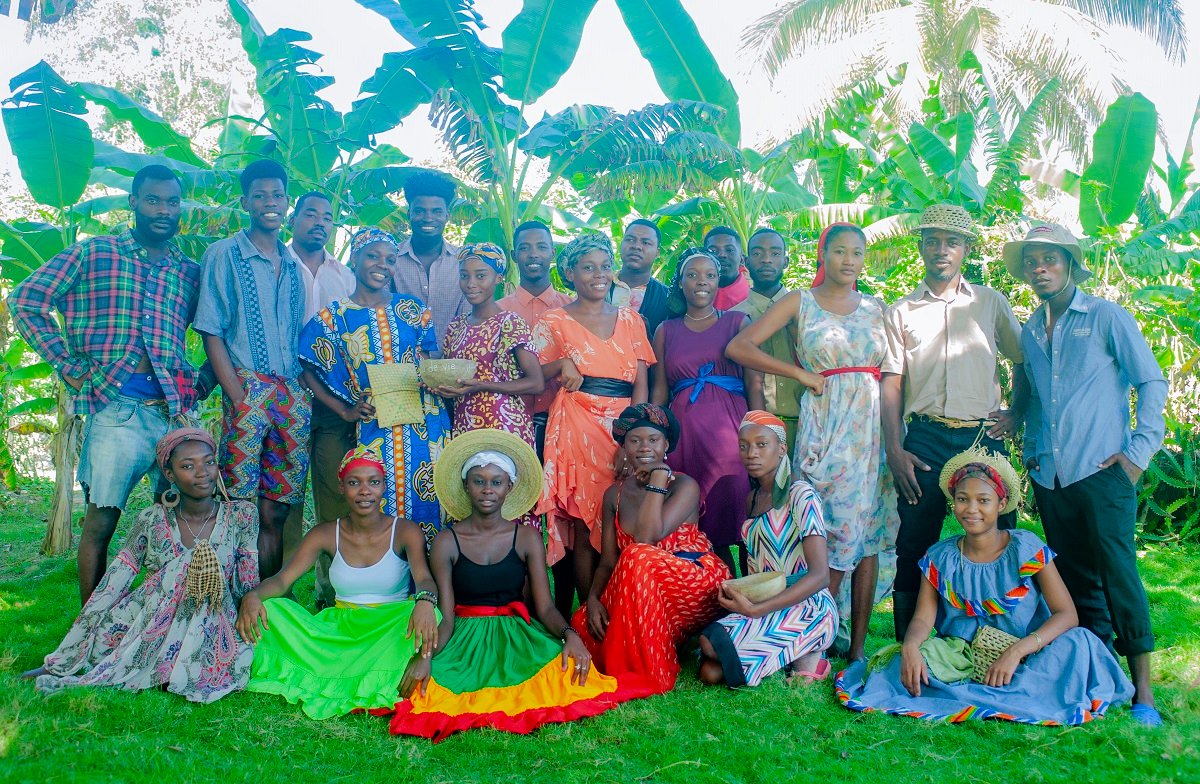
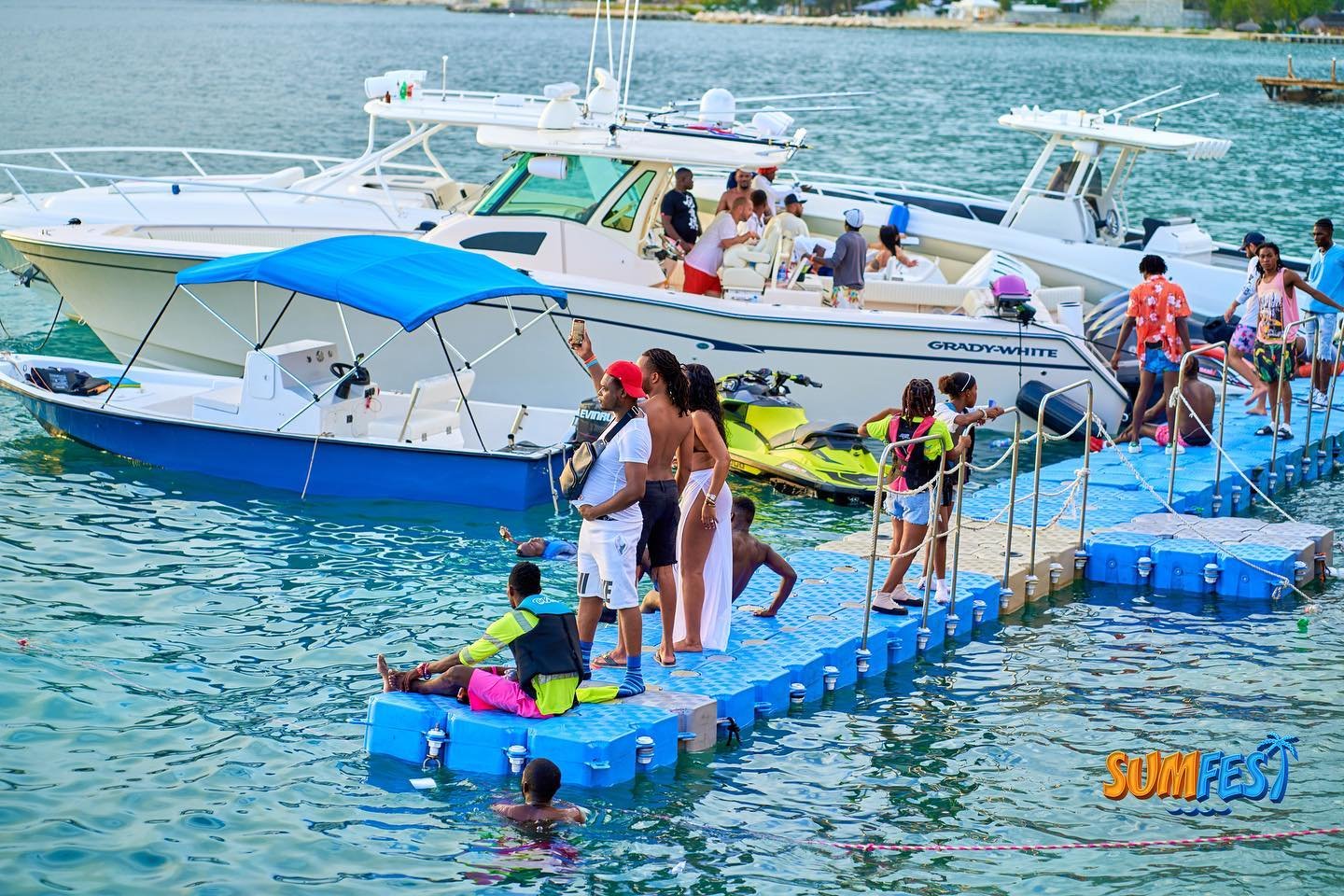
In Jacmel, a group of young people called Eau de Vie, founded in June 2021, is dedicated to the rediscovery of Haitian culture. Among the founding members are César Rocher, Déborah Vil, Max Jean Julien, Lansley Lemaire, Jacky Edwing Laguerre, Francesca Faustin, Sthélianie Dominique, Mackenson Gilot and Gédeon Riché. Their mission is to introduce young people to unknown sites in their own city, and soon, throughout the country. Through events like the "Jounen Dantan", Eau de Vie highlights local traditions and promotes cultural exchanges. Mainly based in Jacmel, the group organizes its activities in emblematic places such as the blue basin. Eau de vie aspires to strengthen the feeling of belonging of young people towards their heritage and to promote a spirit of community and sharing within Haitian youth.

Jacmel | D’imaj96
Jacmel | D’imaj96
Jacmel | D’imaj96

Voyage to the heart of local traditions

The idea of ​​creating water of life was born from a group of friends wishing to explore and relive common experiences. At the start, the group met to visit emblematic places such as the Blue Basin, Ti Rivyè, Dlo Dig, Fort Roger, and Lamontay Bèlvi. These outings, motivated by the curiosity and the desire to discover the riches of their environment, quickly aroused the interest of a wider audience. Over time, these escapades have transformed into real cultural explorations, where participants not only admired the beauty of the landscapes, but also plunged into local history and traditions. By distributing flyers to promote their activities, they managed to encourage other young people to join their adventure. This dynamic of exploration made it possible to establish a strong feeling of community and belonging, strengthening the idea that local culture deserves to be celebrated and preserved.

By engaging in these escapes, the members of the group discovered the importance of the transmission of ancestral knowledge, legends and stories that enrich Jacmel’s heritage. Through lively discussions and sharing of experiences, they understood that their adventure was not limited to visits, but became a real quest for identity. This desire to rediscover their roots has reinforced the links between them and encouraged a collective reflection on the way in which young people can get involved in the preservation of their culture. Eau de vie, beyond its excursions, has turned into a project that aspires to awaken consciences and to celebrate the hidden treasures of Jacmel, while weaving a network of young people united by the same passion for their cultural heritage.

Jacmel | Bell Image
Jacmel | Bell Image
Jacmel | Bell Image

Relive traditions through time

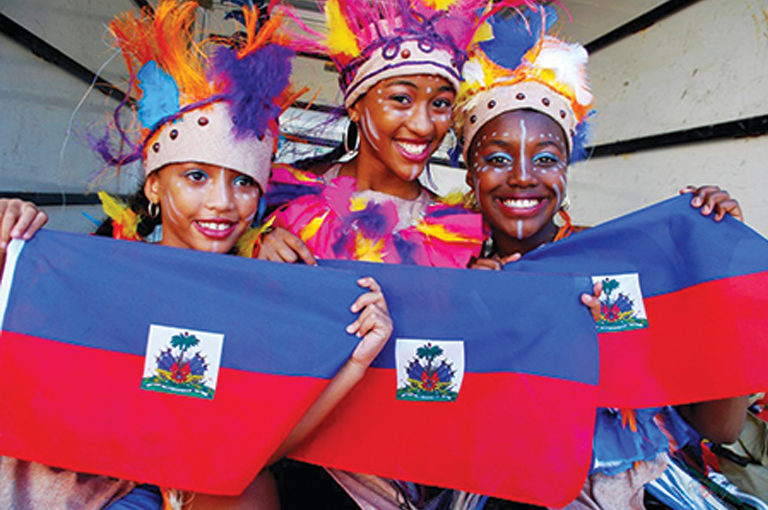
Eau de vie is not limited to creating moments of pleasure and exploration of tourist sites, but also undertakes to awaken the very essence of Haitian culture through significant events. Among these initiatives, the "Jounen Dantan" is distinguished as an annual celebration. The purpose of this event is to rekindle old traditions by highlighting games, folk dances and period costumes. Beyond the festive aspect, the "Jounen Dantan" plays an essential role in preserving traditions. This event offers an ideal opportunity to bring together the community to share moments of joy and conviviality. Participants, young or old, engage in traditional activities, thus strengthening intergenerational links. Collective dances and popular games, which echo the customs of yesteryear, allow everyone to feel the cultural heritage which revitalizes the Haitian nation in general.

Jacmel | DM Jay photograph

Diversified activities

Each year, Eau de Vie plans various activities over several months, testifying to its commitment to promoting Haitian culture. Among the notable events, the "Noche Clasica" allows participants to share memories and images of the highlights of the year. This type of event creates an atmosphere of camaraderie and joy, where everyone is invited to participate actively. In 2023, the group celebrated its flagship event, "Jounen Dantan Vol 3", at "Sab Kabarè" on June 29, highlighting the richness of the cultural heritage of Jacmel.

Other significant events include "Easter Easter Vol 2" at the lost corner, Cayes-Jacmel on March 28, 2023, and "Traffic Light" in Jedo, Cayes-Jacmel on September 30, 2023. The collective also planned "Blue Escape" In Family Beach, Jacmel on September 14, 2024, as well as the "Summer Extension Vol 2" at the water hush "Sab Kabarè", Jacmel on October 5, 2024. In addition to these major events, the group continues to promote others Activities that raise awareness of environmental issues. The places explored by brandy are as diversified as their activities. Emblematic spaces such as the Basen Ble and Ti Rivyè have been meeting points, while more recent places, such as the beaches in the Southeast department, like lost corner and Family Beach, widen their horizon.

Haiti: The Rara season in Petit-Goâve: A celebration of life, unity and resilience

Haiti: The Rara season in Petit-Goâve: A celebration of life, unity and resilience

As the new season of Rara looms on the horizon, certain groups such as Saint Jacques Majeur, Ratyèfè, Florida Band, Lambi Grand, and Grap Kenèp are already preparing to light up the streets of Petit-Goâve with their flamboyant costumes and their captivating melodies. For these groups, the future looks bright, promising a season full of passion and success. However, other rara bands are still hesitant about which direction to take. Despite these uncertainties, optimism reigns regarding the success of this new season for all rara groups in the commune of Petit-Goâve. Rara, anchored in the Vodou tradition, is much more than a simple artistic manifestation. It embodies the very essence of Haitian culture, highlighting questions of memory, tradition and identity. This increasingly popular form of artistic expression attracts a large audience and arouses unprecedented enthusiasm. Groups like Ratyèfè, Grap Kenèp, Florida Band and Chenn Tamaren, recognized for their ability to delight their fans, play a crucial role in the continued growth of rara in the town. The rara season traditionally begins on Dead Thursday and ends on the night of Easter Sunday or quasimodo Monday. To mark the beginning of this sacred period, groups organize opening ceremonies, honoring the spirits of the deceased in rituals steeped in spirituality. These ceremonies, often held in cemeteries or in the "Bitasyons" of groups, symbolize the deep link between the rara and Vodou traditions.

Jacmel | Zantray photography

A cultural and social impact

Eau de vie is not content to organize events; The group strives to strengthen community ties and promote a feeling of belonging among young people. By celebrating Haitian culture and highlighting often overlooked places, he plays a role in the rediscovery of Jacmel and his wealth. Through its activities, the collective contributes to creating a strong cultural identity, allowing participants to become aware of the importance of their inheritance.

With expansion projects in other cities in the country, brandy aspires to reach a wider audience while continuing to enhance Haitian culture and traditions. Their commitment to promoting cultural heritage does not stop at the borders of Jacmel; They plan to create partnerships with other collectives and organizations across the country. The next activities, like Noche Clasica, promise to maintain the enthusiasm and commitment of young people across the nation. By doing this, he asserts himself as a key player in the promotion and preservation of Haitian culture, while building a united community around shared values.

Eau de vie embodies the spirit of initiative and solidarity of the young people of Haiti. By combining discoveries, traditions and conviviality, this group is not only a vector of distraction, but also a key player in the promotion of Haitian culture and the creation of lasting links within the community. With a look to the future, they continue to celebrate the richness of their country while writing their own history.

Share
About the Author
Jarule Laguerre
Jarule Laguerre
Jarule Laguerre

    laguerrejarule916@gmail.com

    See other articles from Jarule Laguerre
    SagePromot

    Bon travail

    10 Oktòb 2024 | 11:43:49 AM
    Fils Djuno

    Excellent travail

    10 Oktòb 2024 | 02:36:26 PM
    Riché Gédéon

    Félicitation

    27 Oktòb 2024 | 02:18:36 PM
    Célestin kethlie

    Super!!!!

    29 Oktòb 2024 | 10:04:30 AM
    Eustache Rabens

    Excellent travail nous sommes fière

    29 Oktòb 2024 | 10:54:52 AM
    Désiré Andrefaite

    Eau de vie je suis fier d'être parmi nous.

    29 Oktòb 2024 | 11:36:44 AM
    Kenia Jean

    Félicitation

    31 Oktòb 2024 | 07:45:22 AM
    Leave a comment

    Recently Posted

    Christmas in Haiti: Between Magic, Discoveries and Delicacies

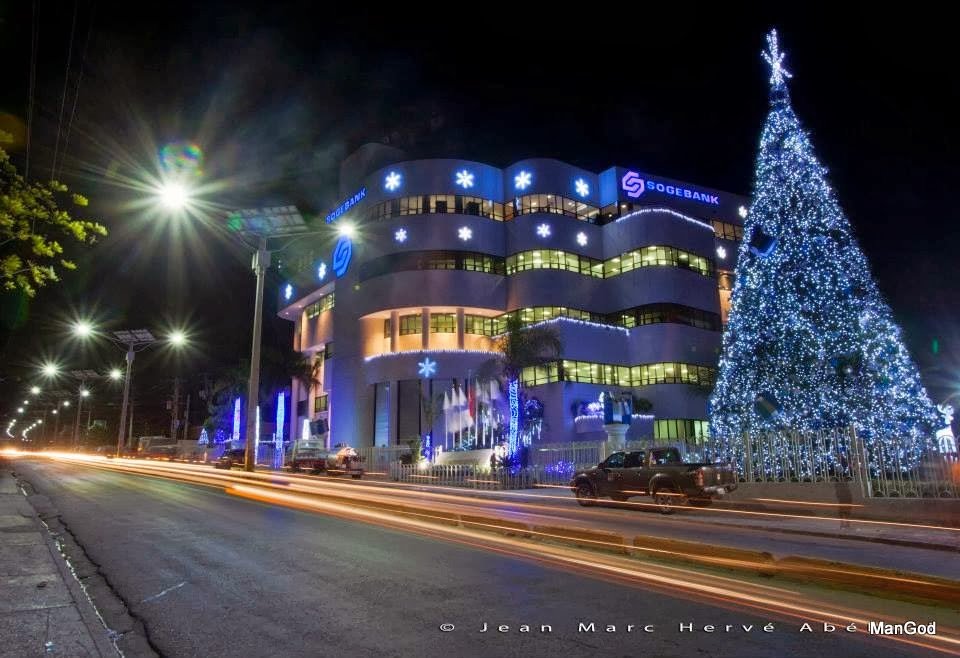
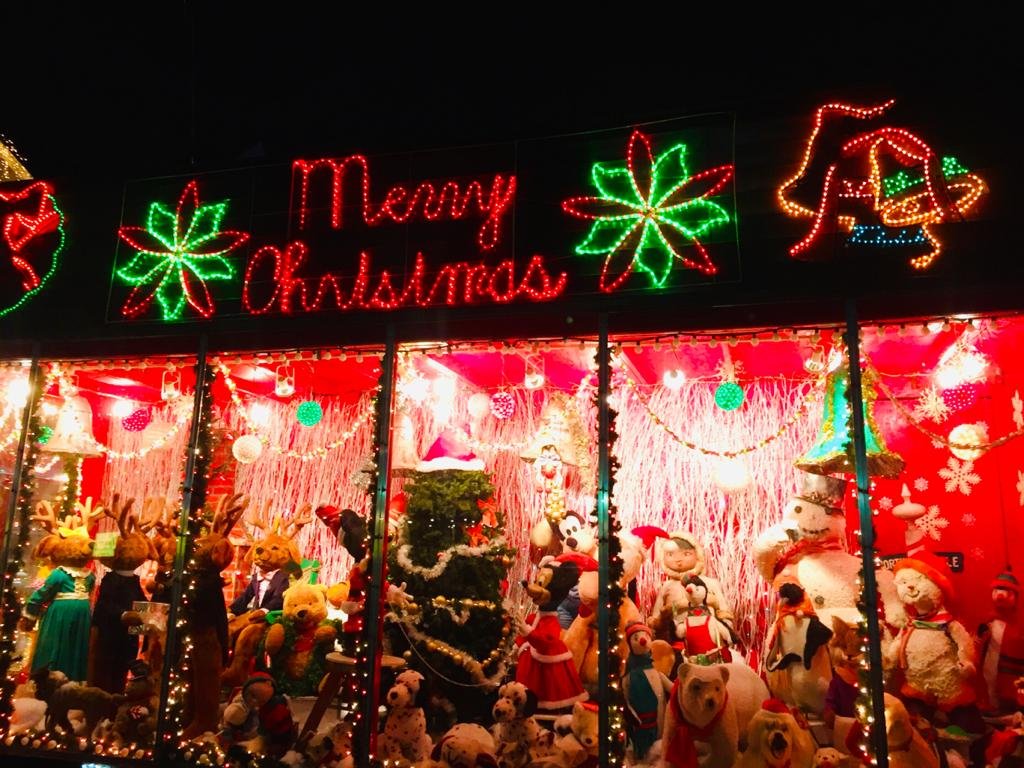
    The joyful ringing of bells echoes through the streets of Haïti as the holiday season approaches. Christmas is a magical time when the streets light up, families gather and a warm atmosphere invades the island. Between traditions, cultural discoveries and gourmet feasts, Christmas in Haïti promises a unique experience. b~The Magic of Lights and Decorations~b From the beginning of December, Haïti is adorned with sparkling lights and festive decorations. The markets come alive with shimmering garlands, twinkling stars and ornate fir trees. The streets of Port-au-Prince in Jacmel shine with a special magic, inviting locals and visitors to immerse themselves in the festive spirit. b~Haitian Traditions at Christmas~b Christmas in Haïti is celebrated with a unique combination of religious traditions and local customs. Midnight Mass is a deeply rooted tradition, drawing worshipers to churches to celebrate the birth of Jesus in a vibrant atmosphere of song and prayer. A popular tradition is the "Dawn Mass" which takes place at dawn on December 25. The faithful gather to welcome Christmas Day with special fervor, testifying to the deep spirituality that permeates the festivities. The festivities are not limited to churches. Street parades, folk dances and concerts are commonplace, creating a joyful atmosphere throughout the country. Traditional Haitian music, such as direct compass and voodoo, adds a special dimension to these celebrations. b~Cultural Discoveries: Haitian Crafts~b Christmas is also an ideal opportunity to discover unique Haitian crafts. Christmas markets offer a variety of handicrafts, such as wooden sculptures, vivid paintings, wrought iron items and traditional jewelry. These works of art reflect the artistic talent of the Haitian people and provide unique and meaningful gifts. Local markets, such as the Ferrier market in Cap-Haitien and the Jacmel market, are essential places to discover the authenticity of Haitian crafts. These purchases also help support local artists and the community economy. b~Gourmet Feasts: Christmas Cuisine~b Christmas in Haïti is also a gastronomic celebration. Families gather around festive tables laden with traditional culinary delights. “Joumou soup”, a pumpkin soup, is an essential specialty of the holiday season. Pork, lamb and chicken dishes are also common, accompanied by rice and local vegetables. Traditional desserts, such as “Pen patat” and “Tablèt Pistach,” add a sweet touch to the celebration. Tropical fruits, such as mangoes and bananas, are also often present on Christmas tables, recalling the richness of Haitian biodiversity. Christmas in Haïti is a vibrant celebration that blends the magic of lights, religious traditions, local crafts and delicious cuisine. It is a time when joy and generosity are in the spotlight, and when Haitians open their hearts to share the magic of the season with the world.

    Petit-Goave, Haiti: Decryption of the 3rd rara weekend!

    It is more and more obvious that in Petit-Goave the media space is absorbed by the rivalry between Ratyèfè, triple champions and lambi gran lambi dlo, a former champion. The past weekend was once again irrefutable proof of the media tension over these two rival bands. With a carnival-like appearance, the fan club of the first dressed in a white shirt, short orange-yellow skirt, purple tie, black boot; the other dressed in a traditional hat, yellow jersey, red pants, red or yellow tennis shoes. This marriage of colors with the taste of carnival is the expression of cultural diversity as La Fontaine said in his book tales and short stories "diversity is my motto." This formula can adapt well to the rara. If it is true in Léogane this marriage of color has existed for ages. It is no less true that this was the case in Petit-Goave because we had to wait for the strong return of Ratyèfè in 2018 to see the rara fan clubs dress differently each new weekend. Last Saturday more than one expected a new face to face between Lambi gran dlo and Ratyèfè because the latter weighed anchor in the direction of the 2nd plain and the latter, in the direction of the city center. Less than in any other circumstance, this duel at the top was obvious. If for some comments it was a favorable opportunity for Lambi to take his revenge on his rival compared to the previous weekend because he had done the profile although he had the advantage because he was two against one. (Lambi,chenn tamarin vs Ratyèfè). This enormous advantage did not work in their favor because the hours that had passed worked against them, as proof they had gone to sleep while ratyèfè remained to play for at least 30 more rounds. Surprisingly but not surprisingly during the meeting long awaited by less than one, at the Acul not far from the Saint Jean-Baptiste church, lambi had decided not to play anymore. However, according to the customs and costumes of the rara when there are two bands, the one who stops playing first, shows weakness and surrender. Consequently, the other who is opposite out of decency and good morals has no other choice to do the same. It follows that for the umpteenth time the great power formation (lambi grand dlo) was unable to take revenge on its rival. For many cultural journalists who were present to witness this event did not have their tongue in their pocket to give their impression of Ratyèfè’s monster performance. This is the case for Brignol, a cultural commentary which wondered if Ratyèfè had the devil in his body so that the most incredulous were in their feeling of joy. On Sunday evening this monster of animation once again made its mark in the art of its know-how. This is what explains the almost unanimity among the cultural journalists of Petit-Goâve in granting first place to this band for its performance and its musical discipline. So, for this weekend according to the circle of cultural journalists of Petit-Goave and with the approval of many other cultural comments. We have the following classification: 1st Ratyèfè 2nd Grap Kenèp 3rd Orgueil de la jeunesse

    Newsletter

    Subscribe to our newsletter to stay informed of all our activities and news on Haiti.

    Haitian traditions

    Haiti, the pearl of the Antilles, is a country rich in history and traditions. Its vibrant and diverse culture is reflected through its national holidays, cultural festivities, traditional foods, religious beliefs, folk tales, and traditional games. Let’s immerse ourselves in the social fabric of Haïti to discover the beauty of its traditions. b~National Holidays:~b National holidays in Haïti are moments of pride and national unity as January 1, Independence Day, commemorates the victory of Haitian slaves over French colonial forces in 1804, making Haïti the first independent country in Haiti. Latin America and the Caribbean or the commemoration of the Battle of Vertières on November 18. The Battle of Vertières was one of the last great battles of the revolution. It took place in Vertières, near the town of Cap-Haitien. b~Cultural Festivities:~b Haïti is also famous for its cultural festivities, particularly Carnival, which is an explosion of color, dance, and music. Artistic and craft events, such as the Rara festival, are an opportunity for artists to showcase their talent. The Rara, a musical parade, combines folklore and spirituality, creating a unique experience. b~Traditional Foods:~b Haitian cuisine is a delight for the taste buds. Dishes like griot (fried pork), diri djon djon (rice with black mushrooms), and the legendary joumou (joumou soup) are an integral part of Haitian culinary tradition. Bold flavors, spices and cooking methods inherited from African and French tradition make Haitian cuisine unforgettable. b~Vodou:~b Vodou, often misunderstood, is a synchretic religion that incorporates elements of Catholicism, African animism, and indigenous beliefs. It plays a significant role in the daily lives of Haitians, influencing music, dance, and religious rites. Vodou is a profound expression of Haitian spirituality. The Tales (Krik Krak, Tim Tim, Bwa Sèch): Haitian folk tales, passed down from generation to generation, are rich in morality and wisdom. b~Konbit :~b The concept of Konbit represents community solidarity. Haitians come together to perform community tasks, whether in agricultural fields or for construction projects. It is a living example of the collective spirit that permeates Haitian society. The most recent major project to date concerns the construction of the canal from the Massacre River to Ouanaminthe, which took place between September and December 2023. Thousands of inhabitants of the north of the country mobilized all their forces to erect a canal allowing to collect water intended for irrigation of their plantations, with the aim of obtaining better harvests. Despite their modest means, they were motivated by the slogan "KPK" (Kanal la pap kanpe), a direct response to Dominican President Luis Abinader who warned them and did everything in his power to stop the construction of the canal. This channel represents the deep solidarity of Haitians and reaffirms national pride. Despite economic challenges, the people of northern Haïti have demonstrated exceptional determination to work together for a common goal. The slogan “Kanal la pap kanpe” embodies their resilience in the face of external pressures and demonstrates their unwavering will to continue the construction of the canal. b~Traditional Games:~b Traditional games are an essential part of daily life in Haiti. Games like lido, sote kòd, Yoyo, Ralba, Marèl, TiTaTo, Kay, lago kache, Monte kap, teke mab, woule sèk, twa fwa se manbo, and domino bring people together, promoting camaraderie and fun. Haitian traditions are a harmonious blend of spirituality, community, and cultural diversity. Every aspect, from national holidays to traditional games, helps weave the rich cultural tapestry that makes Haïti proud. These traditions are the beating heart of the nation, a precious heritage that continues to be passed down from generation to generation.

    Recently Posted

    History

    History

    First black nation to free itself from slavery and gain independence from France in 1804 and influenced other liberation movements around the world, inspiring struggles for freedom and equality.

    Natural beauty

    Natural beauty

    Haïti is blessed with spectacular natural landscapes, including white sand beaches, mountains and rich biodiversity.

    Heritage

    Heritage

    Haïti has a rich historical heritage, including sites like the Citadelle Laferrière and the Sans-Souci Palace, listed as UNESCO World Heritage Sites.

    Culture

    Culture

    Haïti has a rich and diverse culture, influenced by African, European and indigenous elements. Haitian music, dance, art and cuisine are celebrated around the world.

    • +
      • Post