contact@haitiwonderland.com+509 36184317

Discover

Shopping Cart

How many people live in Haiti?

How many people live in Haiti?

Haiti, with its spectacular landscapes and rich culture, is home to a vibrant and diverse population. Haiti’s demographics are a key aspect in understanding the economic, social, and cultural development of this unique country. Discover the current numbers and trends shaping Haiti’s population.

A Snapshot of Haiti’s Population

According to the most recent estimates, Haïti has a population of approximately 12 million (2024). This figure makes it one of the most populous countries in the Caribbean region.

- Population Density: With an area of ​​27,750 km², Haïti has a density of approximately 430 inhabitants per km², which is relatively high for the region.
- Urban and rural distribution: Approximately 60% of the population lives in rural areas, although cities such as Port-au-Prince, Cap-Haïtien and Jacmel are attracting more and more people.

These figures reflect a constantly growing population despite economic and environmental challenges.

A young and dynamic population

Haïti is characterized by a young population, with a median age of only 23 years.

- Birth rate: Approximately 2.8 births per woman, although this figure has decreased in recent decades.
- Life expectancy: It is estimated at 64 years for men and 68 years for women, improving thanks to progress in public health.

This youth represents an opportunity for development, but also a challenge in terms of education, employment and social services.

Haiti’s major cities: booming centers

Haiti’s major cities concentrate a large part of the population:

- Port-au-Prince: The capital, with more than 3.5 million inhabitants in its metropolitan area, is the economic and cultural heart of the country.
- Cap-Haïtien: With approximately 300,000 inhabitants, this northern city is a historical and tourist hub.
- Les Cayes: With nearly 125,000 inhabitants, it is an important center in the south of the country.

These agglomerations, although dynamic, must meet challenges in terms of urbanization, housing and infrastructure.

Key figures on Haitian demographics

- Annual population growth: Approximately 1.5%.
- Literacy rate: Approximately 61%, although it varies between urban and rural areas.
- Diaspora: More than 2 million Haitians live abroad, mainly in the United States, Canada, and the Dominican Republic.

The diaspora plays a vital role, particularly through remittances, which represent a significant portion of the national economy.

Demographic challenges and opportunities

With a constantly growing population, Haïti faces several challenges:

- Education: Ensuring access to quality education for a young and expanding population.
- Employment: Creating opportunities for a rapidly growing workforce.
- Urbanization: Managing the expansion of cities while preserving the environment and natural resources.

Despite these challenges, the Haitian population is recognized for its resilience, creativity, and ability to adapt.

A promising future

Haiti’s population is a major asset for the country’s development. Its youth, diversity, and diaspora contribute to the nation’s cultural and economic wealth.

Do you have any questions or comments about Haiti’s demographics? Share your thoughts in the comments and discover why each resident is a cornerstone of this unique nation.

Share
About the Author
Appolon Guy Alain
Appolon Guy Alain
Appolon Guy Alain

Full Stack Developer, Créatif, expérimenté, passionné des nouvelles technologies et de l’art.

See other articles from Appolon Guy Alain
Leave a comment

Recently Posted

Newsletter

Subscribe to our newsletter to stay informed of all our activities and news on Haiti.

The Haitian Carnival: A Festival of Colors, Music and Traditions

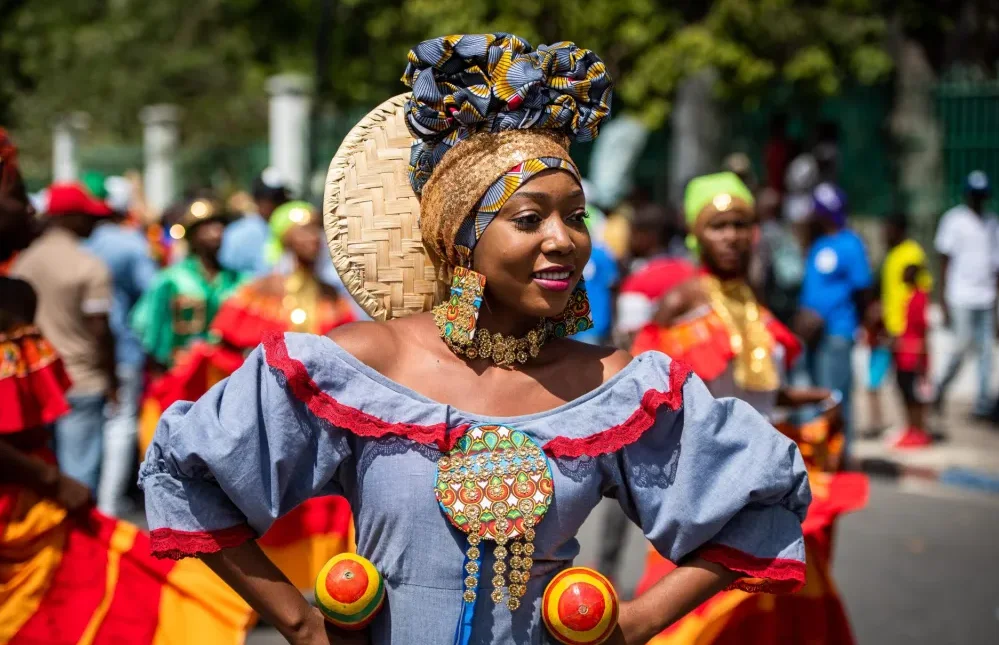
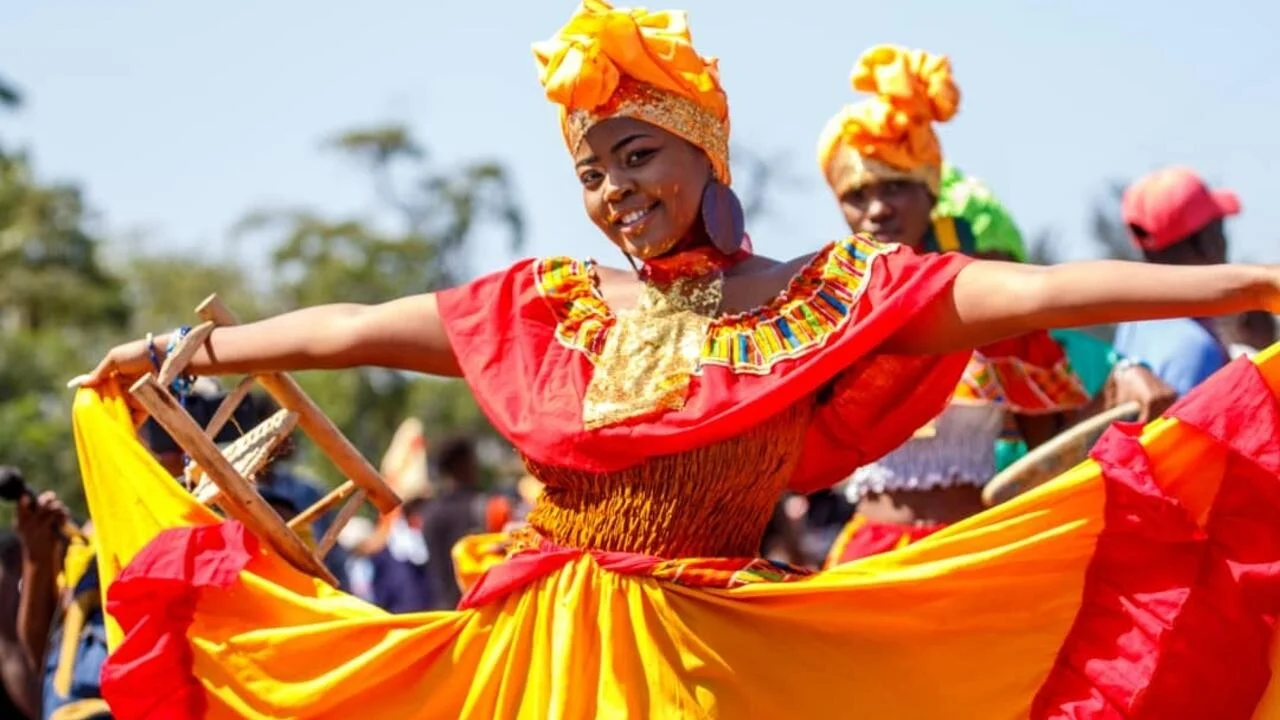
The Haitian carnival, an emblematic and essential celebration of the country’s festive calendar, is much more than a simple party. It embodies the very essence of Haitian culture, joyfully blending ancestral traditions, intoxicating music and a deep sense of community. Each year, this vibrant celebration transforms the streets into a vibrant and colorful spectacle, attracting thousands of participants and spectators eager to take part in this one-of-a-kind celebration. Haitian carnival has deep roots in the country’s history, dating back to colonial times. It has evolved over the centuries, incorporating elements of African, French and Creole culture to create a distinct and captivating celebration. The carnival period in Haïti traditionally begins in January and culminates with extravagant festivities that take place over several days. One of the most striking features of the Haitian carnival is the profusion of colors. Traditional costumes, called "masks", are elaborate and beautifully designed. They feature vivid patterns and vibrant decorations, creating a vivid picture of Haitian cultural identity. Participants, dressed in these elaborate costumes, parade through the streets to the sound of lively music, creating an electric atmosphere. Music is at the heart of the Haitian carnival. The captivating rhythms of compass, rasin, rara and other local musical genres resonate throughout the city, inviting people to dance to the rhythm of the party. Orchestras parade through the streets, accompanying the dancers and creating a unique symbiosis between the music and the graceful movements of the participants. The Haitian carnival parade is not just about the music and costumes; it also celebrates the richness of street arts. Talented artists create giant sculptures, art installations and theatrical performances that tell deep stories of Haitian history and culture. These artistic expressions contribute to the transmission of values ​​and stories that shape the identity of the Haitian people.

The Monferrier Dorval Chair of Constitutional Law, a gesture from the State University of Haiti, for the preservation of the memory of Professor Dorval

The Monferrier Dorval Chair of Constitutional Law is a high-intellectual-intensity initiative, taken by the State University of Haïti (UEH), through the leadership of its rectorate, in agreement with the leaders of the Faculty of Law and Economics (FDSE). The initiative’s primary goal is to honor and perpetuate the memory of the valiant and brilliant Professor Monferrier Dorval, assassinated in unclear circumstances, about three years ago. And in order to make a scientific contribution to the great debate that has been going on in Haitian society for about ten years about the need to change or not, the constitution of March 29, 1987, amended on May 11, 2011. Shouldn’t we try to apply it preferably? If it needs to be changed, should this change be radical, otherwise what should it have in terms of change within a new mother law for a better institutional organization of Haiti. The chair is scientifically chaired by Professor Henri Marge. Dorléans, (current head of AFPEC), and is vice-chaired by the dean of the faculty of law and economics, Me Eugène Pierre Louis. The Chair is materialized by a set of conferences and debates (15 in total), which take place in the premises of the Office of the Protection of the Citizen OPC, under the name of Wednesday of the Monferrier Dorval Chair. It is in this sense that for the fifth edition of the Wednesday of the chair (which took place this Wednesday, October 9, 2024 at the OPC, in the presence of the protector of the citizen, Me Renan Hédouville), attention was placed on education within the debate surrounding the possible development of a new constitution for Haiti. This 5th meeting took place under the theme of: "Education, Teaching, Research, Science and Technologies". The conference was hosted by three greats of the Haitian intellectual community, including two eminent professors of the UEH, namely, Professor Odonel Pierre Louis, academic director of the École normale supérieure (ENS); the vice rector of the UEH, Professor Jacques Blaise. Their interventions were followed by that of the director of the national institute of vocational training (INFP) Mr. Dikel Delvariste.

Recently Posted

History

History

First black nation to free itself from slavery and gain independence from France in 1804 and influenced other liberation movements around the world, inspiring struggles for freedom and equality.

Natural beauty

Natural beauty

Haïti is blessed with spectacular natural landscapes, including white sand beaches, mountains and rich biodiversity.

Heritage

Heritage

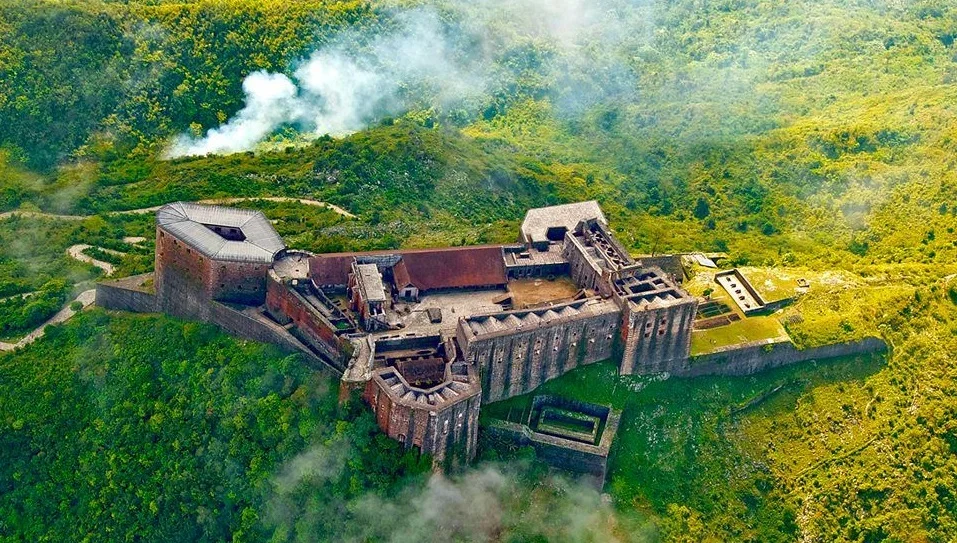
Haïti has a rich historical heritage, including sites like the Citadelle Laferrière and the Sans-Souci Palace, listed as UNESCO World Heritage Sites.

Culture

Culture

Haïti has a rich and diverse culture, influenced by African, European and indigenous elements. Haitian music, dance, art and cuisine are celebrated around the world.

  • +
    • Post