contact@haitiwonderland.com+509 36184317

Discover

Shopping Cart

What does the name Haïti mean? History and context

What does the name Haïti mean? History and context

The name “Haiti” is deeply rooted in the history, culture and identity of the nation. Carrying within it the legacy of the first inhabitants and the weight of the struggles for freedom, this word symbolizes much more than a simple territory. Let’s discover together the history and context surrounding this unique appellation.

Origin and etymology of the word Haiti

The word “Haiti” comes from the language of the Taino, the indigenous people who inhabited the island before the arrival of Europeans.

- Meaning in Taino: In the Taino language, “Ayiti” means “land of high mountains” or “mountainous country”.
- Geographic description: This term reflects the spectacular relief of the island, characterized by imposing mountains that dominate the landscape.

By choosing this name, the Tainos were highlighting the natural beauty of their land, where nature played a central role in their way of life.

A symbolic choice after independence

After the Haitian revolution and the proclamation of independence in 1804, the leaders of the new country decided to rename the former French colony of Saint-Domingue to “Haiti”.

- Back to the origins: This choice aimed to honor the Tainos, the first inhabitants of the island, and to break with the colonial past.
- An act of resistance: By adopting this name, Haïti affirmed its unique identity and its desire to free itself from European colonial influences.

Thus, “Haiti” has become a symbol of national pride and resilience in the face of historical oppression.

Haïti and its mountainous landscape

The name “Haiti” also finds its meaning in the country’s exceptional geography.

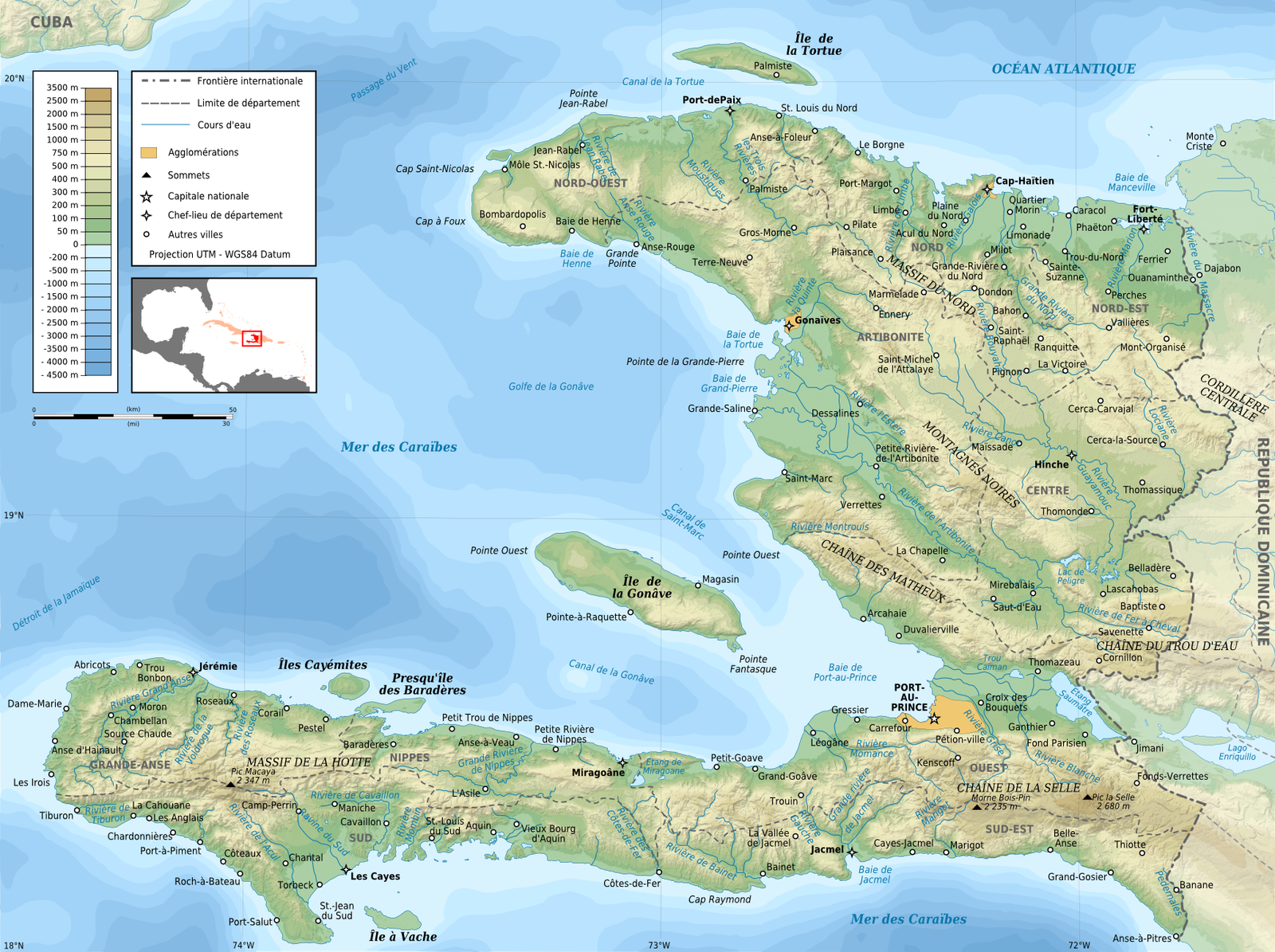
- A land of mountains: Haïti is made up of more than 60% mountains, including the famous Massifs de la Hotte, du Nord and de la Selle. These mountains are not only natural wonders, but also historical refuges during the Haitian Revolution.
- A natural paradise: This relief contributes to Haiti’s unique biodiversity, offering varied landscapes ranging from lush tropical forests to rugged peaks.

By celebrating the country’s mountainous character, the name “Haiti” reflects a true natural wealth.

A name carrying heritage and pride

“Haiti” is much more than a word: it is a constant reminder of the country’s glorious history and the struggle for independence.

- First independent black republic: In 1804, Haïti marked world history by becoming the first independent black republic, an example of resistance and courage.
- A name that carries memory: It also evokes the cultural richness and diversity of its inhabitants, descendants of the Tainos, Africans and European settlers.

This word has become an emblem of freedom, resilience and identity for Haitians and beyond.

Why is “Haiti” unique?

The choice of the name “Haiti” reflects universal values:

- Respect for origins: By honoring the first inhabitants, it highlights the importance of preserving cultural roots.
- Resilience: It testifies to the ability of the Haitian people to overcome adversity and build a strong and independent nation.
- Natural beauty: It highlights the country’s geographical and ecological assets, making Haïti a destination to discover and respect.

For Haitians, this word is a source of pride. It tells their past, present and future with power and authenticity.

A Meaning That Resonates Around the World

“Haiti” is more than just a geographic name. It is a testament to courage, a symbol of hope, and a reminder of the natural and cultural beauty of a unique country.

Learning the meaning and history behind the word will help you understand why Haïti is such a special place and why its people carry their heritage with pride.

What does the name “Haiti” inspire in you? Share your thoughts and learn more about this fascinating nation!

Share
About the Author
Appolon Guy Alain
Appolon Guy Alain
Appolon Guy Alain

Full Stack Developer, Créatif, expérimenté, passionné des nouvelles technologies et de l’art.

See other articles from Appolon Guy Alain
Leave a comment

Recently Posted

Newsletter

Subscribe to our newsletter to stay informed of all our activities and news on Haiti.

Haitian traditions

Haiti, the pearl of the Antilles, is a country rich in history and traditions. Its vibrant and diverse culture is reflected through its national holidays, cultural festivities, traditional foods, religious beliefs, folk tales, and traditional games. Let’s immerse ourselves in the social fabric of Haïti to discover the beauty of its traditions. b~National Holidays:~b National holidays in Haïti are moments of pride and national unity as January 1, Independence Day, commemorates the victory of Haitian slaves over French colonial forces in 1804, making Haïti the first independent country in Haiti. Latin America and the Caribbean or the commemoration of the Battle of Vertières on November 18. The Battle of Vertières was one of the last great battles of the revolution. It took place in Vertières, near the town of Cap-Haitien. b~Cultural Festivities:~b Haïti is also famous for its cultural festivities, particularly Carnival, which is an explosion of color, dance, and music. Artistic and craft events, such as the Rara festival, are an opportunity for artists to showcase their talent. The Rara, a musical parade, combines folklore and spirituality, creating a unique experience. b~Traditional Foods:~b Haitian cuisine is a delight for the taste buds. Dishes like griot (fried pork), diri djon djon (rice with black mushrooms), and the legendary joumou (joumou soup) are an integral part of Haitian culinary tradition. Bold flavors, spices and cooking methods inherited from African and French tradition make Haitian cuisine unforgettable. b~Vodou:~b Vodou, often misunderstood, is a synchretic religion that incorporates elements of Catholicism, African animism, and indigenous beliefs. It plays a significant role in the daily lives of Haitians, influencing music, dance, and religious rites. Vodou is a profound expression of Haitian spirituality. The Tales (Krik Krak, Tim Tim, Bwa Sèch): Haitian folk tales, passed down from generation to generation, are rich in morality and wisdom. b~Konbit :~b The concept of Konbit represents community solidarity. Haitians come together to perform community tasks, whether in agricultural fields or for construction projects. It is a living example of the collective spirit that permeates Haitian society. The most recent major project to date concerns the construction of the canal from the Massacre River to Ouanaminthe, which took place between September and December 2023. Thousands of inhabitants of the north of the country mobilized all their forces to erect a canal allowing to collect water intended for irrigation of their plantations, with the aim of obtaining better harvests. Despite their modest means, they were motivated by the slogan "KPK" (Kanal la pap kanpe), a direct response to Dominican President Luis Abinader who warned them and did everything in his power to stop the construction of the canal. This channel represents the deep solidarity of Haitians and reaffirms national pride. Despite economic challenges, the people of northern Haïti have demonstrated exceptional determination to work together for a common goal. The slogan “Kanal la pap kanpe” embodies their resilience in the face of external pressures and demonstrates their unwavering will to continue the construction of the canal. b~Traditional Games:~b Traditional games are an essential part of daily life in Haiti. Games like lido, sote kòd, Yoyo, Ralba, Marèl, TiTaTo, Kay, lago kache, Monte kap, teke mab, woule sèk, twa fwa se manbo, and domino bring people together, promoting camaraderie and fun. Haitian traditions are a harmonious blend of spirituality, community, and cultural diversity. Every aspect, from national holidays to traditional games, helps weave the rich cultural tapestry that makes Haïti proud. These traditions are the beating heart of the nation, a precious heritage that continues to be passed down from generation to generation.

Recently Posted

History

History

First black nation to free itself from slavery and gain independence from France in 1804 and influenced other liberation movements around the world, inspiring struggles for freedom and equality.

Natural beauty

Natural beauty

Haïti is blessed with spectacular natural landscapes, including white sand beaches, mountains and rich biodiversity.

Heritage

Heritage

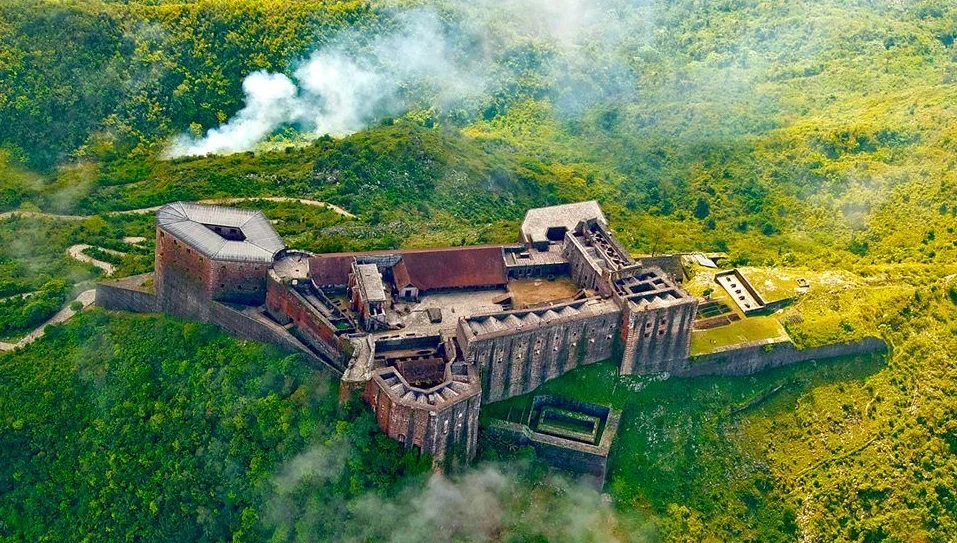
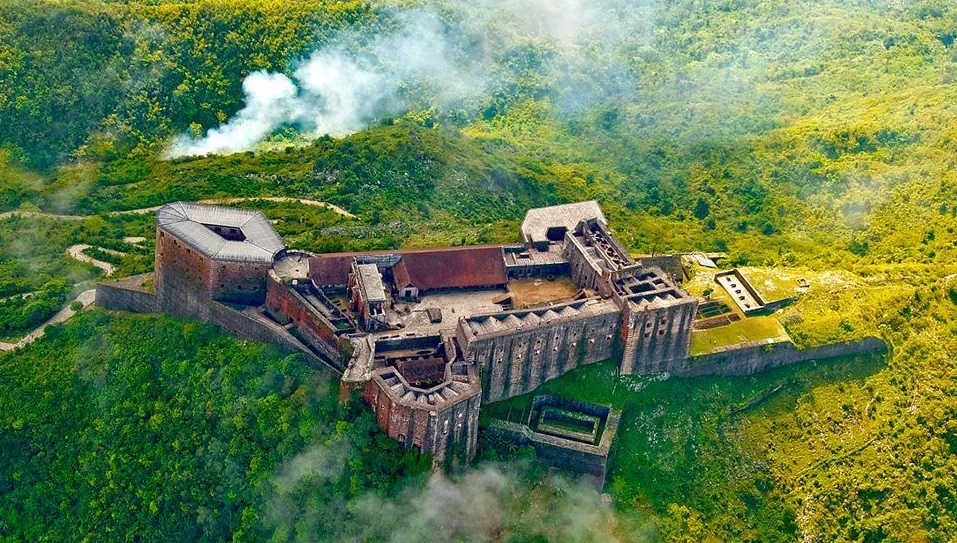
Haïti has a rich historical heritage, including sites like the Citadelle Laferrière and the Sans-Souci Palace, listed as UNESCO World Heritage Sites.

Culture

Culture

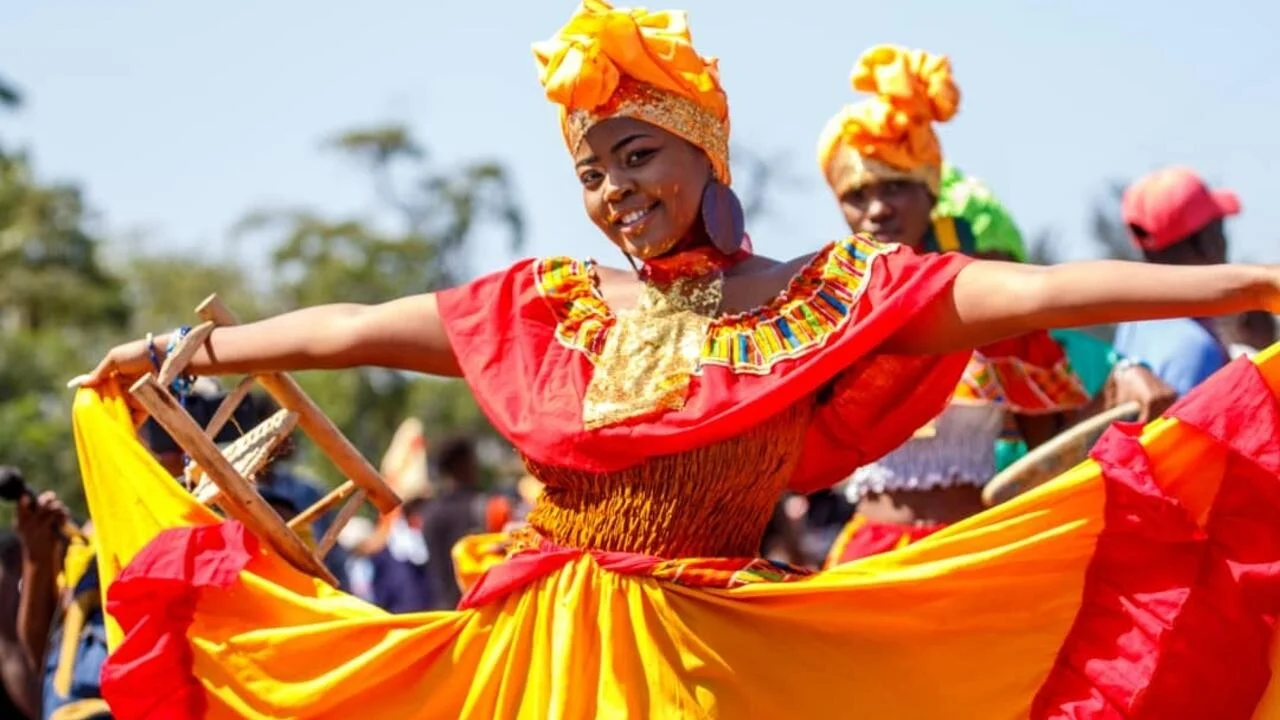
Haïti has a rich and diverse culture, influenced by African, European and indigenous elements. Haitian music, dance, art and cuisine are celebrated around the world.

  • +
    • Post